
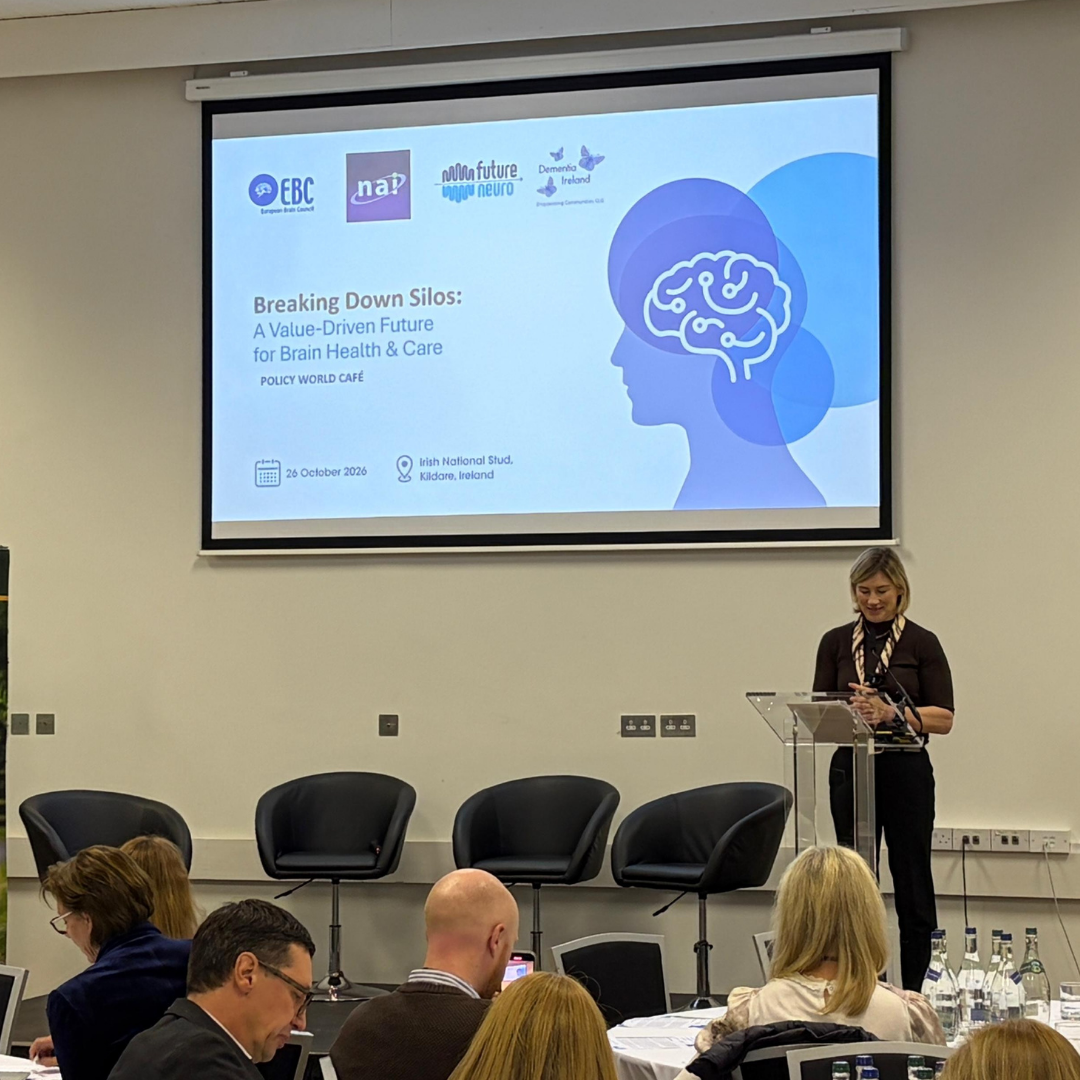
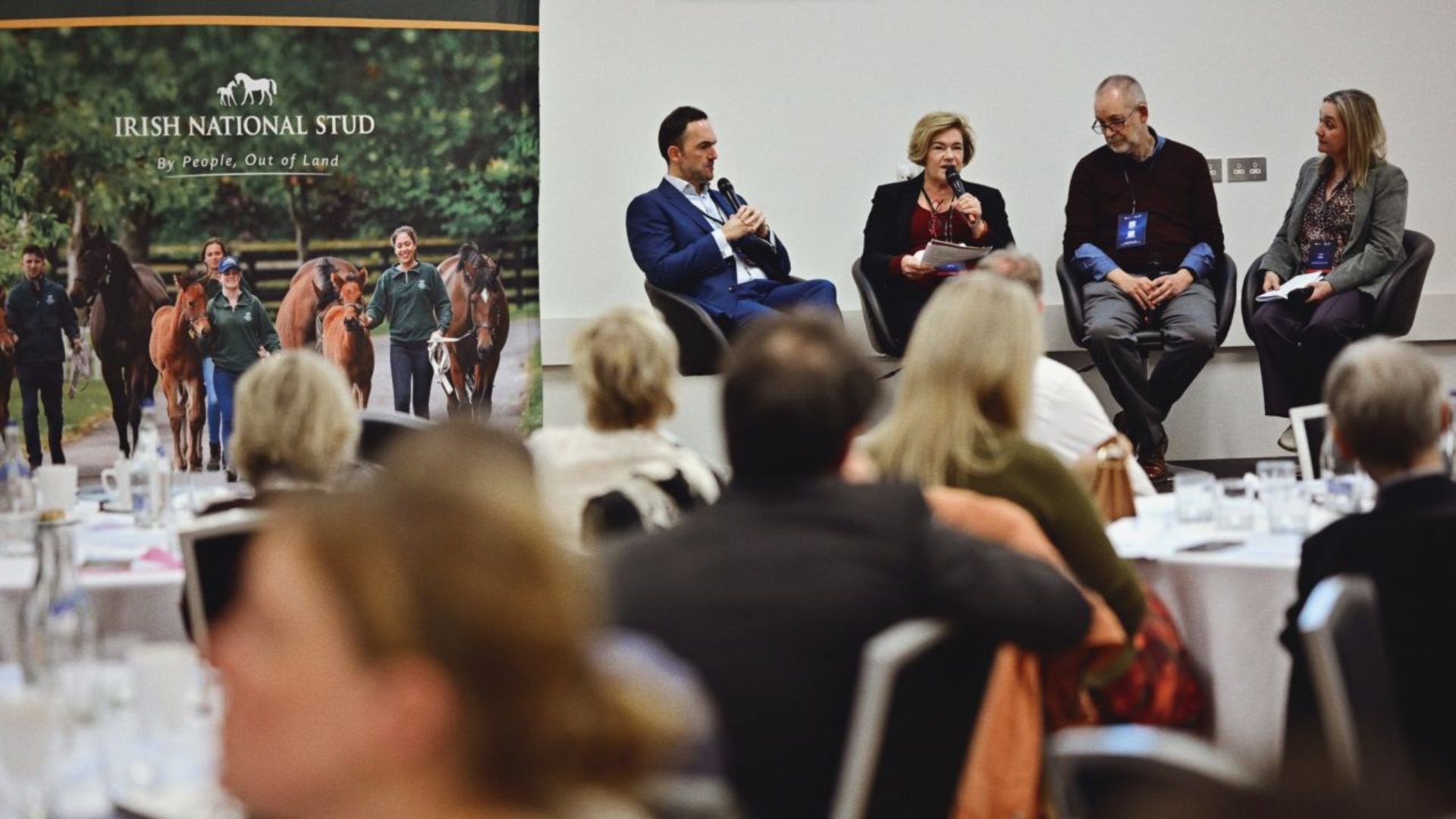
KILDARE, 26 October 2026 — Earlier support, better-connected care and a stronger voice for people living with brain conditions were at the heart of the event Breaking Down Silos: A Value-Driven Future for Brain Health & Care, held on October 26 at the Irish National Stud & Gardens in Kildare.
In the framework of the Irish Presidency of the Council of the European Union, the gathering brought together people with lived experience, carers, clinicians, researchers and policymakers to explore how Ireland and Europe can turn scientific progress and political ambition into better everyday care. The event was organised by the European Brain Council (EBC), in partnership with the Neurological Alliance of Ireland, FutureNeuro, and Dementia Ireland.
The Kildare gathering builds on September’s Brain Days and science-diplomacy discussions in New York during the high-level week of UNGA81, where international partners called for sustained collaboration to advance brain health as a global priority. Against growing momentum across international, EU and national policy agendas, the event connected that ambition with practical proposals for better prevention, research and care in Ireland and across Europe.
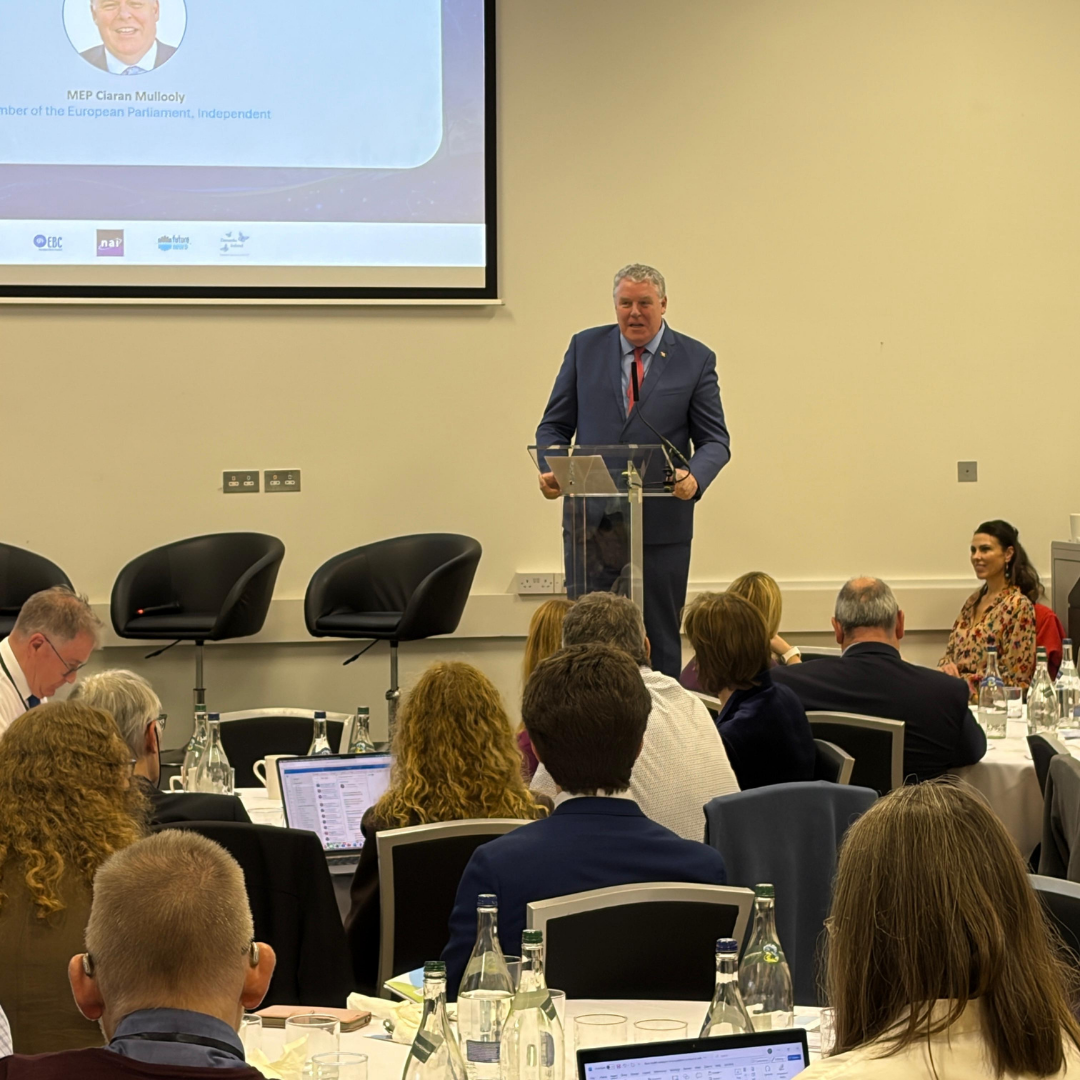
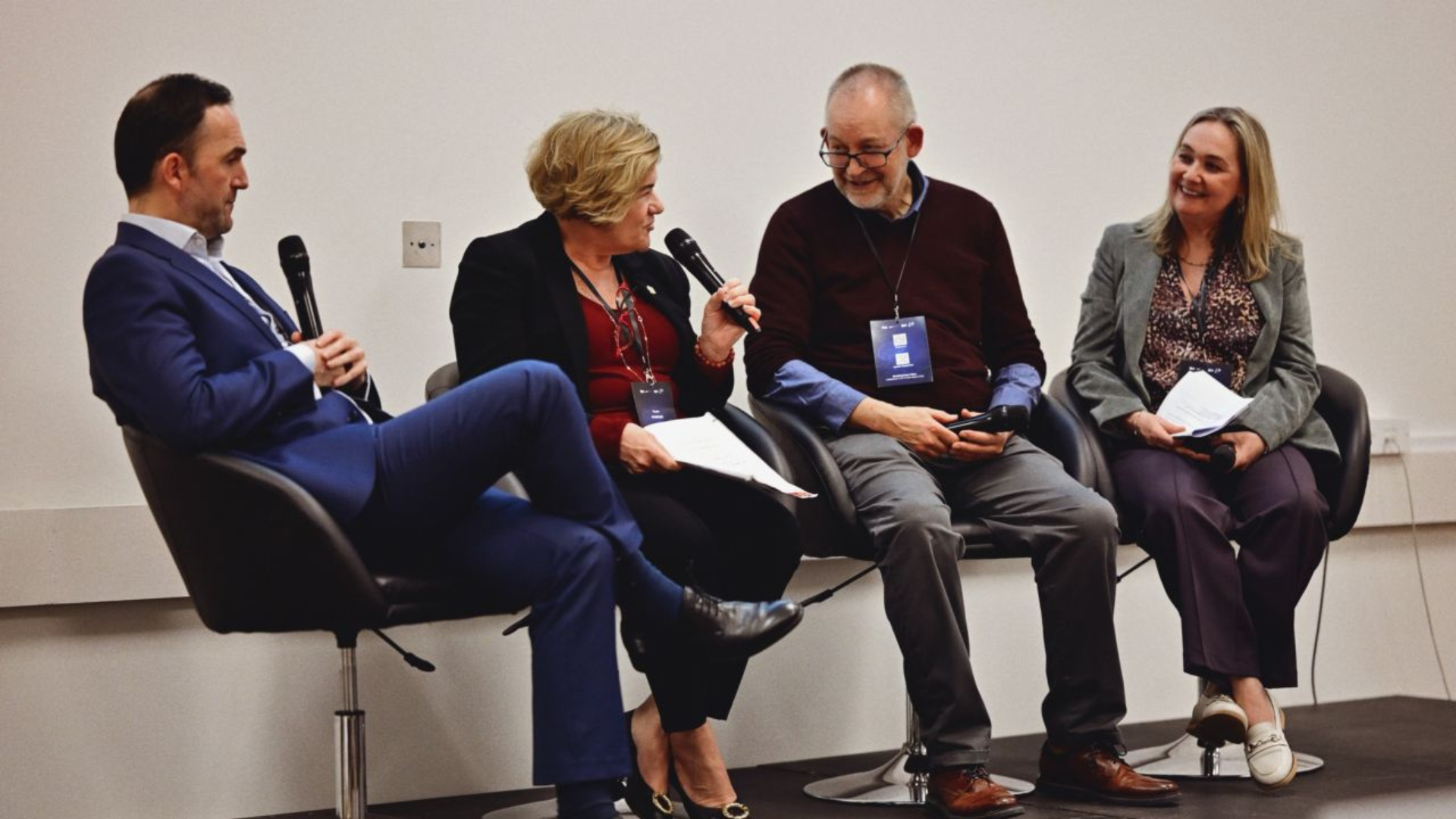
Member of the European Parliament (MEP)’s Nina Carberry and Ciaran Mullooly joined Deputy Colm Burke, Chair of the Oireachtas Cross Party Group on Neurological Health, for a programme connecting personal experience, community needs and political leadership. Carberry took part in a conversation with dementia advocate Helen Rochford-Brennan, while Mullooly addressed the links between European policy, timely care and participation in community life.
A challenge felt in homes and communities across Ireland
According to the Neurological Alliance of Ireland, more than 860,000 people in Ireland live with a neurological condition. The impact extends beyond diagnosis and treatment, affecting independence, relationships, education, employment and the wellbeing of families and carers.
The Kildare event addressed neurological and mental health conditions through a shared brain health perspective. Its focus was practical: how to help people receive the right support at the right time, and how to judge care by the difference it makes to their lives – not simply by the number of appointments or services delivered.
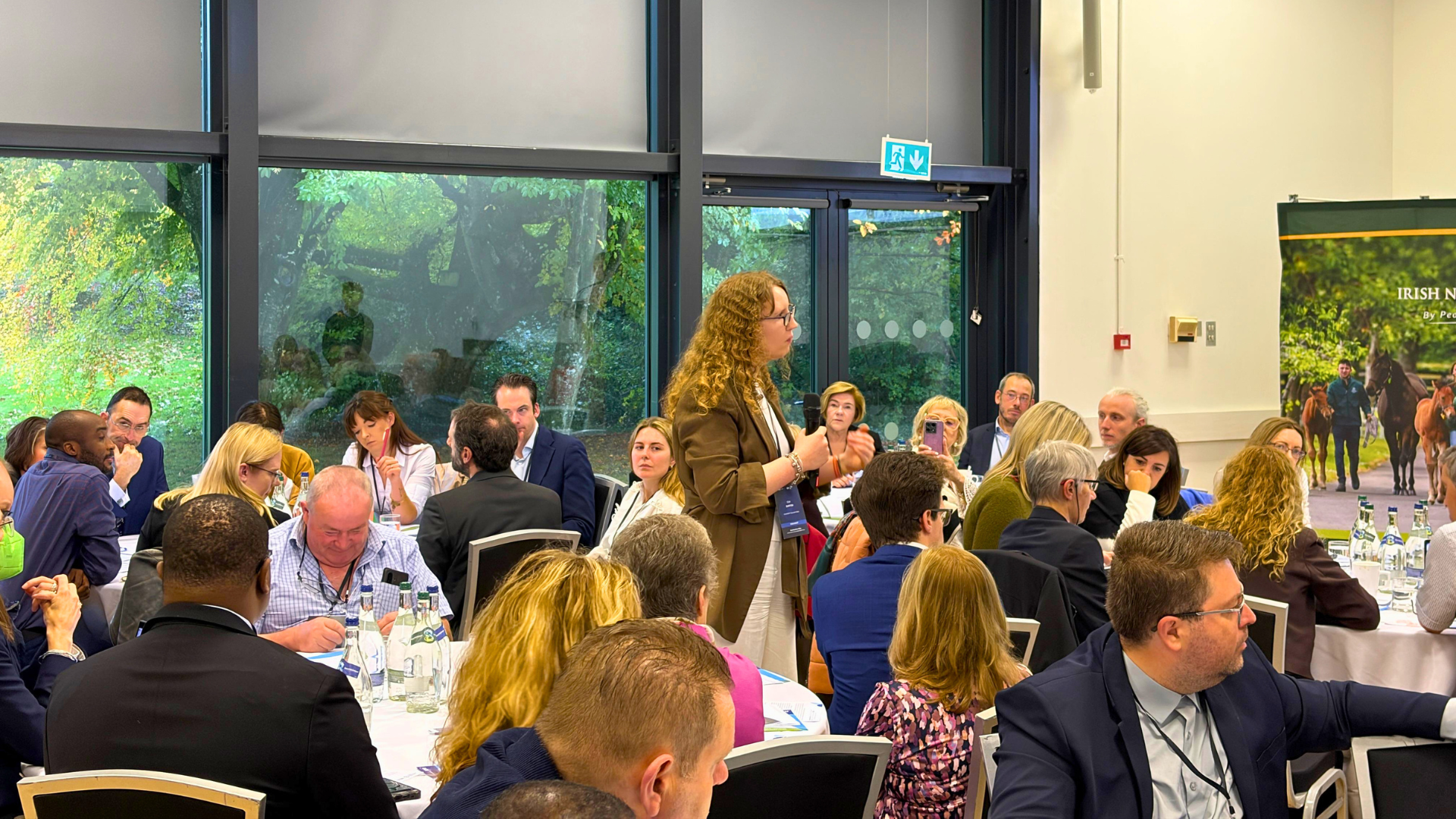
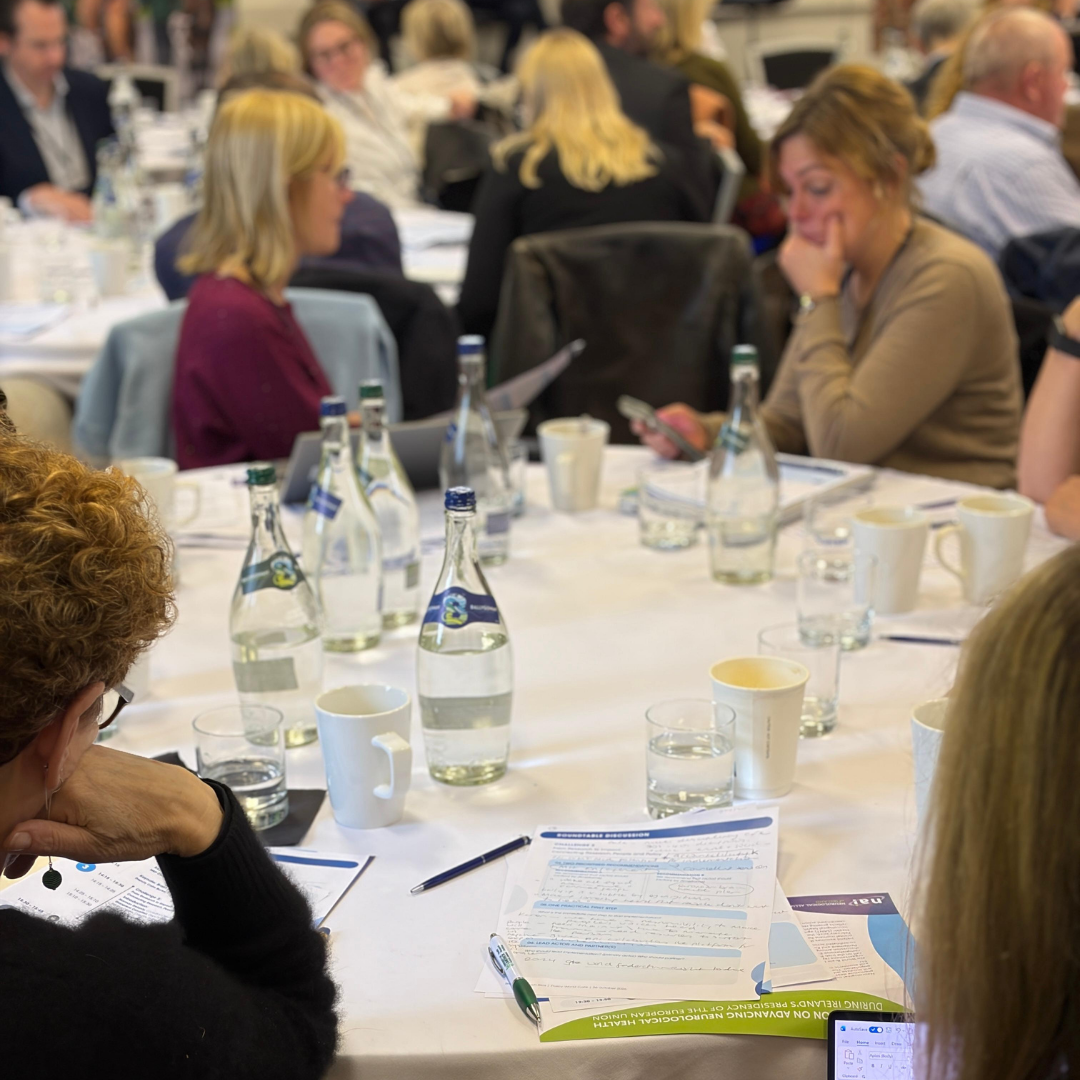
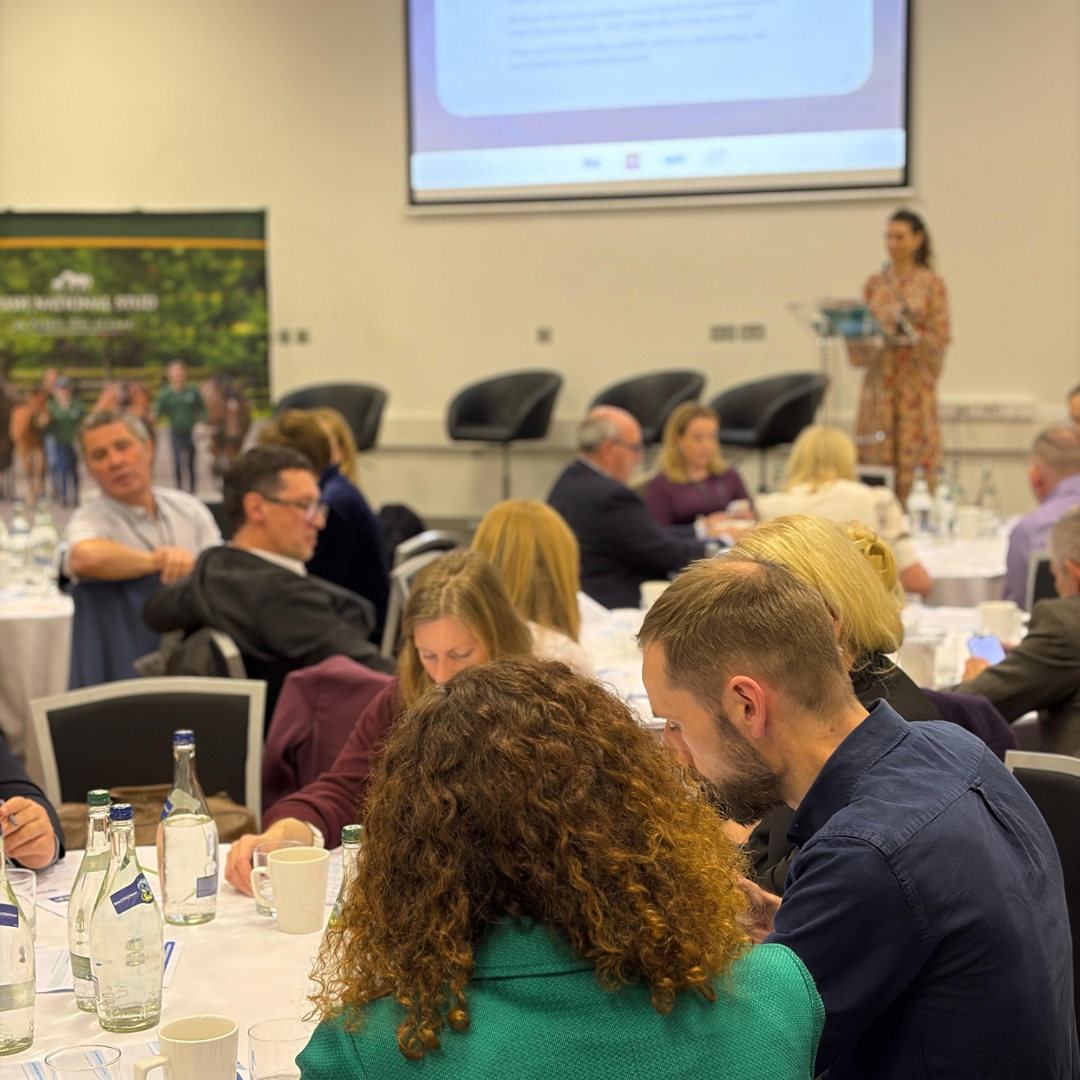
Rather than a traditional conference, the event used an interactive “World Café” format. Participants worked in roundtables to develop proposals, which were then put to expert and policy panels for discussion about feasibility, responsibility and implementation.
From fragmented services to coordinated support
The programme focused on four connected priorities:
- Putting lived experience at the centre of decisions, so people and carers help shape policies, services and the outcomes used to assess them.
- Strengthening prevention and early intervention throughout life, including action beyond the health service.
- Connecting research with everyday care, so advances in neuroscience, digital health and innovation translate into accessible support.
- Recognising value through quality of life, including independence, participation, dignity, rehabilitation and support for carers.
The discussions examined the partnerships, workforce support and investment needed to connect specialist services, primary care, rehabilitation and community organisations. They also explored how care can respond to psychological and cognitive needs alongside physical symptoms.
Nina Carberry, Member of the European Parliament, said:
“Europe has a real opportunity to lead, through better coordination, stronger investment in research and innovation, and by ensuring that advances in science translate into meaningful improvements in people’s health.”
Ciaran Mullooly, Member of the European Parliament, said:
“Policies and directives cannot be drafted at desks far away from the realities of lived experiences.”
Eamon McPartlin, Chair of the Neurological Alliance of Ireland, said:
“We can have all the best policies in the world, but they’re only as good as their execution. And this is where lived experience can be so valuable. It can provide feedback on what’s working well and what’s not working well.”
Finnian Hanrahan, at Health Research Board, said:
“There is still such an importance in research that is fundamental, that is blue skies research, that is highly exploratory. There’s no one size fits all.”
Frédéric Destrebecq, Executive Director of the European Brain Council, said:
“People do not experience their health in separate policy categories. They need services that connect, research that responds to their priorities, and support that helps them live well.”
“Ireland’s Presidency offers an important opportunity to bring these pieces together. The task is not to start again, but to build on the expertise, initiatives and partnerships already in place – and give them the political backing needed to deliver lasting change.”
Ireland’s opportunity to advance European action
The event took place against growing calls for a comprehensive EU Neurological Health Strategy. A declaration issued by Irish and European organisations on World Brain Day called on Ireland’s Presidency to advance coordinated action with Member States, the European Parliament and the European Commission.
Existing initiatives – including Healthier Together, the European Partnership for Brain Health and WHO’s Global Action Plans – provide foundations on which to build. The priority is to connect research, public health, care and social support, rather than allow them to develop in isolation.

From Kildare to Policy Action
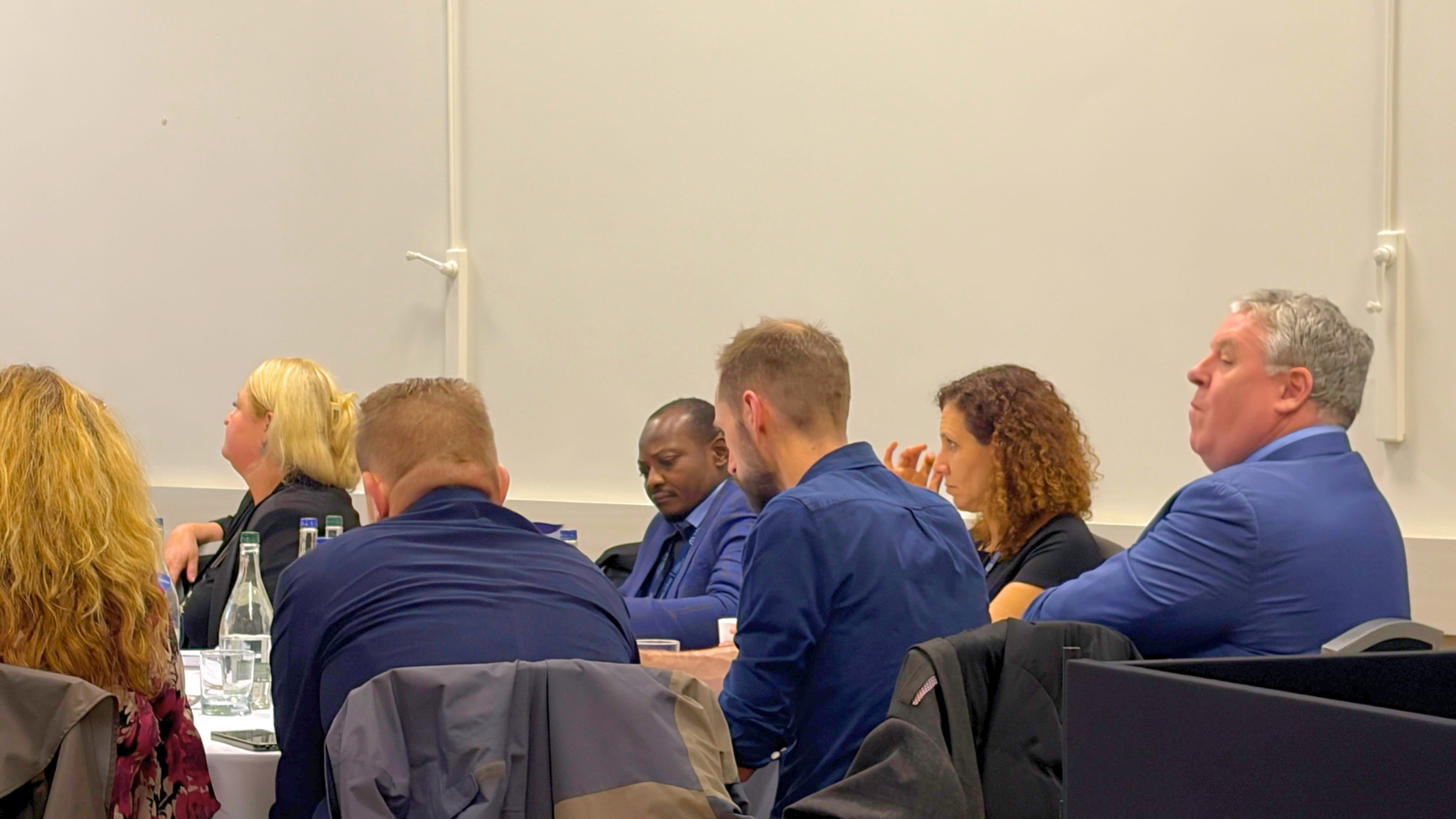
Participants called for earlier involvement of people with lived experience in designing research and services, clearer care pathways supported by navigators, and reduced administrative barriers to translating research into patient benefit. As a next step, a follow-up event will take place in the European Parliament, bringing the Kildare recommendations and participatory approach to a wider European policy audience. Further engagement in Lithuania was also outlined to sustain momentum towards coordinated neurological and mental health action and adequate support in the next EU budget.
An upcoming event report will consolidate the recommendations developed in Kildare and be circulated to Irish and EU policymakers. It will translate the discussions into practical policy proposals to advance brain health – neurological and mental alike – while connecting existing initiatives and highlighting opportunities for joint action. By carrying participants’ priorities into national and European policy debates, the report will provide a shared basis for continued dialogue, advocacy and implementation.
This event was made possible thanks to the support of Catalight, and the following supporting organisations:
Headway Ireland, Neuroscience Ireland, FENS, and Migraine Ireland.