
The European Brain Council (EBC) was proud to lead the 2026 Brain Days at the Science Summit of the 81st United Nations General Assembly (UNGA81) in New York, marking another major milestone in the efforts to advance brain health, research and capital on the global policy agenda.
Full Recording – Day 1
Full Recording – Day 2
Brain Days at UNGA81: Building Momentum Towards a UN Resolution for the Brain
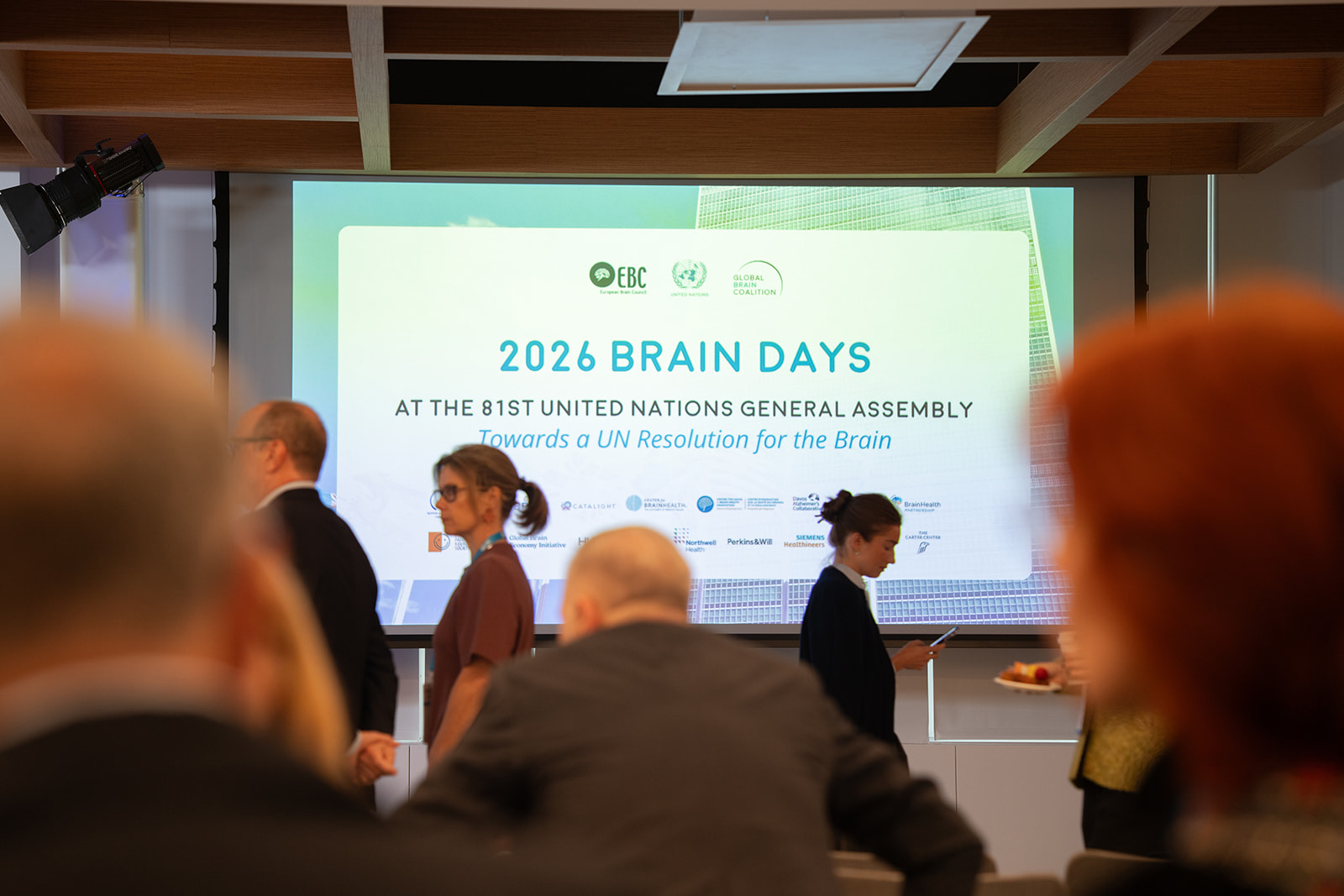
The fifth edition of the Brain Days at the 81st United Nations General Assembly (UNGA81) brought the global brain community to New York on 23–24 September 2026 for two days of dialogue, partnership and action. Convened by the European Brain Council (EBC) and the Global Brain Coalition under the theme Towards a UN Resolution for the Brain, the event explored how brain health can move higher on global policy agendas – and how international collaboration has the potential to turn growing momentum into lasting change.
Click to display in HD. ©️ Nick Starichenko
Day One: Collaboration and action
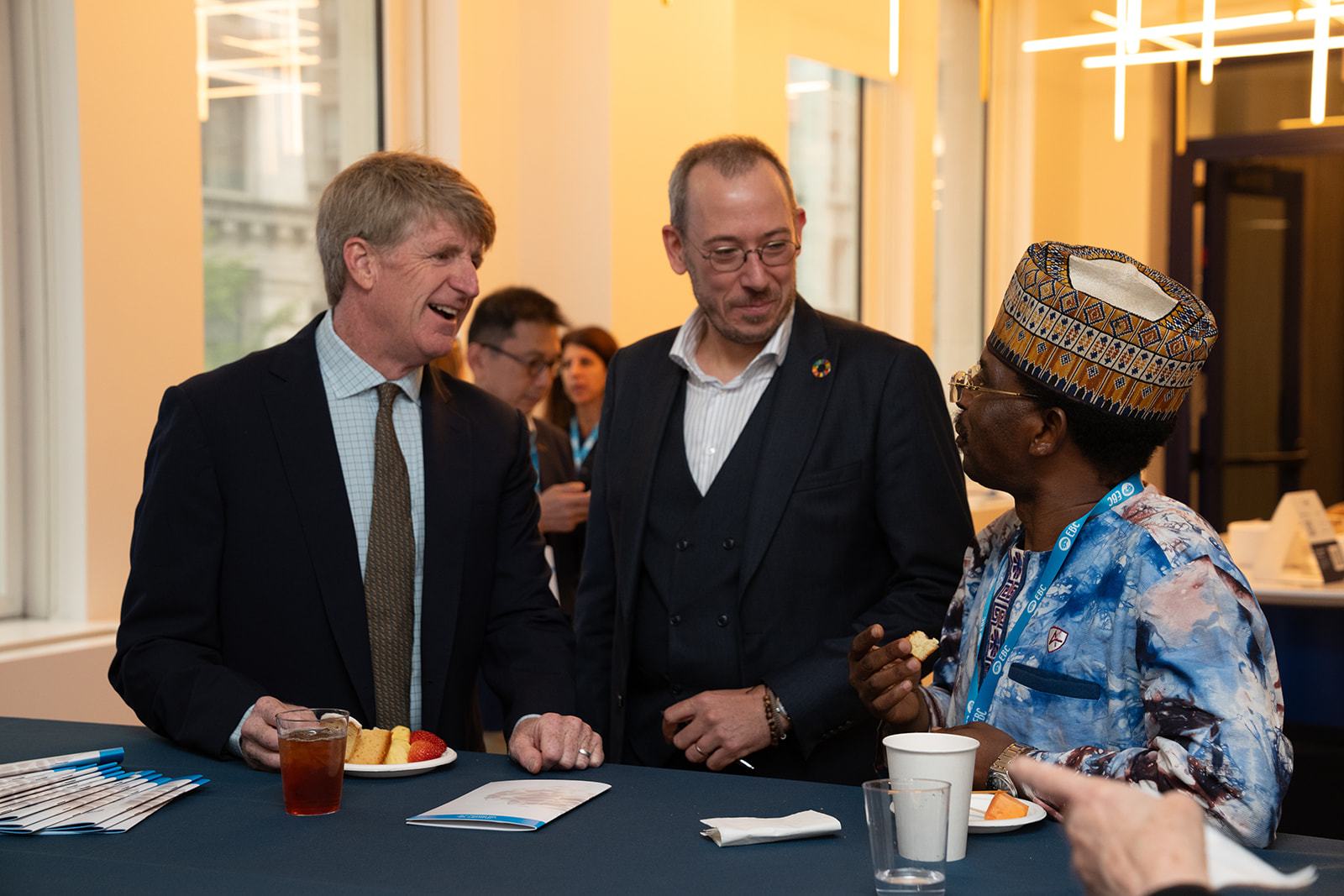
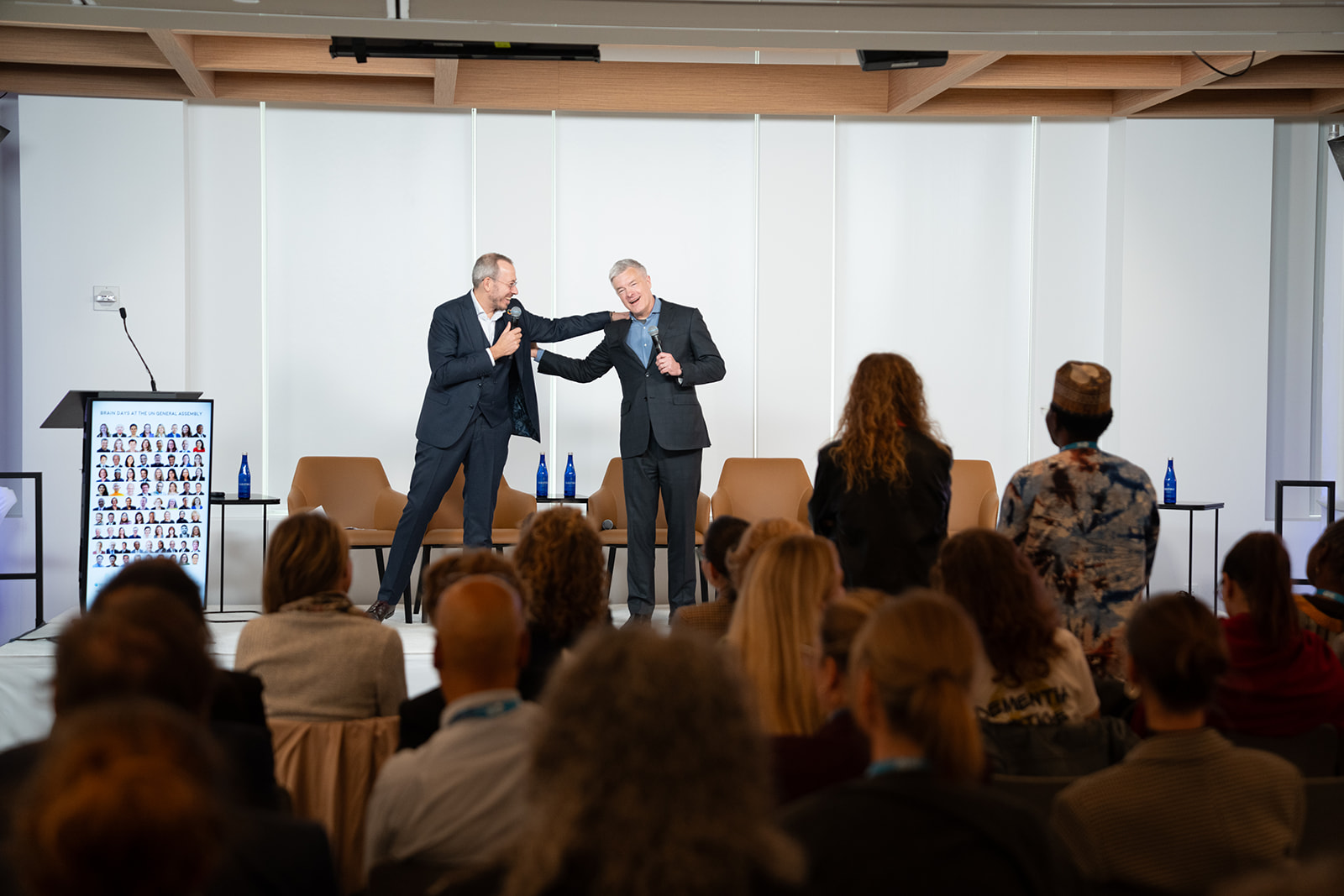
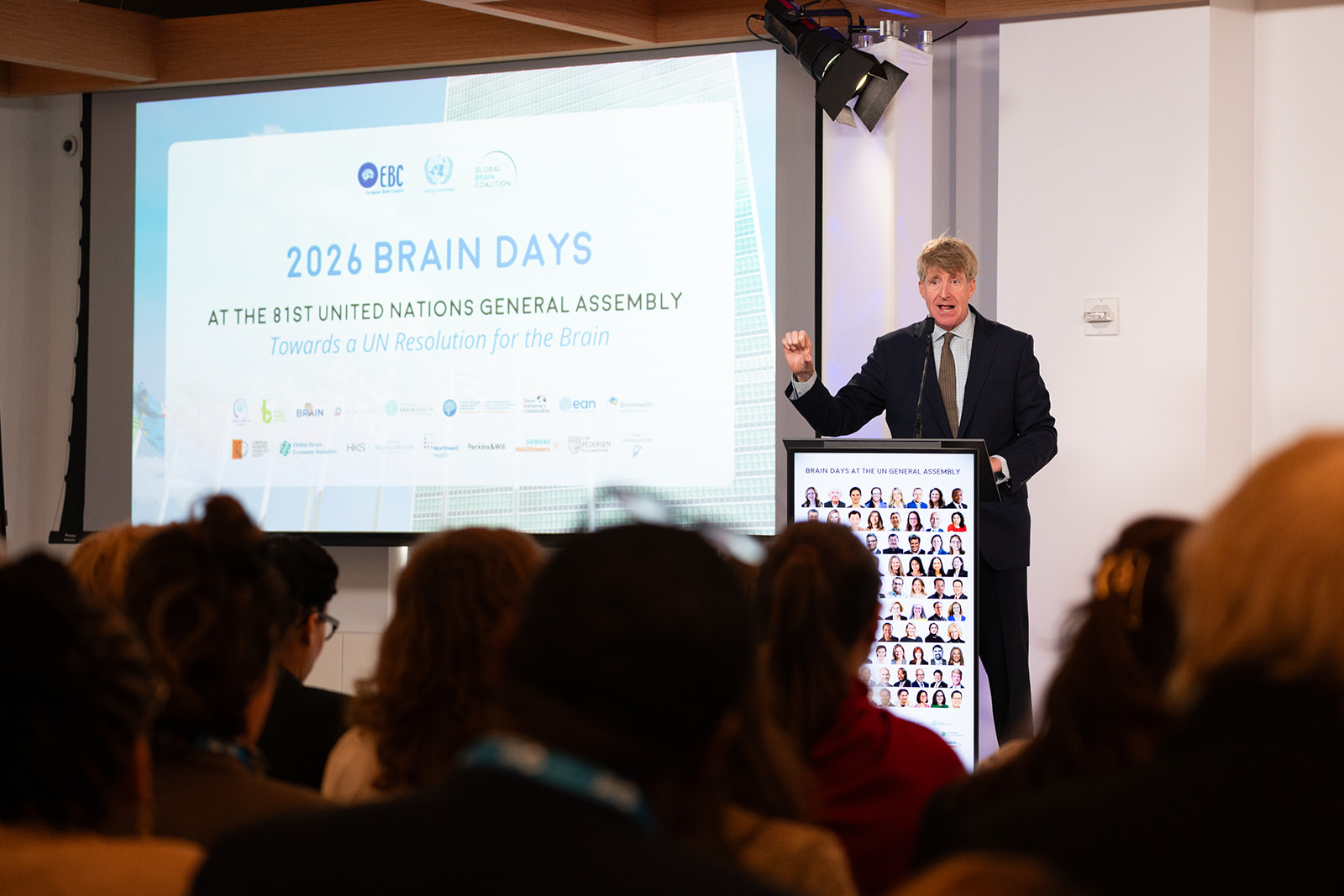
Day One opened with a welcome from Suzanne Dickson, EBC President, followed by an interactive opening discussion led by Frédéric Destrebecq, EBC Executive Director, and Andy Keller (Meadows Mental Health Policy Institute) which invited participants from across sectors to help shape the conversations ahead. Opening Keynote, Patrick Kennedy (Former U.S. Representative (D-RI), The Kennedy Forum), gave a rousing and personal testimonial to start the programme, speaking on the urgent need to prioritise brain health for the benefit of society.
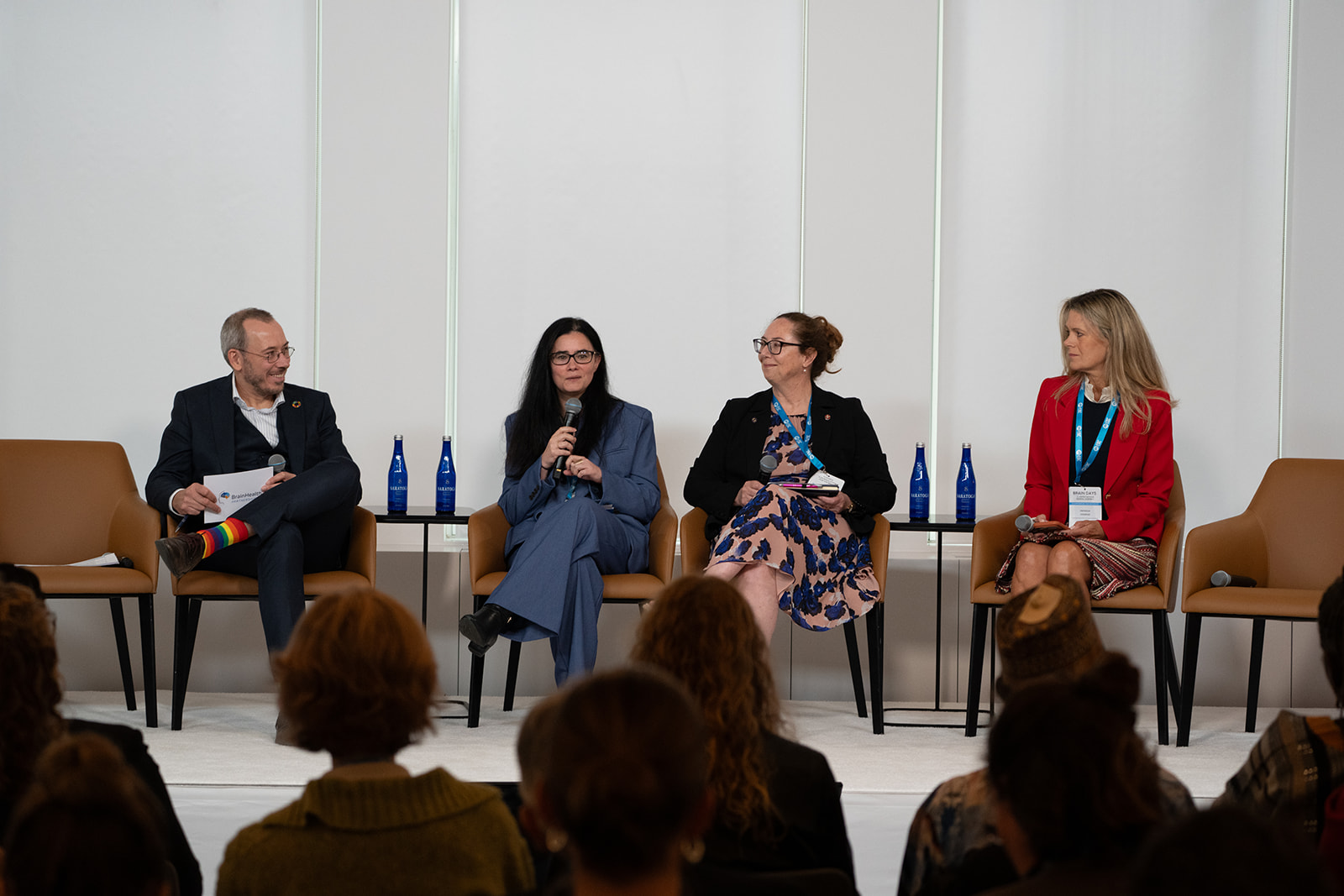
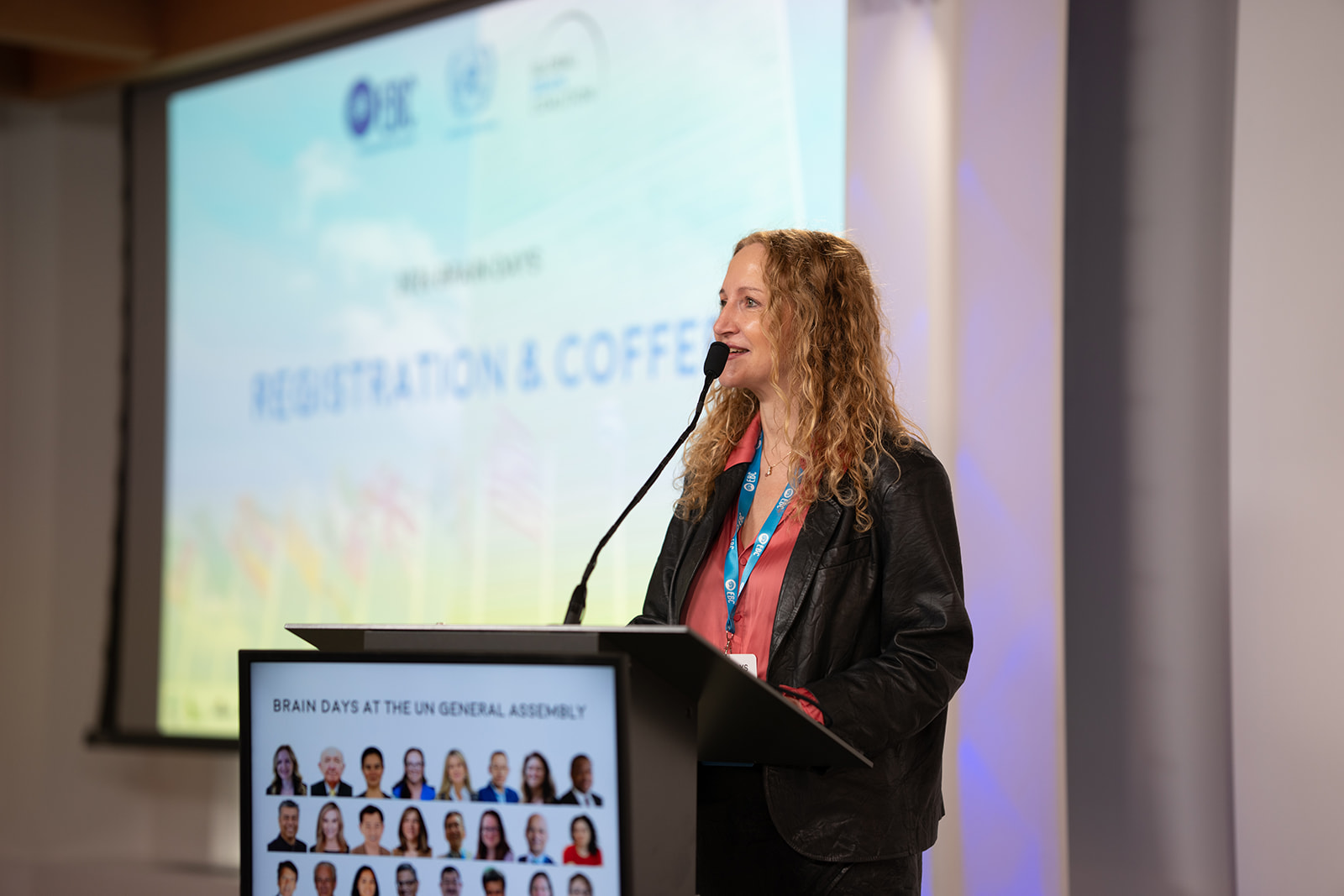
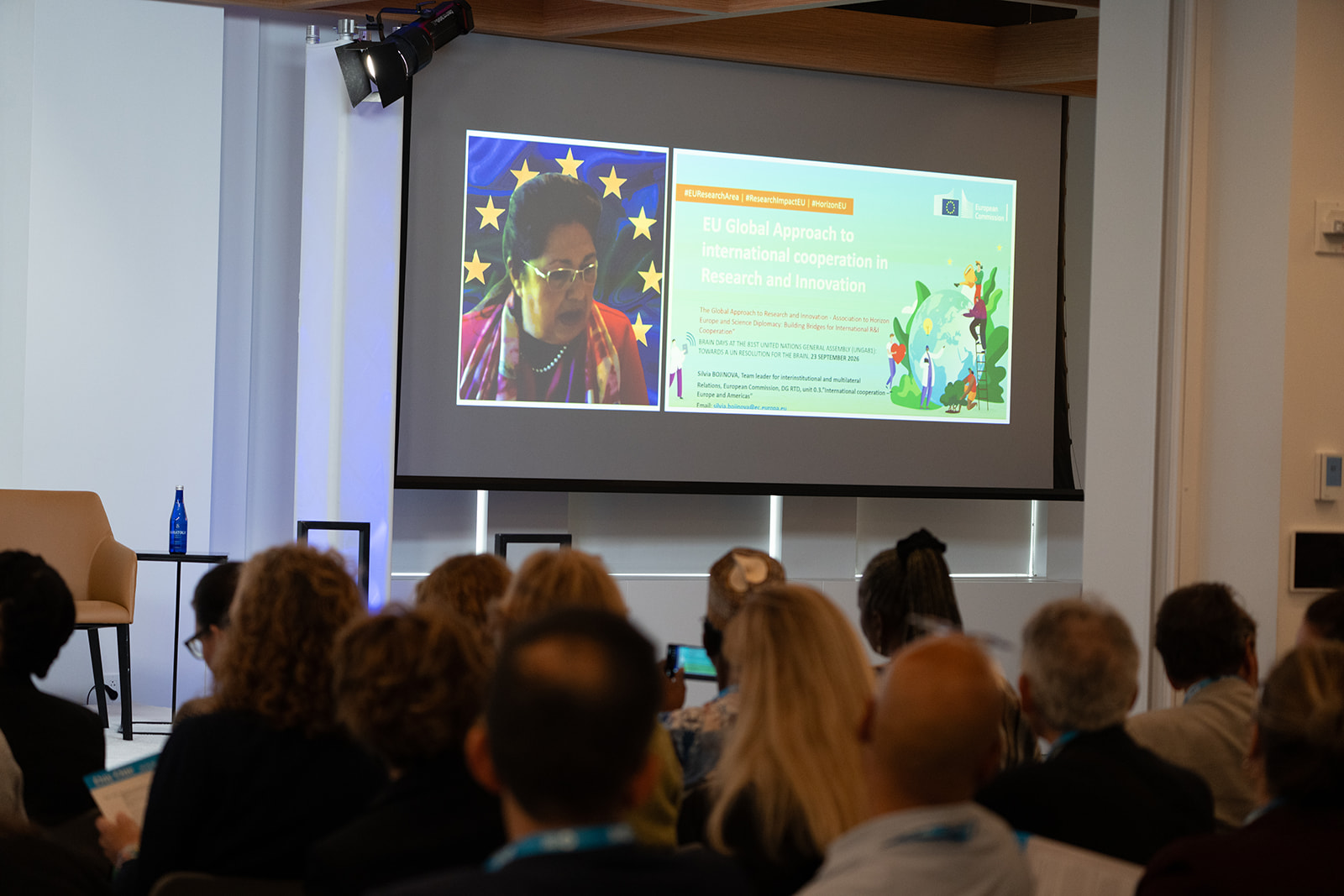
Click to display in HD. ©️ Nick Starichenko
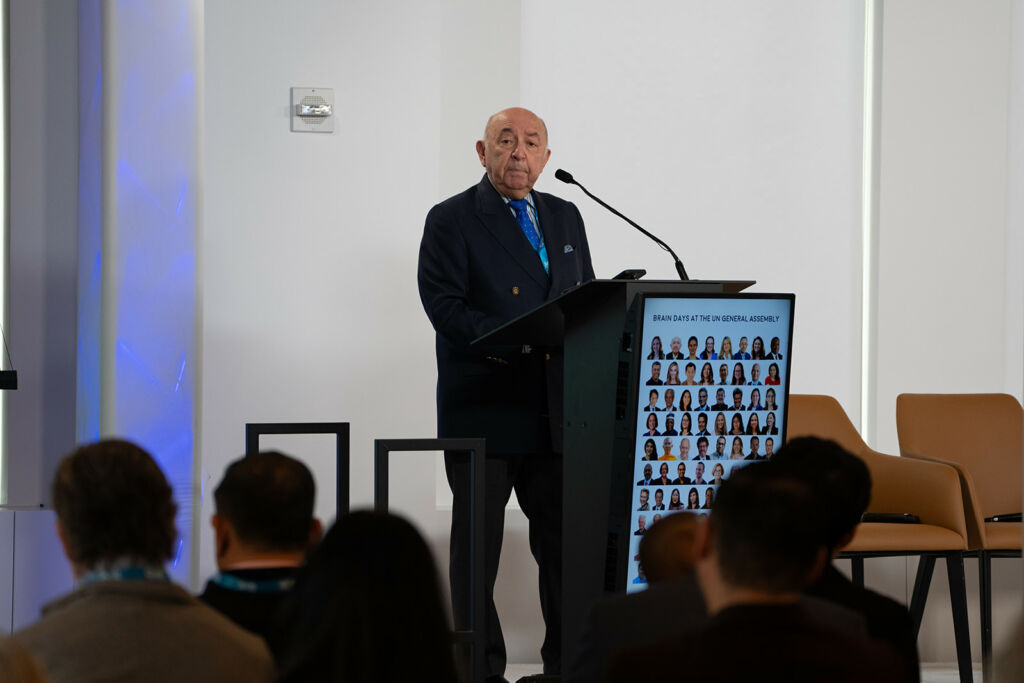
In his keynote on building scientific capacity through global partnership, H.E. Ambassador Luís Gallegos (United Nations Institute for Training and Research (UNITAR), former Minister of Foreign Affairs of Ecuador) reflected on the value of international cooperation in addressing shared brain health challenges in light of growing demographic pressures, especially in rapidly ageing populations.
Silvia Bojinova (Directorate-General for Research and Innovation, European Commission) then presented the EU’s Global Approach to Research and Innovation, highlighting association to Horizon Europe and science diplomacy as ways to build bridges for international research and innovation cooperation.
In collaboration with the European Partnership for Brain Health, Catherine Marquer (Agence Nationale de la Recherche), Louise Parr-Brownlie (University of Otago; Brain Health Partnership Co-Lead for New Zealand), and Patricia Conrod (Canadian Institutes of Health Research) joined Silvia Bojinova and Frédéric Destrebecq to discuss how the Partnership can advance science diplomacy, align priorities and foster long-term global collaboration in brain research and innovation.
An interactive exchange on the need for global collaboration in brain research invited the audience to identify the barriers that remain between regions, disciplines and sectors, while also identifying practical opportunities to strengthen connectivity, knowledge-sharing and coordinated action.
Building on the morning discussions, Allison B. Sekuler (Centre for Aging + Brain Health Innovation, Baycrest Academy for Research and Education) examined the intersection of super-aging, economic resilience and brain health, making the case for innovation that supports healthier ageing and societal participation.
In collaboration with the Meadows Mental Health Policy Institute, Arthur Evans (American Psychological Association), Zia Agha (West Health Institute), Laura Murray (Johns Hopkins Bloomberg School of Public Health) and Josh Hsu (Slingshot AI) joined moderator Hannah Wesolowski (National Alliance on Mental Illness) to consider how artificial intelligence can improve diagnosis and personalised care while ensuring safety, equity and appropriate policy safeguards.
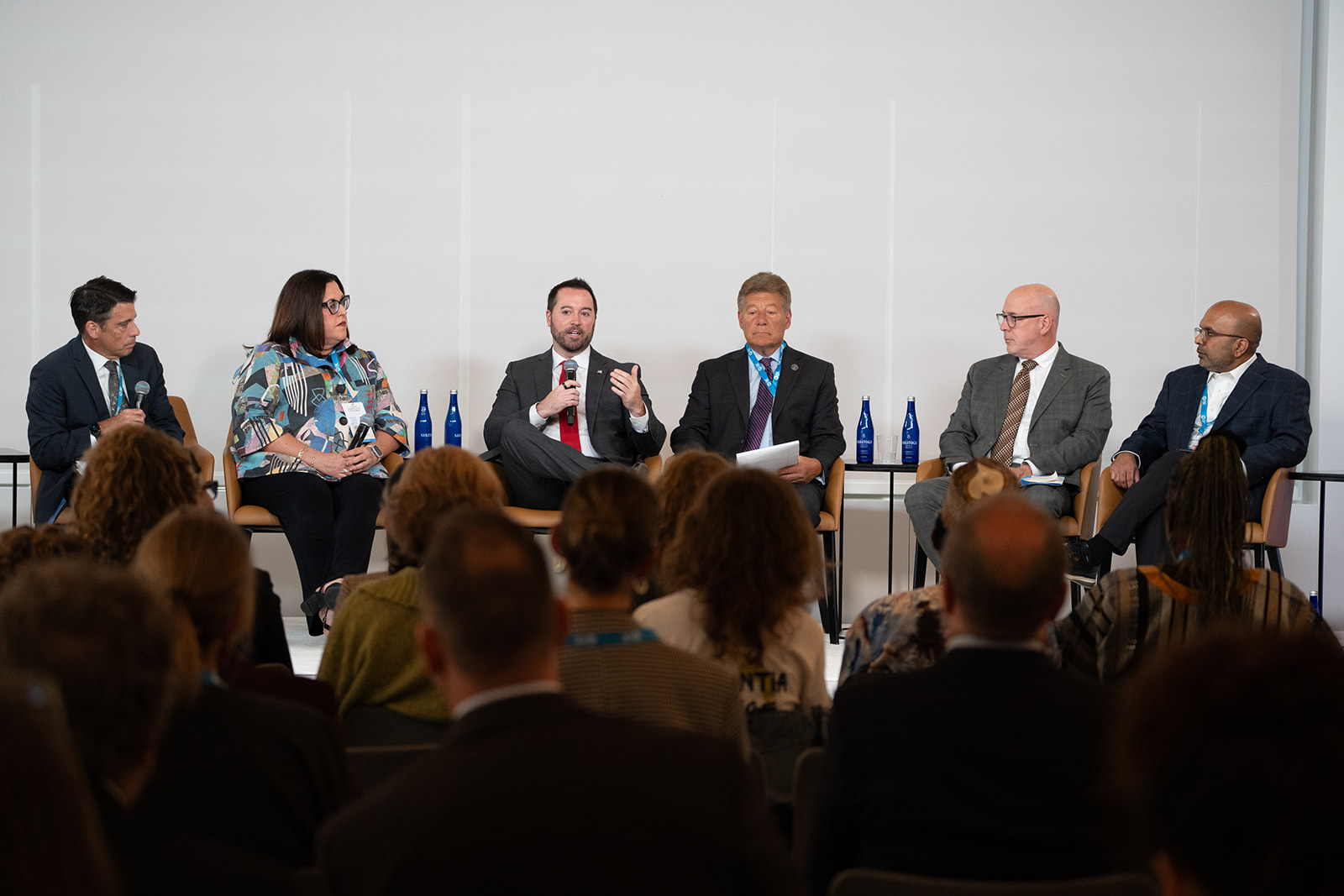
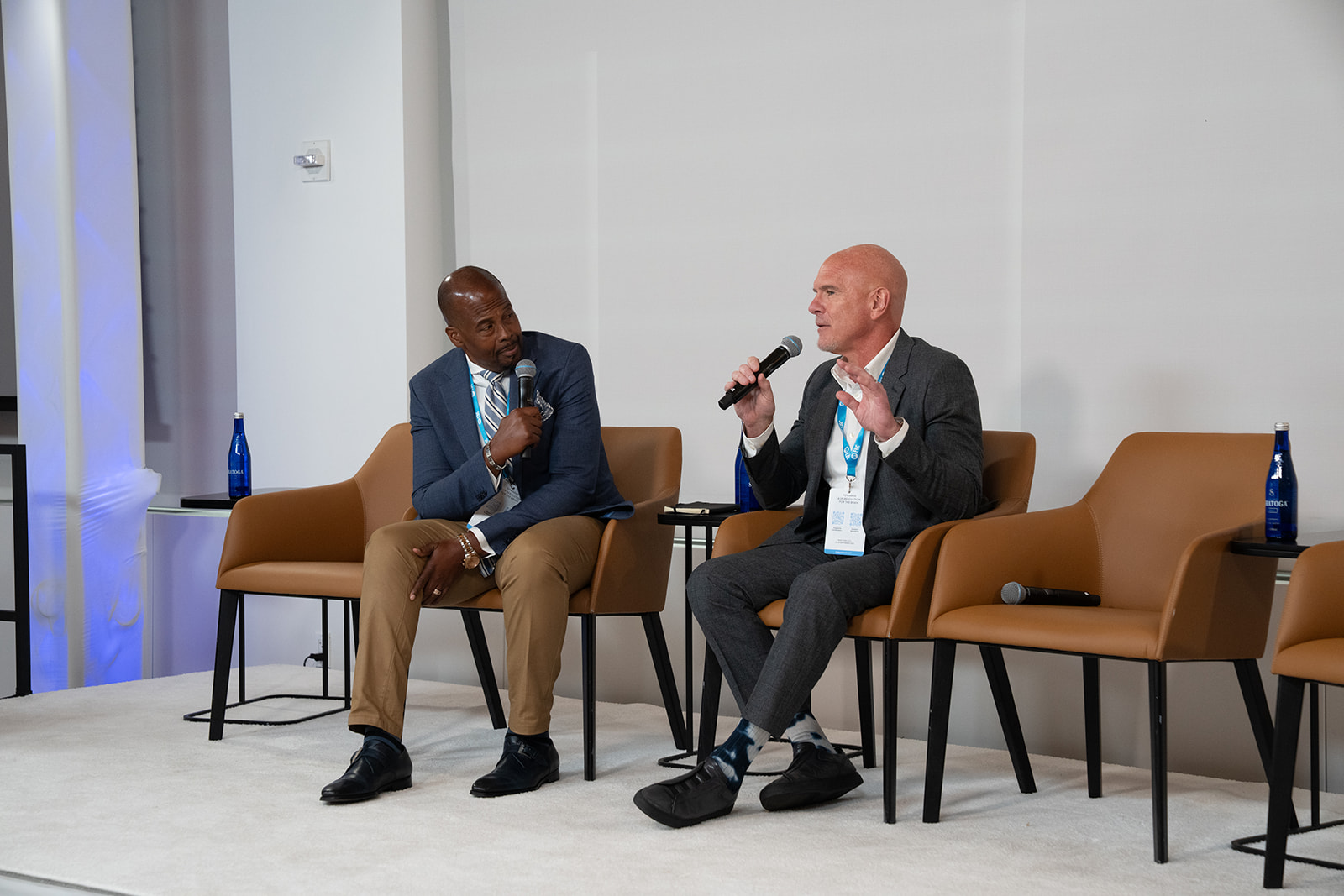
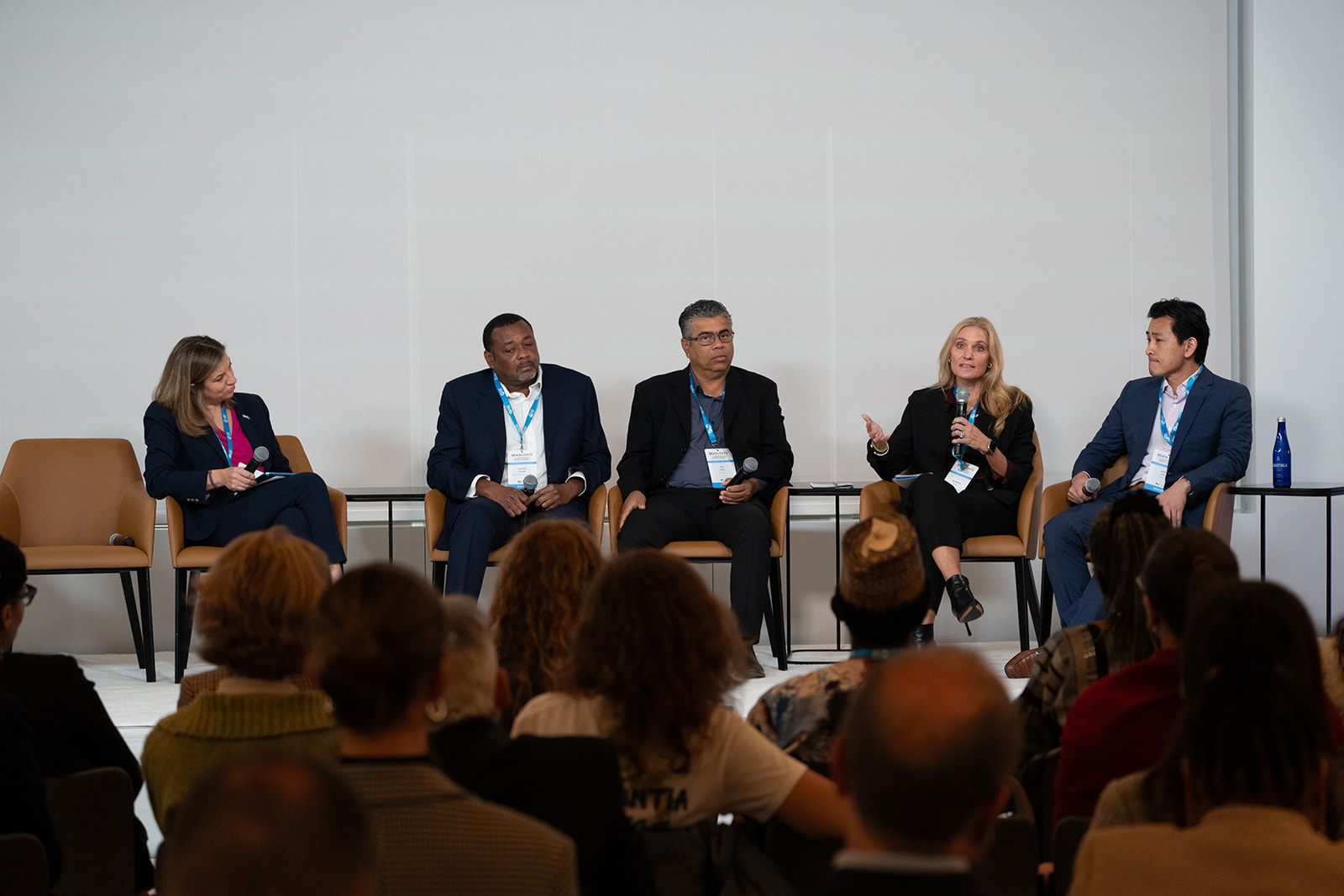
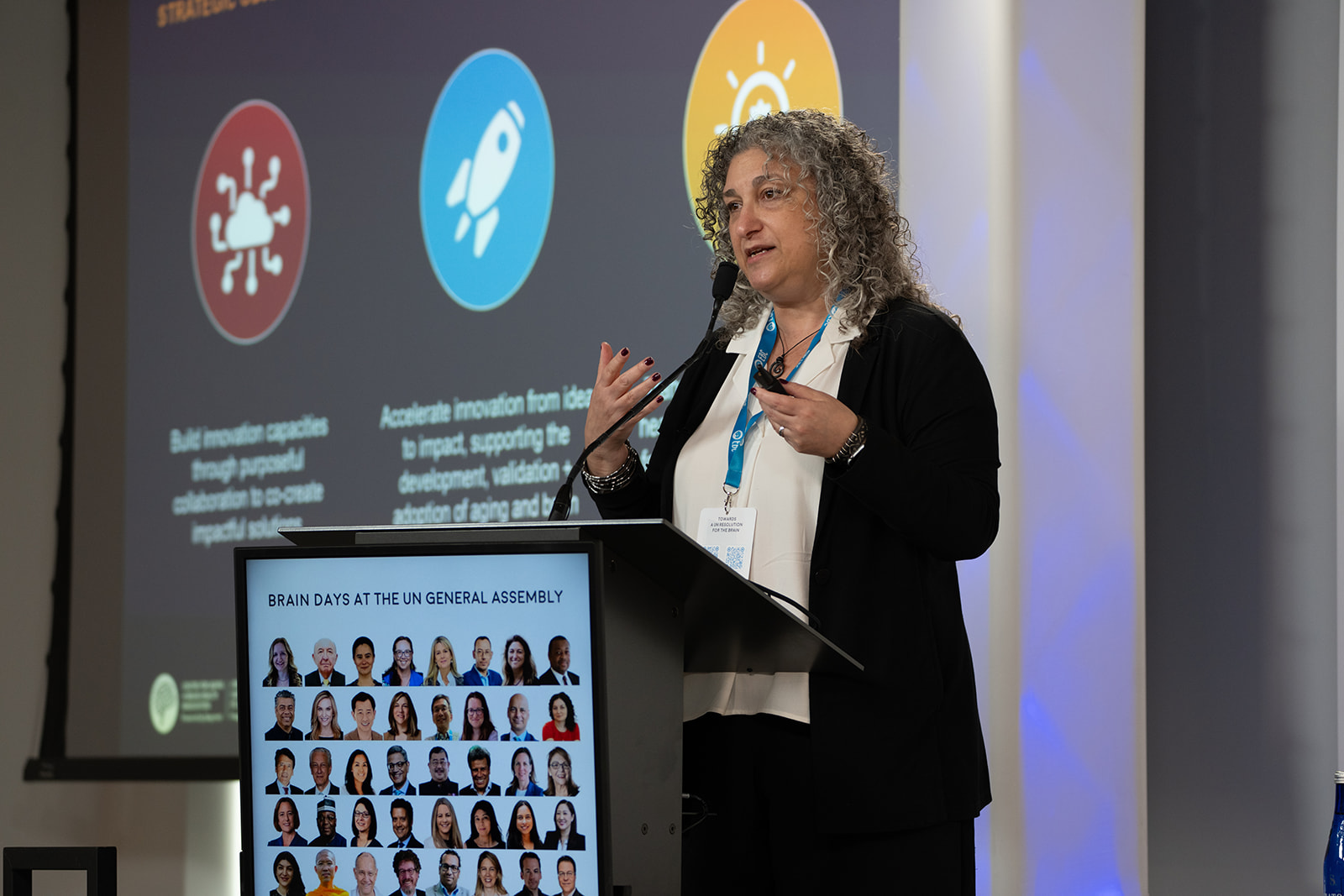
Click to display in HD. ©️ Nick Starichenko
In a fireside chat moderated by Tim Foxx (University of Pennsylvania), Michael Platt (Wharton Neuroscience Initiative), explored the importance of brain skills and investing in the brain capital of future generations.
Shawn Fluharty (West Virginia State Delegate), Paul Pellizzari (Hard Rock International, Seminole Gaming), John McKeon (New Jersey State Senator), Devdutta Sangvai (North Carolina Department of Health and Human Services) and Erin Keating (Scranton School District), joined Toby Ewing (The Kennedy Forum) to discuss behavioural addictions and the need to build resilience across communities.
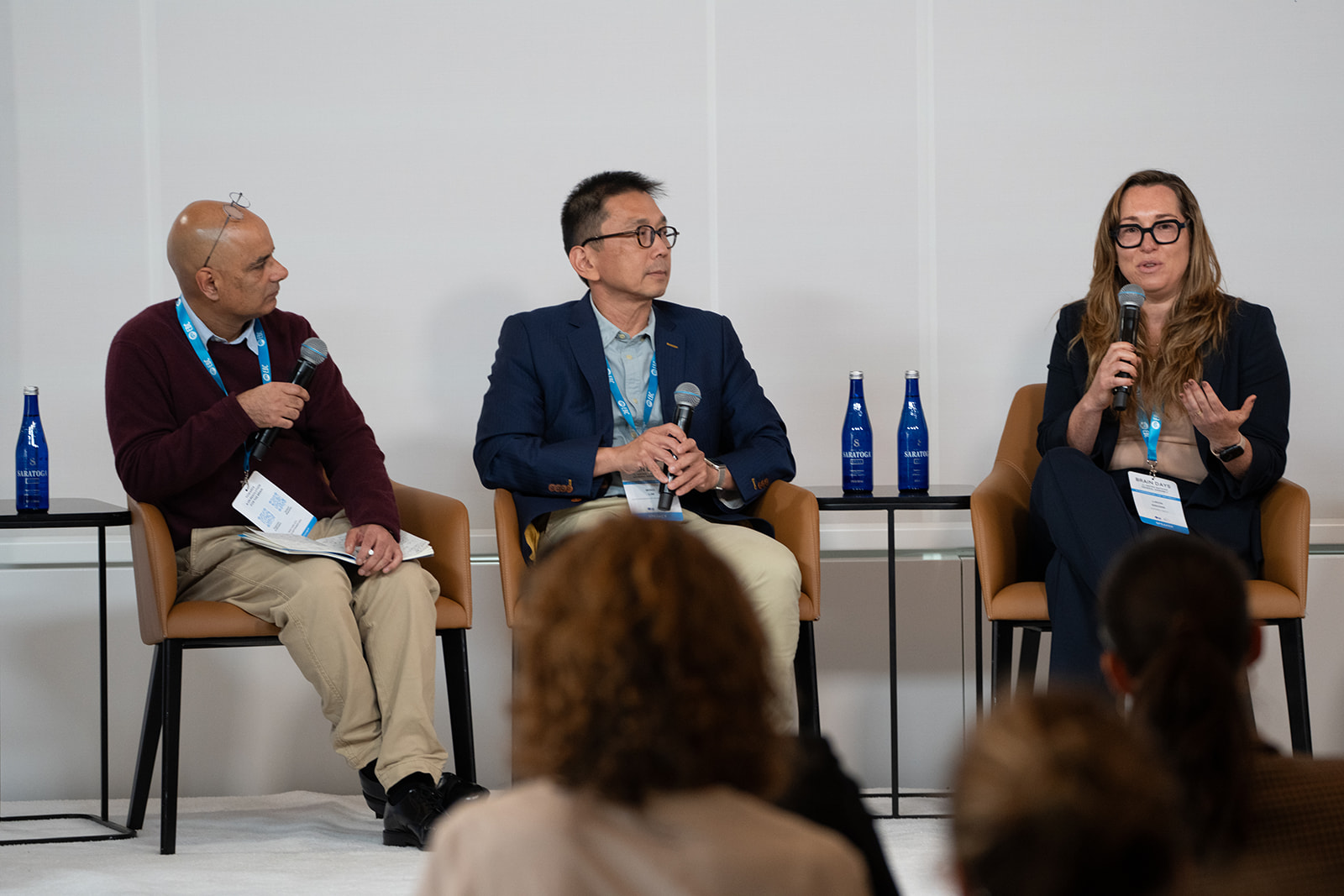
The afternoon opened with Ming Lim (European Paediatric Neurology Society) and Liron Sinvani (Northwell Health), in conversation with EBC President-Elect Sameer Zuberi, on why brain health policies, research and care must span the full life course – from childhood development to healthy ageing.
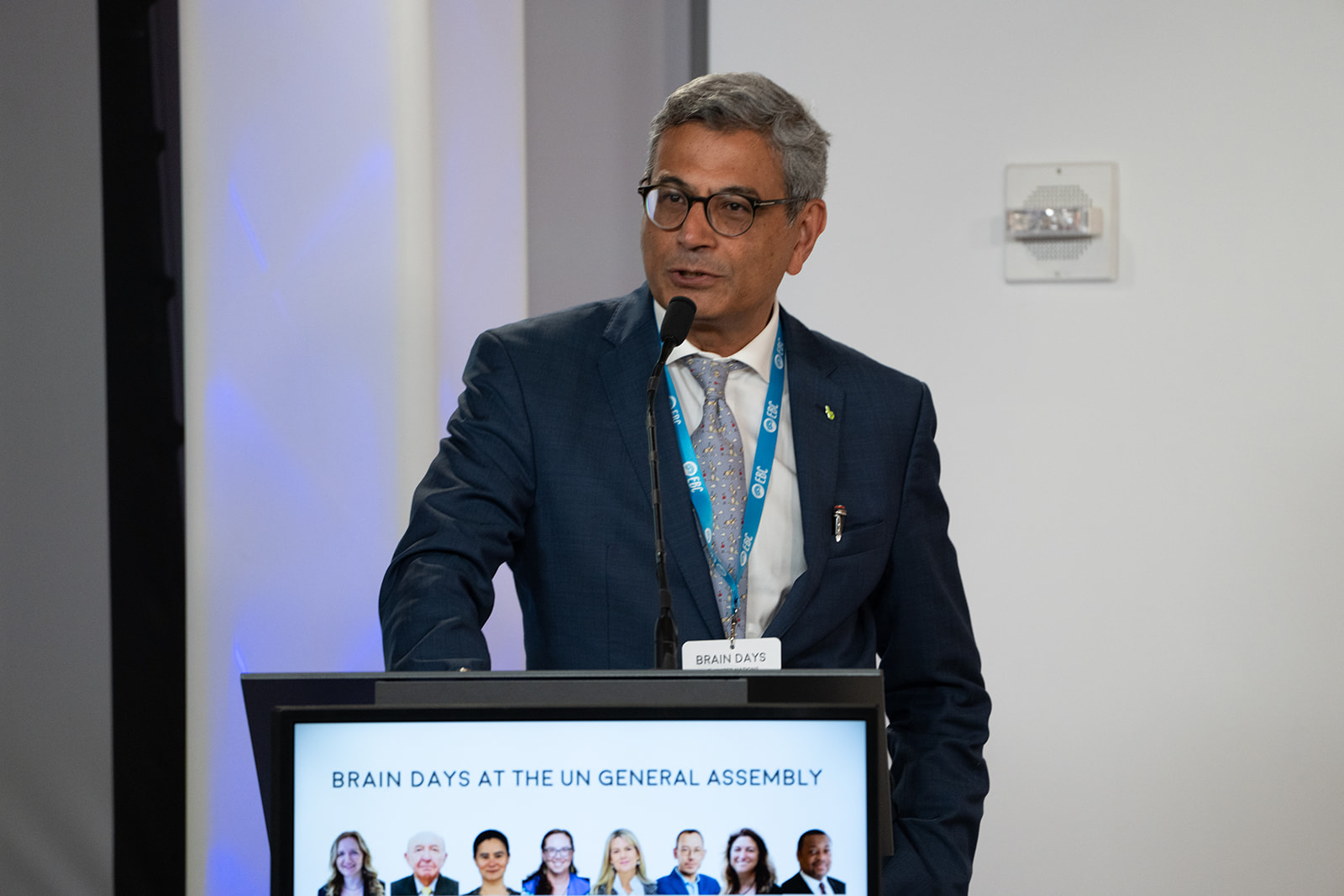
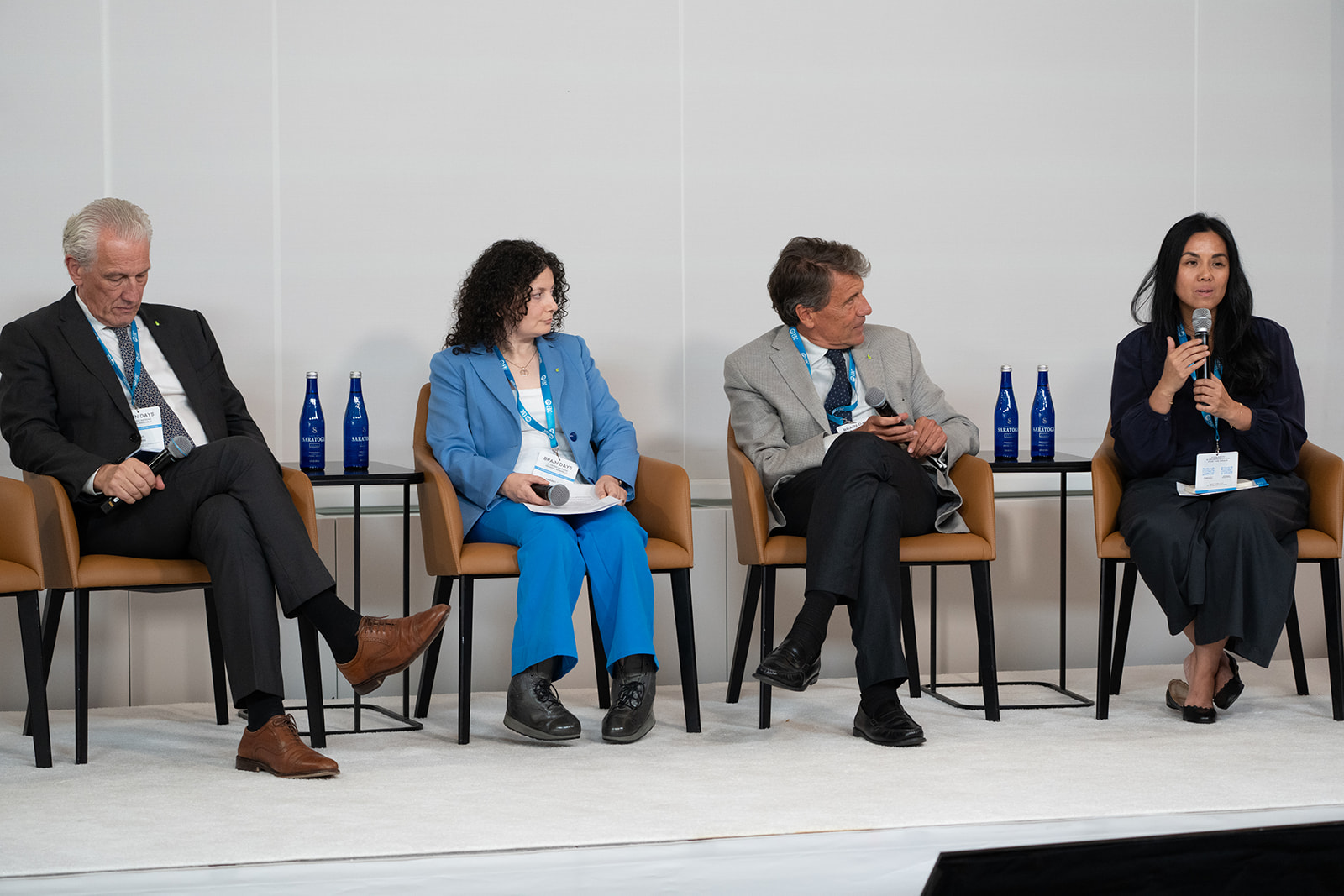
Click to display in HD. ©️ Nick Starichenko
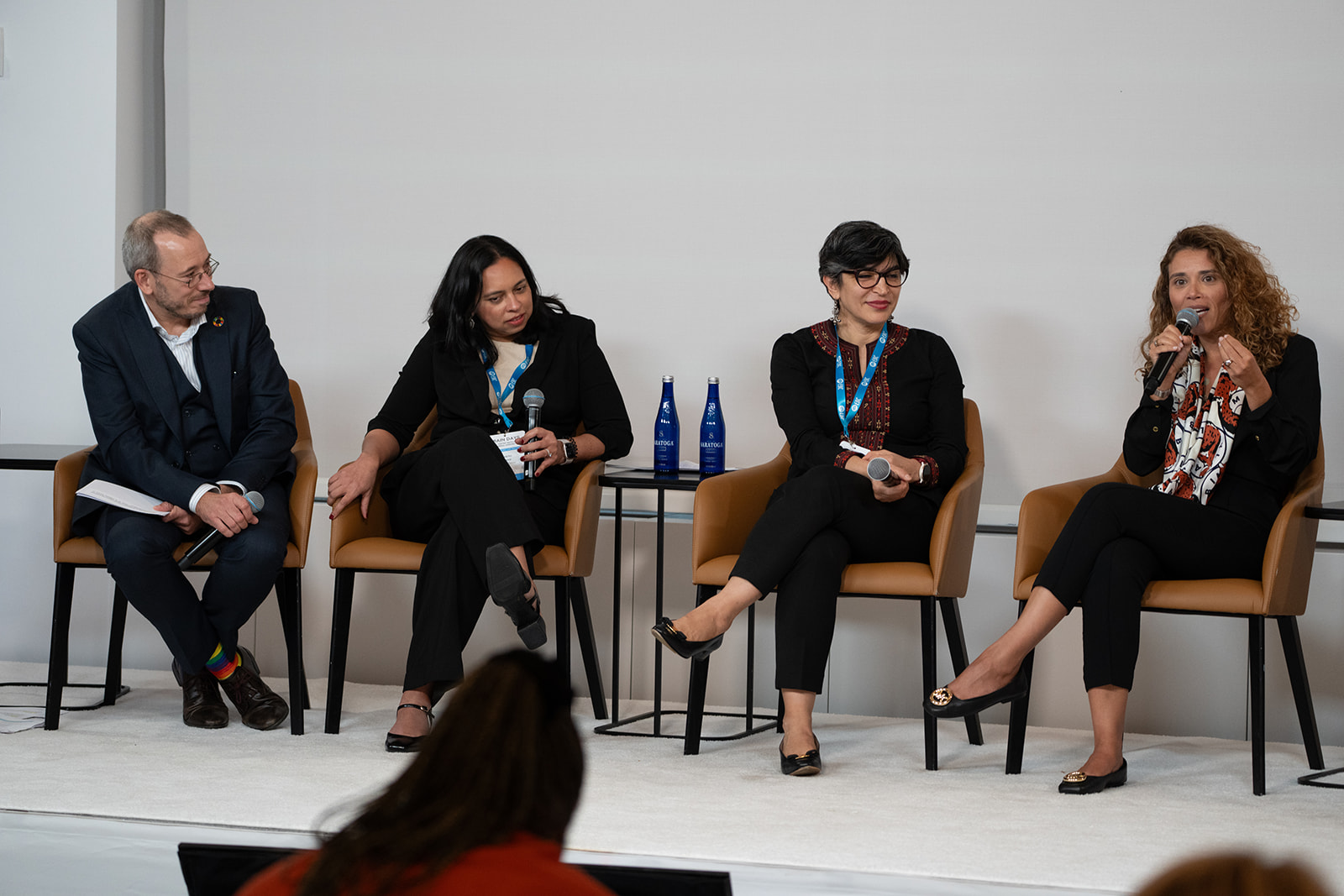
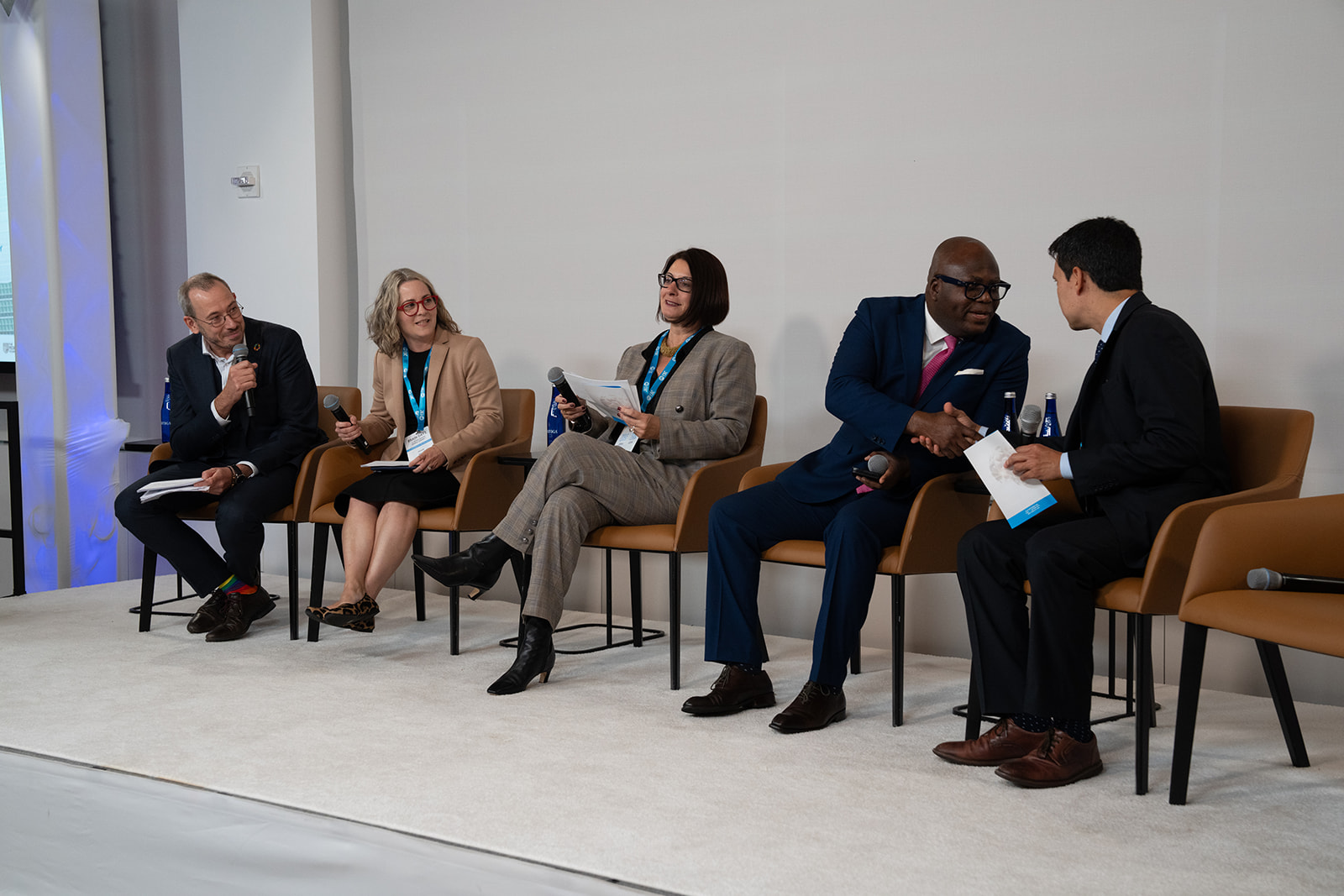
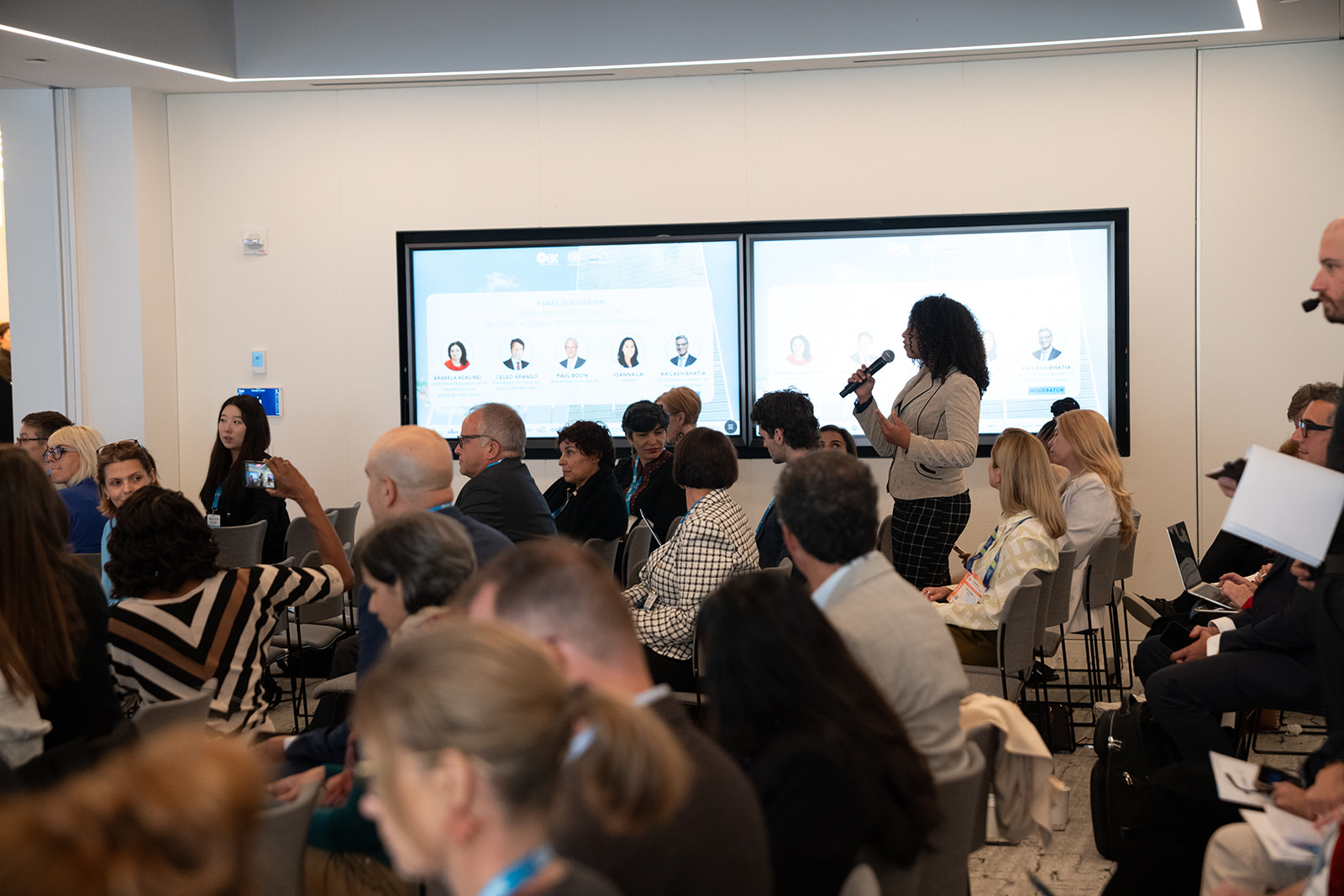
In collaboration with the European Academy of Neurology (EAN) and the Brain Health Mission, Arabela Acălinei (European Federation of Neurological Associations), Celso Arango (European Psychiatric Association), Paul Boon (Brain Health Mission) and Joanna Lai (UNICEF) joined EAN President Kailash Bhatia to consider how a more visible, inclusive and actionable global brain health movement can be built by professional societies, patient organizations, mental health stakeholders, and international partnerships working together.
Jafri Malin Abdullah (Academy of Sciences Malaysia), Facundo Manes (Institute of Cognitive Neurology and National Deputy, Argentina), Elizabeth Allen (Canadian Centre on Substance Use and Addiction) and Sheryl Batchelor (Yiliyapinya) shared national perspectives on brain capital and the brain economy with moderator Amy K. Dittmar (Rice University), demonstrating how brain health, cognitive skills and mental wellbeing can underpin economic resilience and sustainable growth.
A panel on financing the brain-healthy transition brought together Babatunde Omilola (African Development Bank Group), Valérie Boulet (WHO Foundation), Javier Guzmán (Inter-American Development Bank Group) and Sylvie Raver (Milken Institute), moderated by Frédéric Destrebecq, to explore how public, private and philanthropic capital can invest in human potential, workforce resilience and inclusive growth.
The day’s final panel saw Neetu Abad (The Carter Center), Filipa Matos (Siemens Healthineers), and Nika Saeedi (United Nations Development Programme) addressed disparities in brain health across the Global North and Global South, alongside opportunities for equitable innovation and joint action.
Closing Day 1, Liping Liu of Beijing Tiantan Hospital and Capital Medical University presented China’s experience, vision and contribution to advancing global brain health, illustrating how national action can reinforce international collaboration.
Day Two: From policy to society
With Day 1 having demonstrated the power of global collaboration across science, care, policy and investment, the second day of the Brain Days turned to the crucial question of how this momentum can be translated into stronger political commitment and brain-healthy societies.
Day 2 began with Suzanne Dickson welcoming back participants and an opening keynote from Venerable Monk Burin, (The Middle Way Institute), setting the tone for a day focused on the question of how brain health can rise further on global policy agendas.
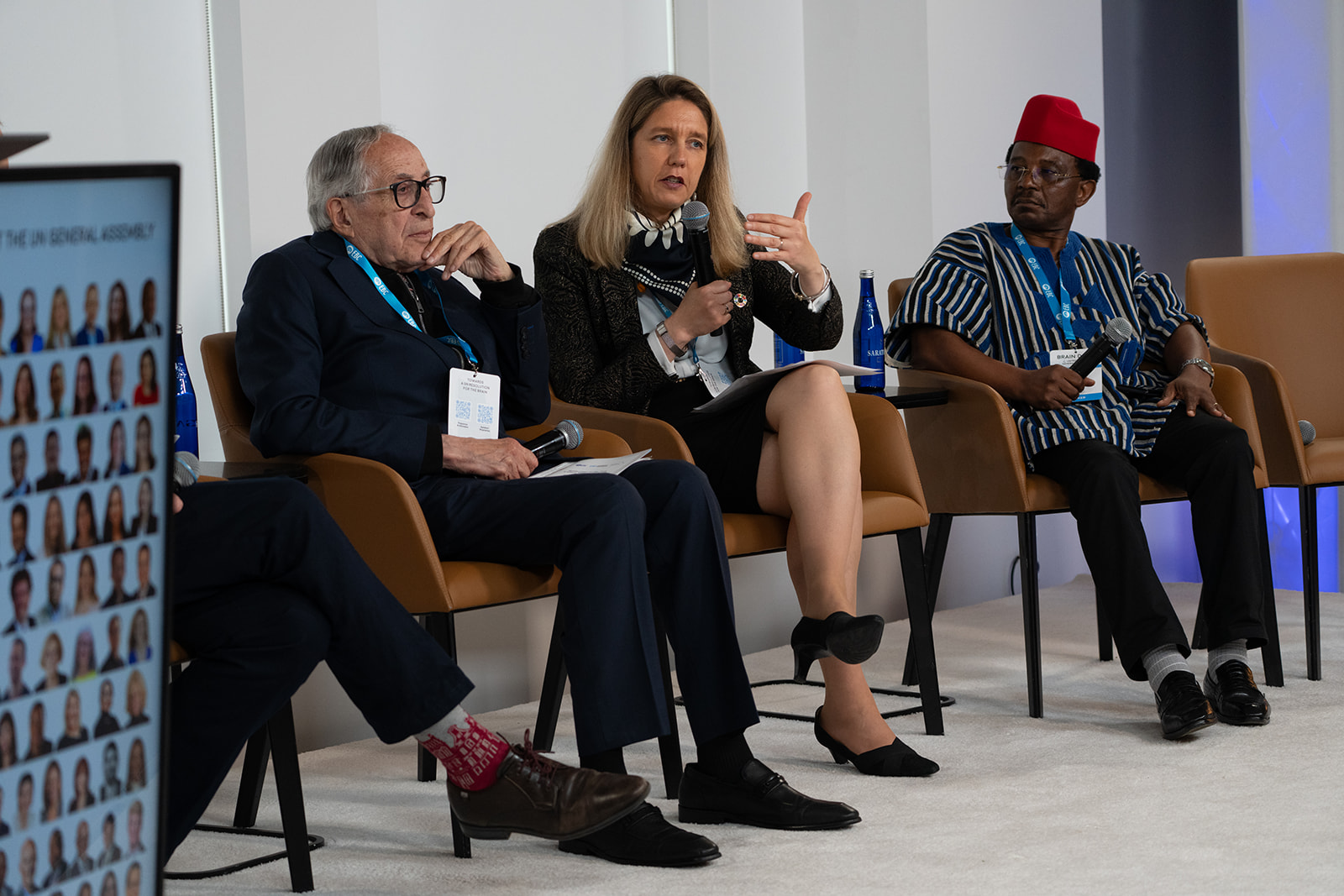
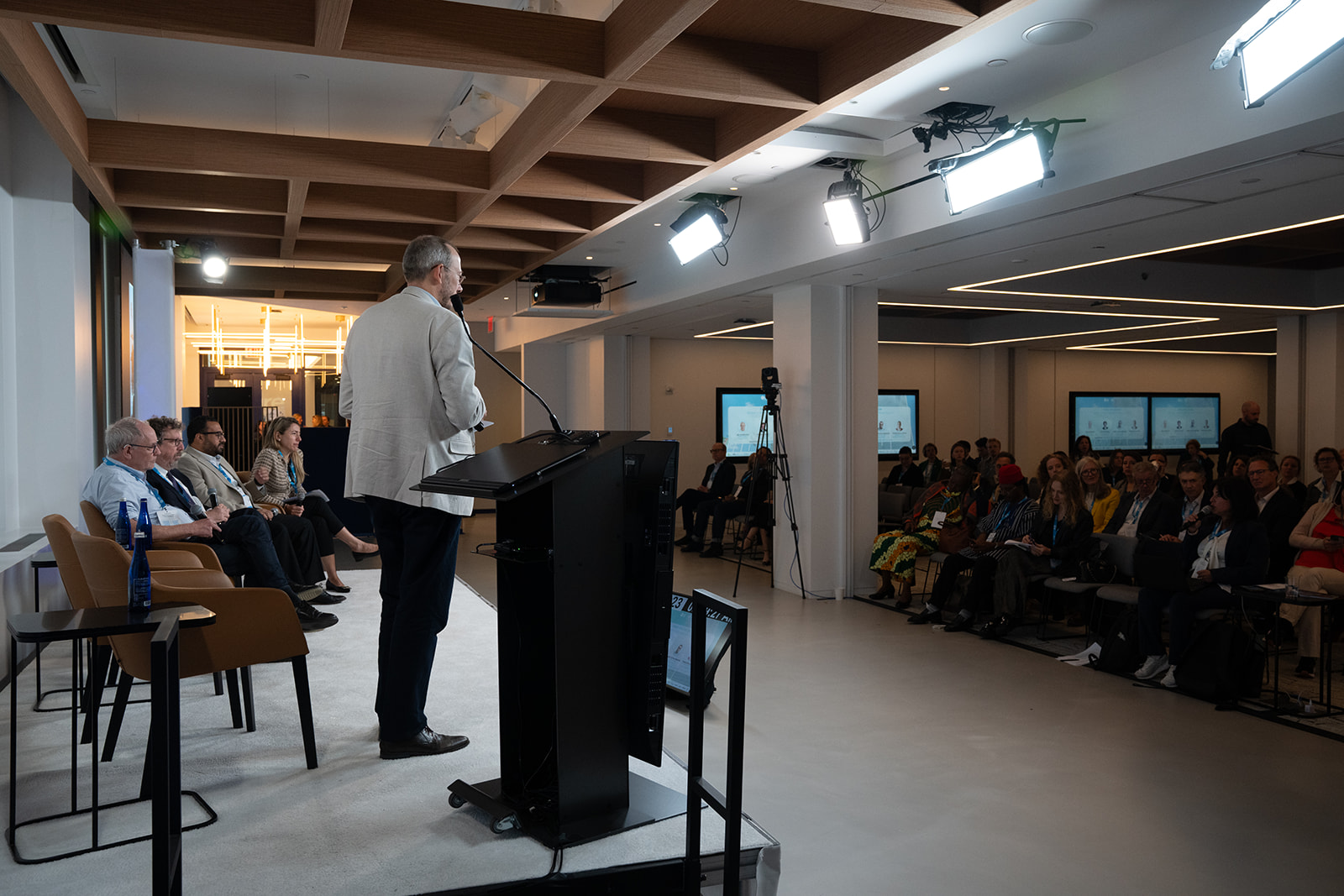
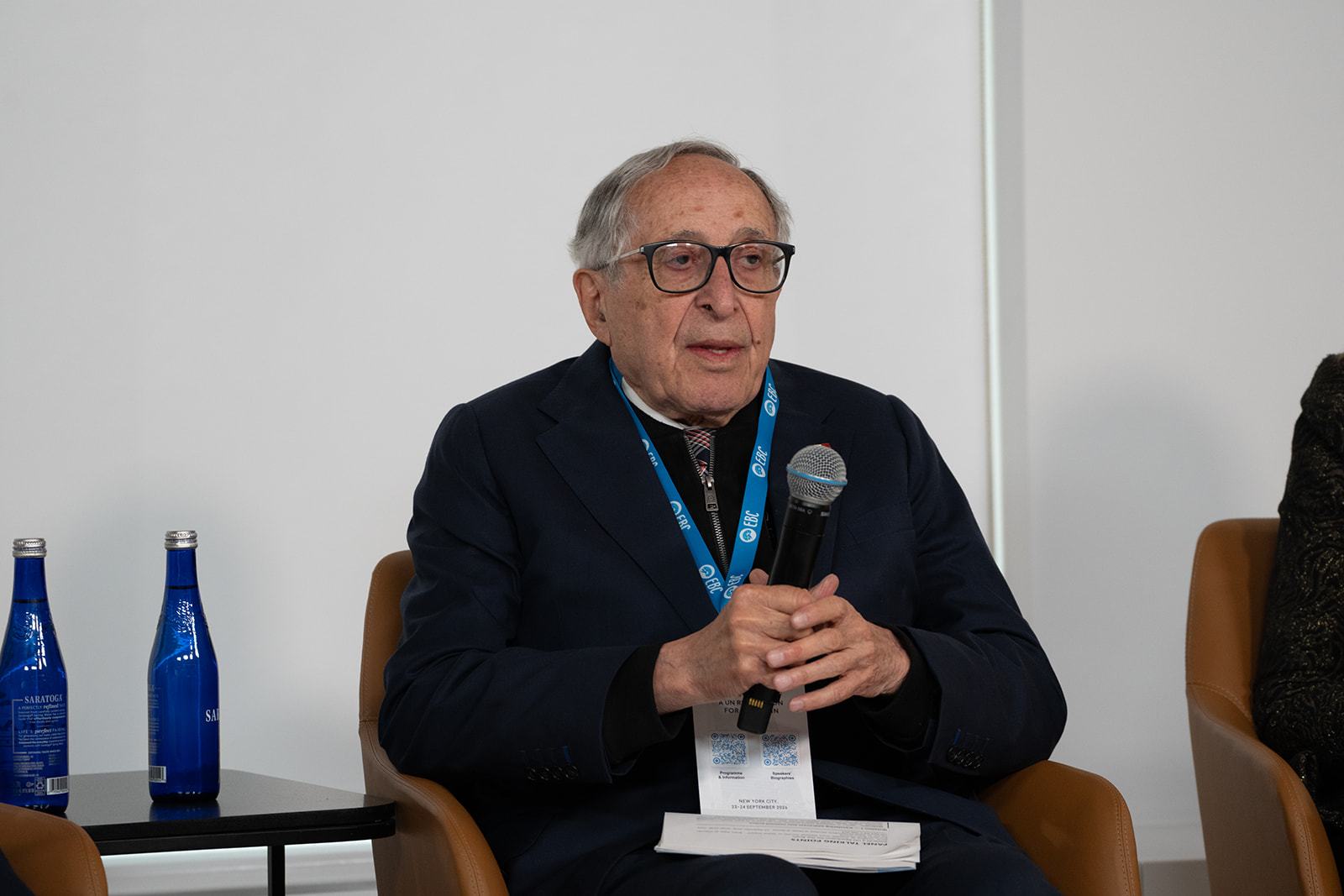
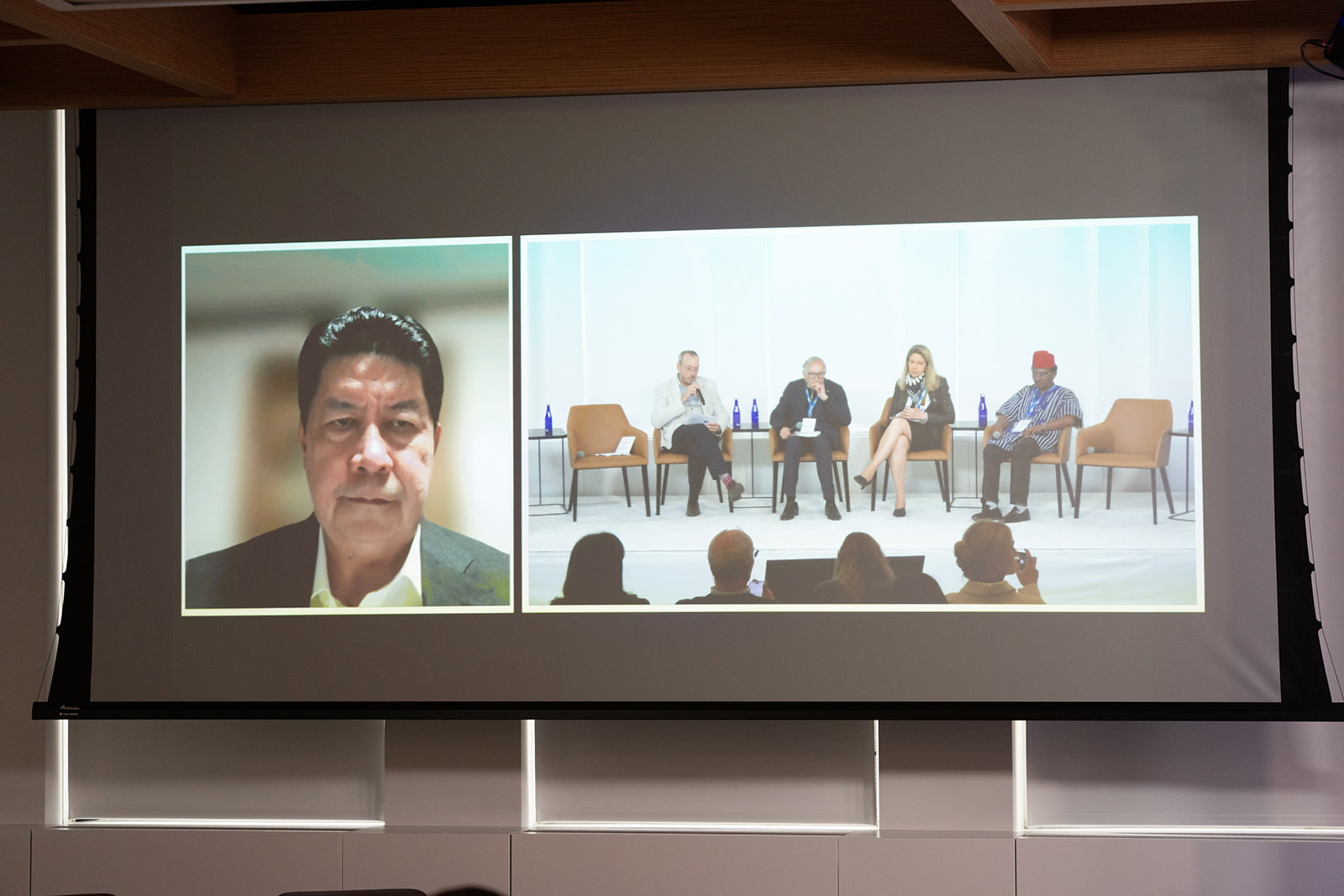
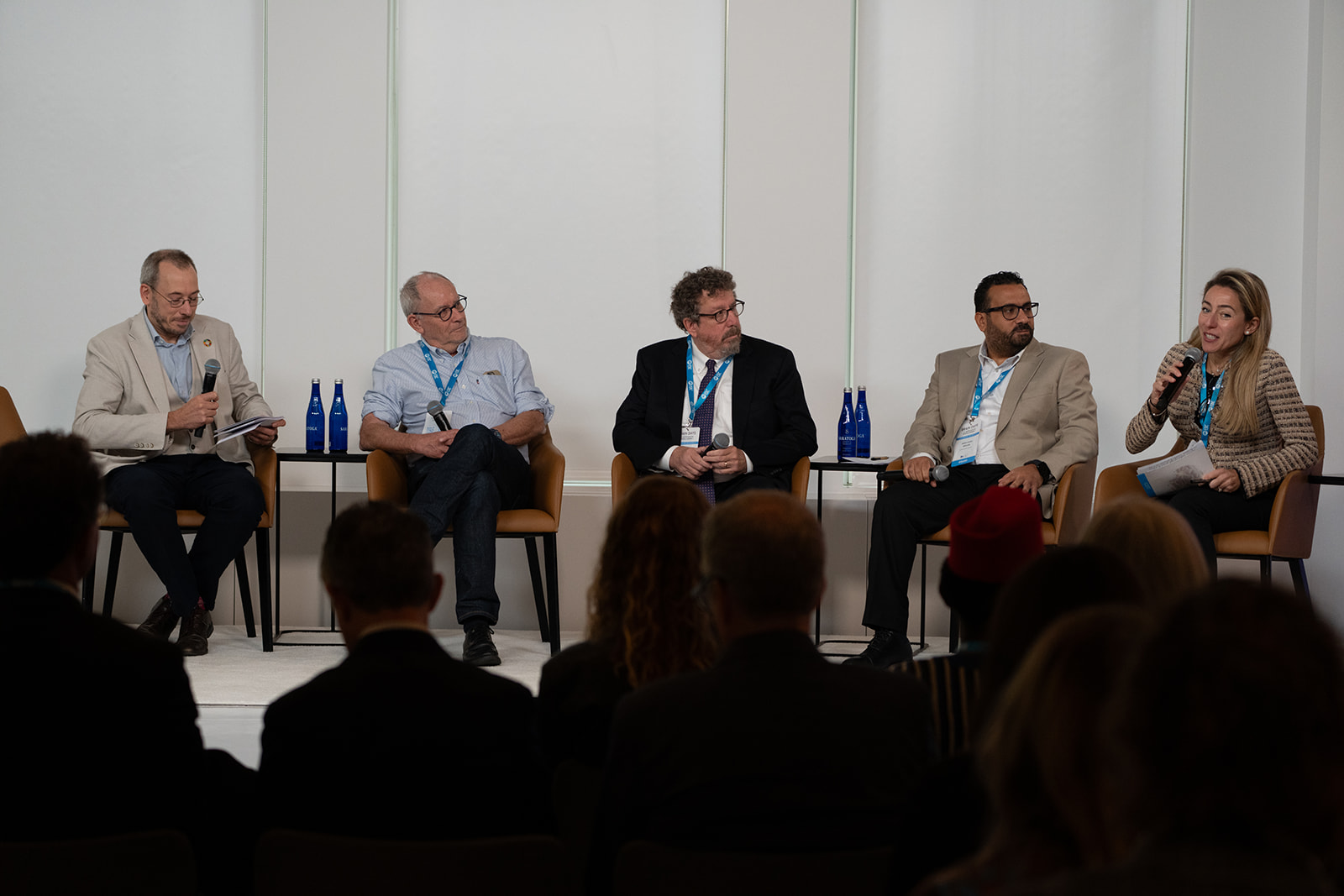
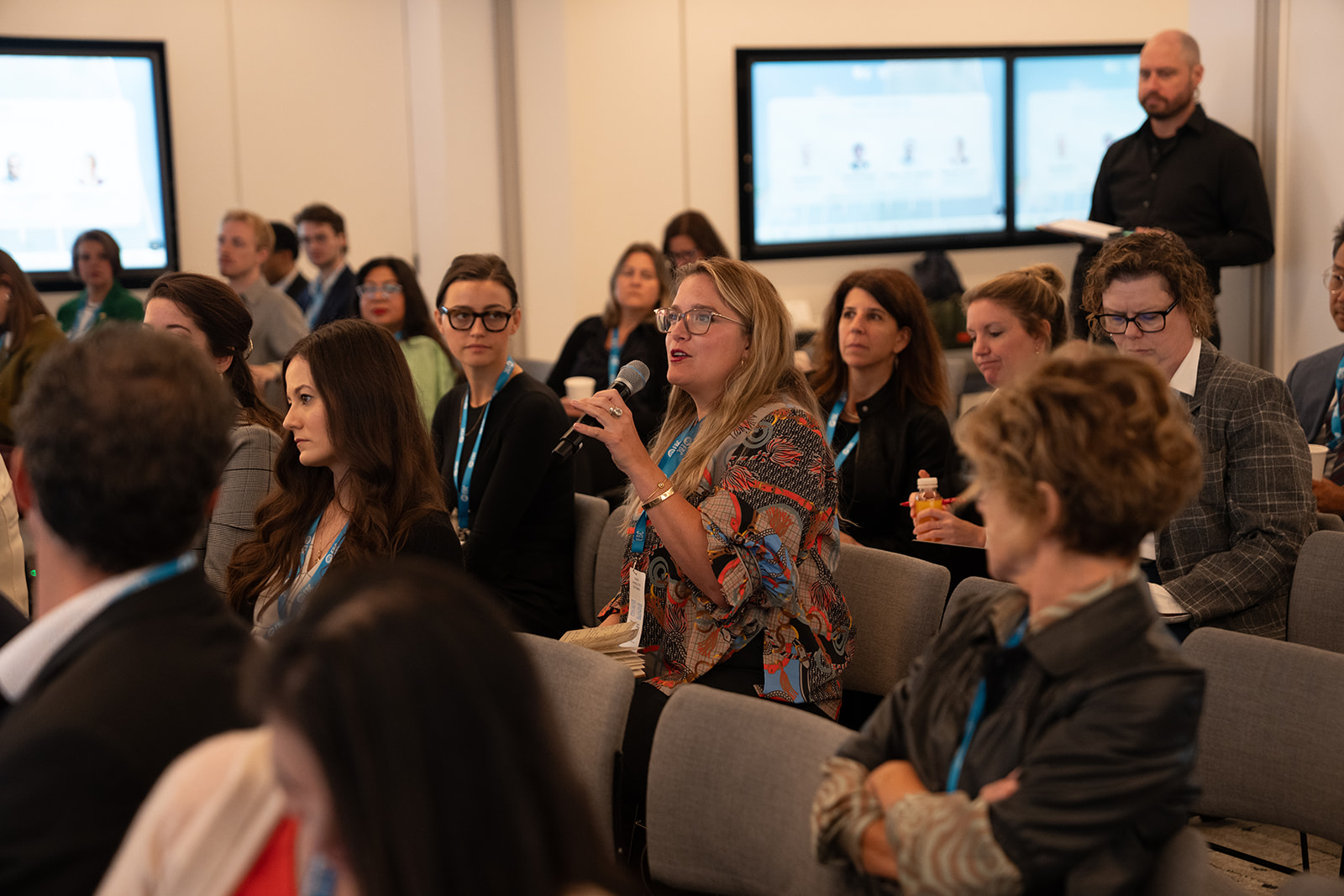
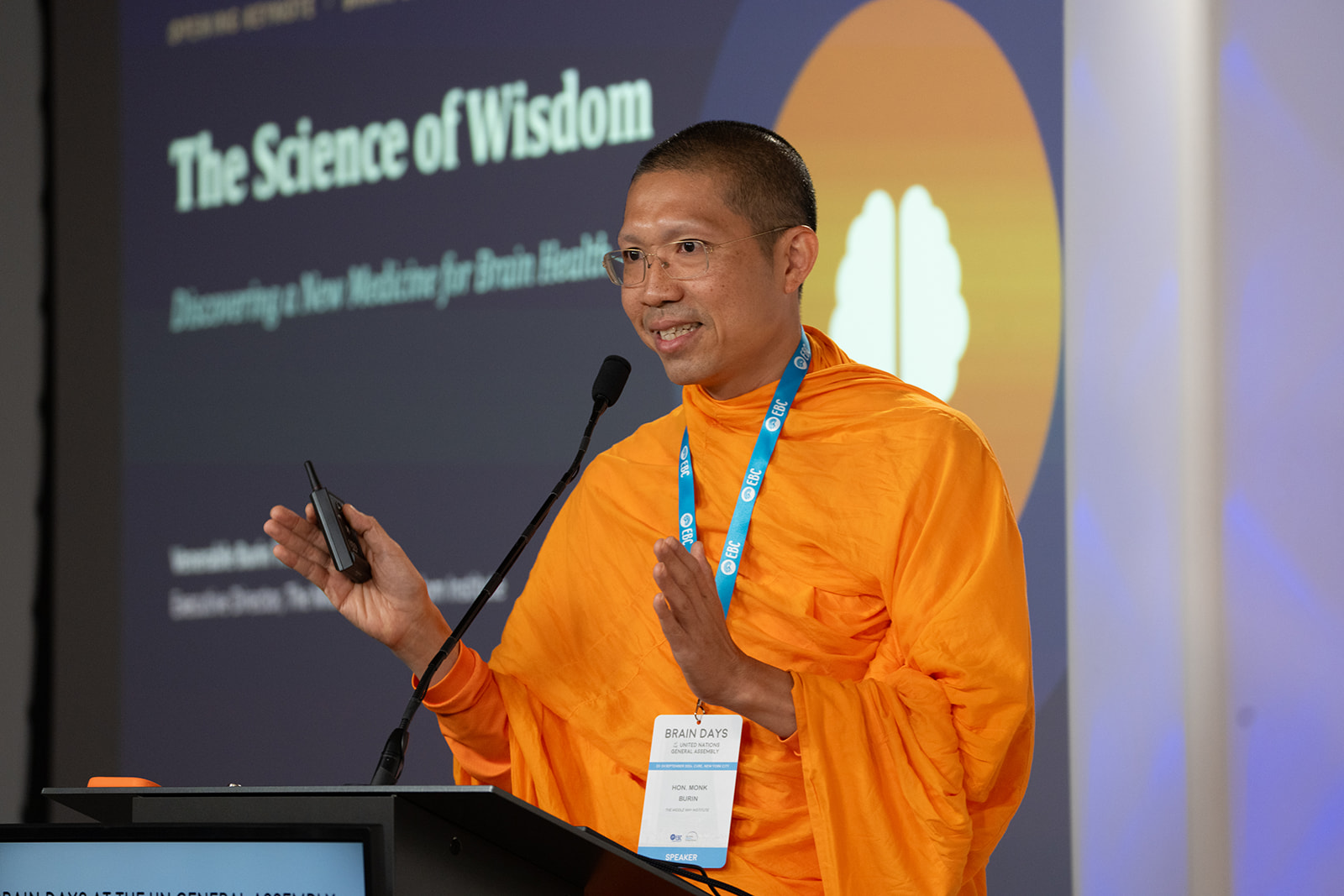
Click to display in HD. ©️ Nick Starichenko
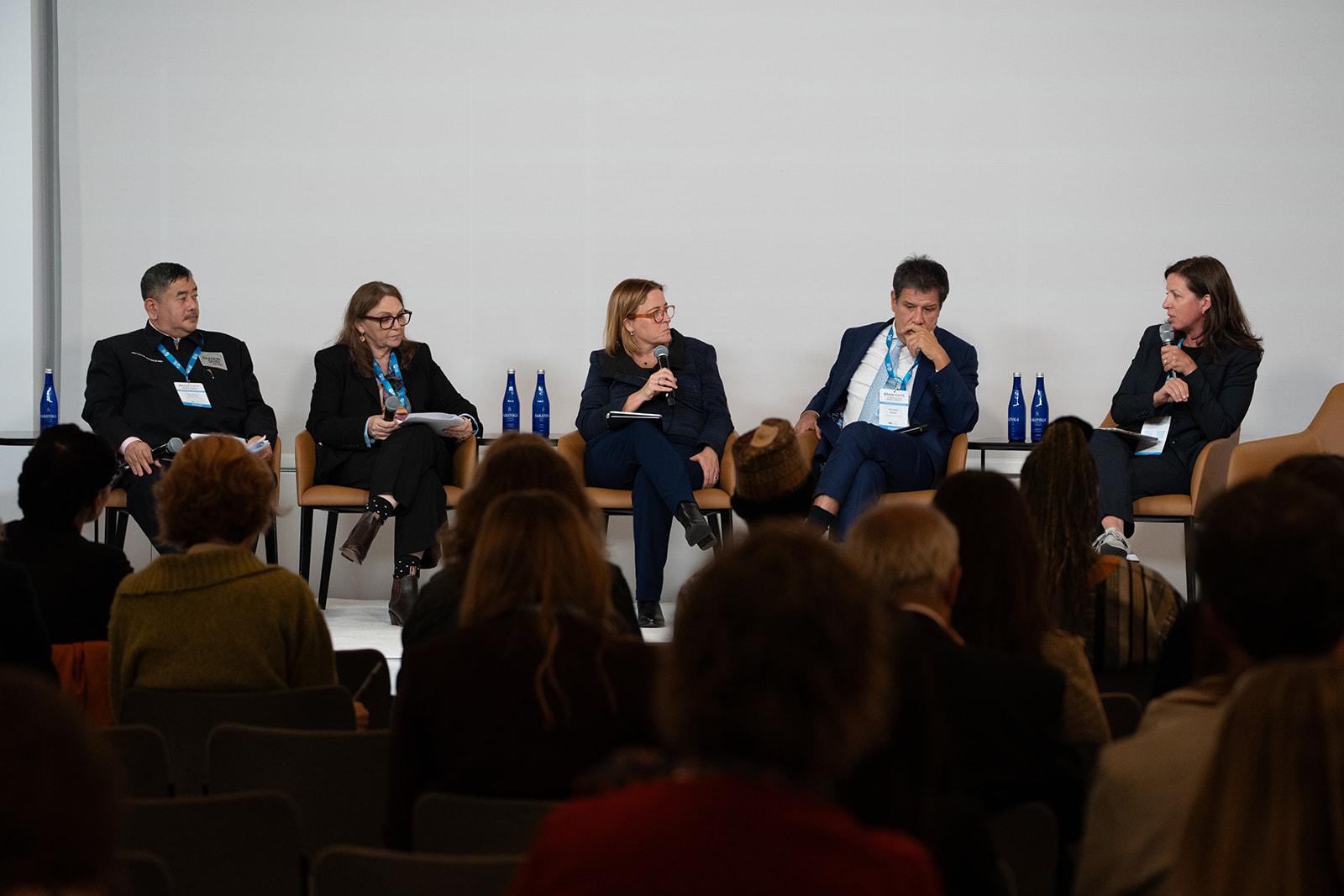
In a discussion on recent strides in global brain policy, Bo Norrving (Global Stroke Action Coalition), Steven Lewis (World Federation of Neurology), Abdel Fatah Ibrahim (OneNeurology) and Francesca Sofia (International Bureau for Epilepsy) reflected on advocacy successes, policy milestones and the work still needed to build consensus across governments, civil society and health systems.
H.E. Dr David Kershenobich, Mexico’s Secretary of Health; Jaime C. Montoya (National Academy of Science and Technology, Philippines); Stephanie Debette (Paris Brain Institute, S7 Committee on Brain Health); and Alfred Njamnshi (Brain Research Africa Initiative), discussed how national strategies and cross-sector leadership can translate ambition into sustainable action with global impact.
An interactive session asked participants, What does brain health mean to you?, bringing diverse perspectives into conversation and underlining both the breadth of the concept and the importance of finding common ground.
Tomás Ryan (FENS Advocacy Committee, EBC); Mitchell Elkind (American Heart Association); Kailash Bhatia (European Academy of Neurology); and Zeina Chemali (Cambridge Health Alliance, Harvard Medical School) made the case for moving from silos to synergy across neurology, psychiatry, neuroscience, cardiovascular health, research, care, innovation and policy – shaping an intersectoral and collaborative approach to brain health.
In collaboration with the Catalight Foundation, Jennifer Bright (International Consortium for Health Outcomes Measurement), Amol Deshpande (Frontera Health), and Anil Soni (WHO Foundation) joined moderator Susan Armiger (The Catalight Group), to explore how a person-centred definition of value can prioritise function, dignity, quality of life and long-term wellbeing.
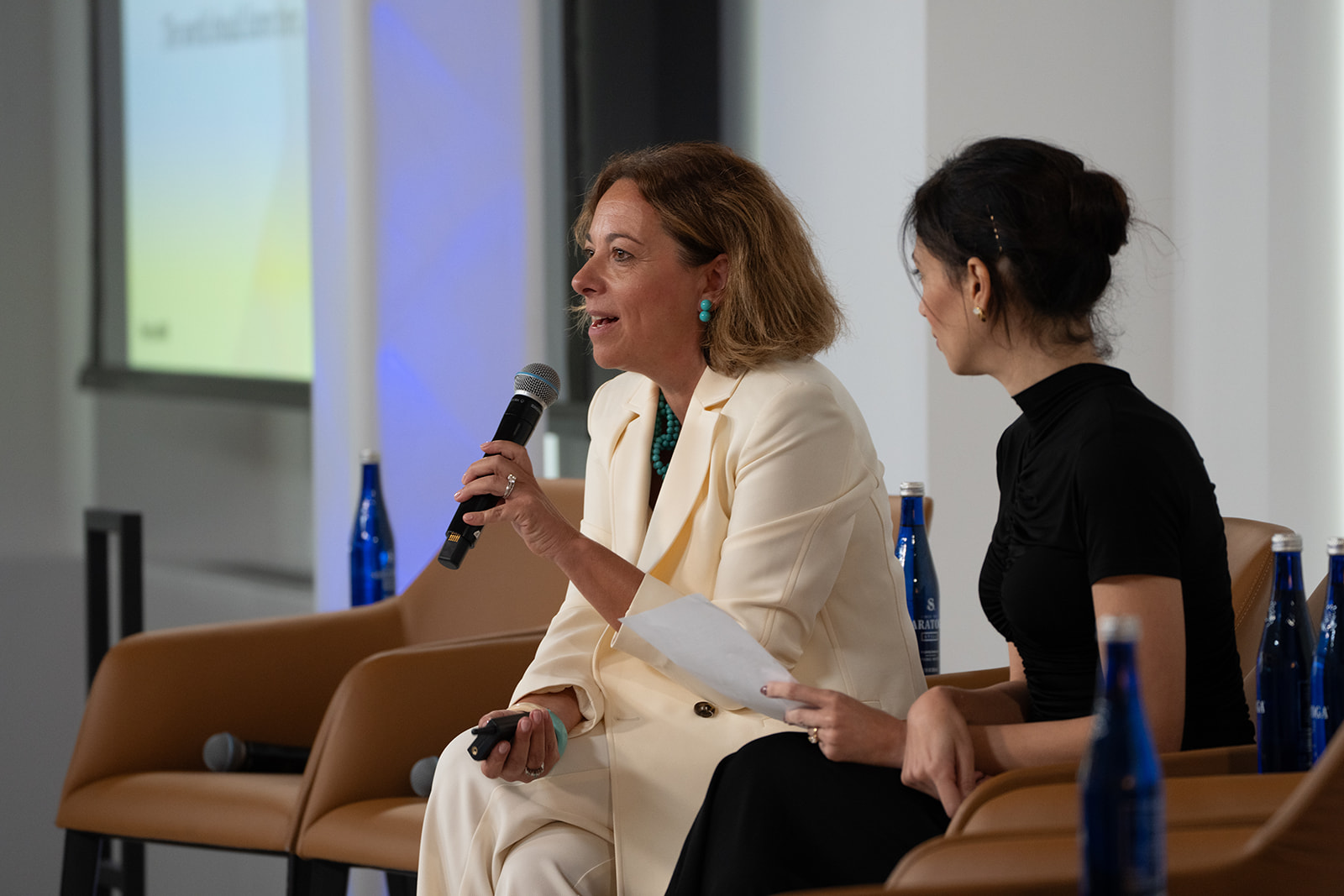
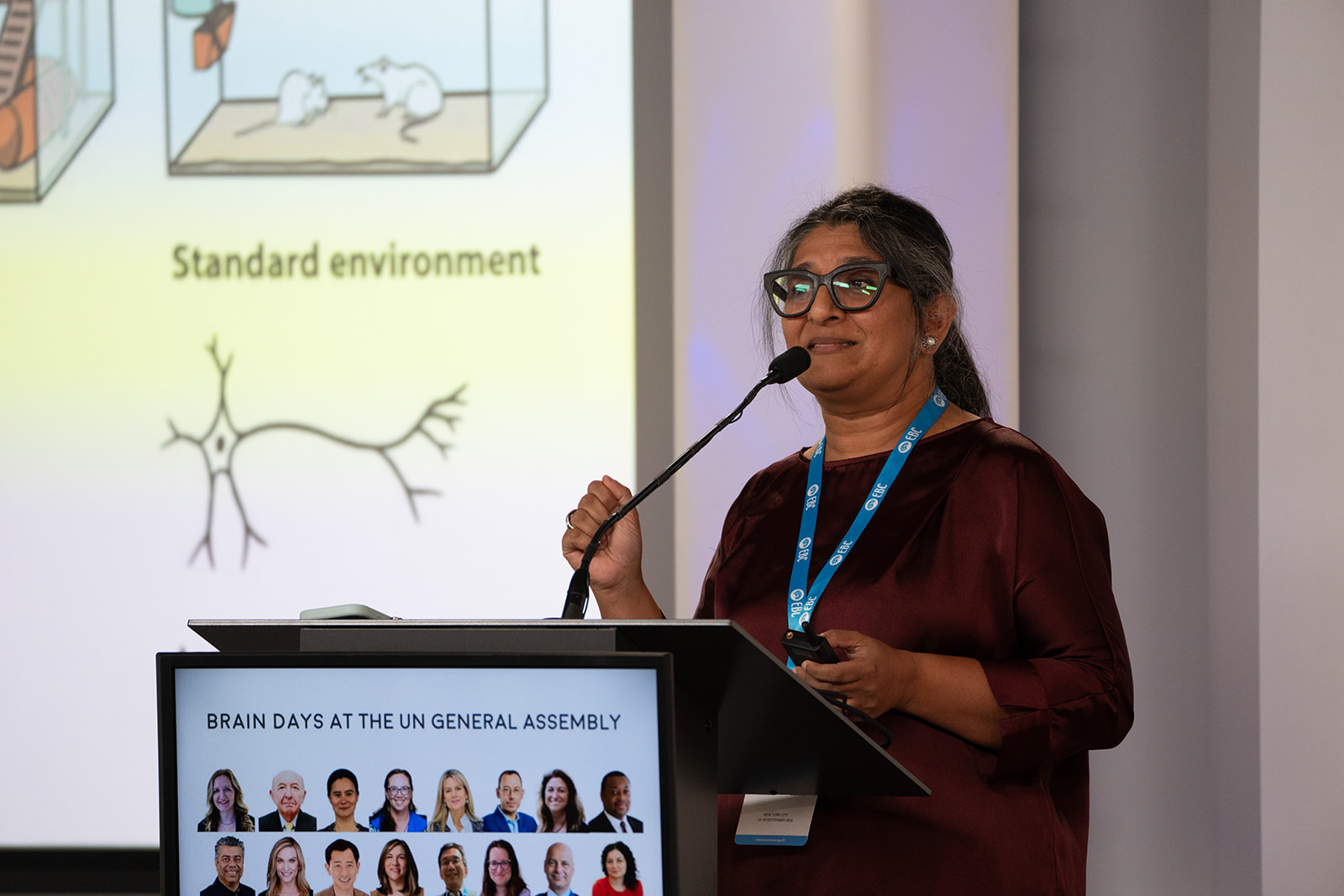
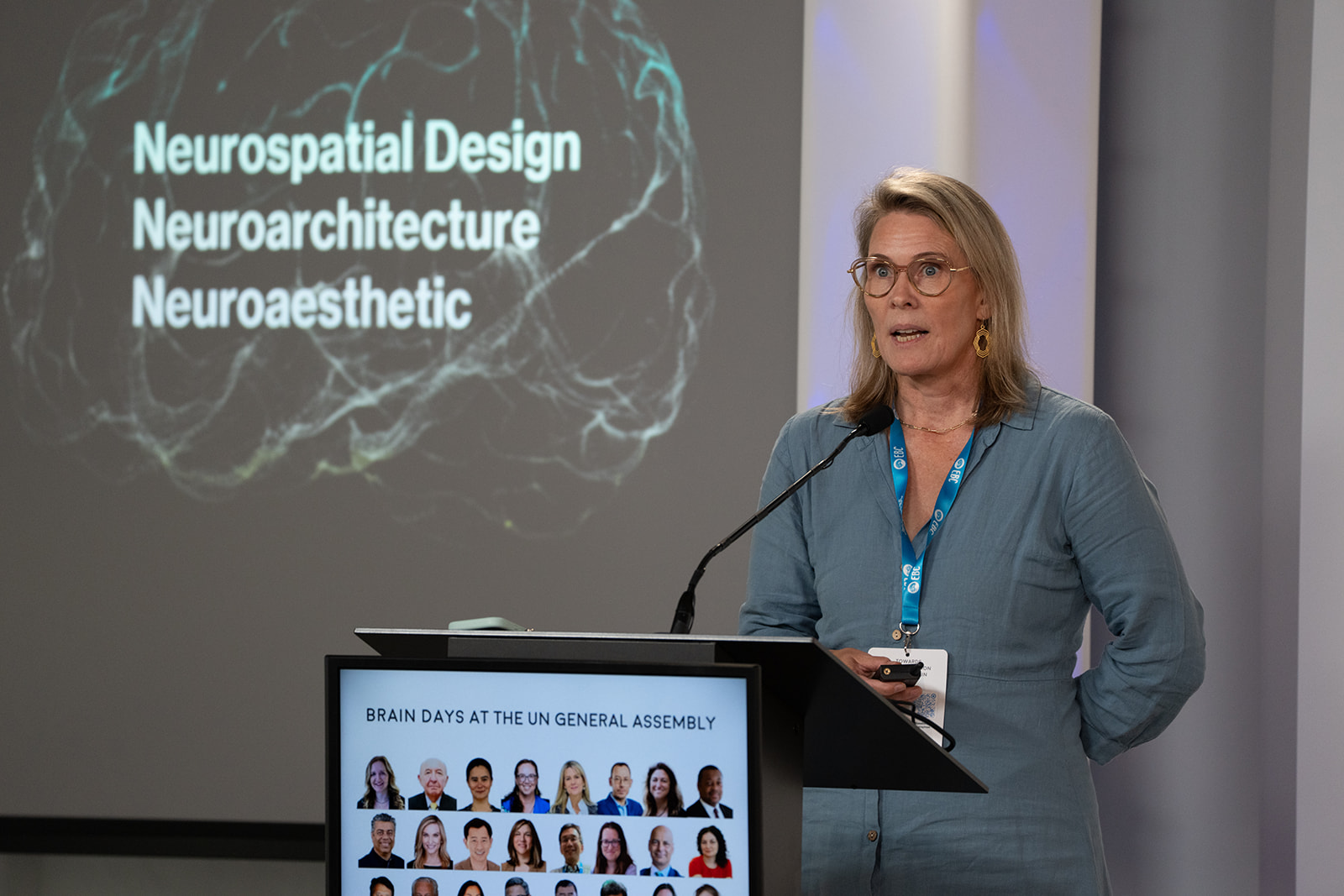
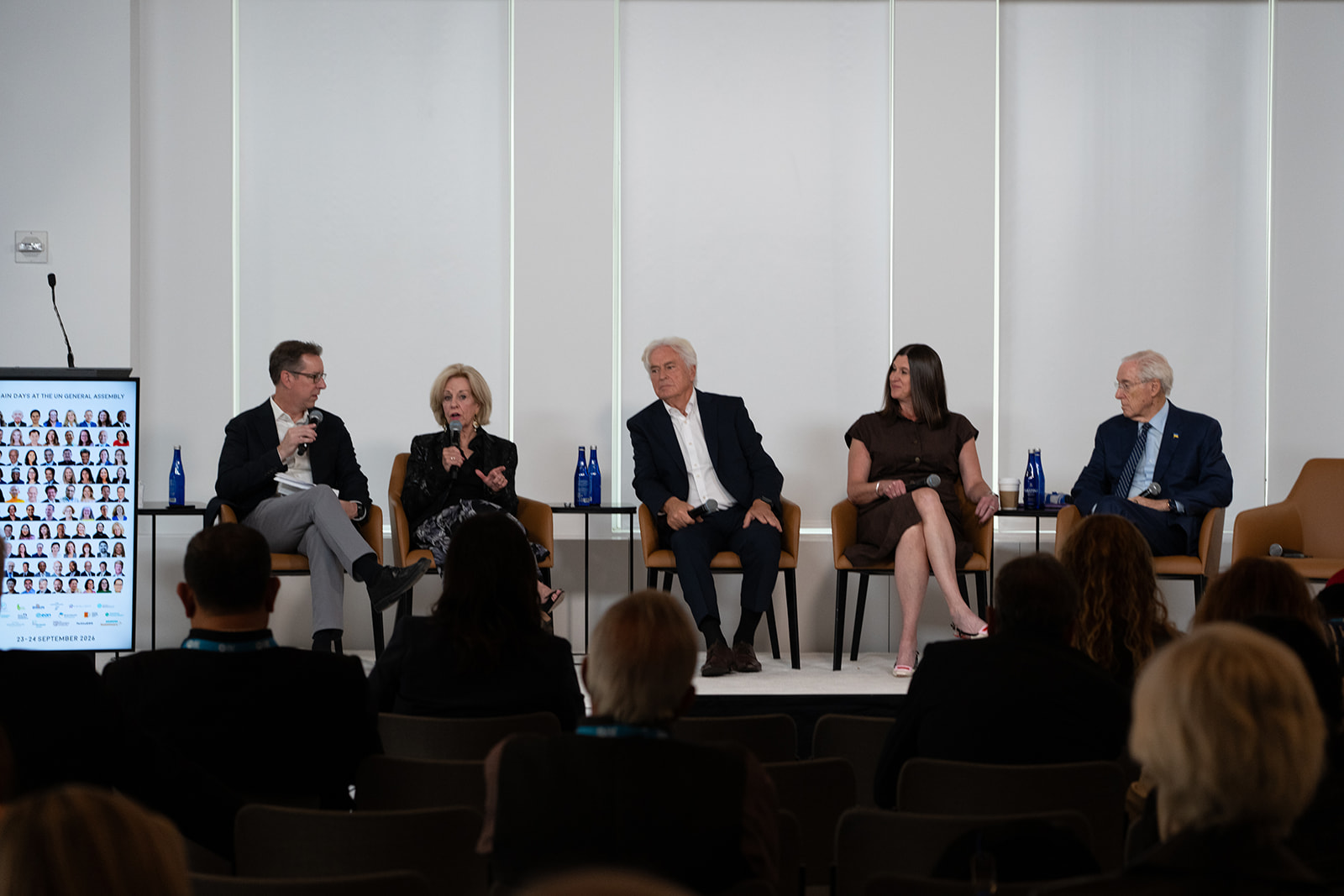
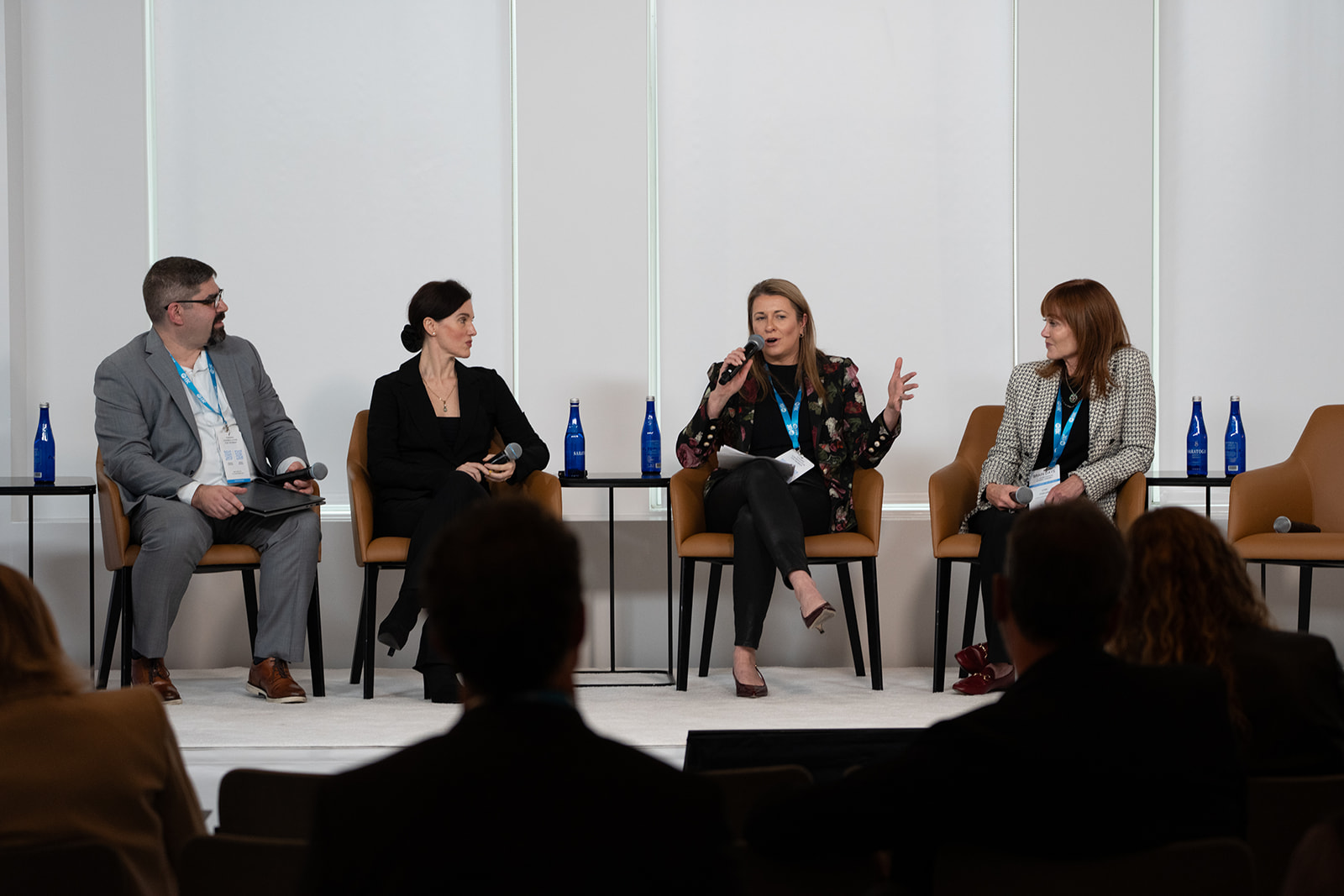
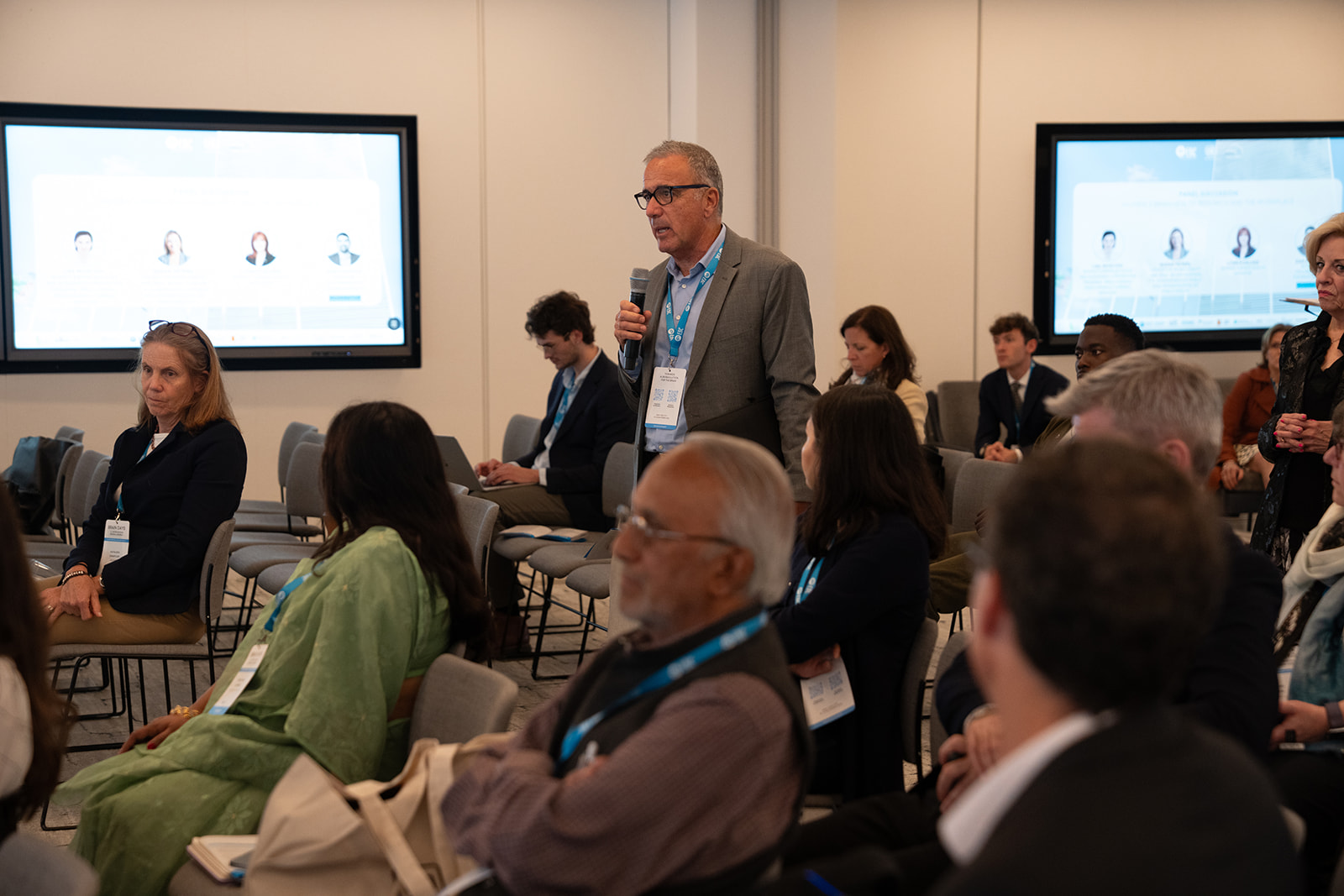
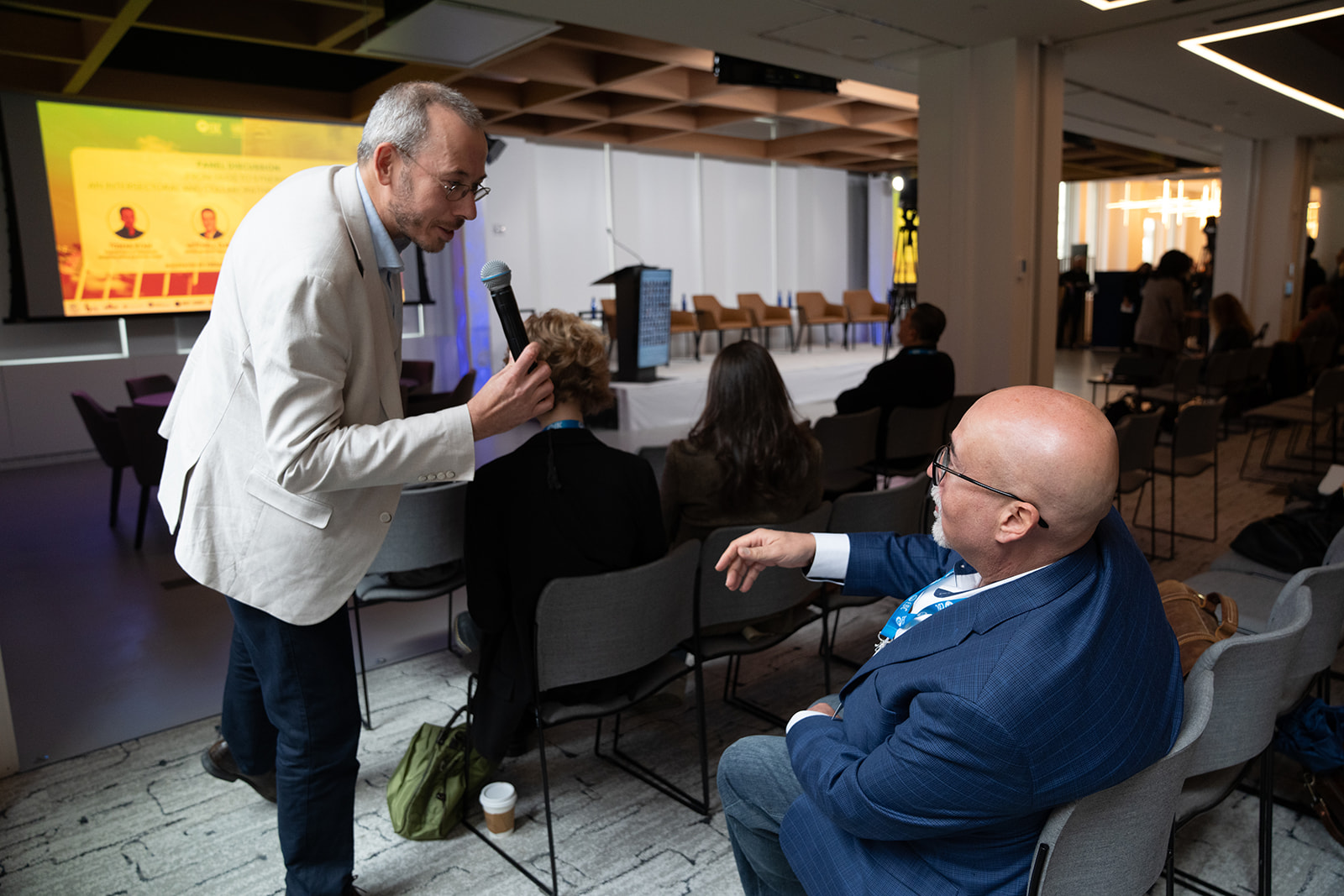
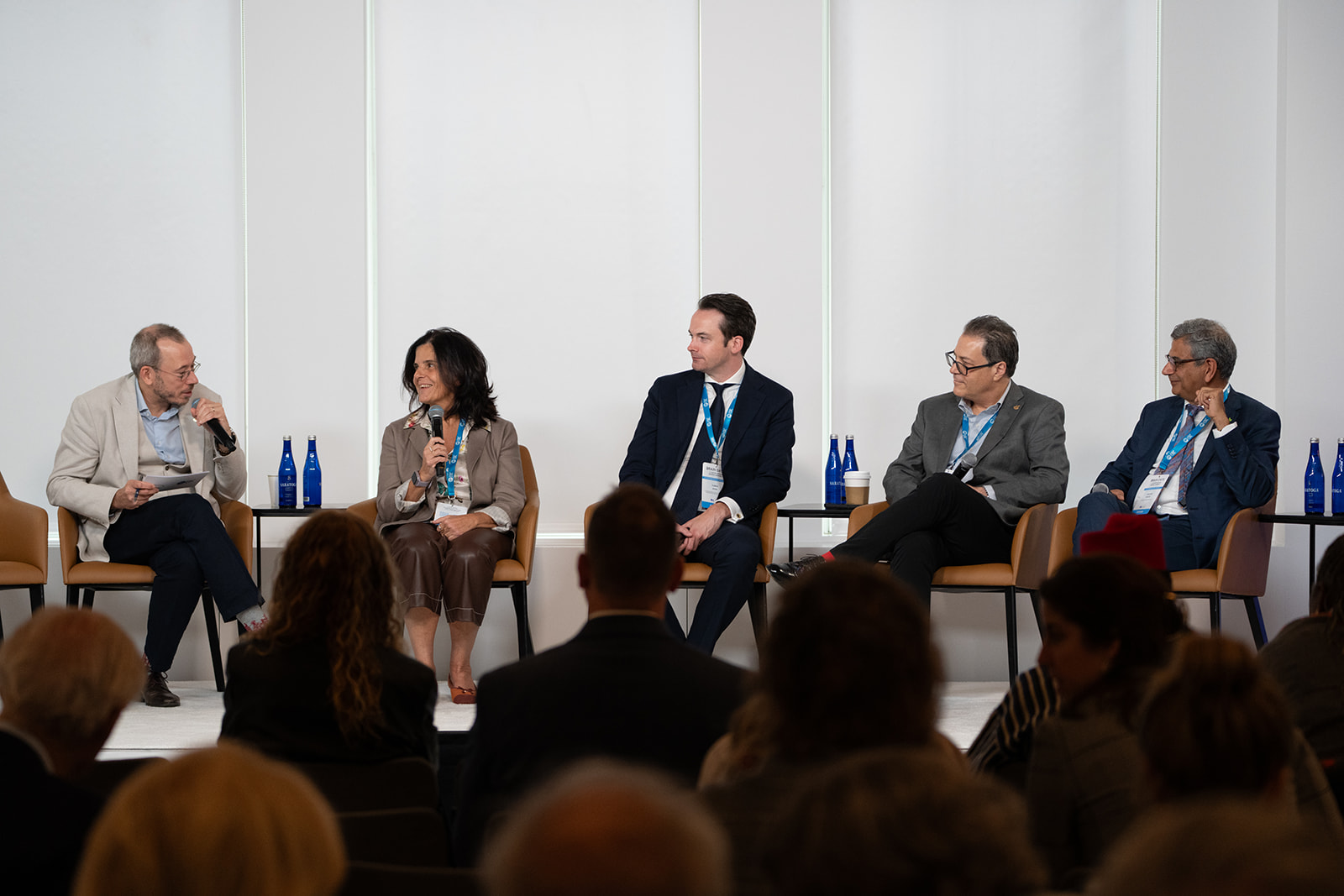
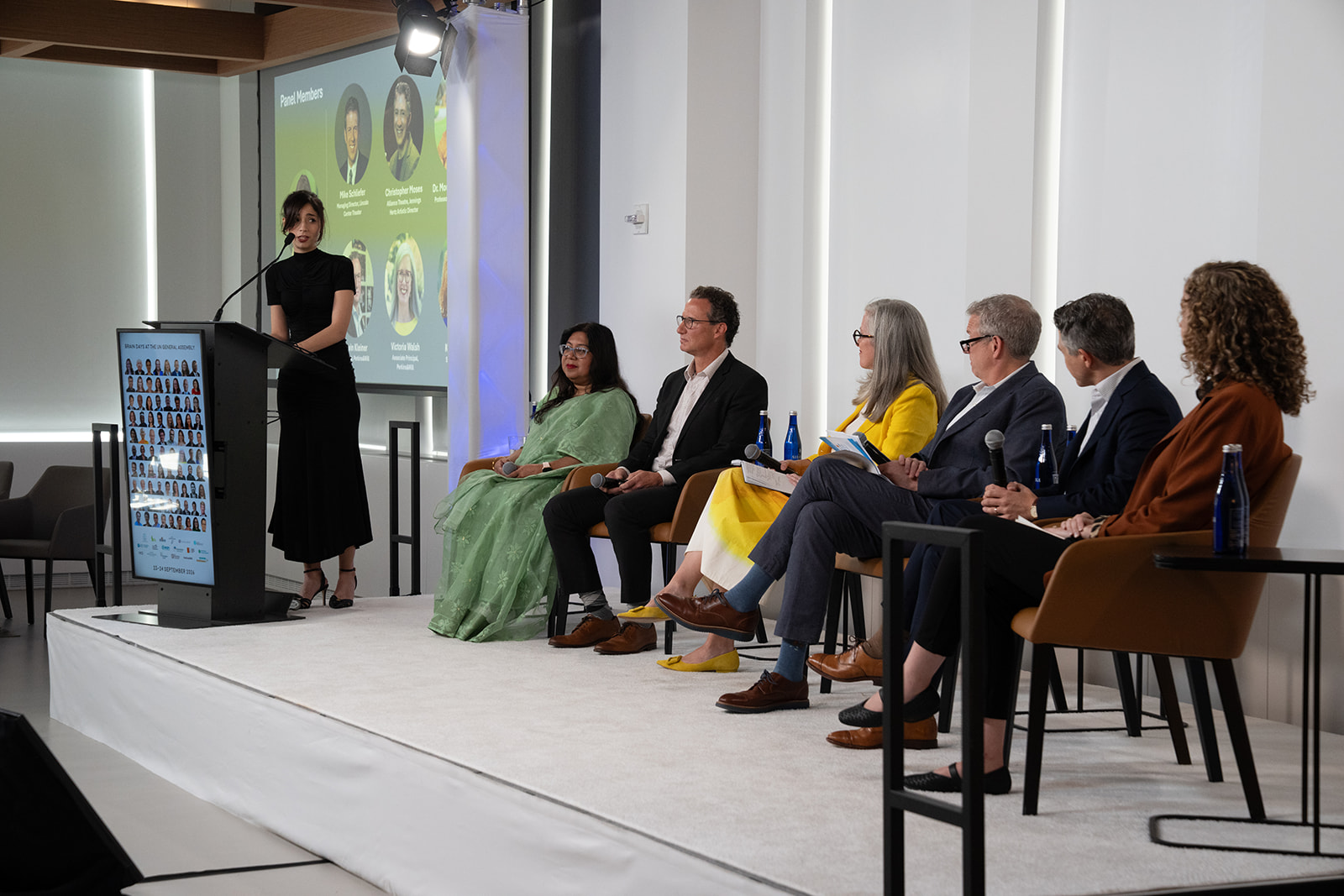
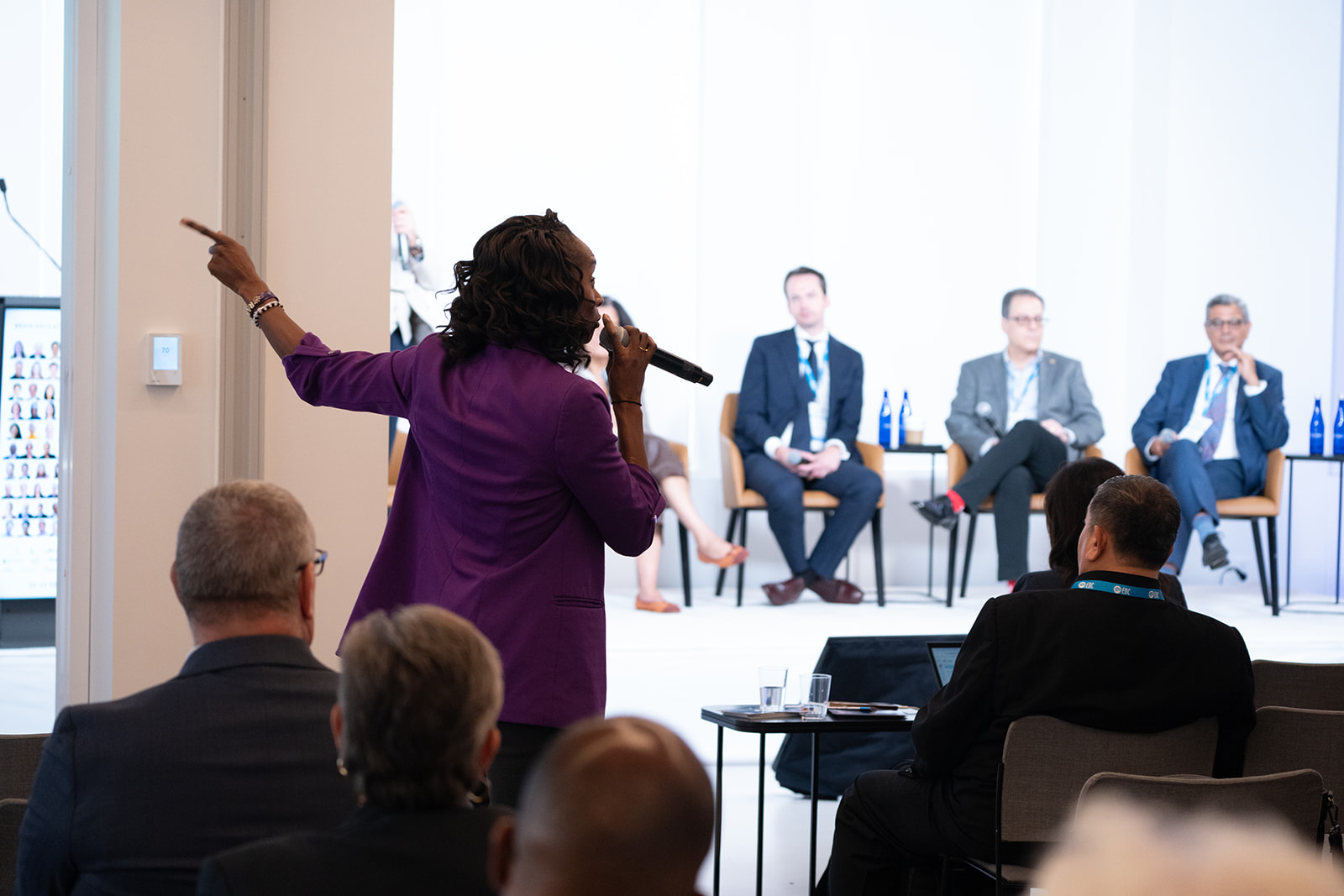
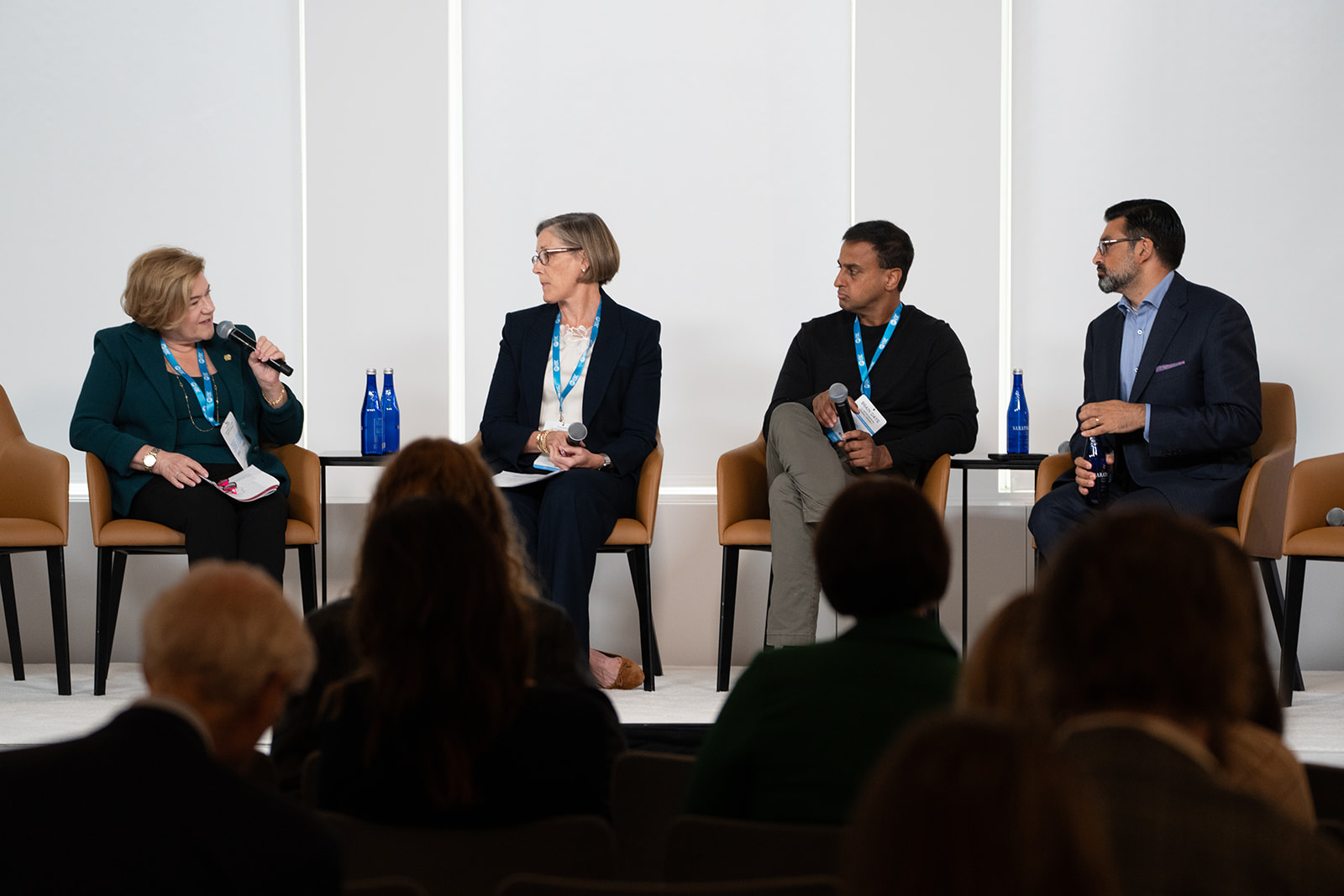
Click to display in HD. ©️ Nick Starichenko
In collaboration with Perkins&Will, Victoria Walsh, Devin Kleiner and Katlyn Blong of Perkins&Will, Christopher Moses (Alliance Theatre), Mike Schleifer (Lincoln Center Theater) and Moushumi Sharmin (Western Washington University), moderated by Hala El Khorazaty (Perkins&Will), examined how inclusive and evidence-informed design can support learning, emotional wellbeing and brain health from childhood through higher education.
The afternoon opened with Carmencita Bua (Skylark Transition Program) in conversation with Hala El Khorazaty on Skylark at Meleto and the need to better support young people in the transition to independent adulthood.
In collaboration with HKS and The Pedersen Foundation, Kara Hourihan (The Pedersen Foundation) and Upali Nanda (HKS) presented Neurospatial Design: Evidence in Practice, showing how the design of physical environments can be informed by evidence on cognitive, emotional and psychological wellbeing.
In collaboration with the Center for BrainHealth, Sandra Chapman and Ian Robertson (Center for BrainHealth, The BrainHealth Project), George Vradenburg (Davos Alzheimer’s Collaborative) and Krystal Sexton (Cognitive Capital Group), moderated by Richard Hatzfeld (Finn Partners), explored how to turn brain science into scalable impact, including the launch of the BrainHealth Pulse assessment.
In collaboration with the Davos Alzheimer’s Collaborative Global CEO Initiative on Alzheimer’s Disease, Lisa Mosconi (Weill Cornell Medicine), Susan Peters (Harvard T.H. Chan School of Public Health) and Lynn Posluns (Women’s Brain Health Initiative) joined moderator Dan Pawson (Business Collaborative for Brain Health) to address the urgent need for sex- and gender-responsive research, menopause-aware workplace policies and greater support for women’s cognitive health throughout the life course.
Suzanne Dickson closed the programme by reflecting on the collective energy, knowledge and partnerships represented across the two days, and on the opportunity to carry this momentum forward.
Partners and next steps
The 2026 Brain Days were made possible through the commitment and collaboration of an exceptional group of partners: the European Partnership for Brain Health, Meadows Mental Health Policy Institute, Coordination & Support Action BrainHealth, Centre for Aging + Brain Health Innovation, Northwell Health, European Academy of Neurology, Brain Health Mission, The Carter Center, Siemens Healthineers, Catalight Foundation, Perkins&Will, HKS, The Pedersen Foundation, Center for BrainHealth and the Davos Alzheimer’s Collaborative Global CEO Initiative on Alzheimer’s Disease.
These partnerships make it possible to convene leaders and contributors from across Africa, Asia-Pacific, Europe and the Americas – and, crucially, to connect the perspectives of science, policy, clinical practice, patient advocacy, education, business, finance, philanthropy, design and communities.
From a 25-person roundtable five years ago, the Brain Days have grown into a two-day convening space for leaders in research, care, prevention, education, policy, finance, technology, design, advocacy and lived experience. As the fifth edition draws to a close, the message is clear: brain health is a social, economic and human priority, and the momentum now is to turn a shared vision into sustained collaboration, political commitment and meaningful action. The next phase is to build on it – through stronger global collaboration, science diplomacy, national leadership and continued work towards a UN Resolution for the Brain.