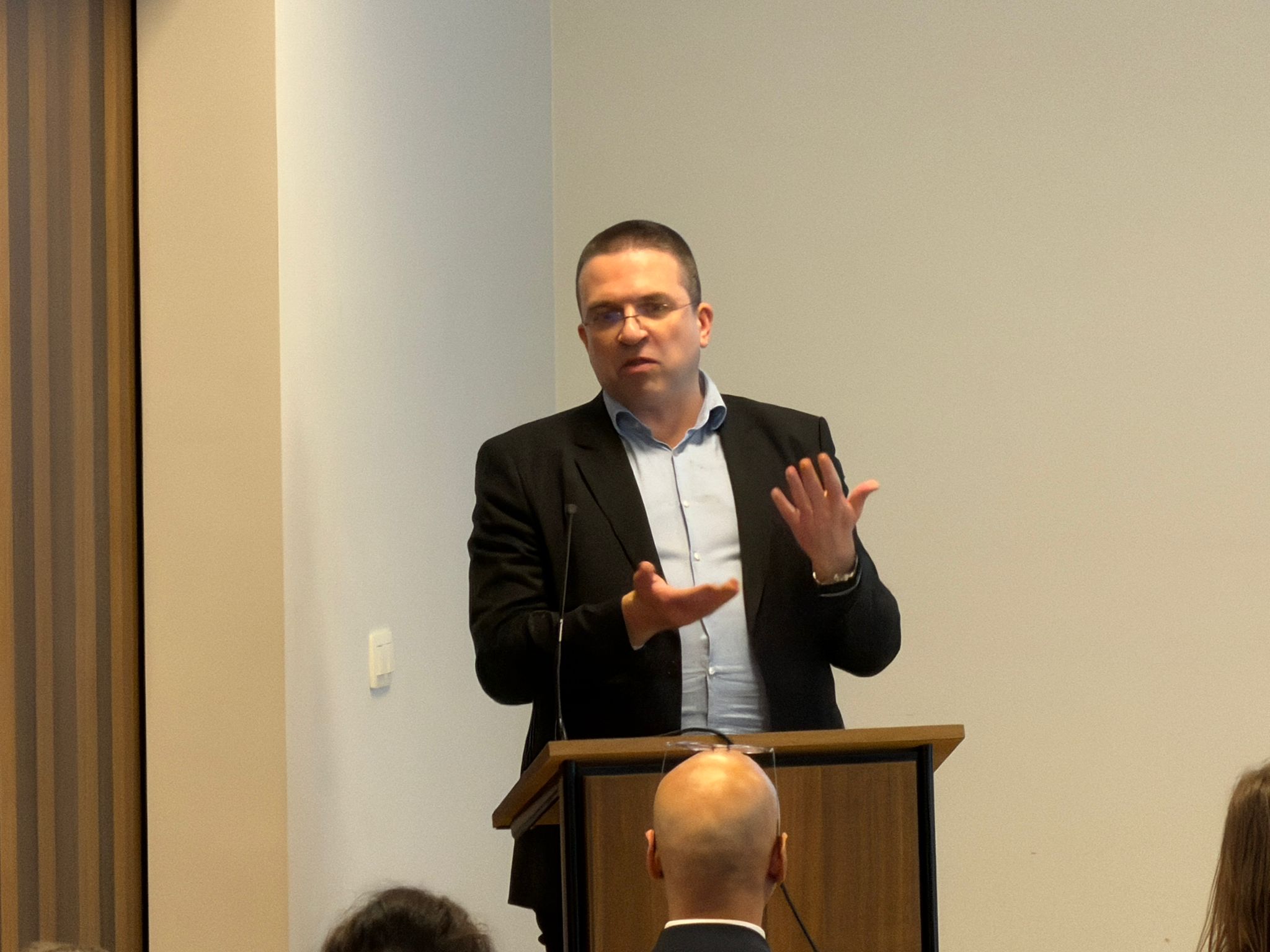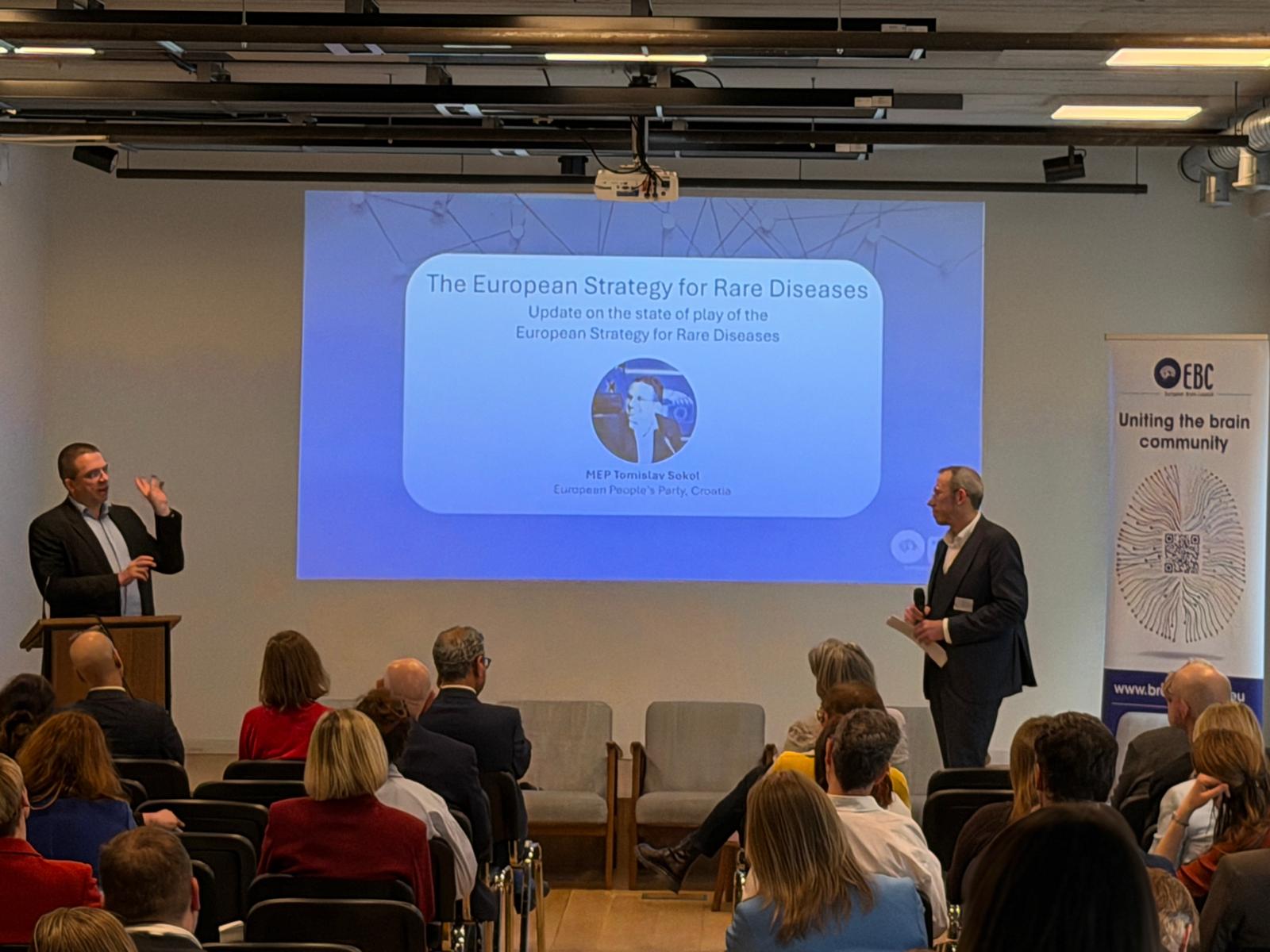
The European Brain Council (EBC) Rare Disease Day Event convened clinicians, patients, policymakers, researchers and industry leaders to advance coordination on rare diseases in Europe. Building on the Rare Brain Disease (RBD) Ecosystem, the event sought to identify systemic gaps, strengthen research–care integration, and review EU regulatory and research developments. A key outcome was laying the foundations for scaling the RBD Ecosystem through a structured Knowledge Hub, beginning with a preliminary research phase. Discussions focused on Myasthenia Gravis (MG), Neurofibromatosis Type 1 (NF1), and Childhood Dementia, including the launch of the Advocacy paper Rethinking MG Care through a Brain Health Lens: Adaptive Pathways and Patient-Centred Insights and the announcement of a new cross-European NF1 study.
The overarching message is clear: with most rare diseases involving neurological manifestations and many starting in childhood, rare diseases represent both a pressing public health priority and a strategic opportunity for systems innovation in Europe.
Introduction – The Community’s Perspective
Speakers from EURORDIS and the Social Policy Action Group (SPAG) highlighted evidence from the Rare Barometer survey initiative. The voice of people living with rare diseases must anchor everything we build.
Across the conditions surveyed — Myasthenia Gravis, Neurofibromatosis and Spinal Muscular Atrophy — common challenges emerge:
- Between 8 and 10 out of 10 respondents live with disabilities
- 90% or more report fatigue and/or pain
- Invisible and fluctuating disabilities remain poorly recognised
Disability assessment across Europe remains predominantly medical-model focused, with insufficient integration of:
- Daily functioning
- Care and support needs
- Financial vulnerability
- Independent living considerations
Mental health burden (anxiety, depression, loneliness) is significantly higher than in the general population, reinforcing the need for integrated medical and psychosocial care with a holistic life-long approach and inclusion in society.
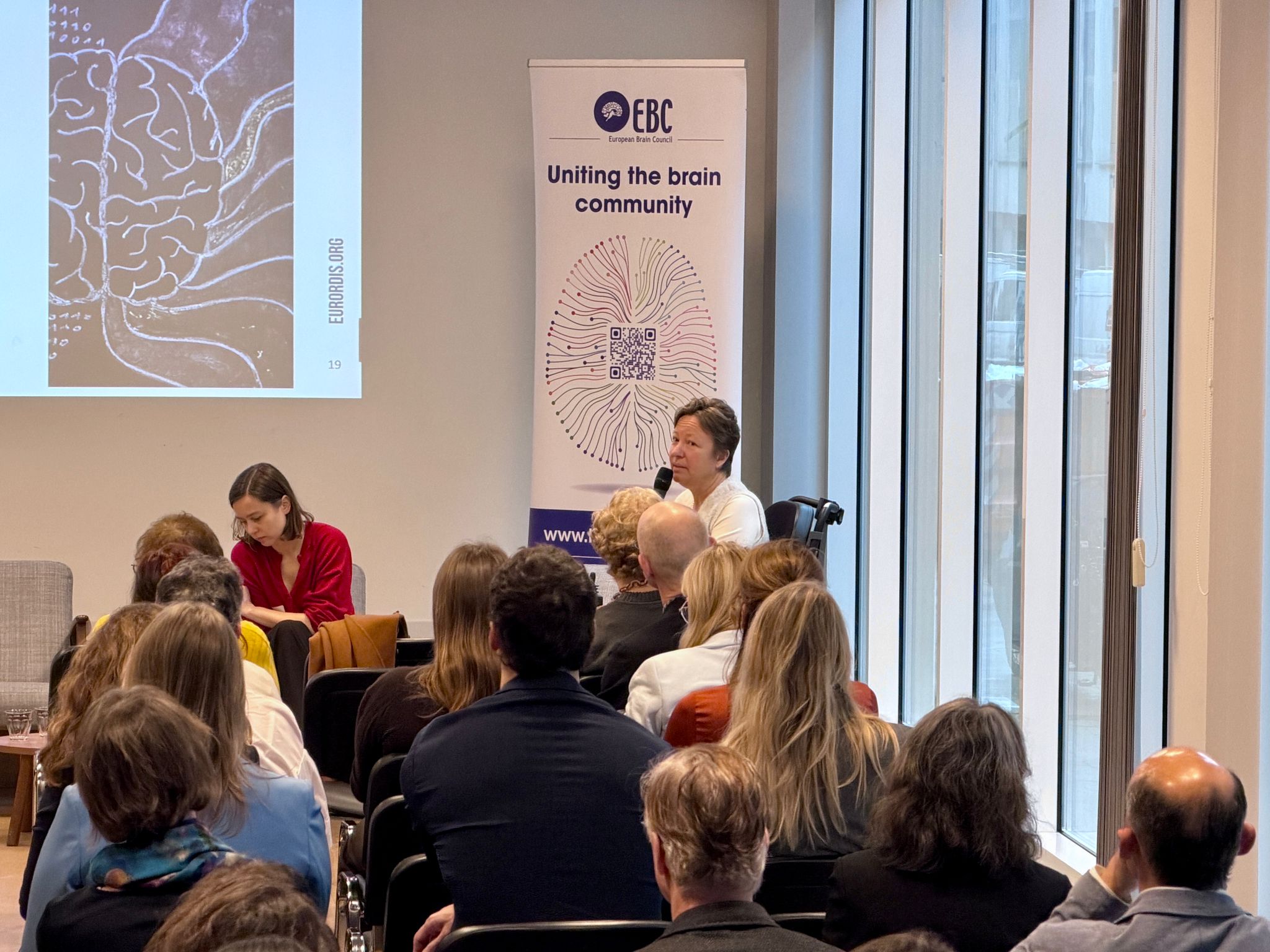
“It is important to train clinicians and disability assessors for patient organisations because it is important to reduce the invisibility bias.” – Véronique Van Assche, Member, Social Policy Action Group, Spinal Muscular Atrophy (SMA) Belgium & SMA Europe
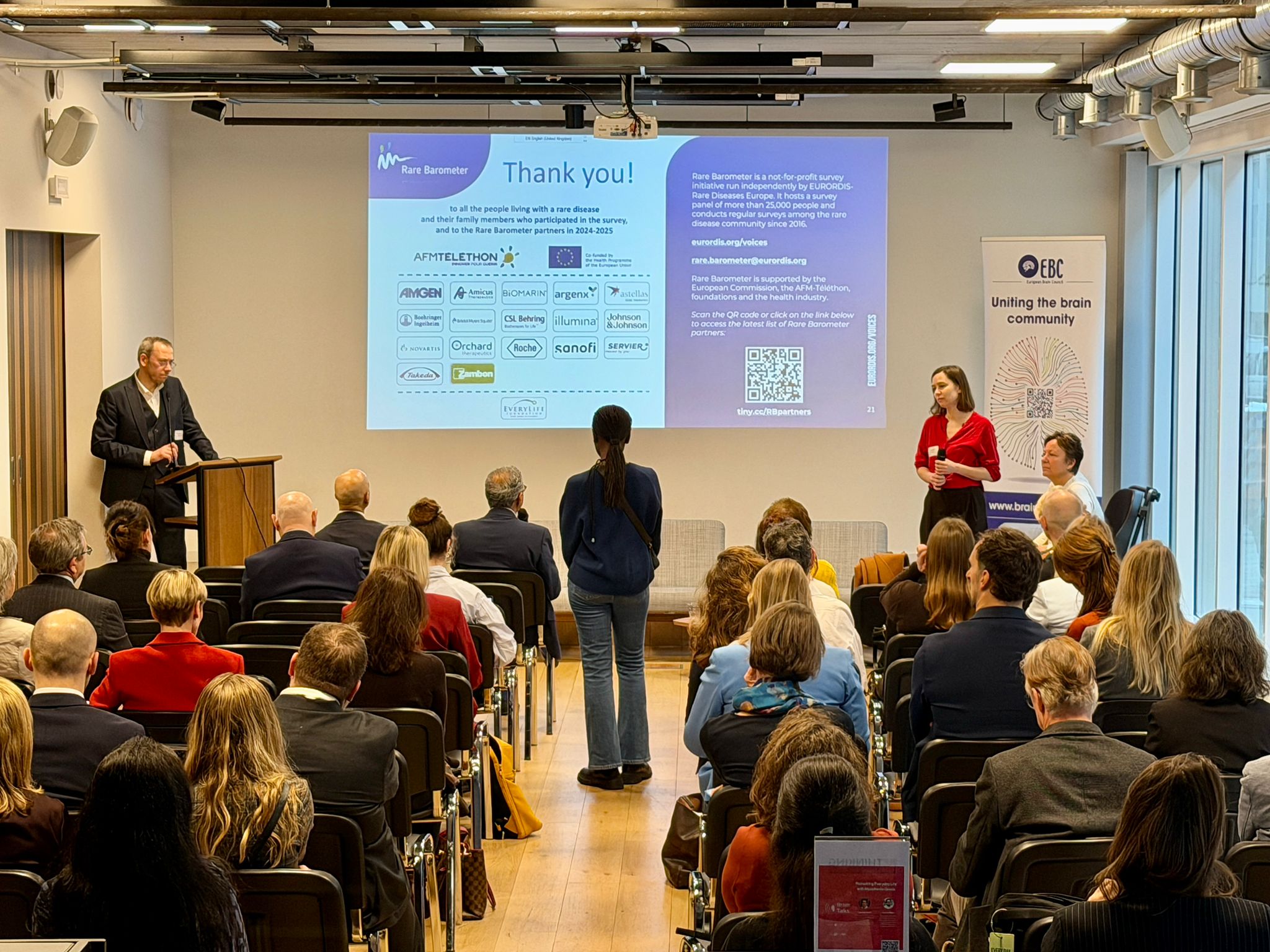
Key systemic messages
- Holistic, life-long, multidisciplinary care is the standard to be reached.
- Disability recognition is central to accessing rights and social inclusion.
- Independent living requires structural support (assistive technologies, personal assistance, accessible environments).
- Patient organisations are critical partners in policy design and implementation.
At EU level, speakers emphasised the need to link disability assessment reform with independent living policies and alignment with the United Nations Convention on the Rights of Persons with Disabilities (UNCRPD) obligations.
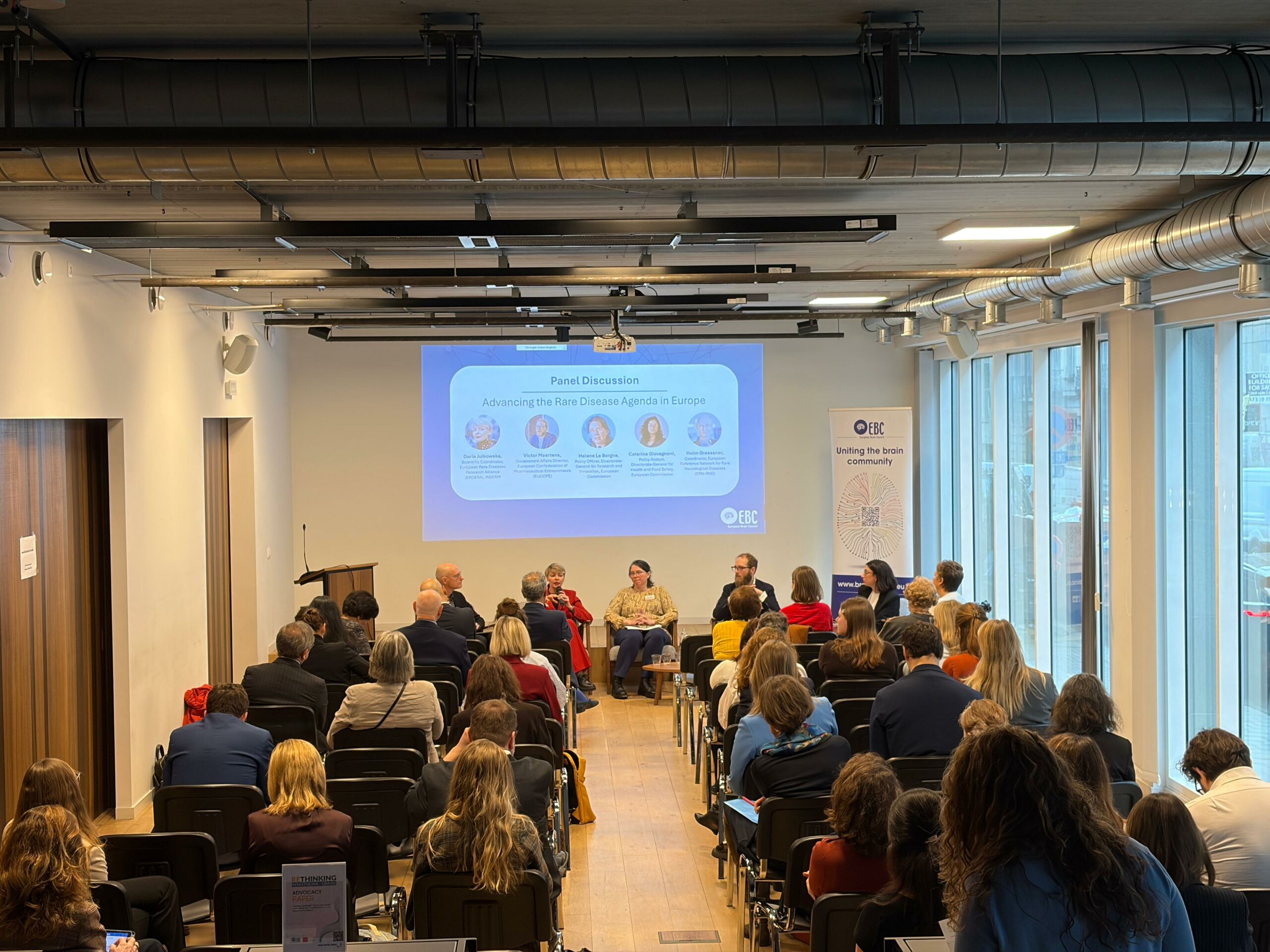
Session 1 – Advancing the Rare Disease Agenda in Europe
Rare diseases require European-scale coordination. The panel discussion followed a clear logic chain:
- Research & Innovation capacity (Life Sciences Strategy, Biotech Act)
- Regulatory science alignment (HTA Regulation, Pharma Package)
- System coordination (Rare Disease Action Plan momentum)
- Delivery via projects and infrastructures (ERNs, ERDERA, EU programmes such as the European Partnership Brain Health)
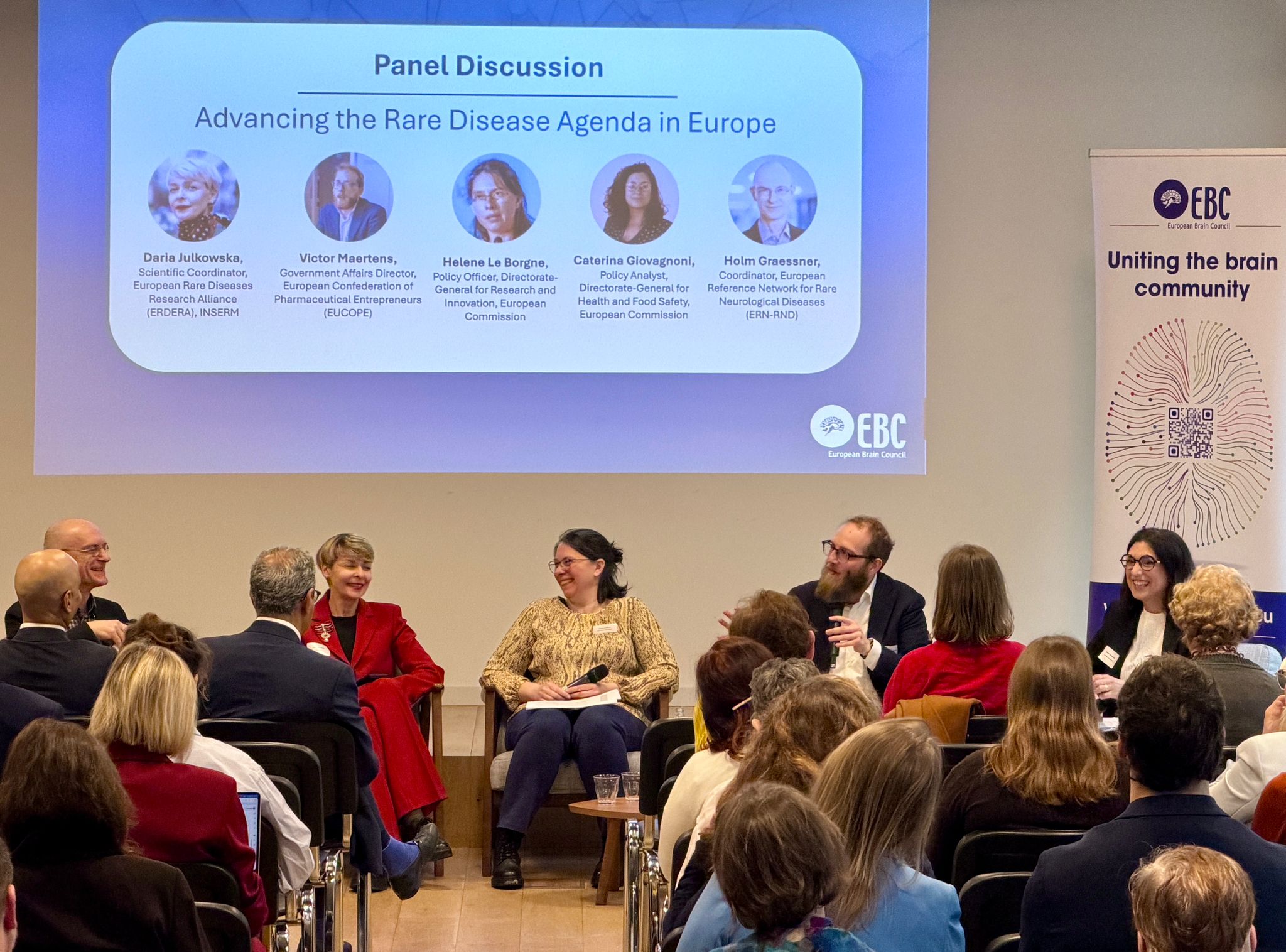
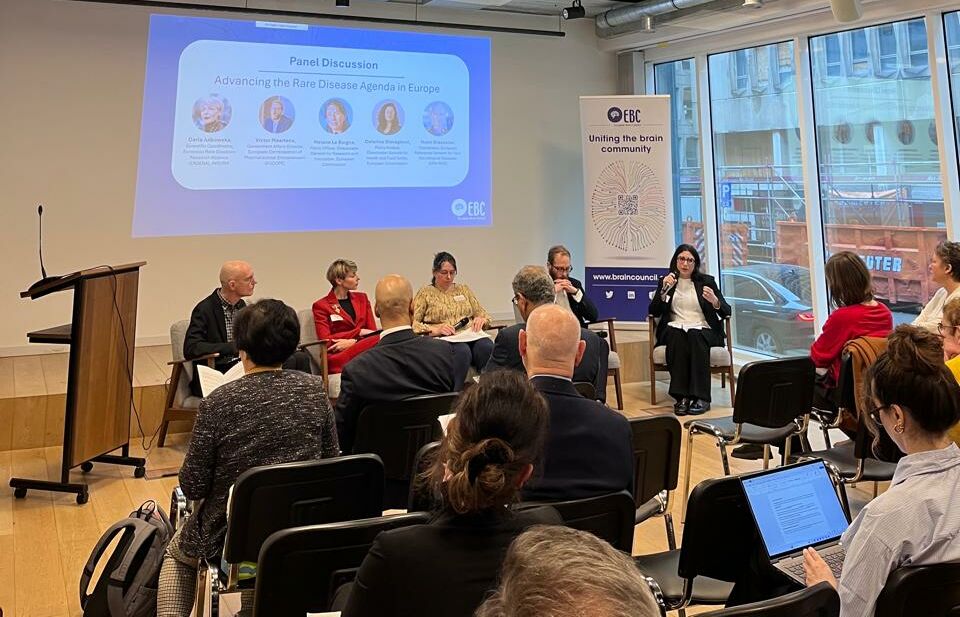
“Rare diseases are innovation-based diseases: they need advanced therapies most of the time. This is why the Biotech Act aims at tackling bottlenecks for patients and streamline regulatory pathways to harmonise procedures across member states.”
– Caterina Giovagnoni, Policy Analyst, Directorate-General for Health and Food Safety, European Commission
Since 2025, key developments include:
- Implementation phase of the EU HTA Regulation
- Progress on the Pharma Package
- Adoption of the Biotech Act proposal
- Launch of ERDERA as a consolidating research infrastructure
- Growing political momentum toward a European Rare Disease Action Plan
However, challenges remain:
- Europe risks losing attractiveness for rare disease clinical trials
- Transition from early research to commercialisation remains fragile
- ERNs are not yet structurally embedded in national health systems
- Fragmentation persists across Member States
Key messages
Europe must move from fragmented projects to a stable, coordinated backbone for research, data, and access, supporting quicker and smoother processes to boost development of new treatments and the transition to commercialization.
Closing remarks
Call for better treatments, simpler regulatory environments supporting innovation ecosystems, faster diagnosis, the integration of ERNs in national health systems (joint action JARDIN) and the integration of patient inputs on wider scale.
Session 2 – Advancing the Rare Brain Disease Ecosystem and Building a Knowledge Hub
This session positioned the Rare Brain Disease (RBD) Ecosystem as a flagship initiative to bridge persistent gaps between rare disease policy, neuroscience innovation, clinical care and system implementation. Speakers highlighted that a large proportion of rare diseases have neurological and/or neuropsychiatric manifestations, with impacts spanning cognition, mental health, functioning and participation across the life course. Yet the rare disease and brain health communities remain insufficiently connected, and implementation of existing policy commitments remains uneven.
The RBD Ecosystem introduces a brain health approach as a unifying framework — not as a new terminology, but as a systems-level lens to address rare conditions that meaningfully affect brain function and life-course outcomes.
The Knowledge Hub: Purpose and Added Value
The proposed Knowledge Hub will function as a digital collaboration and coordination platform, bringing together researchers, clinicians, ERNs, patient organisations, policymakers and industry partners. Its added value lies in complementing — not duplicating — existing European infrastructures (e.g., ERNs, ERDERA, EU partnerships) by:
- Aligning research priorities and policy translation
- Supporting shared care pathway templates
- Promoting common outcome sets (including PROMs)
- Strengthening interoperable registry and data elements
- Facilitating structured feedback loops between evidence generation and implementation
The Hub aims to translate innovation into measurable service improvements, embedding brain health–relevant outcomes (fatigue, cognition, mental health, participation, functioning) into routine care and value assessment.
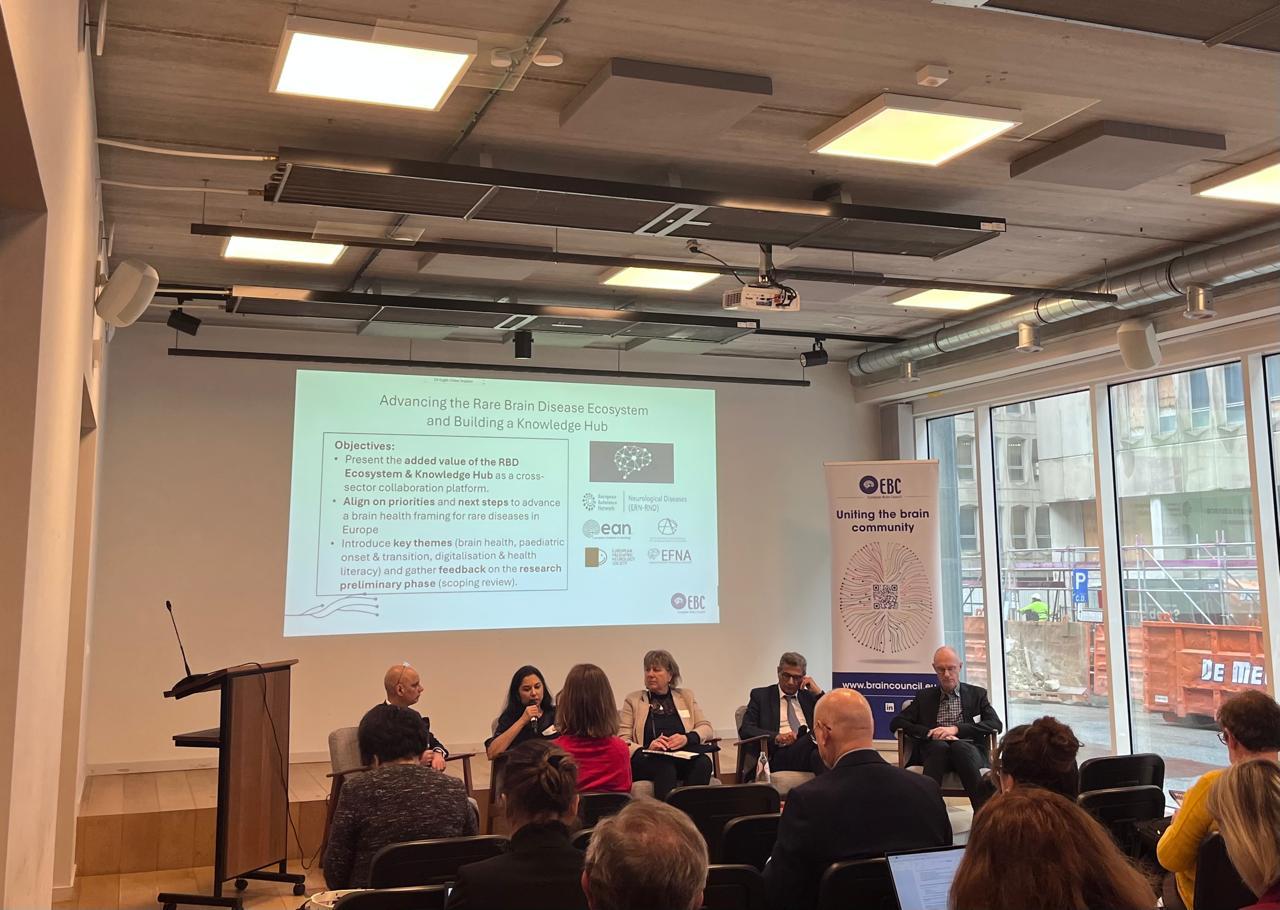
“The hub has a role to play in addressing two things: the fragmentation I mentioned, and establishing a knowledge base to improve recommendations, while also complementing our work by covering topics we don’t address enough”. – Holm Graessner, Coordinator, European Reference Network for Rare Neurological Diseases (ERN-RND)
Strategic Framing
The discussion emphasised that brain health goes beyond symptom control and aligns with the WHO life-course definition of optimal brain functioning. Applying this framing to rare diseases allows:
- Earlier and more accurate diagnosis
- Strengthened multidisciplinary coordination
- Structured transition from paediatric to adult care
- Integration of digital tools and health literacy strategies
- Alignment with EU HTA and EHDS frameworks
Participants agreed that Europe is at a moment of policy convergence (HTA Regulation, EHDS, ERDERA, Rare Disease Action Plan momentum), but implementation still lags in routine care. The Knowledge Hub therefore aims to act as an operational enabler — translating policy commitments into implementable tools and coordinated pathways.
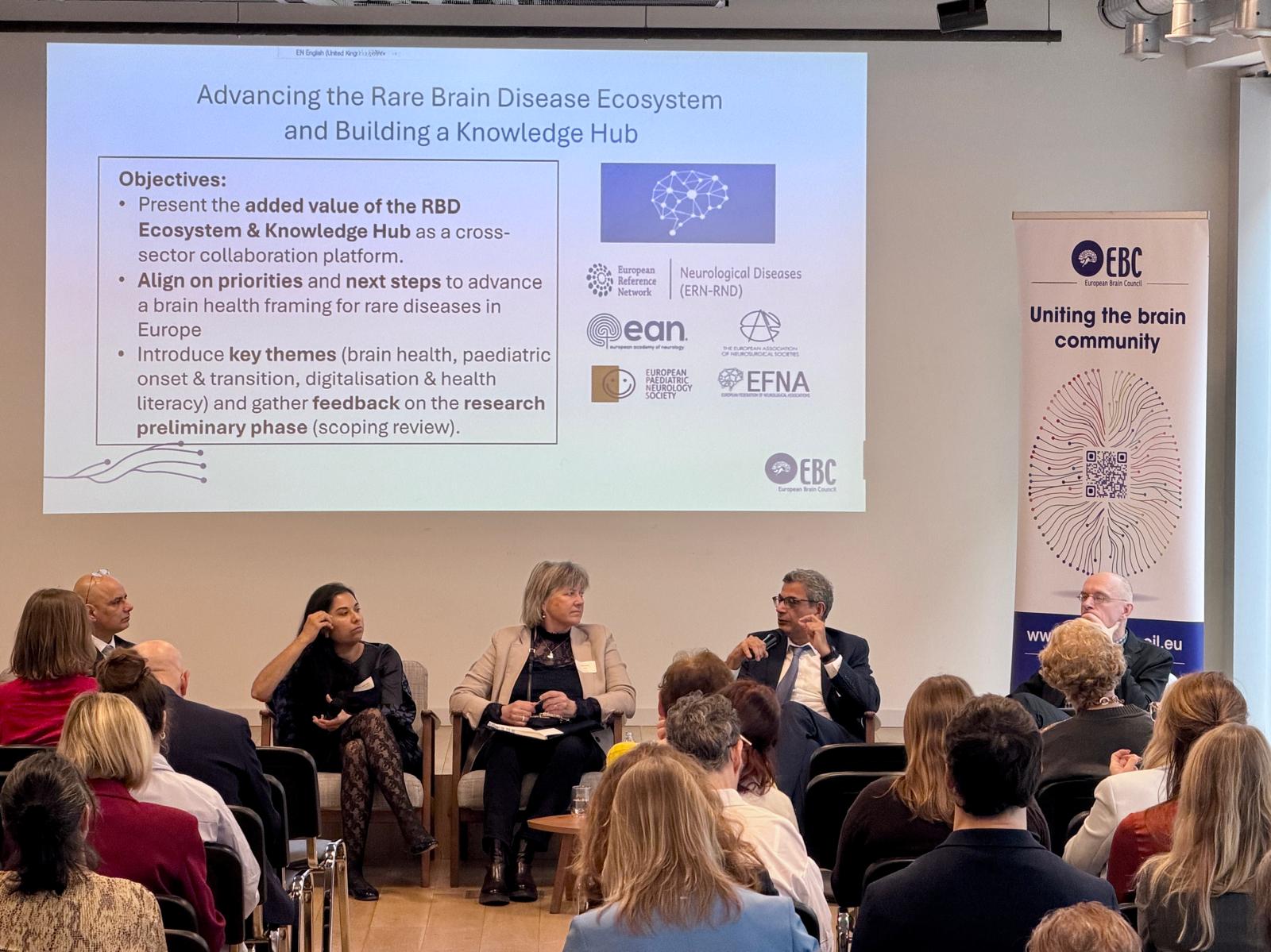
“One of our priority is education; the average neurologist still dismisses rare diseases as exotic, when collectively they represent a major area affecting quality of life.” – Kailash Bhatia, President-Elect, European Academy of Neurology (EAN)
Priority Thematic Areas (2026–2027)
Three cross-cutting priorities were introduced:
- Terminology and conceptual framing – Clarifying how “rare brain disease” and brain health are defined and operationalised across research and policy.
- Paediatric-onset and transition of care – Addressing life-course equity, socio-economic burden and structural weaknesses during transition phases.
- Digitalisation and health literacy – Exploring AI, telemedicine, remote monitoring and accessible information tools while ensuring equity and responsible implementation.
Preliminary Research Phase
Speakers agreed to begin with a structured preliminary phase:
- A Scoping Review and Stakeholder Mapping exercise, conducted in collaboration with an academic partner.
- The review will map how a brain health approach is conceptualised and implemented in rare diseases with neurological/brain manifestations across the life course.
- Particular attention will be given to paediatric-onset conditions and digital health dimensions.
The scoping review will follow JBI methodology and PRISMA-ScR reporting standards and will integrate stakeholder consultation to refine implications.
Results of this preliminary phase will be presented at the EPNS Research Meeting (October 2026).
Session 3 – Rethinking Care Pathways: The Myasthenia Gravis Case Study
“What people often have difficulty understanding is that the disease is always changing. One day you feel all right. The day afterwards, you could go to the hospital. It’s mentally exhausting. So despite advanced therapies gaps, unmet needs remain”. – Vinciane Quoidbach, Research Project Manager, European Brain Council
This session launched the EBC advocacy paper: “Rethinking Myasthenia Gravis through a Brain Health Lens, Adaptive Pathways and Patient-Centred Insights.“
Why MG as a test case?
- ~90,000 people live with MG in Europe
- Diagnostic delay averages 26 months
- 15-20% experience myasthenic crises
- Care pathways remain fragmented
- Indirect and psychosocial costs are largely invisible in HTA/economic evaluations
Despite advanced therapies, care and treatment pathways remain fragmented and unevenly implemented.
A Brain Health Lens
MG is more than muscle weakness. Fatigue, cognition, mental health, sleep, participation and treatment burden define daily functioning. A brain health lens/framing makes these outcomes measurable and integrable into value assessment.
Economic and Systems Insights
Preliminary systematic review findings highlight:
- Strong correlation between disease severity and productivity loss
- Under-capture of informal care and administrative burden
- Hidden financial strain not reflected in traditional cost models
- High digital adherence rates (96% PROMs)
However, digital tools remain insufficiently integrated into routine care and reimbursement systems.
Policy Alignment
Recommendations are aligned with the EU HTA Regulation, the European Health Data Space and the Rare Disease Strategic Priorities. MG demonstrates that innovation without pathway redesign will not deliver equitable outcomes. It serves as a European proof-of-concept for scaling adaptive rare brain disease pathways.
Session 4 – Advancing Knowledge: Neurofibromatosis Type 1 (NF1) & Childhood Dementia
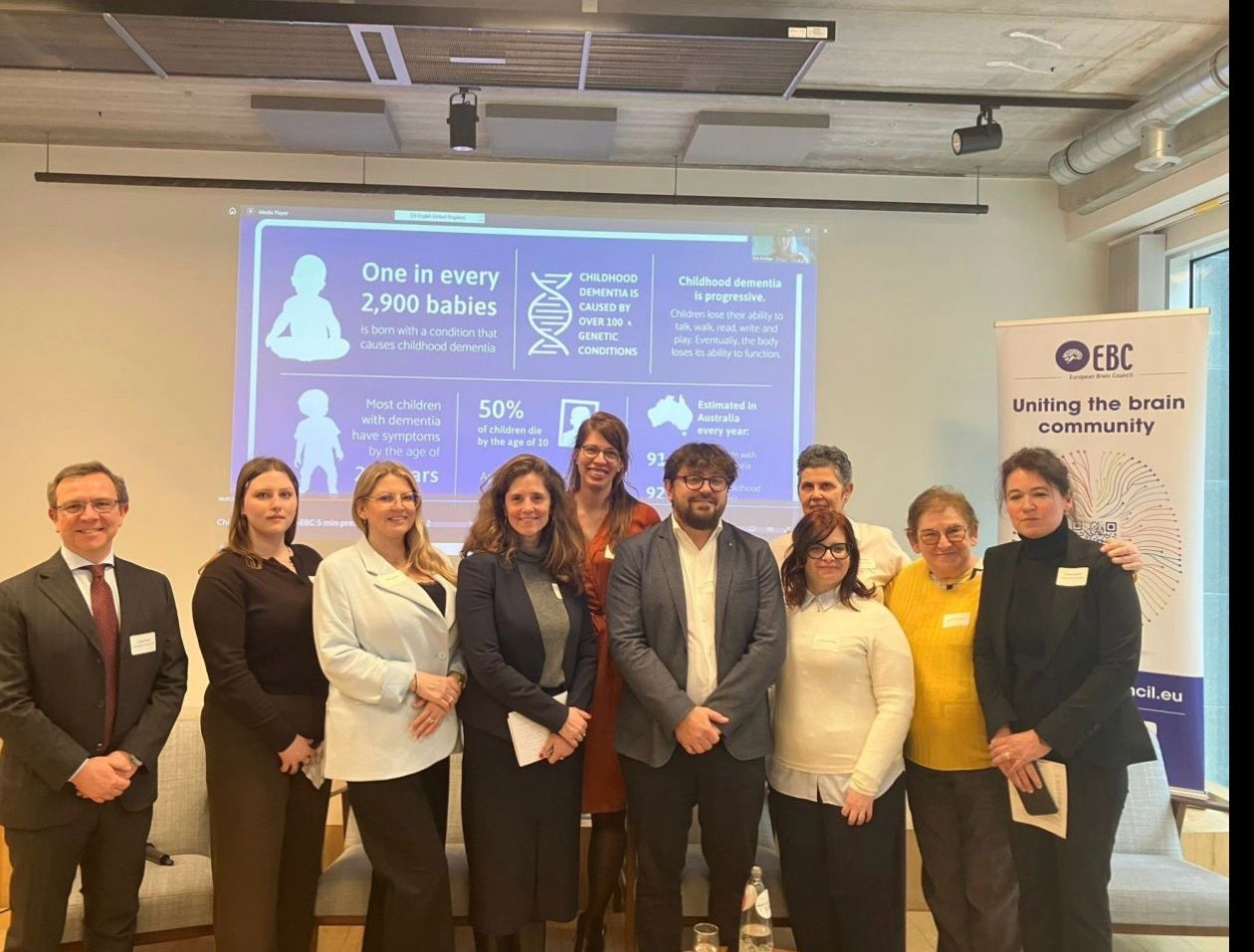
Video Message: Kristina Elvidge, Head of Scientific Affairs, Childhood Dementia Initiative
“Australia’s Childhood Dementia Initiative showed that grouping these diseases under one umbrella term successfully leveraged policy and resources — critical given that 70% of affected children die before reaching adulthood.” – Sameer Zuberi, President-Elect, European Brain Council (EBC)
Childhood Dementia
The discussion emphasised the vulnerability of ultra-rare paediatric neurodegenerative diseases, where delayed diagnosis, limited coordination and insufficient policy prioritisation compound lifelong burden.
Earlier diagnosis and stronger integration into national and EU strategies were identified as urgent priorities.
Neurofibromatosis type 1 – Launch of a Cross-European Study
The new cross-EU study on Neurofibromatosis Type 1 will assess: (1) Access to care, (2) Psychosocial burden, (3) Unmet needs. This project stands out for:
✔ Patient co-design
✔ Multilingual dissemination
✔ Scientific robustness
✔ Clear policy translation
It reflects a shift from data collection to actionable evidence.
Overarching takeaway
Across MG, NF1 and Childhood Dementia, rare diseases expose where our health systems are weakest due to:
- Fragmented care pathways
- Invisible burden
- Under-recognised indirect costs
- Weak transition planning
- Limited integration of digital tools
The Rare Brain Disease Ecosystem positions brain health as a systems-level design principle – connecting lived experience, economic evidence and policy action. The next phase focuses on consolidating the foundations of a rare brain Disease Knowledge Hub to support structured alignment across research, care and policy in Europe.