
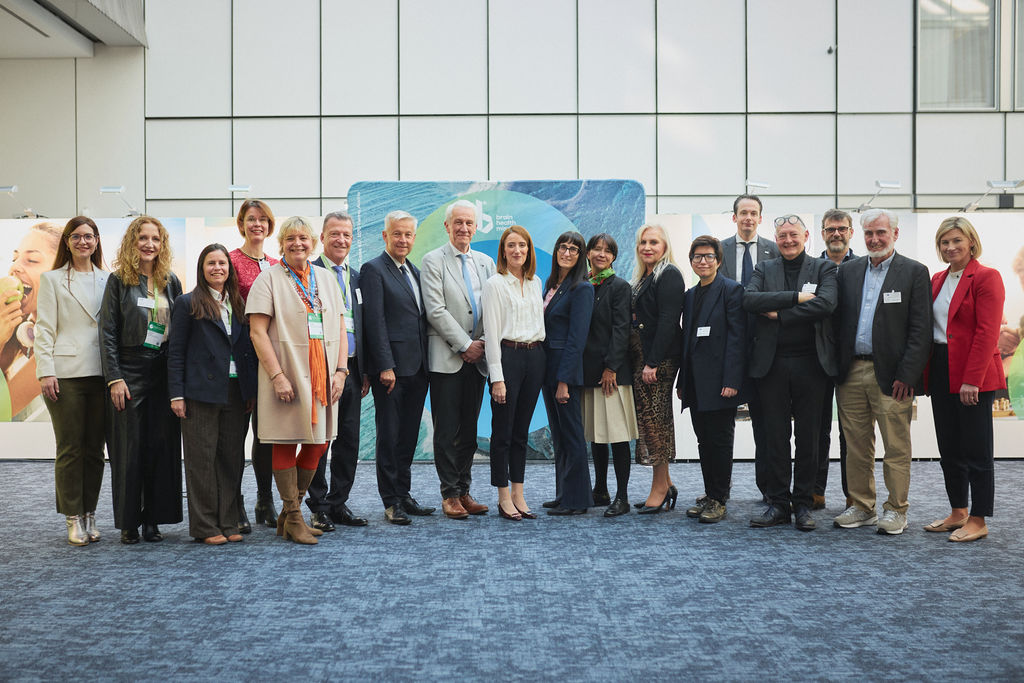
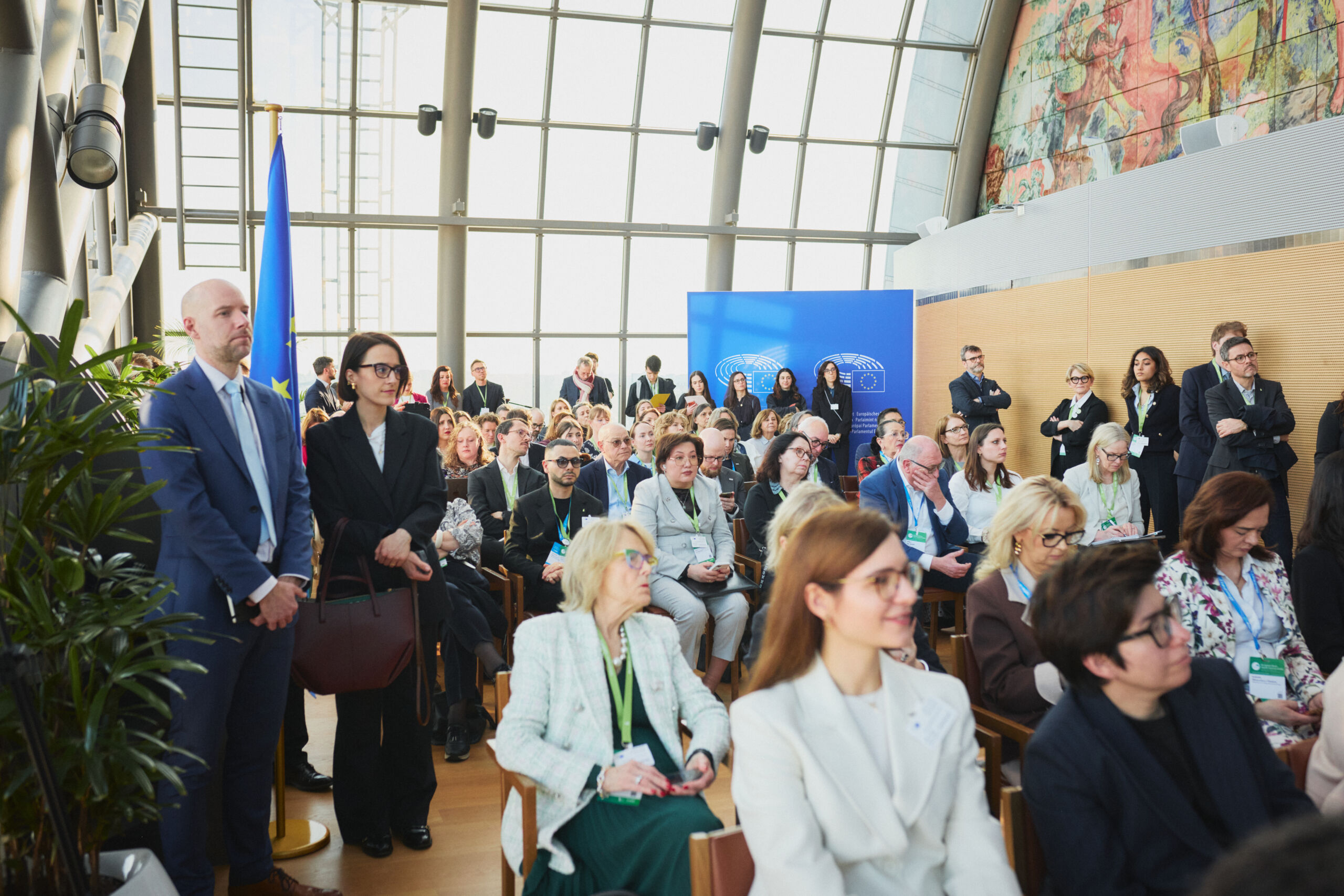
On 18 March 2026, policymakers, researchers, clinicians, patient representatives and industry leaders gathered in Brussels for Brain Health Day: Prevention, Policy, Progress – a full day of activities organised by the Brain Health Mission, the European Academy of Neurology with the European Brain Council and the Federation of European Neuroscience Societies.
Taking place during the 2026 Brain Awareness Week, the day demonstrated a growing collective determination across Europe to move beyond fragmented approaches and work towards a coherent and impactful European response to brain health challenges.
A morning focused on vision, prevention and policy alignment
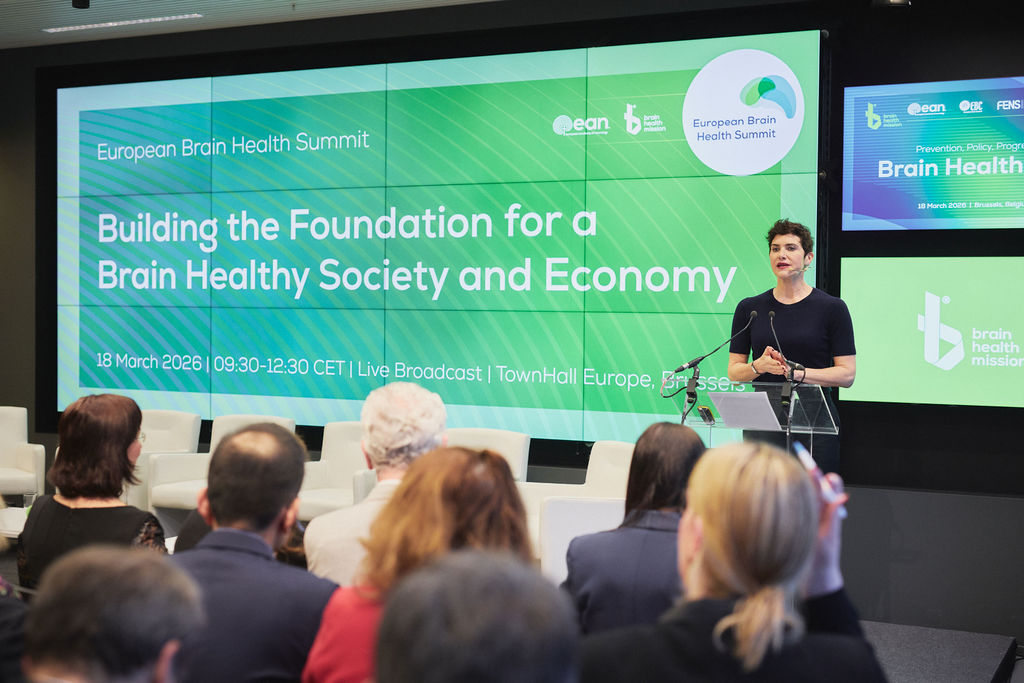
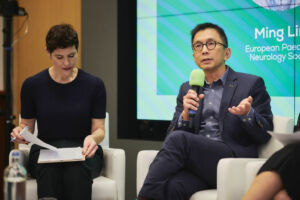
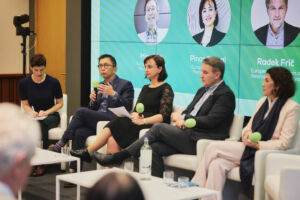
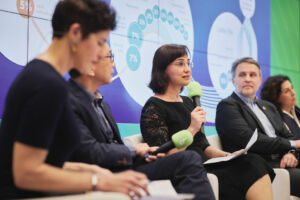
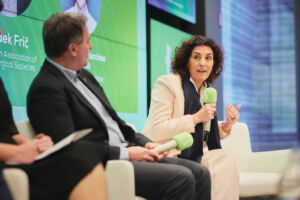
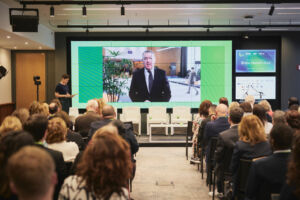
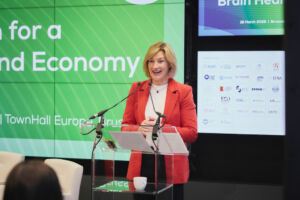
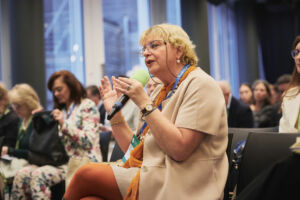
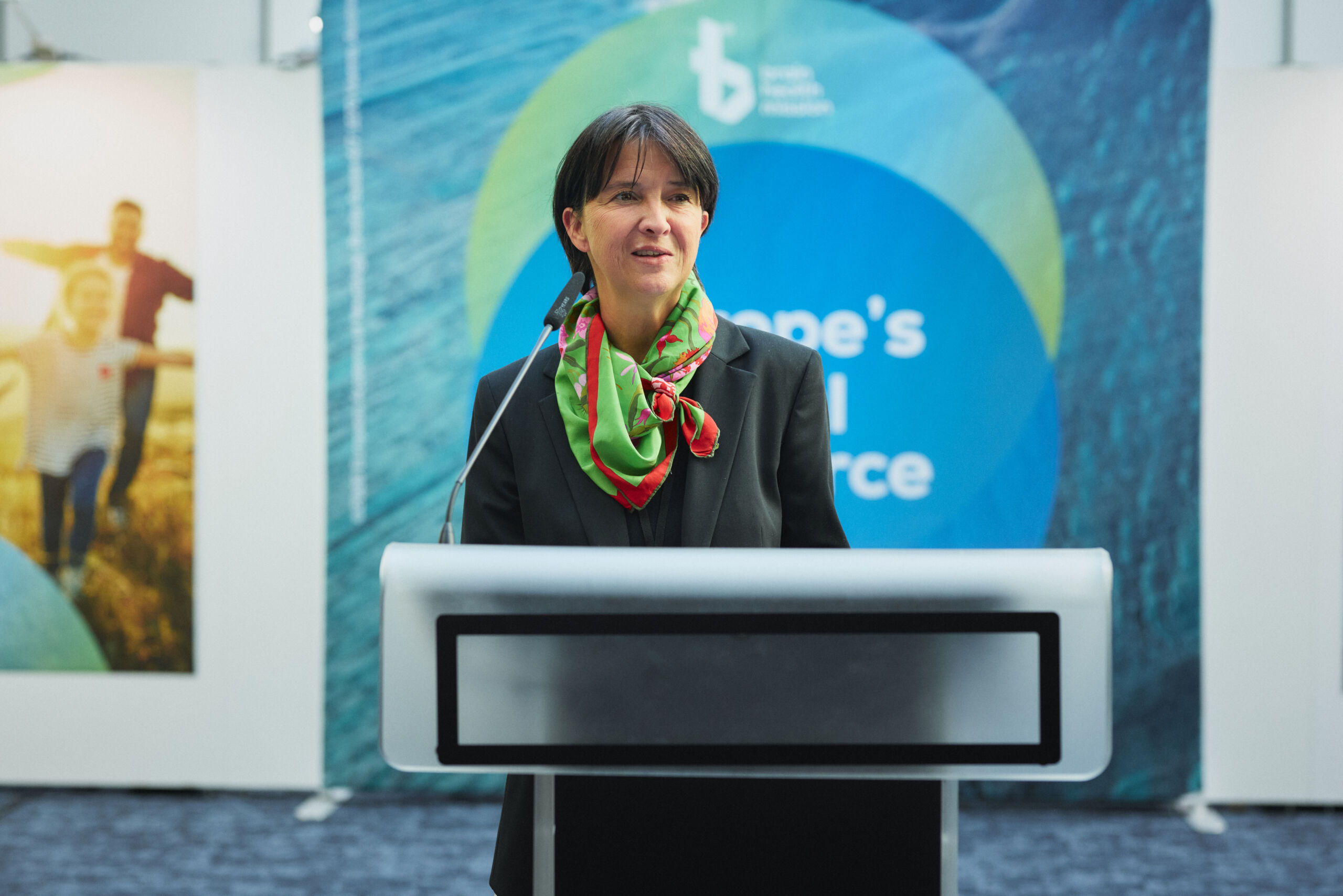
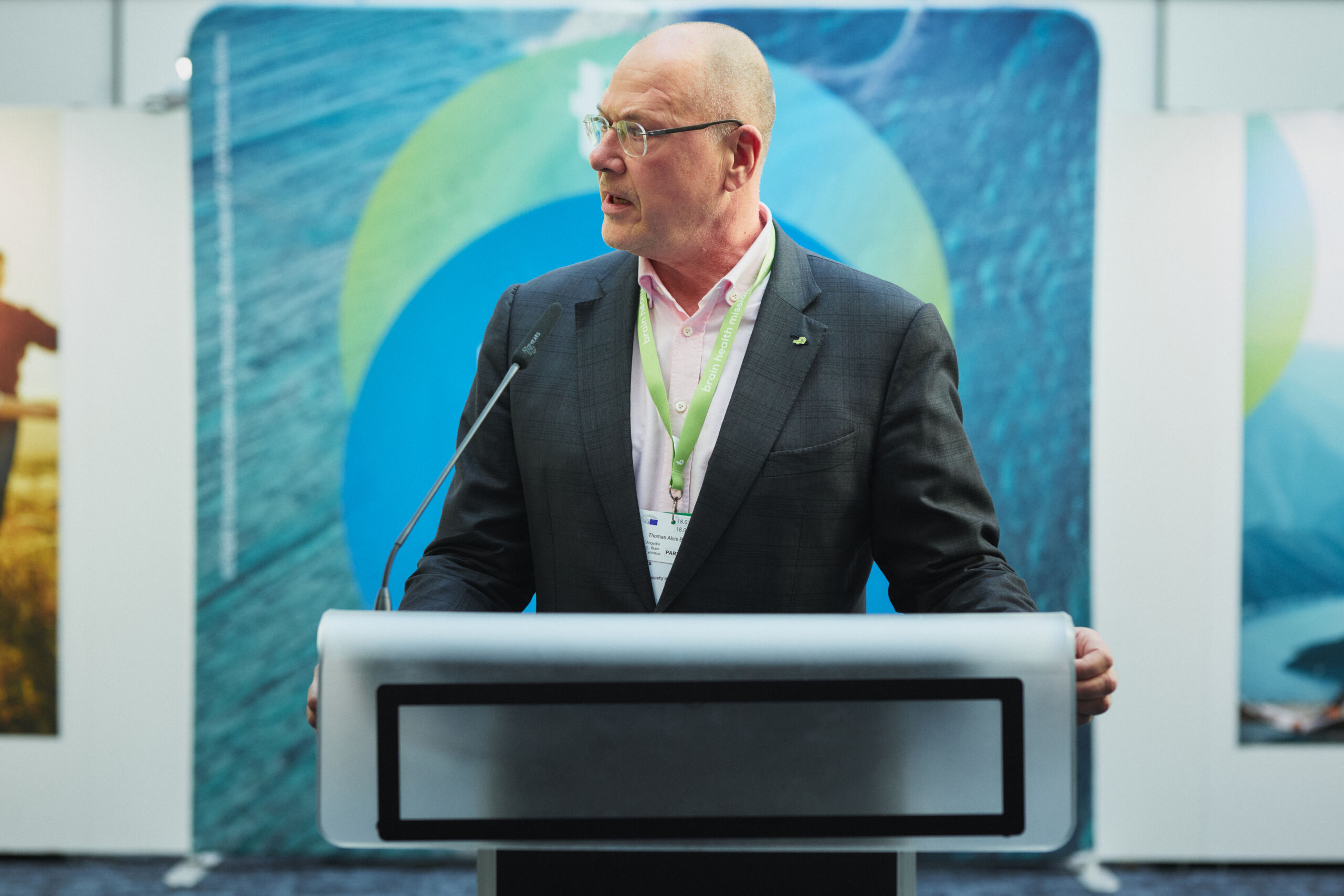
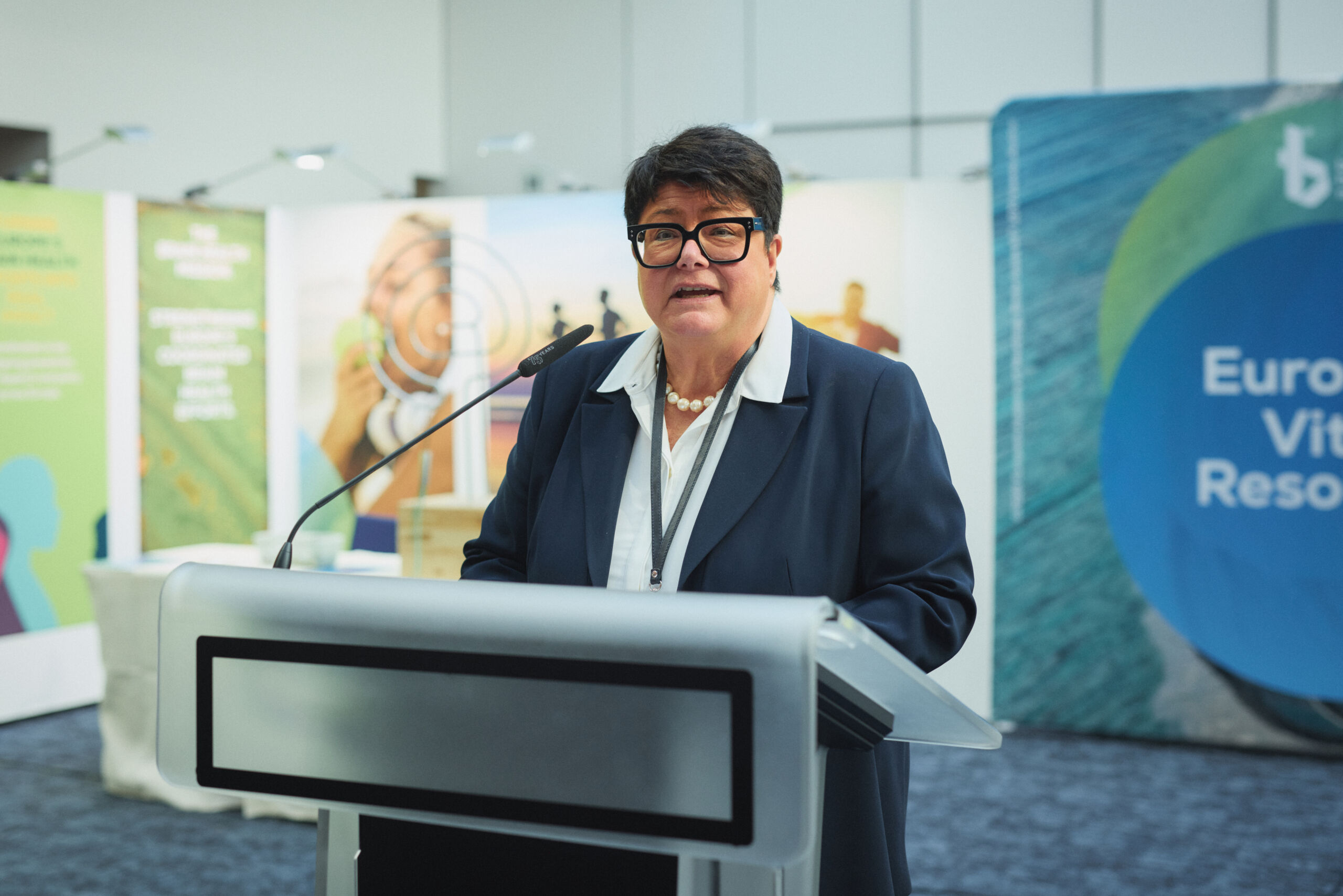
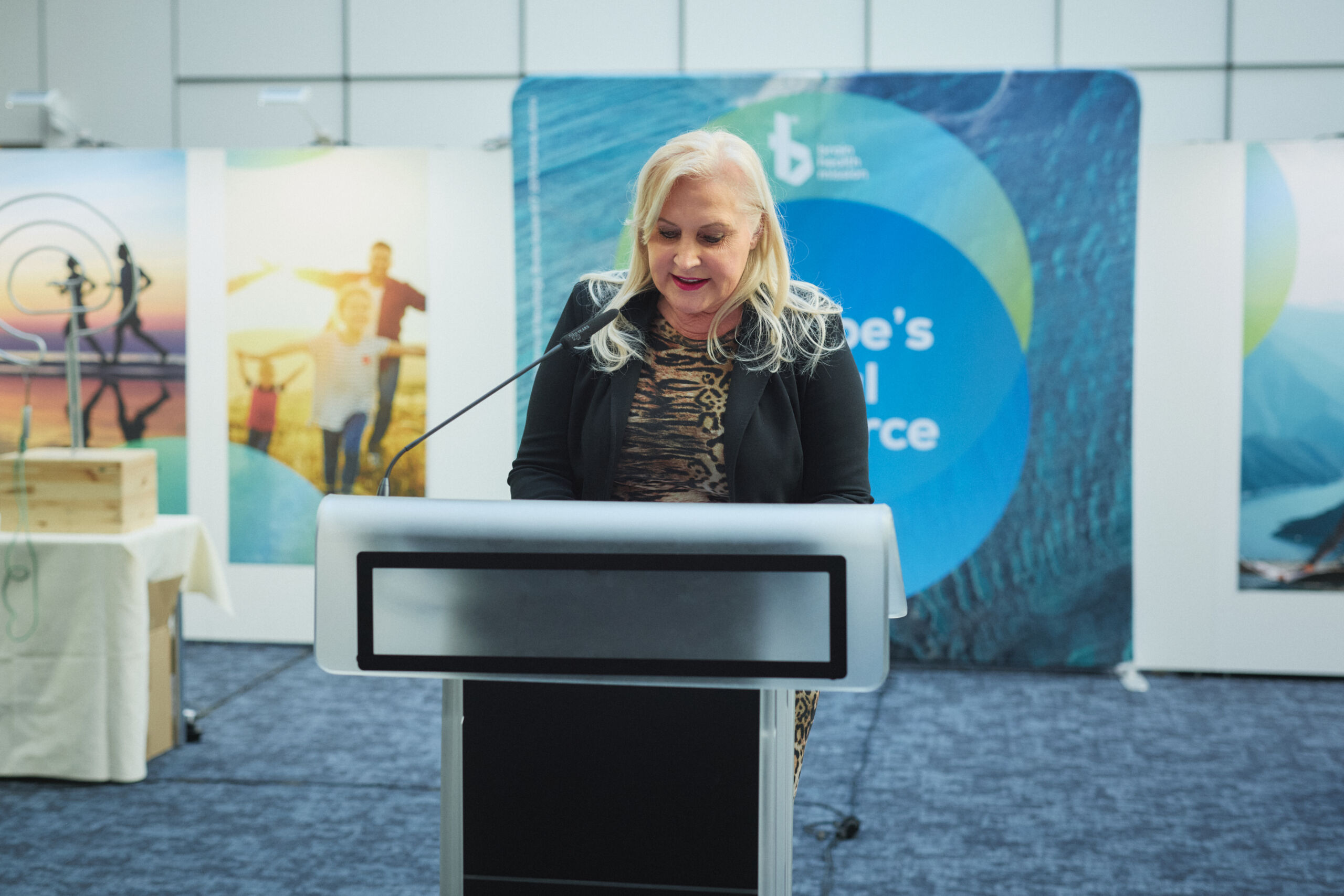
The day began with the European Brain Health Summit, organised by the Brain Health Mission and the EAN, which explored how a life-course approach – from early childhood to healthy ageing – can help reduce the burden of neurological disorders while strengthening Europe’s resilience and competitiveness.
Speakers highlighted the importance of sustained investment, policy coherence and stronger coordination across research, healthcare systems and prevention frameworks. The discussions reinforced a clear message: Europe already has the expertise and tools needed to improve brain health outcomes – what is now required is alignment and political prioritisation.

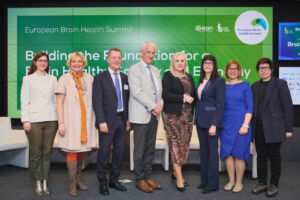

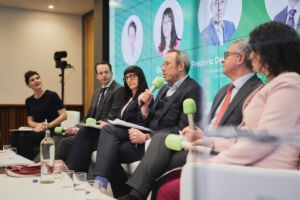
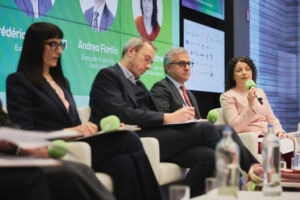
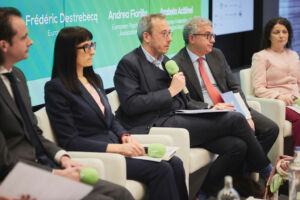

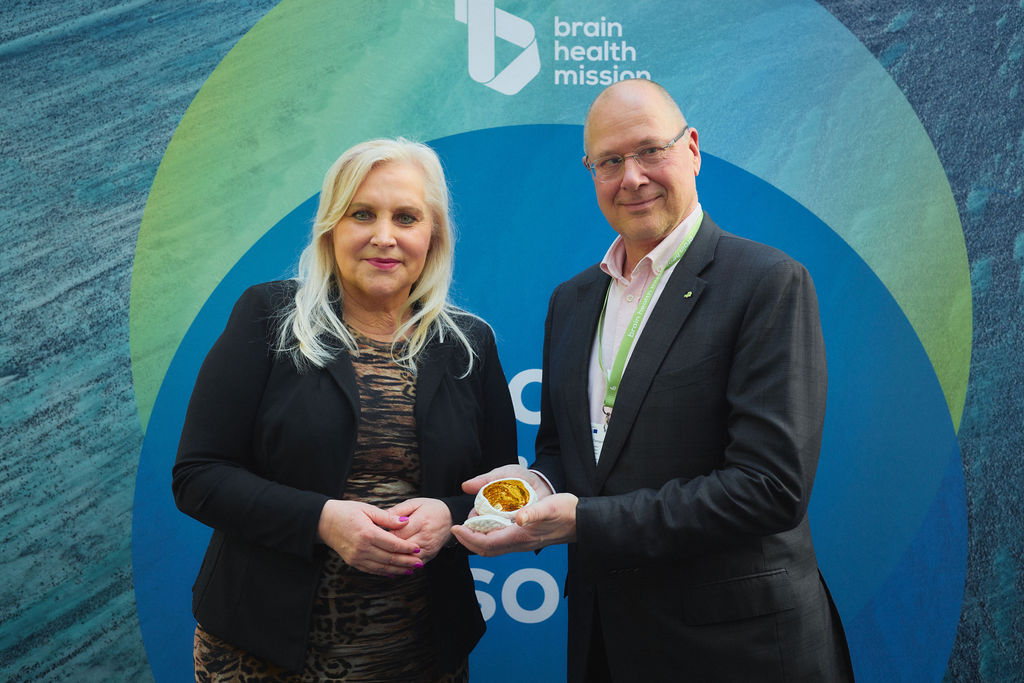
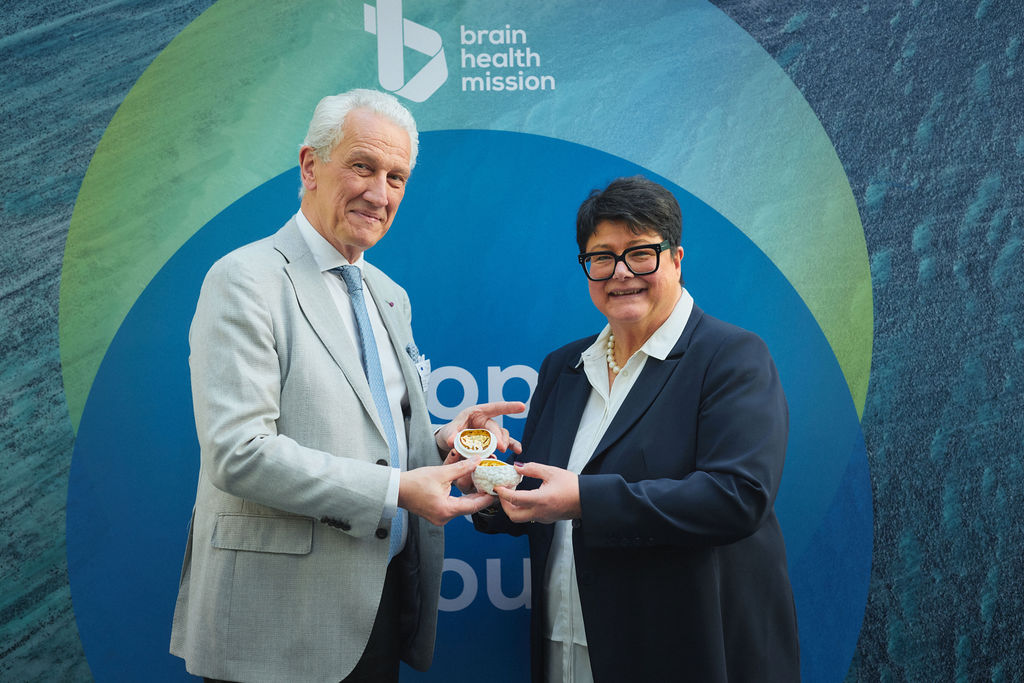
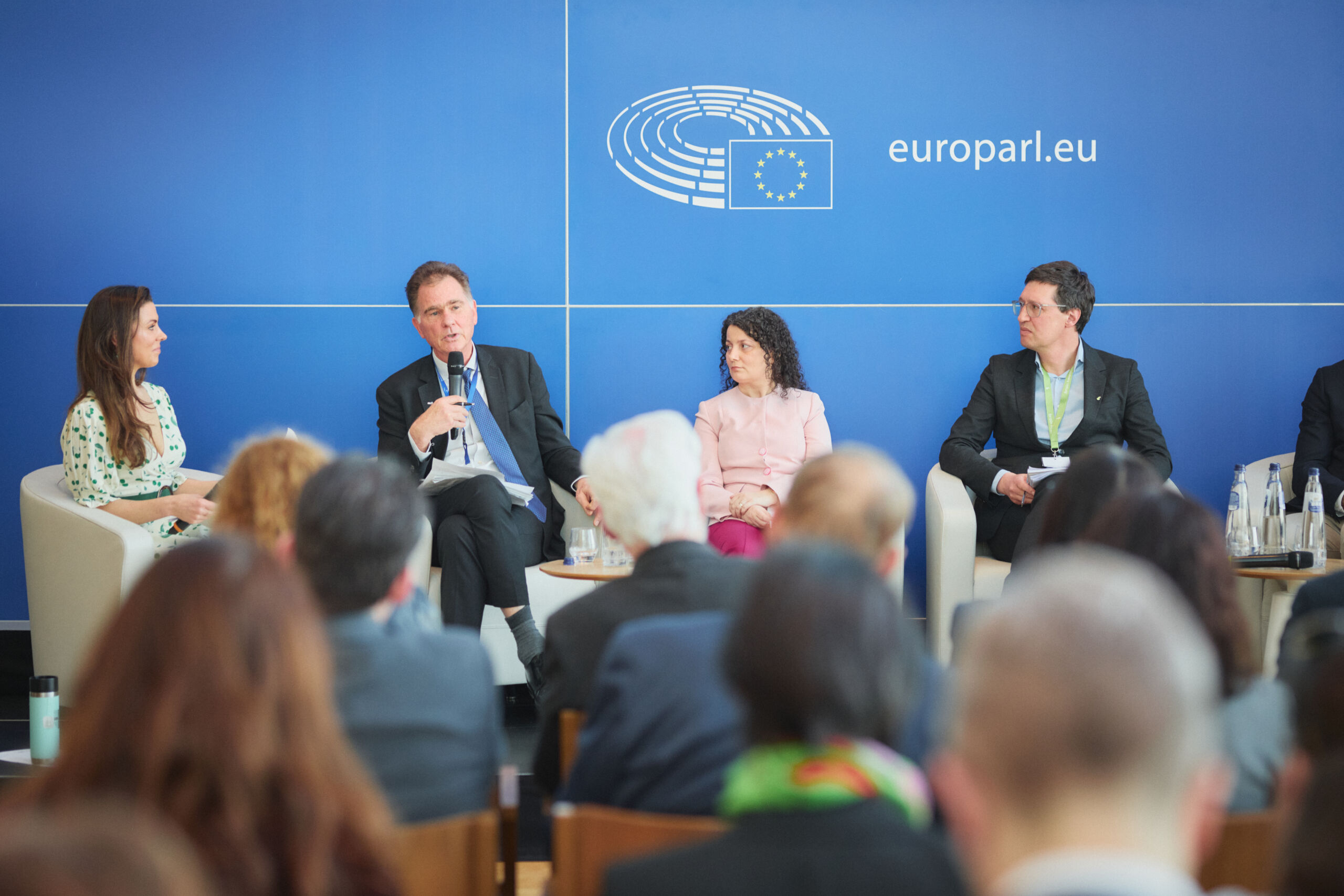
©️ Barth Decobecq





©️ Barth Decobecq
Bringing brain health closer to policymakers
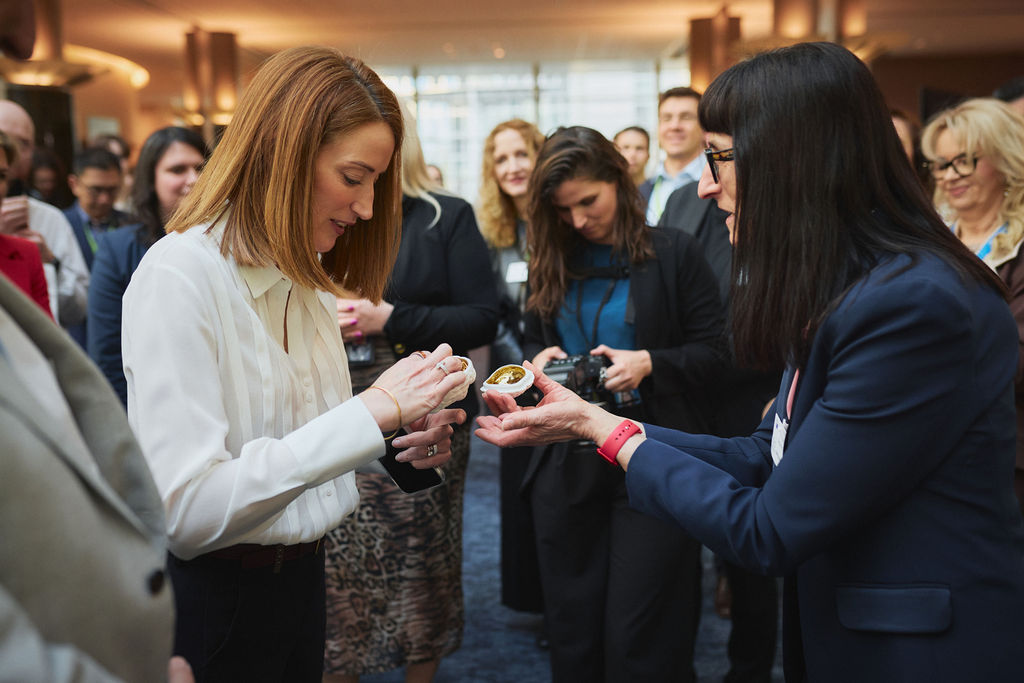
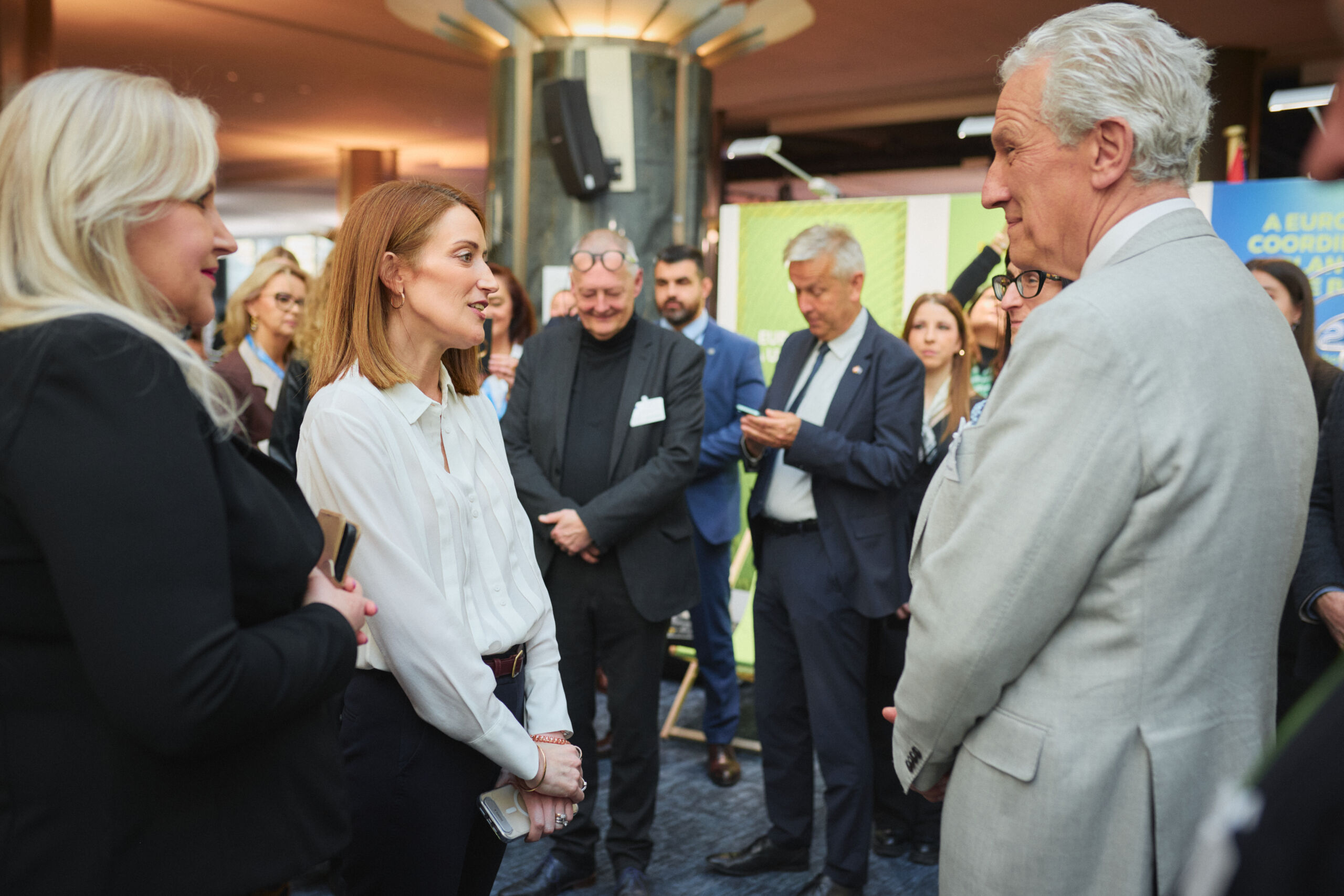
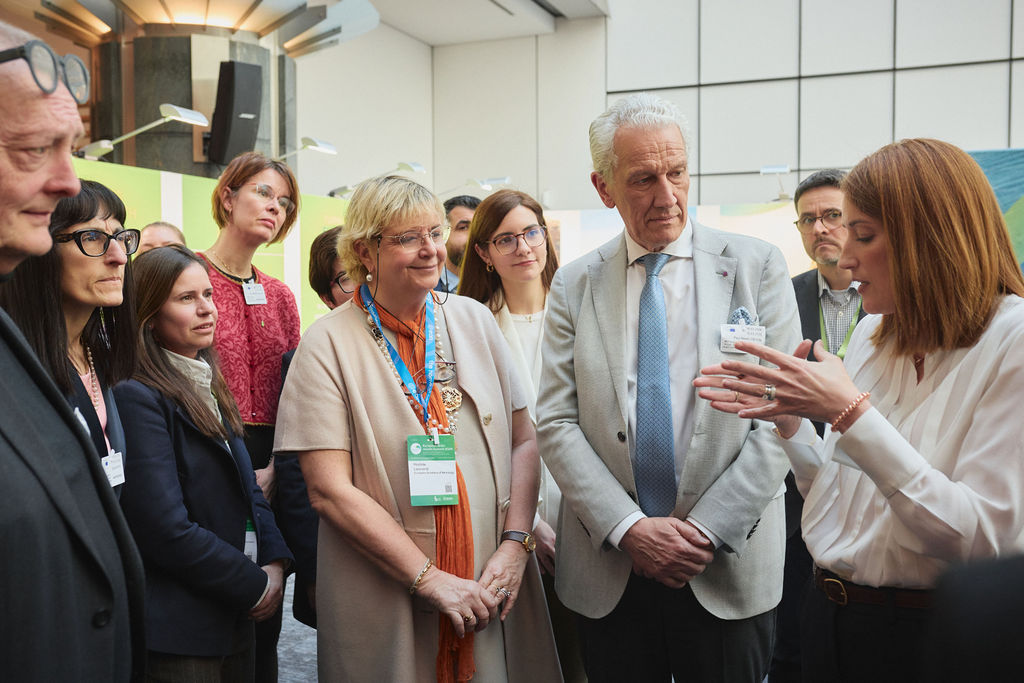
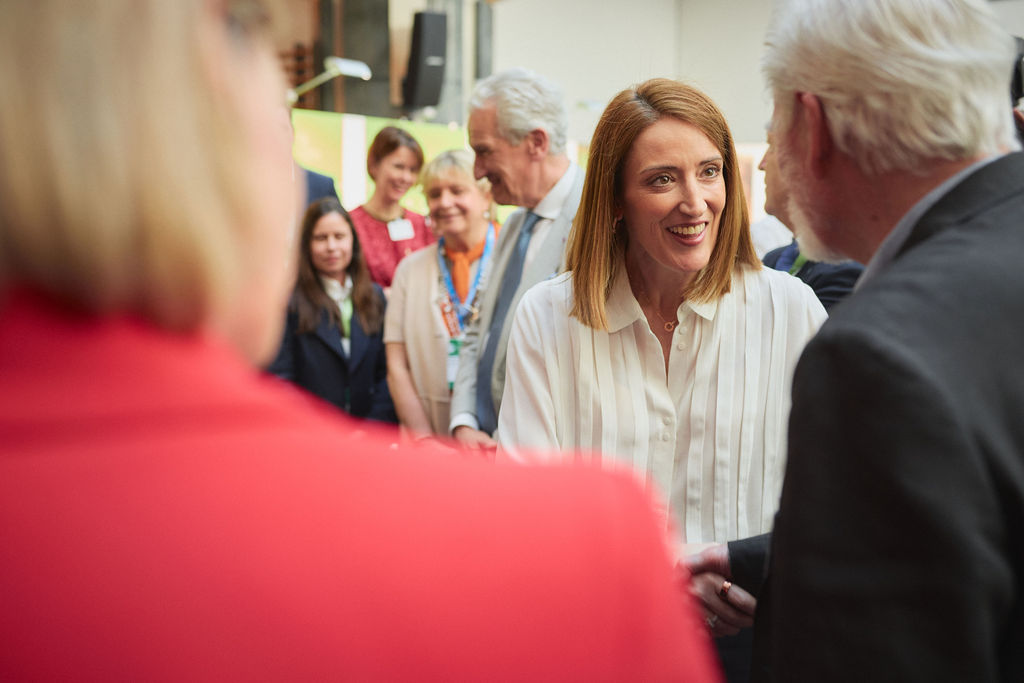
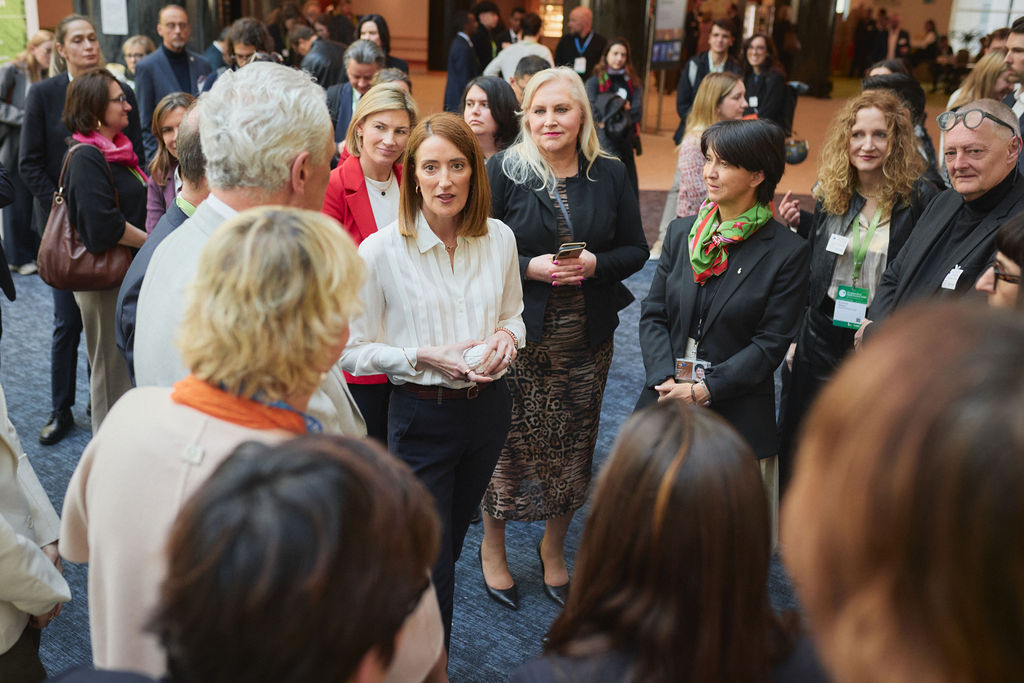
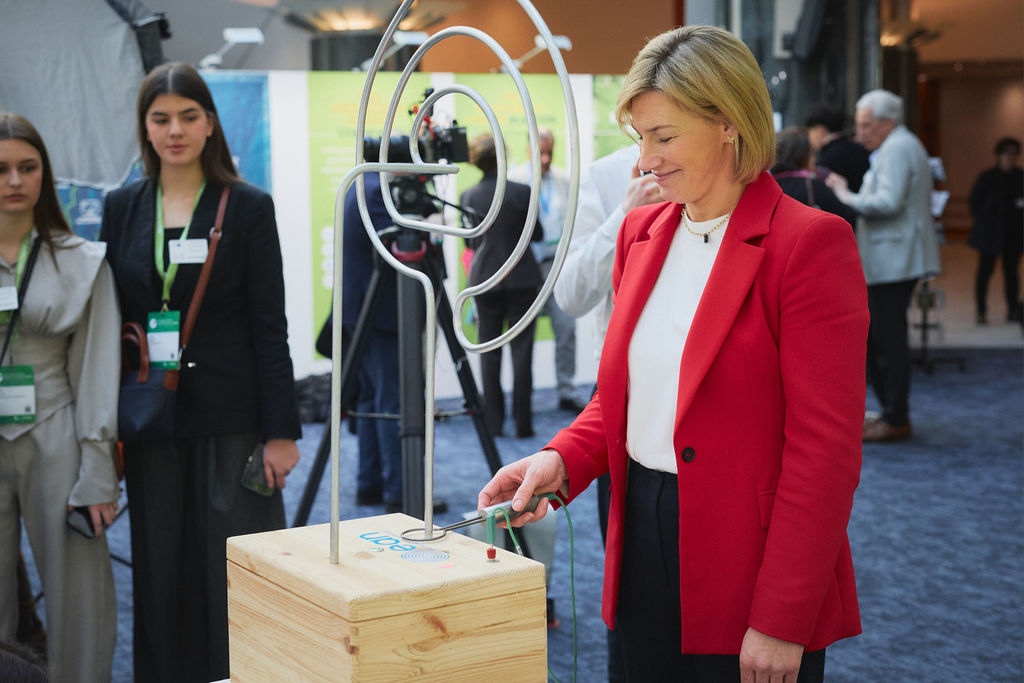
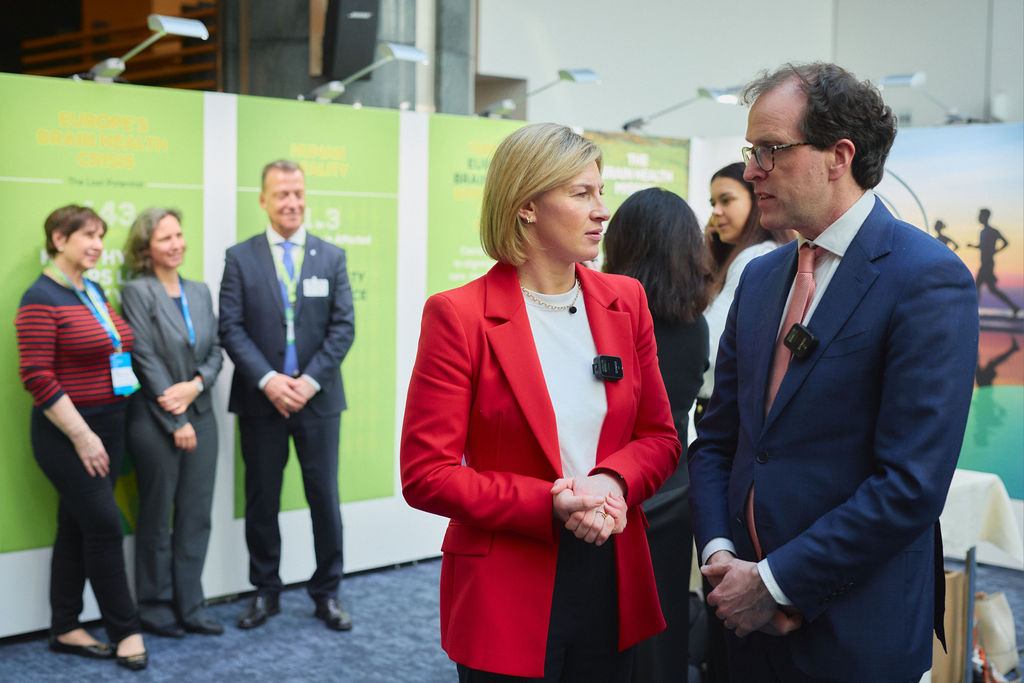
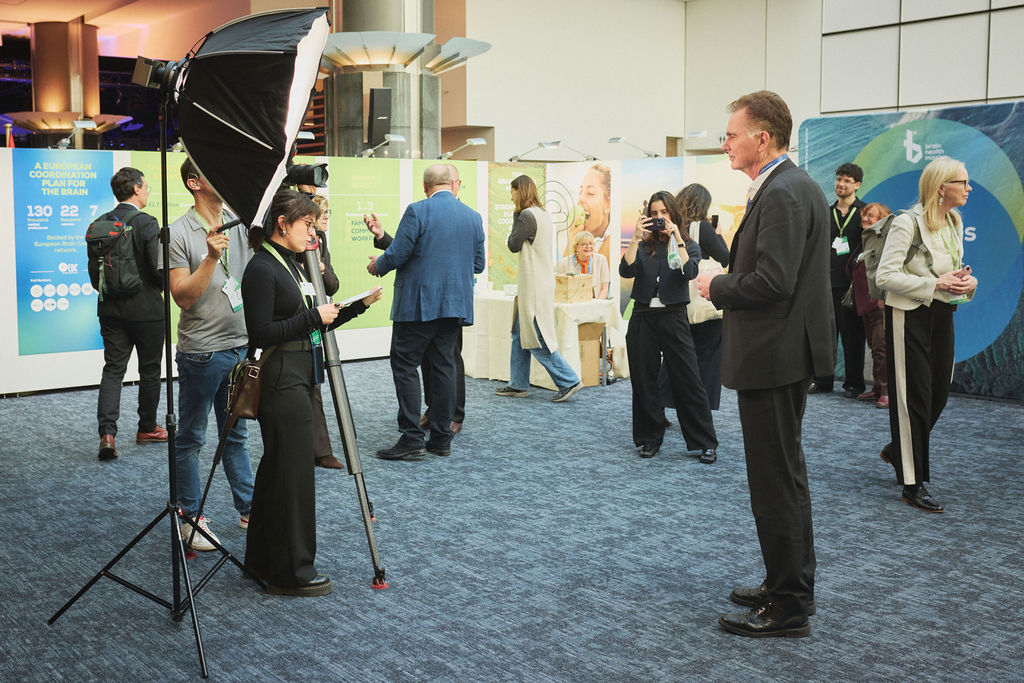
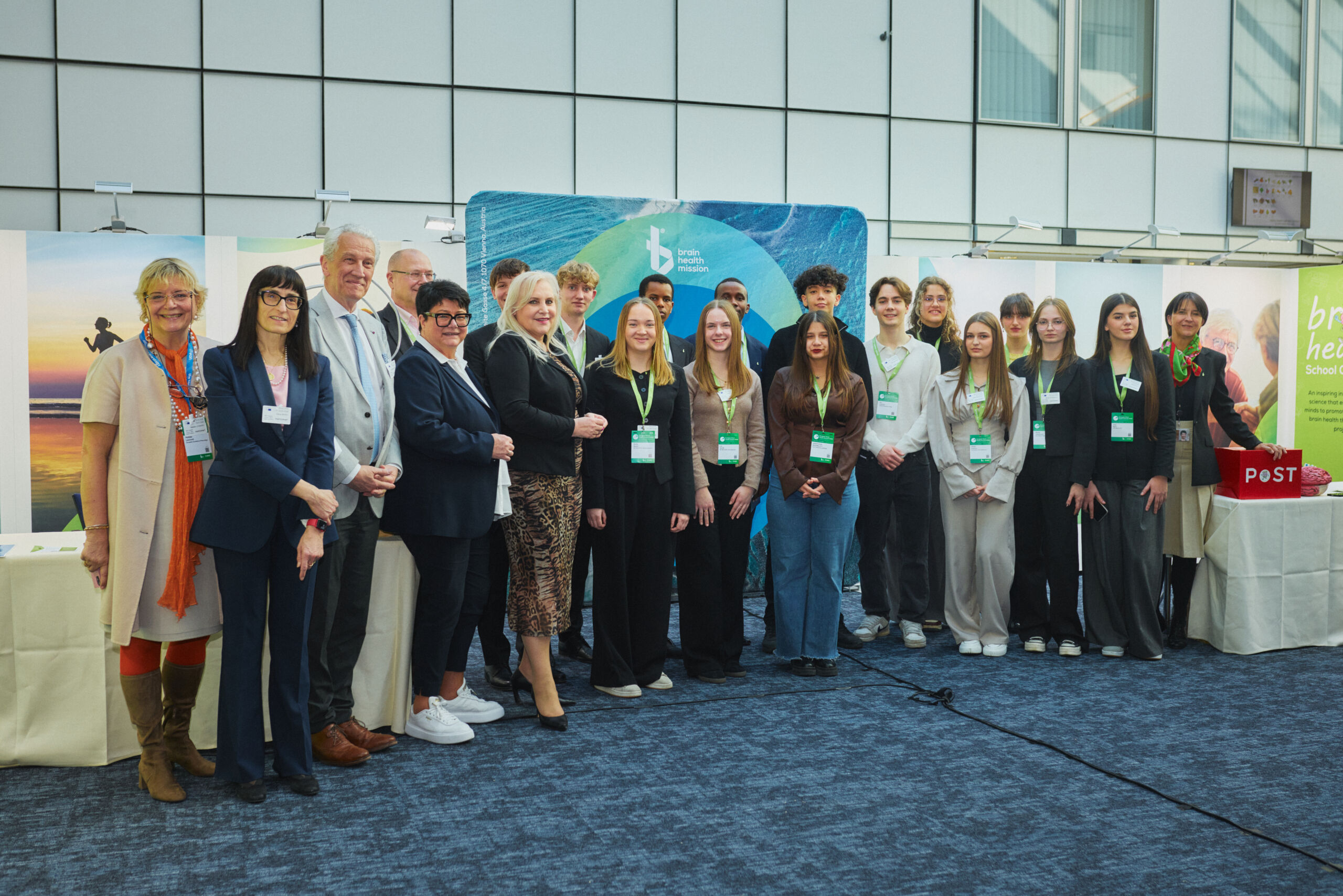
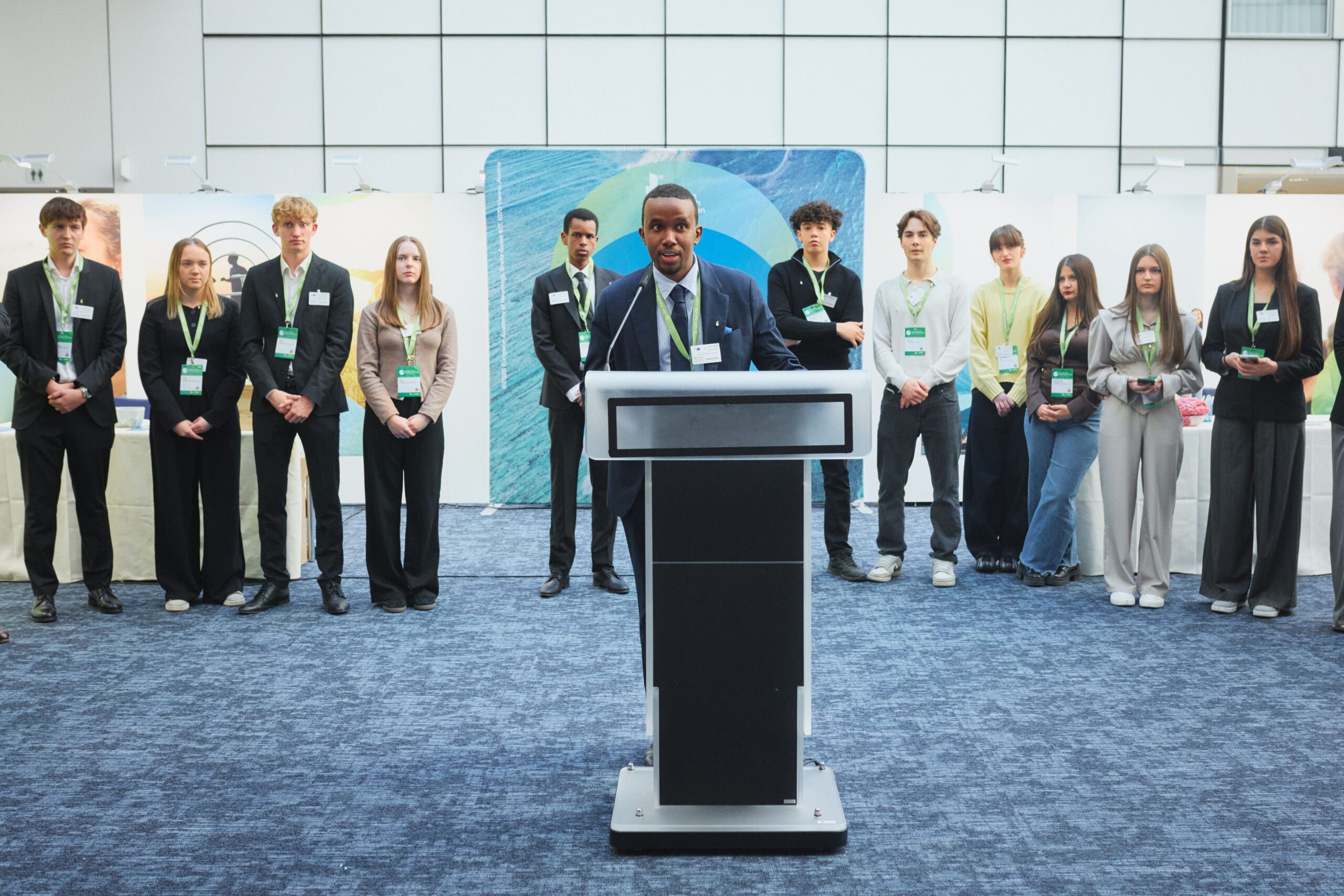
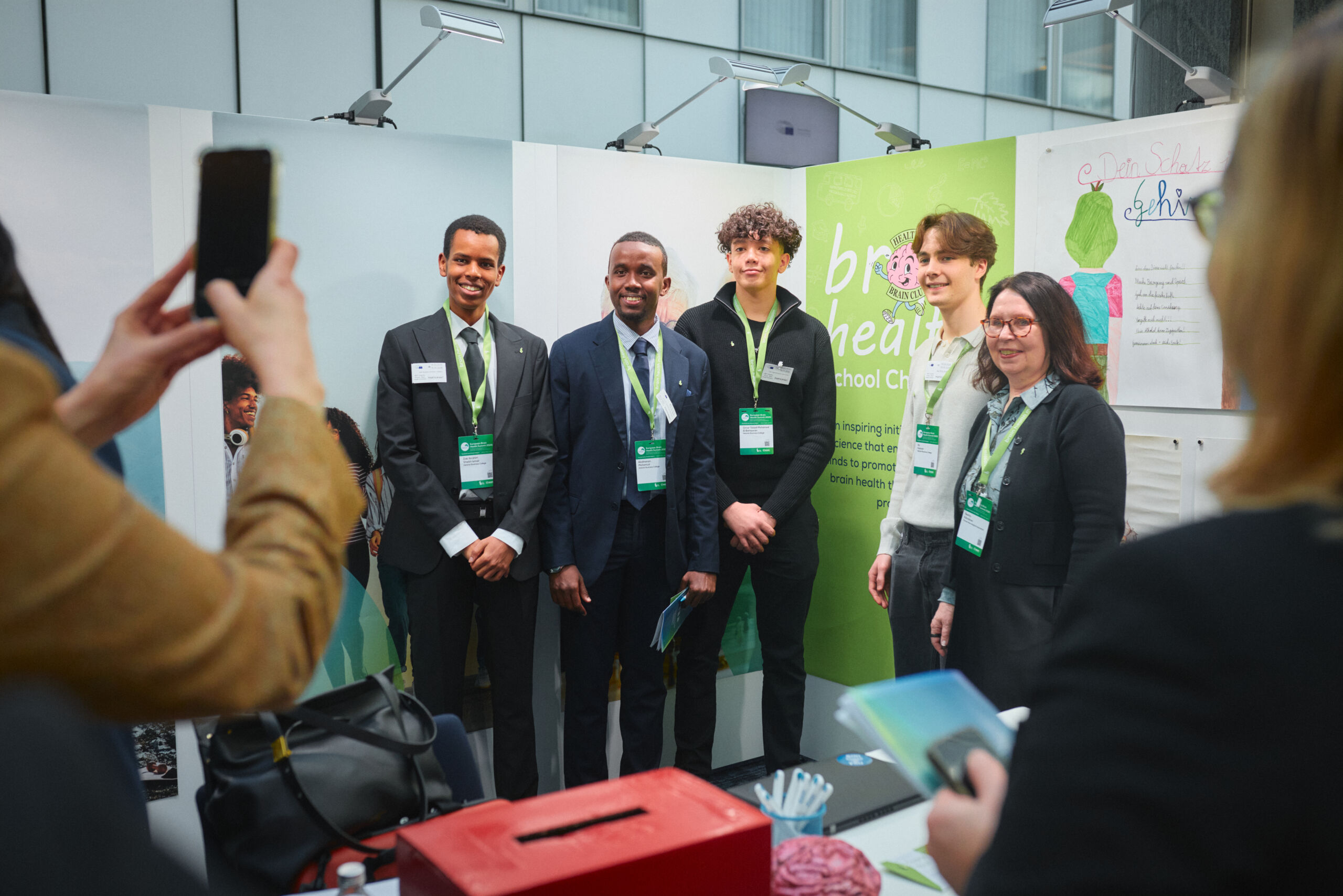
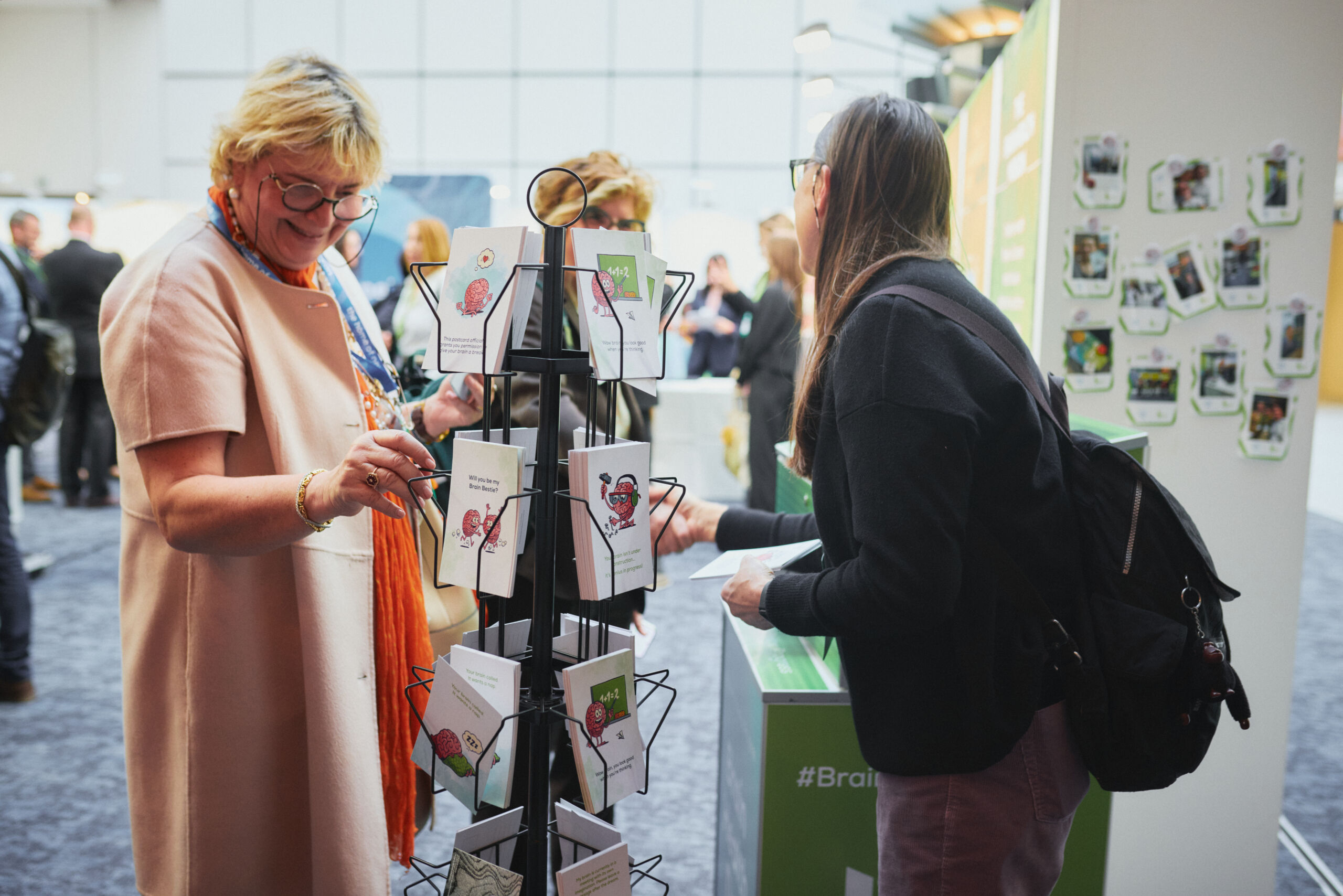
In parallel, the Brain Health Mission Exhibition at the European Parliament offered a tangible illustration of how coordinated action can translate into real-world impact.
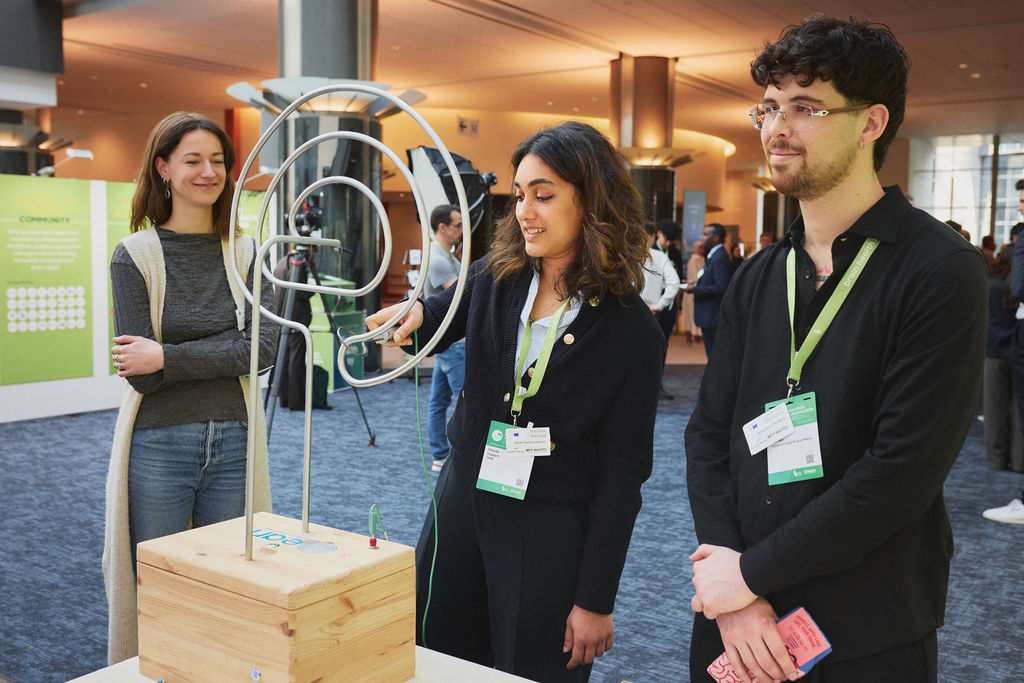
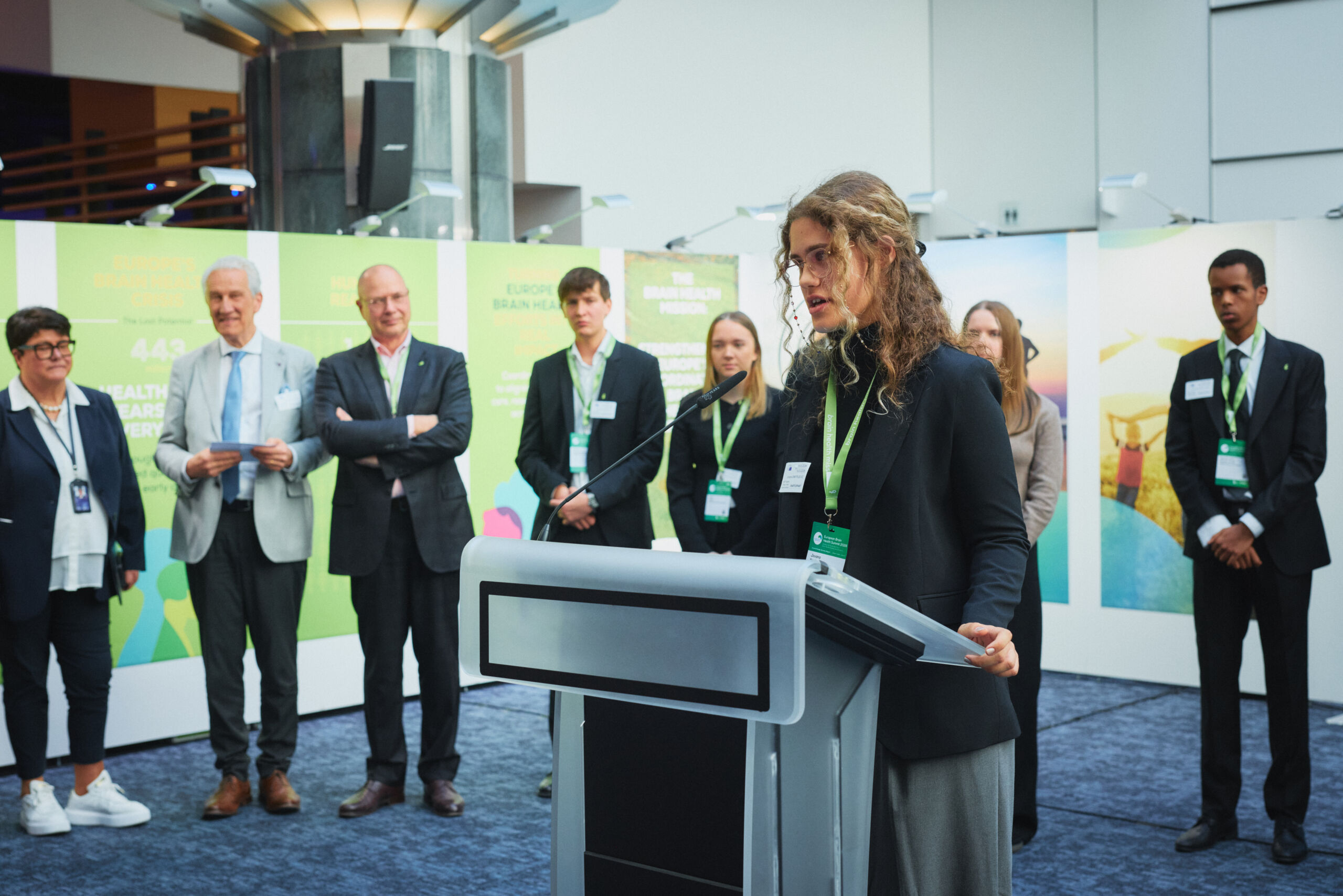
Through initiatives such as the Brain Health School Challenge, visitors – including Members of the European Parliament – were able to engage directly with practical examples of prevention, early intervention and community mobilisation. The exhibition underscored how brain health is not only a clinical issue, but also a societal and economic priority for Europe’s future.
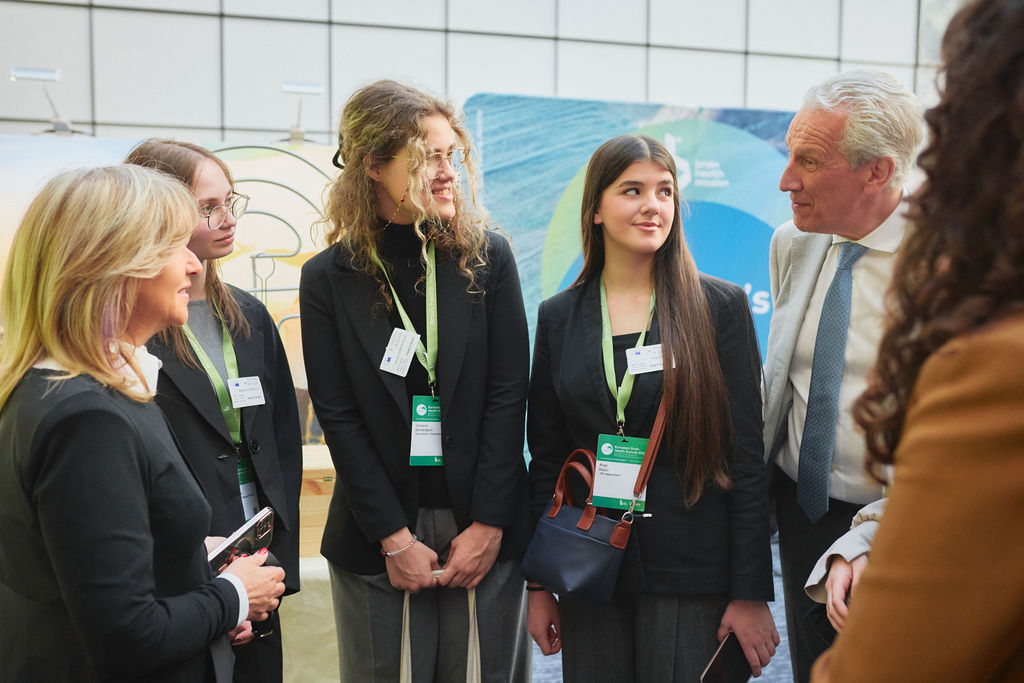
Students from Austria, Finland, Greece & Montenegro presented their project dedicated to raising awareness on brain health to their peers. The delegations met with key Members of the European Parliament, and were supported by President Roberta Metsola and Vice-President Verheyen’s presence and encouragements.
A European Vision for the Brain: From discovery to real-world impact
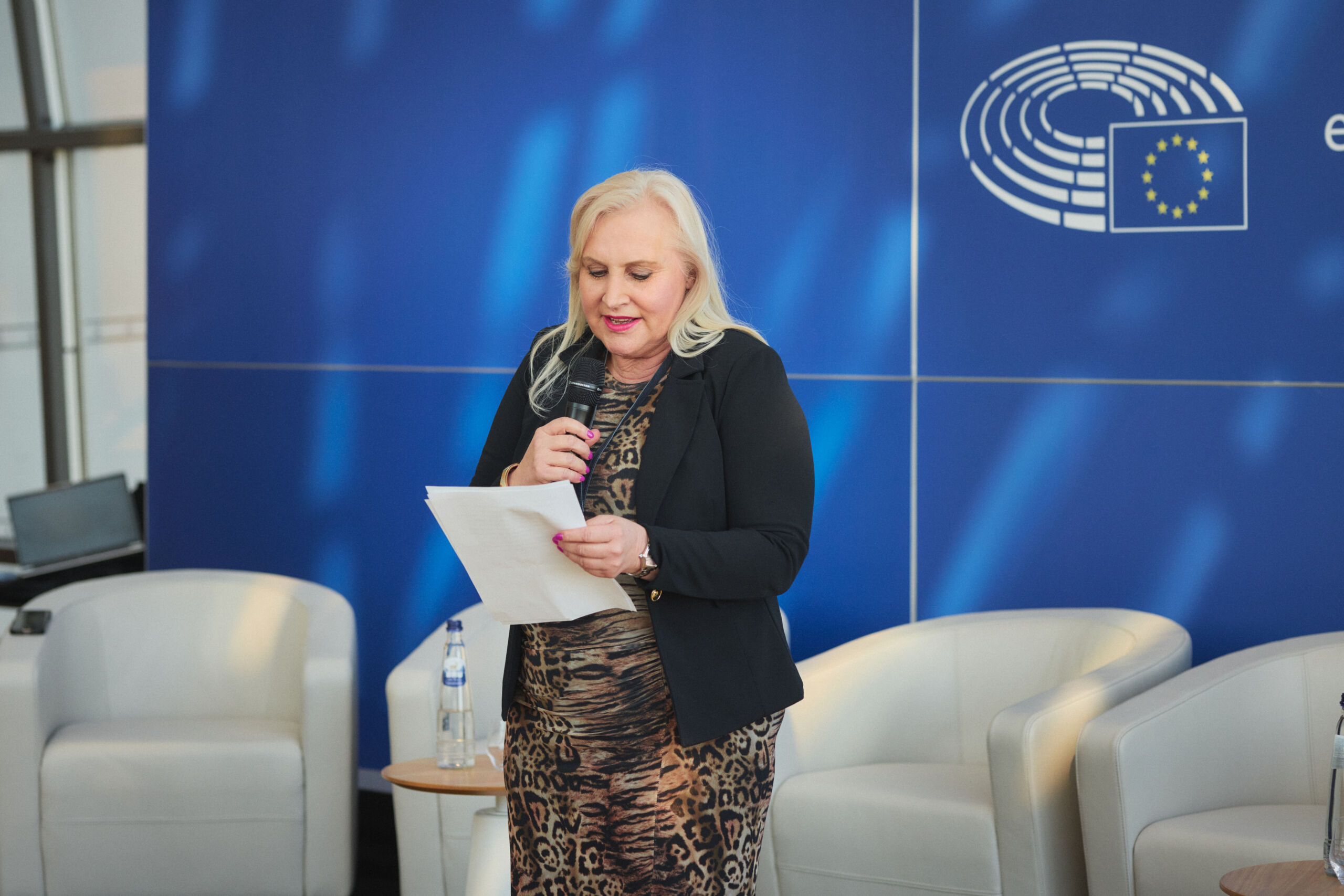
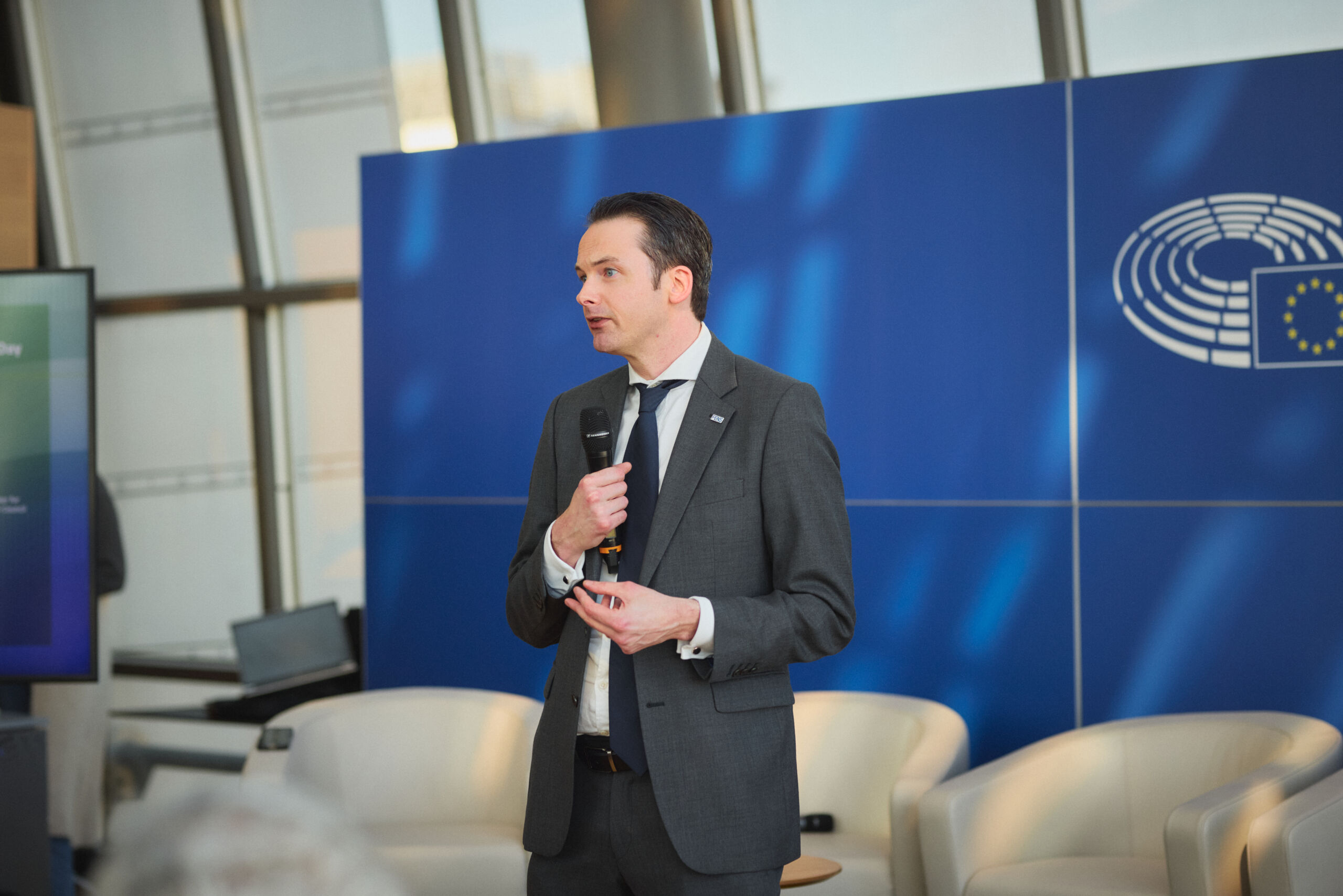
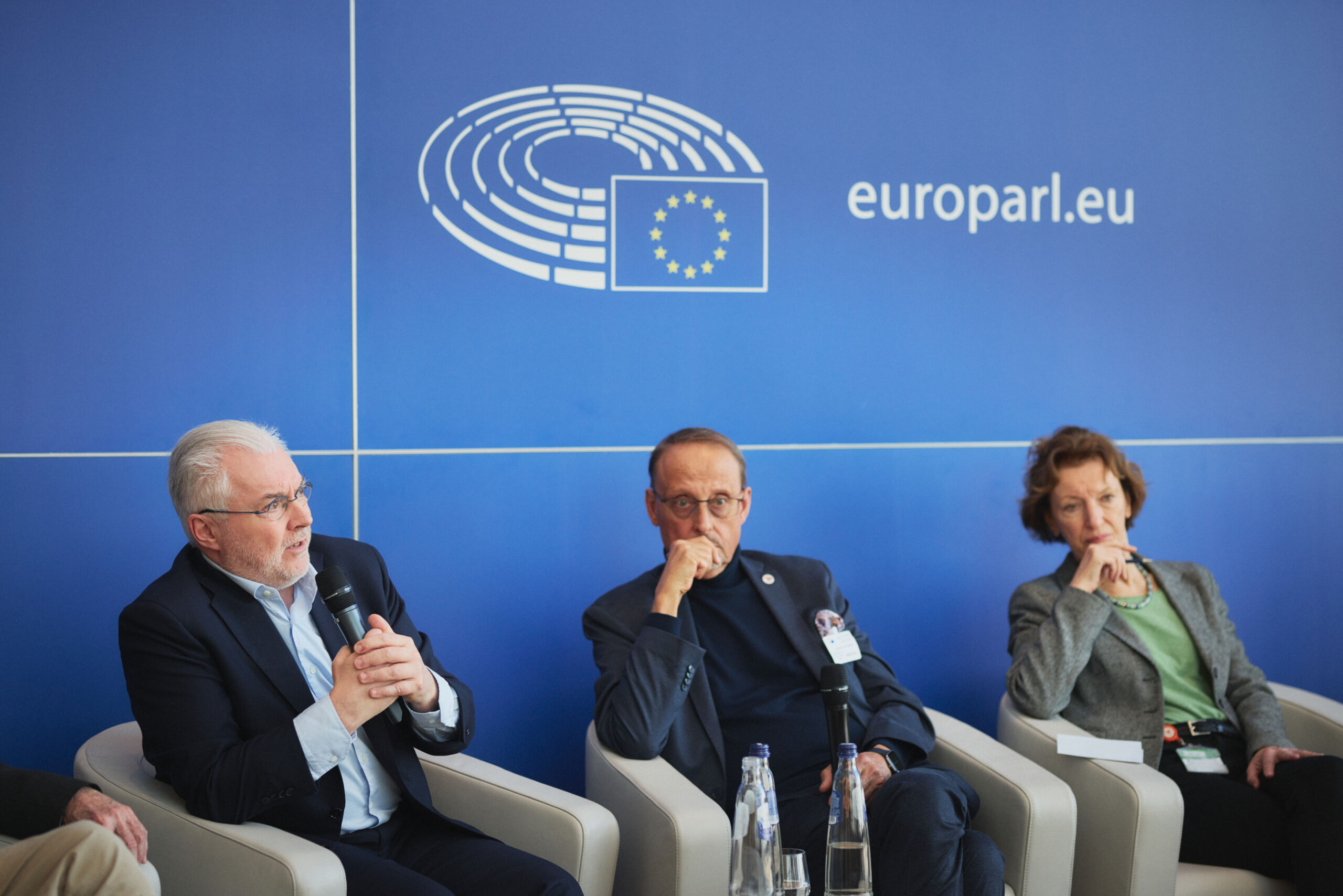
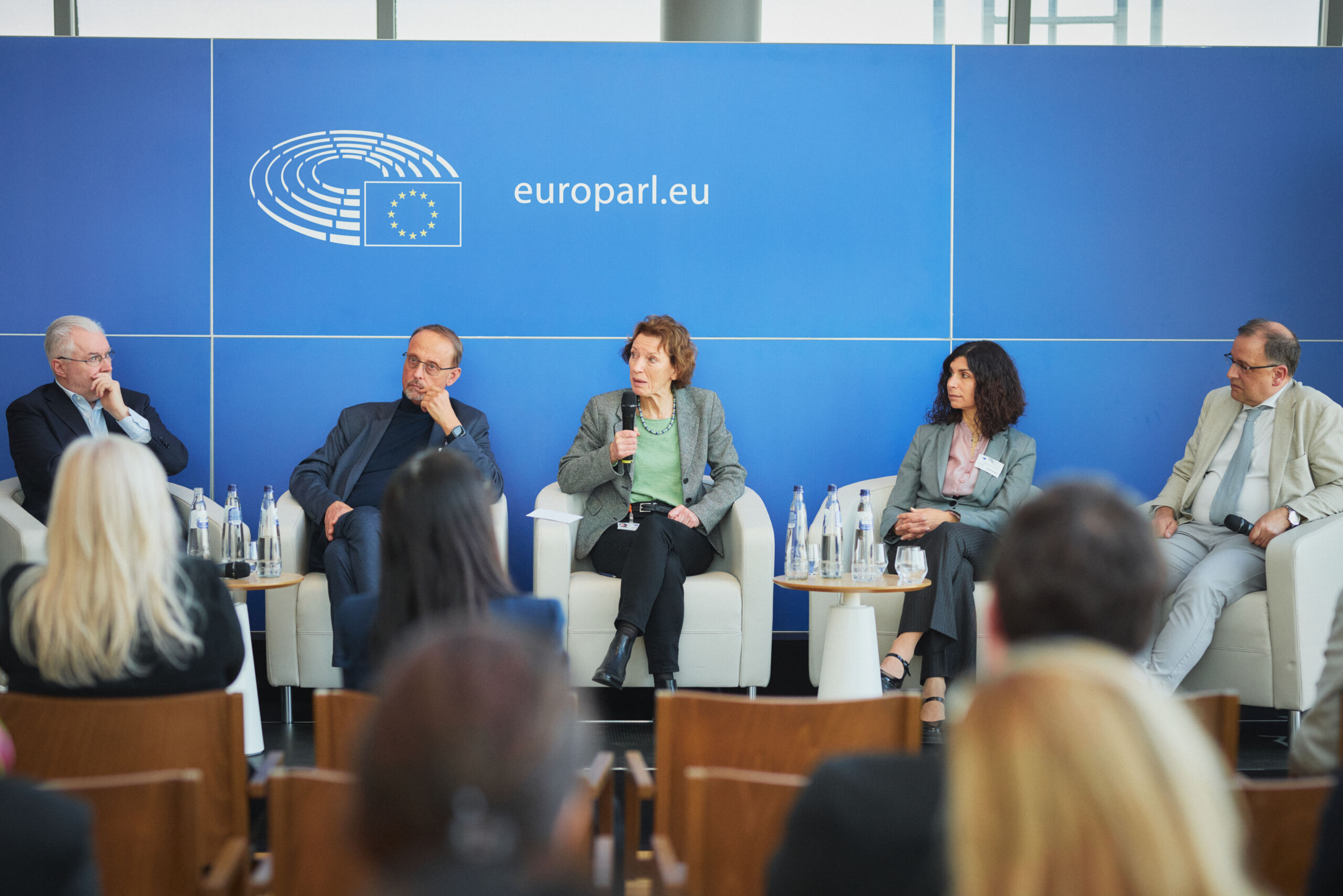
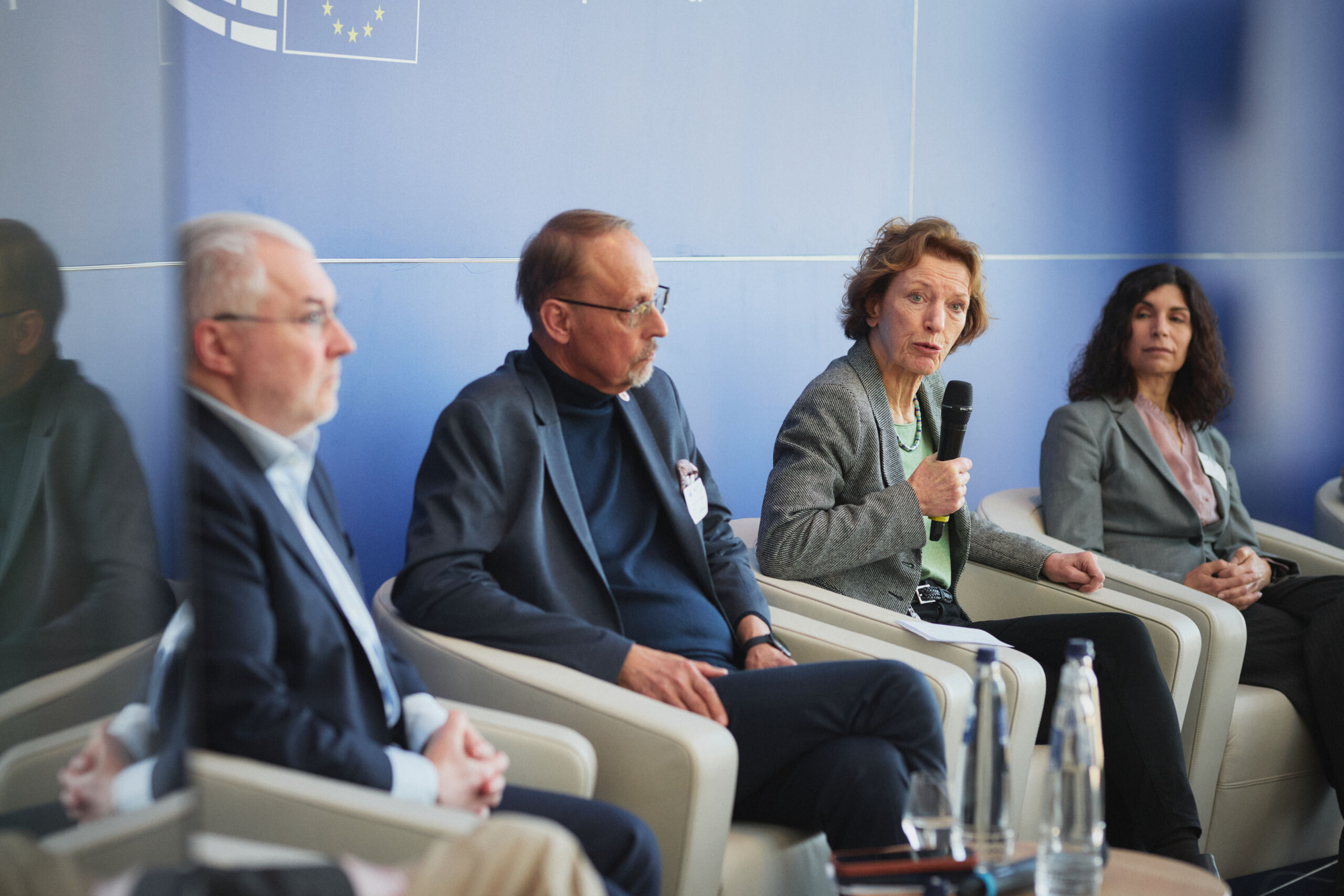
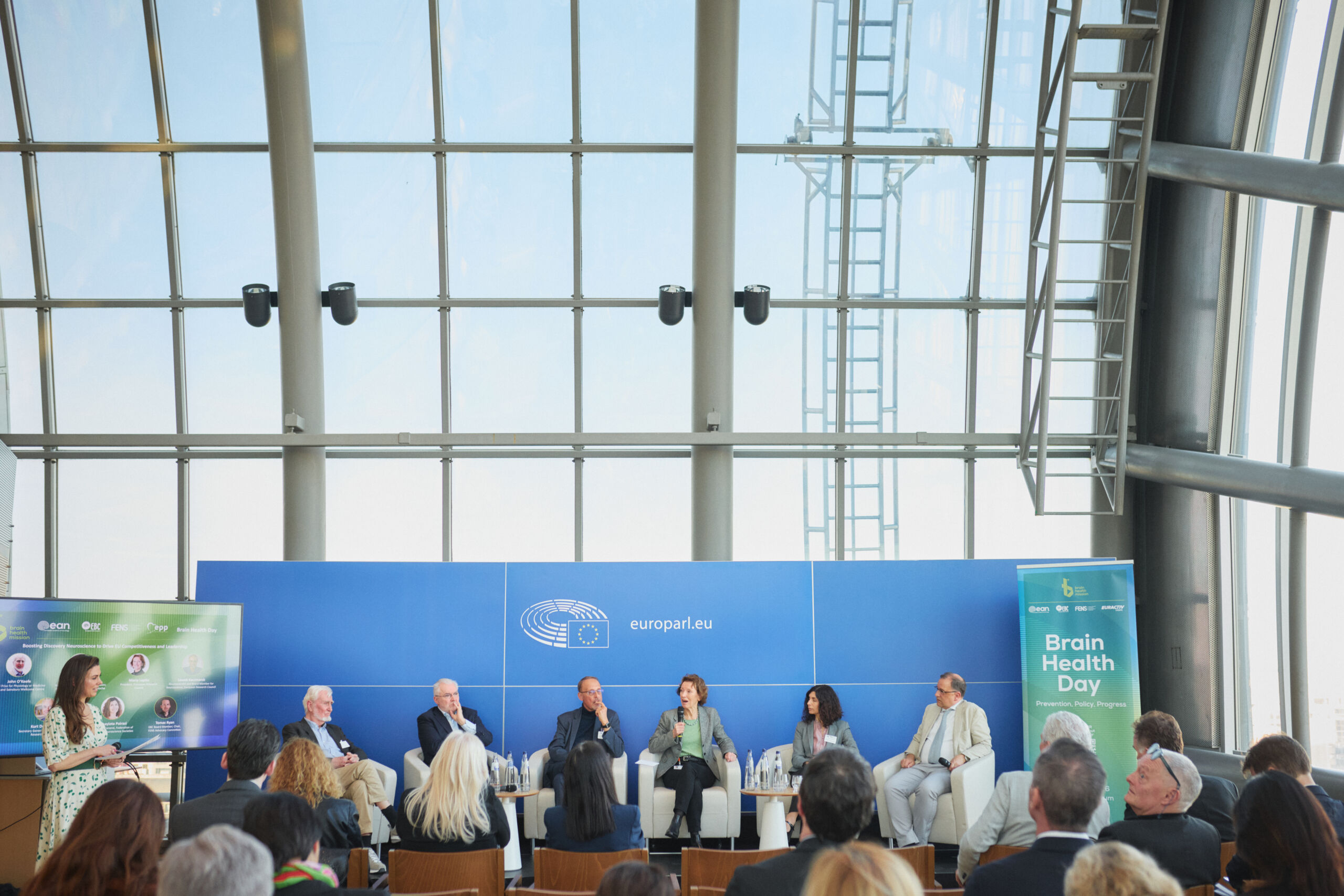
The day wrapped up with the high-level event “A European Vision for the Brain: Coordinating Research, Care & Innovation”, hosted by MEP Angelika Winzig in the Presidential Salon of the European Parliament.
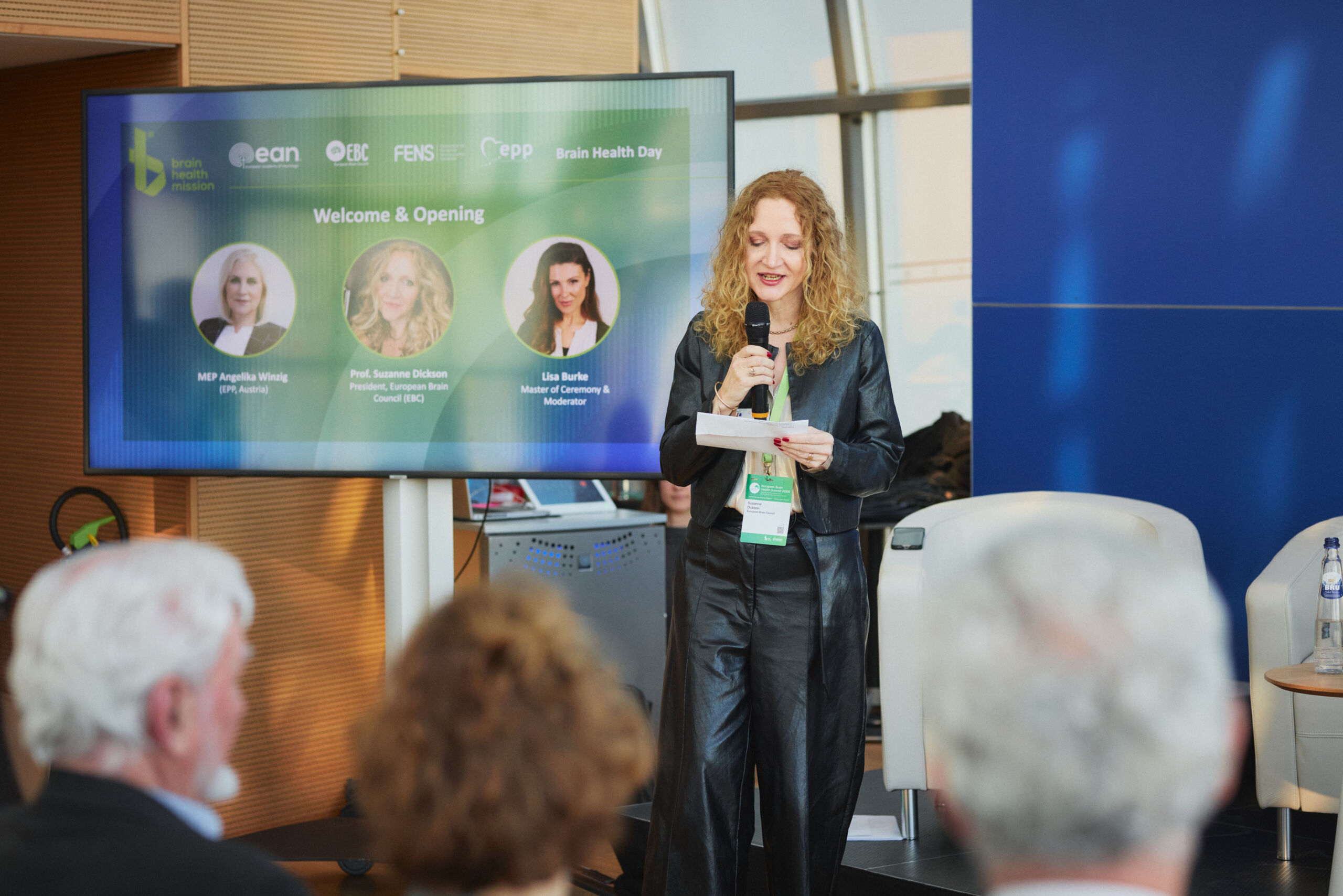
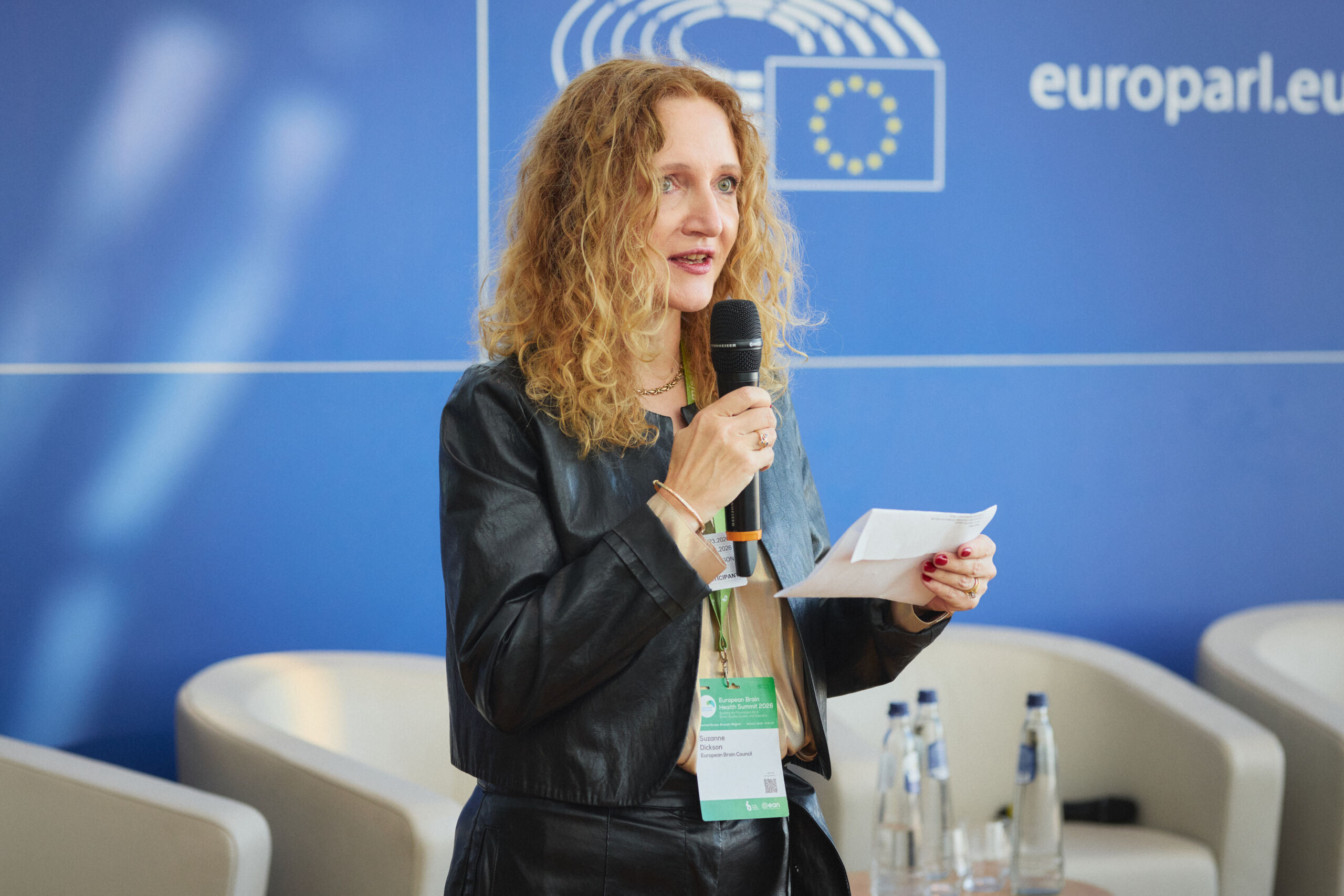
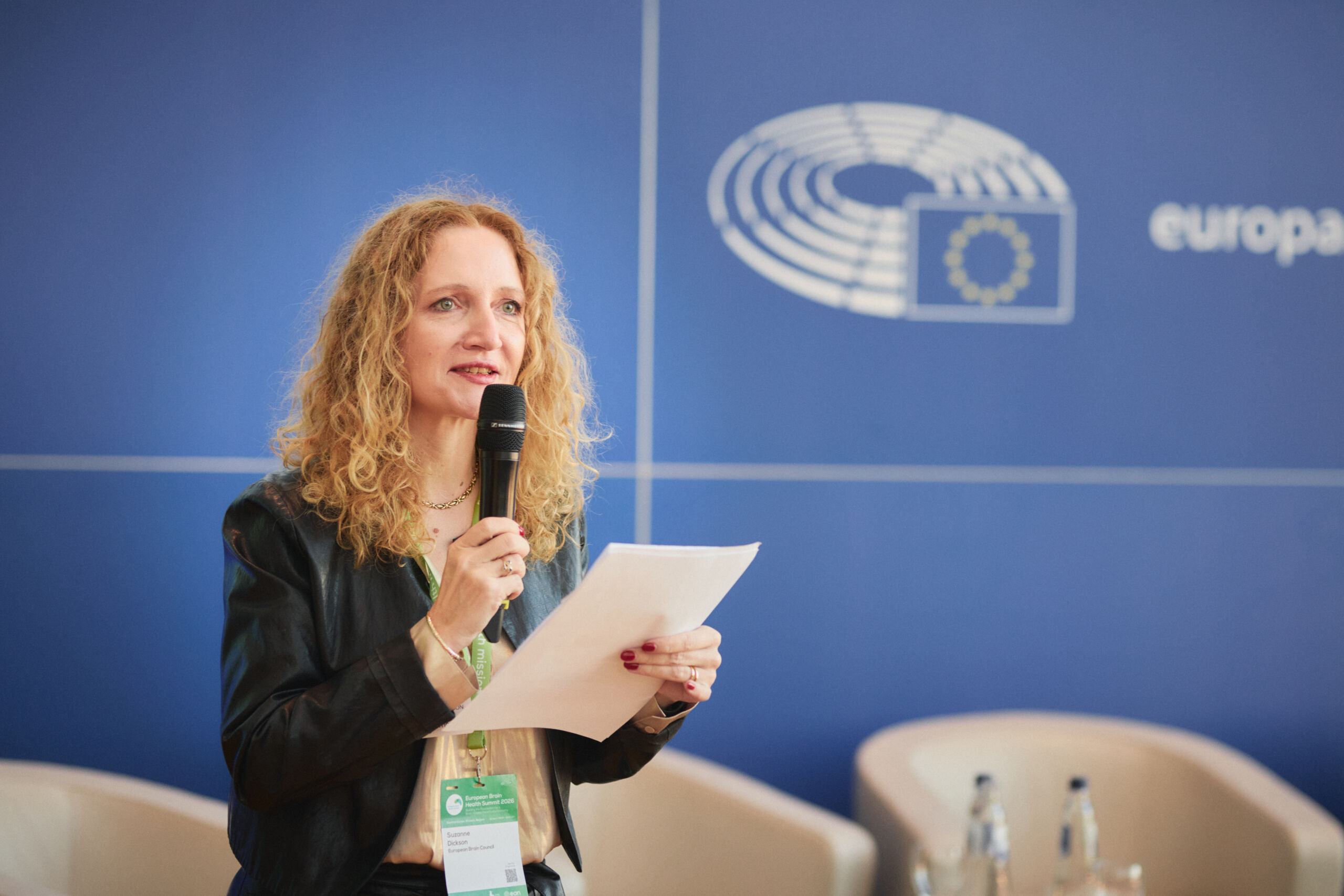
Opening remarks from EBC President Suzanne Dickson and MEP Winzig emphasised that the European Union is currently at a decisive moment for shaping its health, research and innovation priorities. With key policy files under discussion, participants stressed the need to firmly anchor brain health within Europe’s life sciences and competitiveness agenda.
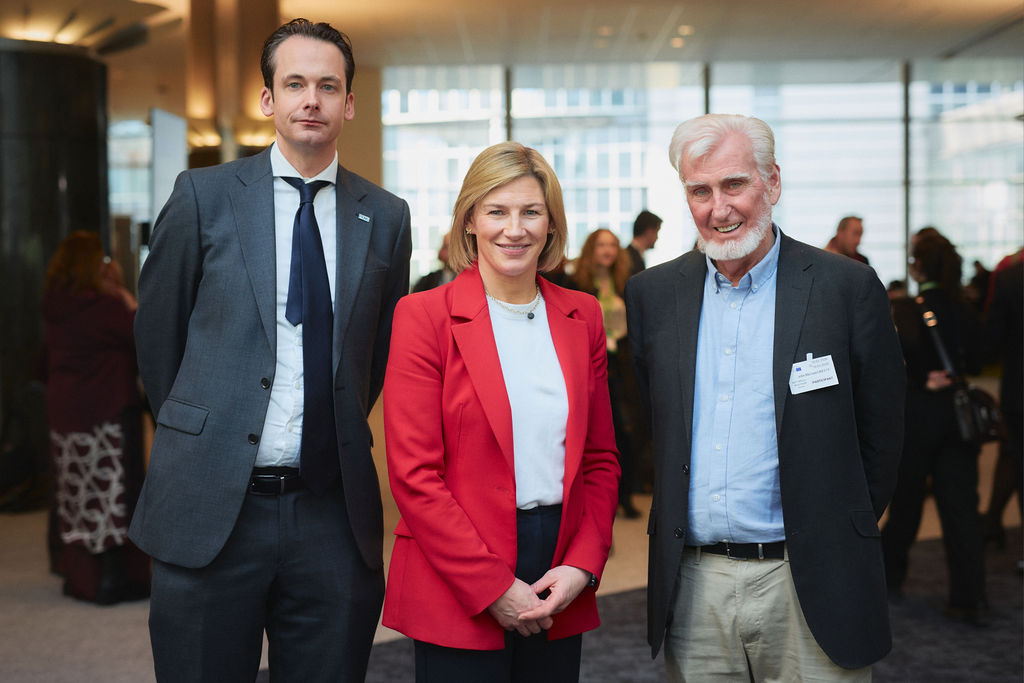
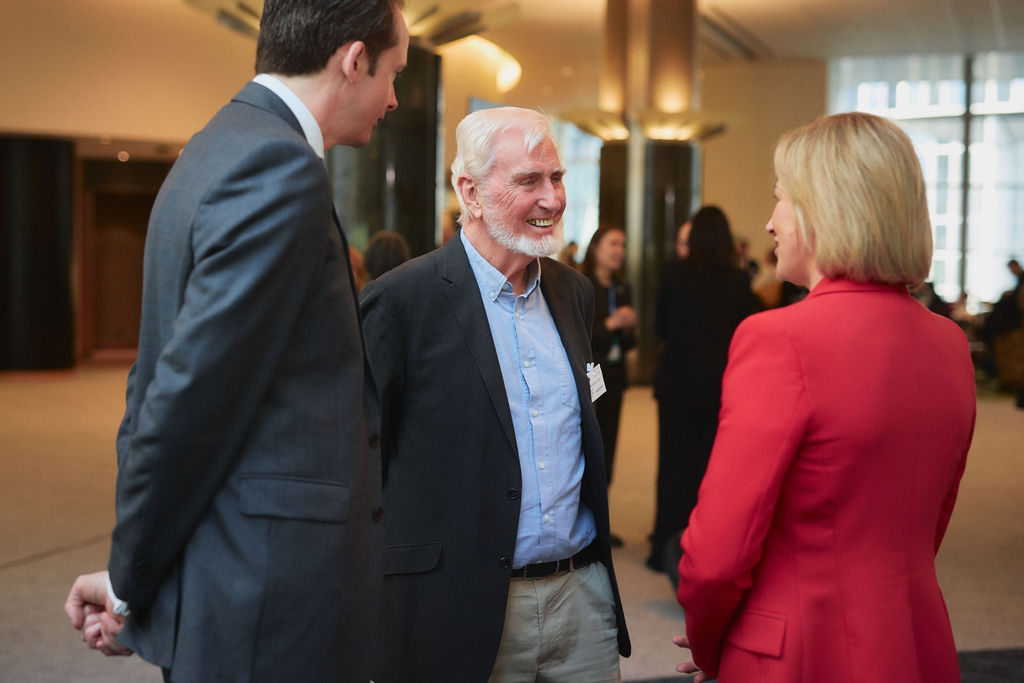
A first panel on discovery neuroscience featured leading figures from academia, research funding and industry – including 2014 Nobel Laureate John O’Keefe – who highlighted Europe’s scientific excellence but also the importance of translating breakthroughs into tangible benefits for patients and society.
Confronting unmet needs and the real burden of brain disorders
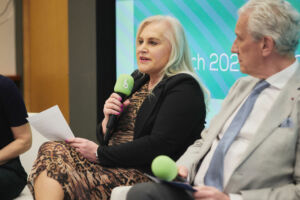
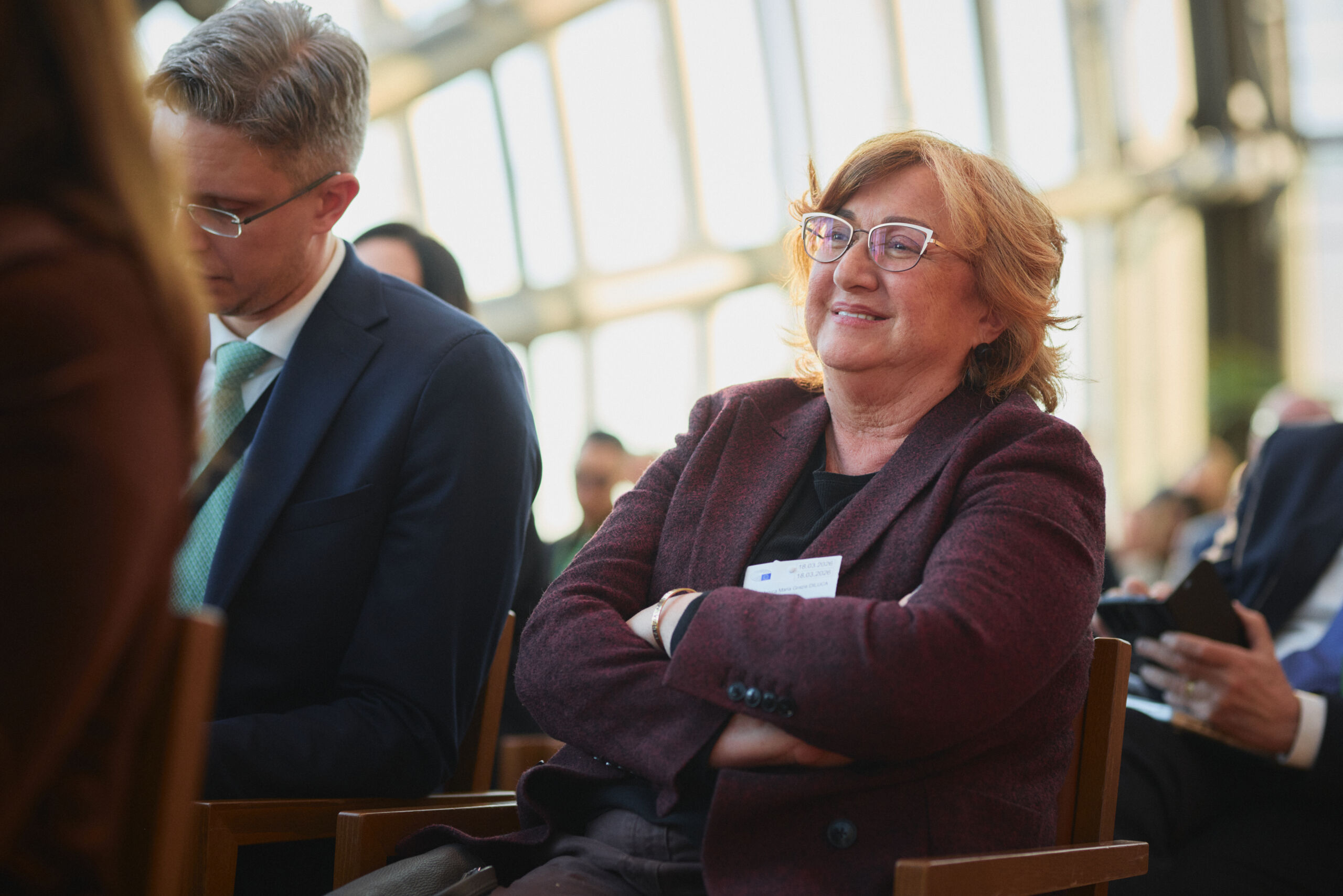
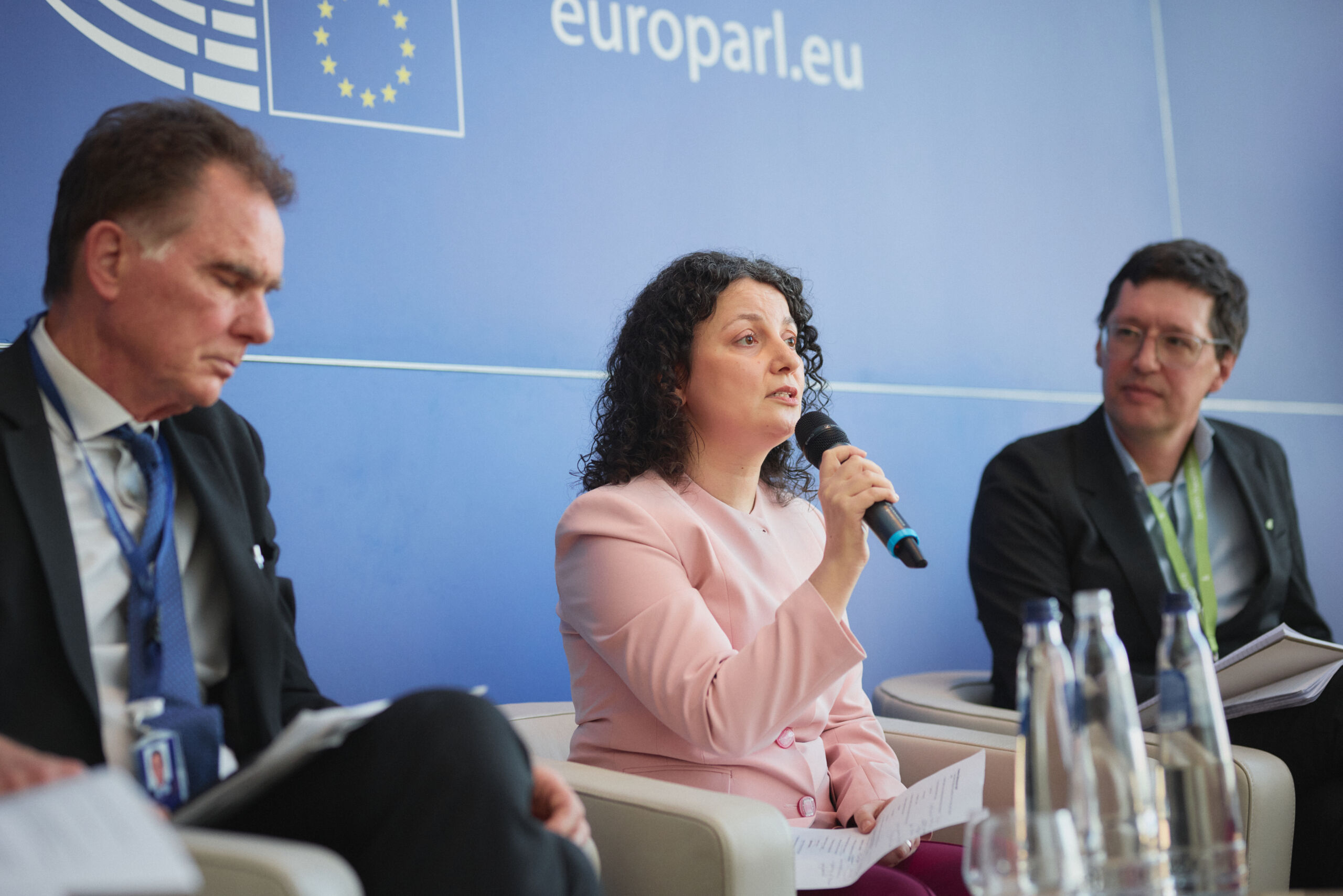
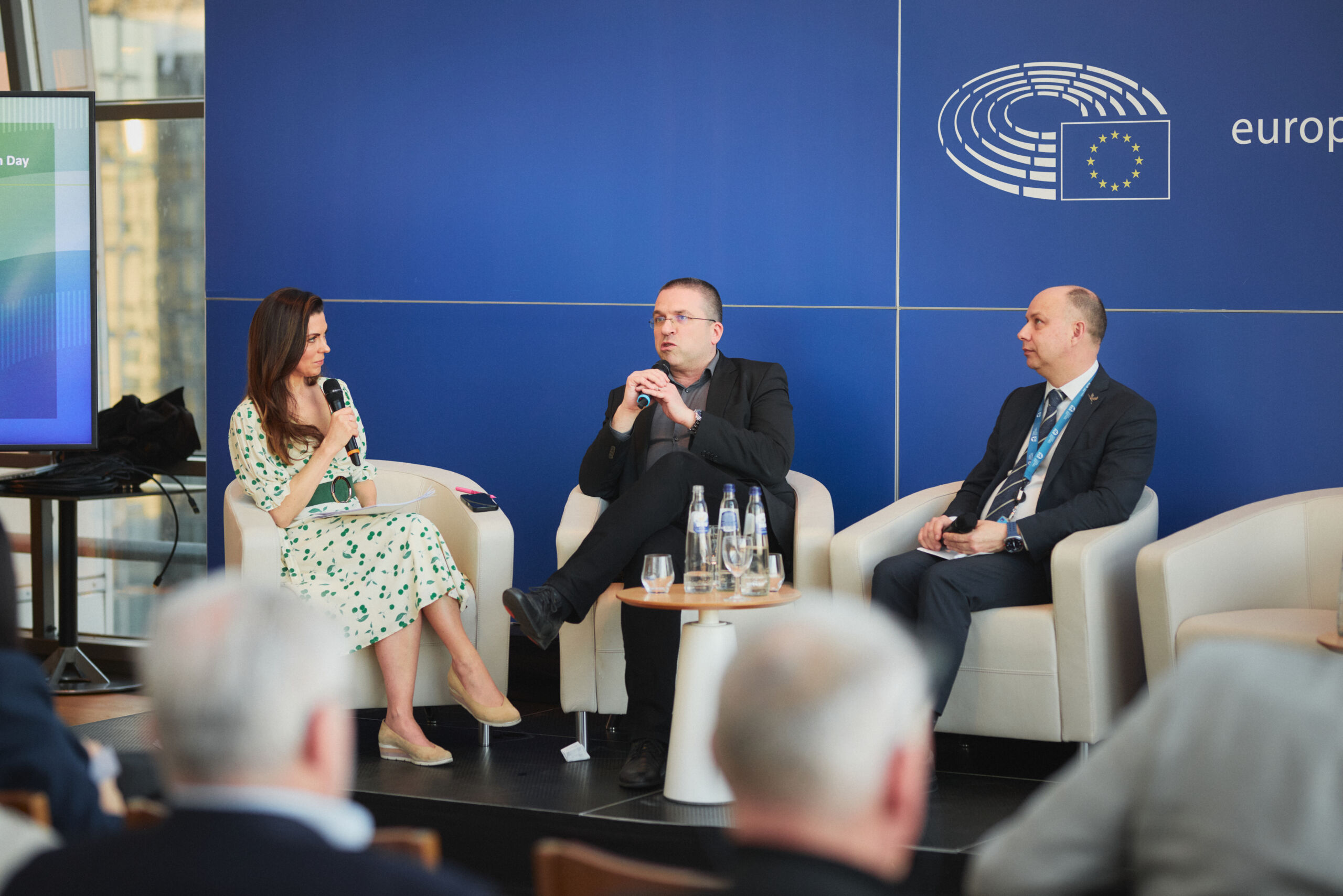
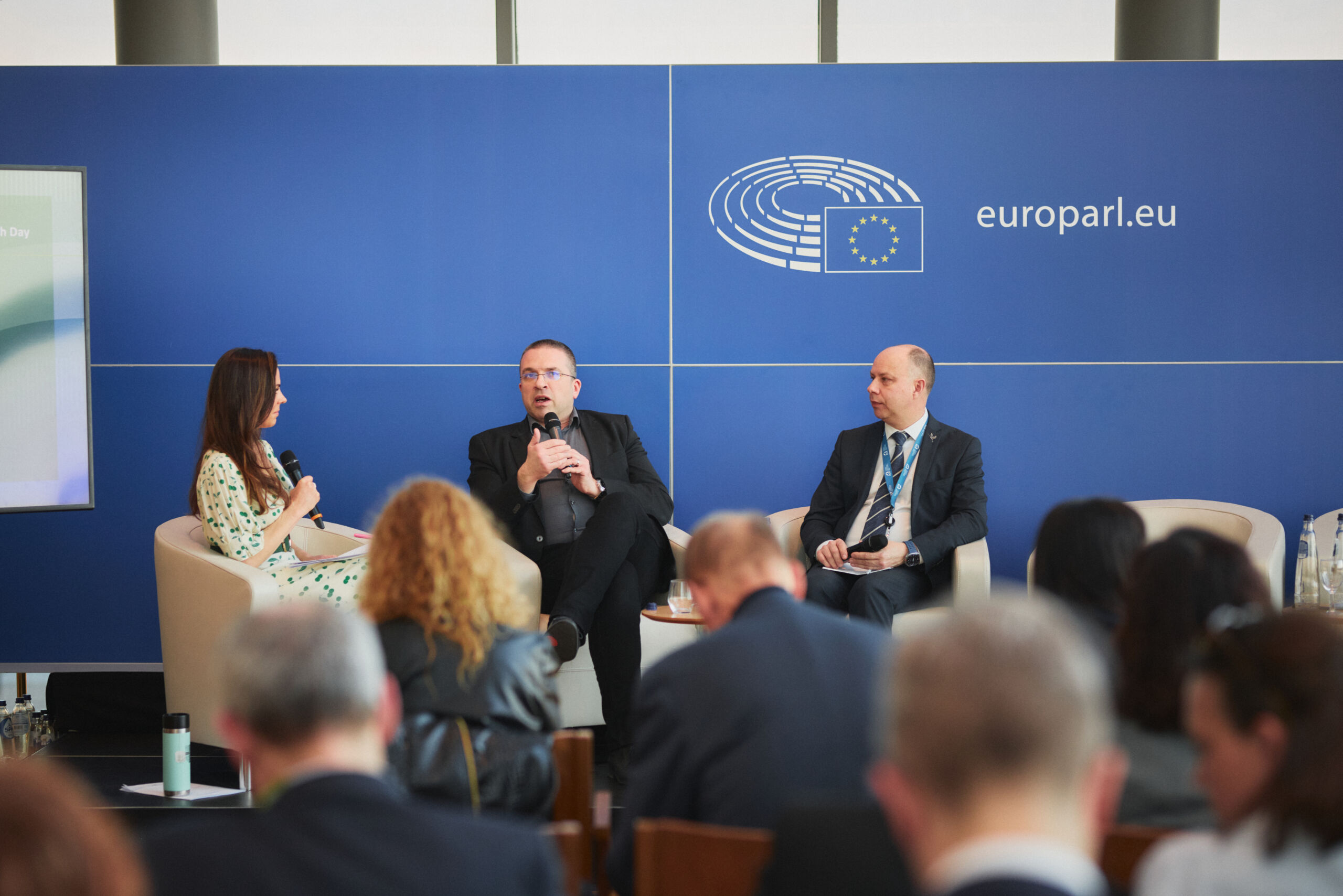
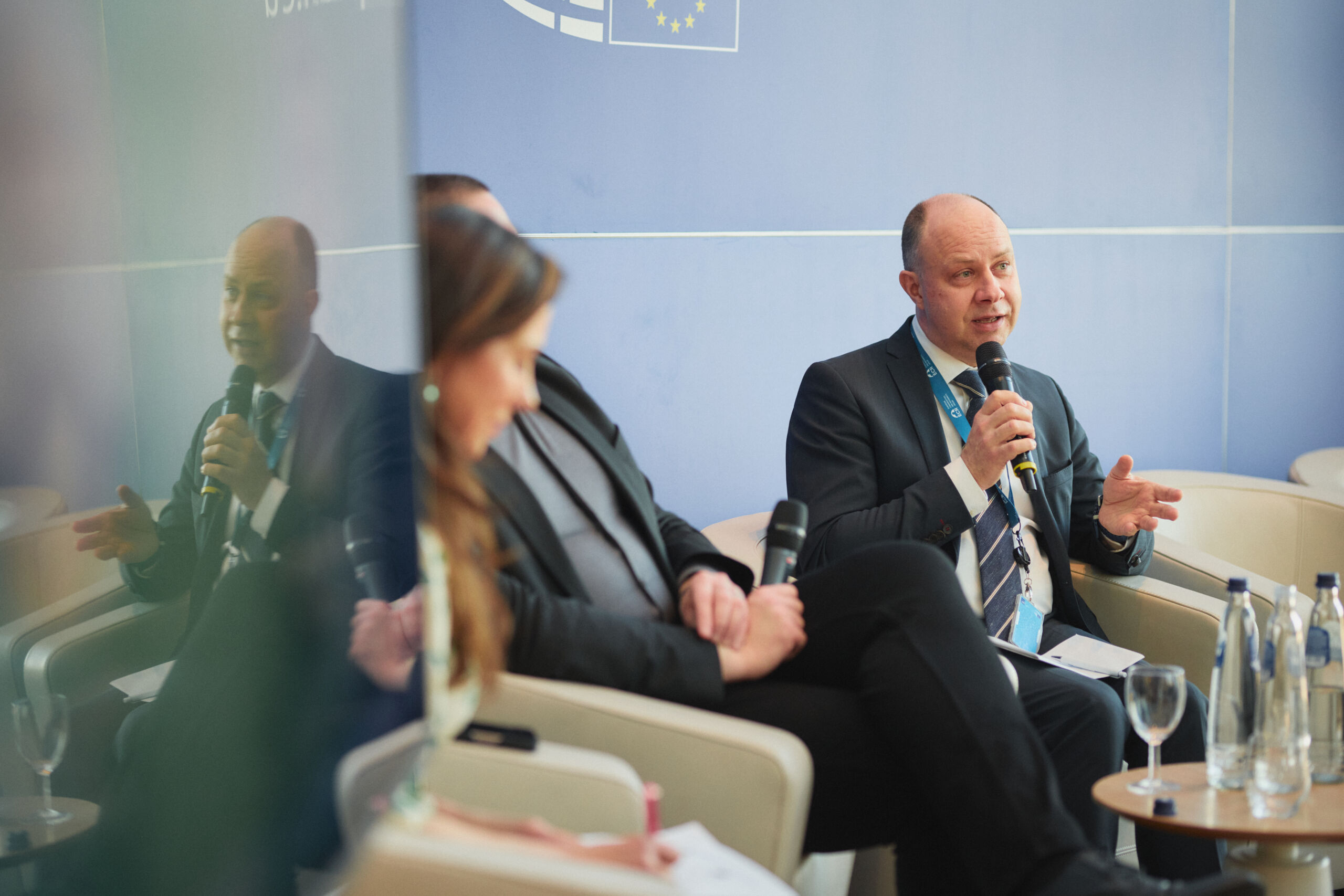
Subsequent discussions brought the focus back to lived realities. Experts and patient advocates described the persistent gaps in diagnosis, access to care and long-term support faced by millions of Europeans living with neurological and mental conditions.
Participants agreed that while advances in neuroscience are accelerating, progress remains uneven across countries and care pathways. Strengthening coordination – across research, innovation ecosystems, healthcare delivery and social support – was identified as essential to reduce inequalities and deliver meaningful improvements in quality of life.
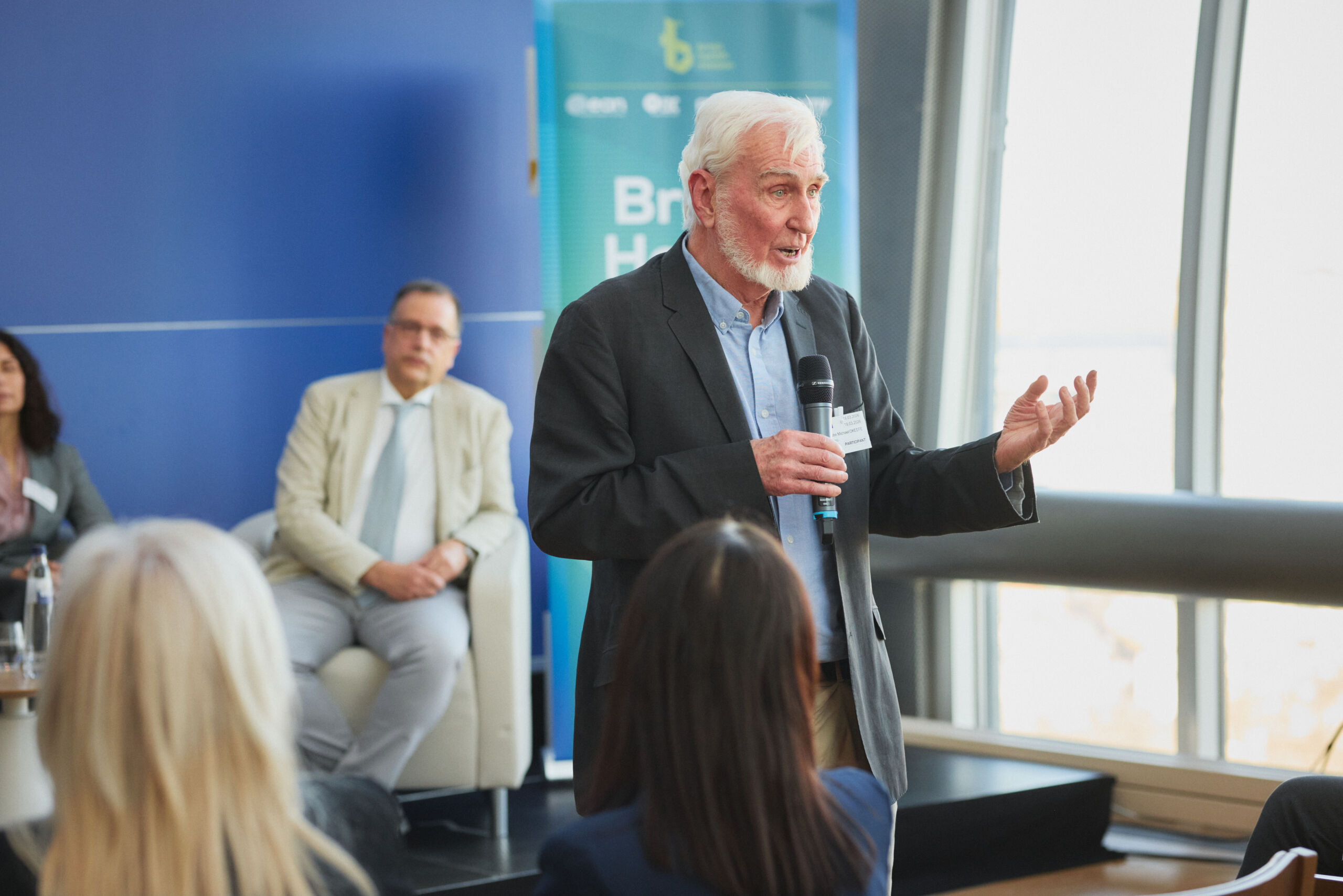

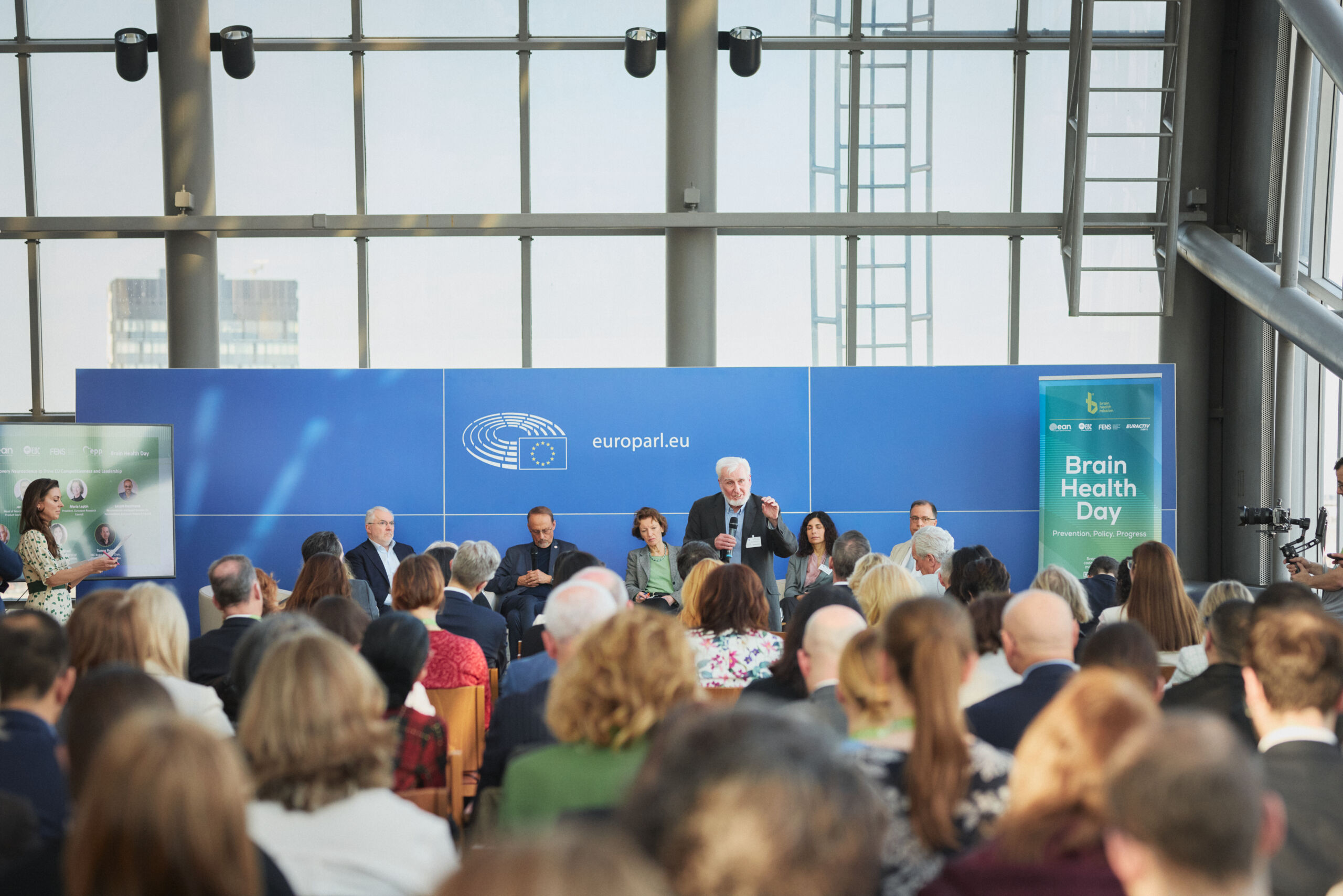
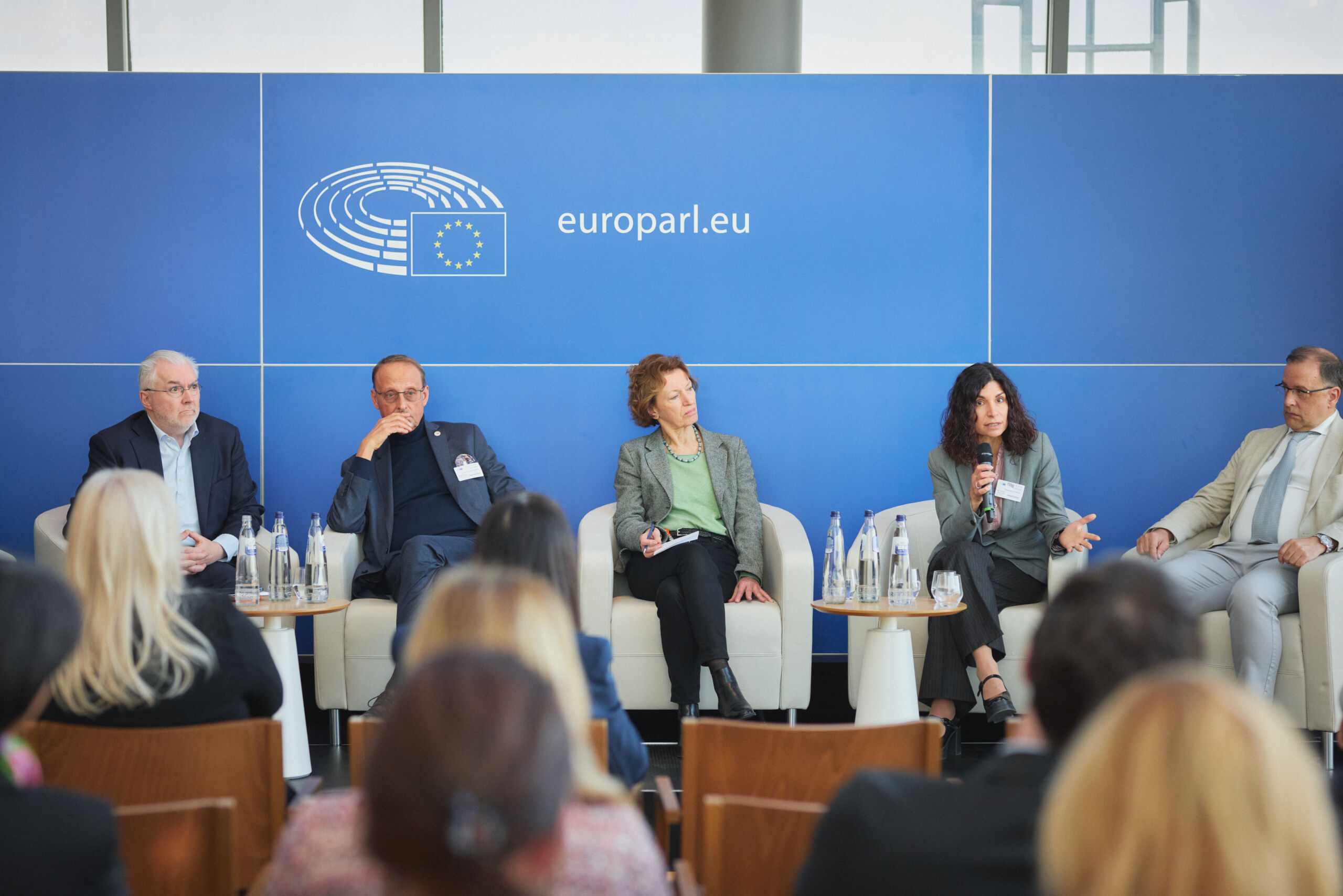
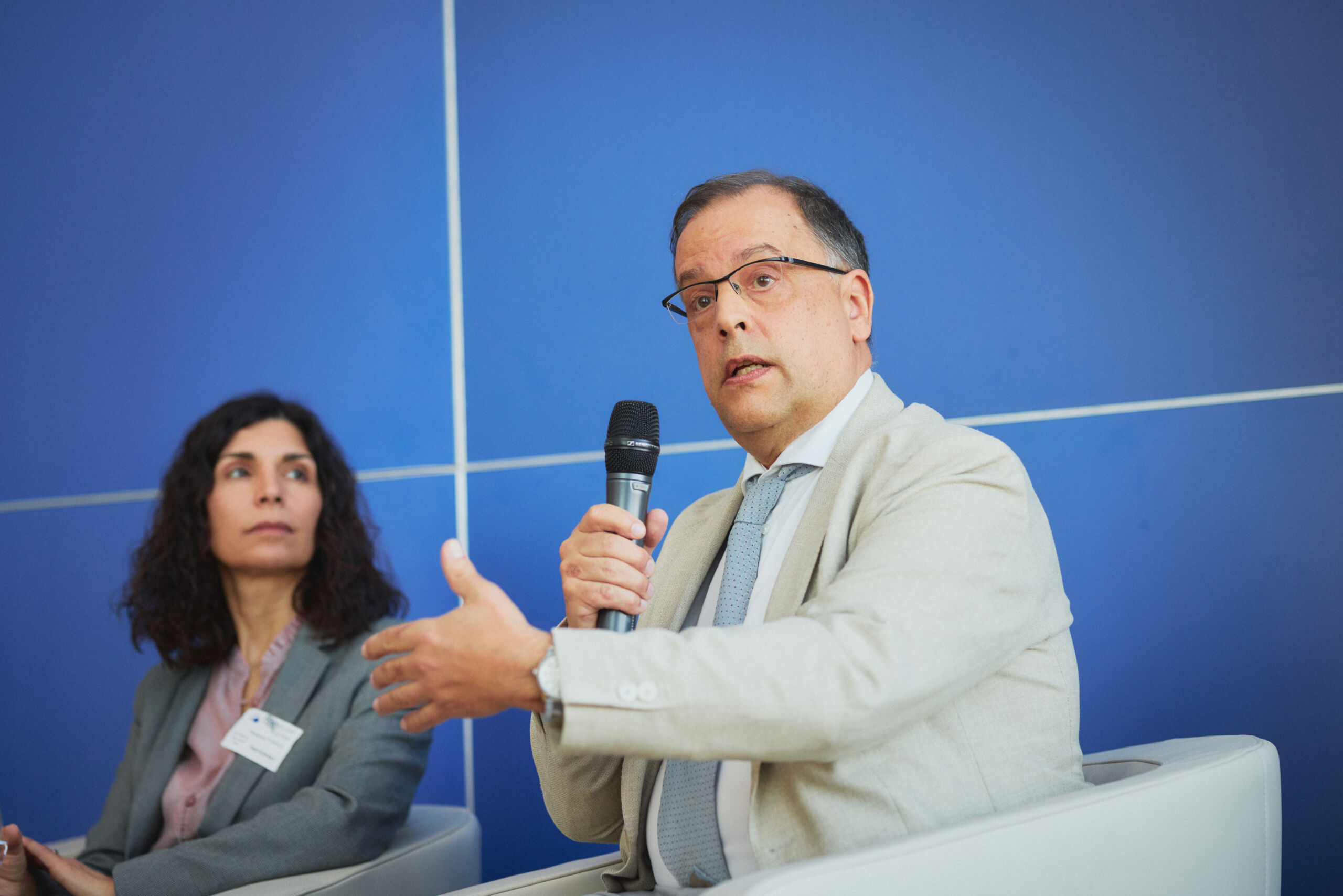
©️ Barth Decobecq
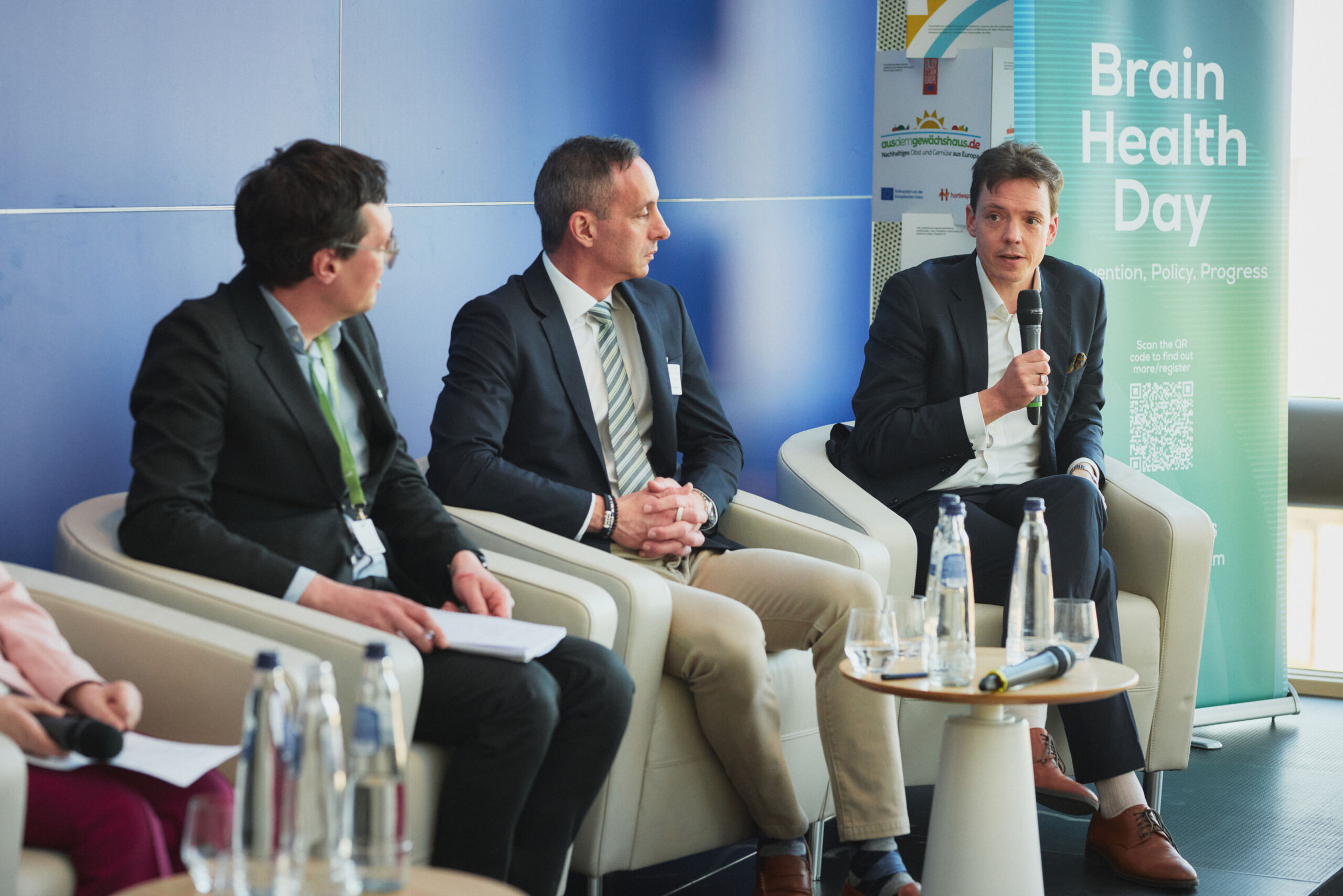
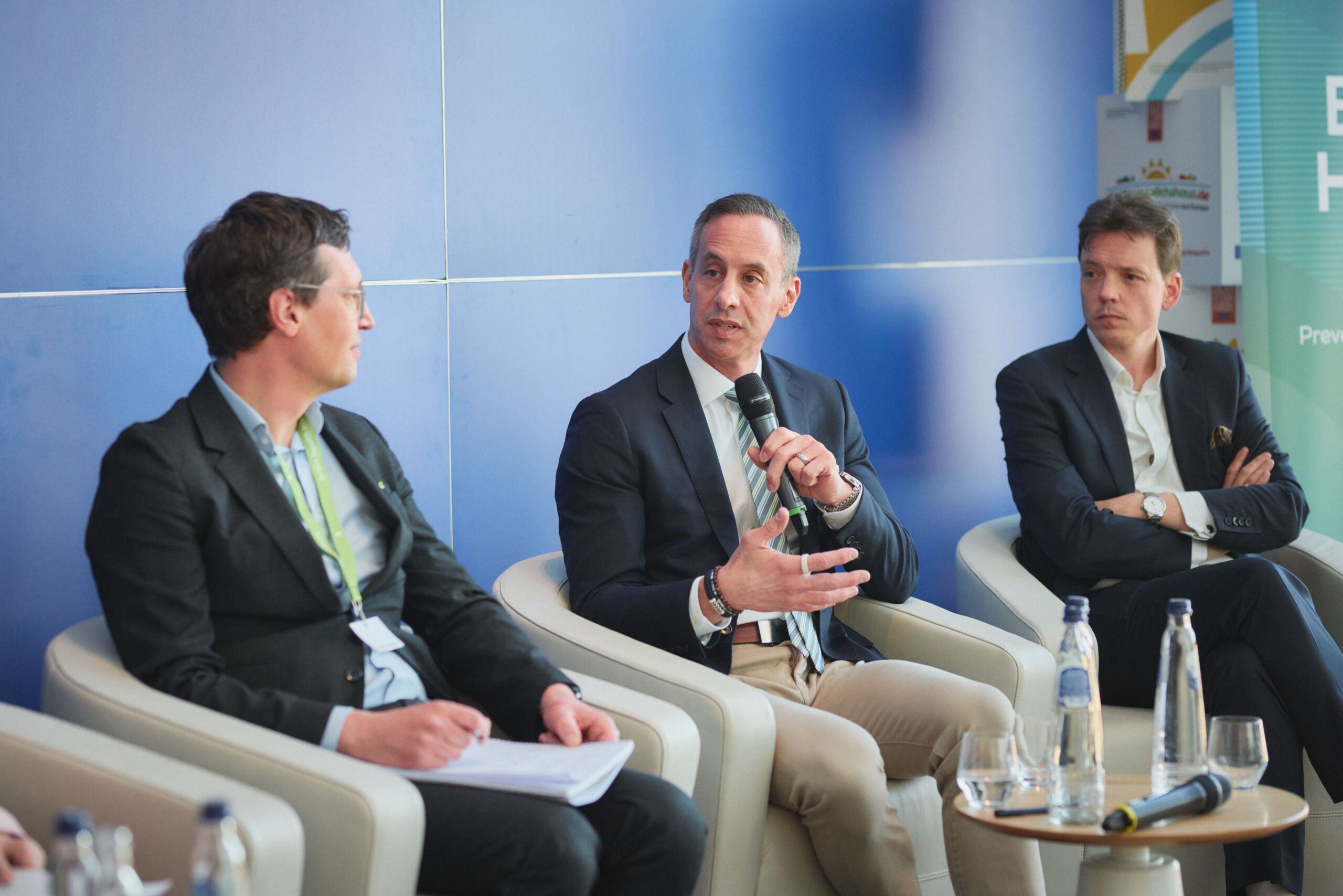
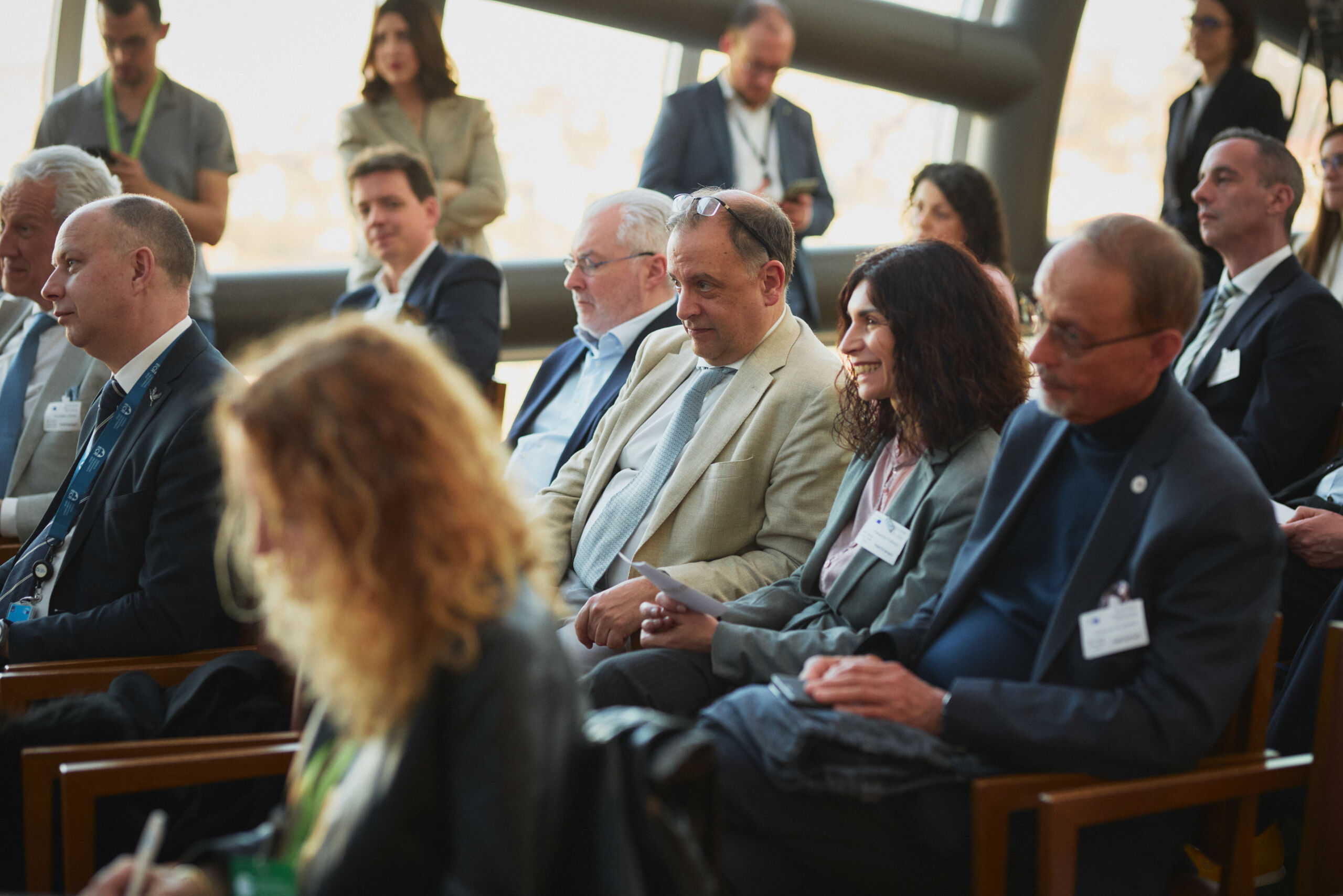
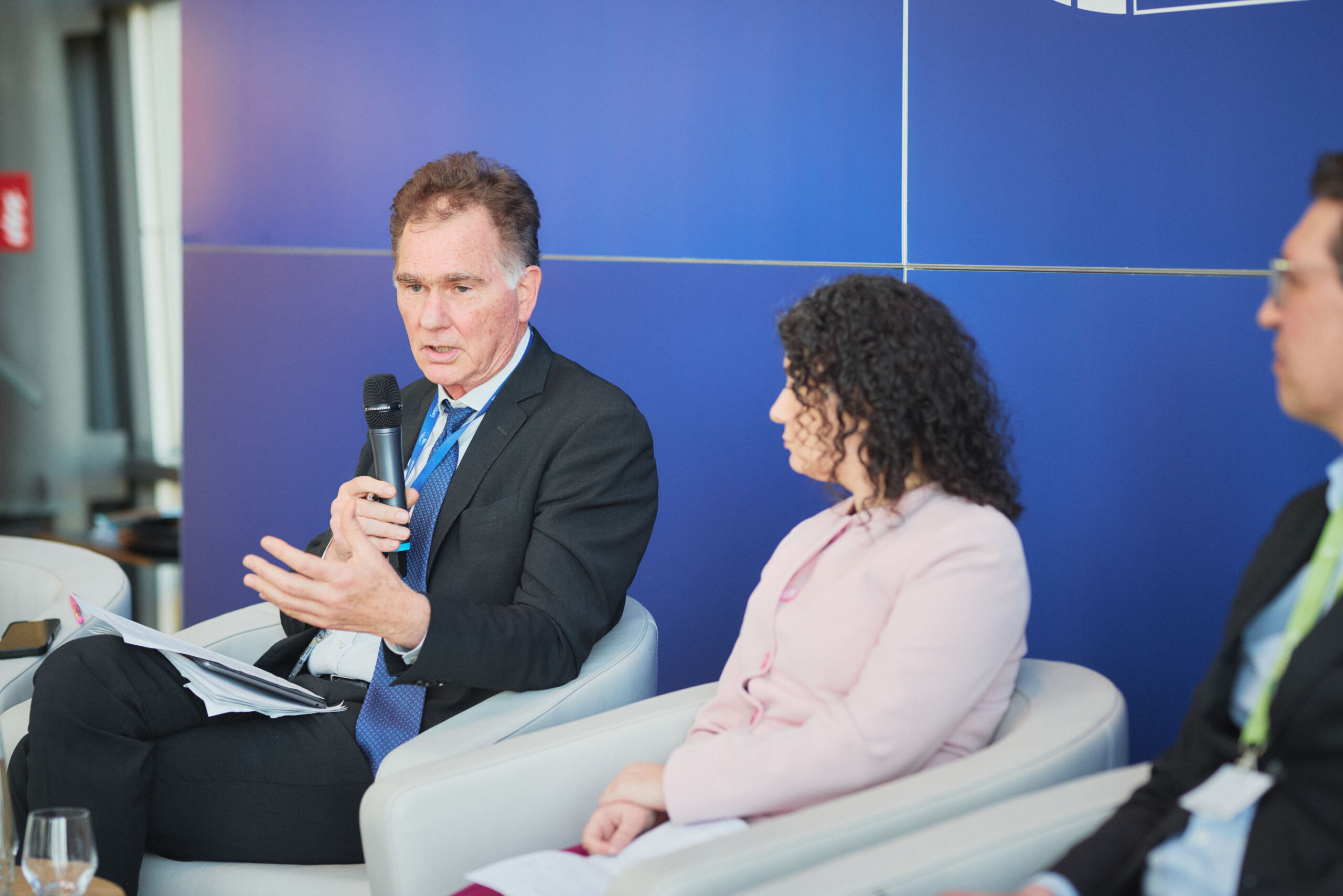
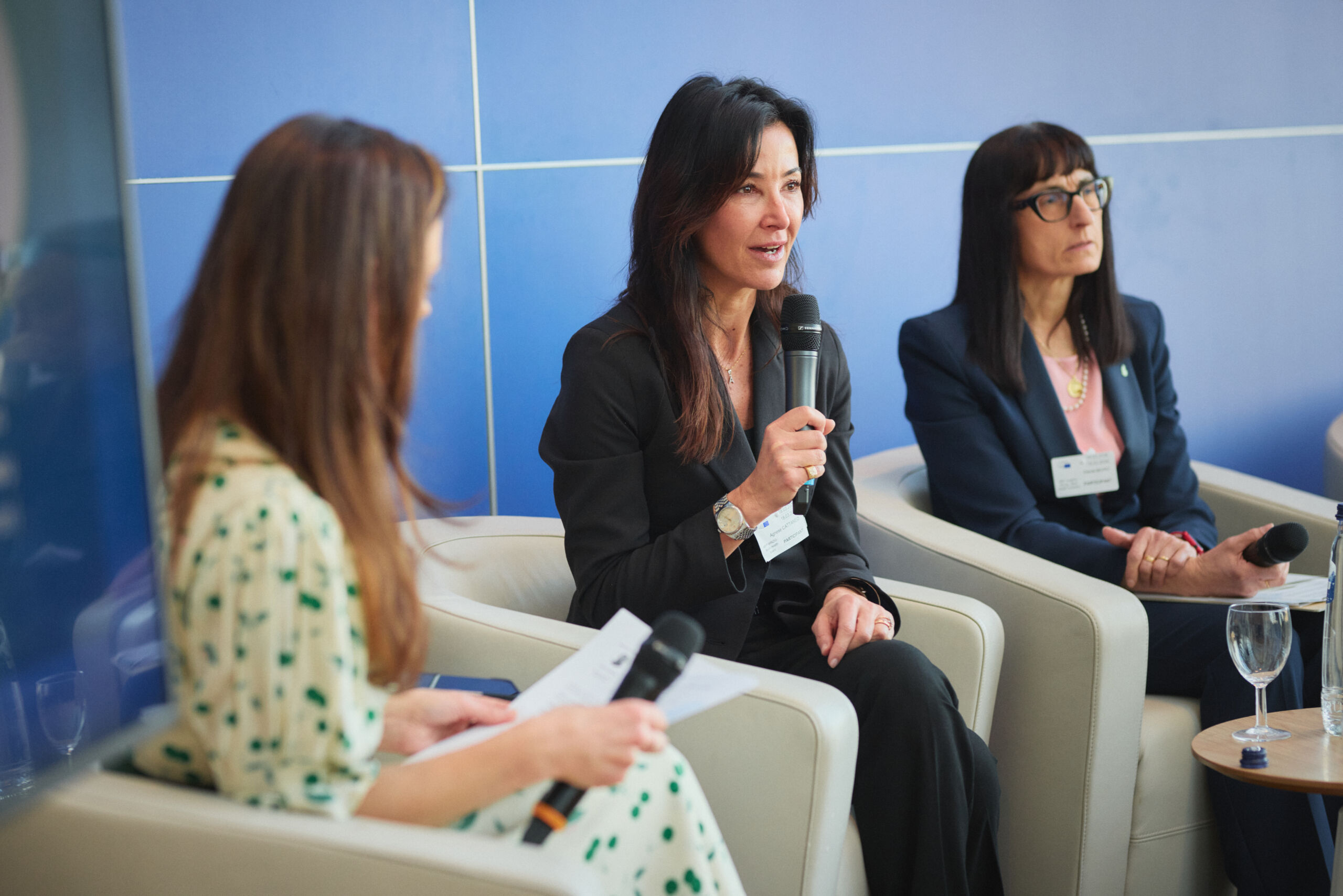
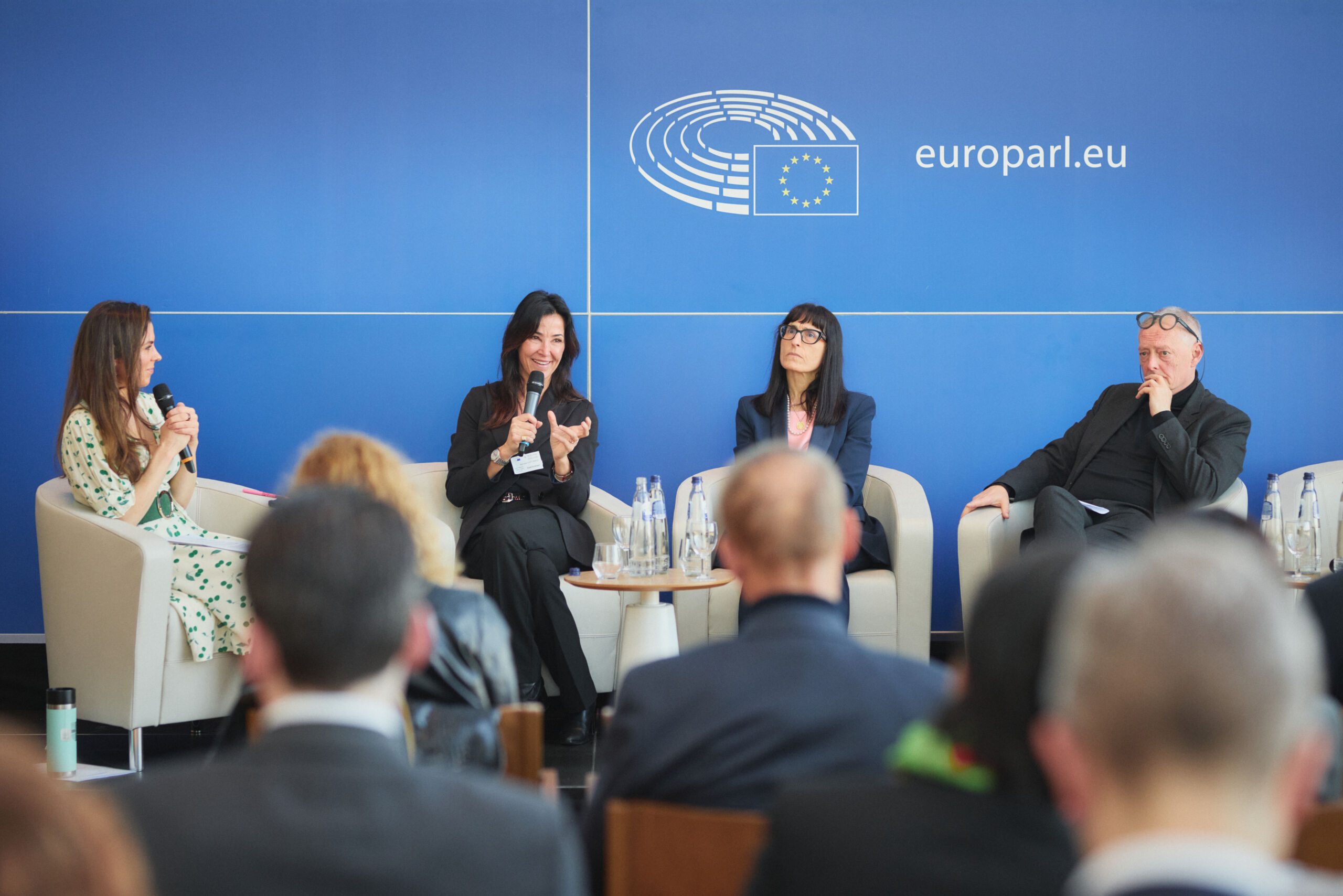
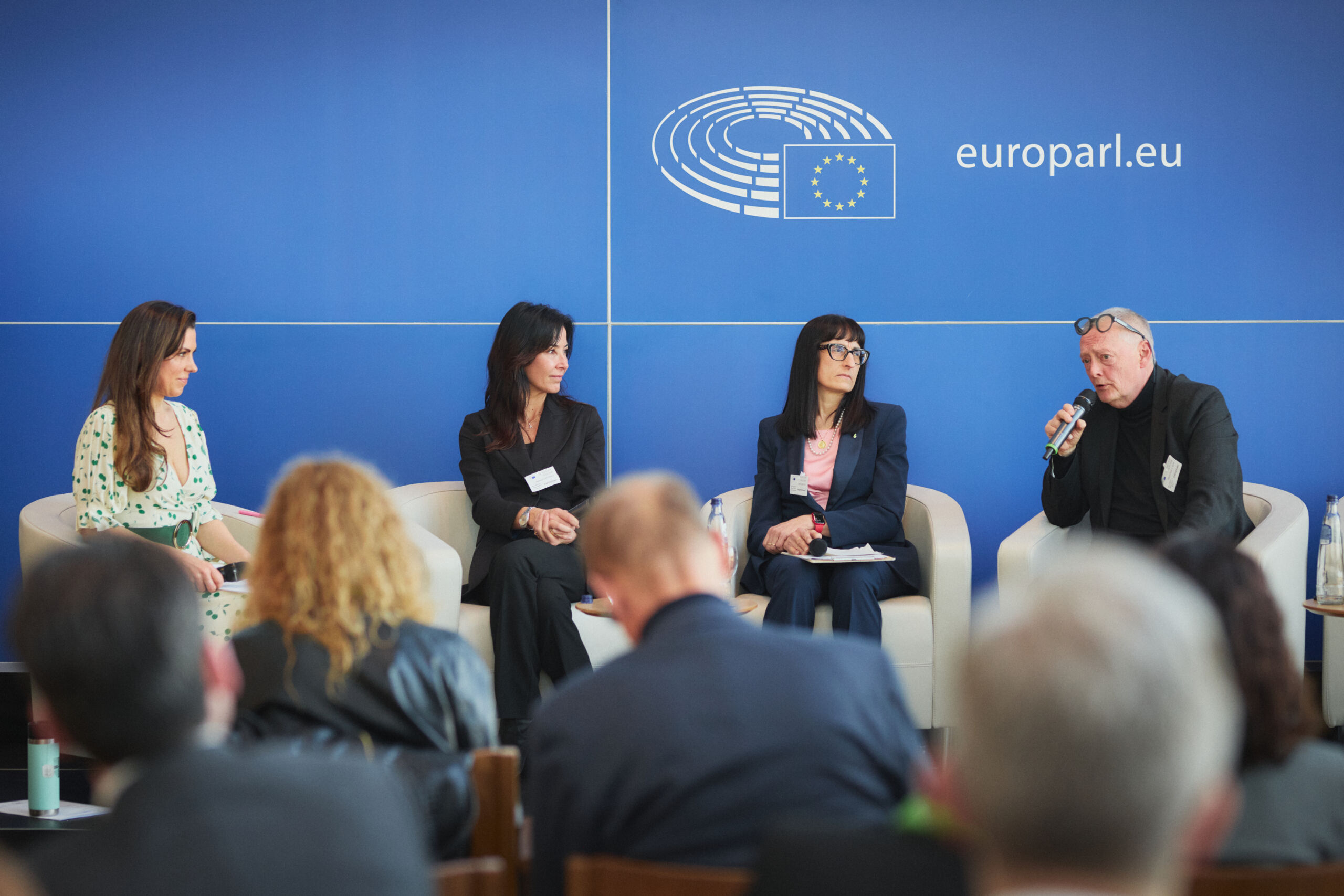
©️ Barth Decobecq
Toward an actionable European Coordination Plan
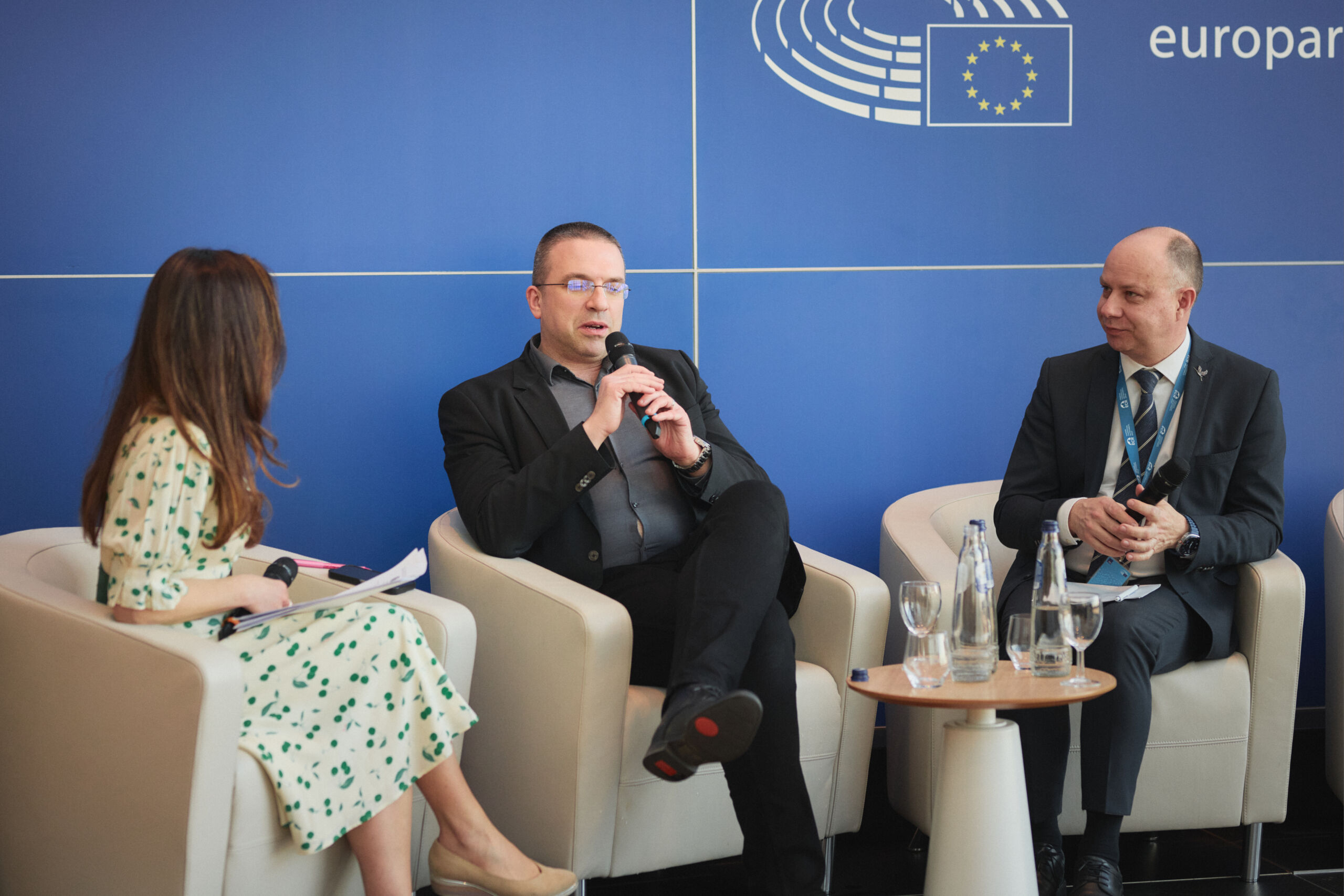
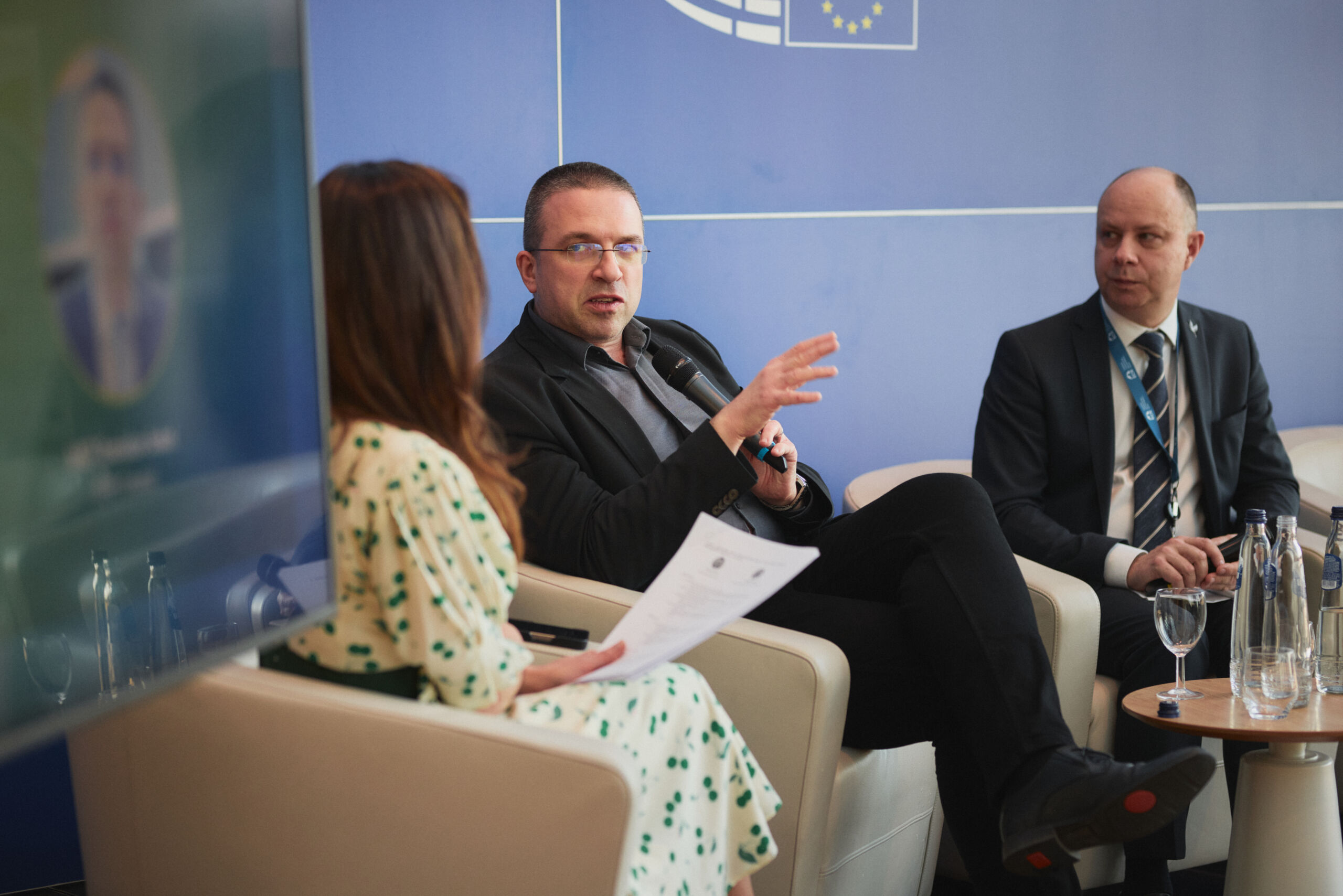
A key segment of the event explored how Europe could move from awareness to implementation through an EU Coordination Plan for the Brain.
Panellists stressed that achieving this ambition will require breaking down long-standing silos between neurological and mental health communities, aligning incentives across stakeholders and enabling innovation through supportive regulatory and funding frameworks.
There was also strong recognition that patients and carers must be systematically placed at the centre of policymaking and research agendas, ensuring that progress reflects real-world needs and priorities.
Political momentum for a Brain-Healthy Union
In the closing segment, Members of the European Parliament reaffirmed growing political engagement around brain health. Discussions highlighted the importance of upcoming parliamentary work – including initiatives in the Public Health Committee – as opportunities to elevate brain health as a cross-cutting priority linking health, research, employment and social policy.
Speakers emphasised that coordinated European action can help align national strategies, optimise investments and accelerate knowledge exchange – ultimately supporting more sustainable health systems and stronger societal resilience.
A community ready to act
Brain Health Day 2026 clearly demonstrated that Europe’s brain community – spanning scientists, clinicians, patients, industry leaders and policymakers – is increasingly united around a shared vision.
The message emerging from the day was unequivocal: the evidence, partnerships and solutions already exist. What is now needed is sustained political commitment to translate momentum into concrete action.
By fostering collaboration and placing lived experience at the heart of policy discussions, the event marked another important step toward a future where coordinated European action delivers better outcomes for the millions of citizens affected by brain disorders.
The event “A European Vision for the Brain: Coordinating Research, Care & Innovation” was kindly supported by Angelini Pharma, Bristol Myers Squibb, Lundbeck and Roche.