


Rethinking Schizophrenia
Rethinking Schizophrenia is a research-driven project offering tangible policy changes to improve the lives of people living with schizophrenia across Europe. It challenges the status quo and refreshes the European policy debate on people living with schizophrenia and encourages multi-stakeholder-driven policy. The project falls under #BeyondTheVoices campaign.
About Schizophrenia
Schizophrenia is a complex mental health condition identified as one of the 15 leading causes of disability globally. While an estimated 24 million people live with schizophrenia, approximately 7–8 individuals out of 1000 will be diagnosed in their lifetime. In Europe, schizophrenia affects 0.3–1.5% of the population. Despite the low prevalence, schizophrenia has a huge societal burden: often diagnosed between late adolescence and early adulthood, with later onset in women, it impacts every aspect of life, including relationships, education, and employment. Despite the substantial progress in the treatment, people with schizophrenia have a life expectancy 10-20 years below that of the general population. Associated with unemployment and early retirement, psychiatric comorbidities, and premature death, schizophrenia has the highest median societal cost per patient of all mental illnesses.
Phase One – Beyond the Voices of Schizophrenia
Despite improvements and innovation in recent years, people living with schizophrenia face variations in access to optimal treatment and care. There is a lot about schizophrenia that is not fully understood and the high-quality care and support needed by people living with this condition is often unavailable.
There is a clear need to rethink the management of schizophrenia and redesign the care pathways to ensure optimal treatment and care for all people living with schizophrenia in Europe. Based around patient testimonies, the aim of the project was to highlight the need to optimise the way we manage schizophrenia by building a strong, coherent, evidence-based policy narrative which speaks to the current priorities in schizophrenia and draws from the current policy landscape in Europe.
The Rethinking Schizophrenia project falls under the Rethinking the management of brain disorders series, research-driven projects offering policy recommendations to make tangible changes with the aim to improve the lives of people living with brain disorders, neurological and mental alike, across Europe.
Phase Two – Optimising Schizophrenia Care Pathways in Europe
The second phase of the project, Rethinking the Schizophrenia Care Pathway, co-created by the European Brain Council (EBC) and the European Psychiatric Association (EPA), aimed to examine health gains and societal impacts resulting from optimal healthcare interventions in comparison with current care or inadequate treatment and convert data evidence to policy recommendations on how to improve the care pathways.
With a typical onset during late adolescence or early adulthood, schizophrenia requires lifelong treatment, combining pharmacological and non-pharmacological approaches. Early symptom recognition and timely interventions can greatly enhance functional recovery, however recent reports have identified significant gaps in access to timely assessment and shared decision-making, compounded by the unprecedented demand for mental healthcare among young people. Such high demands create challenges for health care services in delivering not only timely and evidence-based care but also safe and person-centered, as recommended by the World Health Organization. There is a need to improve prevention and care of young individuals with first episode psychosis (the onset of schizophrenia) to safely and effectively transition between various types of care tailored according to individual needs.
To address these issues, the Rethinking Schizophrenia project conducted an analysis of patient care pathways across nine European countries (Belgium, Denmark, France, Germany, Hungary, Italy, Poland, Spain, and the UK). This second part of the project aimed to put forward an in-depth patient care pathway analysis in order to define specific strategies to advance the prevention and treatment of schizophrenia. Results highlight the urgent need for a more coordinated and multidisciplinary care approach to schizophrenia care, which fed into concise policy recommendations of the study paper.
Three key priorities are highlighted for enhancing schizophrenia care:
• Early assessment and intervention
• Continuity of care and shared decision-making
• A recovery approach in the treatment journey
Furthermore, as part of the European College of Neuropsychopharmacology 2025 Congress in Amsterdam, the project was presented during a poster session titled ‘Innovative Approaches to Early Psychosis Care‘.
Phase Three – Country Profiles
The third phase Country Profiles (2025-2026) will examine the ways how to introduce policy changes guided by these recommendations at the European and country levels, bringing a brain health approach to schizophrenia prevention and care. Bringing together experts, policymakers and patient voices at national level, phase 3 assesses how individual countries can turn policy recommendations into actionable solutions. This phase will spotlight country-specific profiles for Poland, Denmark and Germany, starting with a roundtable in Warsaw (Poland) on June 5th – during the Polish EU Presidency.
Poland
On 5 June 2025, the European Brain Council (EBC) and the Mental Health Power Foundation organised a roundtable titled “Beyond Mental Health – A Brain Health Approach to Schizophrenia Prevention and Care” in Warsaw. Held under the patronage of the Polish Presidency of the Council of the European Union and the Polish Psychiatric Association, this high-level roundtable gathered key stakeholders from healthcare, education, social policy, research and patient organisations. The event provided an opportunity to discuss innovative strategies for improved schizophrenia prevention and care in Poland, within a broader European brain health framework.
Denmark
In December 2025, the Rethinking Schizophrenia Country Profiles continued in Denmark through a webinar titled ‘A Comprehensive, High-Quality Approach to the Treatment of Schizophrenia in Adolescents and Young Adult’. The webinar, which took place online on 8 December 2025, discussed and presented country-specific findings, illustrating barriers and best practices in implementing comprehensive care pathways in Denmark. Experts discussed youth-focused key policy recommendations, including early detection programs, access to innovative pharmacological and psychosocial treatments, integrated care models and digital health solutions.
The next Country Profile on Germany took place on March 4th, 2026. Co-organised with the German Brain Council and the Department of Psychiatry and Psychotherapy, University of Lübeck, (Germany), the topic of the webinar was “AI-supported Prediction and Intervention: A Comprehensive Approach to Integrated Biopsychosocial Schizophrenia Care”, during which speakers explored how early intervention, innovative treatments and AI-supported technology can reshape schizophrenia care across Europe. An event report will follow. For more information about the speakers and programme click here or rewatch the recording here.
Experts involved in the project
 prof. Agata Szulc , President, Polish Psychiatry Association
 Prof. Małgorzata Janas -Kozik , Plenipotentiary of MoH for Reform of Children and Adolescent Psychiatry
  Dr. Aleksandra Lewandowska, National Consultant of Children and Adolescent Psychiatry
 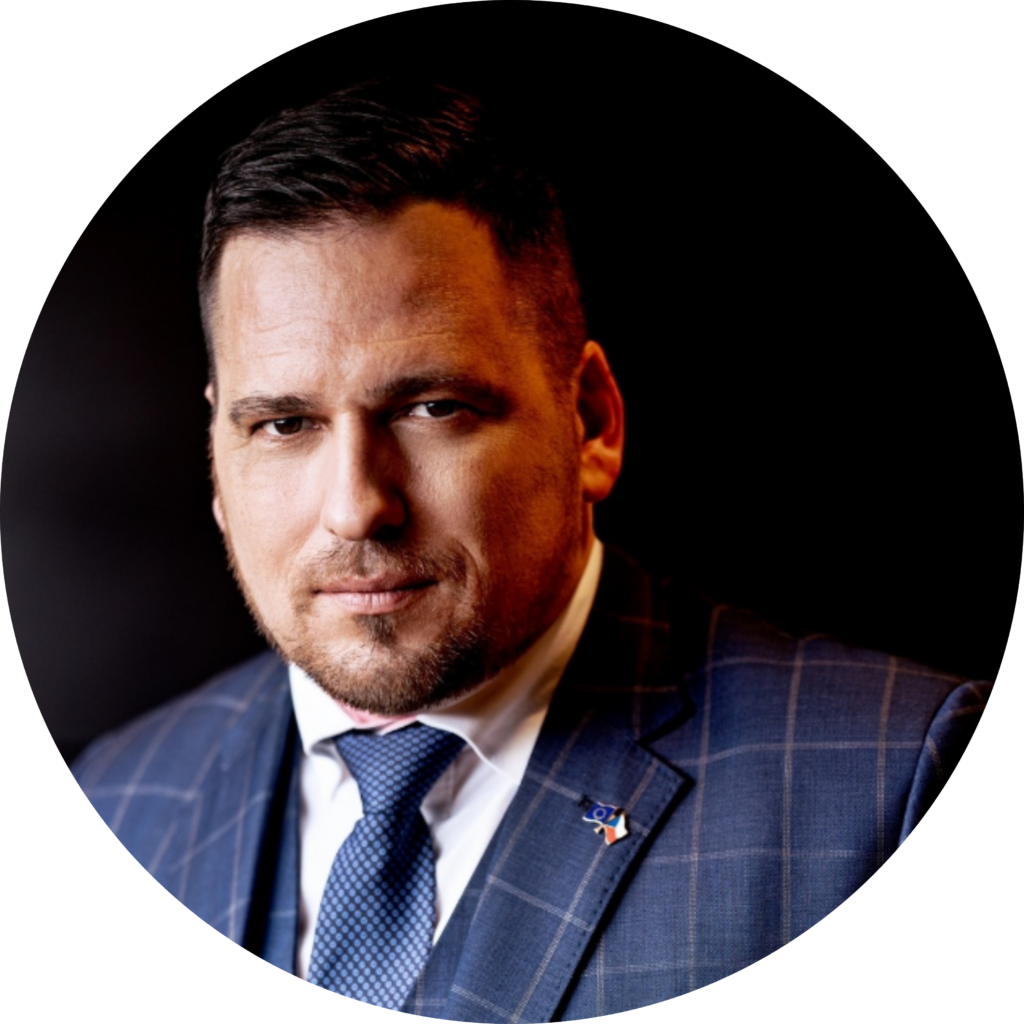 MEP Tomàš Zdechovský, Member of the European Parliament, EPP, Czech Republic
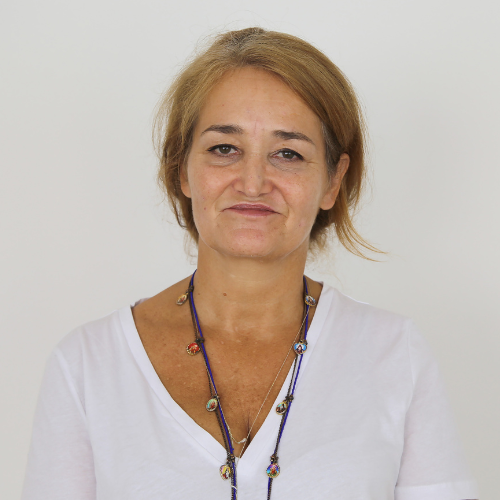 Bénédicte Chenu, Patient Advocate, Collectif Schizophrénies
 Florent Babillote, Patient Advocate, Positive Minders
 Anastasia Benzahi, Patient Advocate, Positive Minders
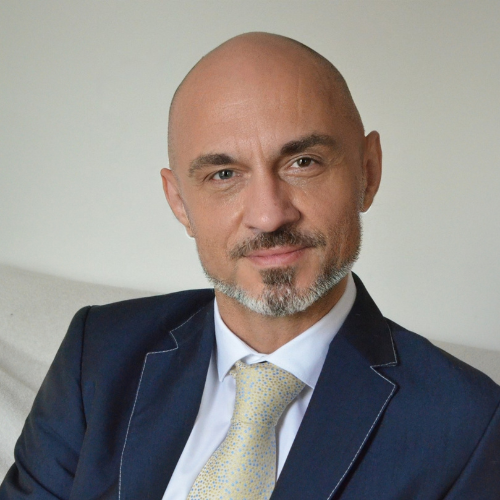 Péter Kéri, President, GAMIAN-Europe
 Cordt Winkler, Clinical Product Developer, Recovery Cat
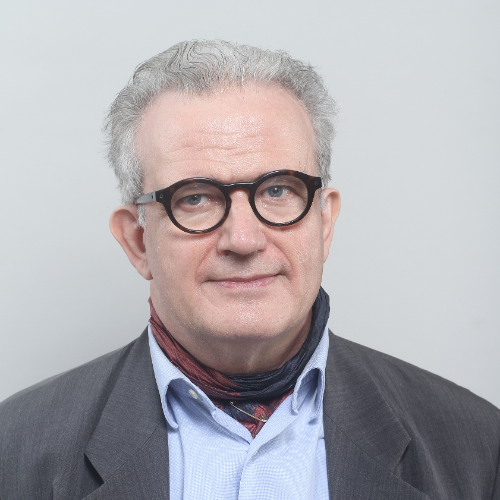 Matthieu de Vilmorin, Former President, Schizo-Oui
Project Endorsers



















This project is supported with a grant from Boehringer Ingelheim. The company has no involvement in the research nor in the drafting of the report. All outputs are non-promotional and not specific to any particular treatment or therapy.