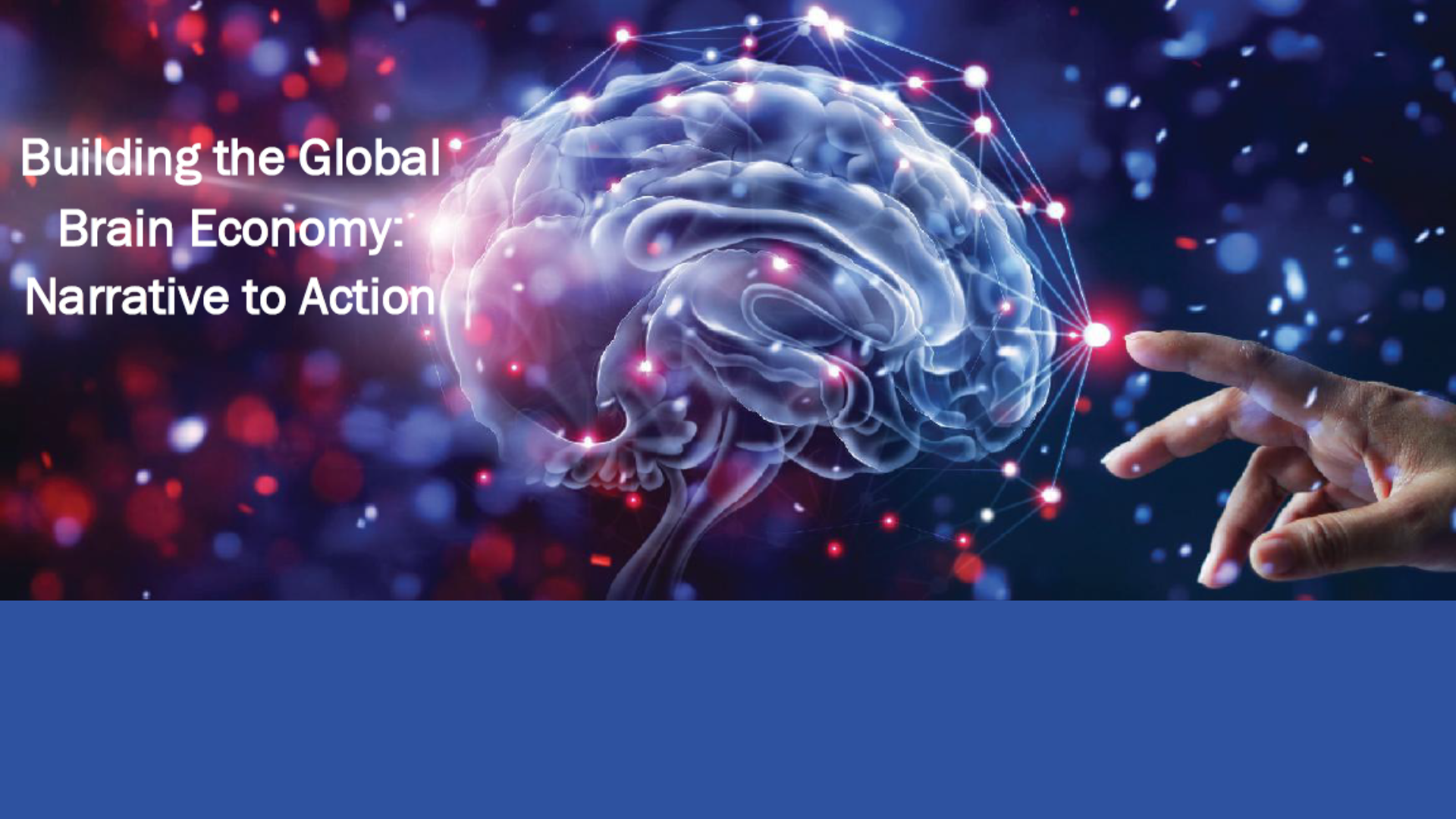
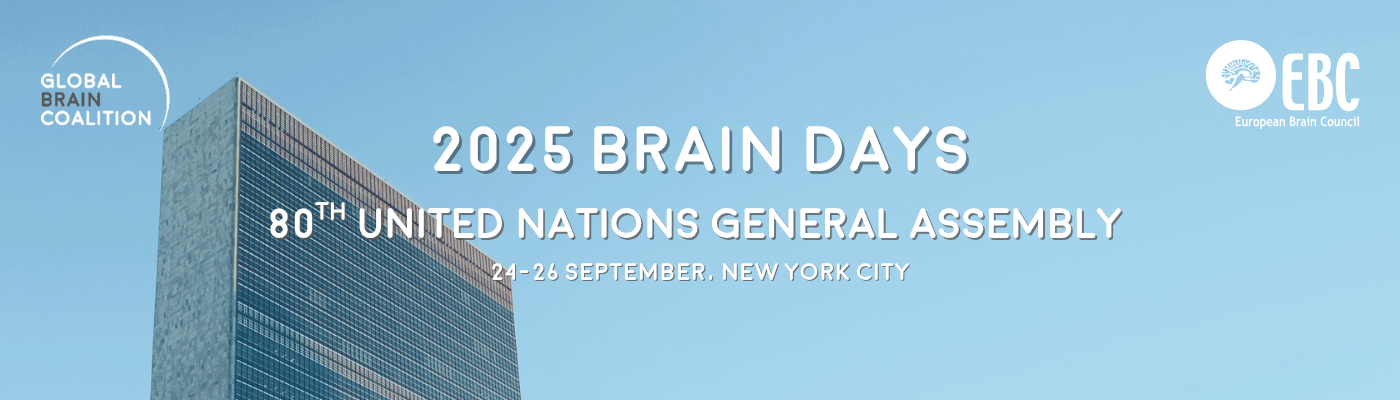
The European Brain Council (EBC) and Global Brain Coalition partners were proud to lead the 2025 Brain Days at the Science Summit of the 80th United Nations General Assembly (UNGA80) in New York, marking another major milestone in the efforts to advance brain health, research and capital on the global policy agenda.
This year’s event was organized in collaboration with the Meadows Mental Health Policy Institute, Davos Alzheimer’s Collaborative, UsAgainstAlzheimers, Brain Capital Alliance, American Heart Association, Brain Research Africa Initiative, Dana Foundation, EMD Serono, Gainwell Technologies, Hazel Health, Ontario Brain Institute, Lundbeck and Perkins & Will.
Full Recording – Day 1
Full Recording – Day 2
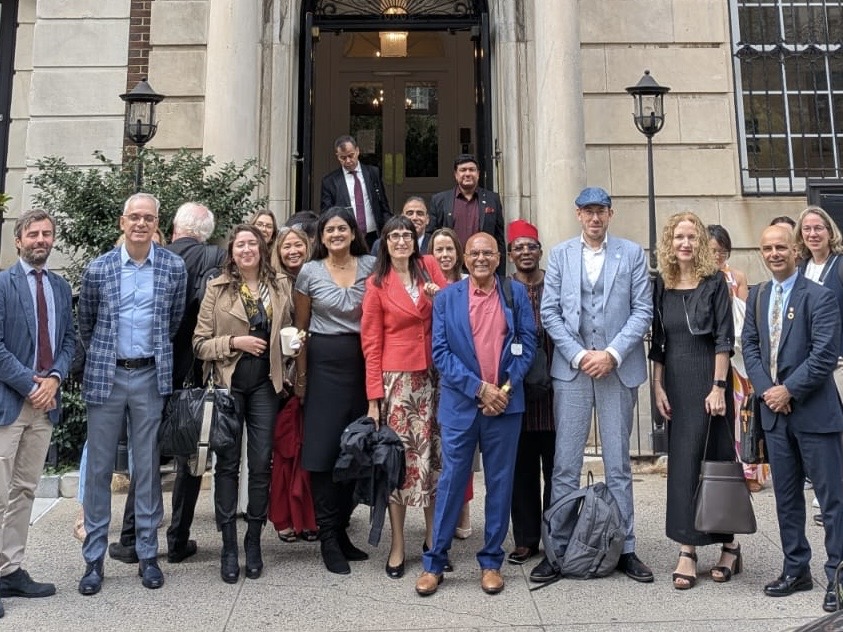
Opening Dialogues at UN Headquarters & Italian Cultural Institute: 24 September 2025
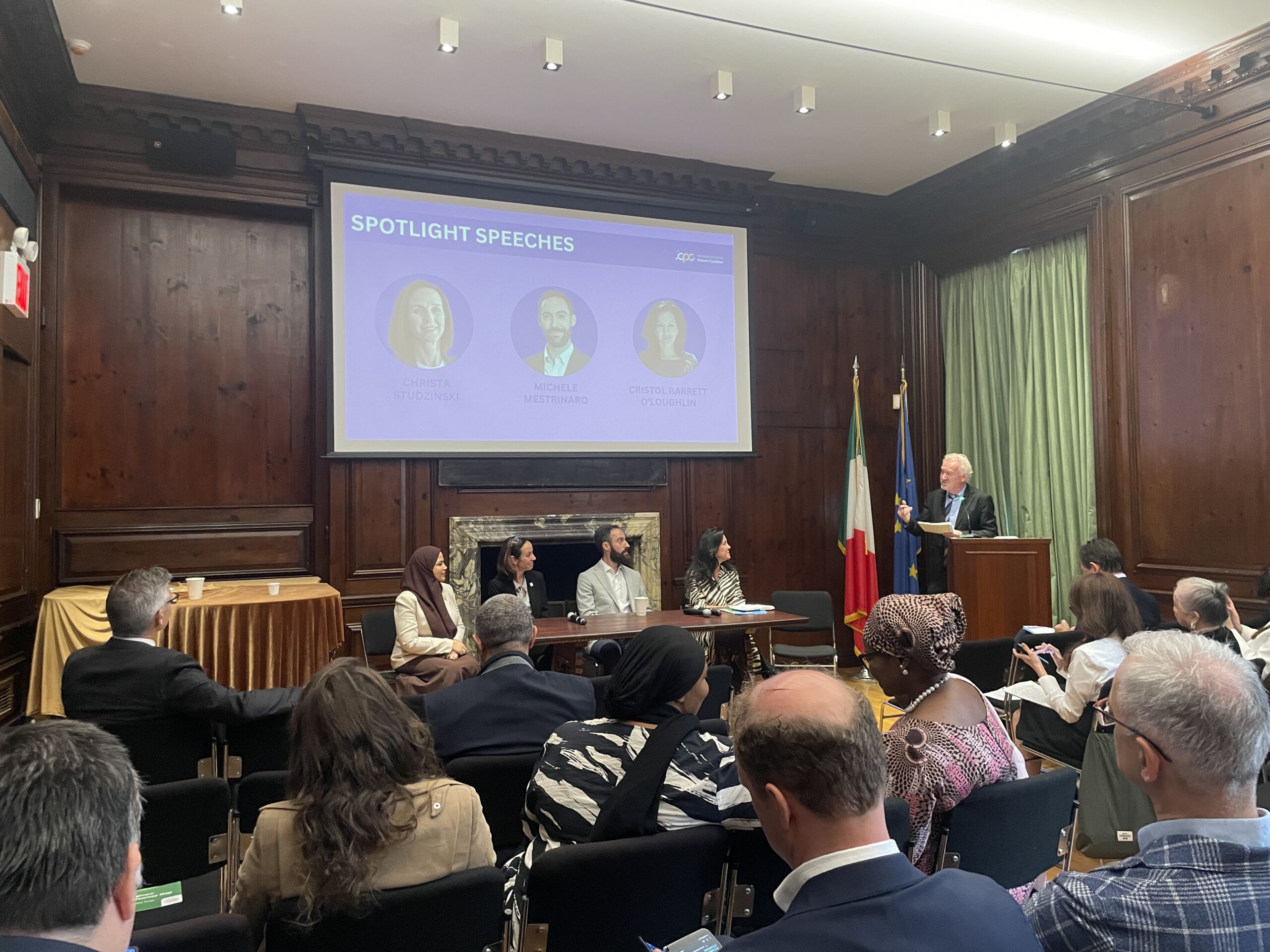
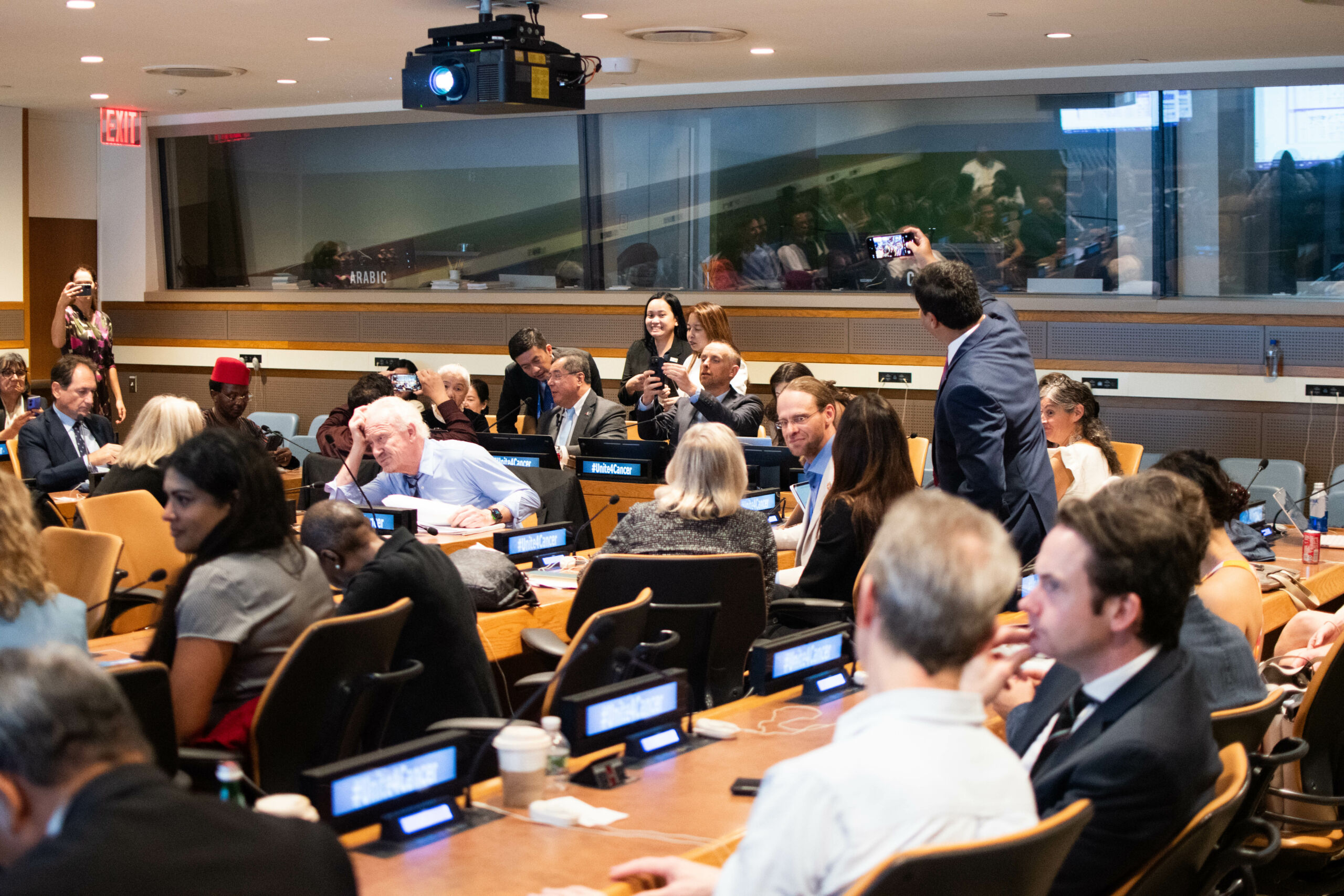
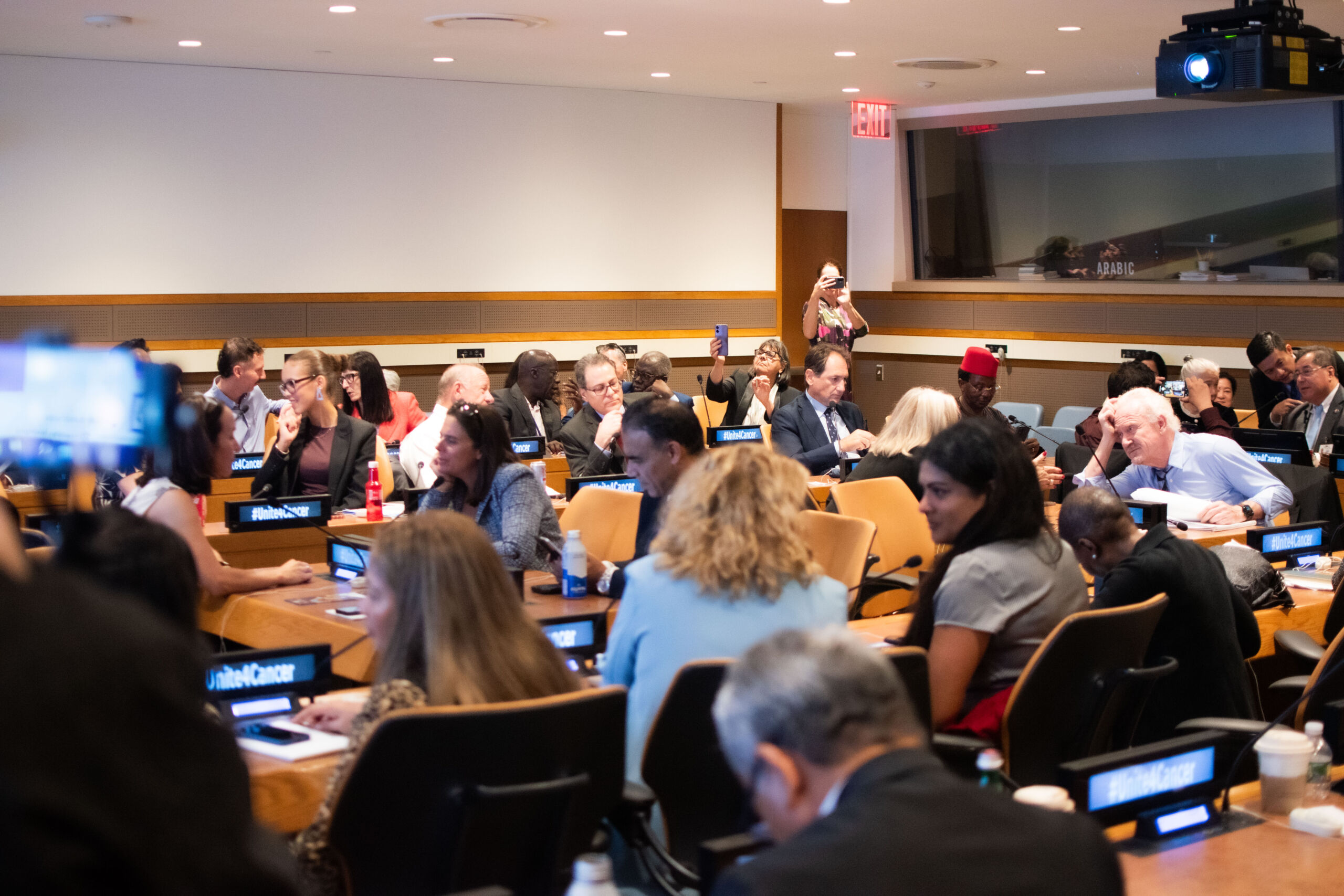
The programme opened on 24 September with two high-level gatherings: a morning policy dialogue at the Italian Cultural Institute (“The Last Mile: Screening, Early Detection and Treatment”), where cancer, co-morbidities and brain health were presented as urgent examples where prevention, early detection and equitable care play strong roles; and a pre-event meeting at the United Nations Headquarters, framing brain health as central to the global NCD agenda and the Pact for the Future. These discussions set the tone for the days ahead by underlining that innovation must go hand in hand with delivery, equity and cross-sectoral cooperation.
The day closed with a Welcome Reception hosted by the Burjeel Institute for Global Health, co-presented with EBC and presented by tendercare, Life Story Club and CAREGenome, with a spotlight on the global care economy.
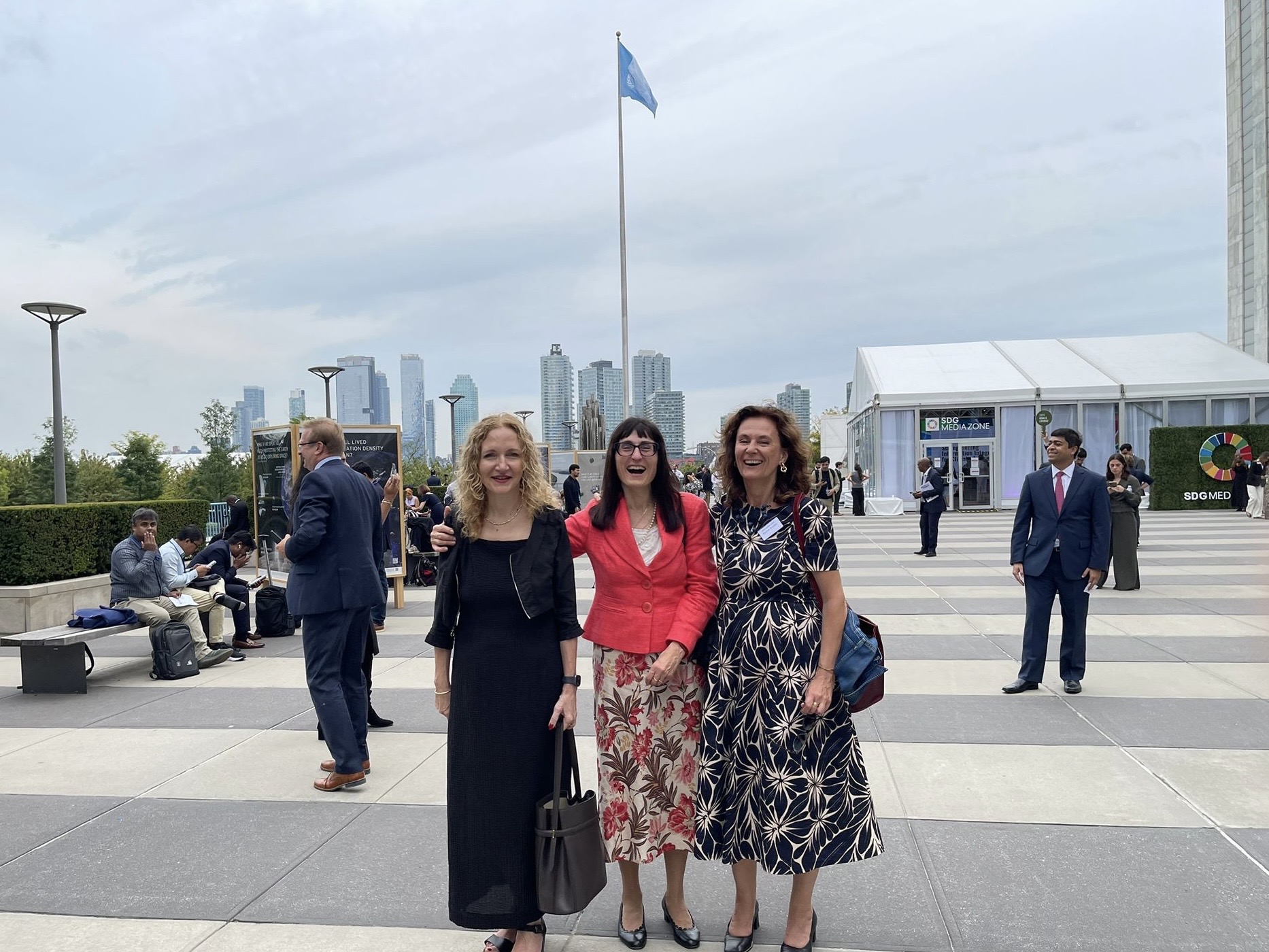
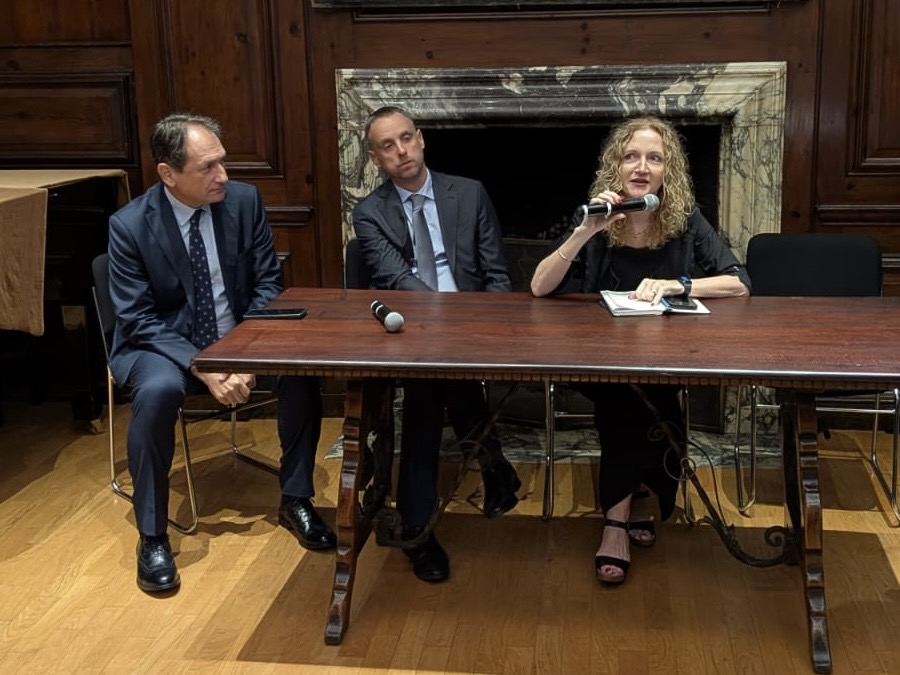
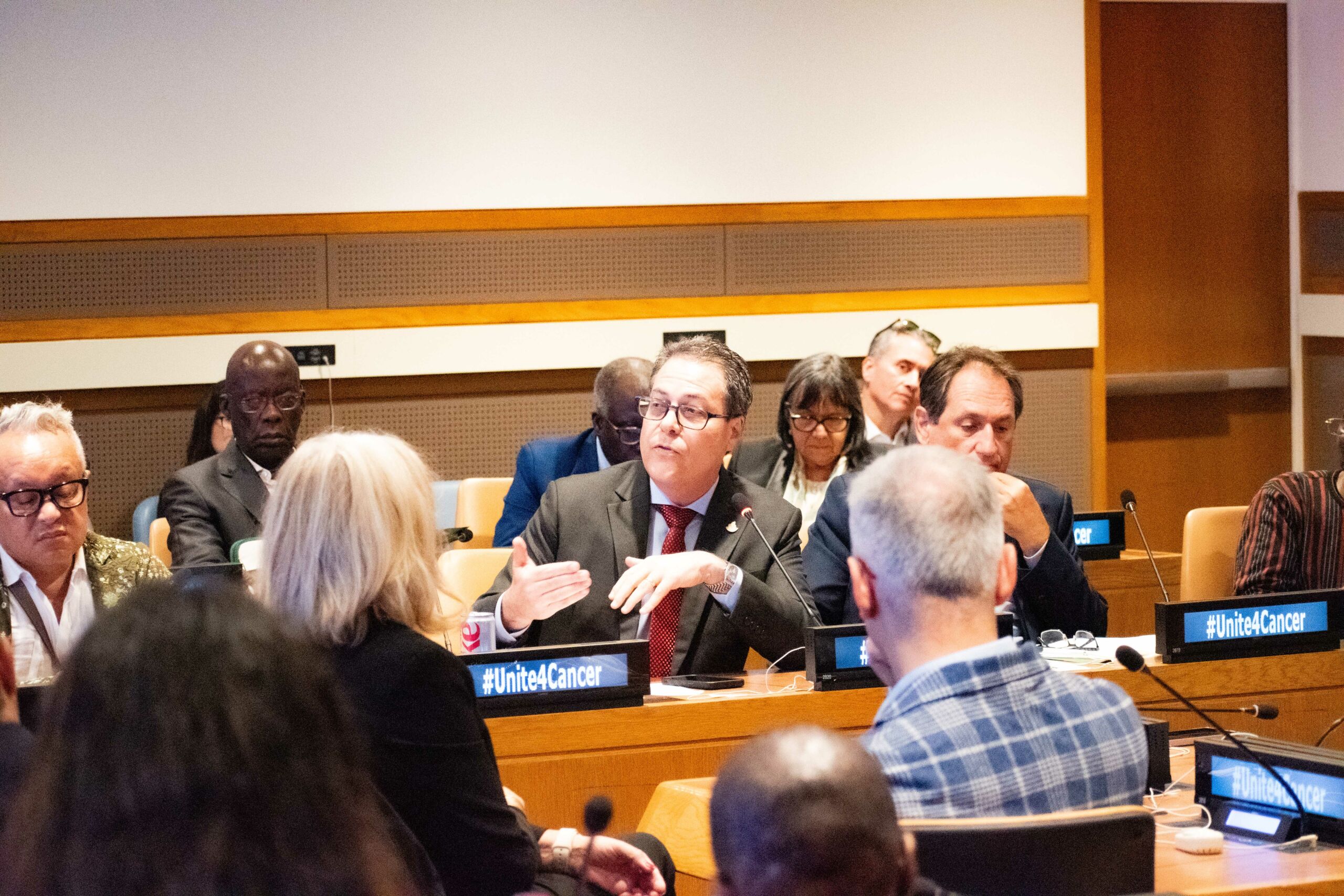
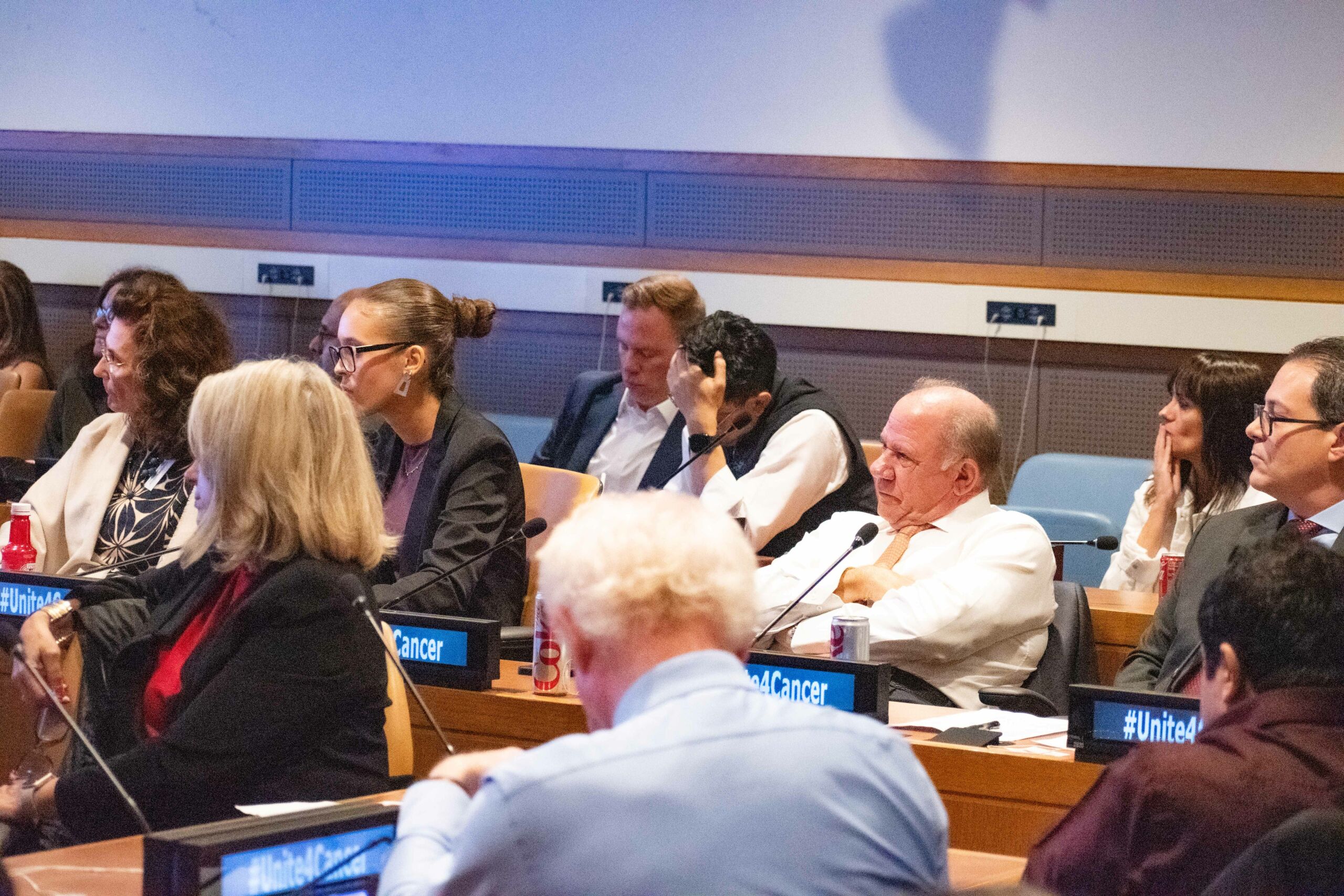
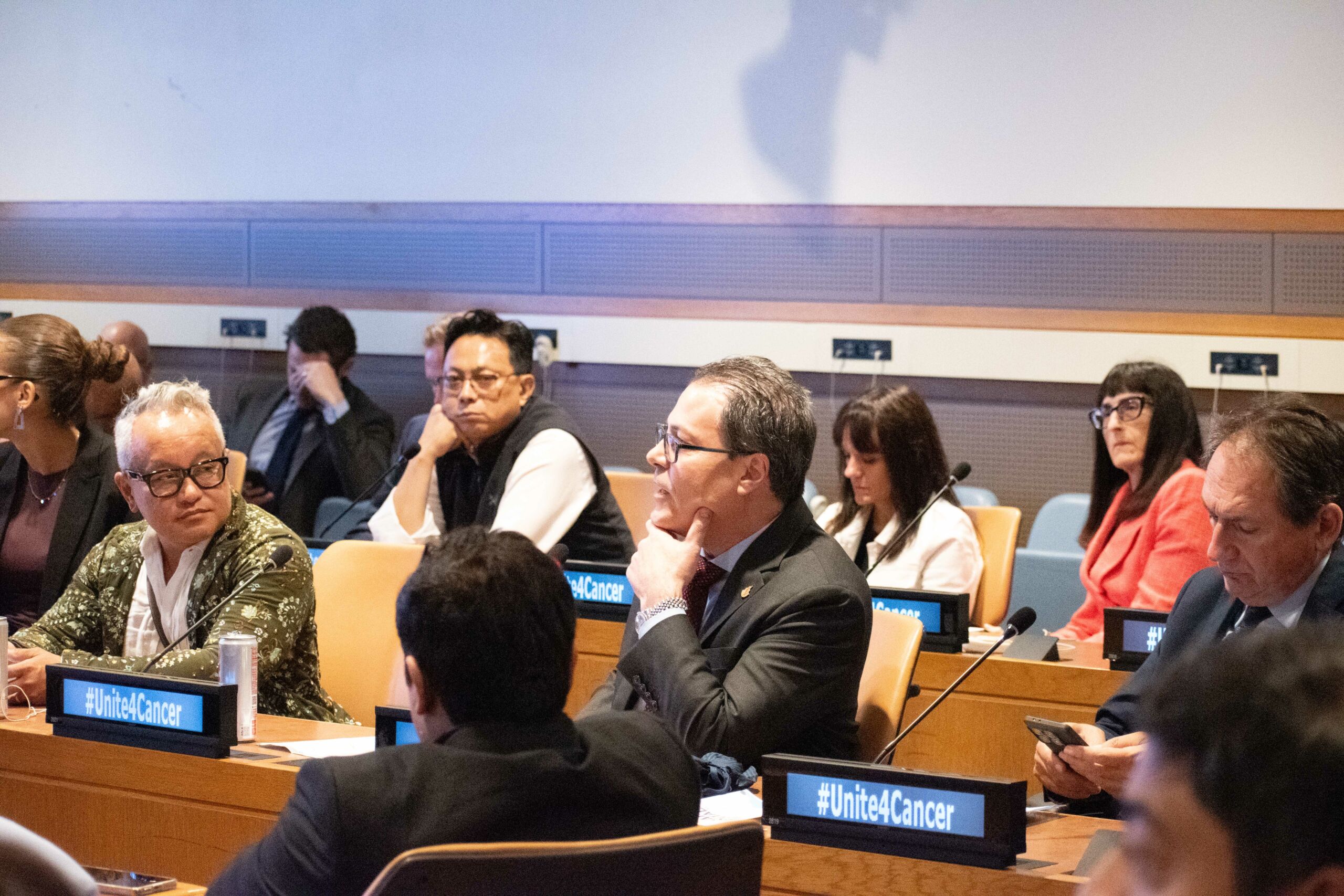
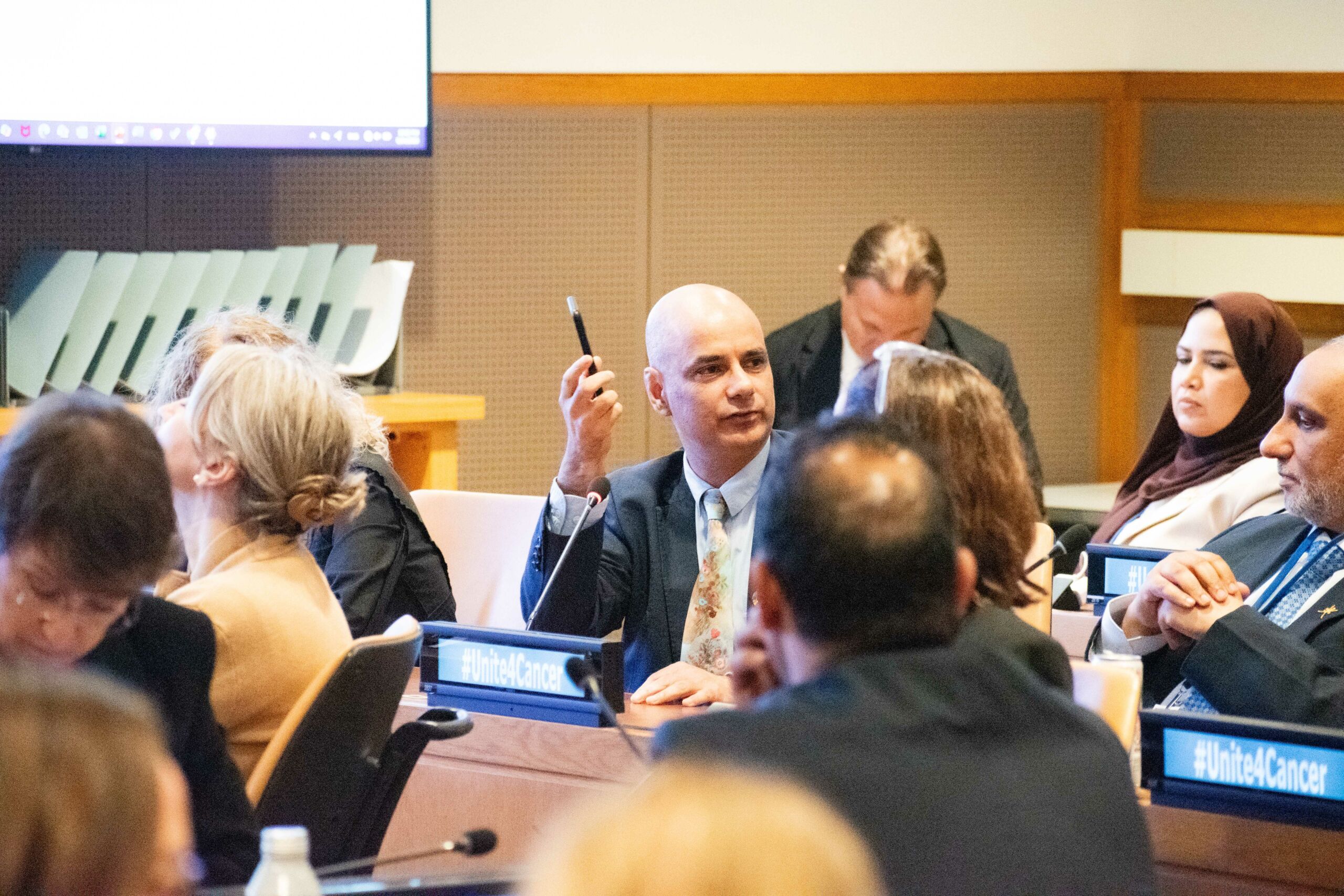
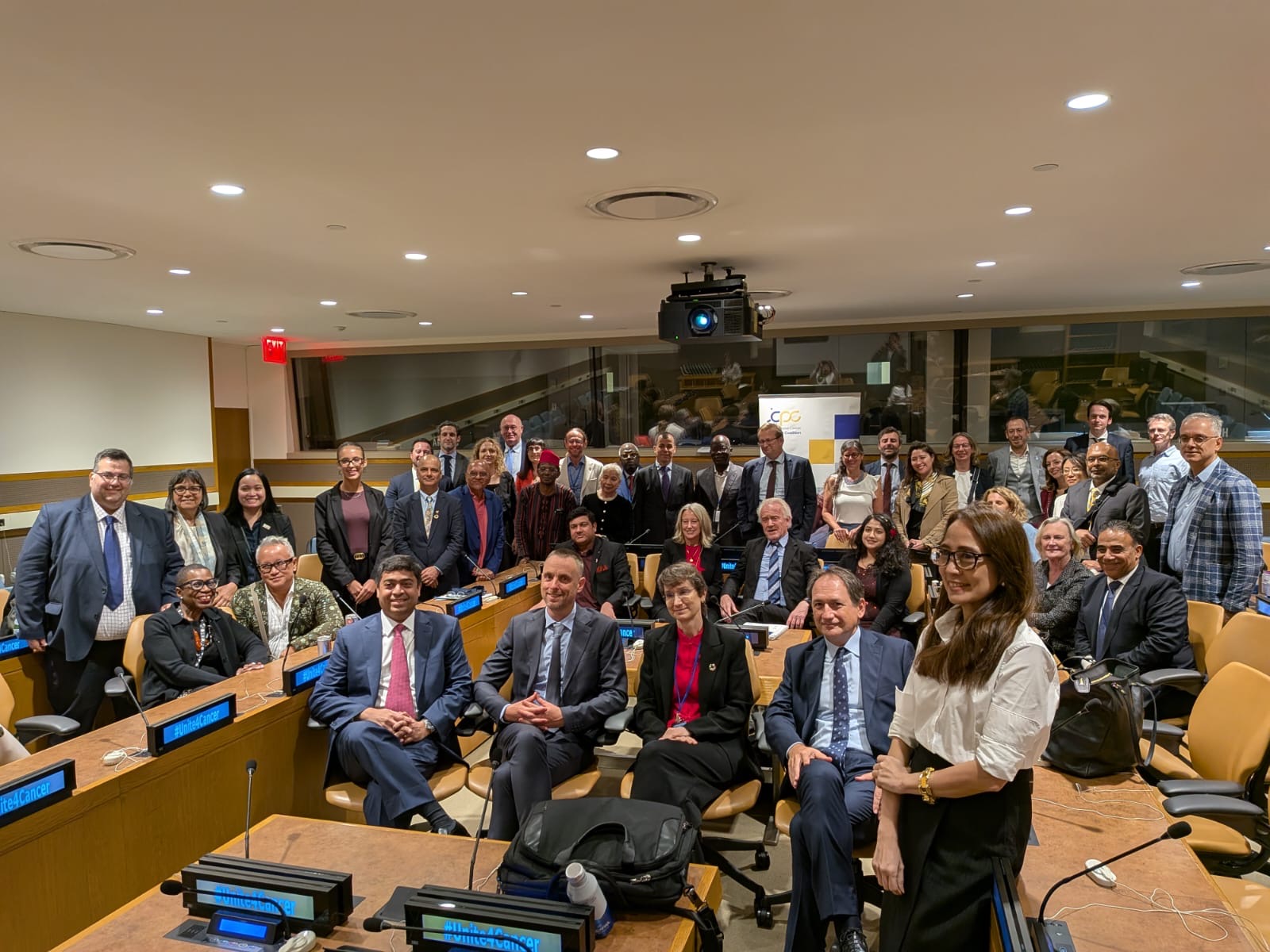
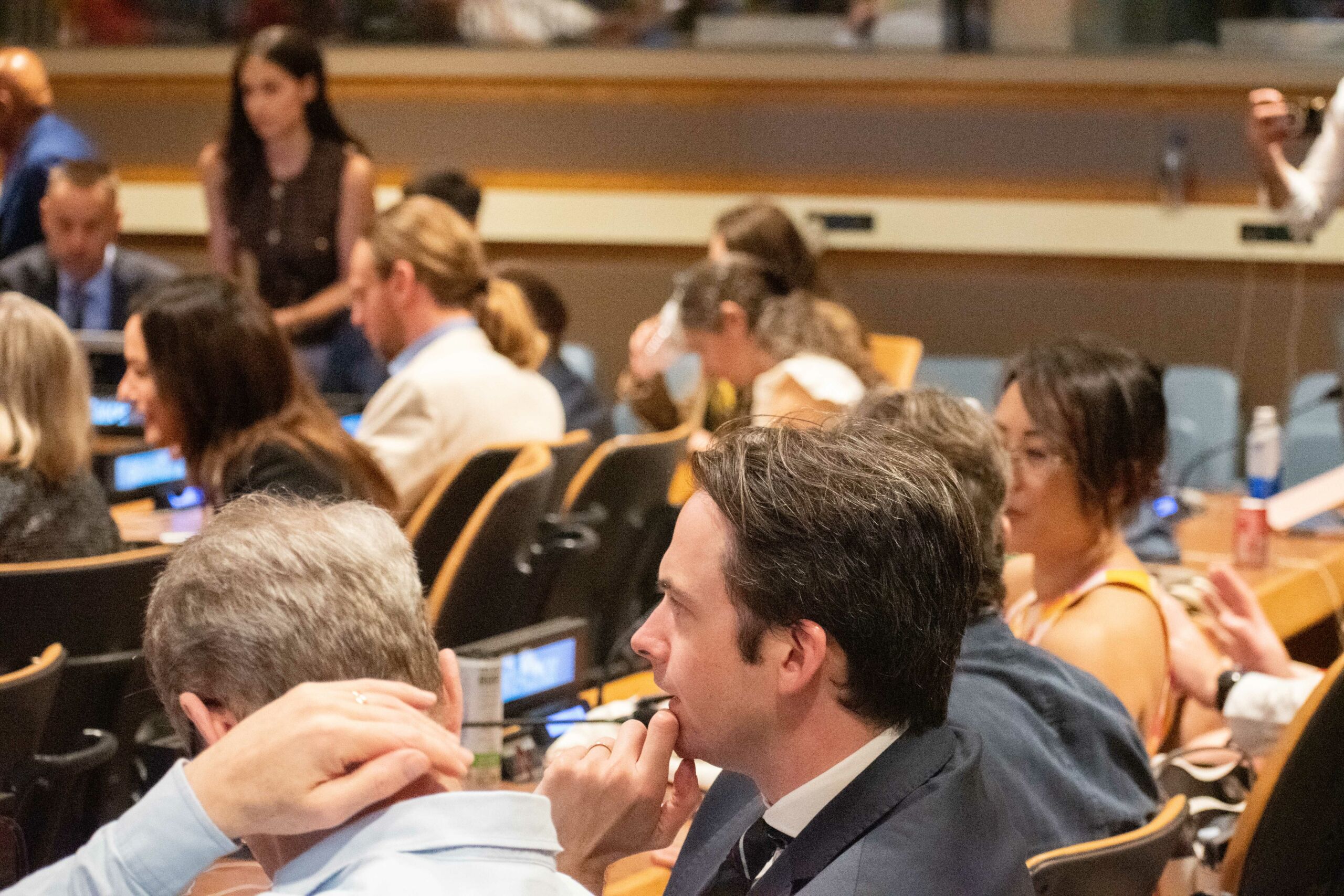
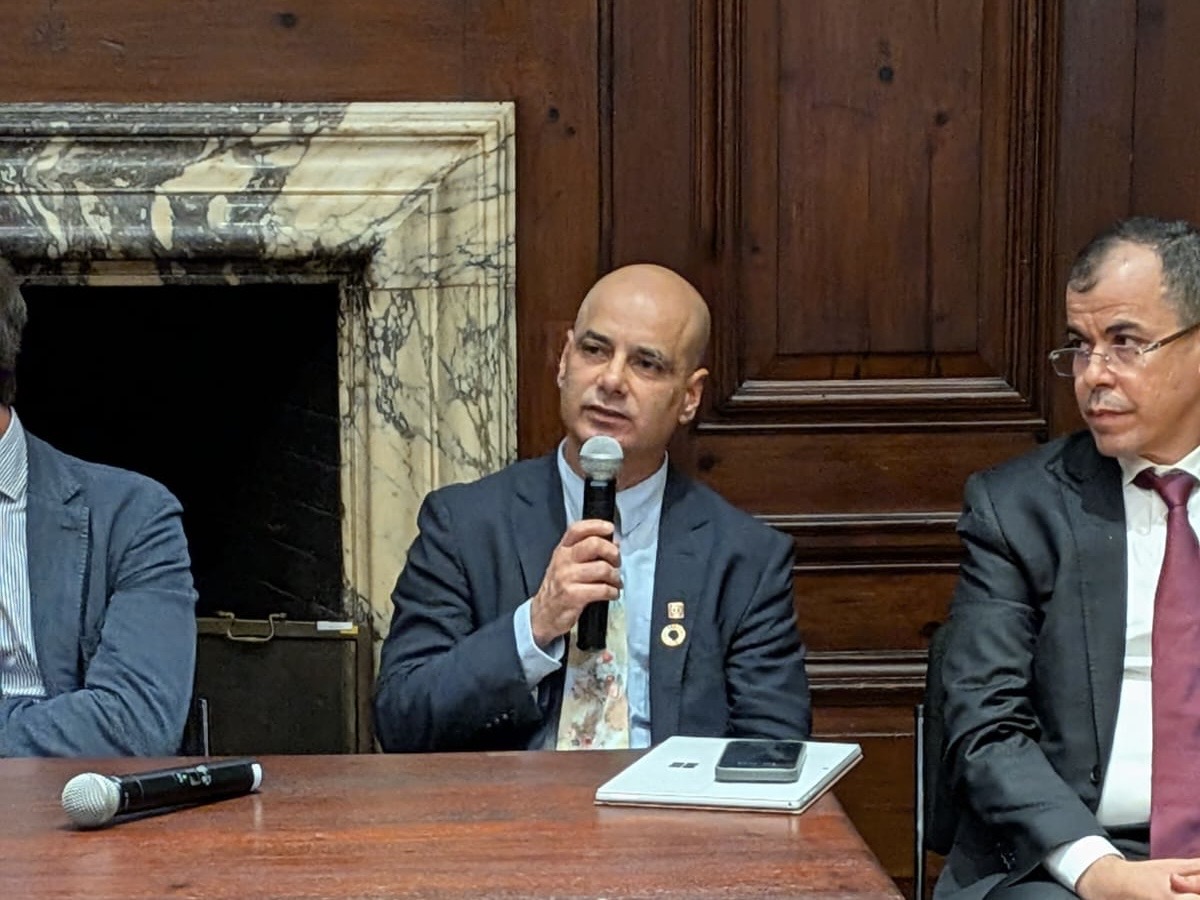
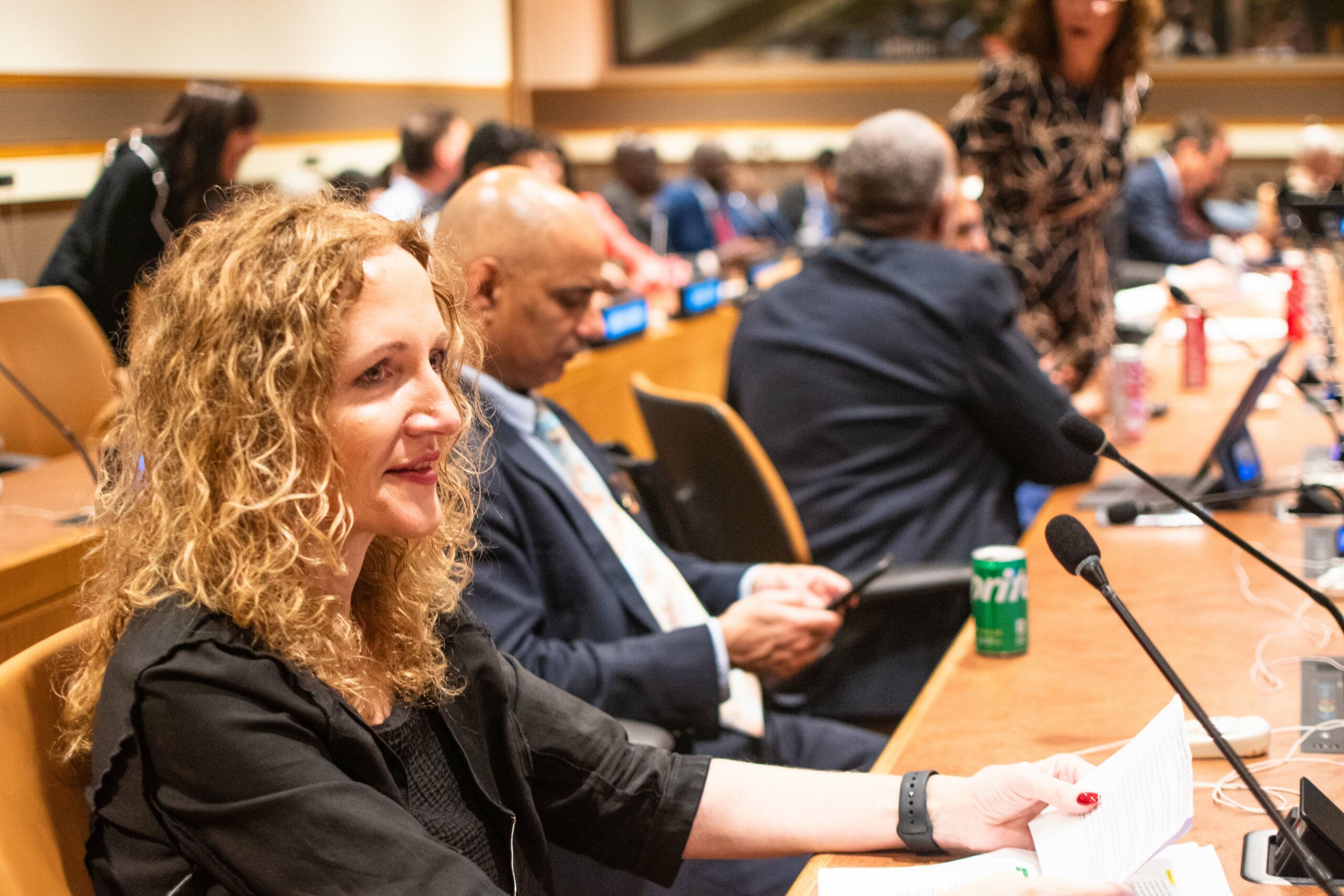
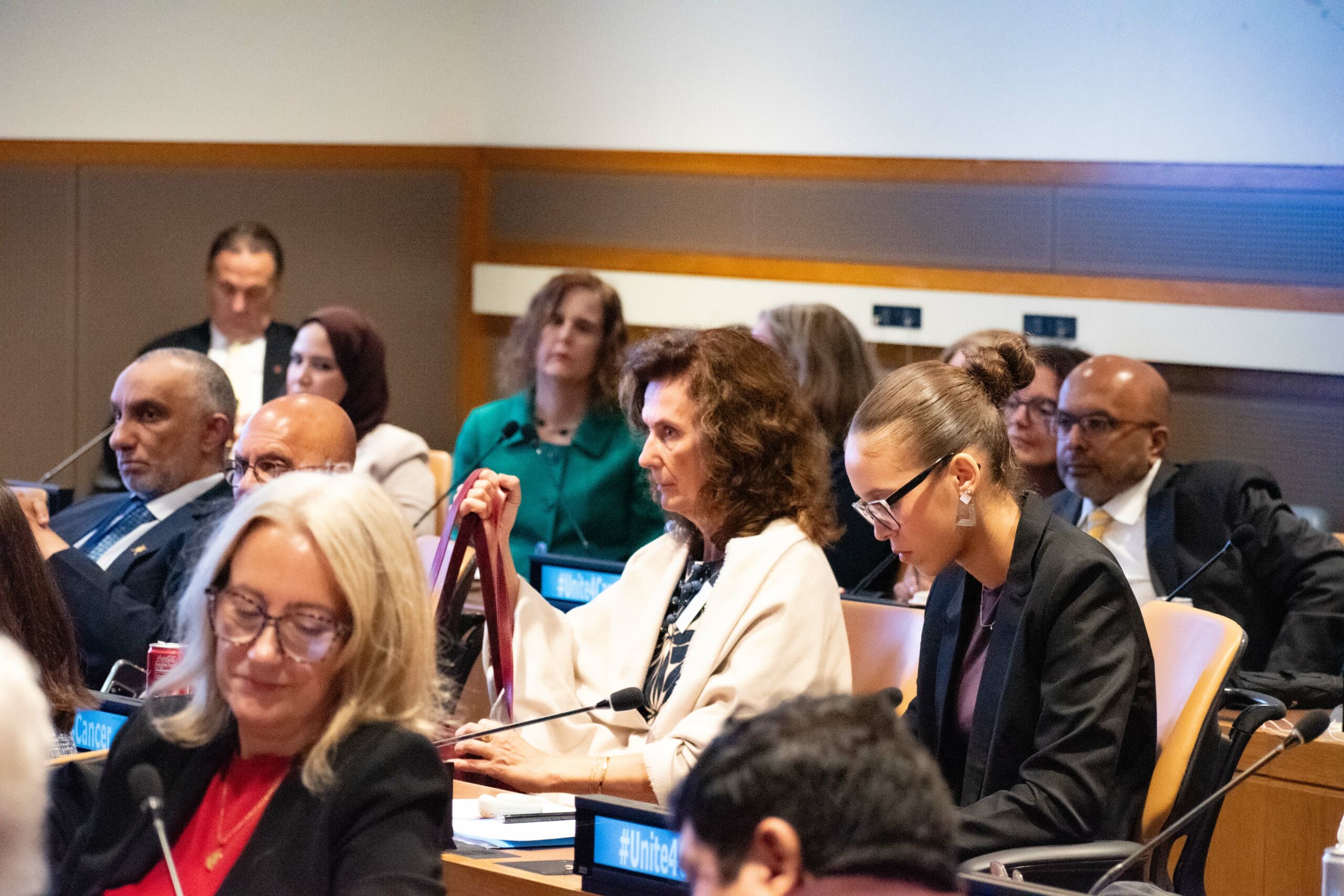
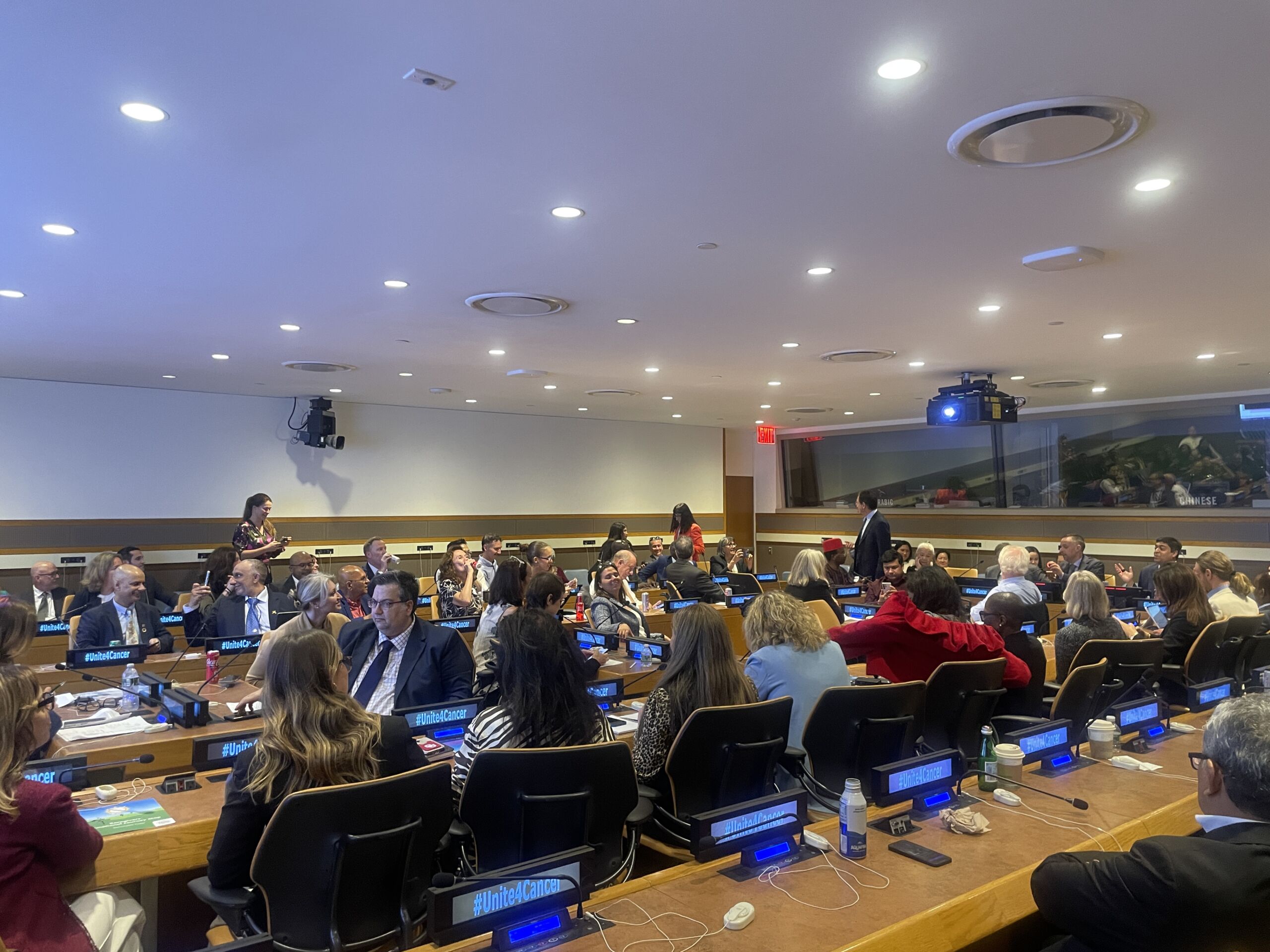
Click to display in HD.
Brain Days: 25–26 September 2025
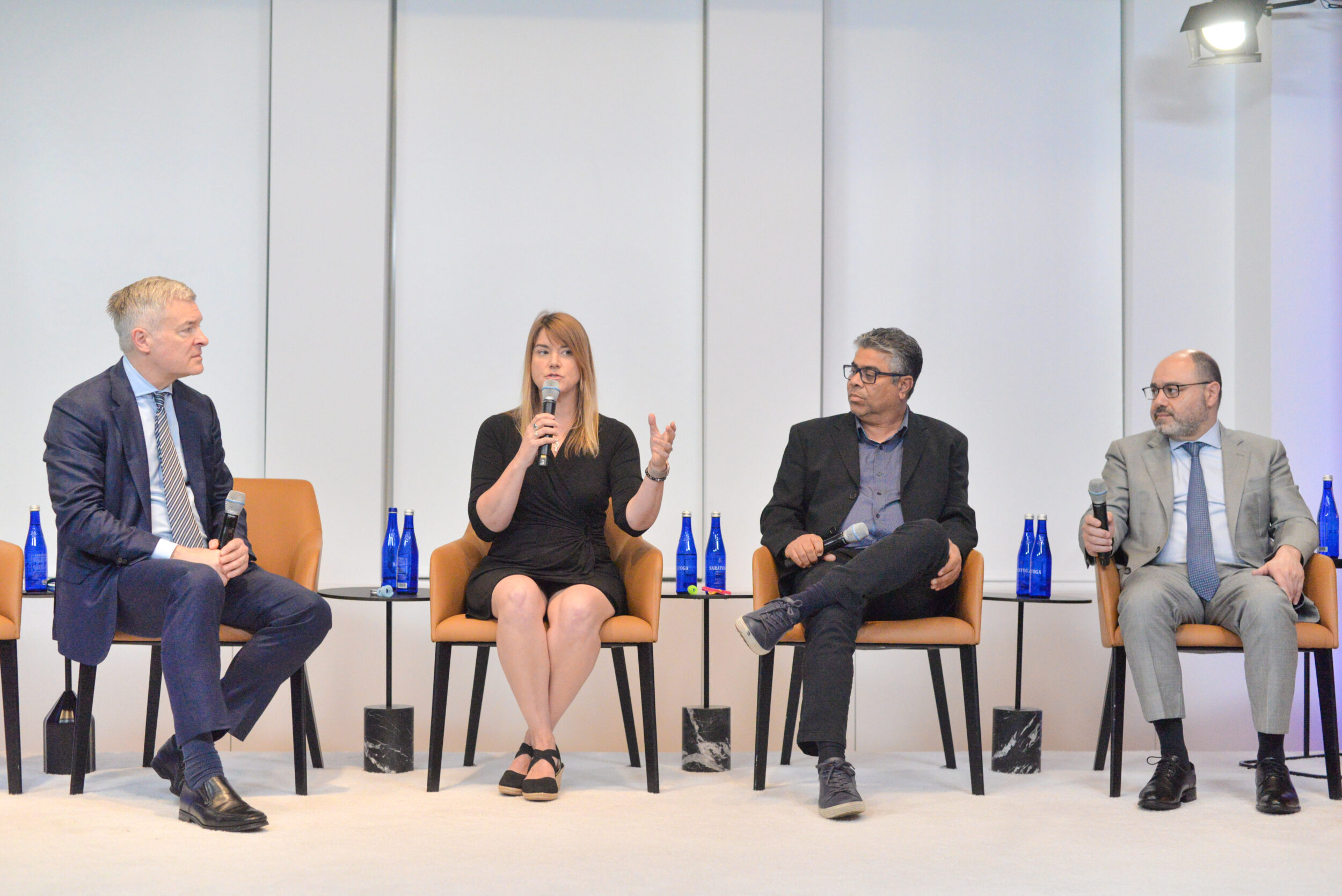
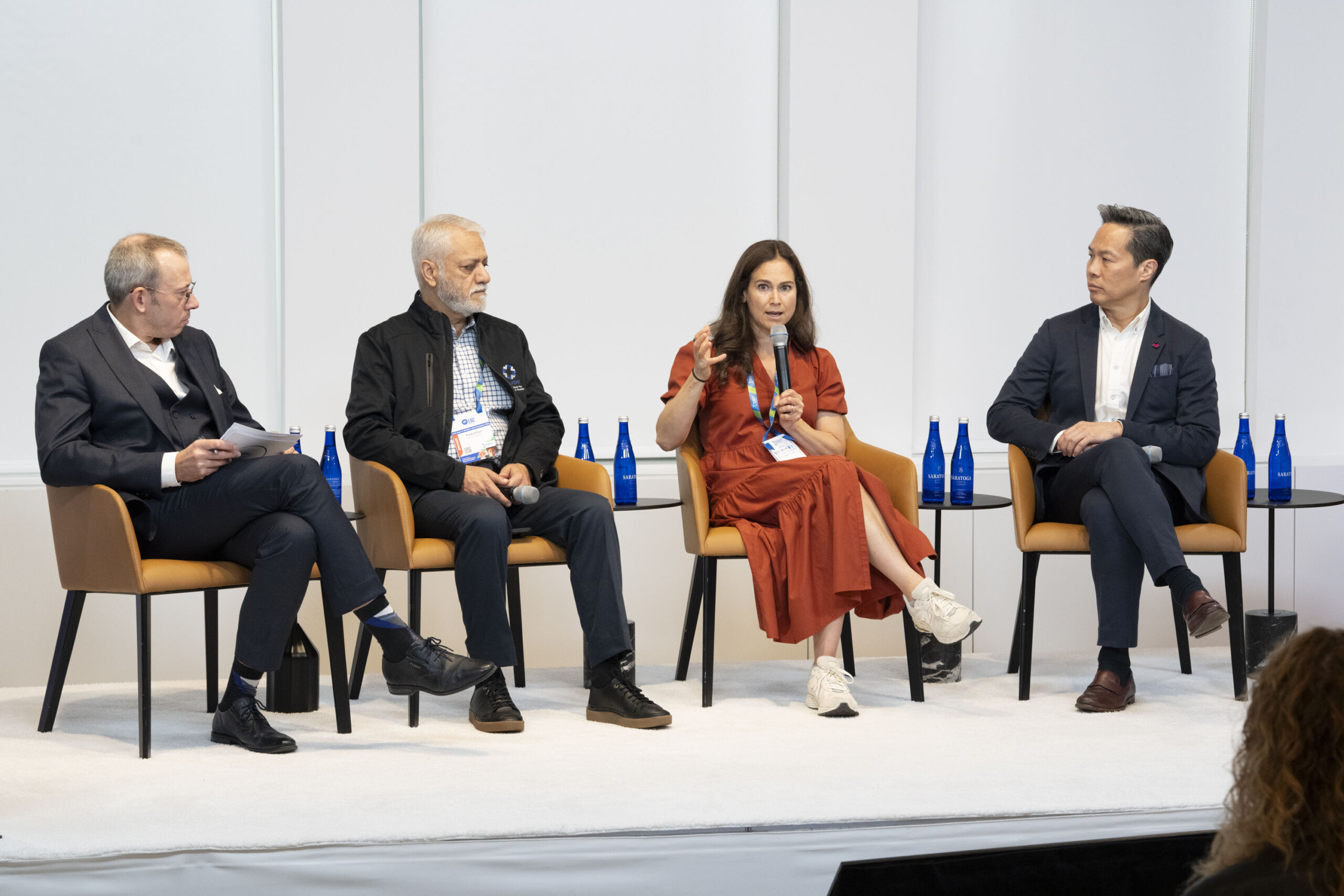
The main two-day programme at Cure. was structured around four thematic pillars that guided panel discussions, fireside chats, presentations, workshops and vivid audience discussions hosted by EBC and this year’s collaborating partners.
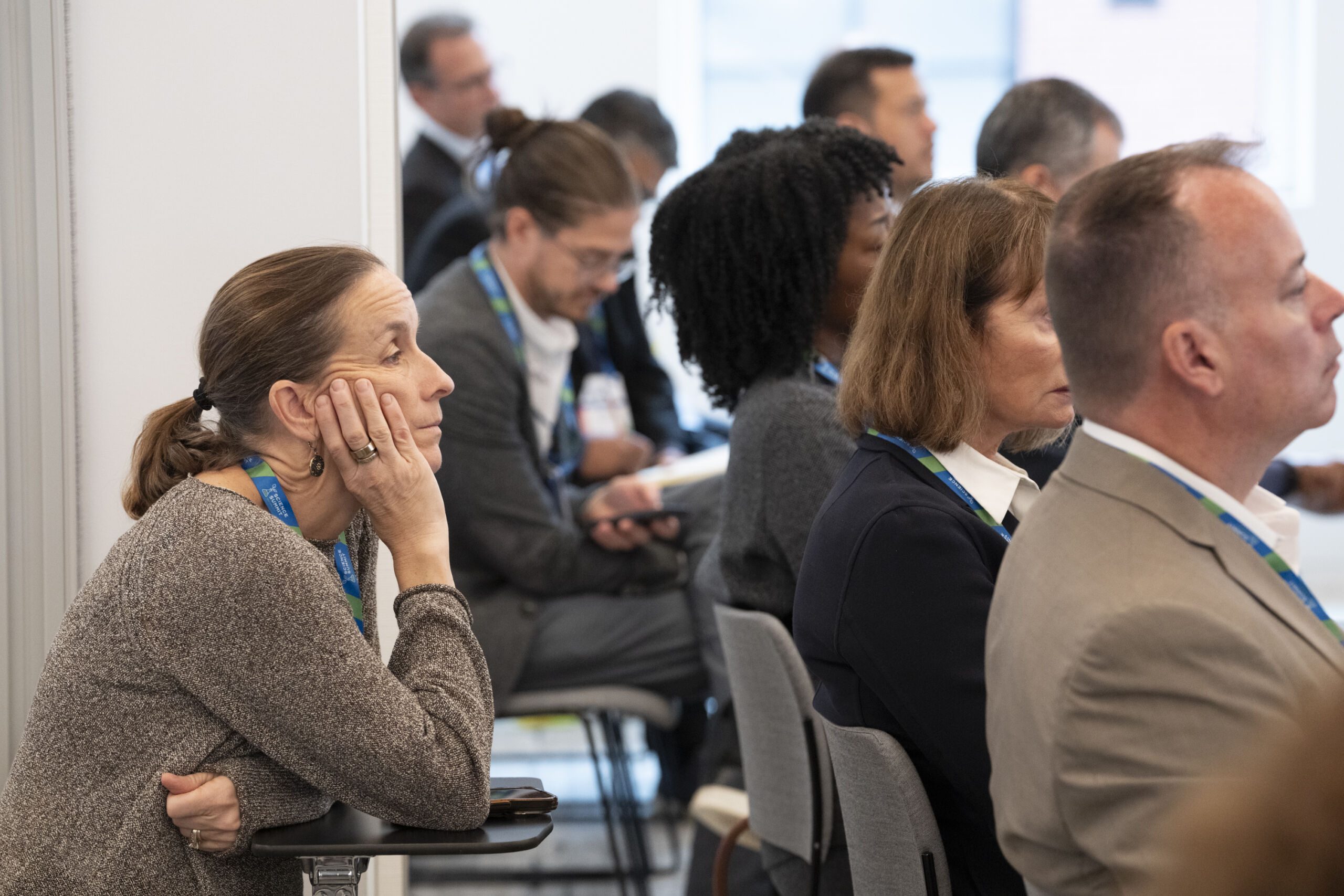
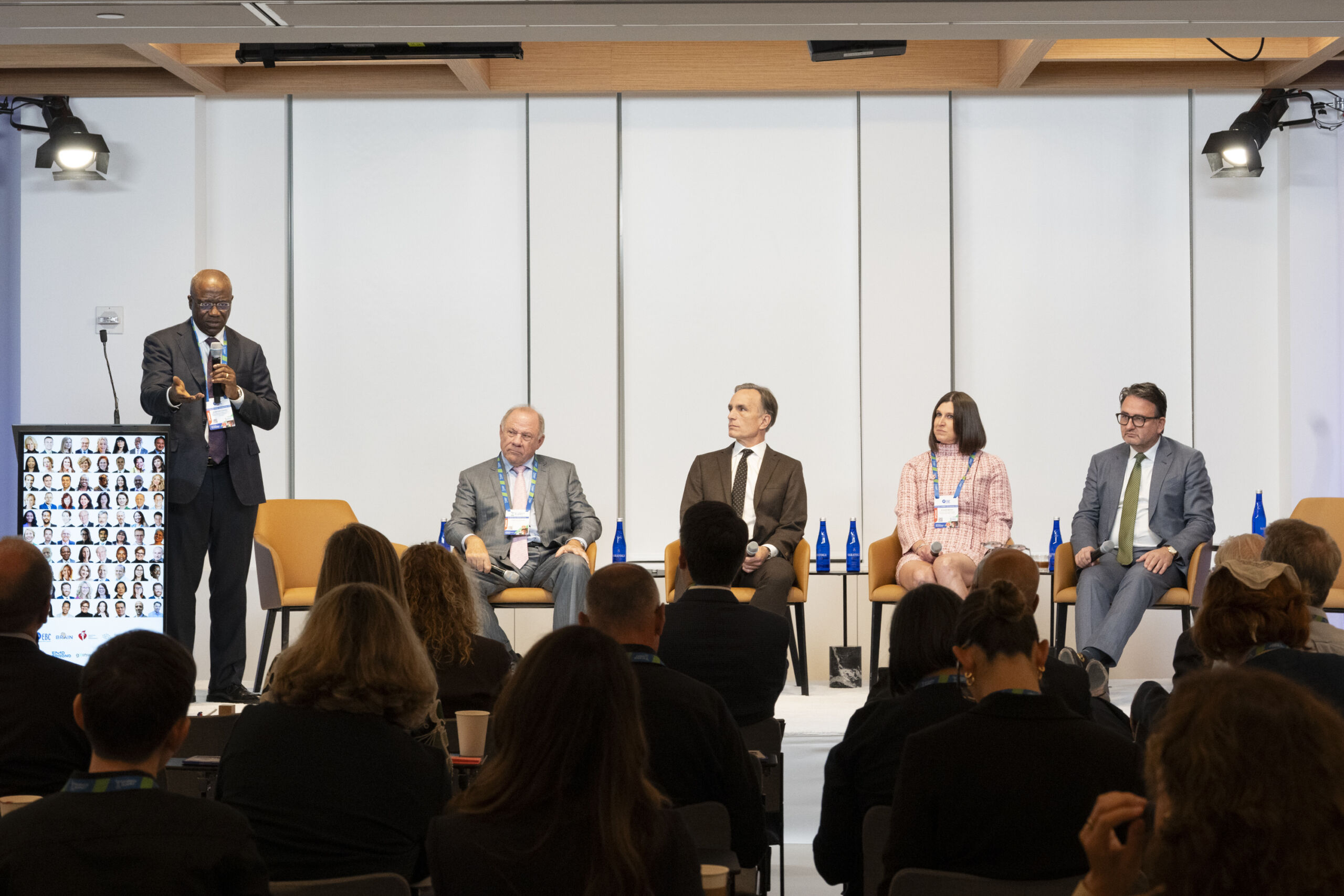
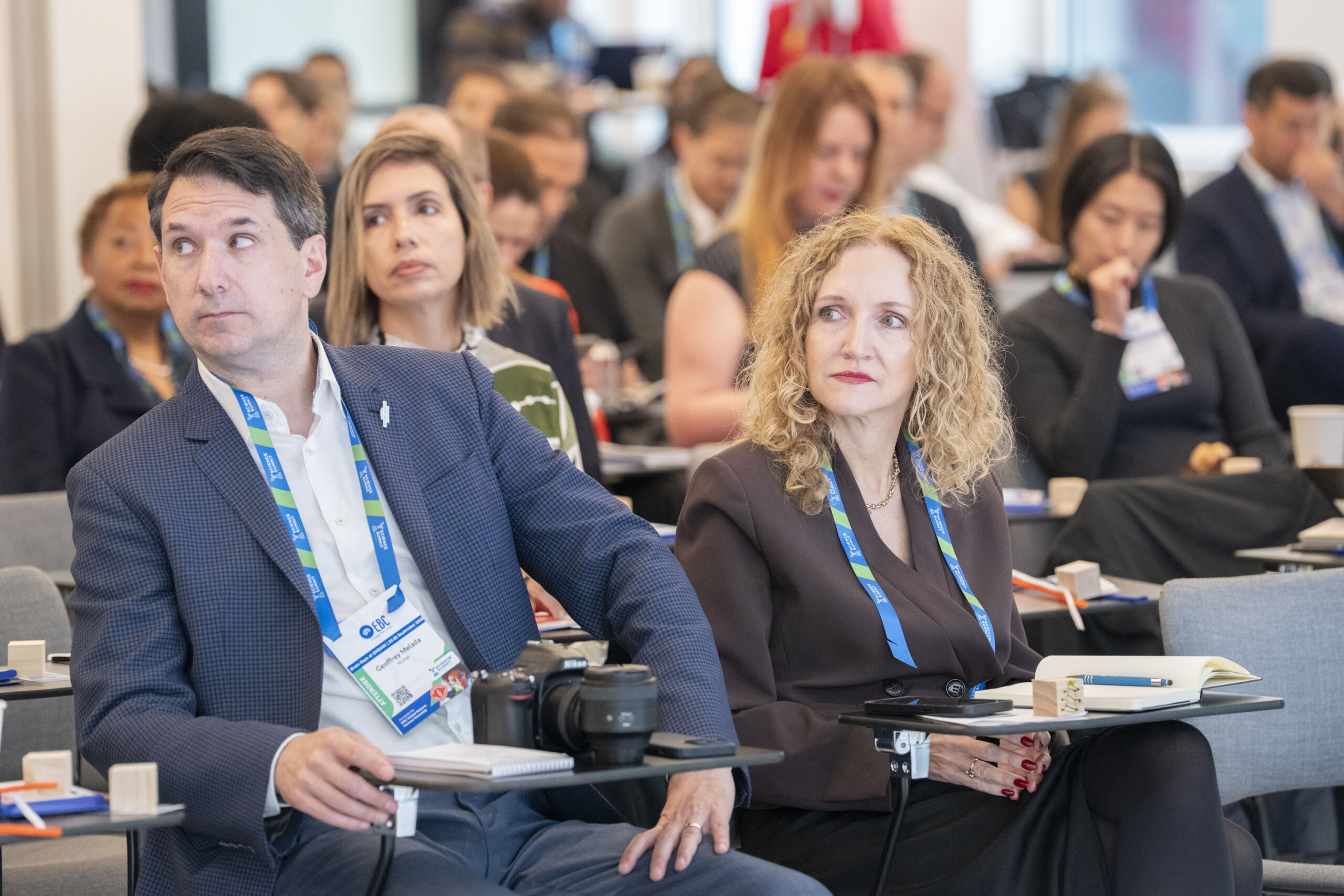
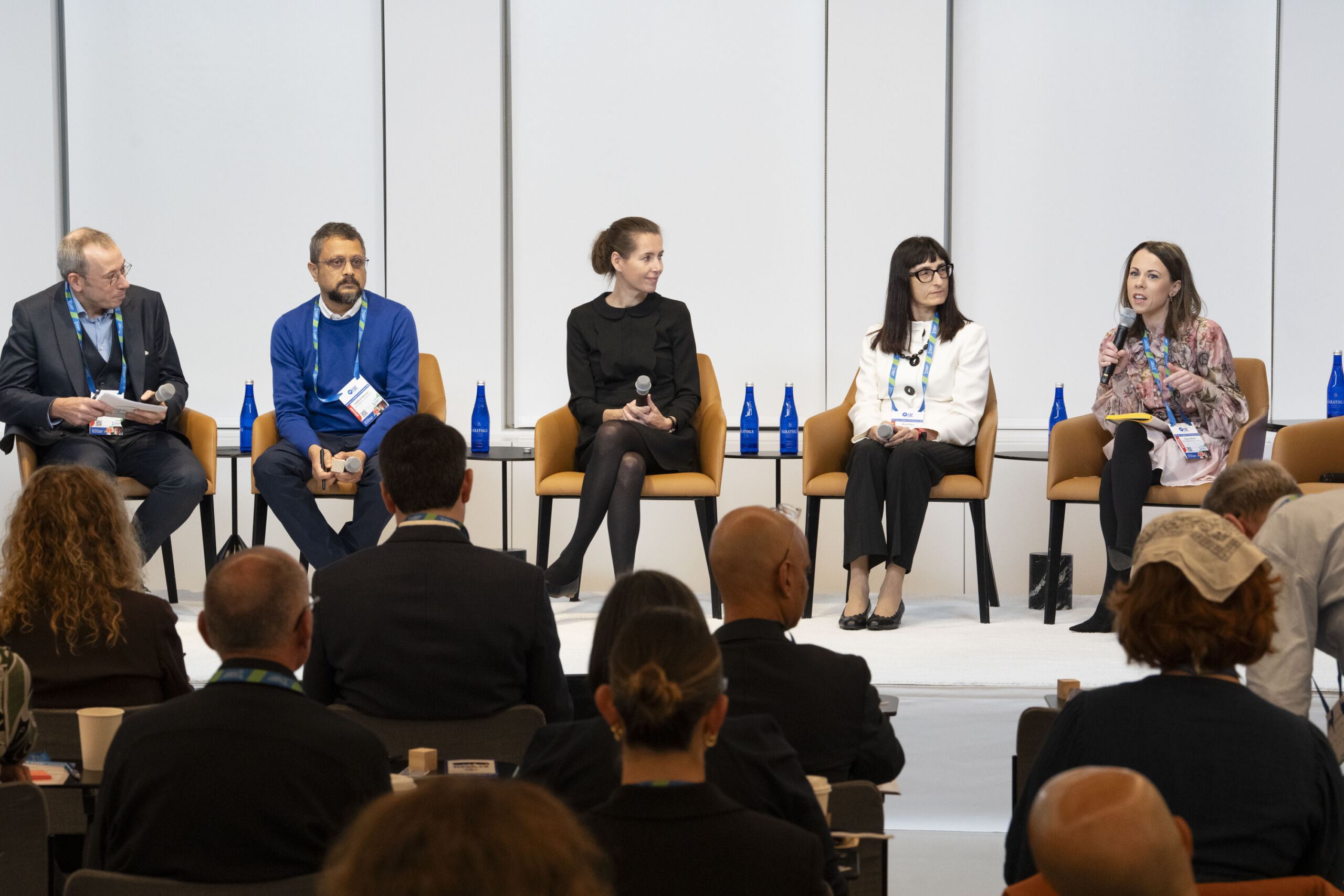
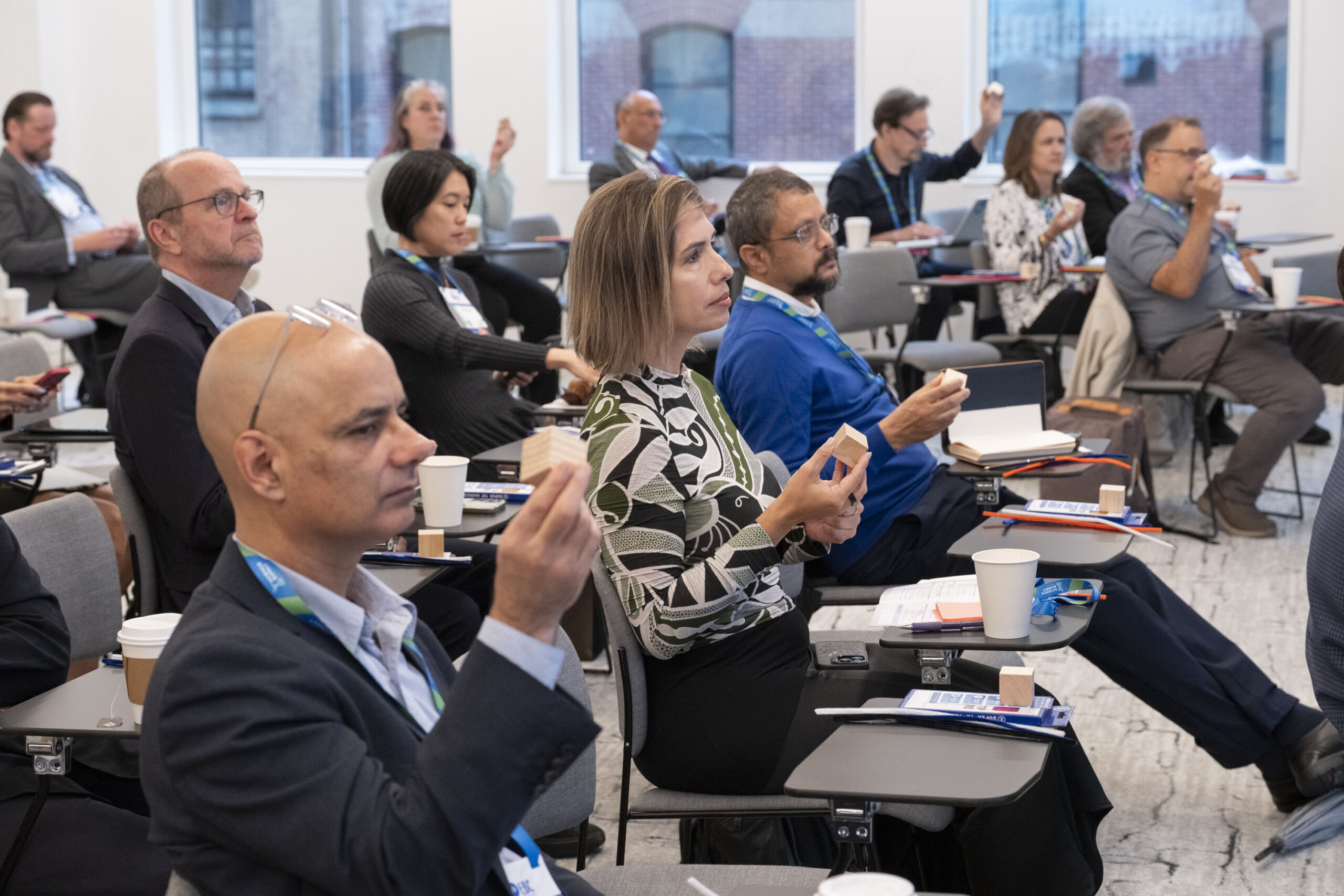
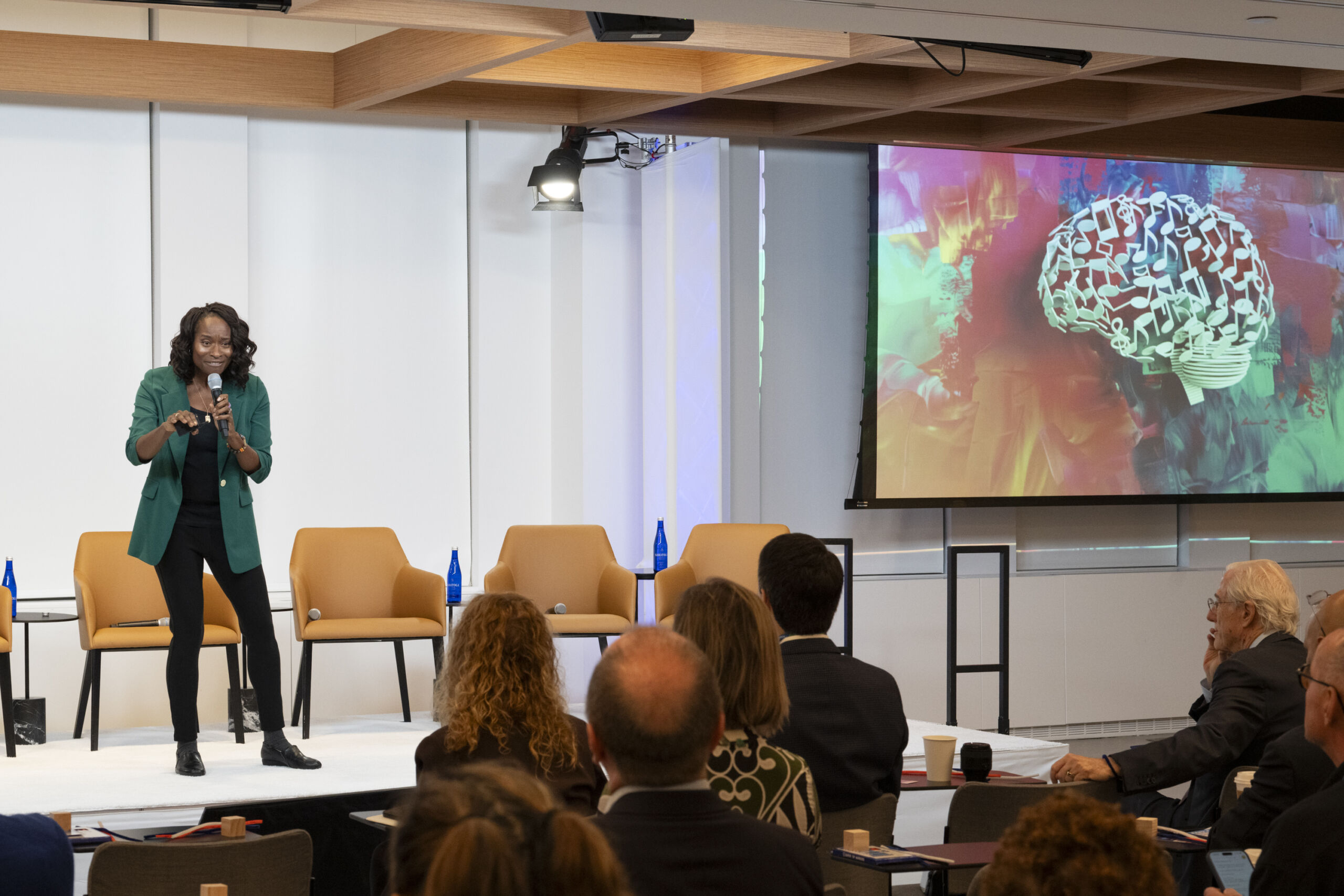
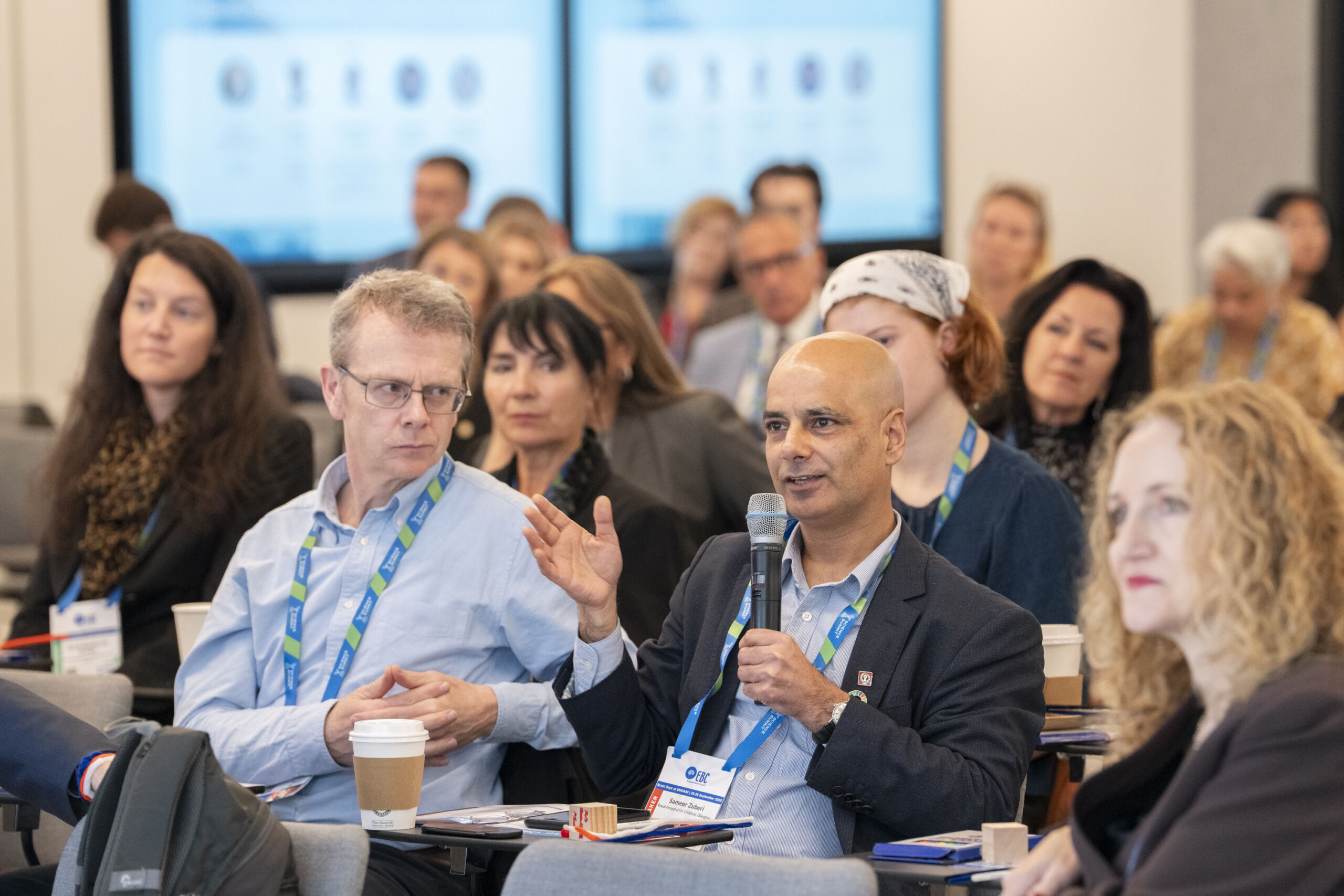
Click to display in HD. ©️ Jasmina Tomic
Pillar I: Brain Health & Research Across Borders
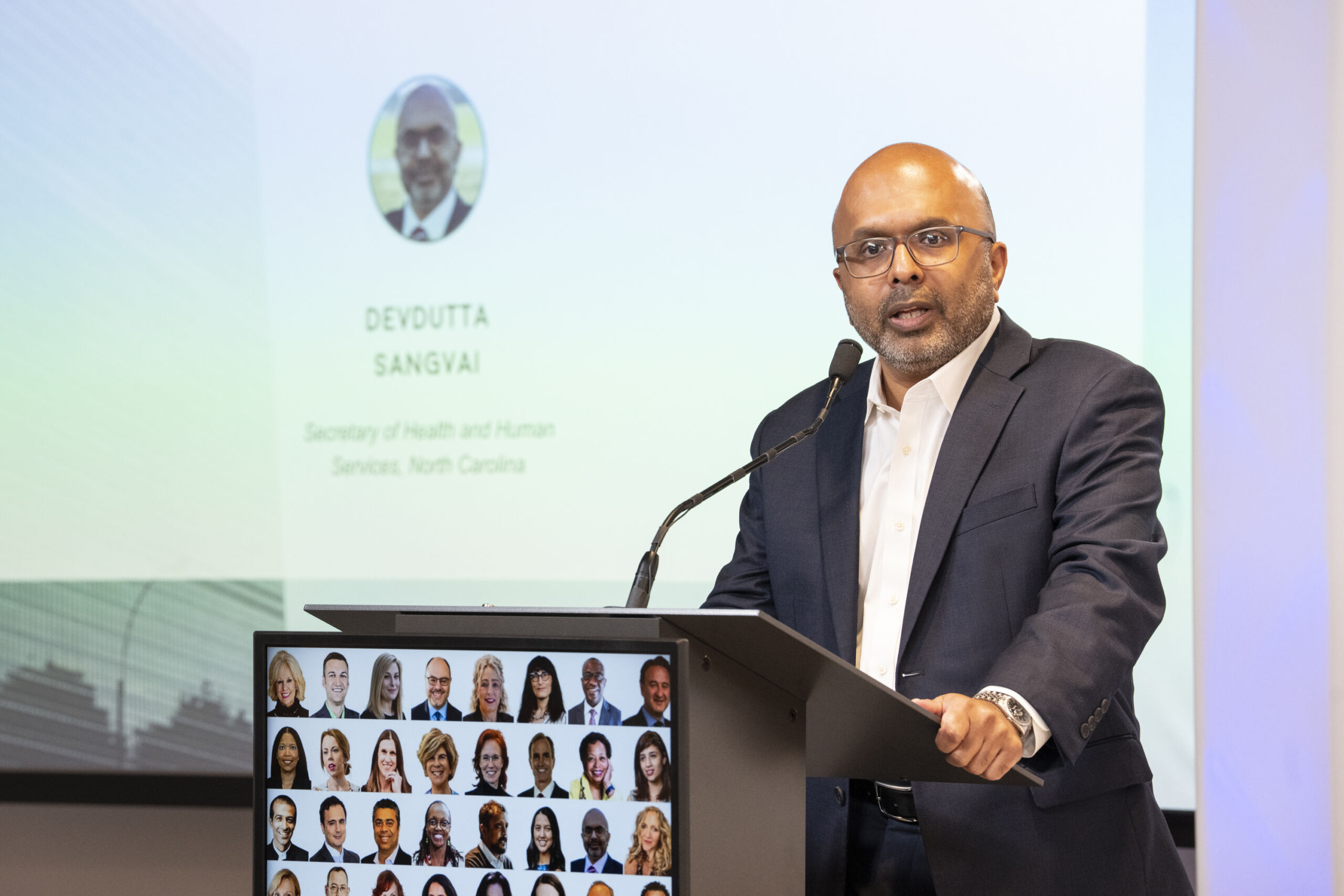
The day began with a Keynote Speech from Devdutta Sangvai, North Carolina’s Secretary of Health and Human Services. Sessions highlighted the state of global brain health, the concept of brain capital as a driver of resilience and innovation, and the importance of engaging the wider brain community to deliver tangible outcomes on brain health. Panels explored cross-border collaboration, the economic framing of brain health, and the role of business in building a sustainable “brain economy”, led bythe Brain Capital Alliance, Davos Alzheimer’s Collaborative, Meadows Mental Health Policy Institute and UsAgainstAlzheimer’s.
Pillar II: Brain Health & Research Across Society
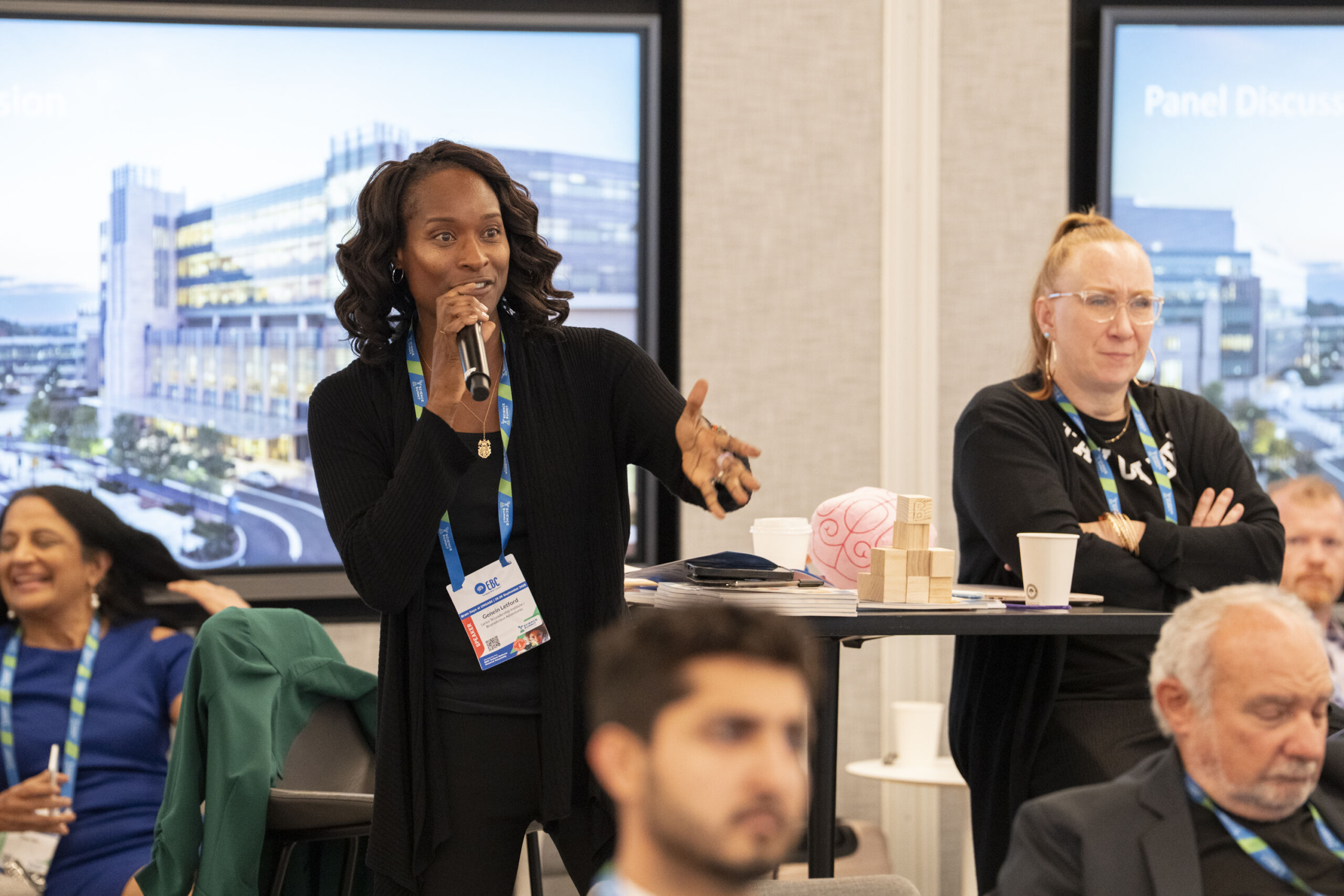
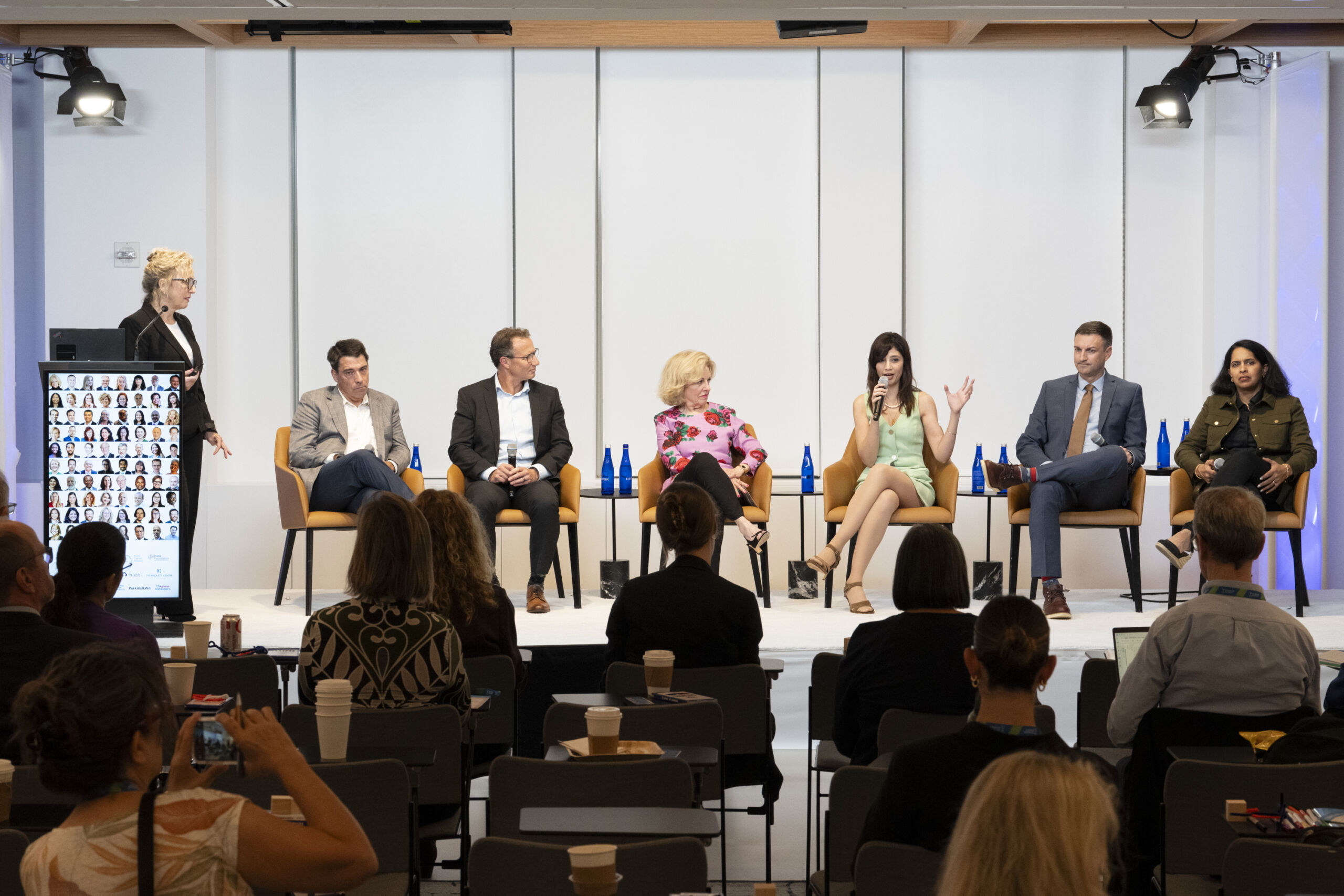
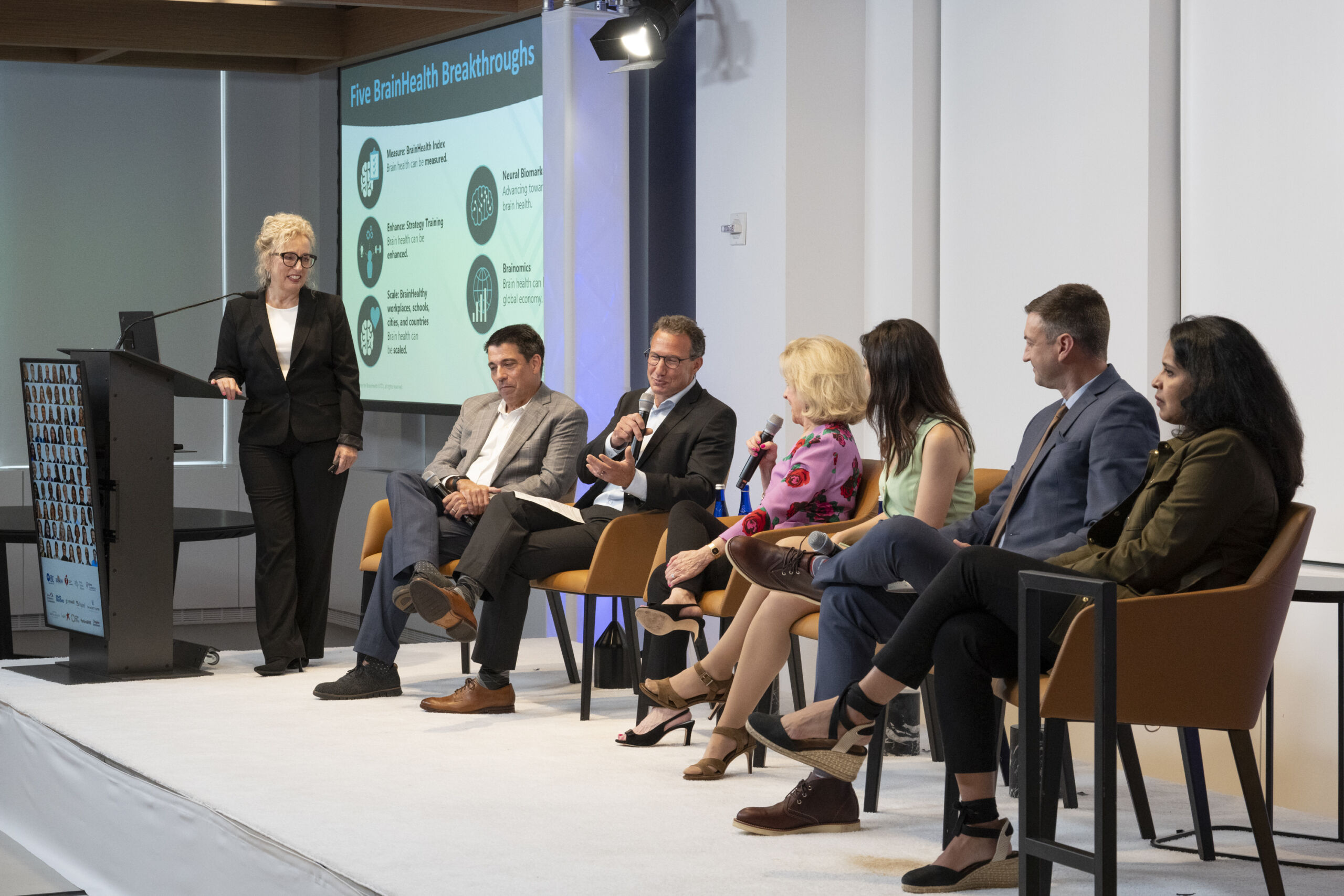
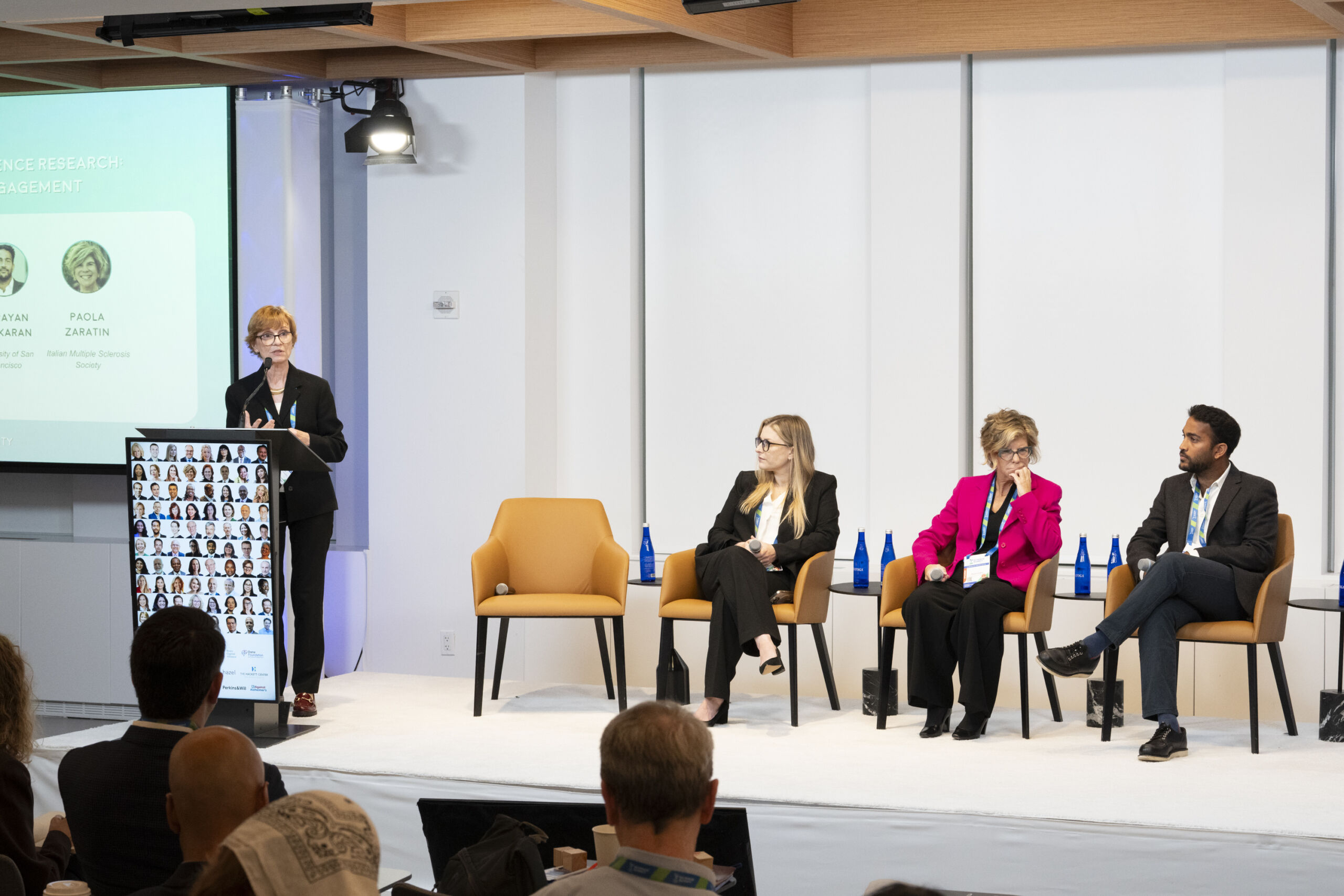
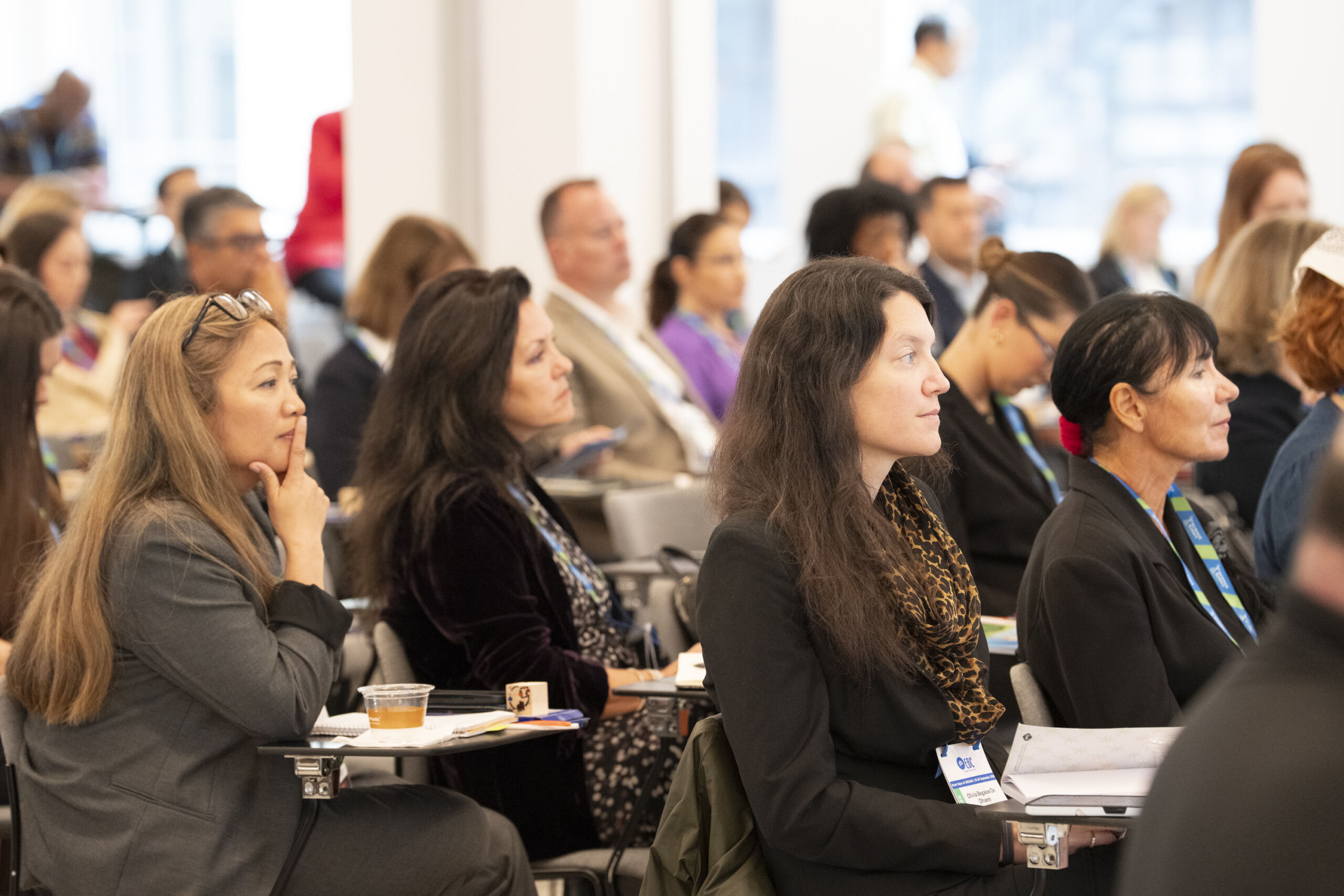
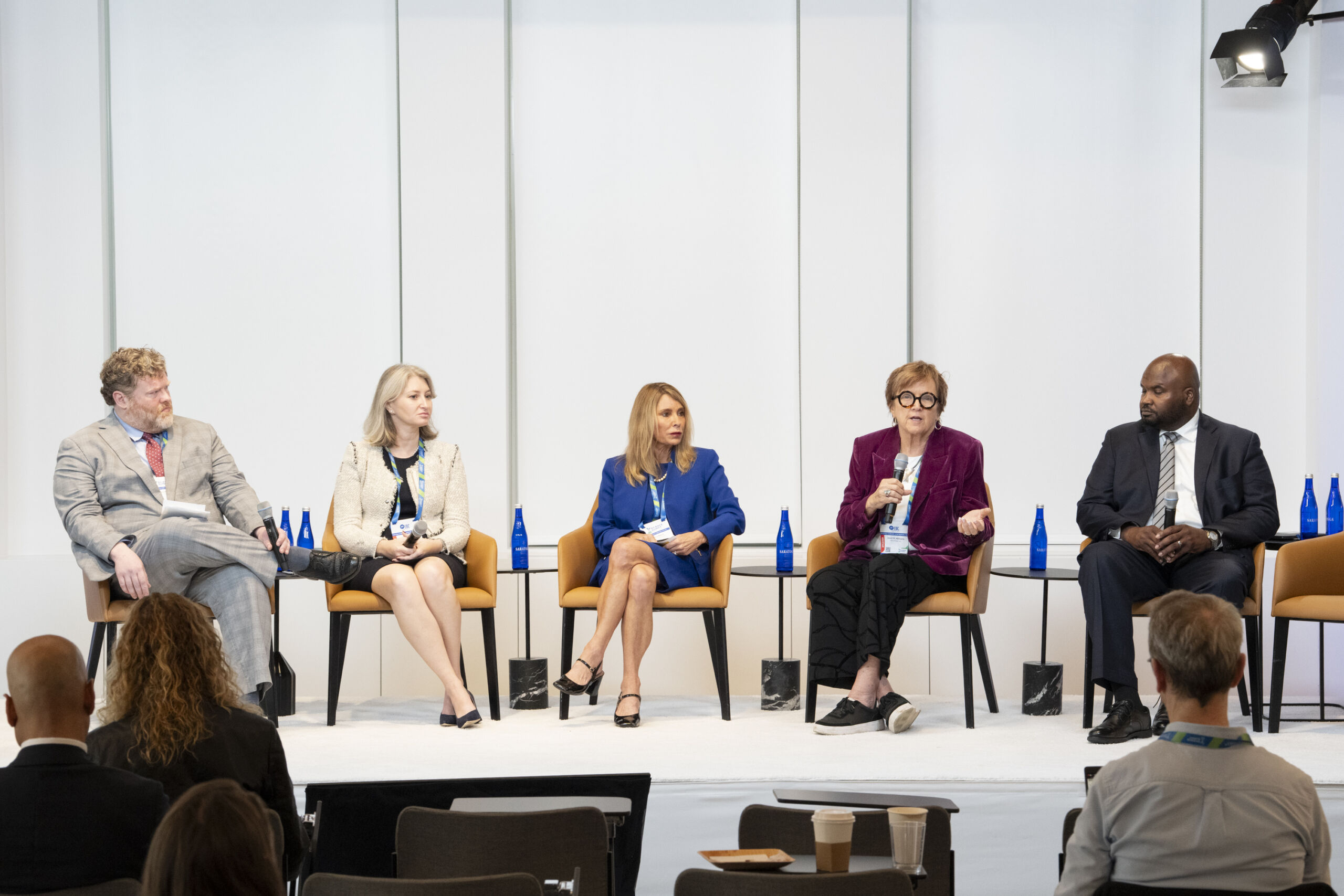
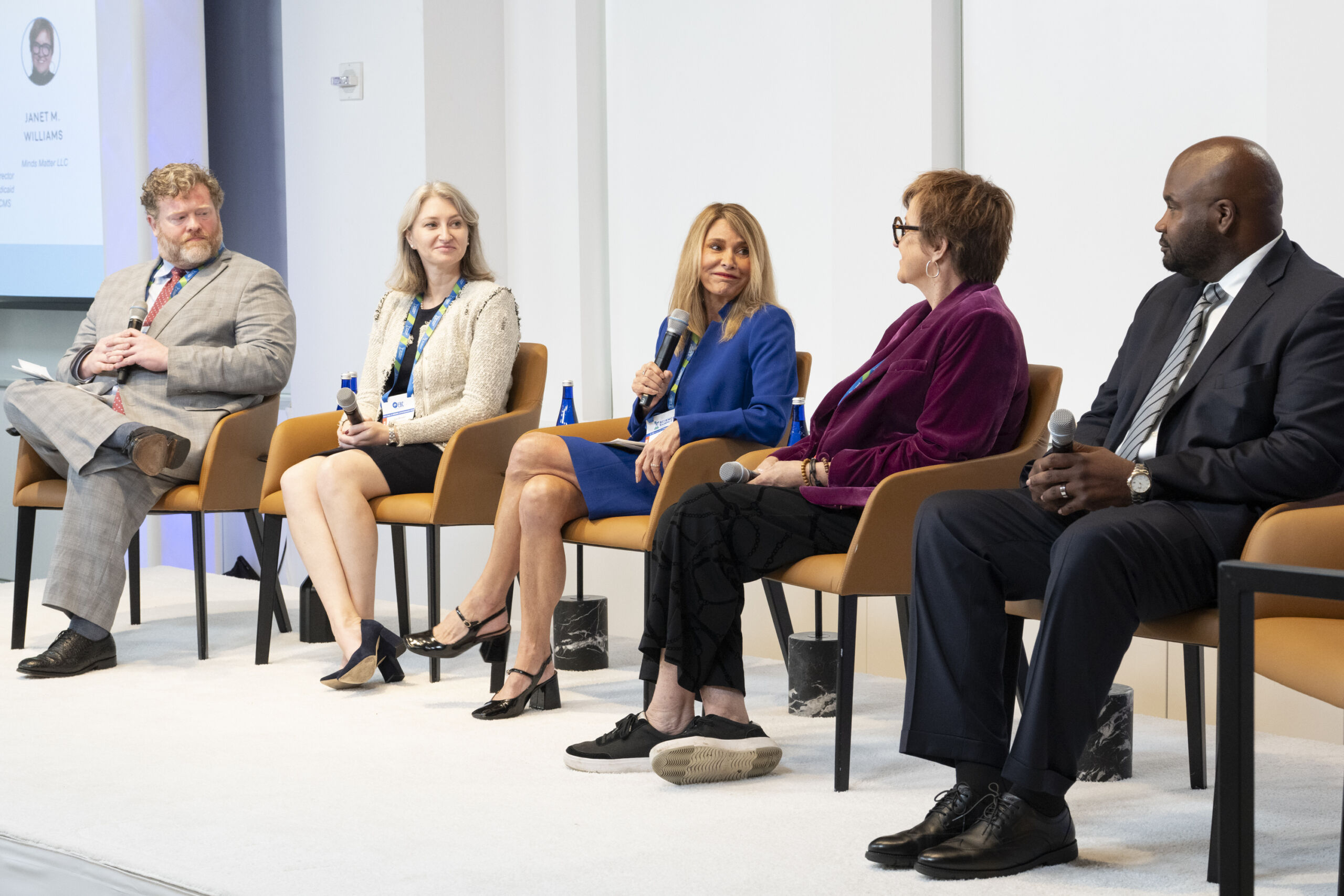
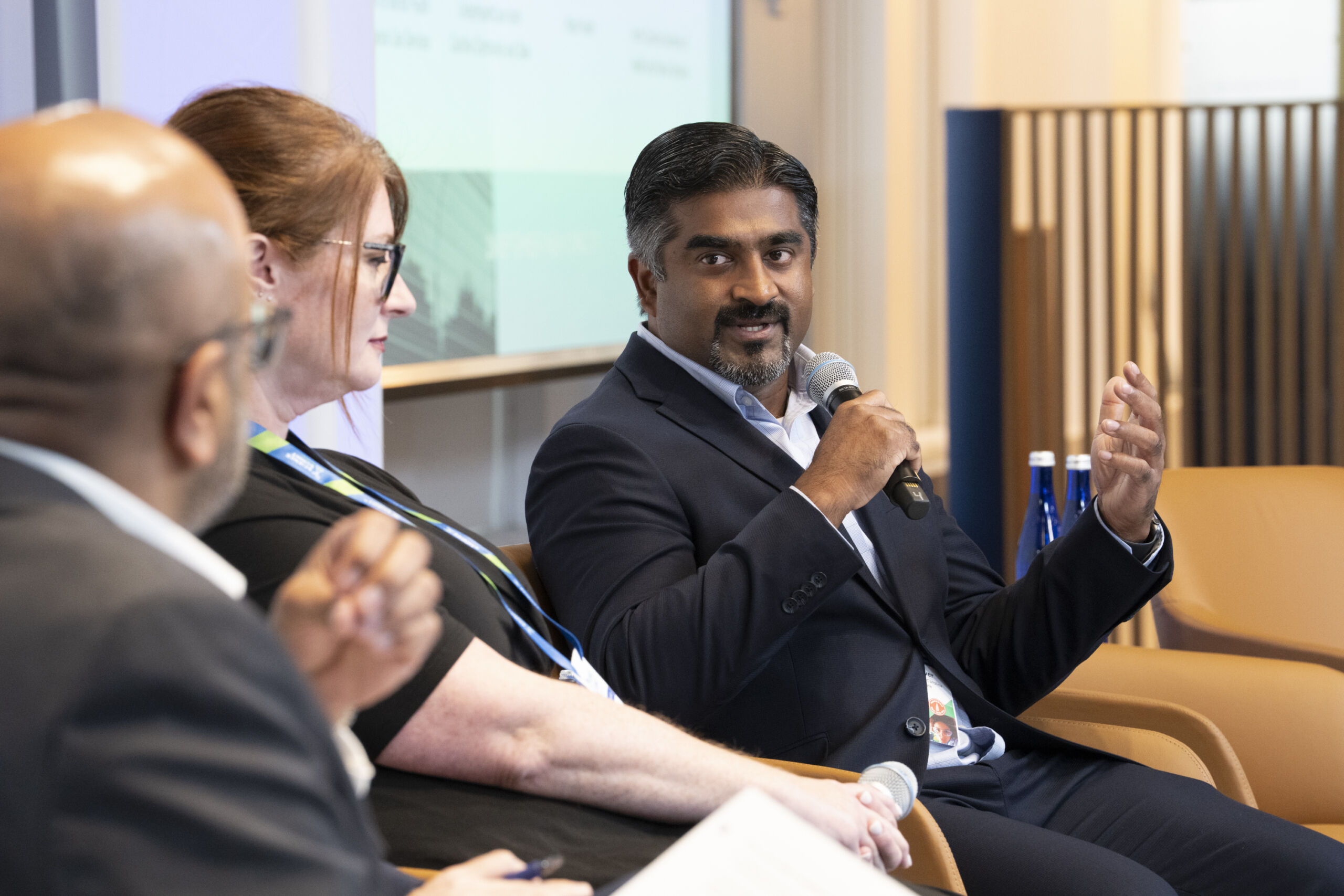
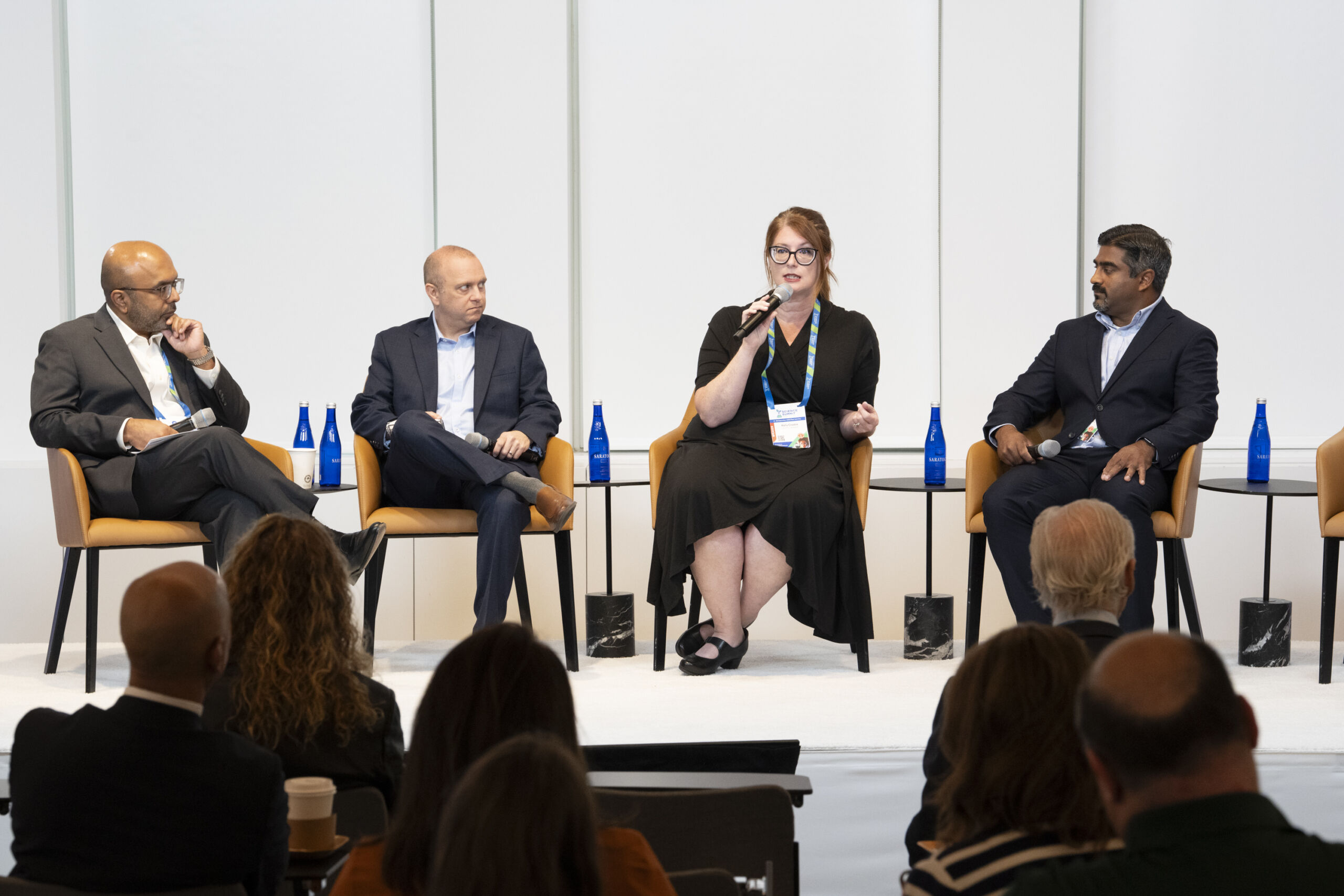
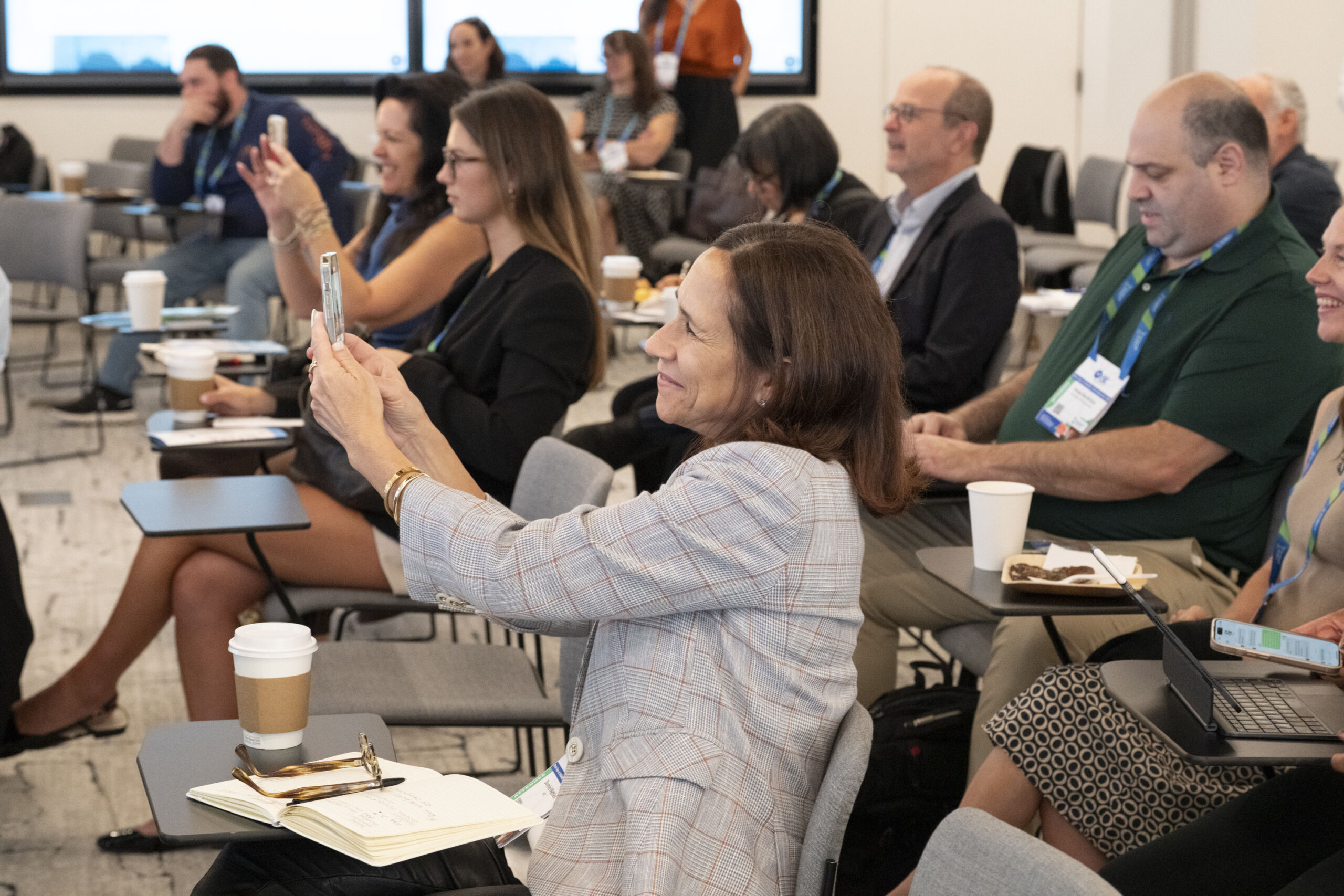
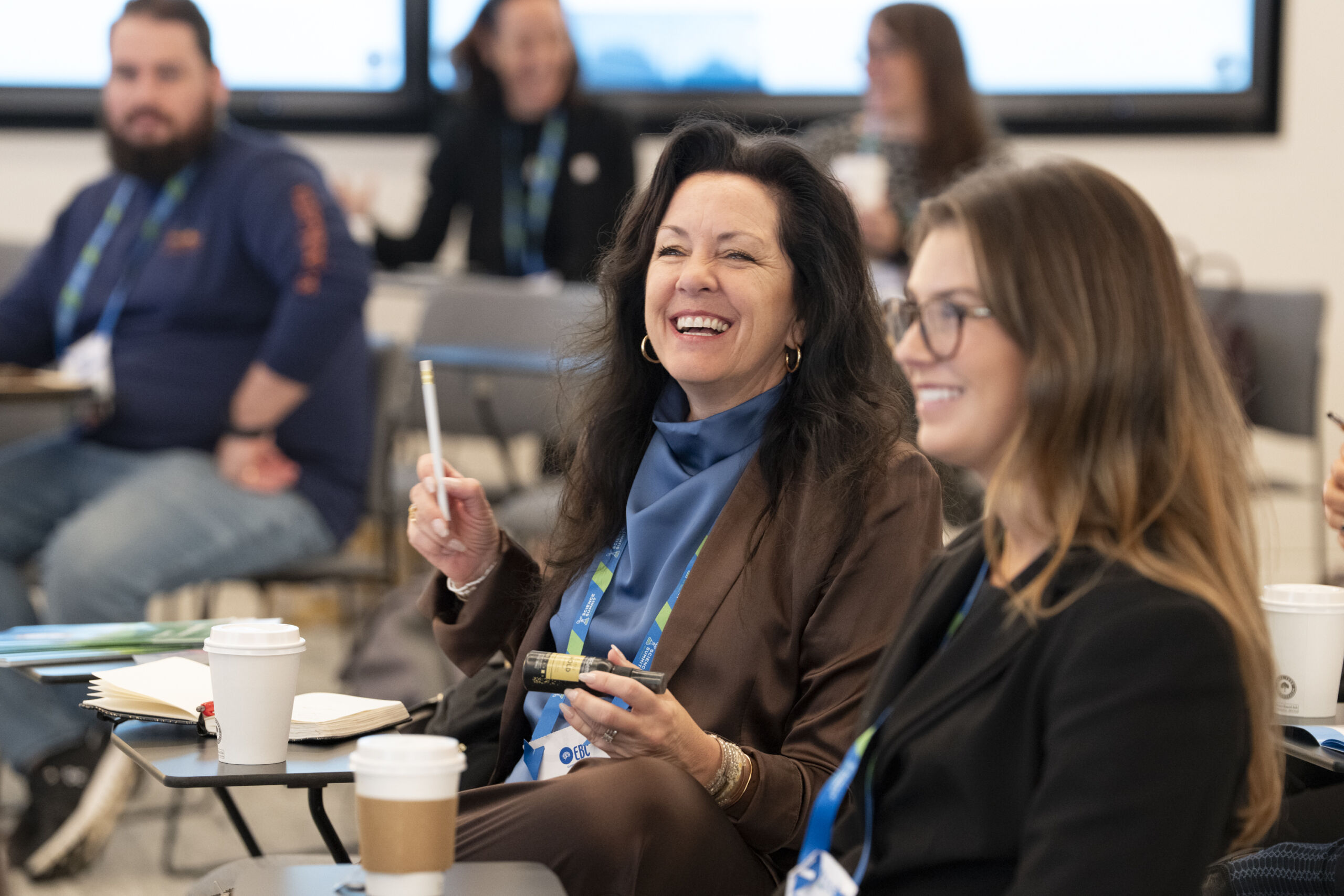
The second pillar showcased how brain health cuts across education, communities and workplaces. Discussions addressed neuroscience and society (Lundbeck), community-partnered research (Dana Foundation) and explored how brain health is quickly emerging as one of the most urgent – and investable – frontiers in healthcare (Meadows Mental Health Policy Institute). Panels emphasized the need to build trust with communities, advanceaccess in rare neurological diseases (EMD Serono), scale bold investment models and integrate brain health into schools (Hazel Health) and the built environment: integrating science, design, and policy (Perkins & Will).
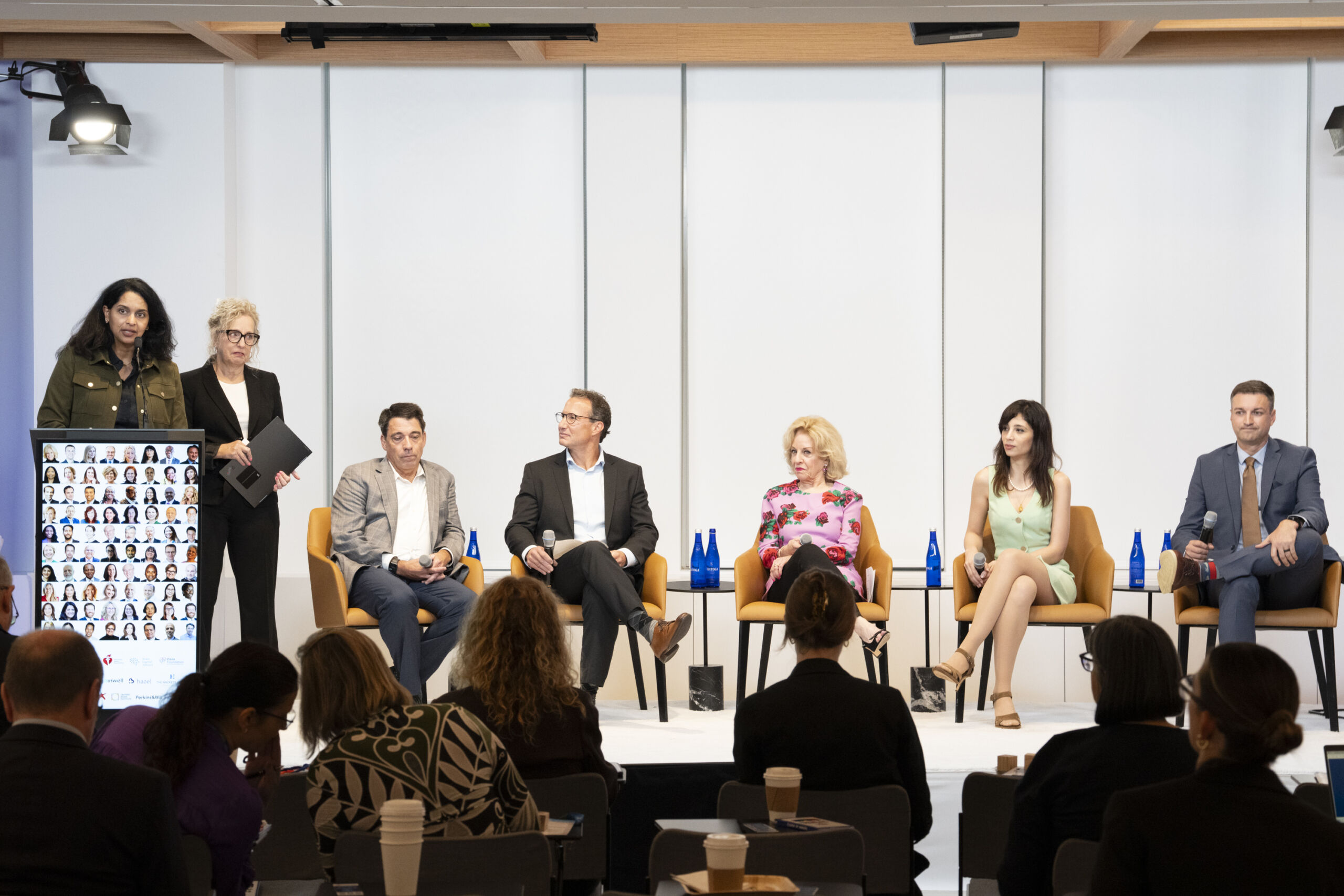
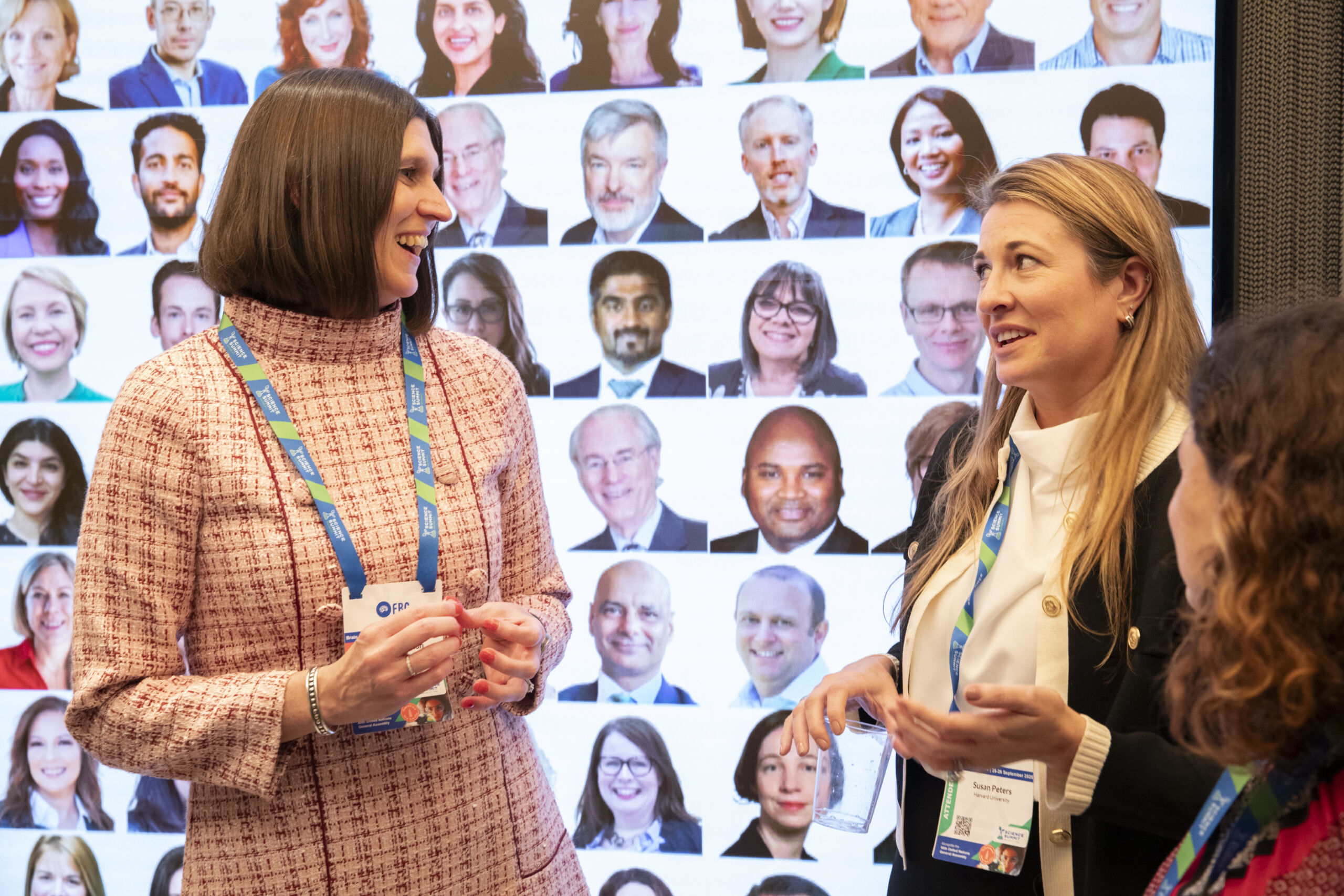
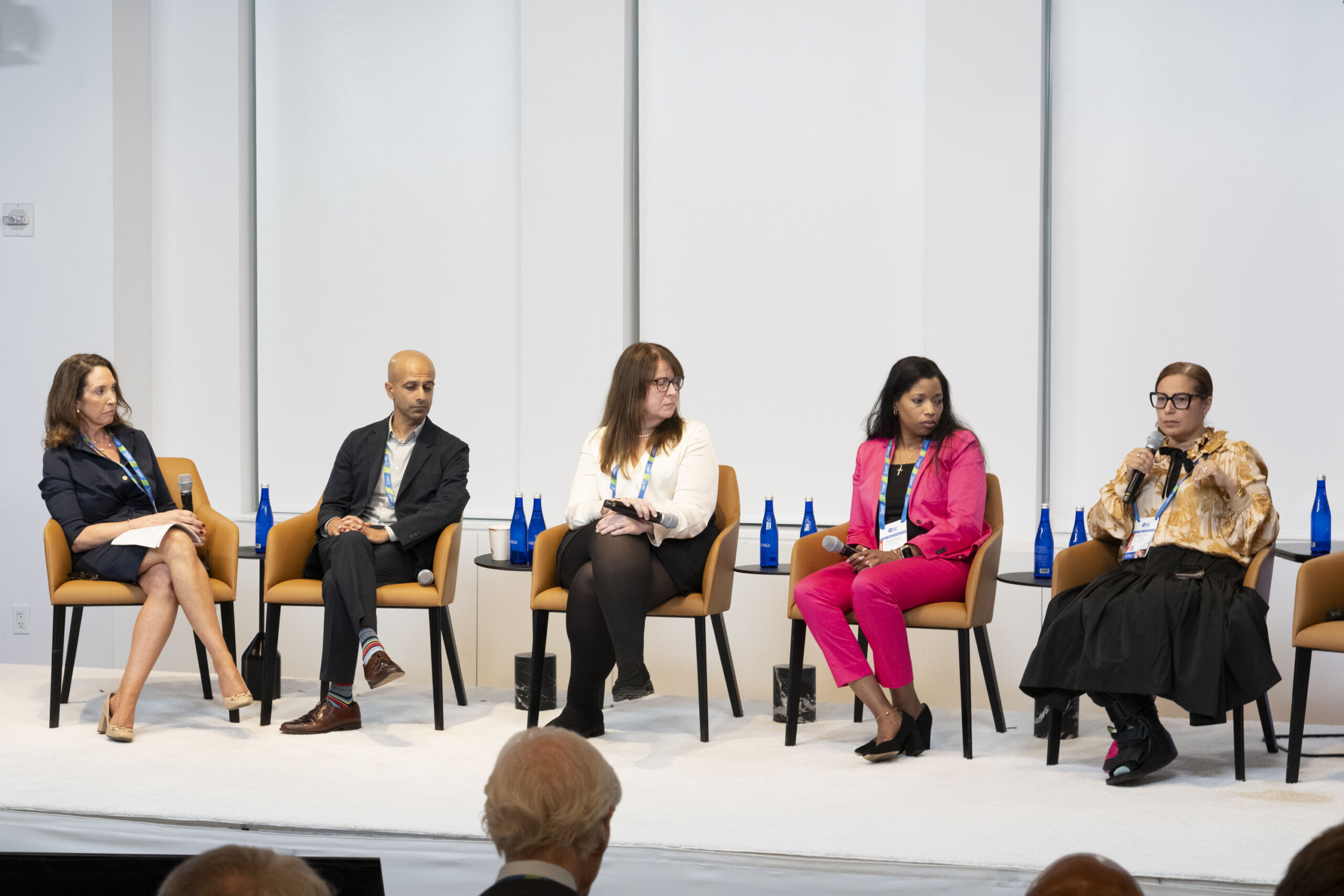
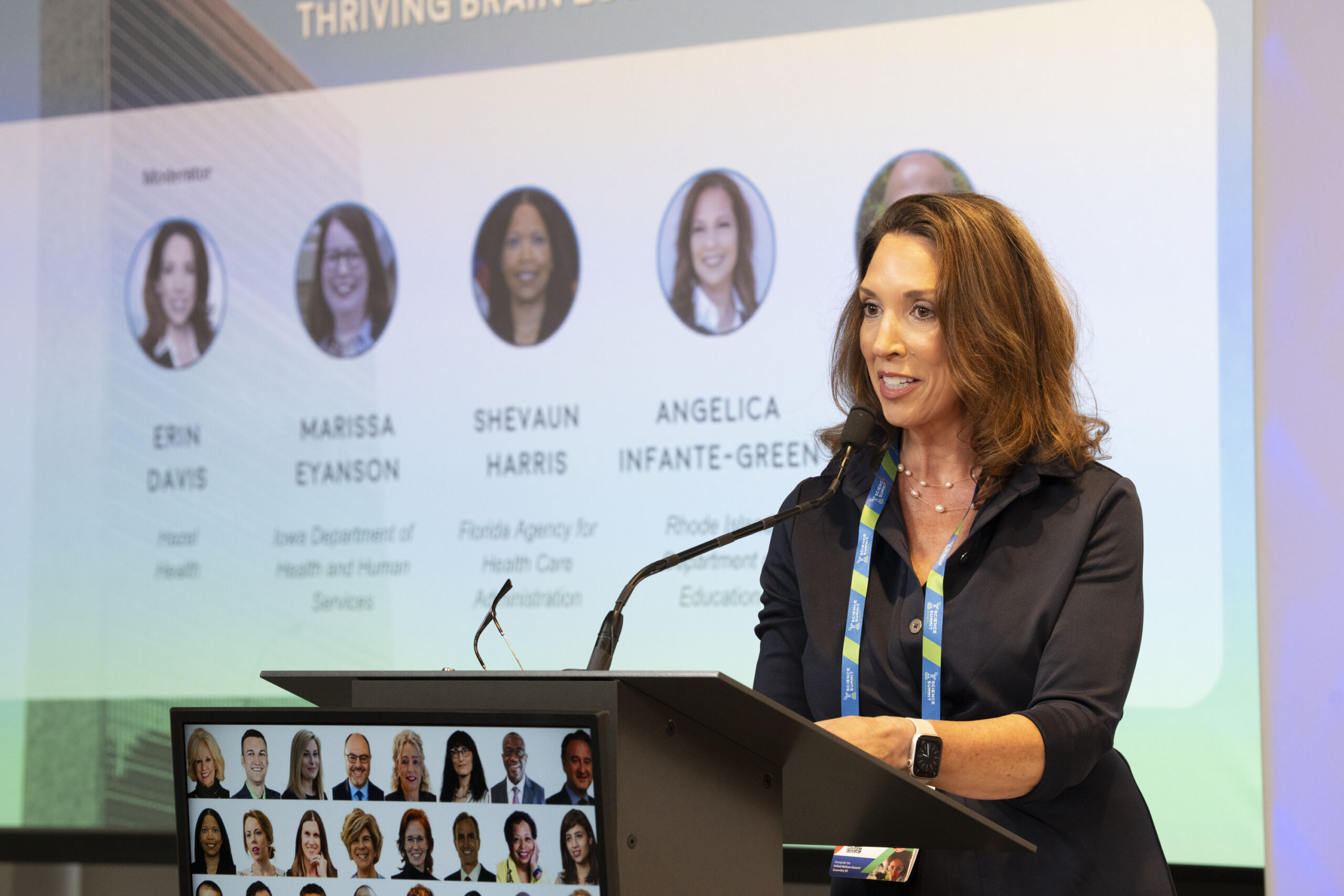
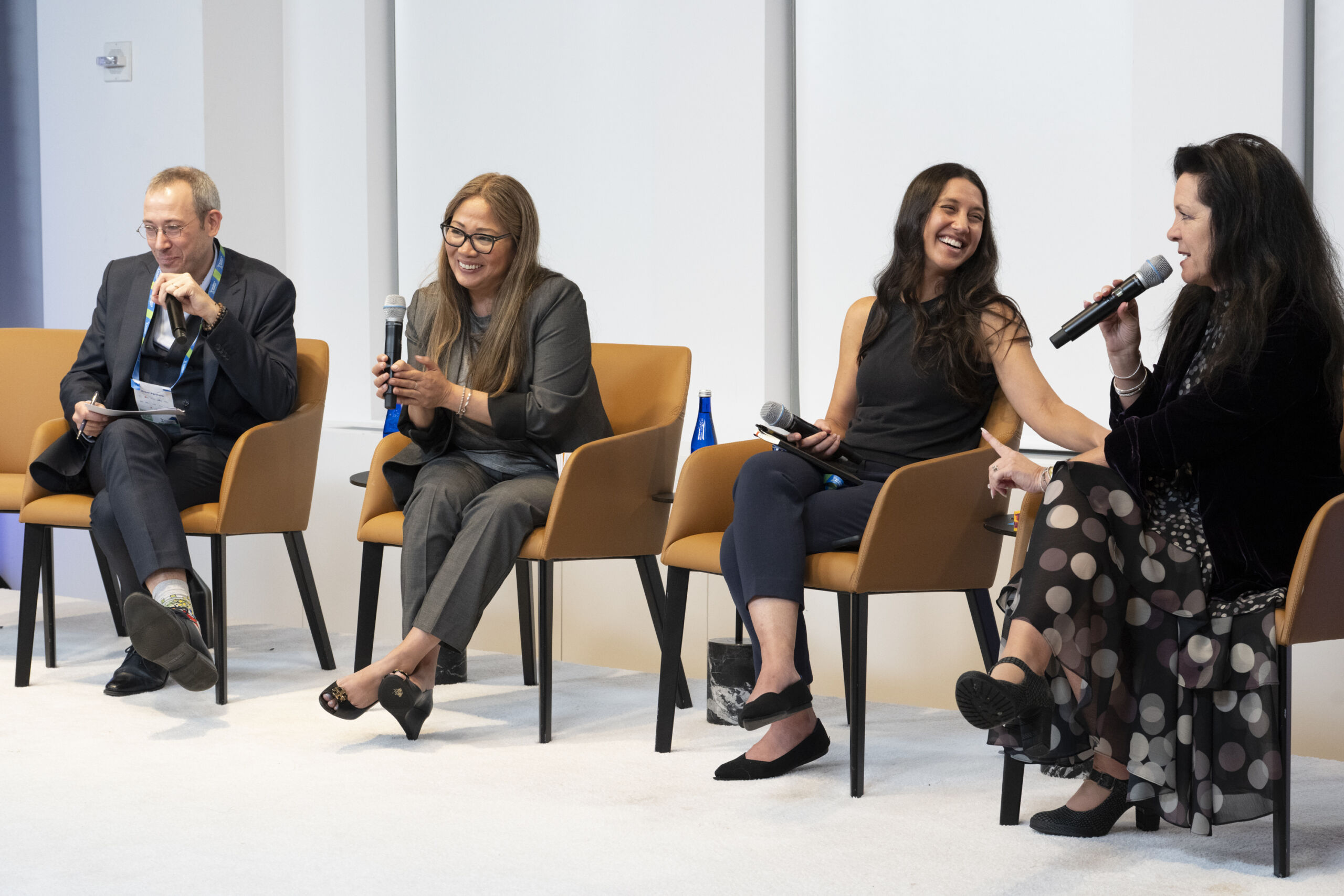
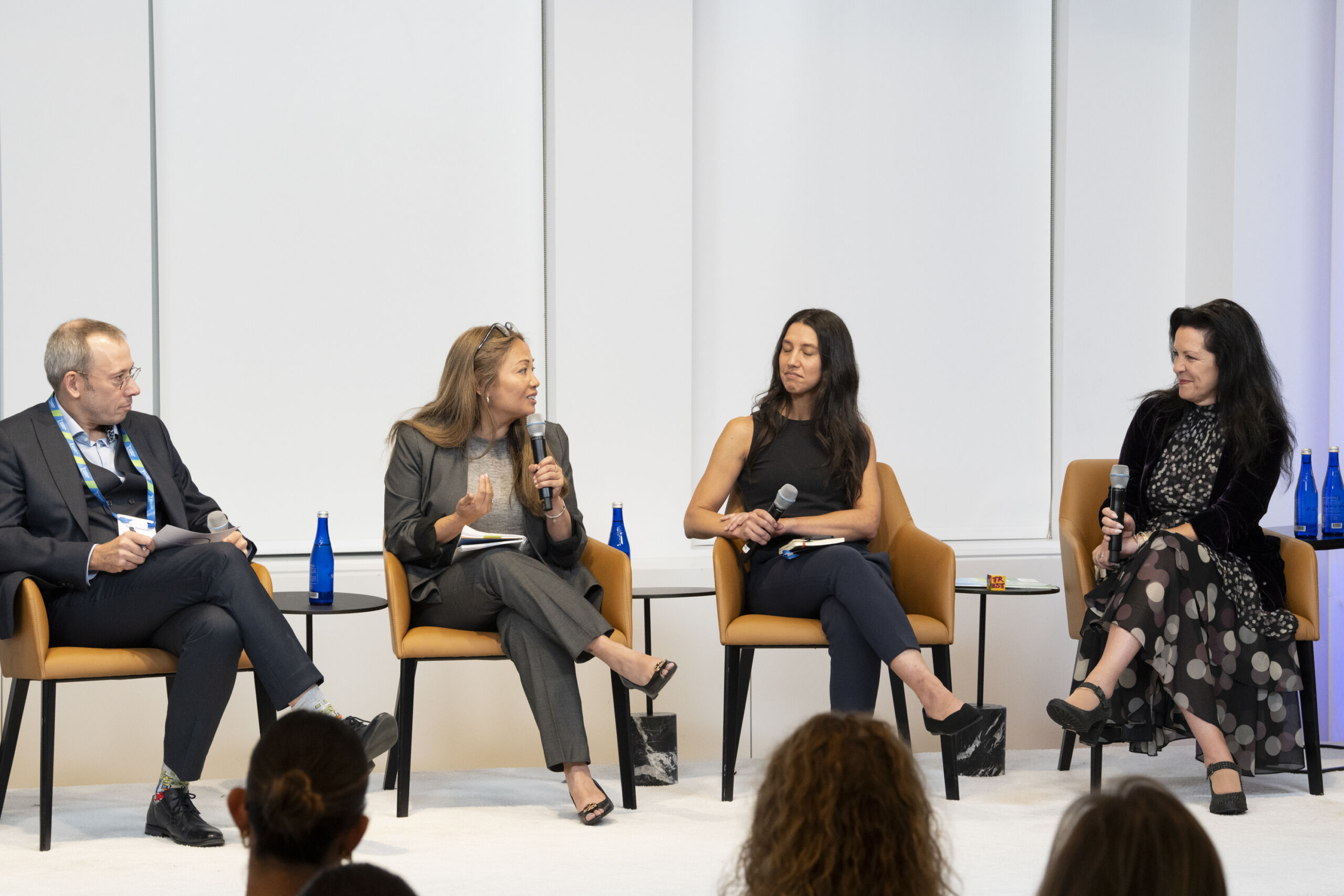
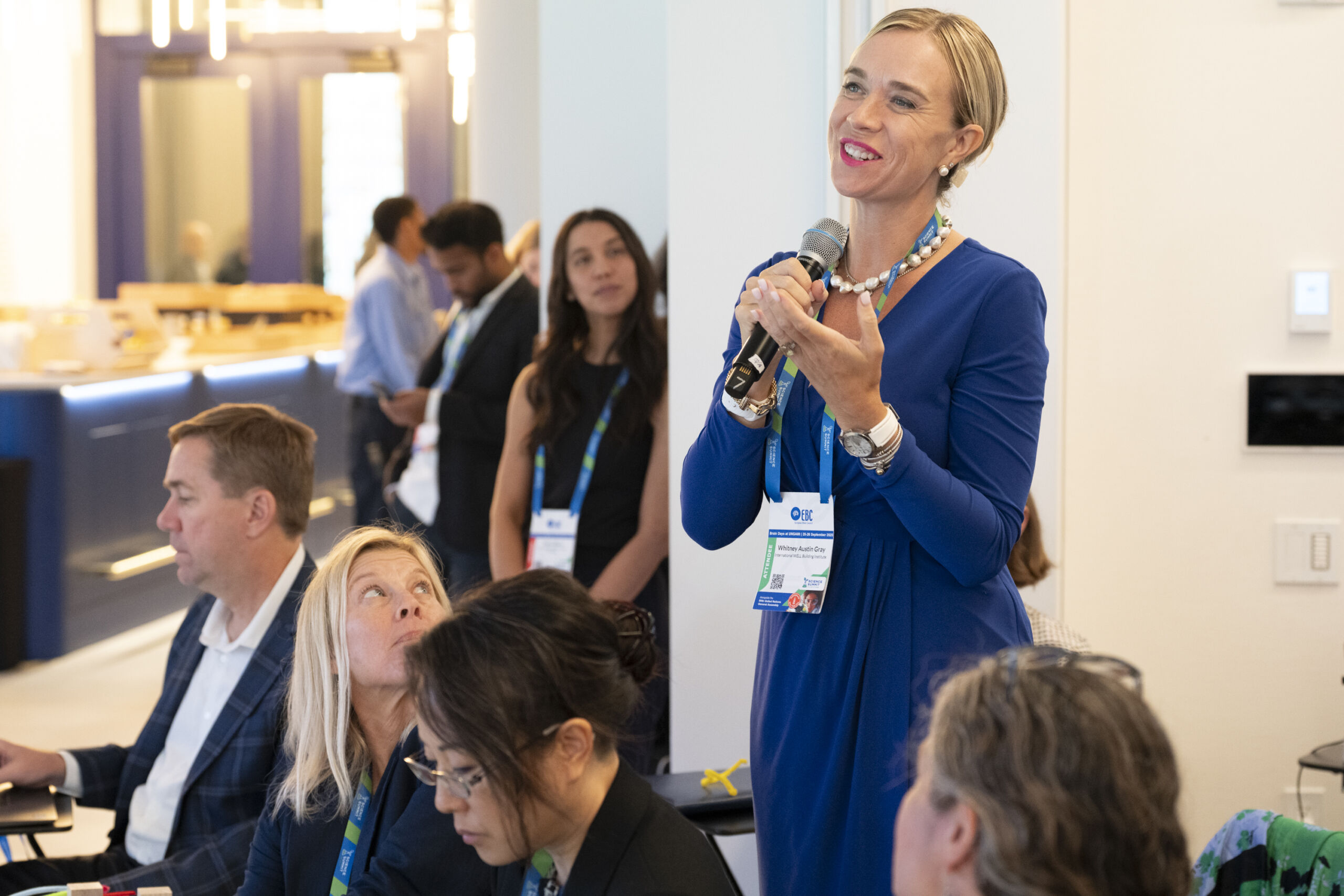
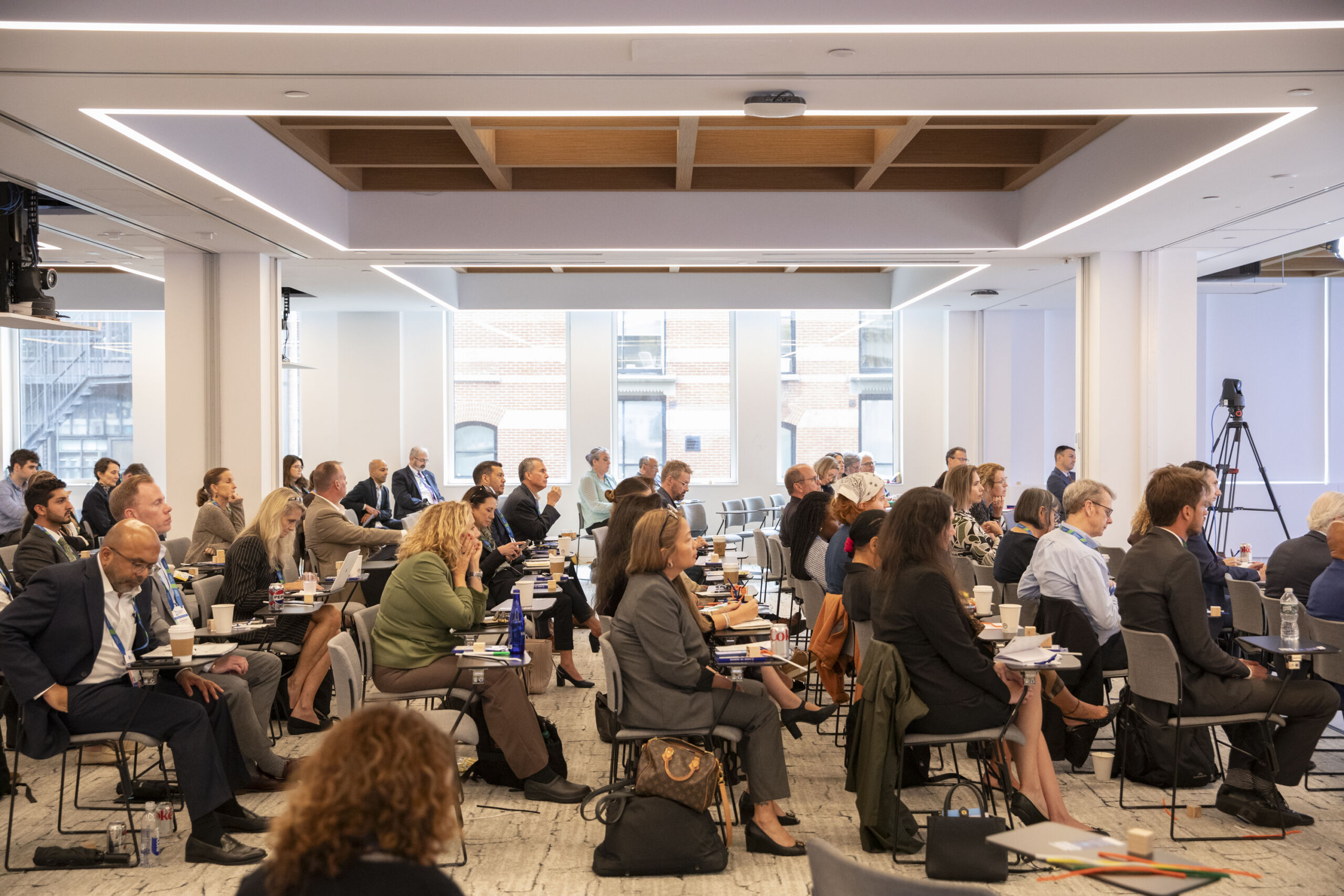
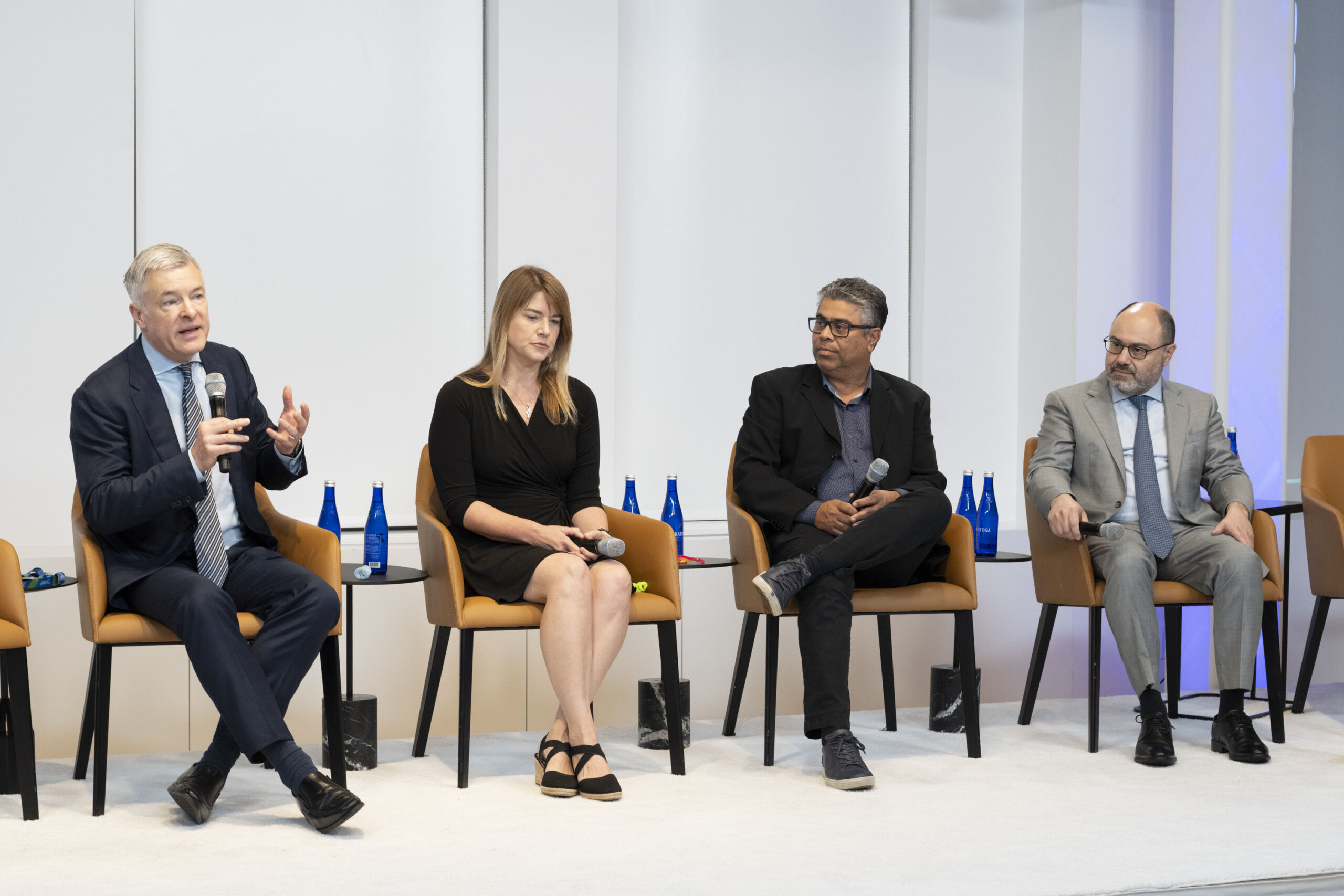
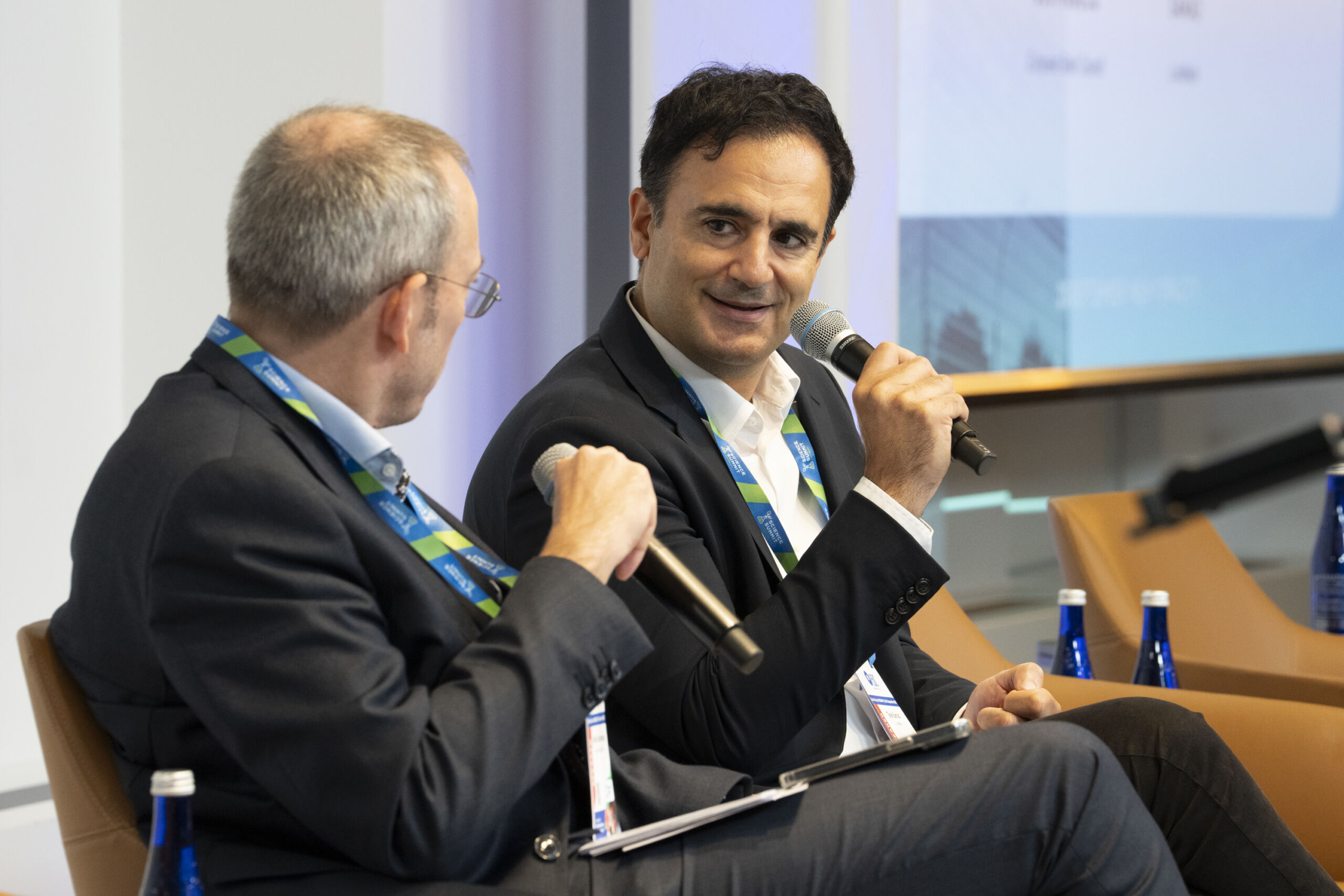
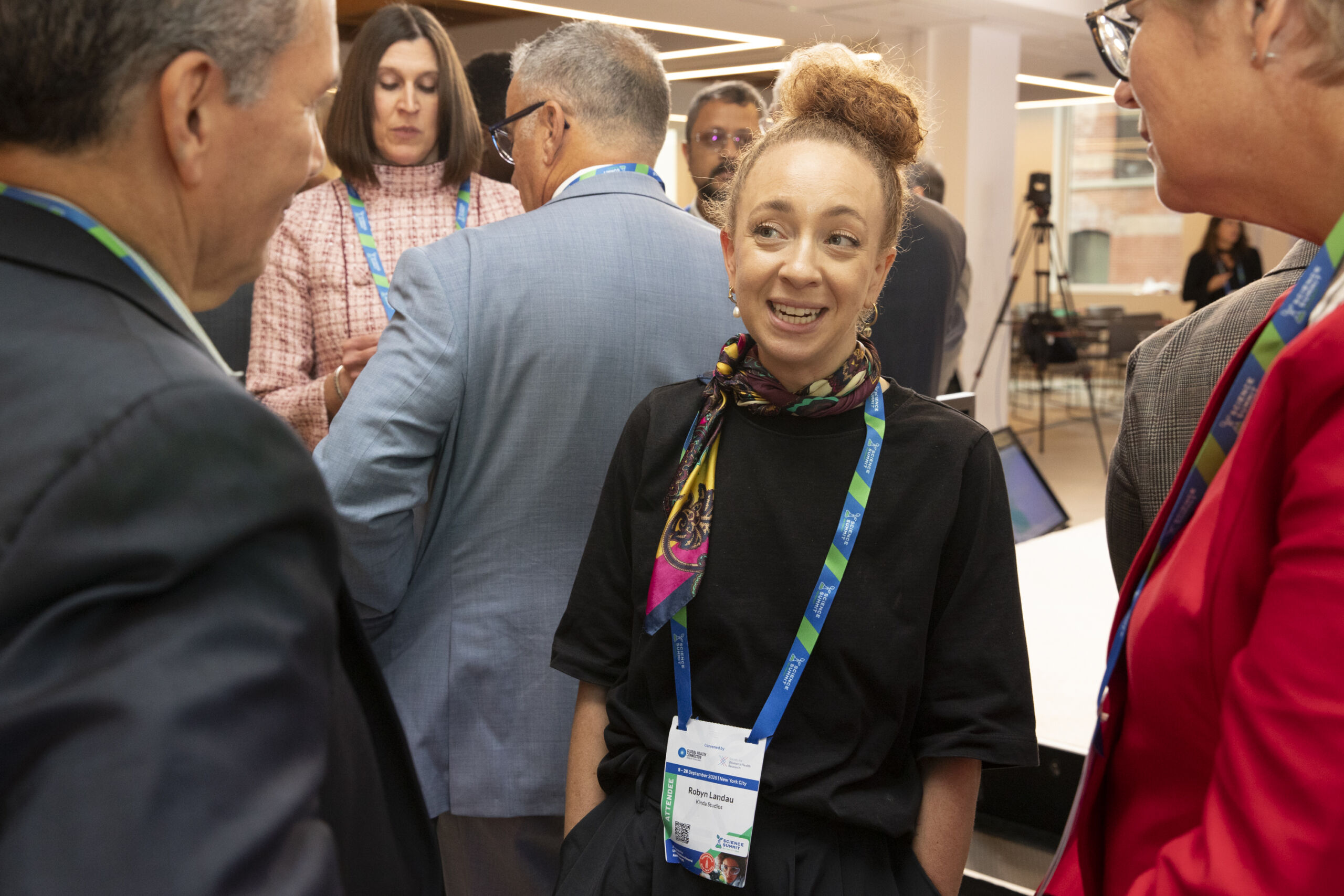
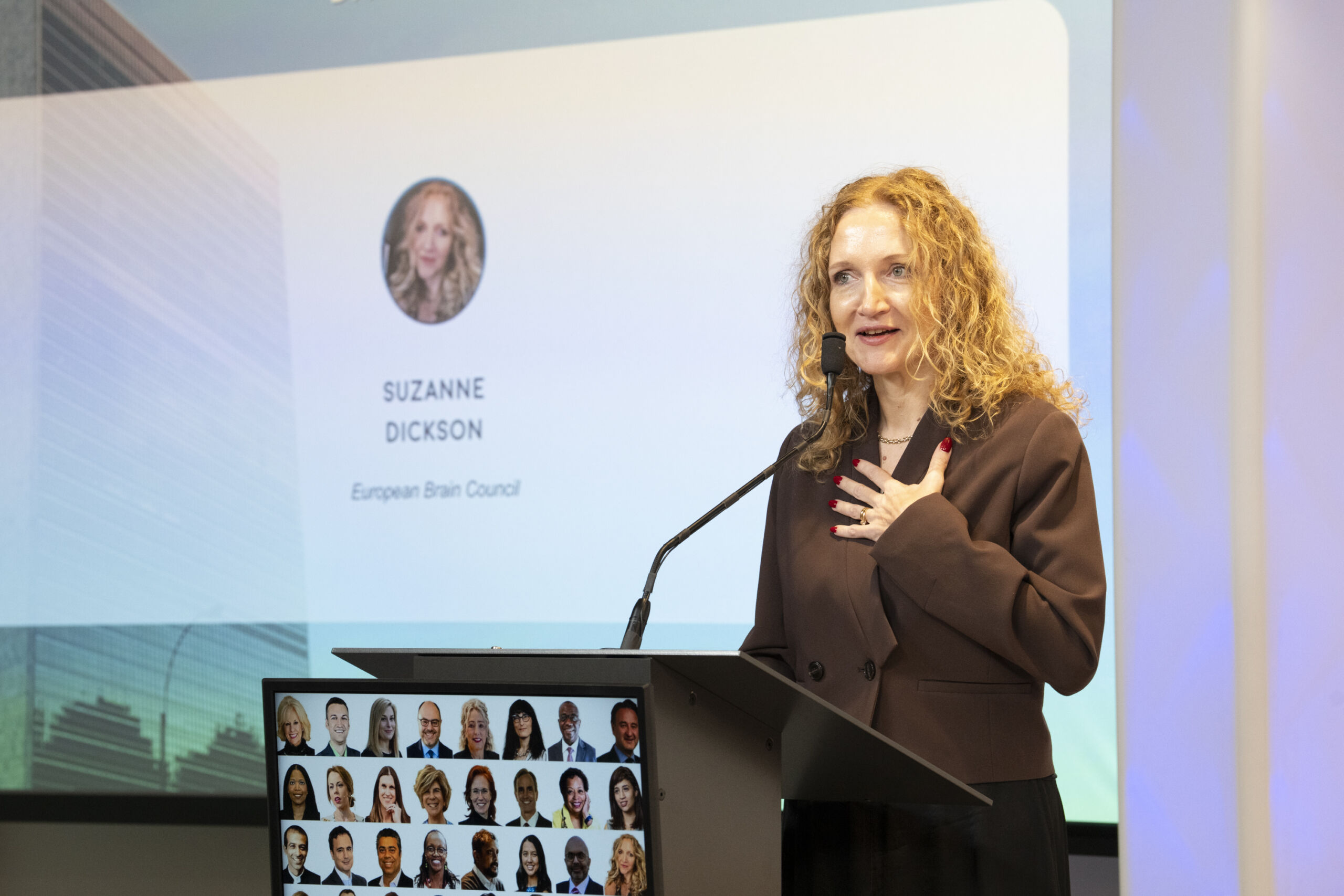
Click to display in HD. ©️ Jasmina Tomic
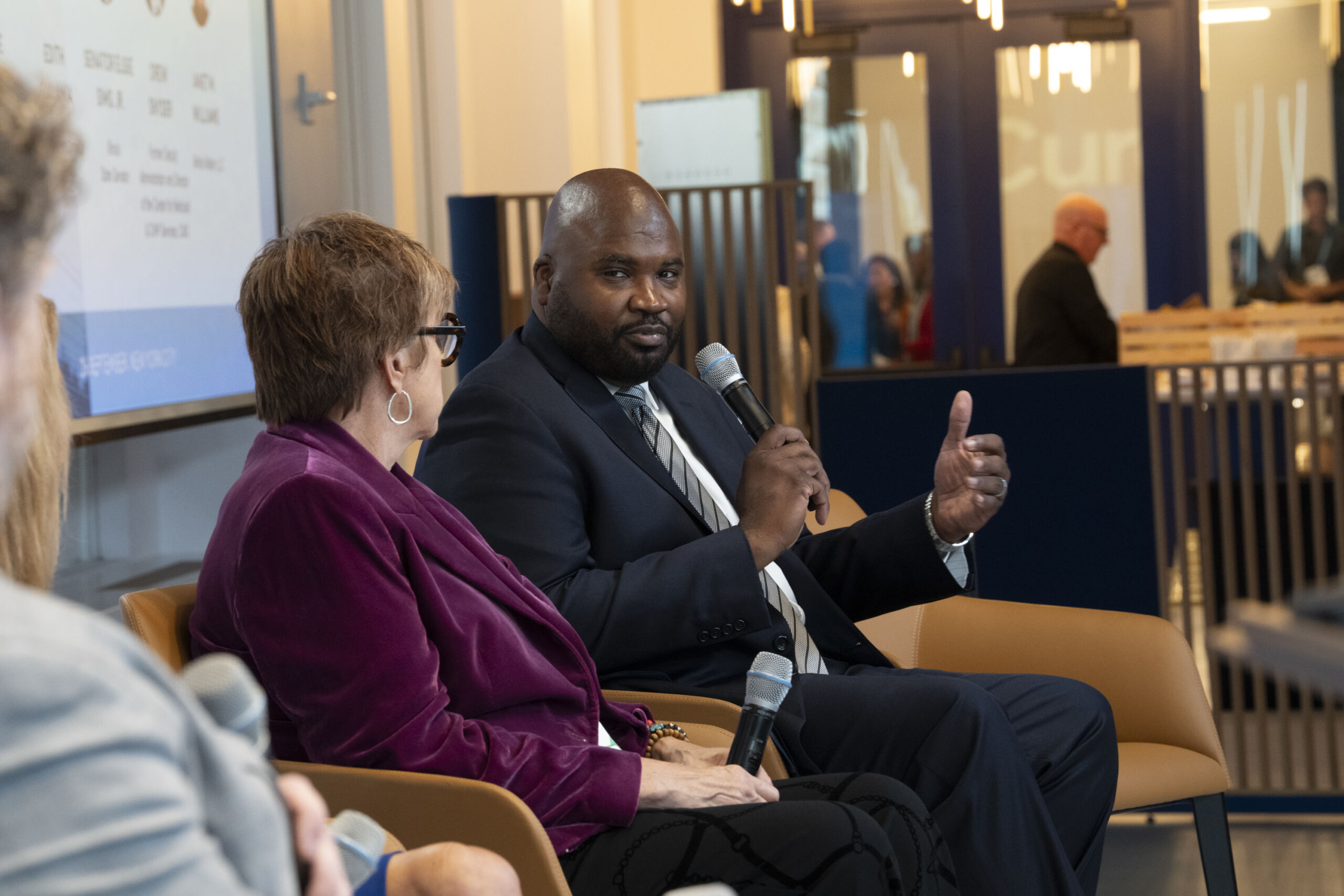
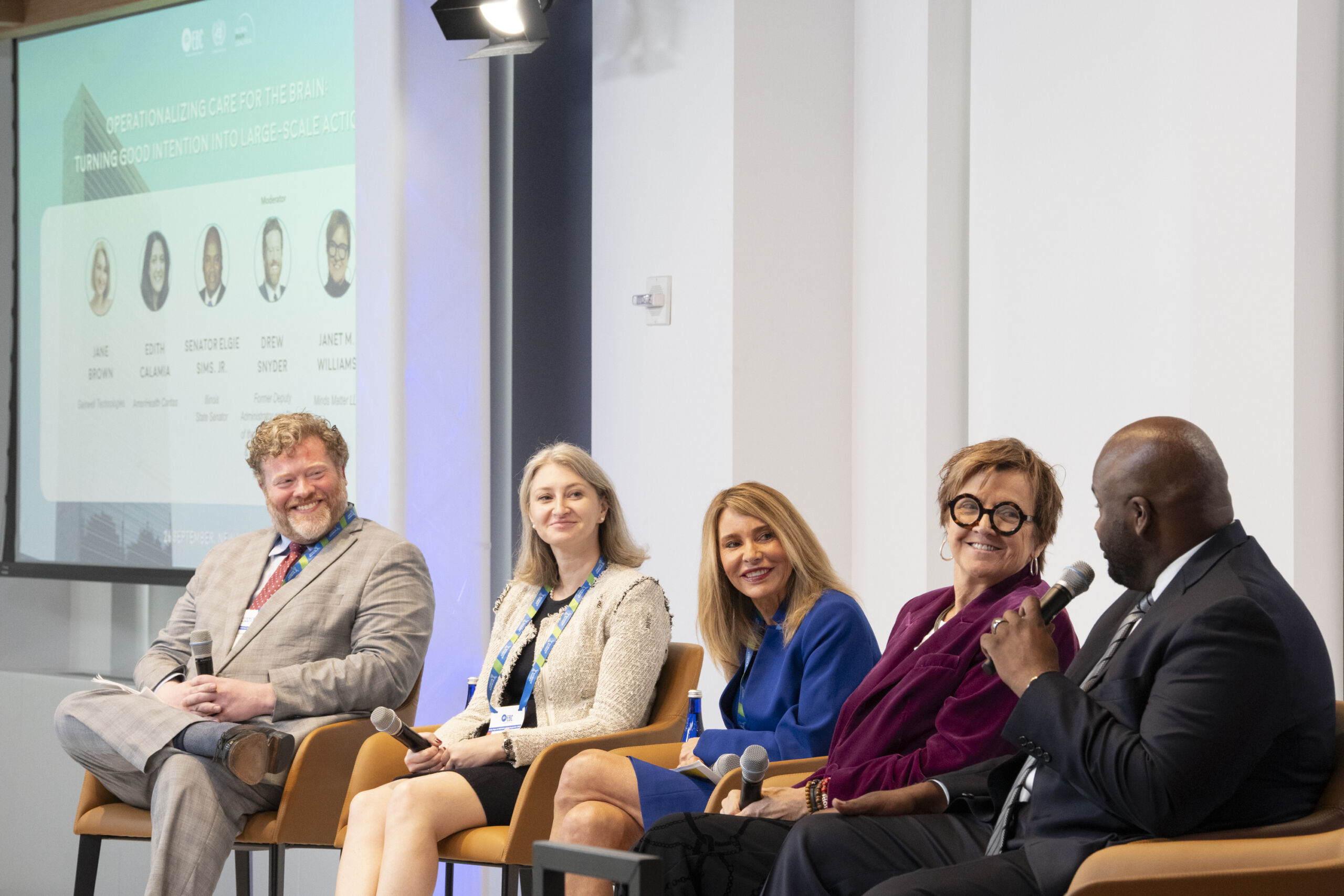
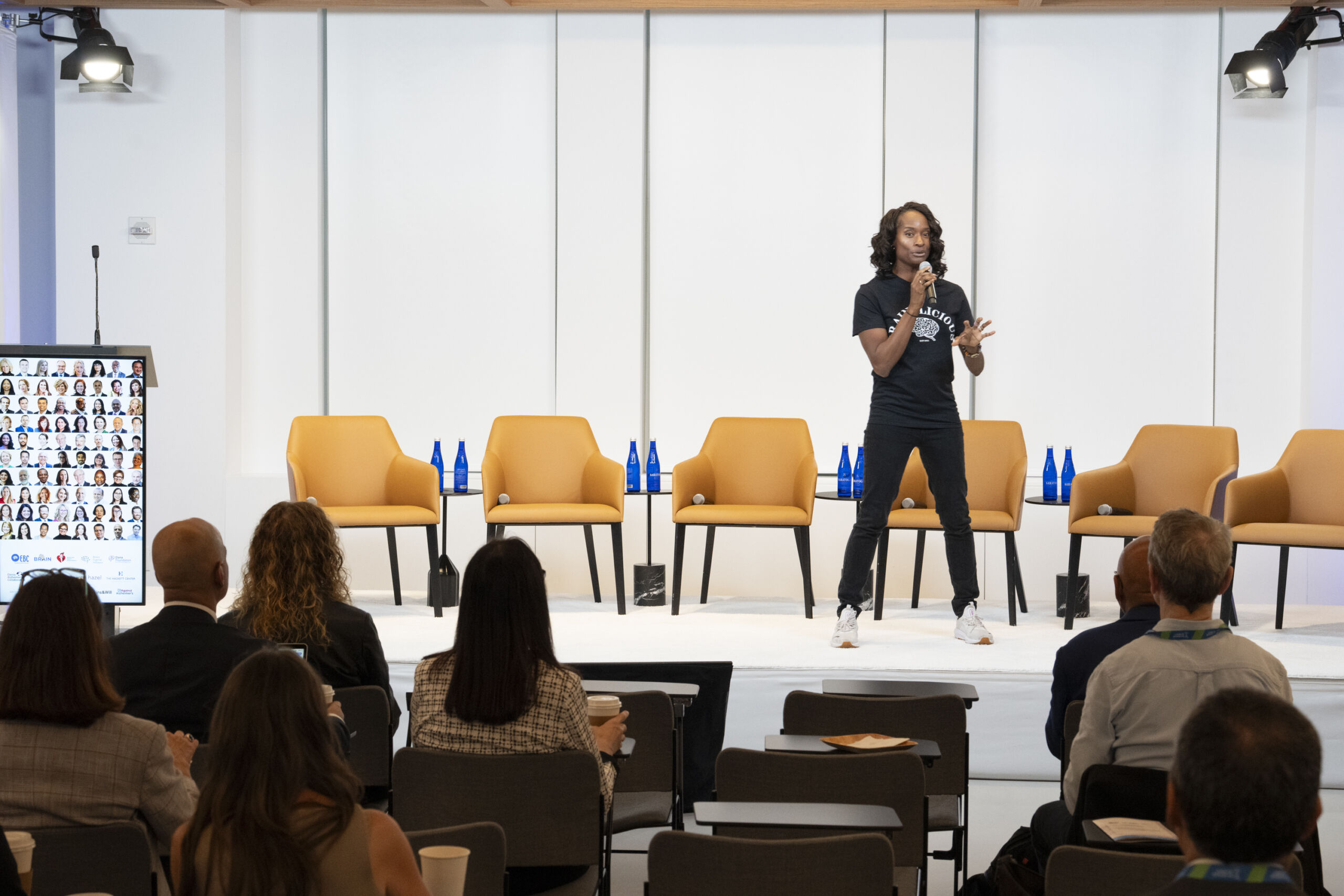
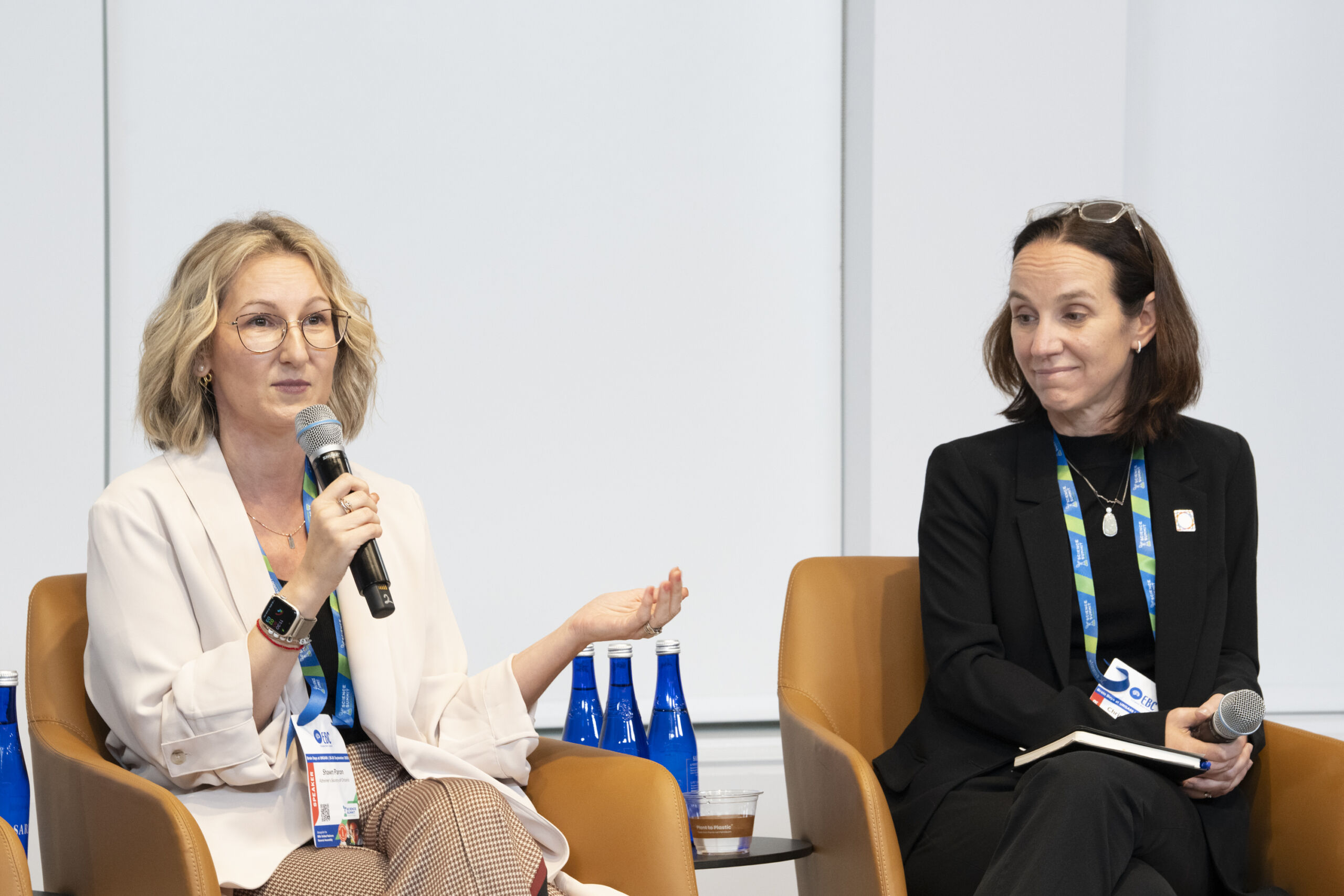
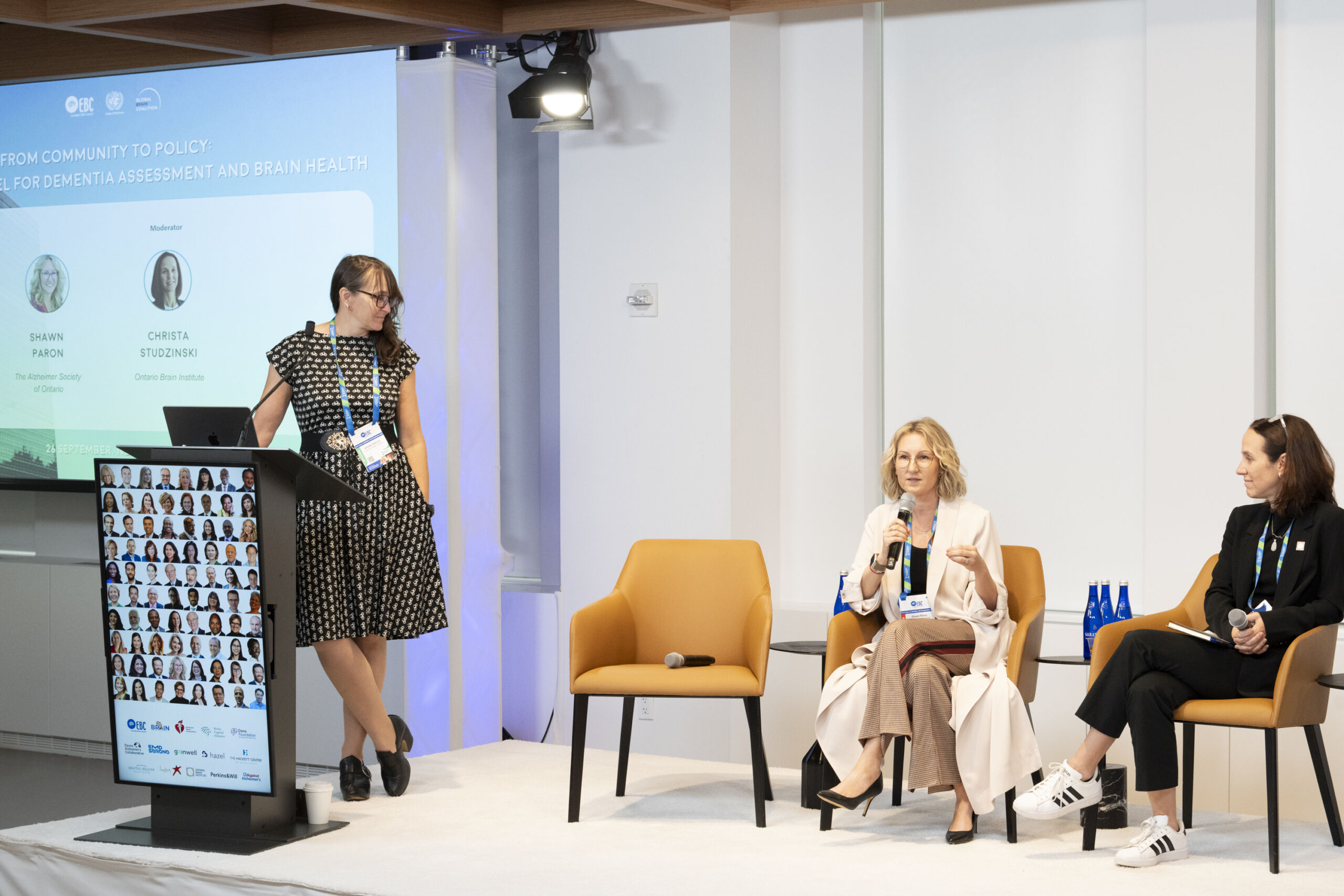
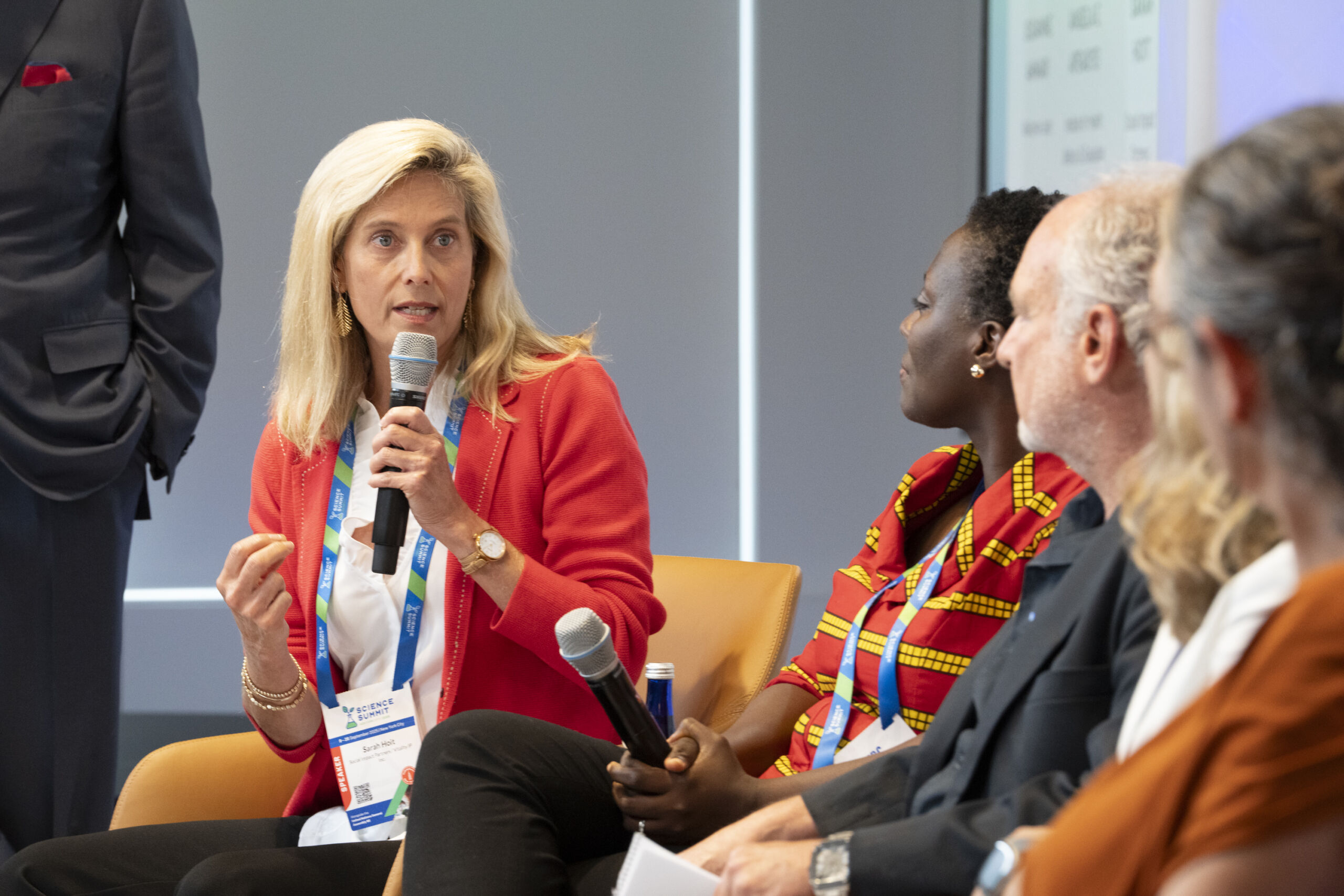
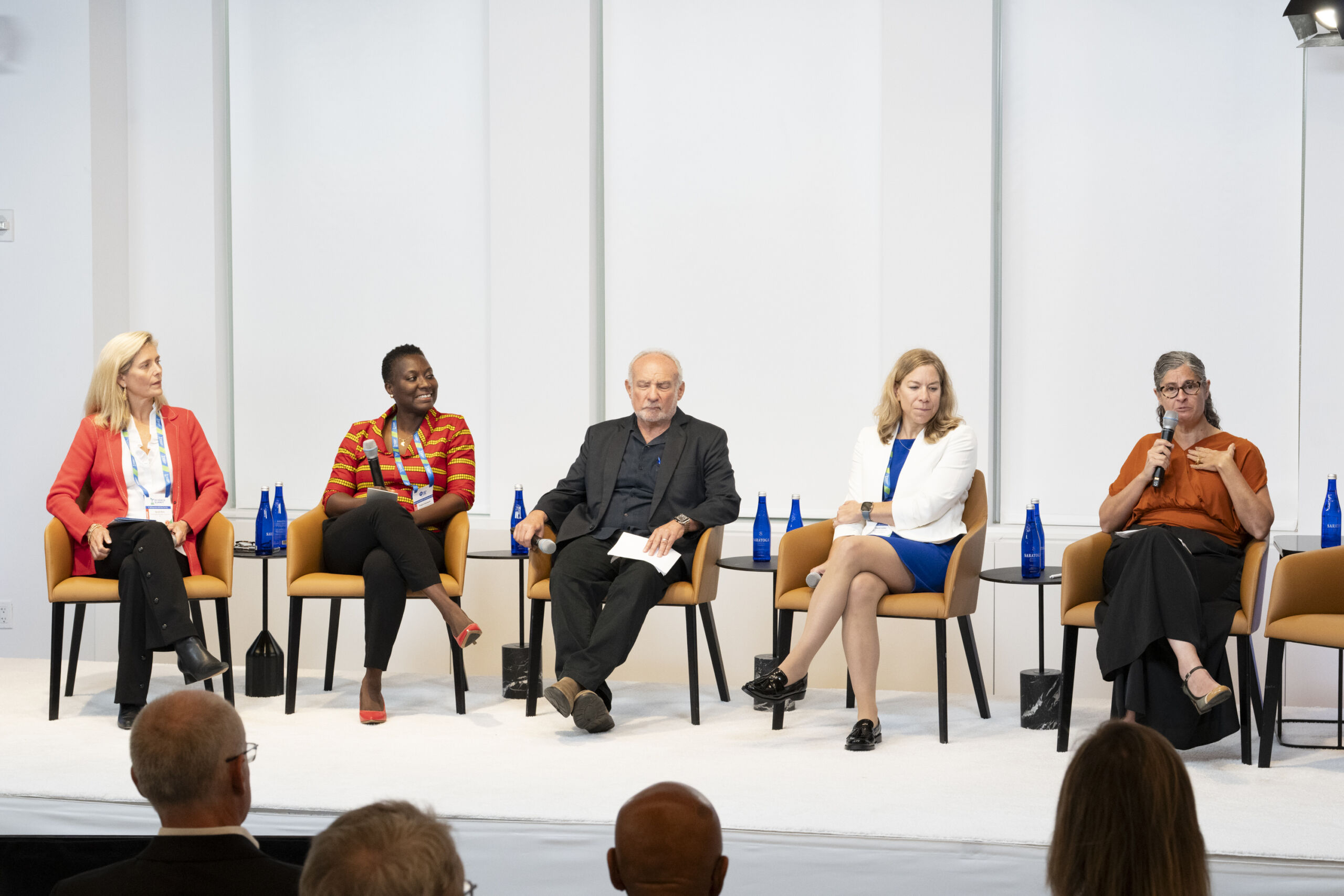
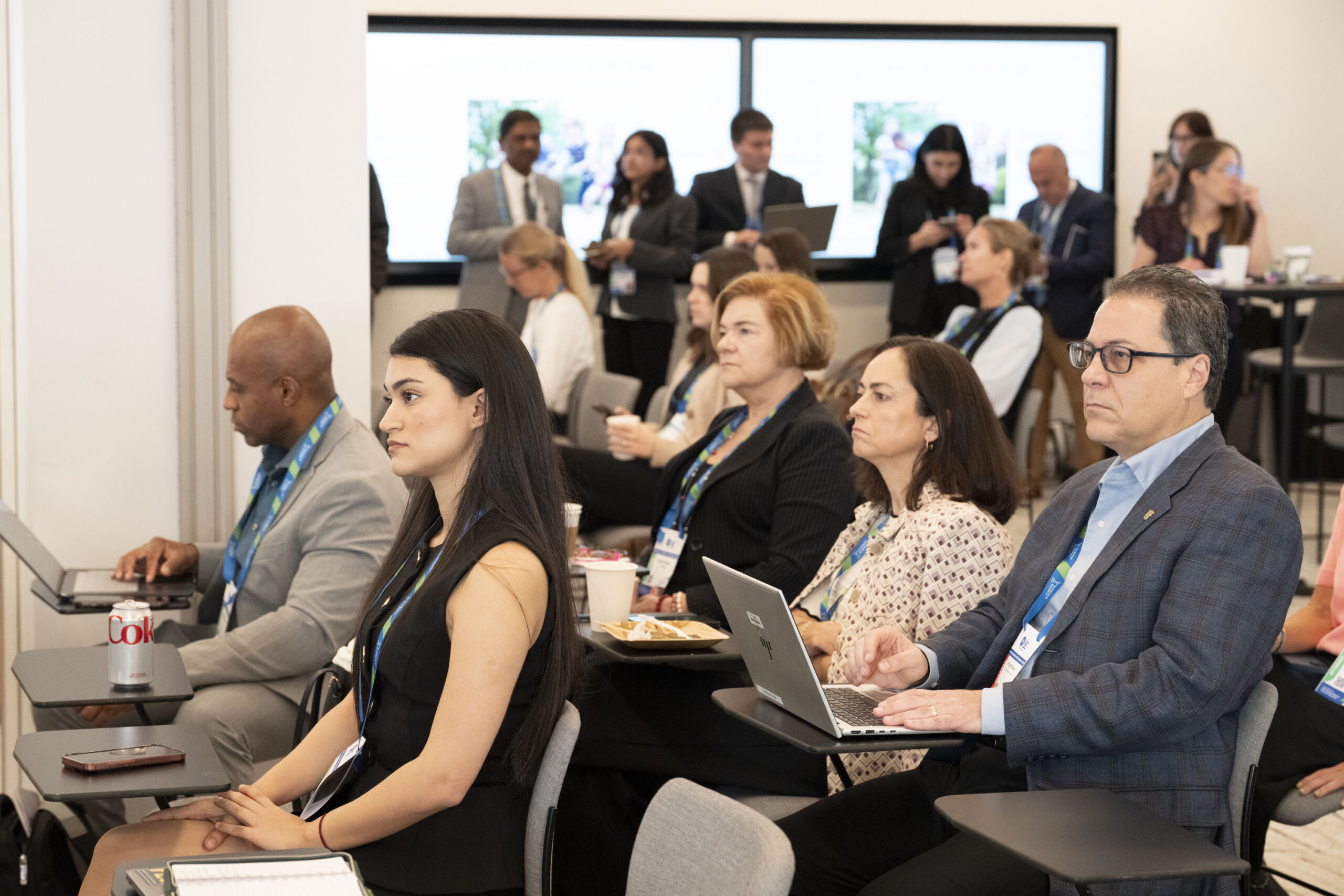
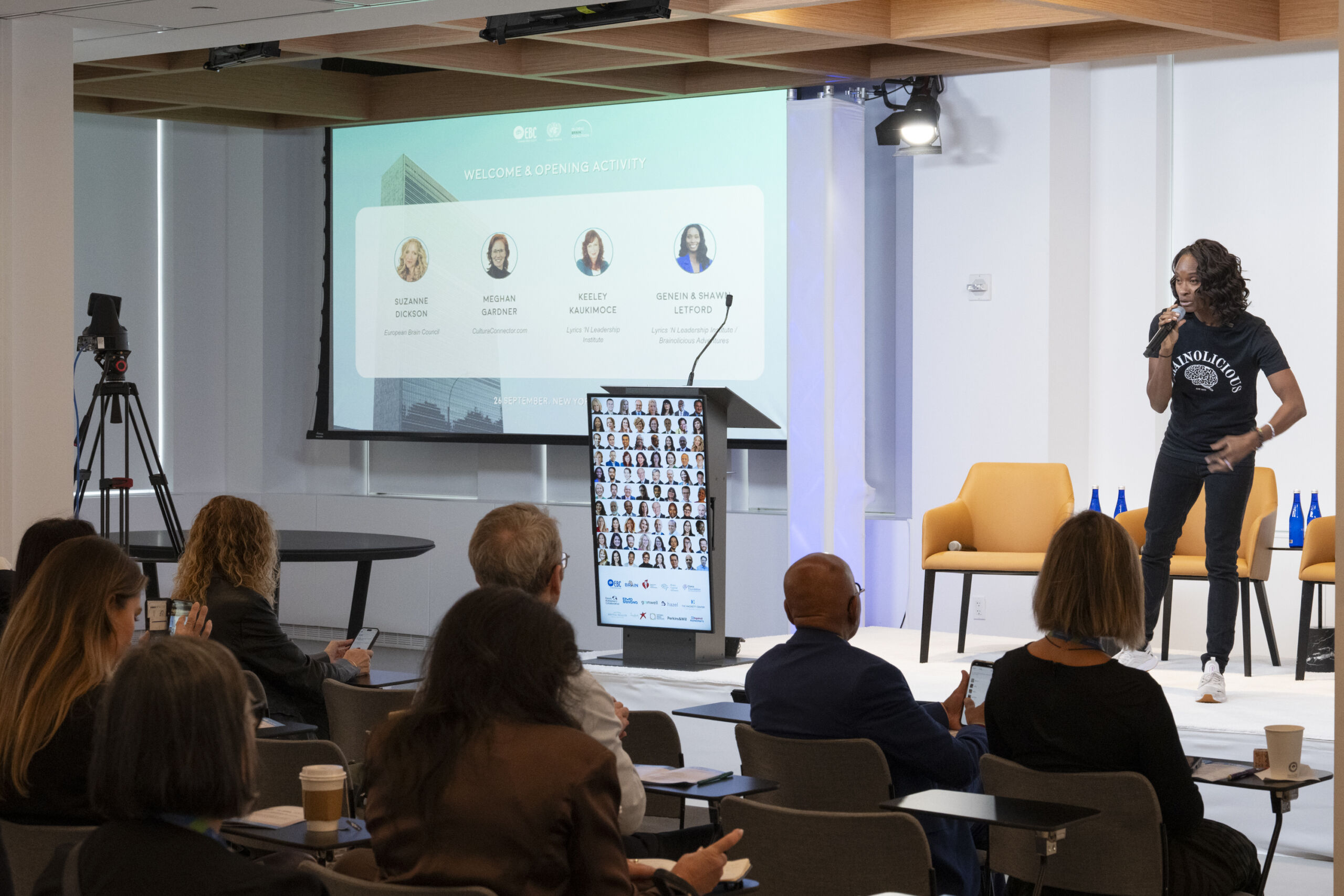
Click to display in HD. ©️ Jasmina Tomic
Pillar III: Brain Health Across Generations
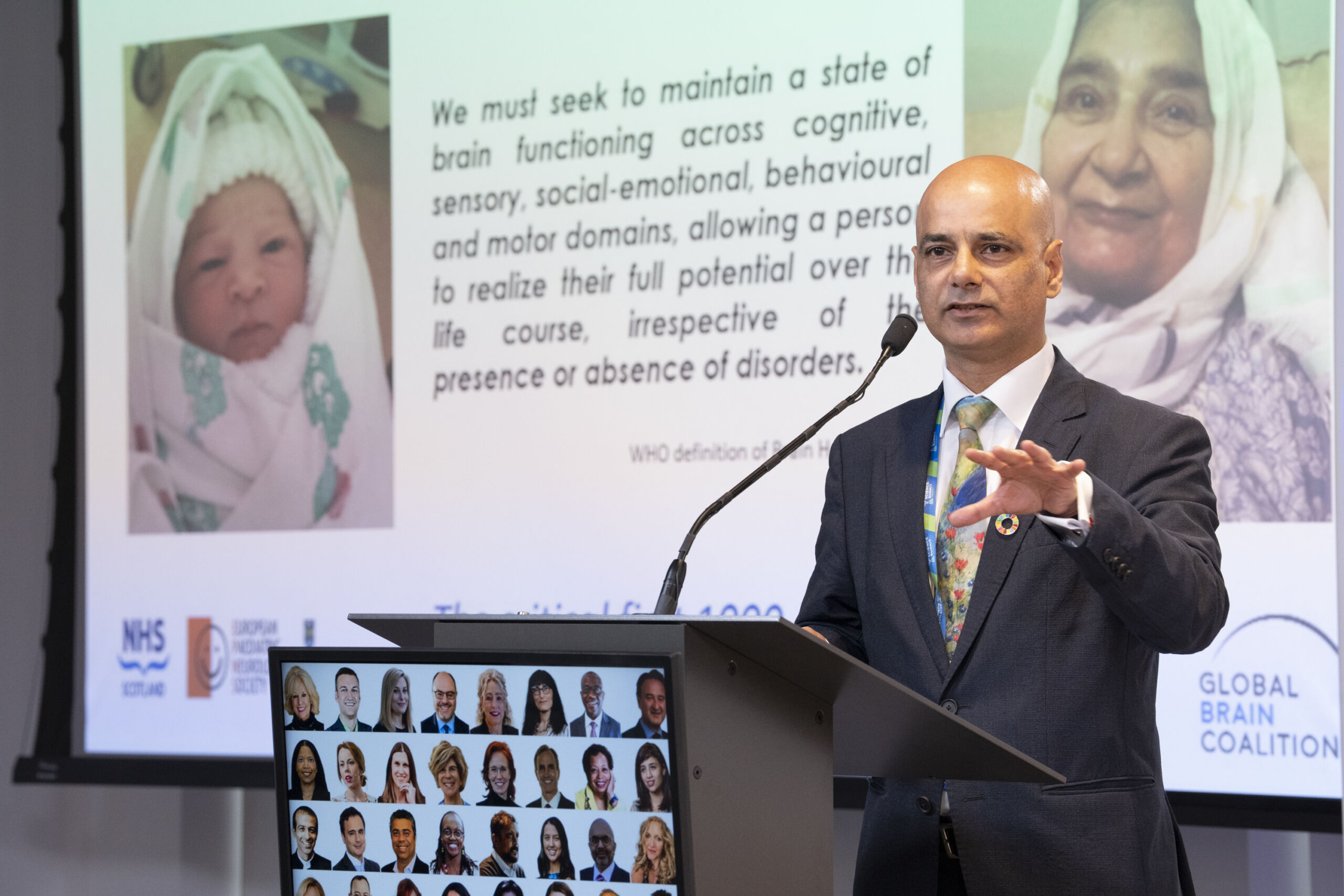
On the second day of the programme, the focus shifted to the life-course perspective, from childhood to healthy aging. The morning kicked off with a Fireside Chat on caregiving and the care economy and a presentation on the life course approach, followed by panels around building resilience across the lifespan (Davos Alzheimer’s Collaborative) and operationalizing care at scale (Gainwell Technologies). Case studies from Canada (Ontario Brain Institute) and the United States (North Carolina / Hazel Health) showed how dementia assessment and youth mental health strategies can serve as replicable policy models.
Pillar IV: The Future of Brain Health Policy
The final pillar addressed the global governance of brain health, engaging with key policy representatives, existing international partnerships and United Nations agencies, specifically UNITAR, UNDP and UNICEF. Sessions examined the brain economy framework (Brain Capital Alliance in discussion with the McKinsey Health Institute), international research coordination and the need to integrate brain health into UN and multilateral agendas. The afternoons sessions were packed with leaders in neuroscience from Germany, Australia, India, Cameroon, the United States, Ireland, Kenya, Canada, Uruguay and Mexico, represented by His Excellency Ramiro López Elizalde, Vice-Minister for Health Policy and Population Well-being, Ministry of Health of Mexico.
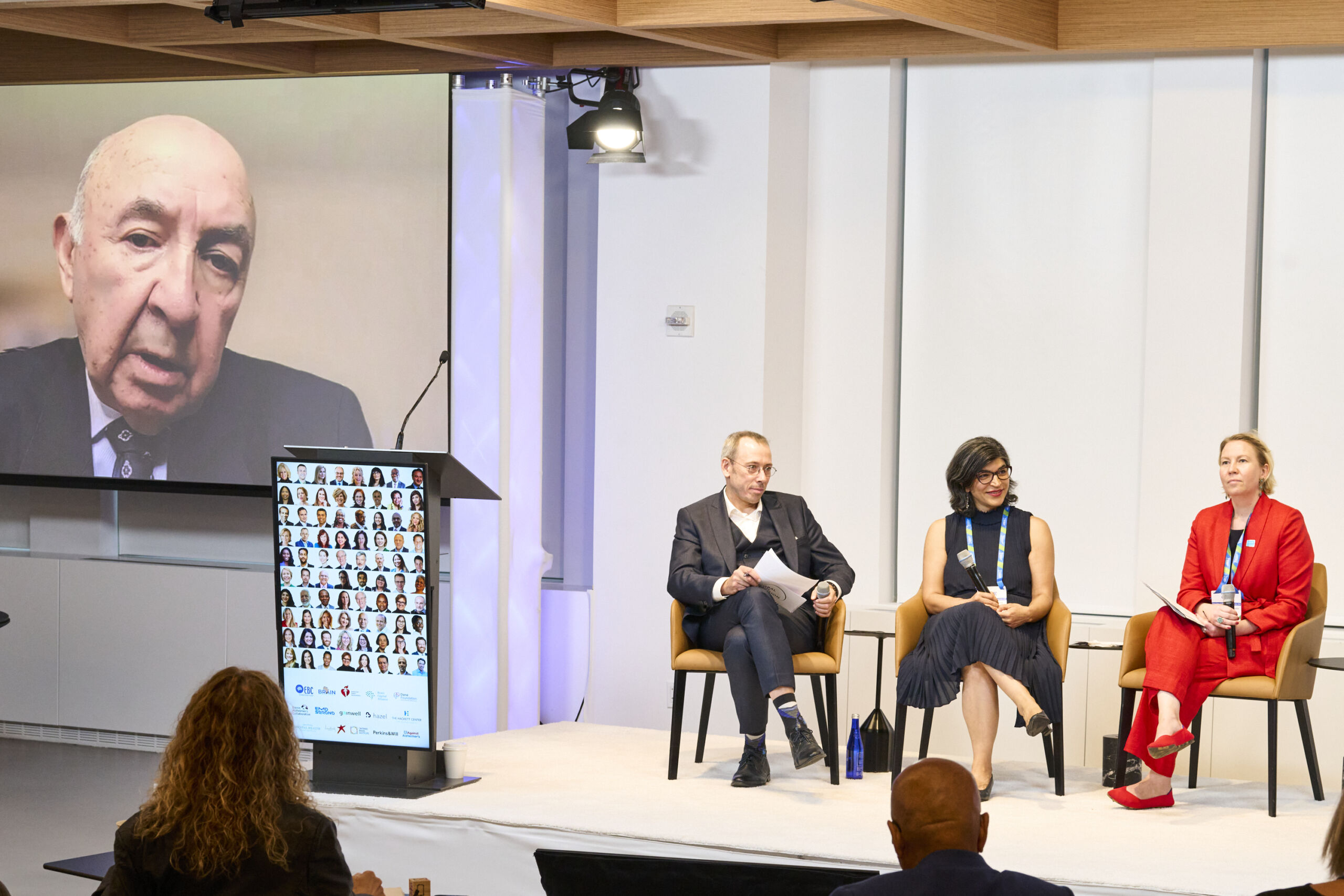
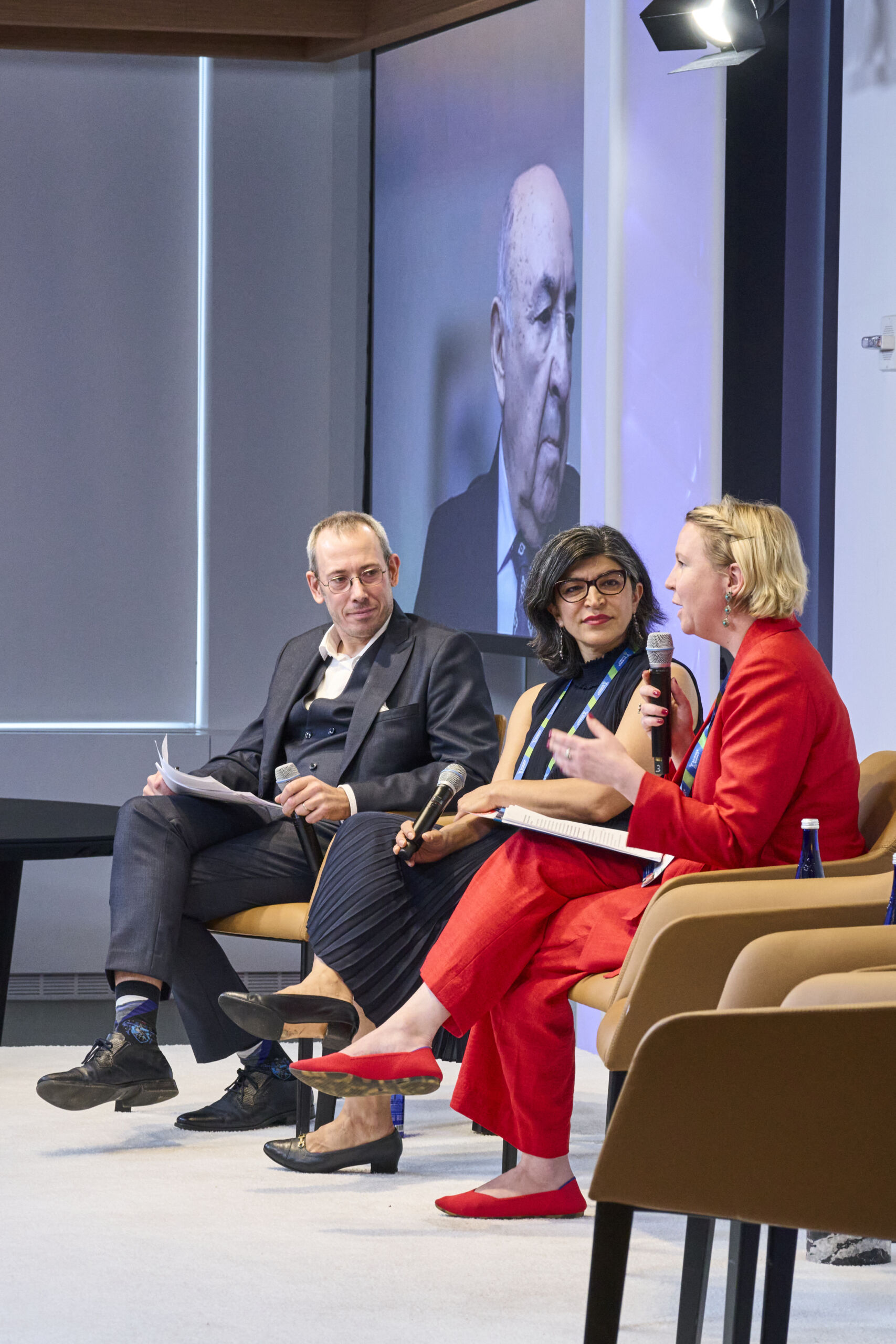
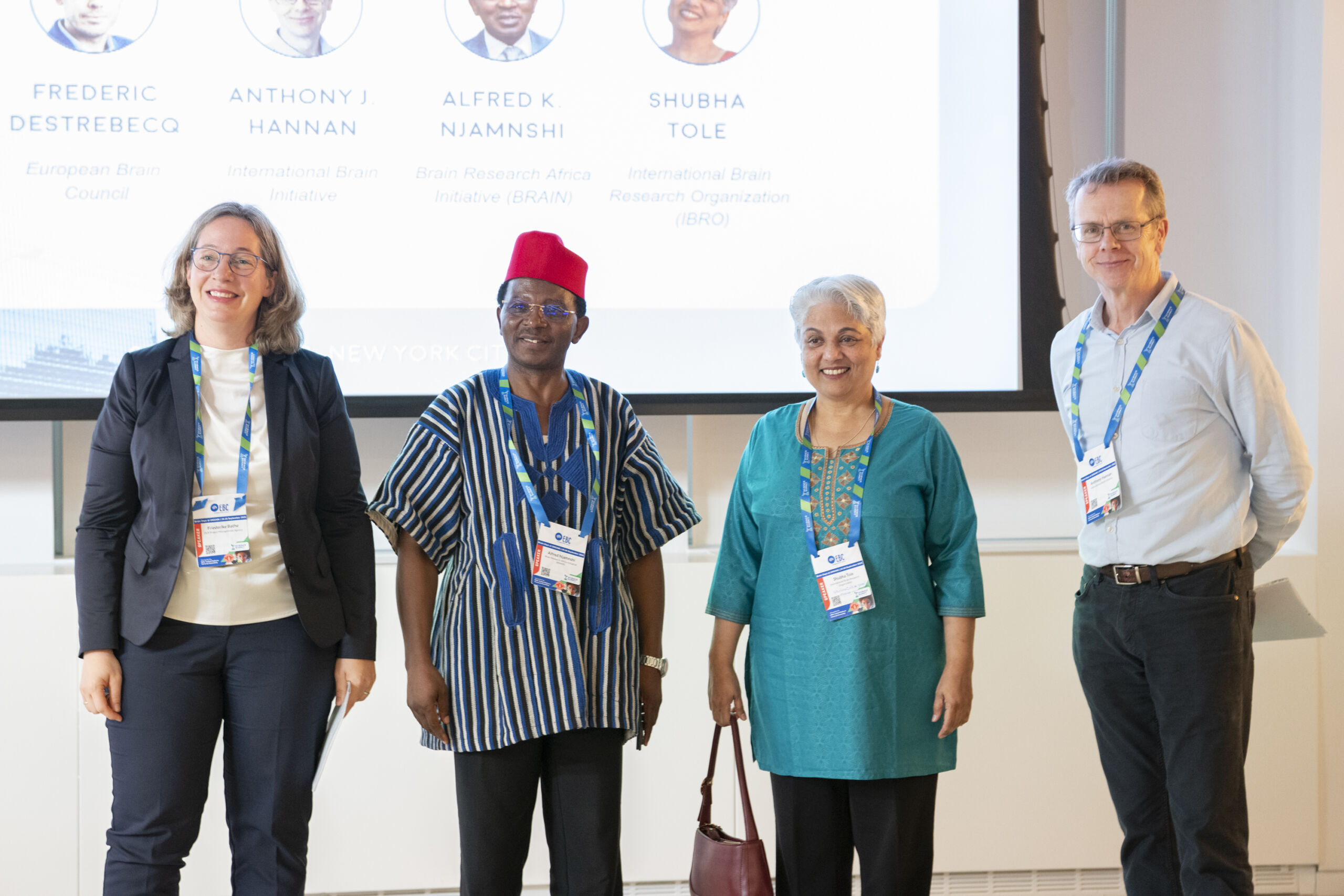
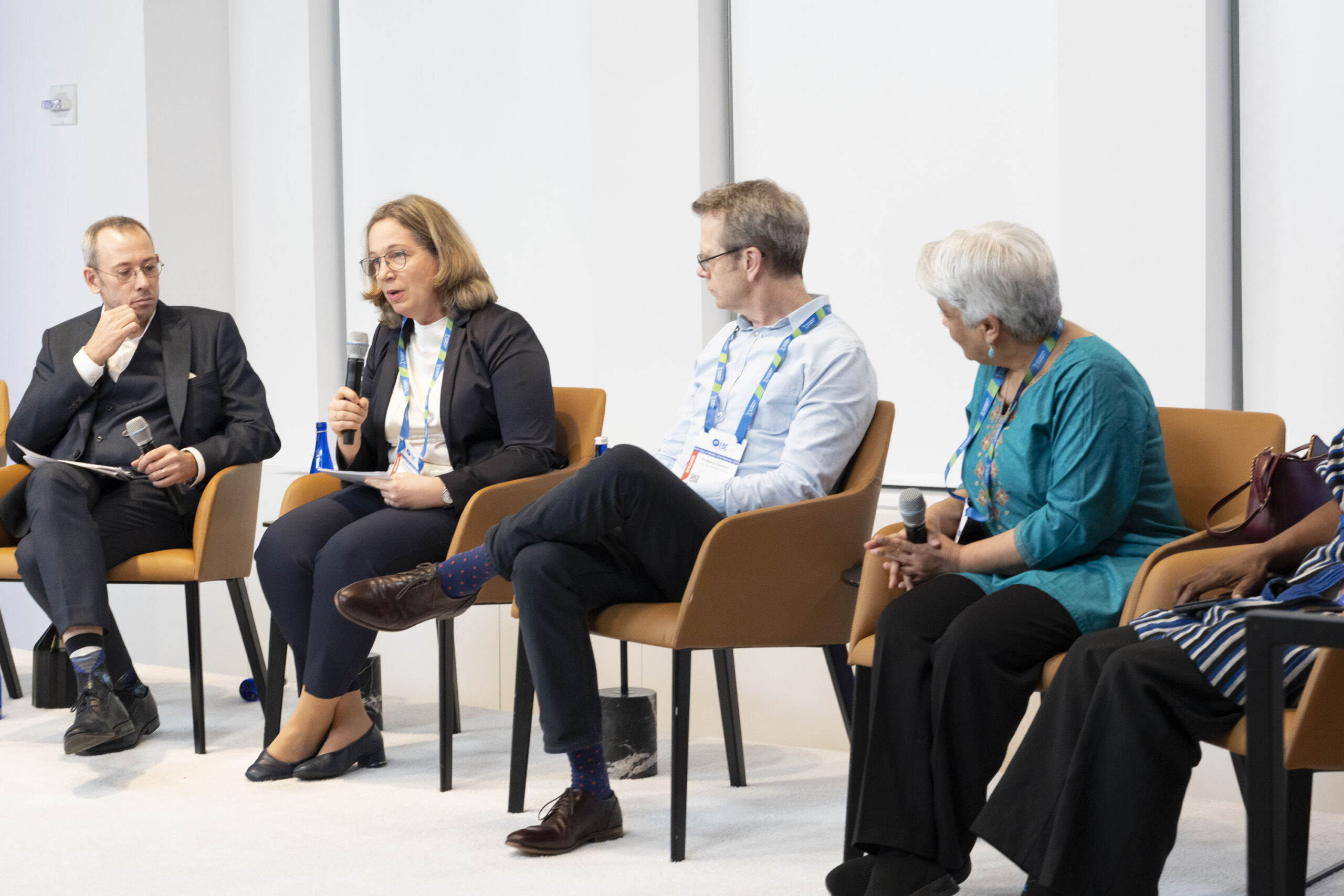
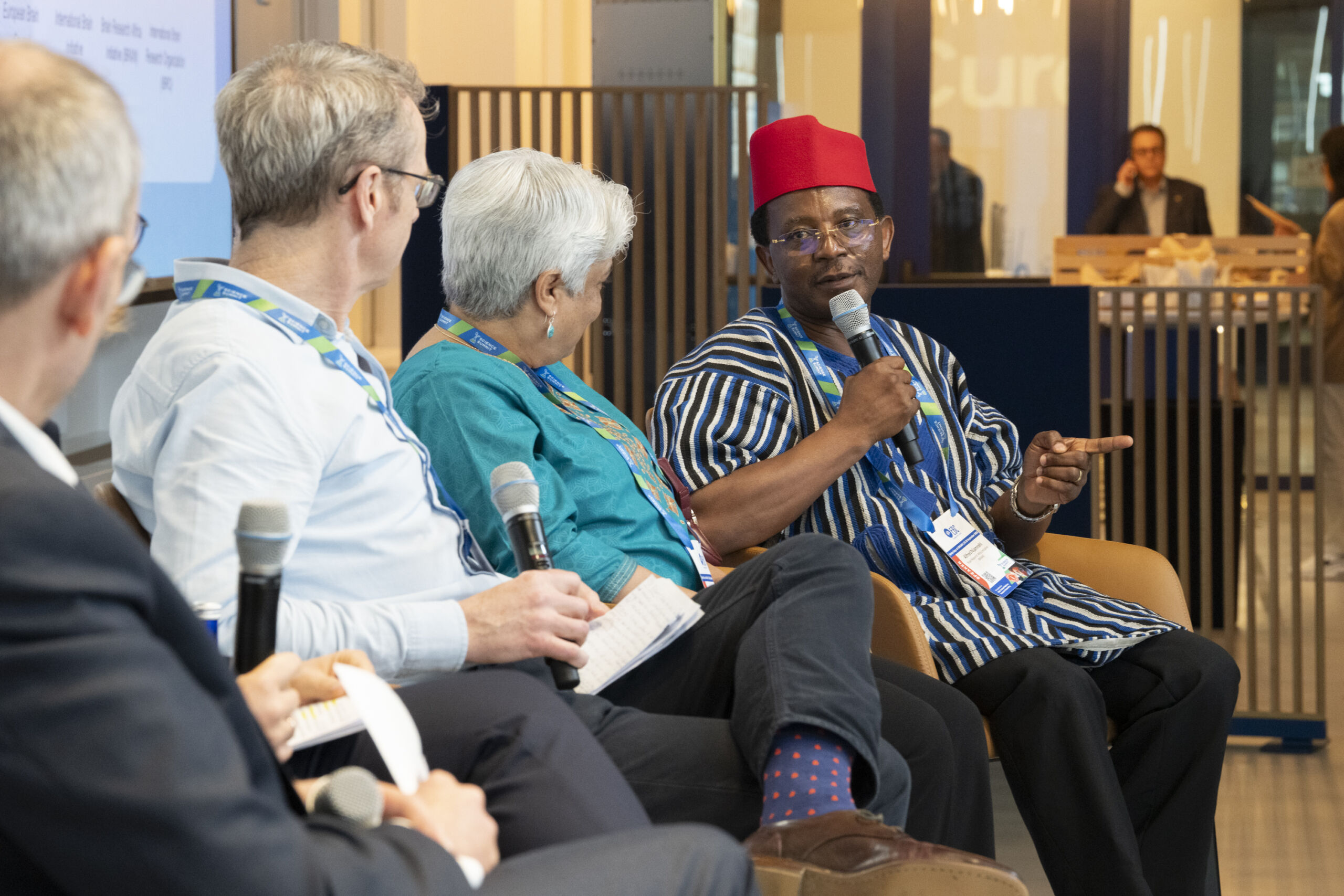
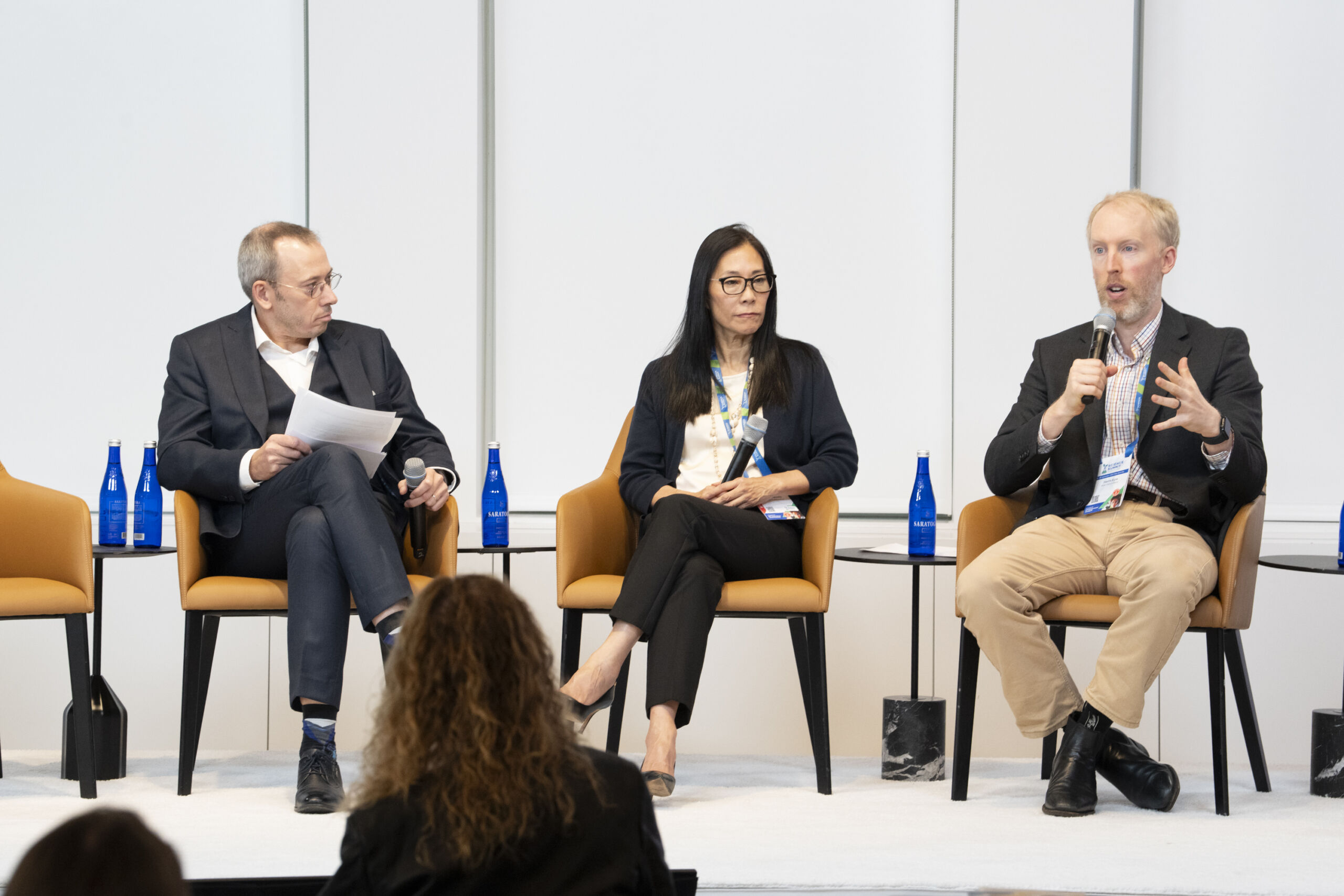
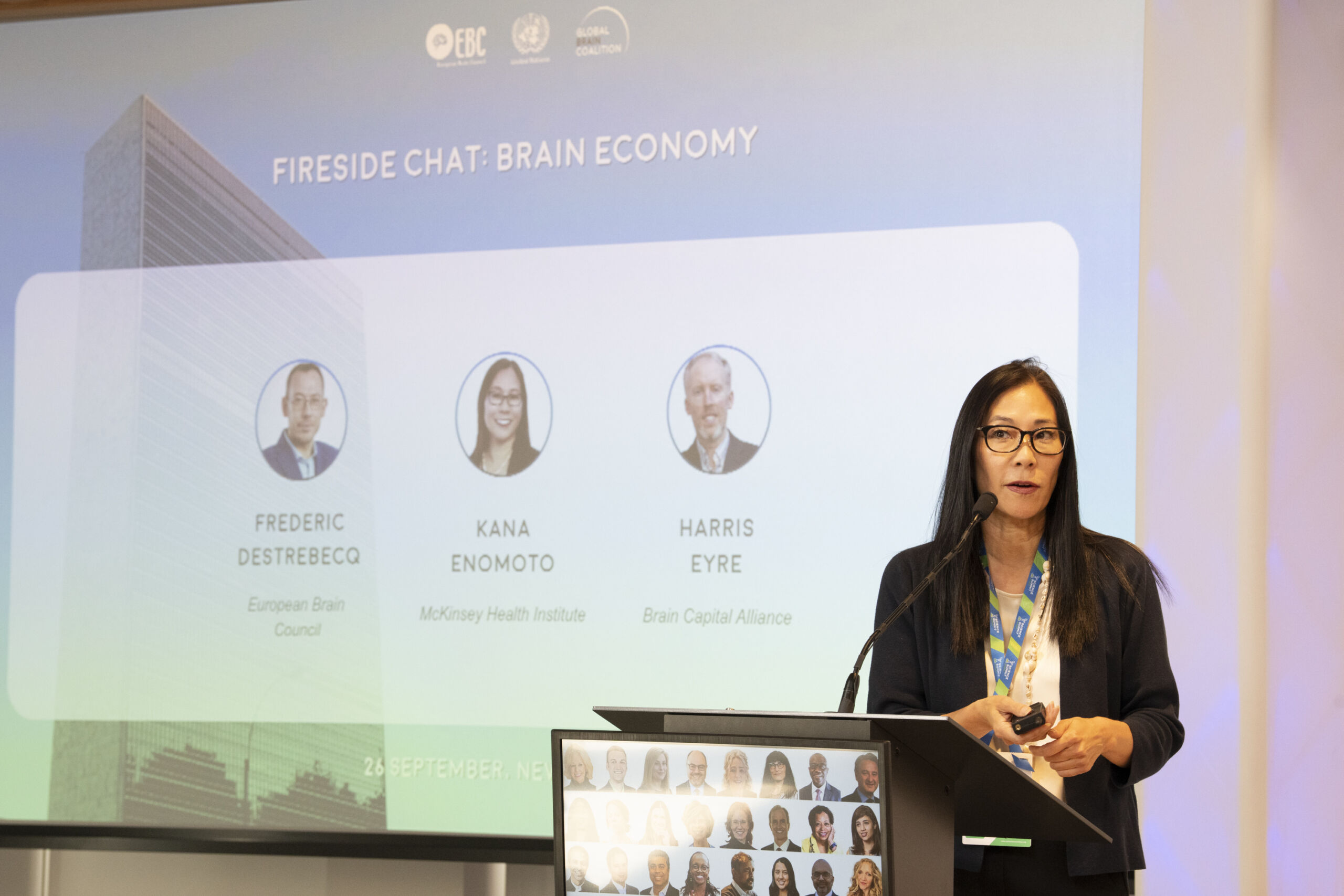
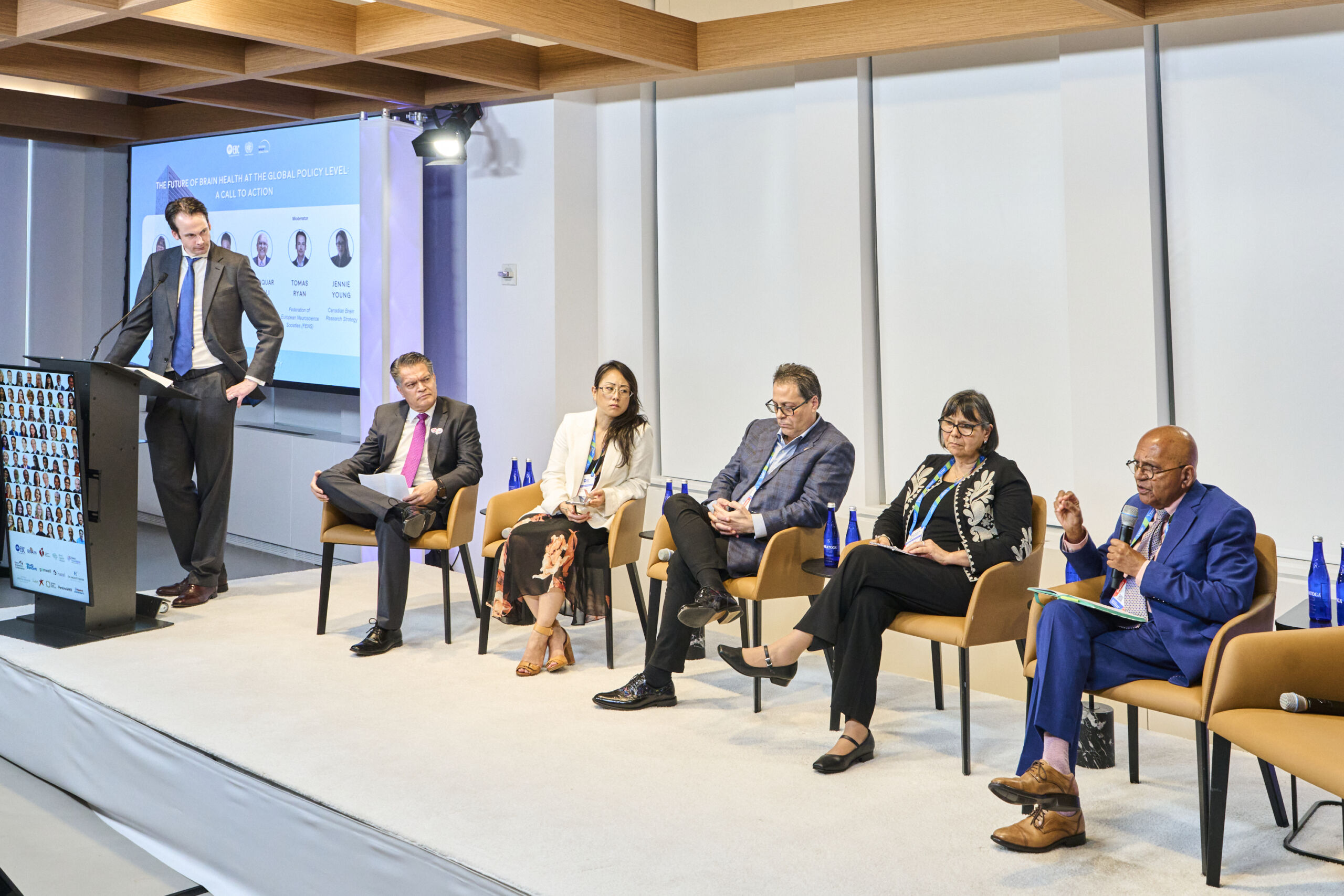
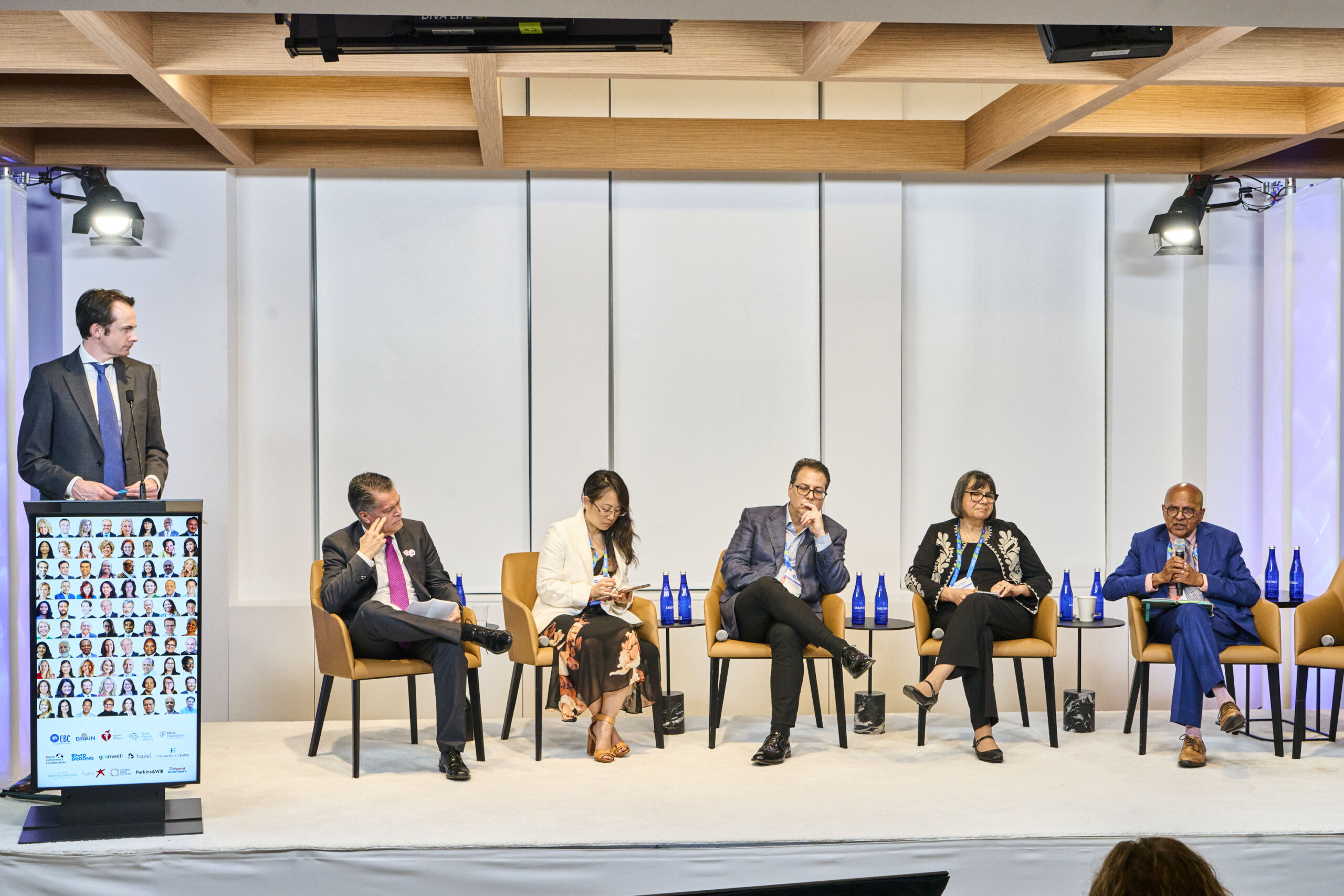
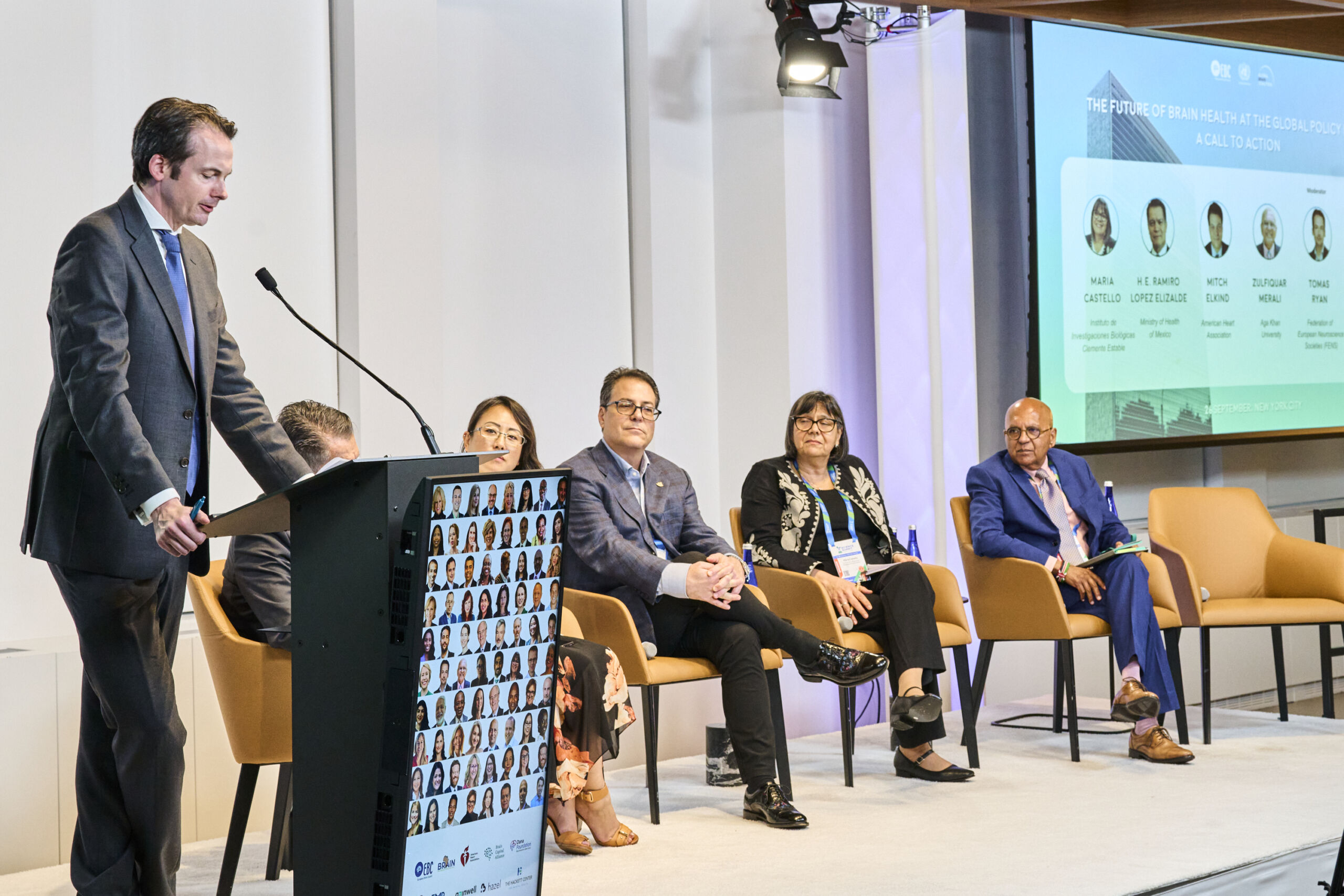
Click to display in HD. ©️ Jasmina Tomic
The programme concluded with a global call to action, urging countries and institutions to embed brain health in sustainable development, financing, and innovation frameworks.
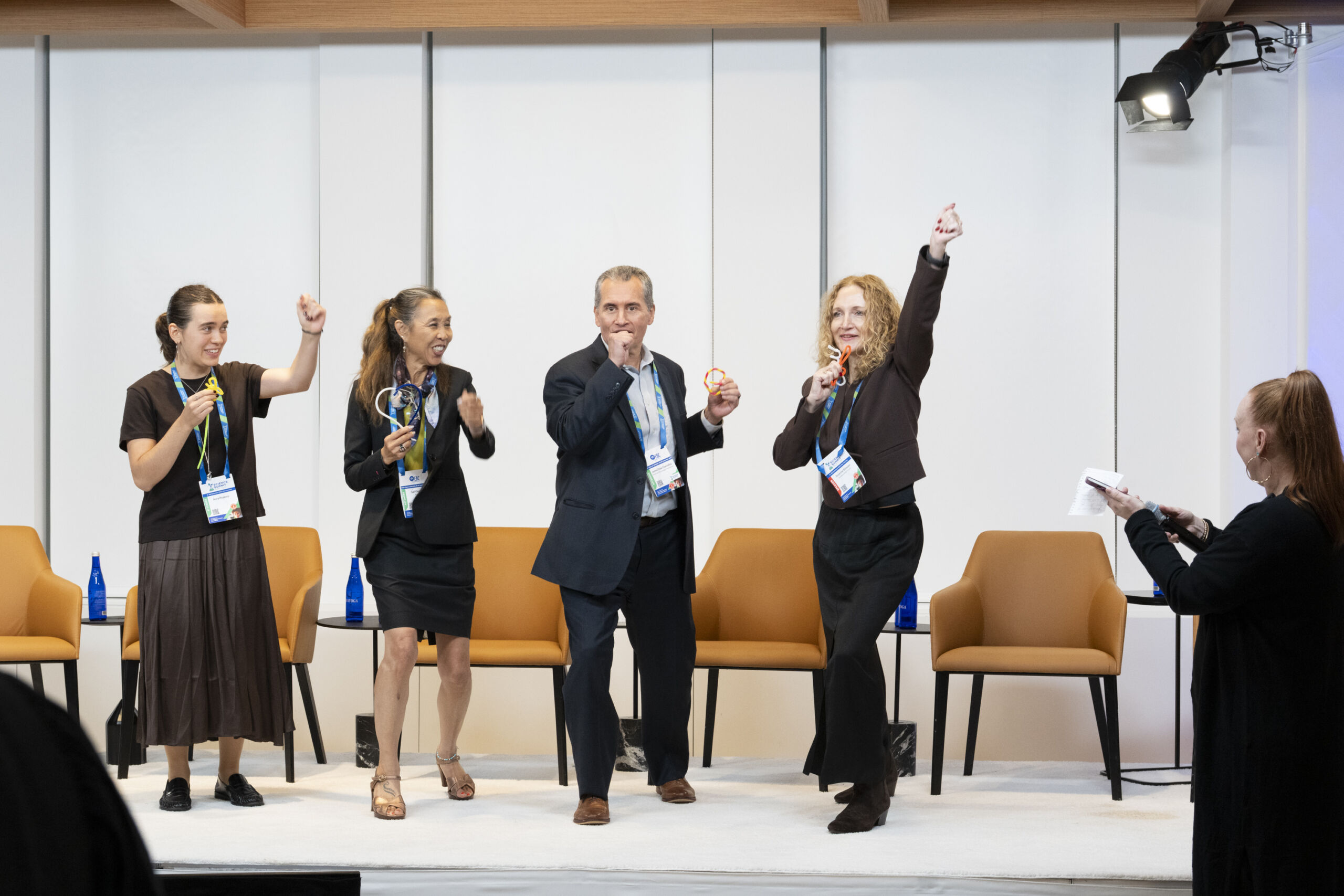
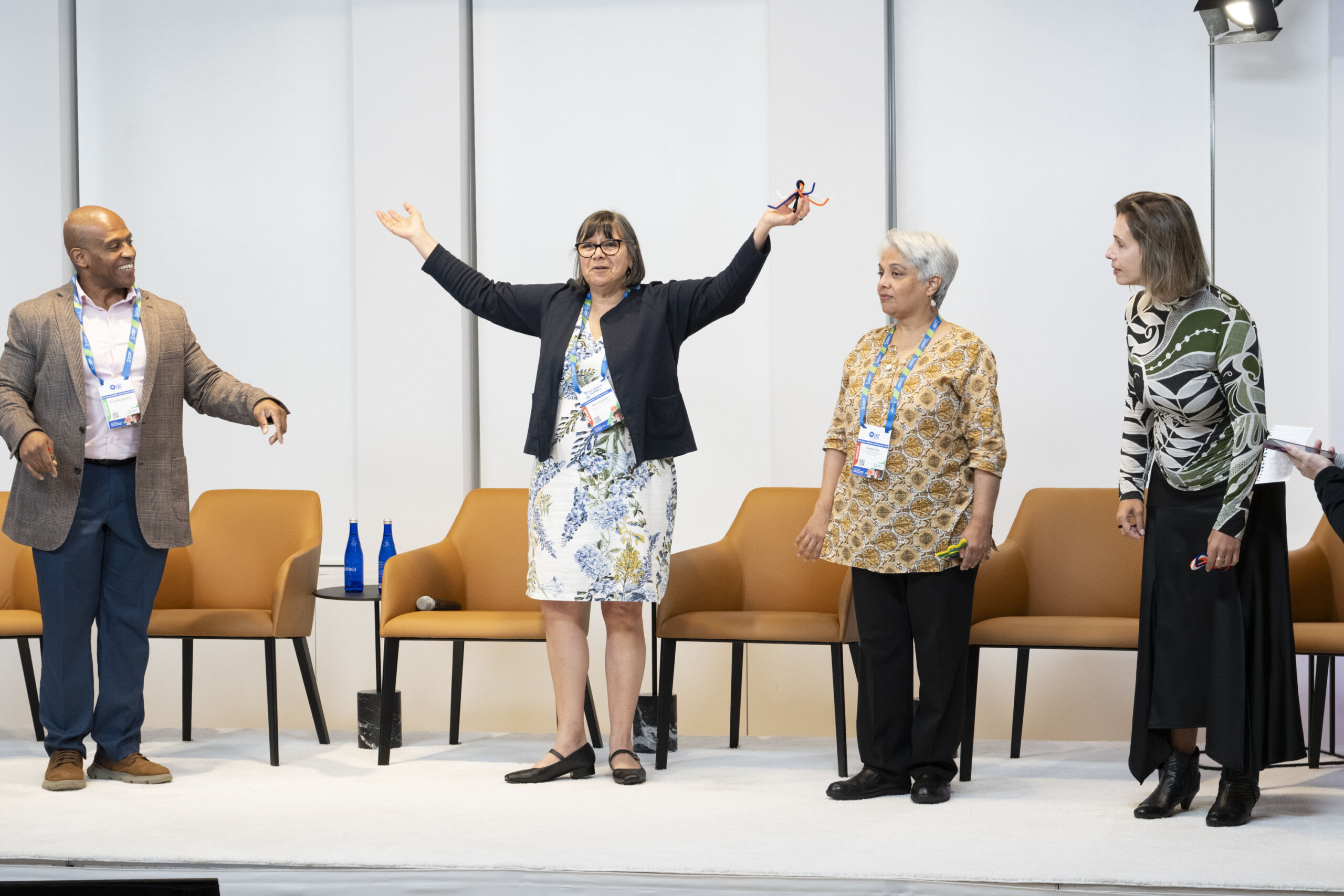
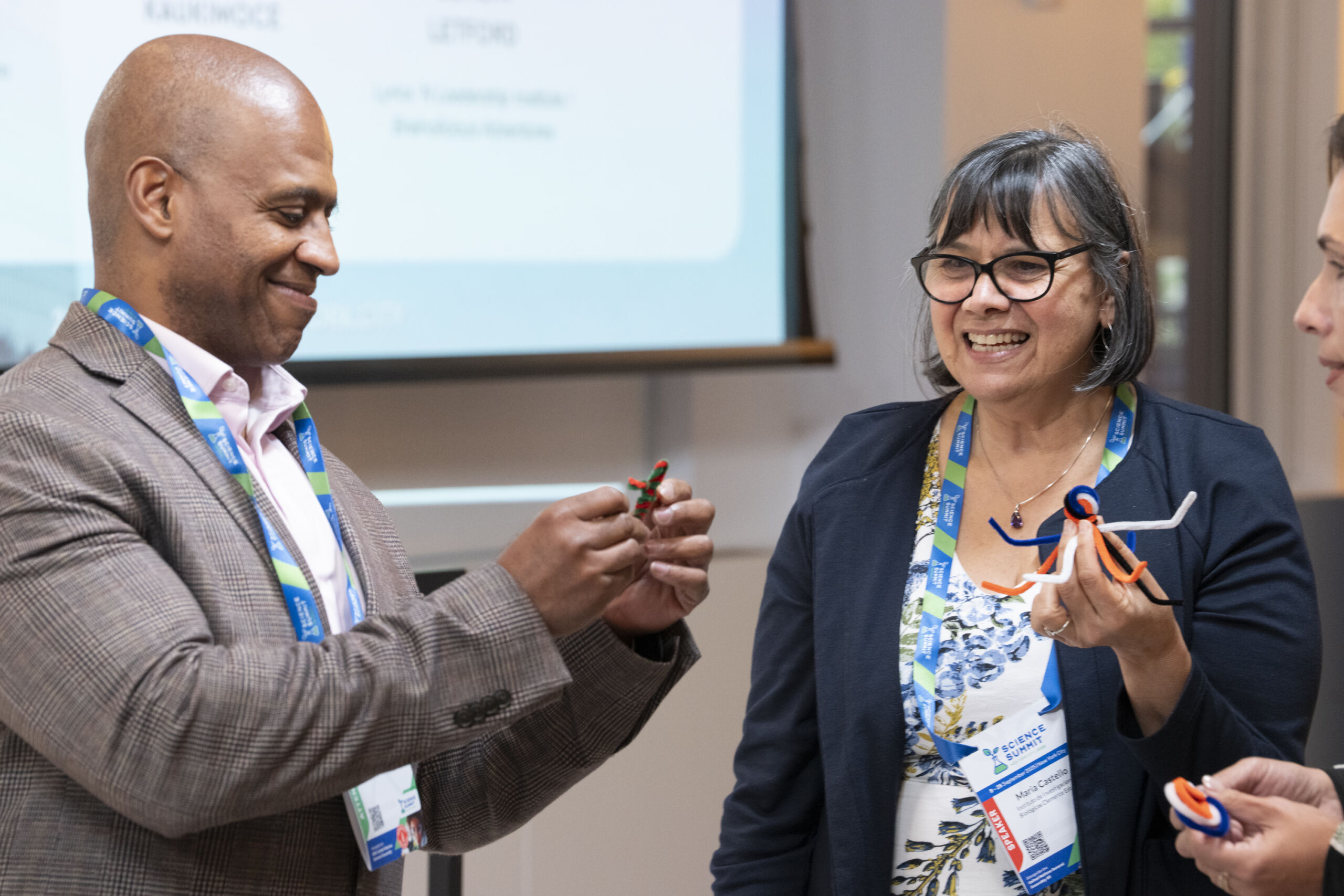
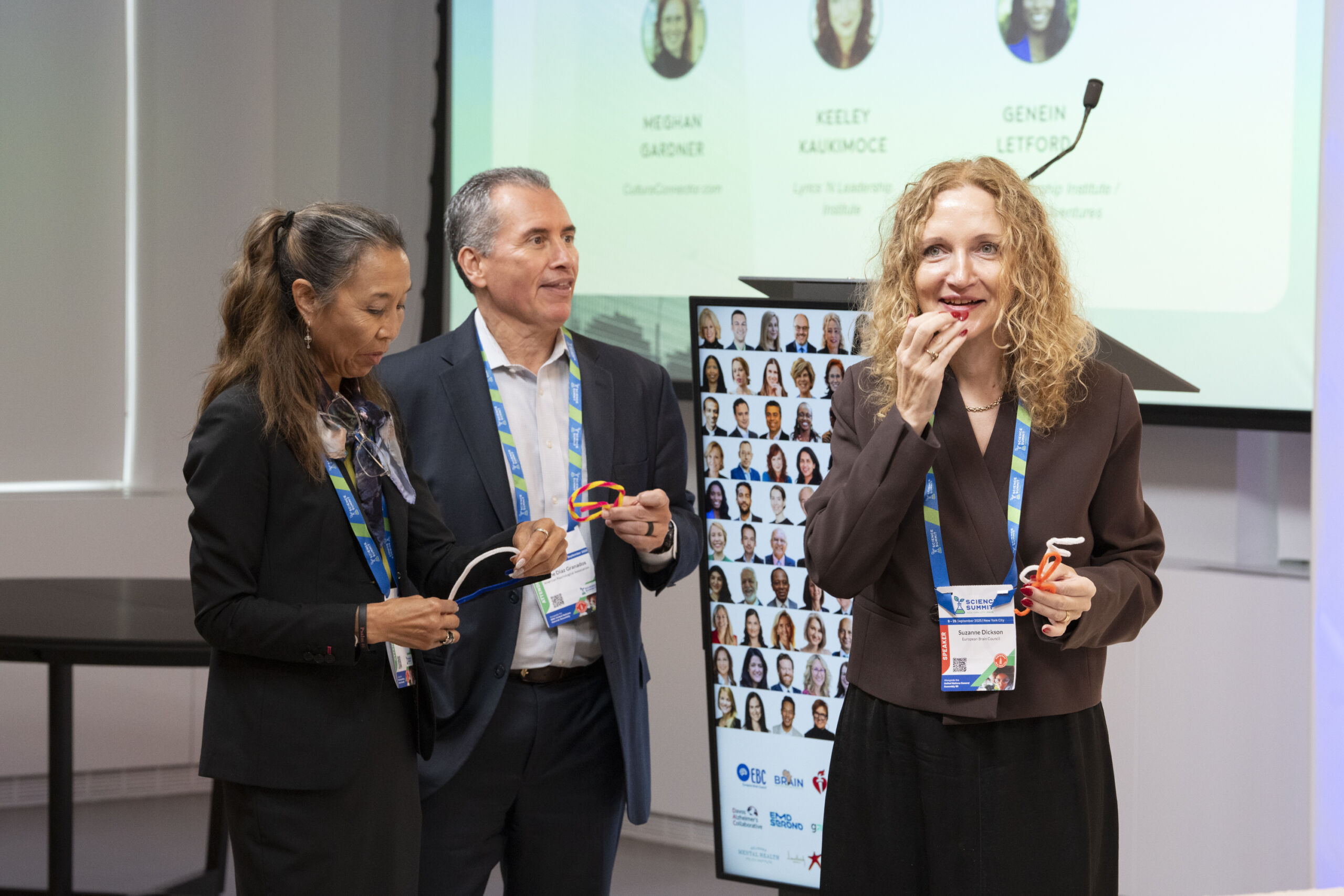
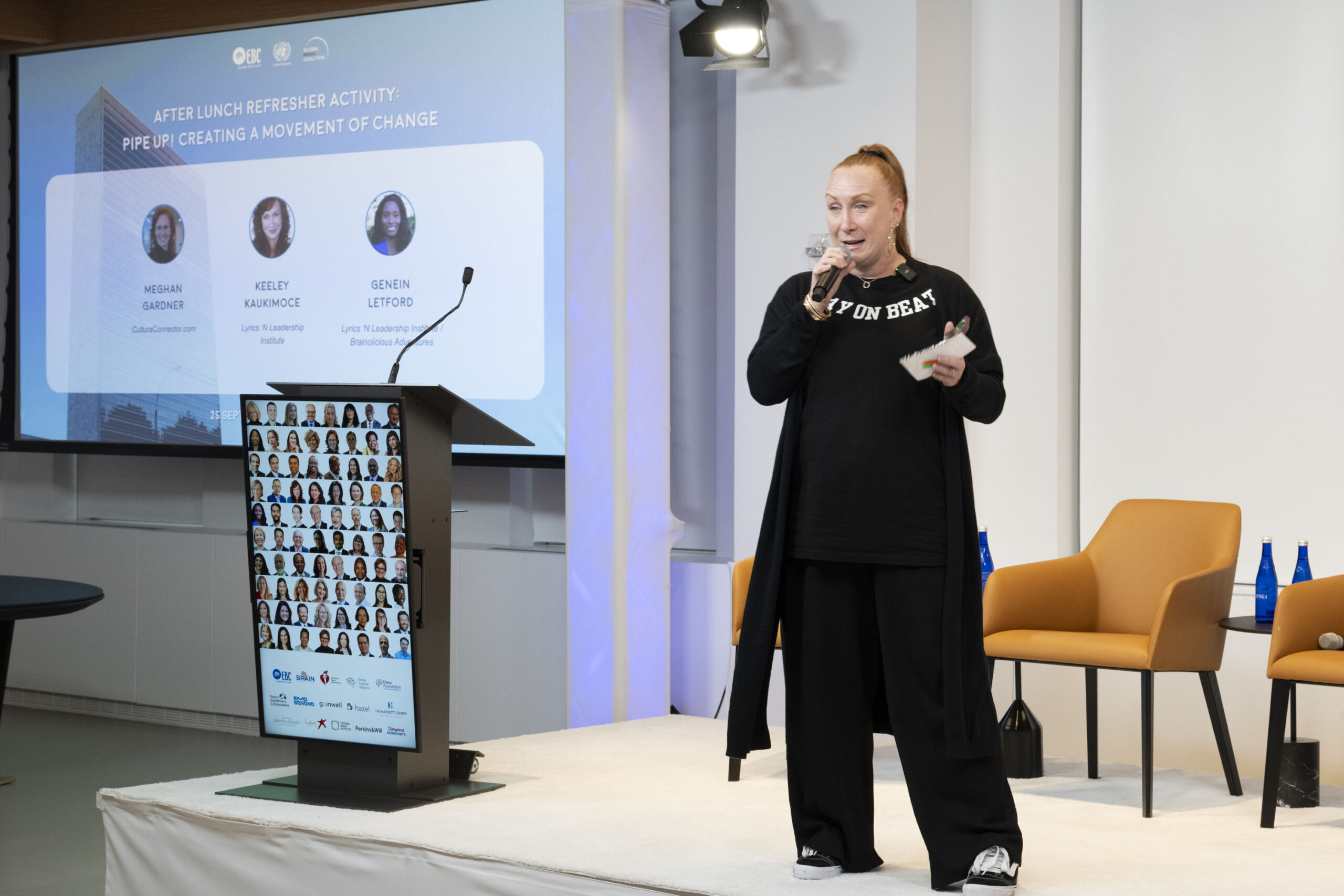
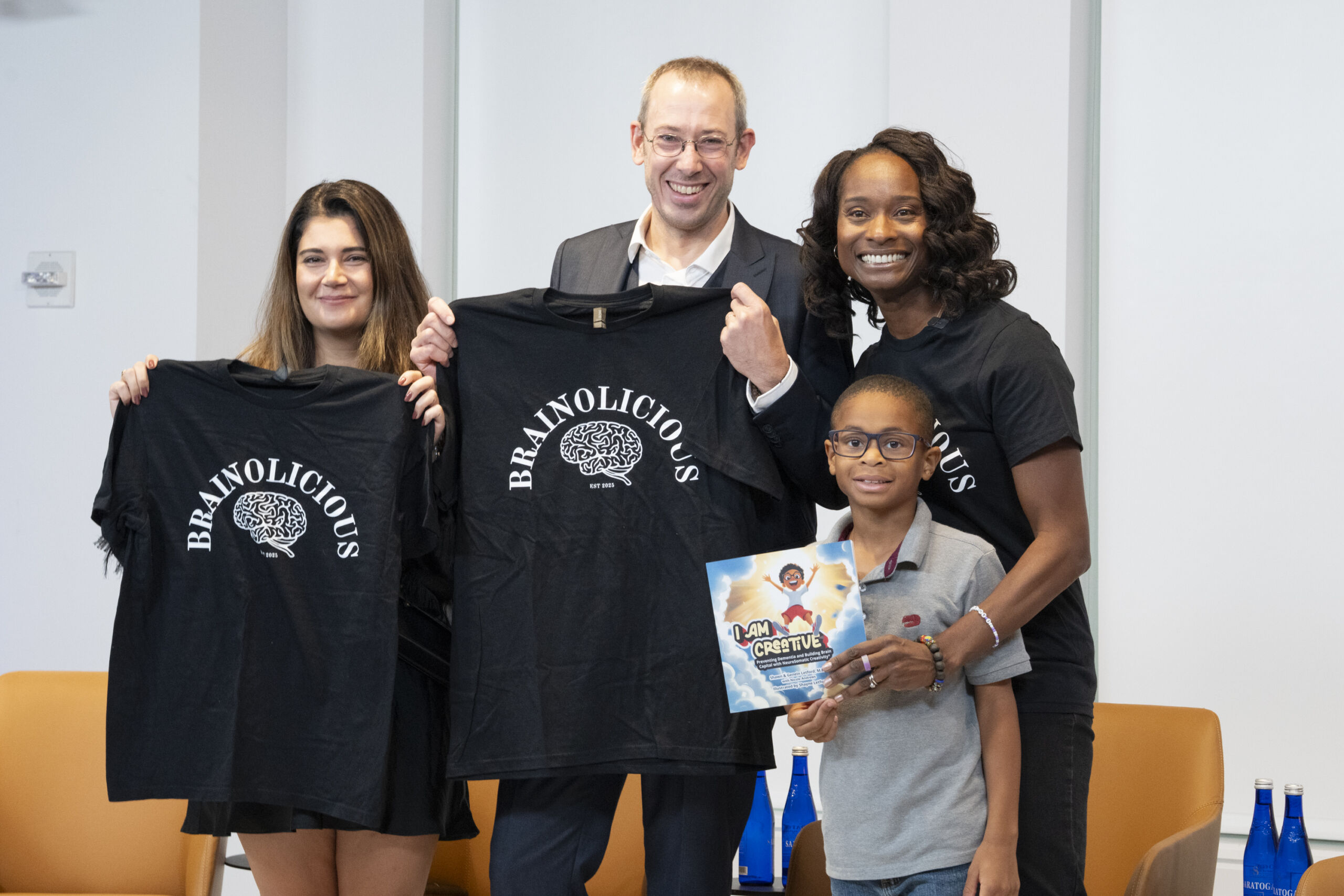
Across both days, the event was pleased to host Genein Letford, Chief Executive Officer, Lyrics ‘N Leadership Institute / Brainolicious Adventures and her colleagues, who helped break the ice and provide brain-friendly agenda pauses, talks and even song and dance to get our attendees pepped up.
EBC’s Goals and Next Steps
Throughout UNGA80, EBC and its partners advanced a clear mission:
- To elevate brain health as a global development and socioeconomic priority, not just a health issue;
- To recognize brain health and brain capital as central to resilience, equity and innovation;
- To accelerate the translation of science into policy and practice, ensuring that no population is left behind.
This was particularly important messaging as the event took place alongside the UN High-Level Meeting on Noncommunicable diseases, where Heads of Member States failed— by US veto – to reach consensus on their new vision to prevent and control NCDs towards 2030 and 2050. The draft declaration, after months of discussion, recognized that noncommunicable diseases and mental health and well-being are closely intertwined with brain health and neurological conditions, that mental health conditions and neurological conditions contribute to the global incidence and impact of noncommunicable diseases, and that persons living with mental health conditions and neurological conditions also have an increased risk of other noncommunicable diseases and therefore have higher rates of morbidity and mortality, signalling major changes in the recognition of the urgency to not only tackle the growing burden of brain disorders (neurological and mental alike) but to also place greater attention on brain health as a whole. As the draft will face another vote in the General Assembly soon, these calls towards global health policymakers are more important than ever.
These Brain Days also build critical momentum back in Europe, particularly in EBC’s work towards the development of a European Coordination Plan for the Brain as well as within the European Partnership for Brain Health, launching in 2026.