
For the fifth year in a row, the European Brain Council (EBC) joined partners and stakeholders from across the global brain health community in New York during the 81st United Nations General Assembly (UNGA81), bringing brain health, research, innovation and the broader societal and economic value of brain health into discussions taking place throughout the UN High-Level Week.
Across a week of high-level meetings, scientific exchanges and multi-stakeholder dialogue, EBC helped connect European and international perspectives around a common objective: strengthening global action on brain health and ensuring that brain health is recognised as a strategic priority for societies, economies and sustainable development.
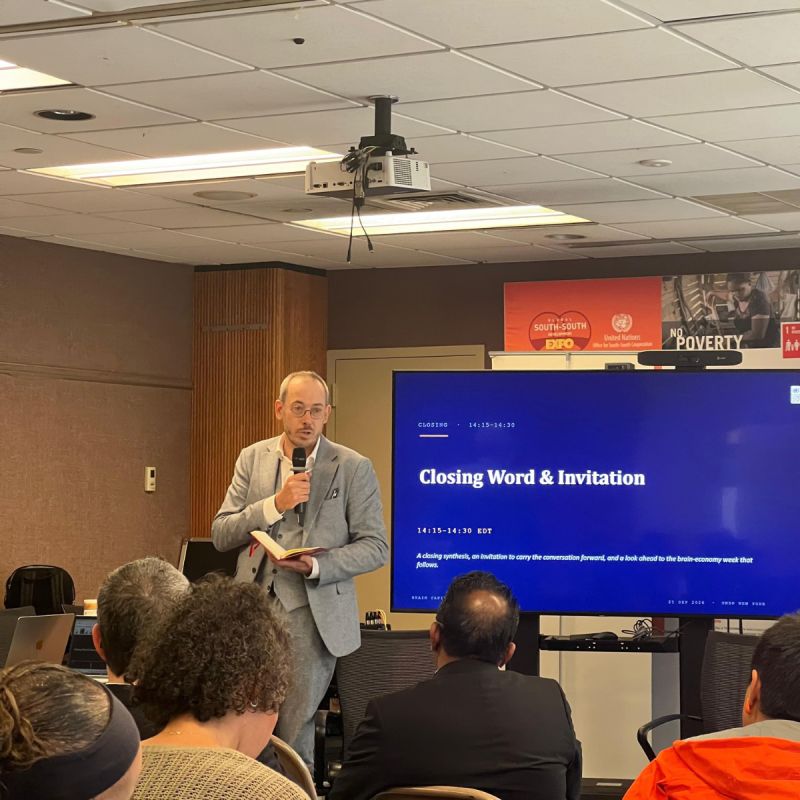
The week began with the event Brain Capital Under Pressure: Mental Health, Brain Skills, and Human Capability in Crisis Settings, convened by the Crisis Bureau, United Nations Development Programme (UNDP) with support from the Davos Alzheimer’s Collaborative. The discussions looked at brain capital through two areas central to UNDP’s Beyond Crisis Action Agenda: peacebuilding and social cohesion, where trust and belonging can be rebuilt, and livelihoods, jobs and economies, where meaningful participation and work can strengthen agency, capability and a sense of future. Financing was also discussed, examining the question: what exactly are we investing in, which forms of capital fit which outcomes, and what would help move resources into crisis and fragile settings at scale? EBC was pleased to be invited and welcomed to the discussion, with Executive Director, Frédéric Destrebecq, providing closing words on the discussion and launching a week full of brain health activities across New York, including the EBC Brain Days.
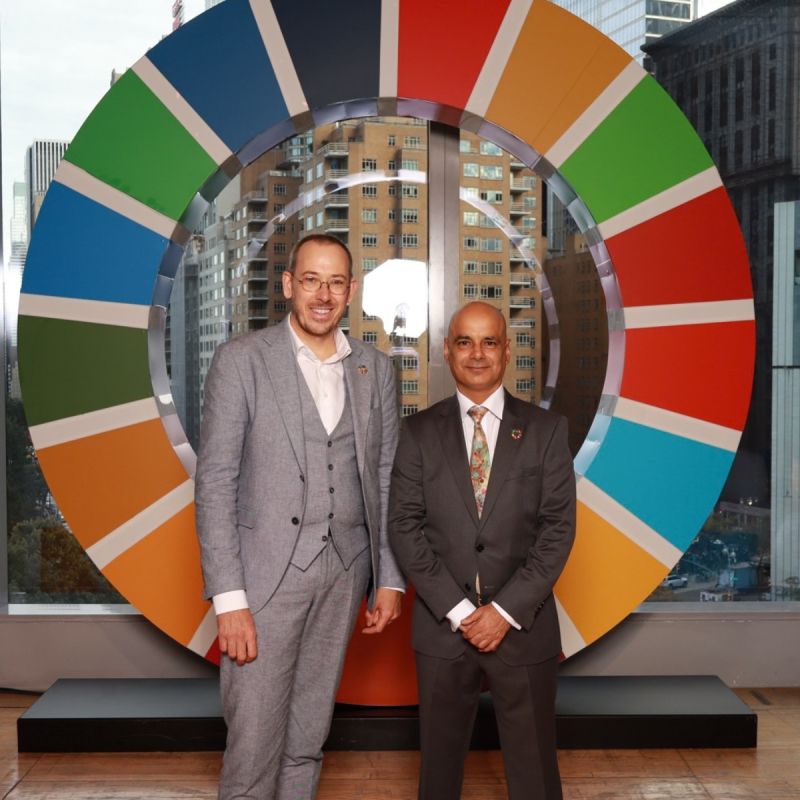
EBC President Elect, Sameer Zuberi, and Executive Director, Frédéric Destrebecq, ended the Monday with an invitation to the Gates Foundation’s Goalkeepers event, themed “Make This Matter: AI, Equity, and the Choice We Can’t Delay”. This year’s event focused on expanding access to AI in health, education, agriculture, and digital equity to advance the United Nations Sustainable Development Goals (SDGs), exploring whether artificial intelligence will deepen global inequity or expand human potential.
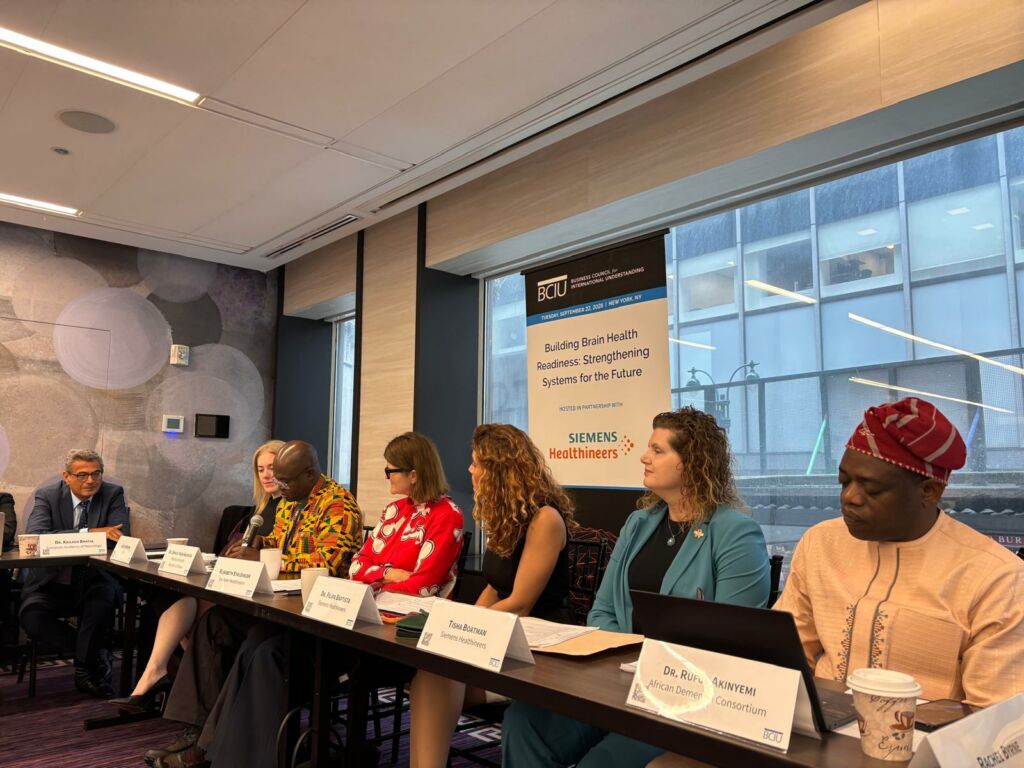
Tuesday, 22nd September, began with the meeting Building Brain Health Readiness: Strengthening Systems for the Future, hosted by the Business Council for International Understanding (BCIU) and Siemens Healthineers. EBC President, Suzanne Dickson, took part in the roundtable of key stakeholders in the brain health space, with discussions focused on the neurological conditions representing one of the fastest growing and most under-addressed global health challenges. Experts exchanged on topics such as access to prevention, diagnosis, treatment, and long-term care as well as health systems often lacking the workforce, infrastructure, and financing needed to deliver comprehensive neurological care.
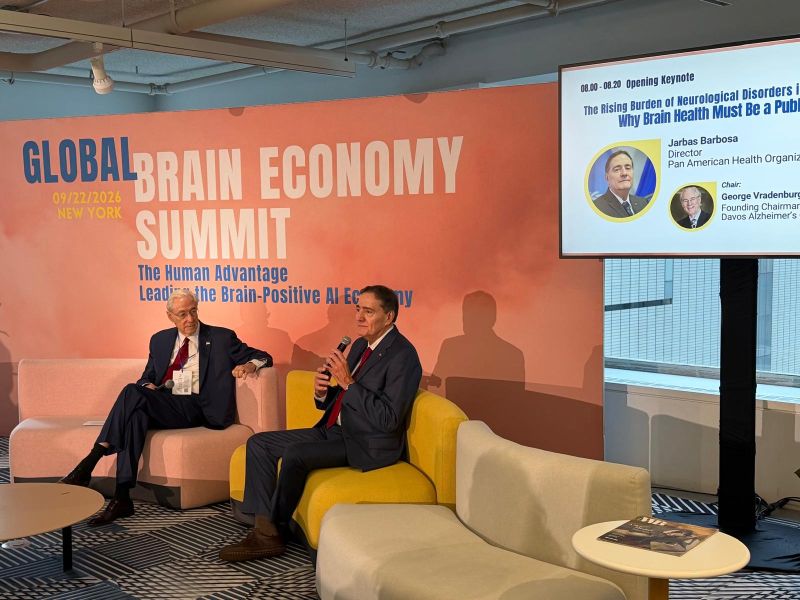
The 22nd of September continued with the Global Brain Economy Summit, convened by NeuroCentury, Brain Capital Alliance, the Euro-Mediterranean Economists Association, the Davos Alzheimer’s Collaborative, the Global Brain Economy Initiative, and The Brain House. The Summit convened policymakers, business leaders, scientists, and practitioners around the theme “The Human Advantage: Leading the Brain-Positive Transition”, focusing on the practical impact of the brain economy in transforming healthcare, the workplace, and individual cognitive welfare.
The day ended with the meeting Brain Health as an Economic Imperative: Unlocking Human Capital, Productivity, and Sustainable Growth, organized by the Davos Alzheimer’s Collaborative (DAC) and Bristol Myers Squibb (BMS).
The 23rd and 24th of September brought the 5th edition of the European Brain Council-led Brain Days at the 81st United Nations General Assembly, convening the global brain community in New York for two days of dialogue, partnership and action. Under the theme Towards a UN Resolution for the Brain, the event explored how brain health can move higher on global policy agendas – and how international collaboration can turn growing momentum into lasting change. A full event report is available here.
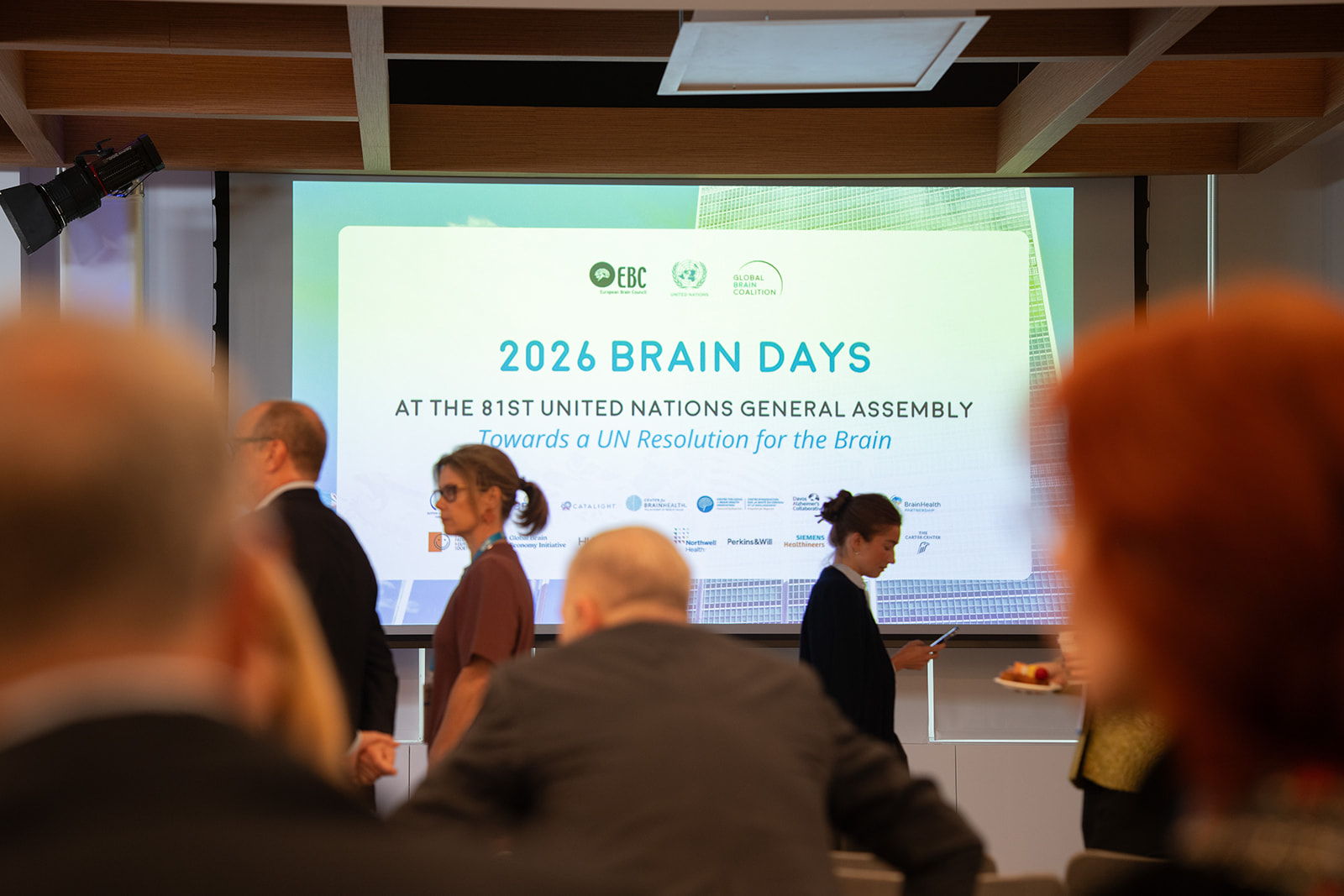
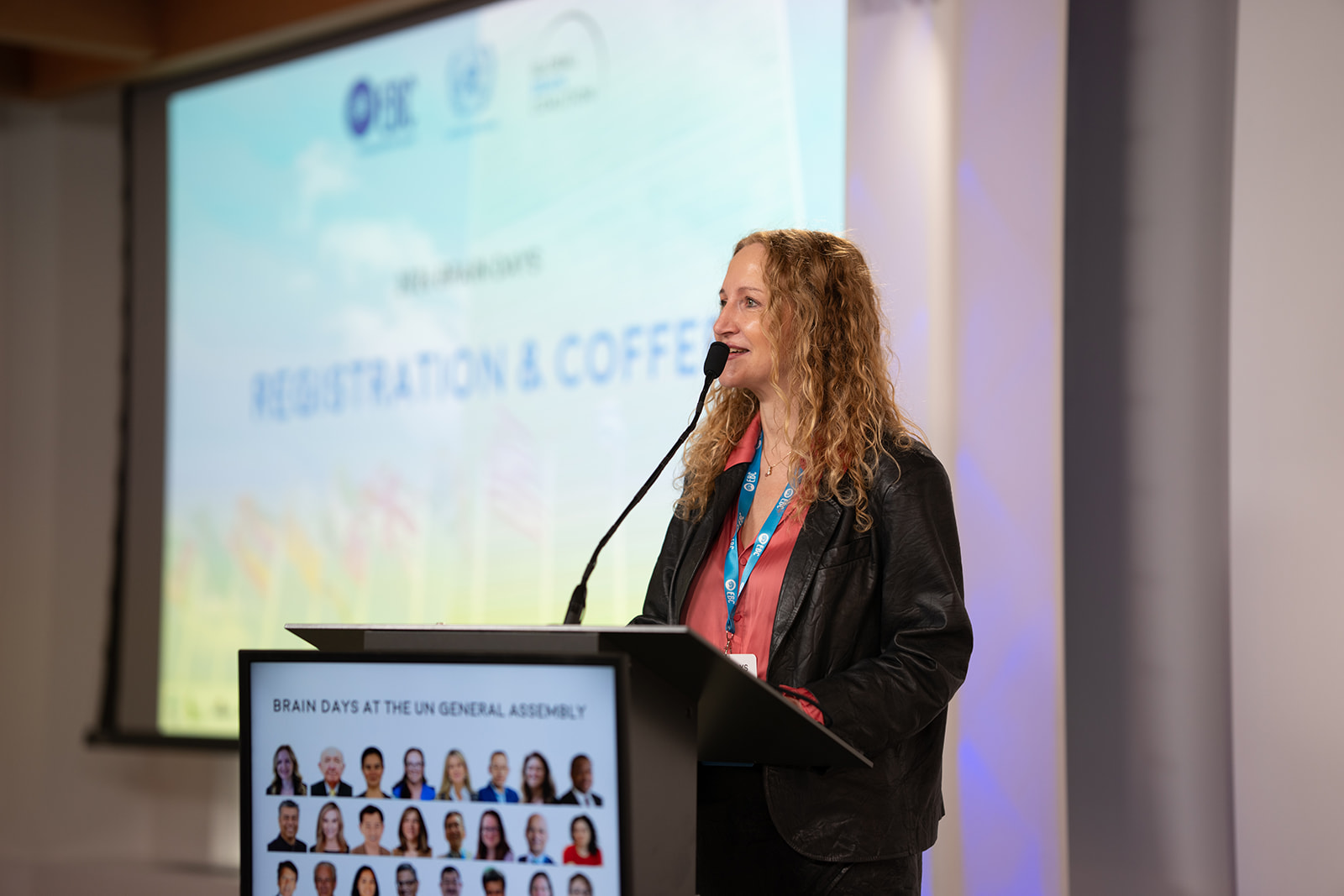
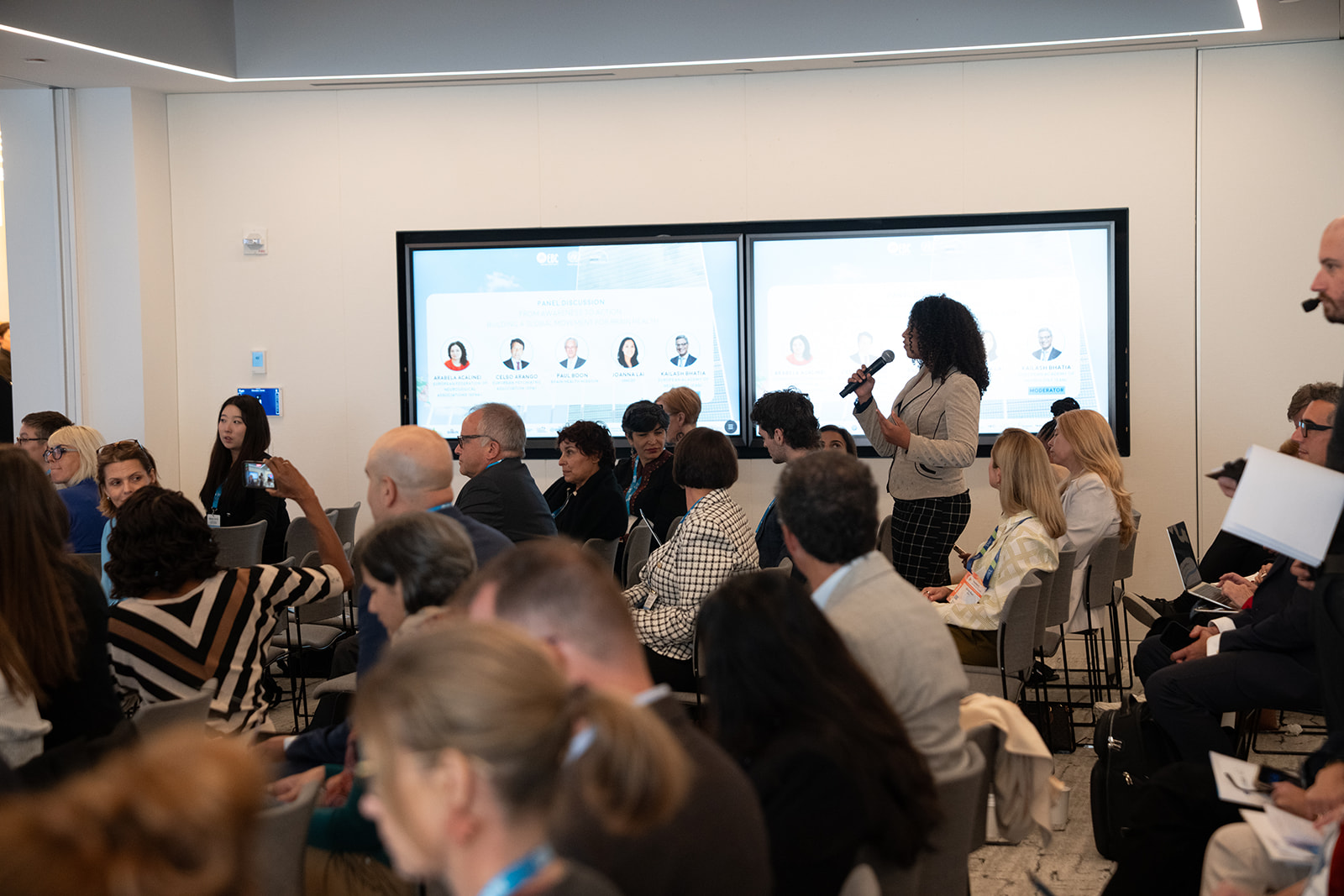
Click to display in HD. ©️ Nick Starichenko
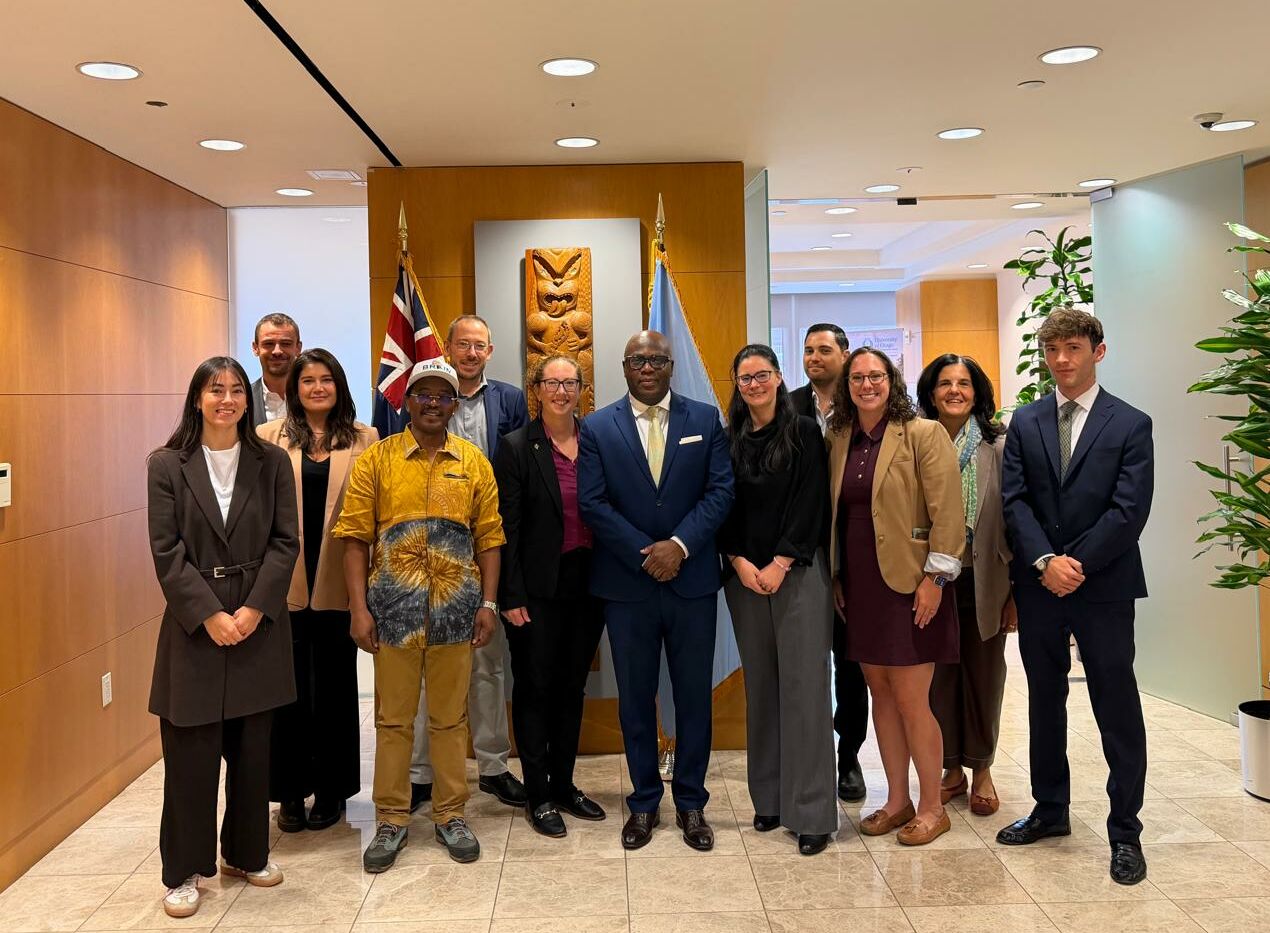
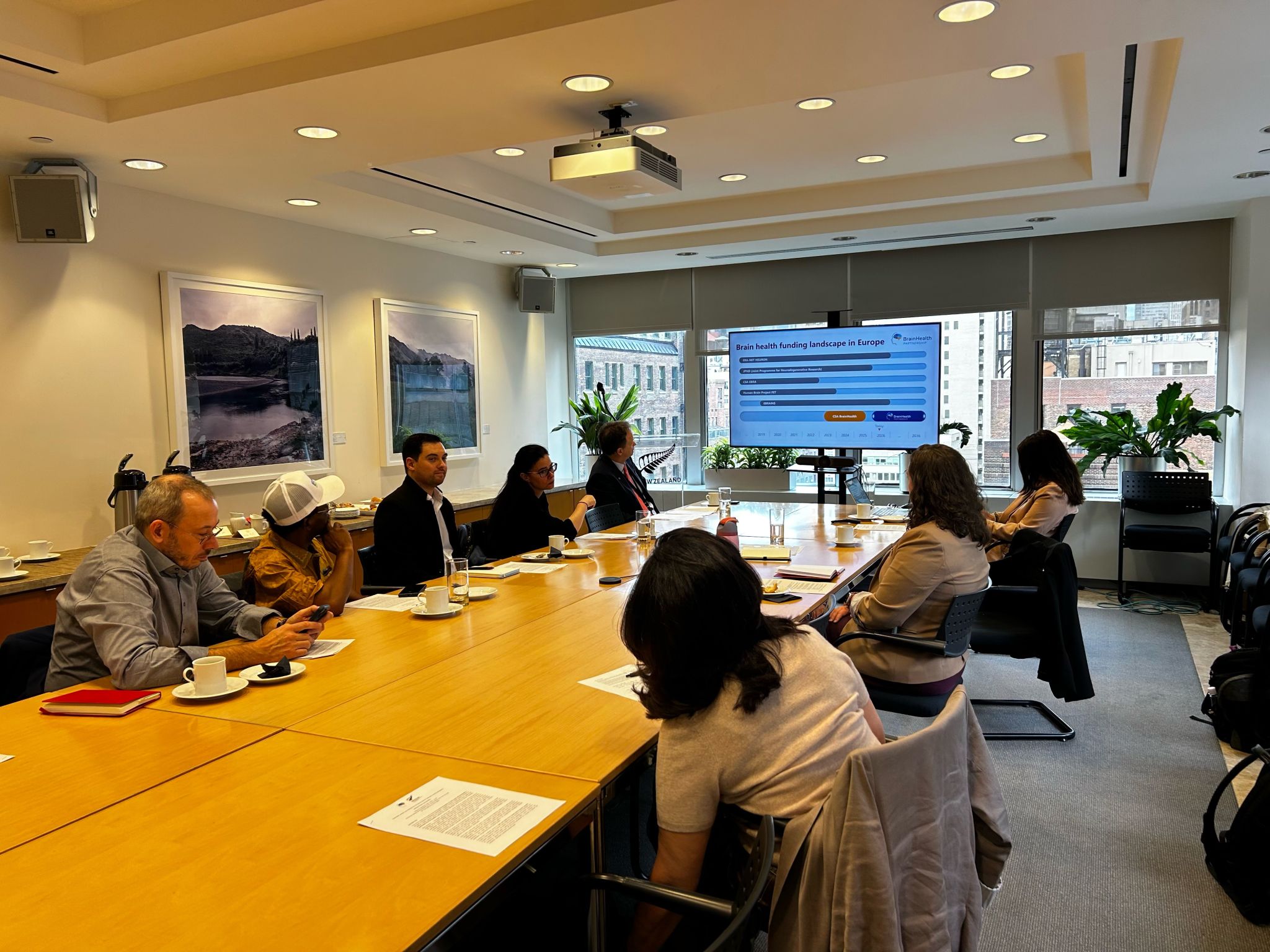
The week wrapped up on 25th September with a roundtable organised through the European Partnership for Brain Health, hosted at the Permanent Mission of New Zealand to the United Nations, on Fostering Global Collaboration for Brain Health through Science Diplomacy. Representatives from diplomacy, research funding, development finance, philanthropy, and academia attended and exchanged views on the opportunities global collaboration can bring for the better of brain health and science at the global level, and how a European partnership such as the EP BrainHealth has the potential to bring the community together beyond Europe. A joint statement on strengthening international collaboration in brain health through science diplomacy, inclusive partnerships, coordinated dialogue, responsible data sharing, and capacity-building will follow this week.
This year’s UNGA made clear that momentum continues to build for brain health. Serving as a platform to bring together key voices in the related spaces and build connections amongst the communities to better help advance a shared global agenda for brain health, brain research, the brain economy and beyond. EBC is excited to be part of these efforts and looks forward to plenty more opportunities for collaboration ahead, and to continue creating space for active discussion and catalysing concrete next steps for collective action.