

EBC at the Congress of the Federation of European Neuroscience Societies
From 6 to 10 July 2026, the European Brain Council (EBC) participated in the FENS Forum 2026 in Barcelona, Spain. Organised by the Federation of European Neuroscience Societies (FENS) in collaboration with the Spanish Society of Neuroscience (SENC), the biennial Forum is Europe's largest neuroscience congress, bringing together more than 8,000 scientists, clinicians, students and stakeholders from around the world to explore the latest advances in brain research. The scientific programme spanned the full spectrum of neuroscience, from fundamental discovery science to translational and clinical research, and included plenary and special lectures, scientific symposia, technical workshops, special interest events, career development activities and networking opportunities.
At FENS Forum 2026, EBC contributed through the organisation of several networking and special interest events, led a dedicated session on the European Partnership for Brain Health, and engaged with the neuroscience community throughout the congress via its exhibition booth. The Forum provided an important platform for EBC to connect with researchers, clinicians, policymakers, patient organisations, National Brain Councils and European partners, strengthening collaboration across the neuroscience community and supporting efforts to translate research into innovation, improved brain health and better care and policy across Europe.
Networking Event | Monday 6 July
Towards the Establishment of National Brain Plans in Europe
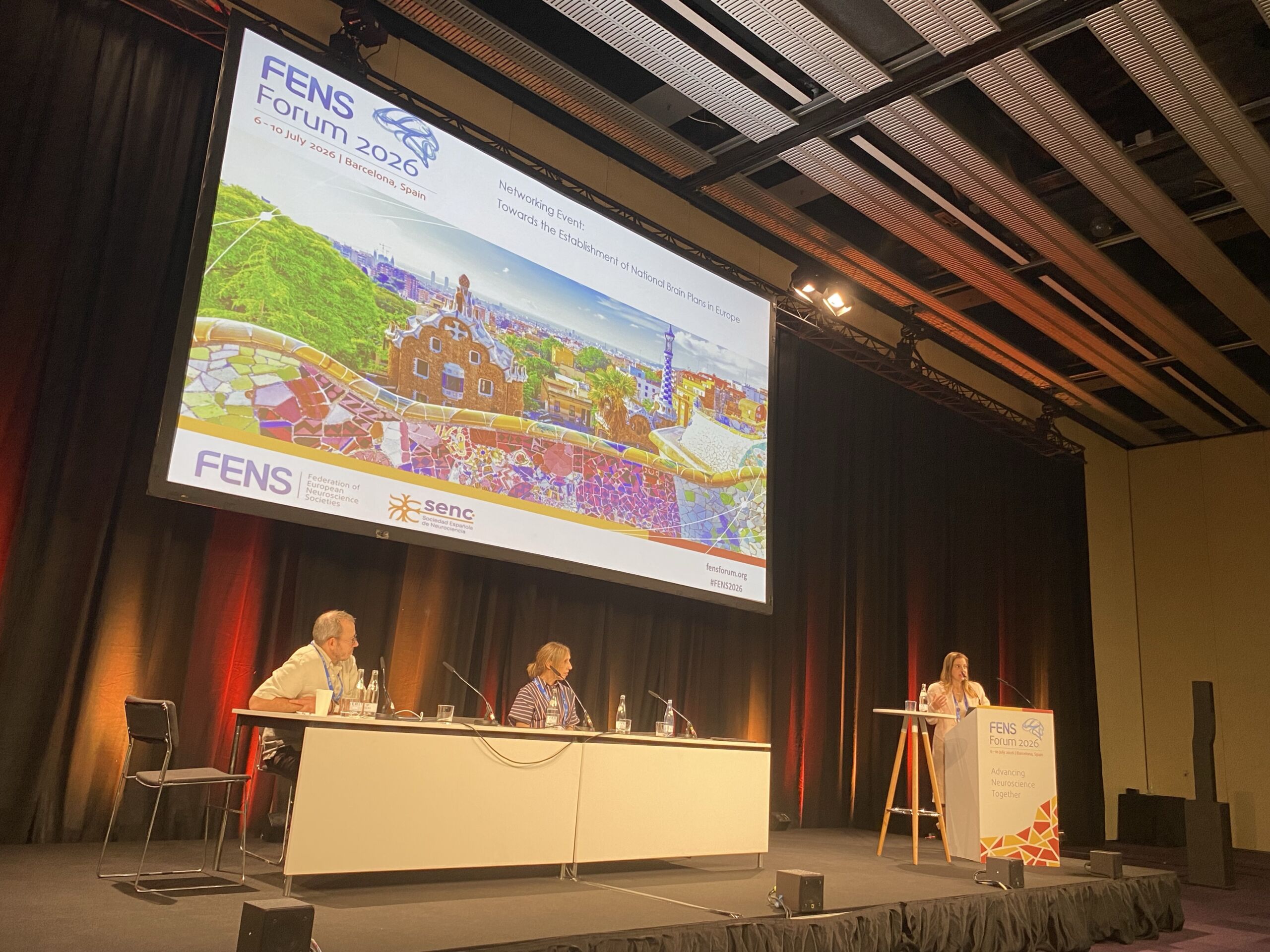
On the 6th of July, EBC, in collaboration with the Hellenic Brain Council, organised the Networking Event “Towards the Establishment of National Brain Plans in Europe”, providing a platform for exchange and dialogue among national stakeholders working to advance coordinated approaches to brain health.
Chaired by EBC Executive Director Frédéric Destrebecq, the session focused on one of the most significant policy developments within the European brain health landscape: the emergence of national brain plans.
Across Europe, an increasing number of countries are developing comprehensive strategies that bring together governments, researchers, clinicians, patient organisations and industry to address the growing burden of brain disorders. These initiatives aim to strengthen prevention, diagnosis, treatment, research investment and long-term policy planning, while supporting the implementation of the World Health Organization’s Intersectoral Global Action Plan on Epilepsy and Other Neurological Disorders (IGAP).
The session brought together representatives from countries with established national brain plans, as well as those currently developing their own strategies. Participants shared experiences, discussed common challenges and explored successful approaches to building national coalitions and engaging policymakers.
Discussions highlighted how national brain plans can help reshape research priorities, strengthen interdisciplinary collaboration and improve coordination between research institutions, healthcare systems and public authorities. Particular attention was given to the role of National Brain Councils in supporting these initiatives and helping develop coherent, long-term strategies to advance brain health.
Special interest event | Tuesday 7 July
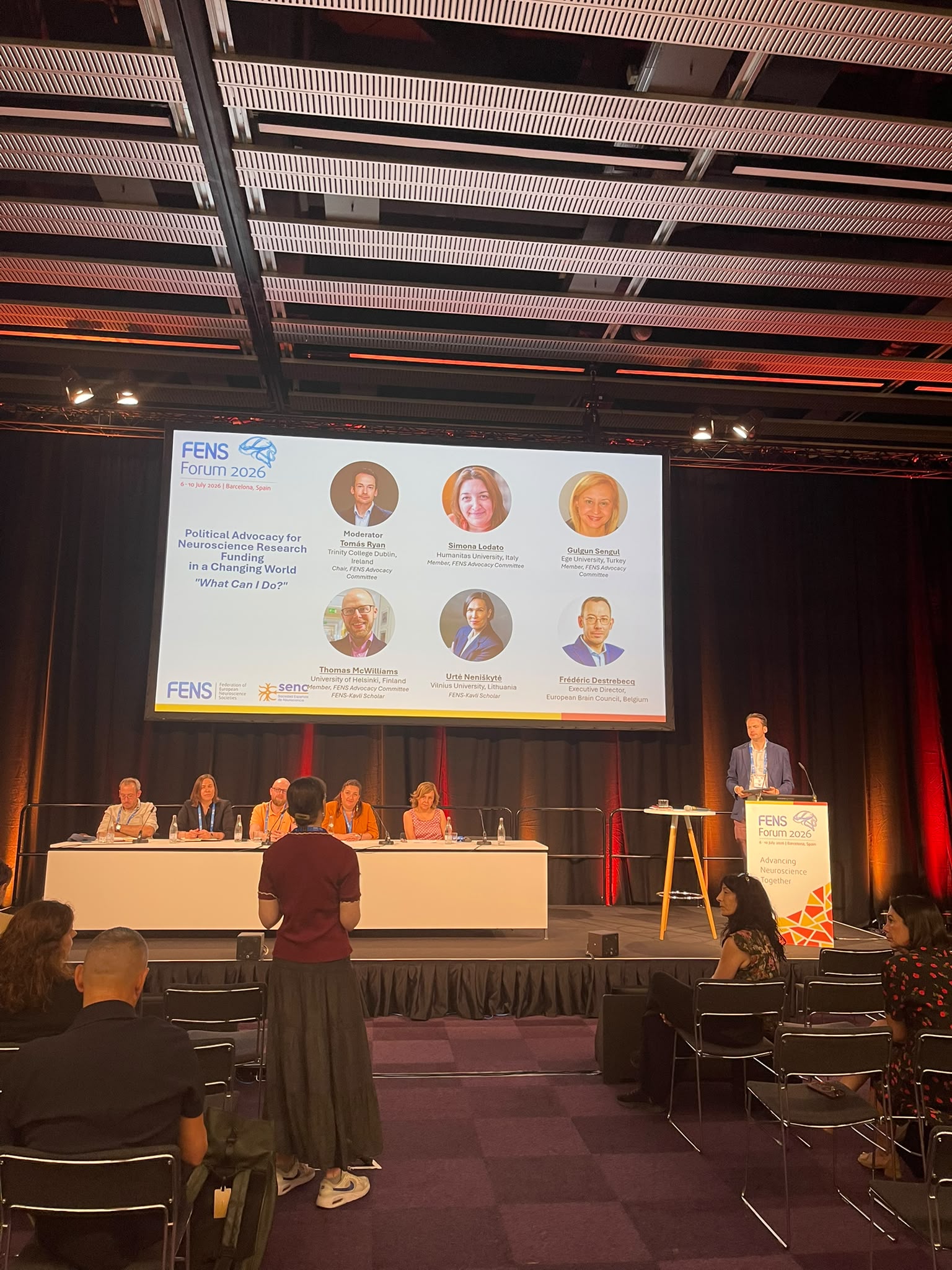
Political Advocacy for Neuroscience Research Funding in a Changing World – “What Can I Do?”
On the 7th of July, EBC contributed to the Special Interest Event “Political Advocacy for Neuroscience Research Funding in a Changing World – ‘What Can I Do?’”, organised by the FENS Advocacy Committee. The session explored the increasing importance of advocacy in securing sustainable support for neuroscience research amid a changing European and global funding landscape.
Bringing together neuroscientists and advocacy representatives, the discussion examined the role of the scientific community in engaging with policymakers, developing advocacy networks and fostering collaboration across sectors to promote effective research funding strategies and supportive policies.
Frédéric Destrebecq, Executive Director of the European Brain Council and European Brain Foundation, contributed to the session by highlighting the importance of cross-sector collaboration in neuroscience advocacy and the value of connecting researchers, patient organisations, policymakers and other stakeholders to strengthen collective impact.
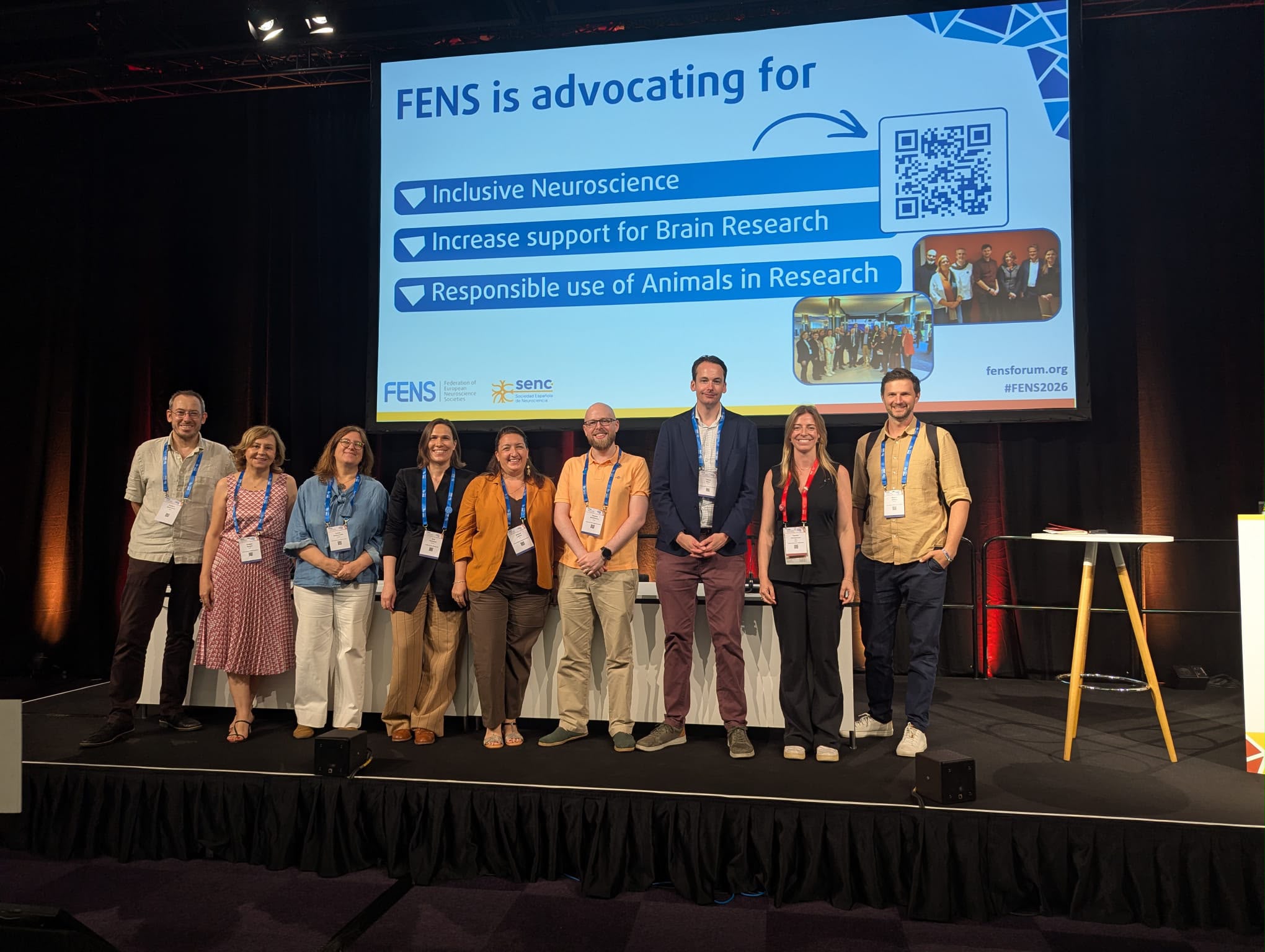
Other speakers shared national experiences, practical approaches to advocacy engagement and lessons learned from efforts to influence research policy. The session concluded with a panel discussion and audience exchange, encouraging participants to actively contribute to a strong, competitive and well-represented neuroscience ecosystem in Europe through sustained advocacy and collaboration.
Special Interest Event | Wednesday 8 July
Brain Health and Brain Capital: Shaping the Future of Neuroscience Research, Innovation and Policy
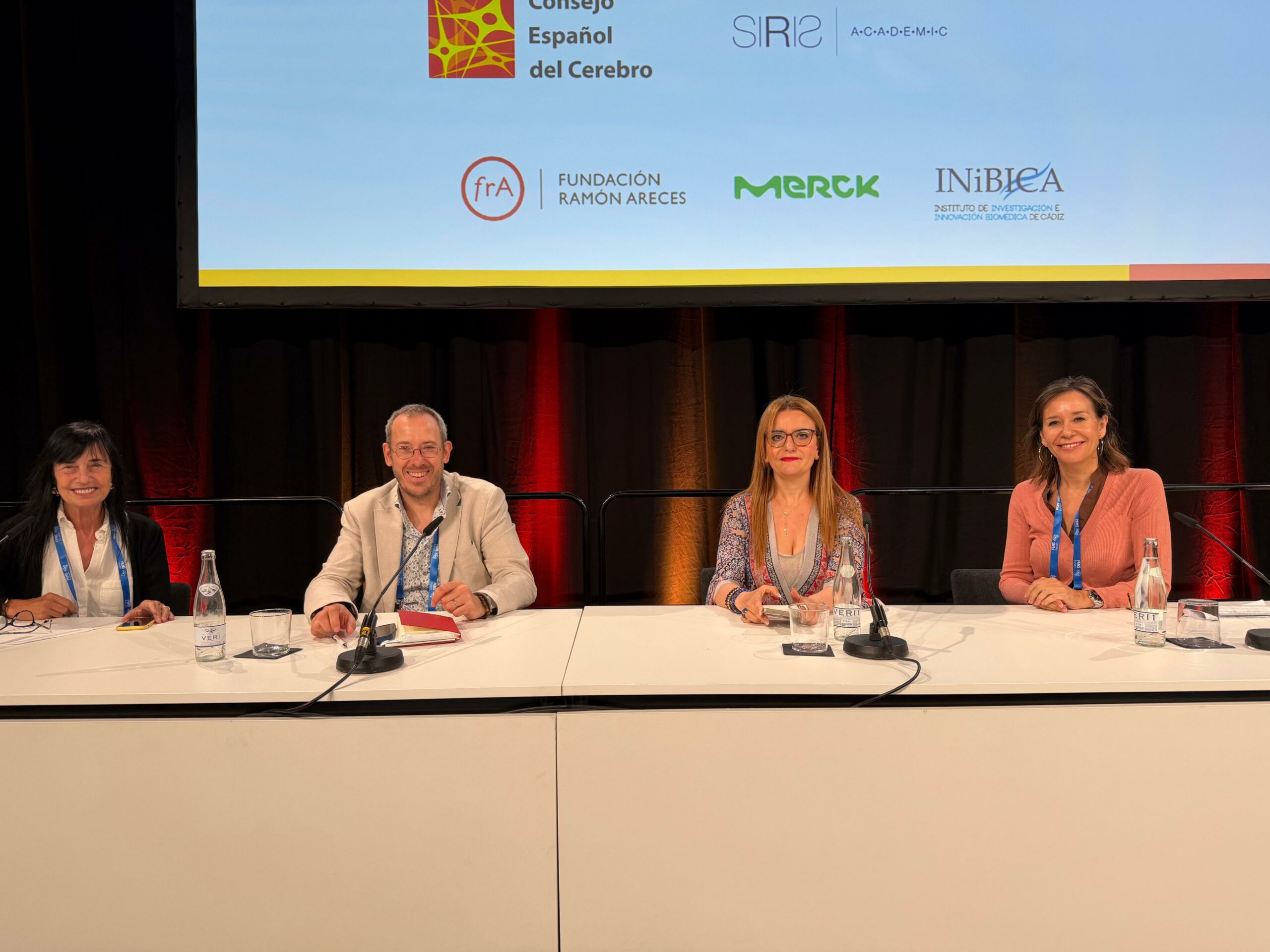
On the 8th of July, EBC co-organised the Special Interest Event “Brain Health and Brain Capital: Shaping the Future of Neuroscience Research, Innovation and Policy” together with the Spanish Brain Council and the Spanish Society of Neuroscience (SENC).
Moderated by Mara Dierssen, President of the Spanish Brain Council, President of the Spanish Association for the Advancement of Science, and researcher within the Systems and Synthetic Biology Programme at the Centre for Genomic Regulation (CRG), the session explored how the concepts of brain health and brain capital are influencing future priorities for neuroscience research, innovation and public policy across Europe.
The event highlighted the growing societal and economic impact of neurological and mental disorders and the need to translate neuroscience advances into improved healthcare, prevention strategies and evidence-based policies. Frédéric Destrebecq provided a policy perspective on brain health, brain capital and the brain economy in Europe, emphasising the importance of strategic investment in brain health.
Rym Ayadi, Founder and President of the Euro-Mediterranean Economists Association, Co-founder of the Brain Capital Alliance and Member of the Steering Committee of the Global Brain Economy Initiative, presented insights into the Brain Capital Index and the transition towards a brain economy in Spain. Esther Berrocoso, Board Member of the Spanish Brain Council, Scientific Director of the Institute for Biomedical Research and Innovation of Cádiz (INiBICA), Professor in the Department of Neuroscience at the University of Cádiz and researcher within the CIBER Mental Health network (CIBERSAM), discussed the current state of neuroscience in Spain, including key challenges, opportunities and the importance of European alignment.
The session underscored the need for stronger links between research, healthcare systems, innovation ecosystems and policymaking to accelerate the translation of neuroscience discoveries into societal impact. It concluded that positioning brain health as a strategic priority for Europe is essential not only to improve health outcomes, but also to foster scientific excellence, drive innovation and support long-term societal and economic resilience.
Special Interest Event | Thursday 9 July
Showcasing the European Partnership for Brain Health
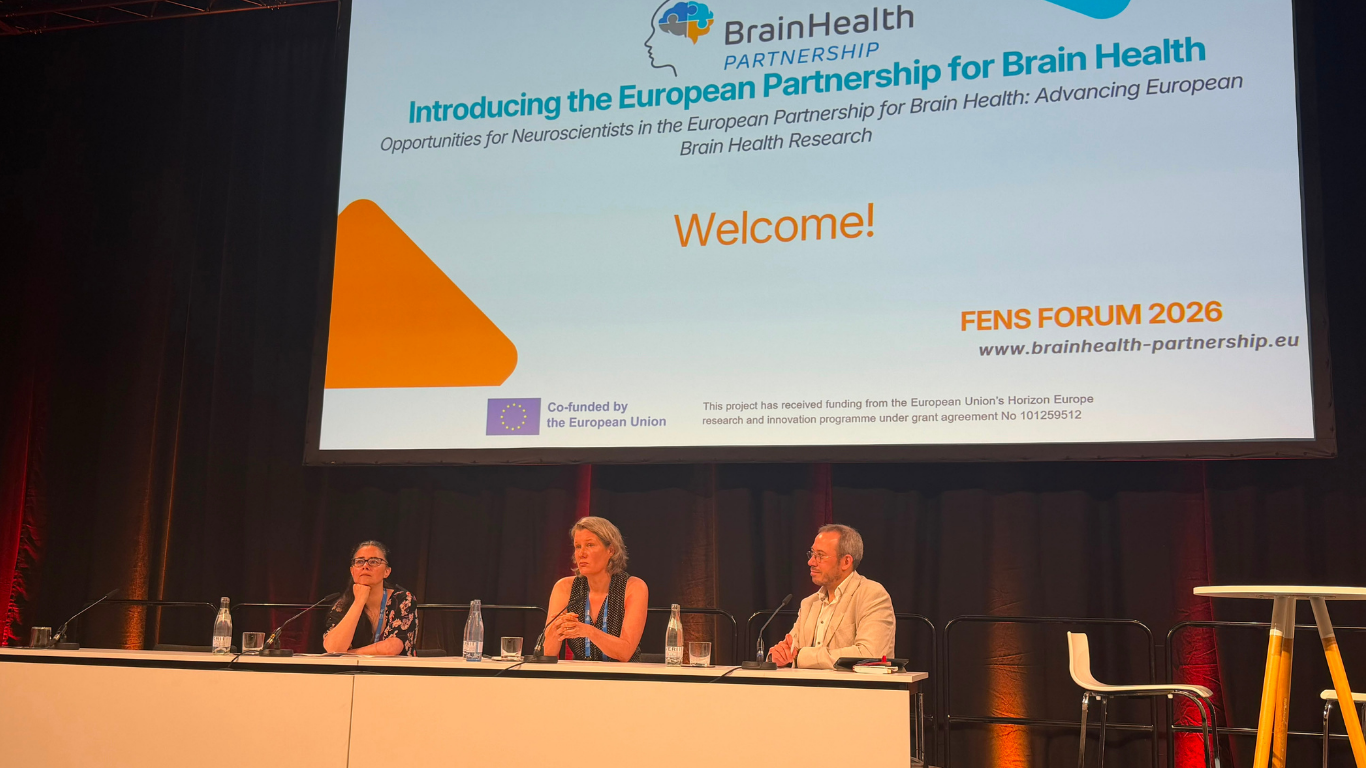
On the 9th of July, EBC organised the Special Interest Event “Opportunities for Neuroscientists in the European Partnership for Brain Health: Advancing European Brain Health Research.”
Moderated by Frédéric Destrebecq, the session introduced FENS participants to one of Europe’s newest large-scale research initiatives dedicated to advancing brain health research, the “European Partnership for Brain Health”.
The discussion presented the vision and objectives of the Partnership for the coming decade, highlighting its ambition to create a more connected, inclusive and collaborative European brain research ecosystem. Speakers Ulrike Bußhoff, Coordinator of EP BrainHealth, and Catherine Marquer from the French National Research Agency, outlined how the Partnership will support researchers through coordinated funding opportunities, networking activities, matchmaking events, mobility programmes and training initiatives.
A central theme of the session was the importance of supporting researchers throughout all career stages, with particular attention given to funding opportunities for neuroscience research projects and dedicated opportunities for researchers’ professional development, international collaboration and access to research infrastructures.
Speakers highlighted how future Partnership calls will encourage multidisciplinary approaches spanning basic, translational and clinical neuroscience, helping bridge the gap between scientific discovery and innovation while addressing key challenges in brain health research.
Connecting with the Neuroscience Community
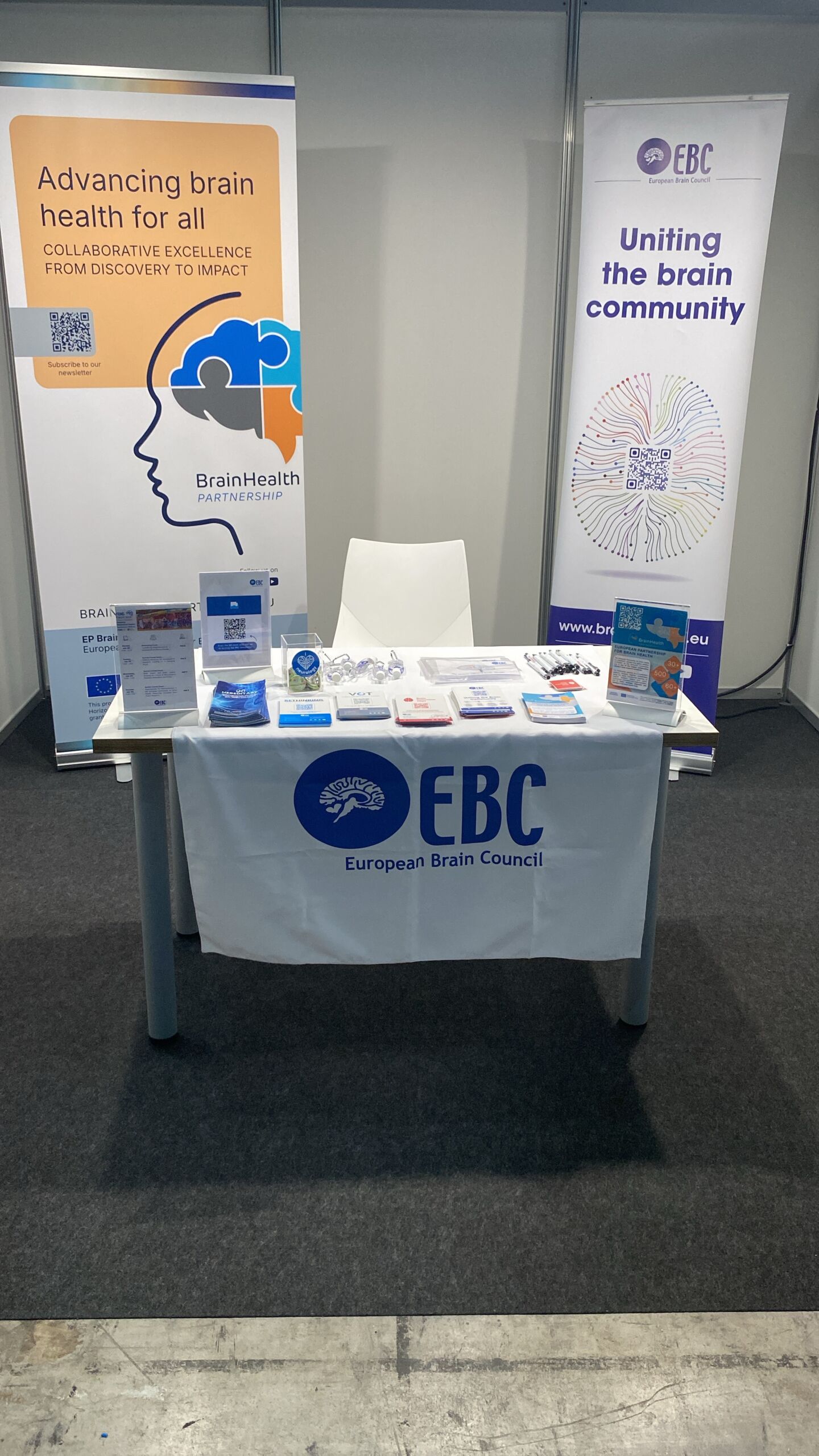
Throughout the congress, EBC welcomed delegates at its exhibition booth, which served as a hub for engagement with researchers, clinicians, policymakers, patient organisations and partners interested in learning more about EBC’s work.
Visitors explored ongoing European projects and policy initiatives, while discussing opportunities for collaboration and future engagement. The booth also showcased EBC’s role in connecting the neuroscience community with European policymakers and promoting coordinated action to address the growing burden of neurological and mental health disorders.