


EBC at the 12th Congress of the European Academy of Neurology
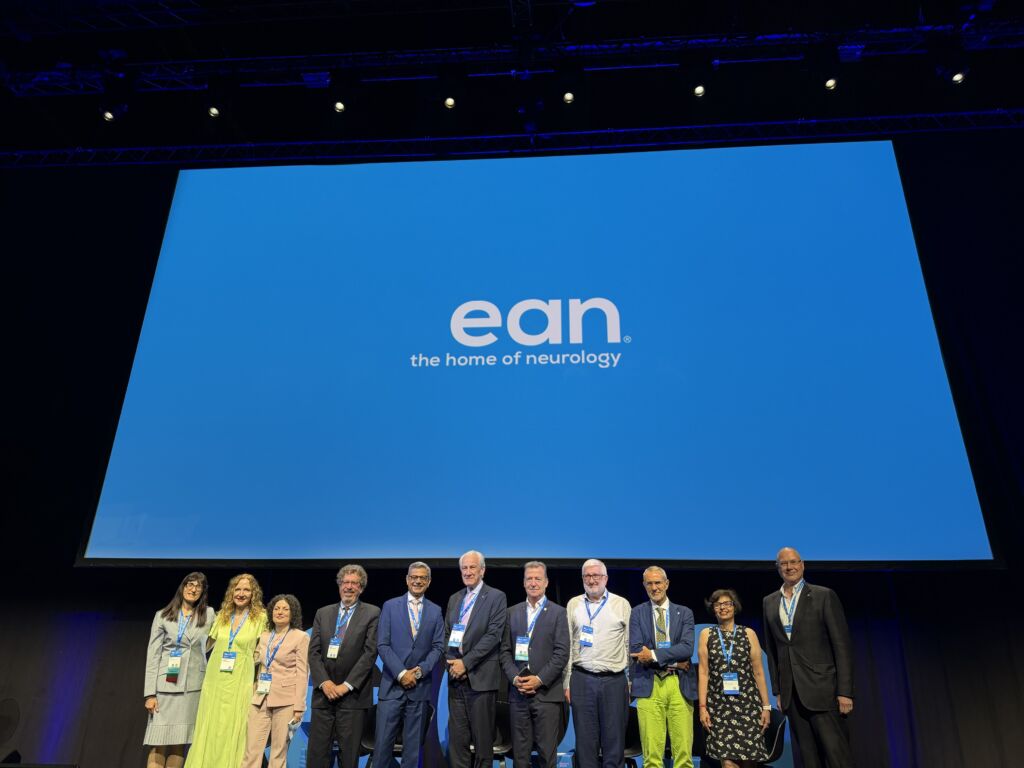
From 27–30 June 2026, the European Brain Council (EBC) participated in the 12th Congress of the European Academy of Neurology (EAN) in Geneva, Switzerland. Bringing together neurologists, researchers, healthcare professionals, patient representatives and policymakers from across Europe and beyond, the annual congress provided an important platform to exchange knowledge, foster collaboration and discuss the future of neurology and brain health.
Throughout the congress, EBC highlighted the importance of placing brain health higher on the European policy agenda, advocating for stronger investment in research and innovation, improved care pathways and greater collaboration across sectors. Through a series of scientific sessions, policy discussions and stakeholder engagements, EBC contributed to ongoing conversations on how to improve outcomes for people living with neurological and brain disorders.
Taking Stock of an EU Neurological Health Strategy
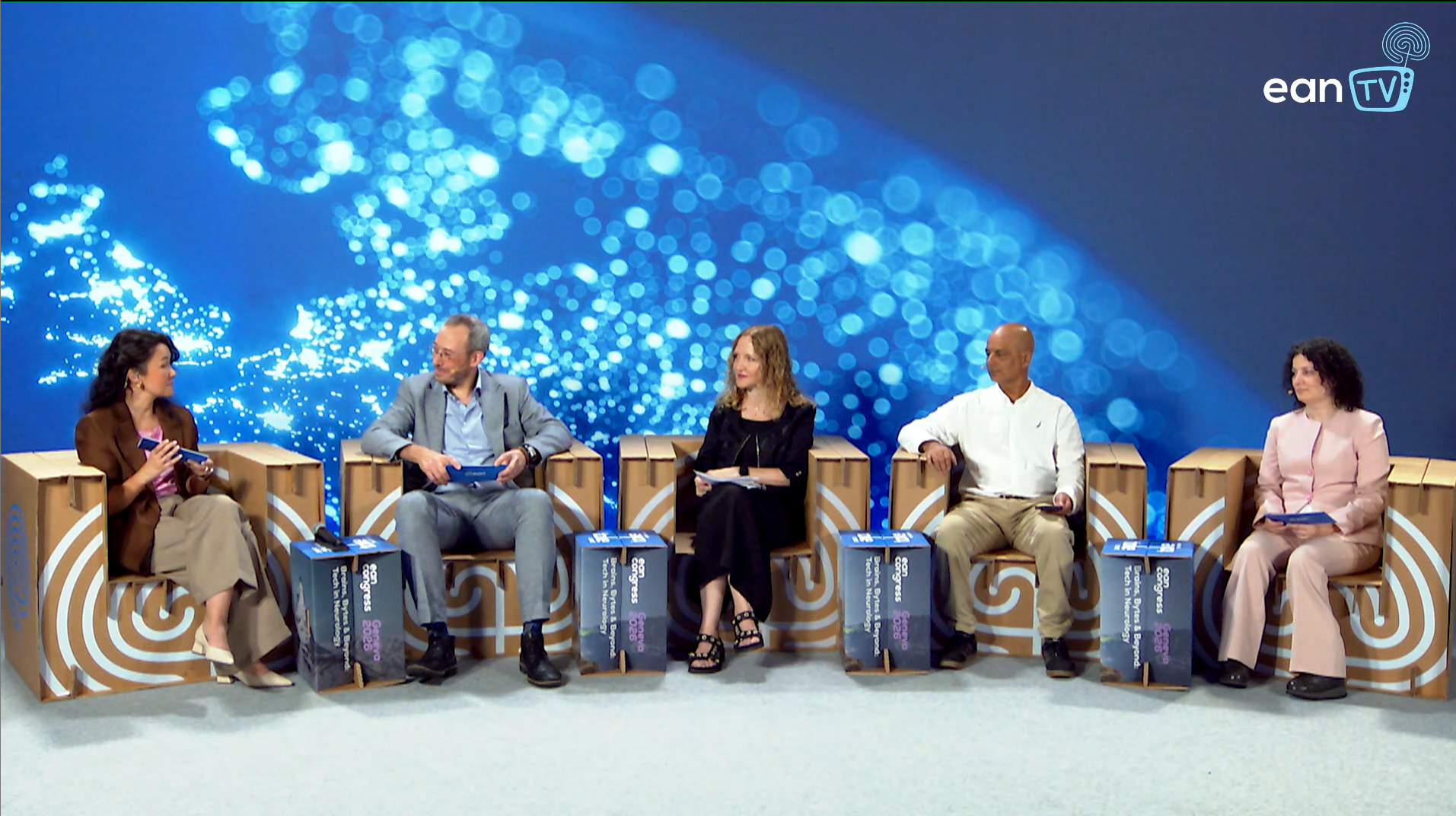
EBC President Prof. Suzanne Dickson, EBC President-Elect Prof. Sameer Zuberi and EBC Executive Director Frédéric Destrebecq were joined by Arabela Acalinei, European Federation of Neurological Associations (EFNA) Vice President, in the EAN TV Studio Special “Taking Stock of an EU Neurological Health Strategy as Part of an EU Coordination Plan for the Brain”.
2026 marks a pivotal moment for the brain health community – a year in which Europe’s policy landscape, research ecosystem and political momentum converge. As neurological and mental disorders continue to exert an immense burden on individuals, health systems and economies, advocacy efforts have increased to ensure that the brain becomes a strategic priority across EU agendas.
So far, 2026 has brought the news of the European Parliament Public Health’s Committee adding reports on Neurological and Mental Health Strategies to its Work Programme and, simultaneously, the European Partnership for Brain Health kicking off in January 2026 – marking an unprecedented €500 million cooperation effort co-funded by the European Commission and 33 Member States to structure research and innovation for the decade ahead. Furthermore, riding this momentum, at the heart of EBC’s work this year lies the development of an EU Coordination Plan for the Brain, a comprehensive, cross-sectoral policy blueprint designed to reinforce Europe’s position as a leader in brain health research and innovation. This session brought together EBC’s leadership and key community stakeholders to discuss all the latest policy developments in detail and expand on why the efforts to place the brain higher on policy agendas continue in full force.
Partnering for the Brain in Europe and Beyond
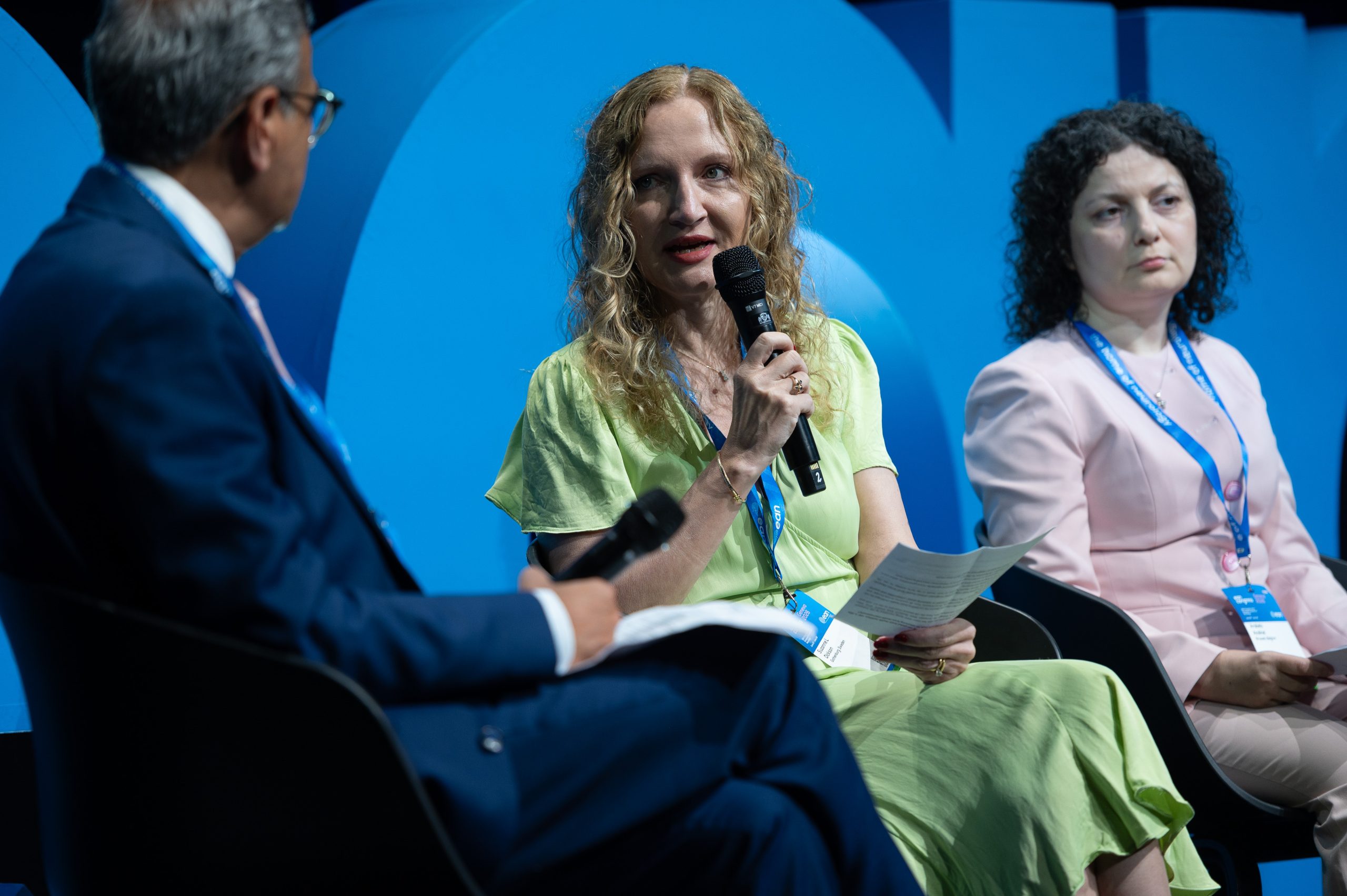
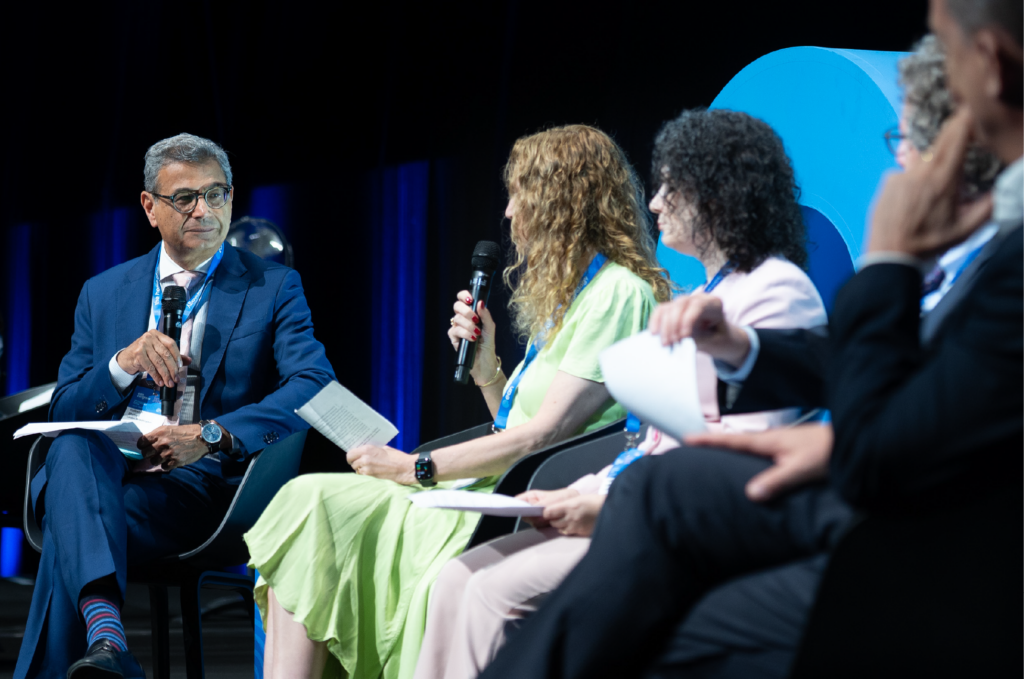
Prof. Suzanne Dickson also participated in the plenary session “Partnering for the Brain in Europe and Beyond”, where she presented EBC’s ongoing work to advance a coordinated European approach to brain health.
The session emphasised the importance of collaboration between scientific organisations, policymakers, patient organisations and international partners to accelerate progress in brain health. EBC’s contributions highlighted its involvement in the European Partnership for Brain Health, as well as its advocacy efforts at international level, including engagement in global policy discussions such as the United Nations General Assembly.
The discussion explored the growing momentum for brain health at European level, highlighting recent policy developments and the importance of a coordinated EU approach to neurological health. Speakers reflected on the progress achieved to date while discussing future priorities for strengthening brain health policy, promoting research and ensuring that neurological disorders remain high on the European agenda.
Rare Neurology Meets Global Policy
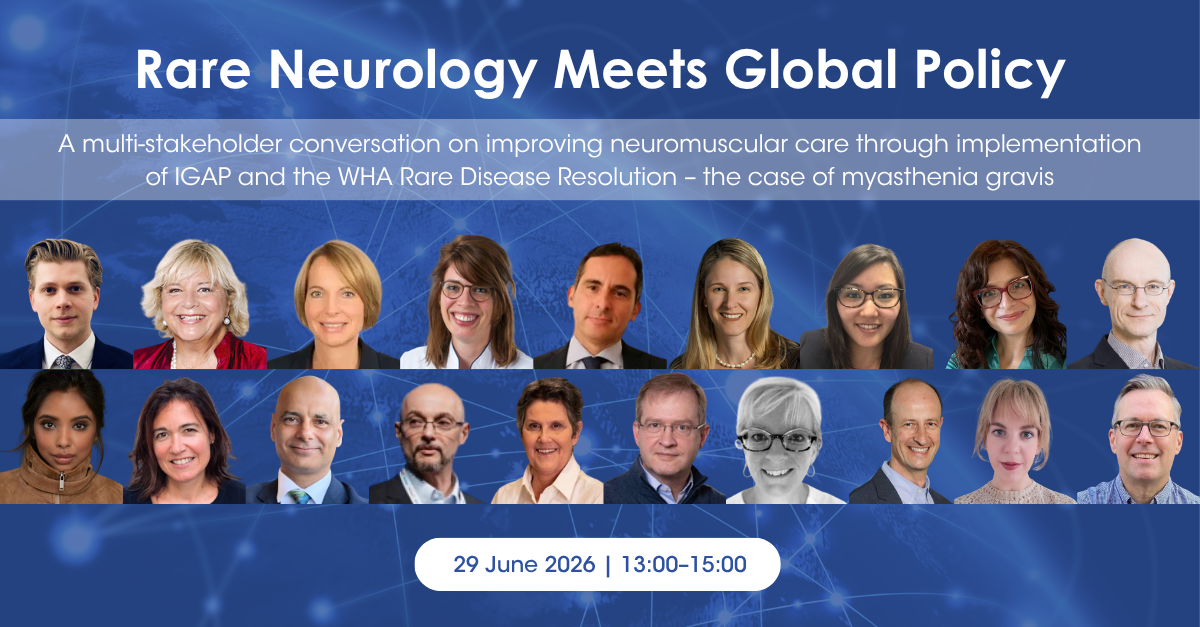
EBC was also pleased to host the side event “Rare Neurology Meets Global Policy: A Multi-Stakeholder Conversation on Improving Neuromuscular Care through Implementation of IGAP and the WHA Rare Disease Resolution – the case of Myasthenia Gravis”.
Moderated by Prof. Sameer Zuberi, the event brought together representatives from the World Health Organization, the European Academy of Neurology, patient organisations, European Reference Networks and industry to discuss how global policy commitments can be translated into meaningful improvements in rare neurology care. Using myasthenia gravis as a practical case study, participants explored opportunities to strengthen integrated, patient-centred care pathways through multi-stakeholder collaboration.
Strengthening Collaboration through the Brain Health Mission Forum
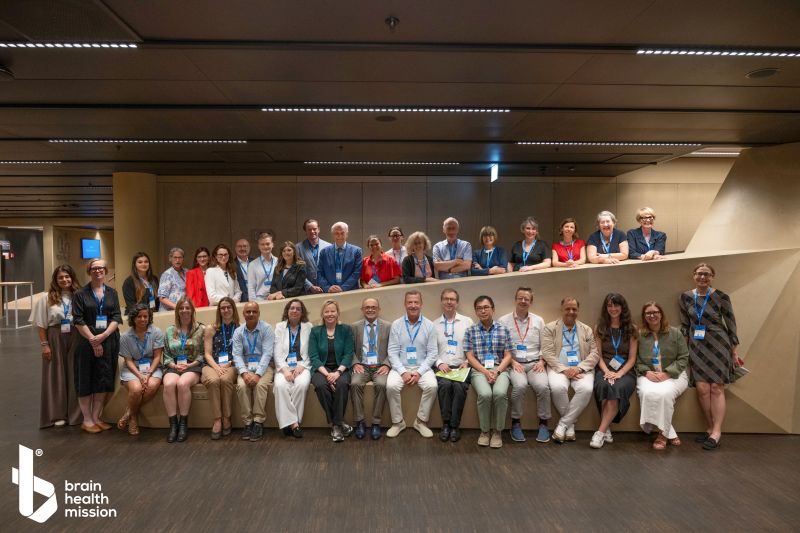
During the congress, EBC met with partner organisations at the Brain Health Mission Forum to exchange updates on current initiatives and discuss future opportunities for collaboration.
These discussions reinforced the shared commitment of the brain health community to advance awareness, education, research and advocacy while strengthening cooperation across Europe.
Engagement at the EBC booth
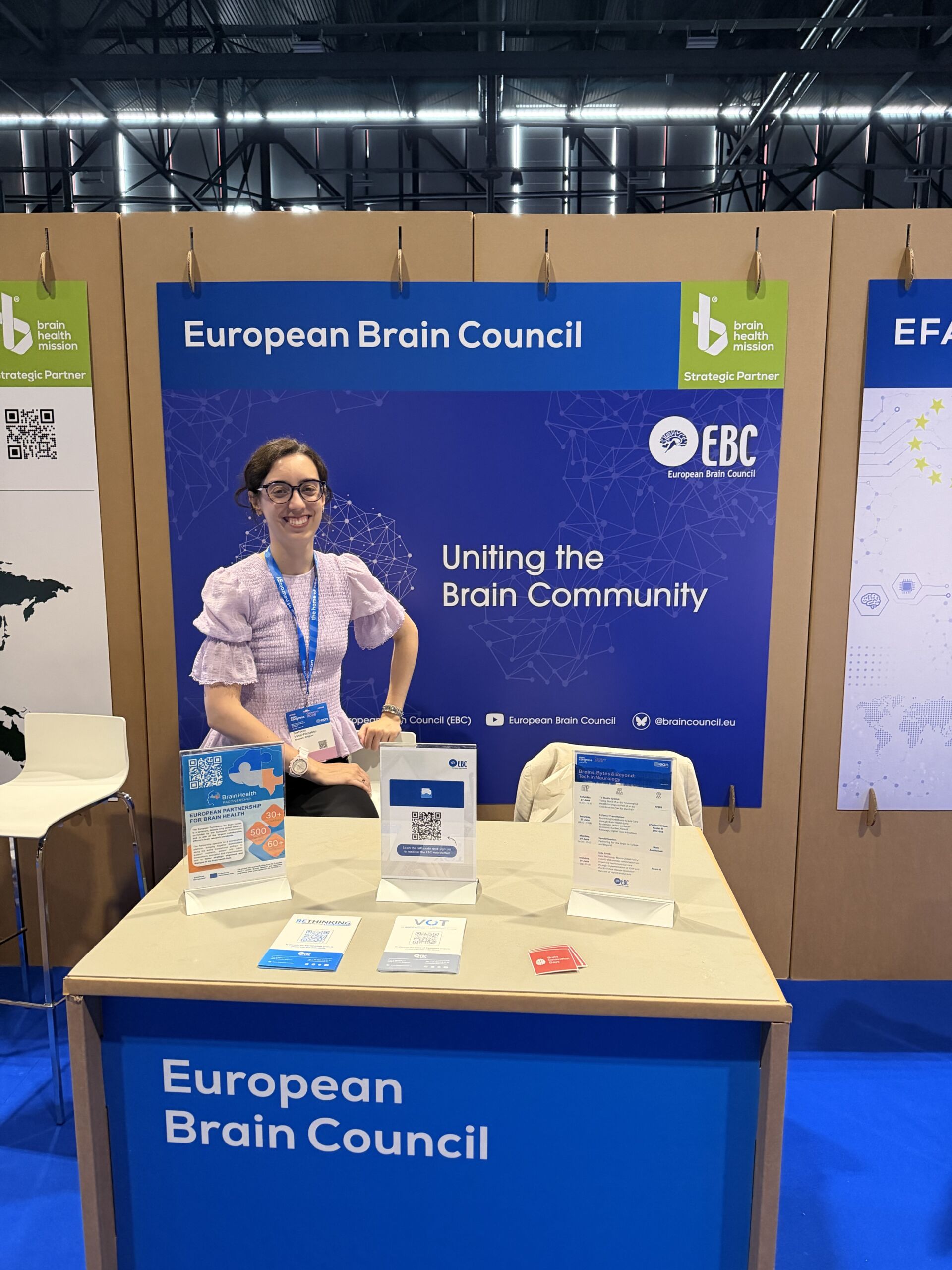
Throughout the congress, EBC maintained presence in the “Neurohood” exhibition space, where its booth served as a hub for dialogue with neurologists, researchers, patient representatives and partner organisations. Visitors stopped by to learn more about EBC’s ongoing initiatives, exchange ideas with the team and explore opportunities for future collaboration.
The booth also showcased EBC’s current priorities, including its work on the European Partnership for Brain Health, advocacy for a coordinated European approach to brain health, the upcoming Brain Innovation Days event and the organisation’s latest activities on myasthenia gravis and rare neurological diseases. Delegates had the opportunity to discover EBC’s projects and publications, discuss shared challenges in research and care, and continue conversations initiated during the scientific sessions and policy events throughout the congress.
Looking Ahead
EBC’s participation at EAN 2026 reaffirmed the organisation’s commitment to promoting brain health as a policy priority in Europe and globally. By contributing to scientific sessions, policy dialogues and stakeholder discussions, EBC continued to advocate for greater collaboration across research, healthcare and policymaking.
EBC looks forward to building on the conversations initiated during the congress and continuing to work with its partners to advance research, innovation and policies that improve prevention, care and quality of life for people living with brain conditions.