

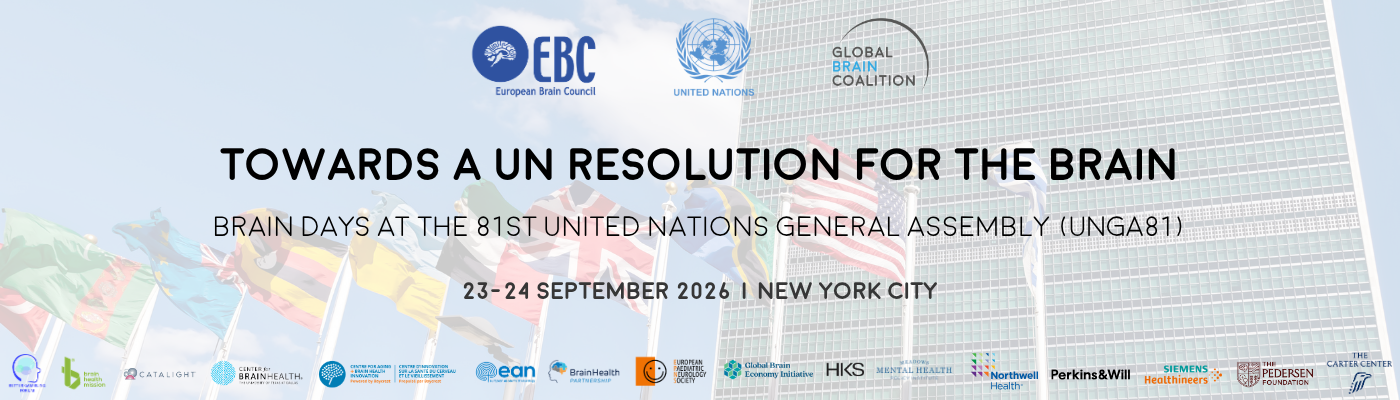
The Brain Days at UNGA81 will again serve as a platform to bring together policymakers, scientists, innovators, patient advocates, funders and international organisations to help advance a shared global agenda. Brain Days will take place on 23rd & 24th of September, 2026, at Cure. in New York City. Structured around two interconnected pillars, this year’s event will explore global collaboration in brain health research and innovation — including funding, science diplomacy and international partnerships — and the broader societal and policy dimensions of brain health, including brain capital, prevention, resilience and pathways towards greater recognition at United Nations level. Building on discussions initiated in previous editions while looking firmly ahead, the event will aim not only to showcase progress, but to create a space for active discussion and catalyse concrete next steps for collective action.

Neetu Abad
Director, Rosalynn Carter Mental Health and Caregiver Program, The Carter Center
Neetu Abad is a seasoned leader who has implemented high-impact public health strategies in mental and behavioral health, vaccine-preventable diseases, and emergency response domestically and globally at the US Centers for Disease Control & Prevention. In July 2025, she was named the first director of the Rosalynn Carter Mental Health and Caregiver Program following the merger between The Carter Center and the Rosalynn Carter Institute for Caregivers.

Arabela Acălinei
Vice President, European Federation of Neurological Associations (EFNA)
Arabela Acalinei is a patient advocate holding multiple leadership roles across European and Romanian healthcare organizations. She serves as President of both Neuro Move CMT Association in Romania and the European Alliance of Neuromuscular Disorders Associations (EAMDA). Additionally, she is the Strategic Partnerships and Funding Director for the European Charcot-Marie-Tooth Federation, Vice President of the European Federation of Neurological Associations (EFNA), and Secretary General of the Romanian National Alliance for Rare Diseases.
Arabela is also a Patient Advocacy Group representative and Patient Advisory Board member of the European Reference Network for Rare Neuromuscular Diseases (EURO-NMD).
Living with Charcot-Marie-Tooth disease type 1A (CMT1A)—a condition also shared by her two sons, one of whom lives with epilepsy—Arabela brings invaluable lived experience to her work, driving her commitment to transforming patient outcomes across Europe.
Professionally, Arabela is a Romanian-English teacher, translator, and professional trainer. Her qualifications also include training in Project Management and Career Counselling for people with disabilities. She is a EUPATI Fellow, EURORDIS Schools alumna, and member of the EAN Education Committee.

Zia Agha
Chief Medical Officer, West Health Institute
Zia Agha, MD, is Chief Medical Officer for the Gary and Mary West Foundation and the West Health Institute, where he ensures West Health’s research and initiatives are translated into clinical practice, policy reform, and scalable innovation supporting its mission to lower healthcare costs and enable seniors to age in place with access to high-quality, affordable care that preserves their dignity and independence.
As West Health’s physician leader, Dr. Agha oversees strategic partnerships with leading health systems nationwide, spanning the Program of All-Inclusive Care for the Elderly (PACE), geriatric emergency care, tech-enhanced care, and healthcare affordability. Through the West Health Accelerators, with partners including Mass General Brigham, Northwestern Medicine, and the American Hospital Association, he helps translate evidence into real-world impact. Dr. Agha also serves on California’s IMPACT Stakeholder Committee, advising the state on outcomes for its aging population.
Elizabeth Allen
Executive Advisor – Strategic Policy and Programs, Canadian Centre on Substance Use and Addiction
Elizabeth Allen is Executive Advisor for Brain Economy at the Canadian Centre on Substance Use and Addiction, where she leads cross-sector efforts to advance Canada’s emerging brain economy. A long-time Canadian government executive, she brings more than 20 years of experience in public policy, communications, and national strategy across health, social development, and environmental initiatives.
Celso Arango
President-Elect, European Psychiatric Association (EPA)
Dr. Arango is a scientist, clinician, and professor of psychiatry with over 25 years of experience at the forefront of child and adolescent mental health. He is Chair of the Department of Psychiatry at Hospital Universitario La Paz in Madrid, Distinguished Researcher at Universidad Autónoma de Madrid, and professor at the University of Maryland, UCSF, and King’s College London. His research focuses on early-onset psychosis, pediatric psychopharmacology, early intervention, and prevention. He leads one of the world’s largest cohorts of pediatric first-episode psychosis patients and developed PIENSA. He has led major academic and industry-sponsored clinical trials. He has held leading positions in major international psychiatric organizations, among others international member of the NAM. Has received over 80 awards. With an H-index of 112, over 56,100 citations, and more than 880 peer-reviewed publications, he is among the world’s most influential researchers in psychiatry.
Susan Armiger
President and CEO, Catalight
Susan Armiger is a global healthcare leader, scholar, advocate, and strategist recognized for pioneering value-based care in behavioral health. A New Zealand native with a decade in the U.K. and Europe and more than 20 years of U.S. executive leadership, she brings a global perspective on healthcare systems — from urban centers to remote rural communities — and a deep commitment to a more equitable world where people with developmental disabilities can truly choose their own path. As President and CEO of Catalight, America’s leading network for autism and developmental disability care, Susan leads a team overseeing more than 16,000 clinicians delivering over 4 million hours of personalized care to more than 25,000 people each year. Under her leadership, Catalight challenges the status quo — reimagining care and breaking down barriers and biases through individualized services, clinical research, advocacy, and intelligent technologies.
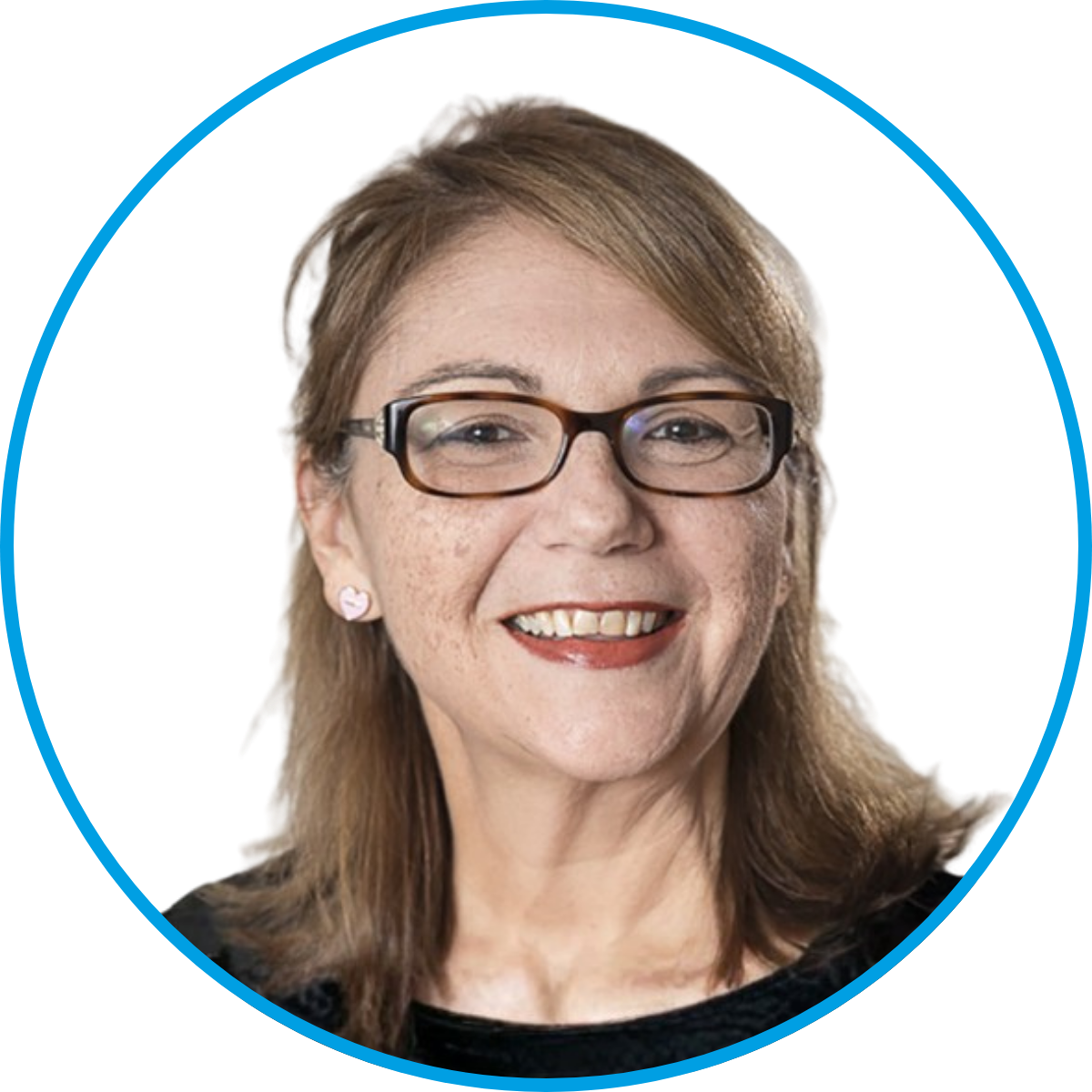
Sheryl Batchelor
Founder and CEO, Yiliyapinya
Sheryl Batchelor is a proud Aboriginal woman with ancestral connections to Kunja, Queensland, Australia. She has over 30 years of teaching, training, and leadership experience in various educational, community and health settings along with a Master’s Degree in Education. Sheryl has been mentored by international experts in neuroscience and in 2019 established Yiliyapinya Indigenous Corporation. Yiliyapinya is a registered charity building the brain health of children, young people, and adults by combining cultural wisdom with neuroscience. Sheryl is also an Adjunct Professor at Queensland University of Technology, School of Justice.
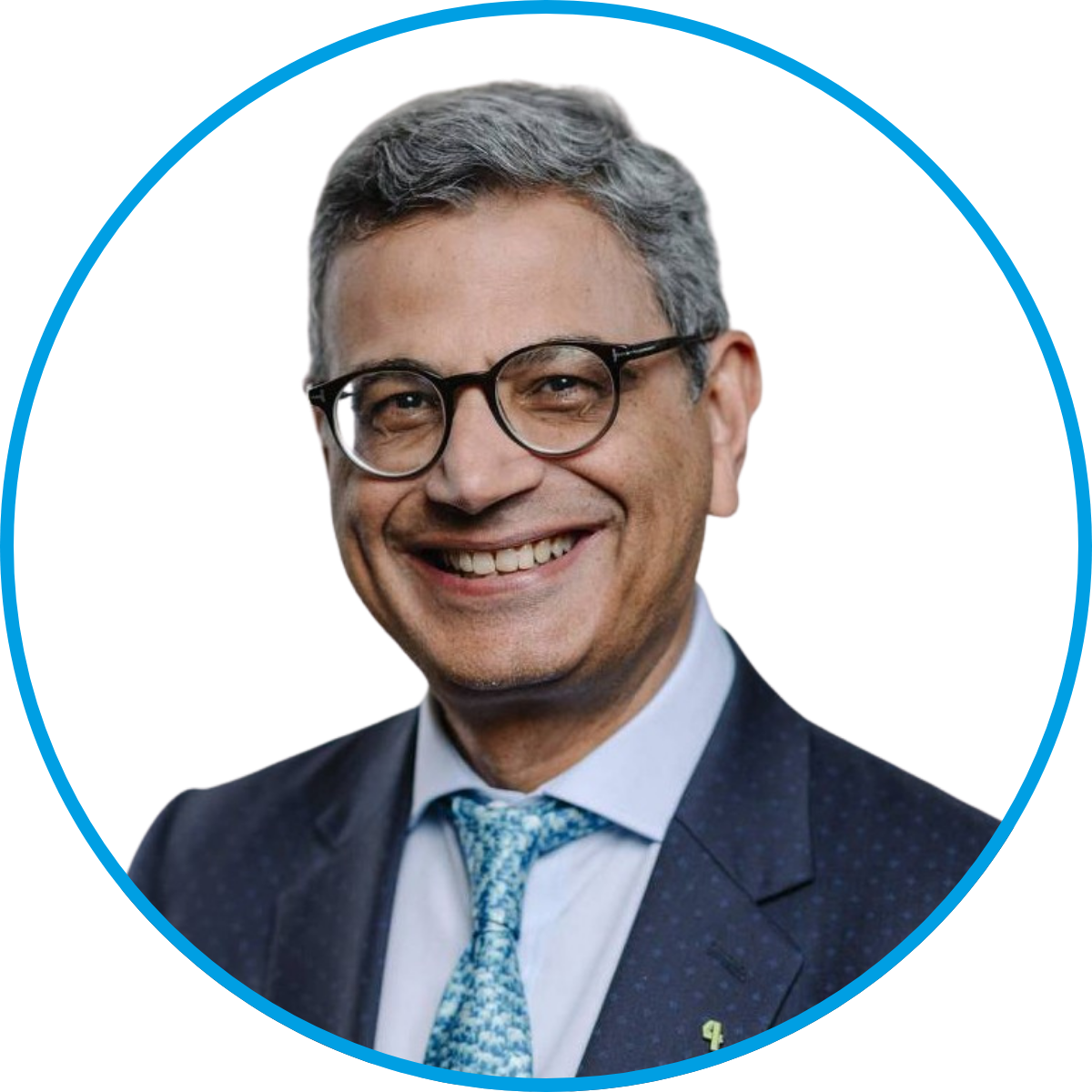
Kailash Bhatia
President, European Academy of Neurology (EAN)
Professor Kailash Bhatia is a Professor of Clinical Neurology in the Department of Clinical and Movement Neurosciences at the UCL Queen Square Institute of Neurology and an Honorary Consultant Neurologist at the affiliated National Hospital for Neurology and Neurosurgery, Queen Square. He obtained his medical degree and also neurology degree from Bombay University India and obtained further training in neurogenetics and movement disorders with the late Professors Anita Harding and David Marsden at Queen Square London. He is a Fellow of the Royal College of Physicians and corresponding Fellow of the American Academy of Neurology. His main research interest is in movement disorders, merging clinical, electrophysiological, and genetic methods to study the pathophysiology of movement disorders conditions like Dystonia, Parkinson’s disease and atypical parkinsonian syndromes.
He currently has over 620 peer reviewed publications and he is currently the president of EAN

Katlyn Blong
Senior Associate, Senior Project Manager, Perkins&Will
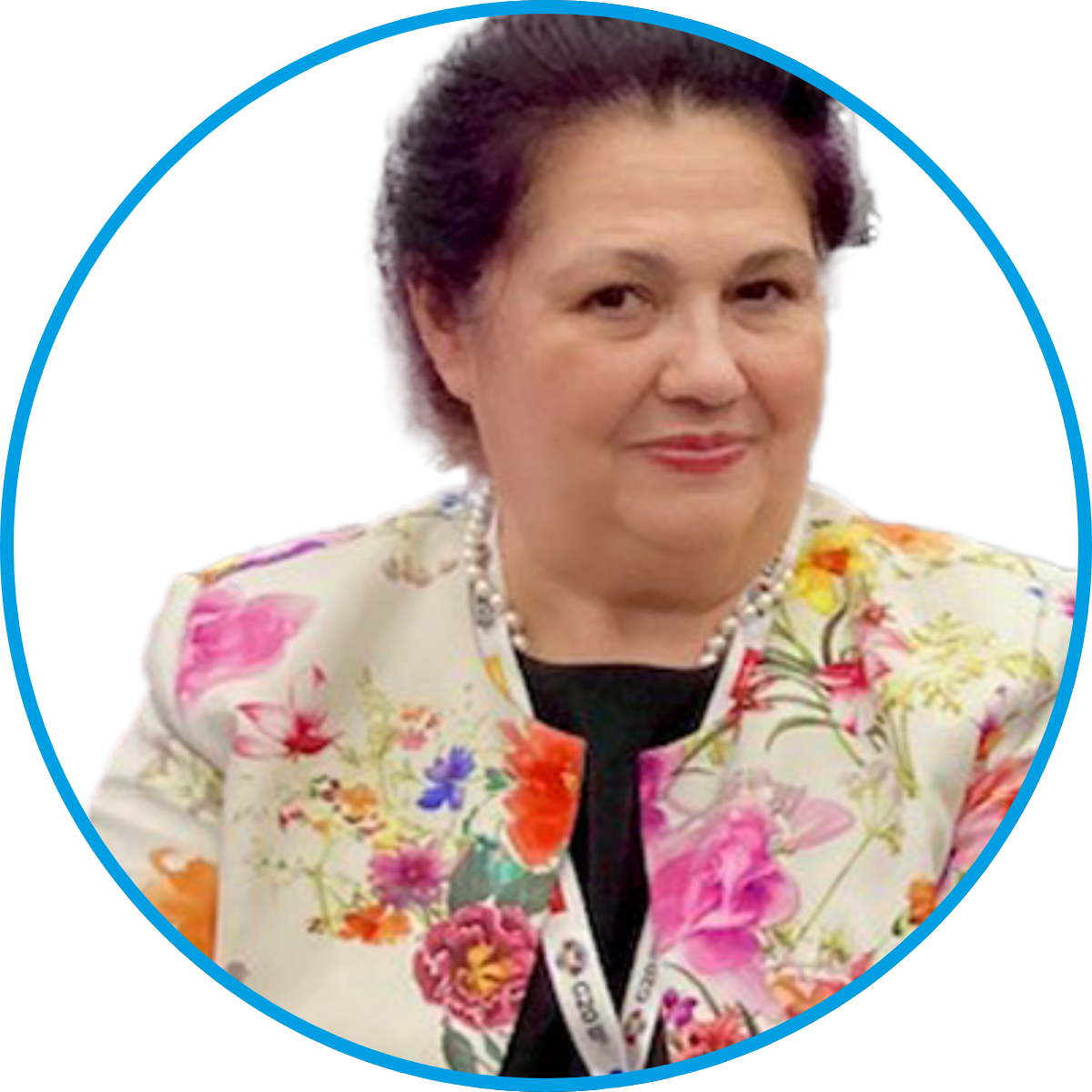
Silvia Bojinova
Team Leader – Inter-institutional and Multilateral relations, International Cooperation – Europe and Americas Unit, Directorate-General for Research and Innovation, European Commission
Born in Bulgaria, Silvia BOJINOVA holds a master’s degree in law from the University in Vienna and a Master degree in European Union law and EU Policies. She serves the European Commission since 1 January 2007 and is at present a Team leader for Inter-institutional and Multilateral relations in unit “International cooperation – Europe and Americas” at the Directorate-General for Research and Innovation of the European Commission. Ms Bojinova leads the cross-Unit team in charge of inter-institutional and multilateral relations and is responsible for R&I cooperation under the Eastern Partnership regional dialogue as well as the bilateral R&I cooperation with Armenia, Georgia and Azerbaijan. Ms Bojinova represents the European Commission (EC) in the G20 Research and Innovation Working Group and acts as the EC G7 Science Sherpa.
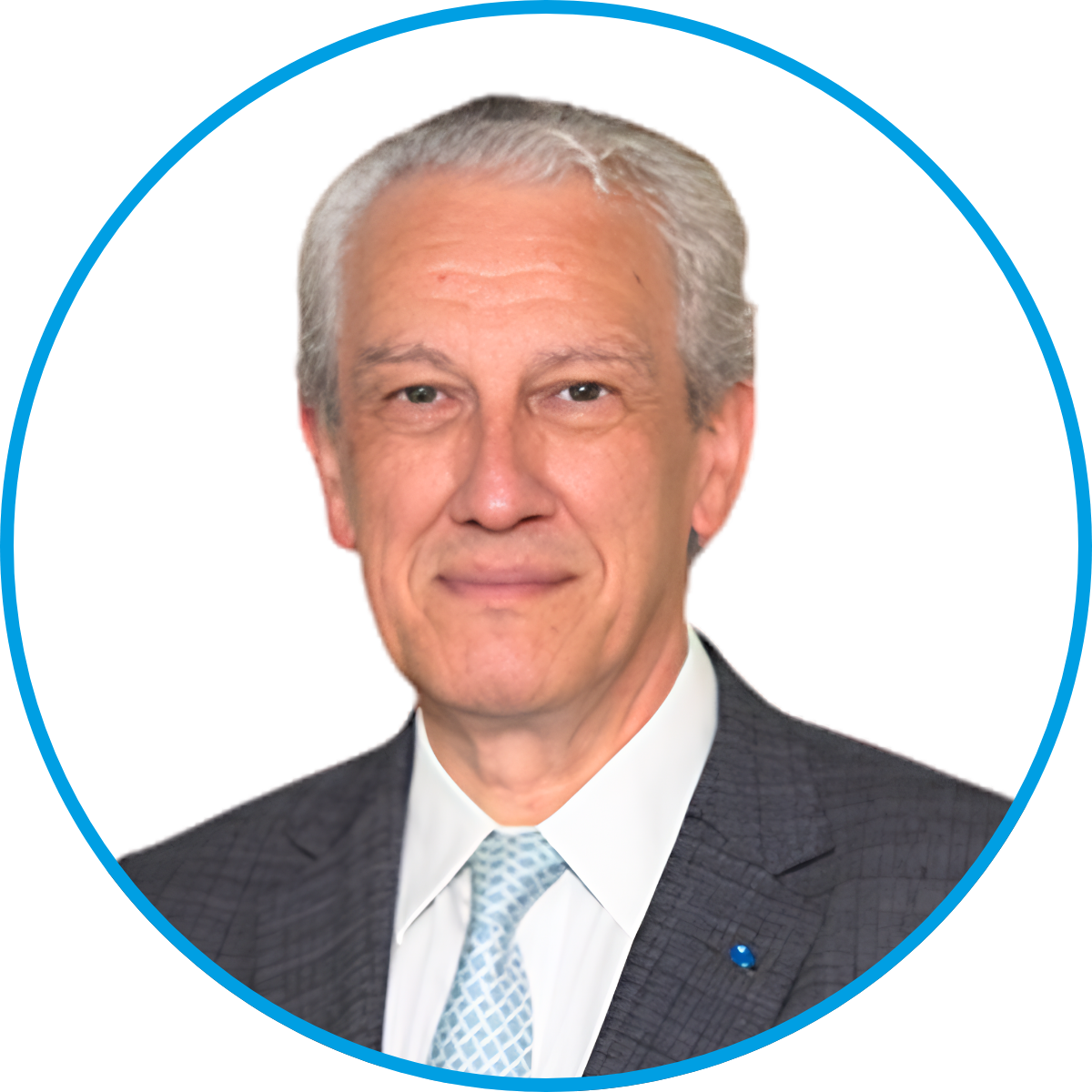
Paul Boon
Co-Chair, Brain Health Mission (BHM)
Paul Boon is Senior Full Professor of Neurology and Director of Neuroscience at Ghent University, Belgium. He is also Chair of the Division of Head, Movement and Senses and Professor of Neuromodulation at Eindhoven University of Technology. He is a former President of the European Academy of Neurology (EAN) and former Chair of the EAN Programme Committee, and currently serves as Co-Chair of the Brain Health Mission (BHM). He has also previously served as co-chair of the EAN Scientific Panel on Epilepsy, member of the European Journal of Neurology Editorial Board, and as a member of the EAN Scientific Committee. He is a Fellow of the European Academy of Neurology (FEAN).
Prof. Boon’s main neurological interests are clinical epilepsy, neurological sleep disorders, quantitative EEG and MEG analysis, neuromodulation and functional neuroimaging. He founded the 4Brain Laboratory for Clinical and Experimental Neurophysiology, Neurobiology and Neuropsychology at Ghent University.
Valérie Boulet
Chief Development Officer, WHO Foundation
Valérie Boulet is a global philanthropic leader with over 20 years of experience driving strategic growth across the health, higher education, and cultural sectors. As Chief Development Officer at the WHO Foundation, she spearheads fundraising and partnership strategies to advance the World Health Organisation’s mission of improving health equity worldwide. She leads teams mobilising vital resources from individual donors, foundations, and the private sector to fund innovation and emergency responses.
An expert in international philanthropy and campaign strategy, Valerie is a regular speaker for CASE and a Senior Adviser with GG+A–Huron. Her background includes serving as Director of Development at the London School of Hygiene & Tropical Medicine (LSHTM) and leading major gift fundraising for King’s College London’s £500 million campaign.
Valerie holds three master’s degrees from London Metropolitan University, Sciences Po, and the University of Paris X.
Jennifer Bright
President and CEO, International Consortium for Health Outcomes Measurement (ICHOM)
Jennifer Bright, MPA (she/her) is President, International Consortium for Health Outcomes Measurement (ICHOM), a nonprofit that works with patients and clinical experts worldwide to define and deploy standardized tools to measure health outcomes that matter to patients. Prior, she held executive roles at the Innovation and Value Initiative (IVI), focusing on advancing patient-centricity, transparency and equity in health technology assessment, at the Society for Healthcare Epidemiology of America, and Mental Health America.
Jennifer is also Founder and President, Momentum Health Strategies®; Board Chair, Mental Health America; and editor, American Journal of Accountable Care and the Journal of Patient Experience. She holds degrees in political science and public administration from Trinity University and George Washington University.
Carmencita Bua
Founder, Skylark Transition Program
Carmencita Bua has a Law Degree from the University of Pisa, Italy. She worked globally as a leader in innovation design, as COO of Continuum Innovation she served clients in the private and public sector and in many different lines of business. Carmencita is the founder of Skylark, a transition program for neurodiverse students that empowers individuals who learn differently through independent life and vocational programs. She is also focusing much of her work to re-design the luxury experience and to create a booking platform to accommodate the need of every traveler in the context of each one brain difference. She is the mother of three adult children and the stepmother to Michela.
Dr. Sandra Chapman
Chief Director, Center for BrainHealth
Dr. Sandra Chapman is Chief Director of Center for BrainHealth® at The University of Texas at Dallas and a Distinguished Professor in the School of Behavioral and Brain Sciences. She has dedicated her career to understanding, measuring and optimizing brain performance.
She co-created The BrainHealth Project with 32 internationally recognized brain health experts, focused on doubling peak brain performance, inoculating against decline and regaining losses so strong brain function can match our longer lifespans. With 40,000+ participants, the Project has one of the world’s richest longitudinal brain datasets. Measured by a first-of-its-kind BrainHealth Index and validated by 1,000+ fMRI scans, the Project motivates improvement in 3 core domains: clarity, connectedness and emotional balance.
With 50+ funded research grants and 250+ peer-reviewed publications, Dr. Chapman is expanding access to strategies and tools to transform brain care from reactive treatment to proactive optimization.
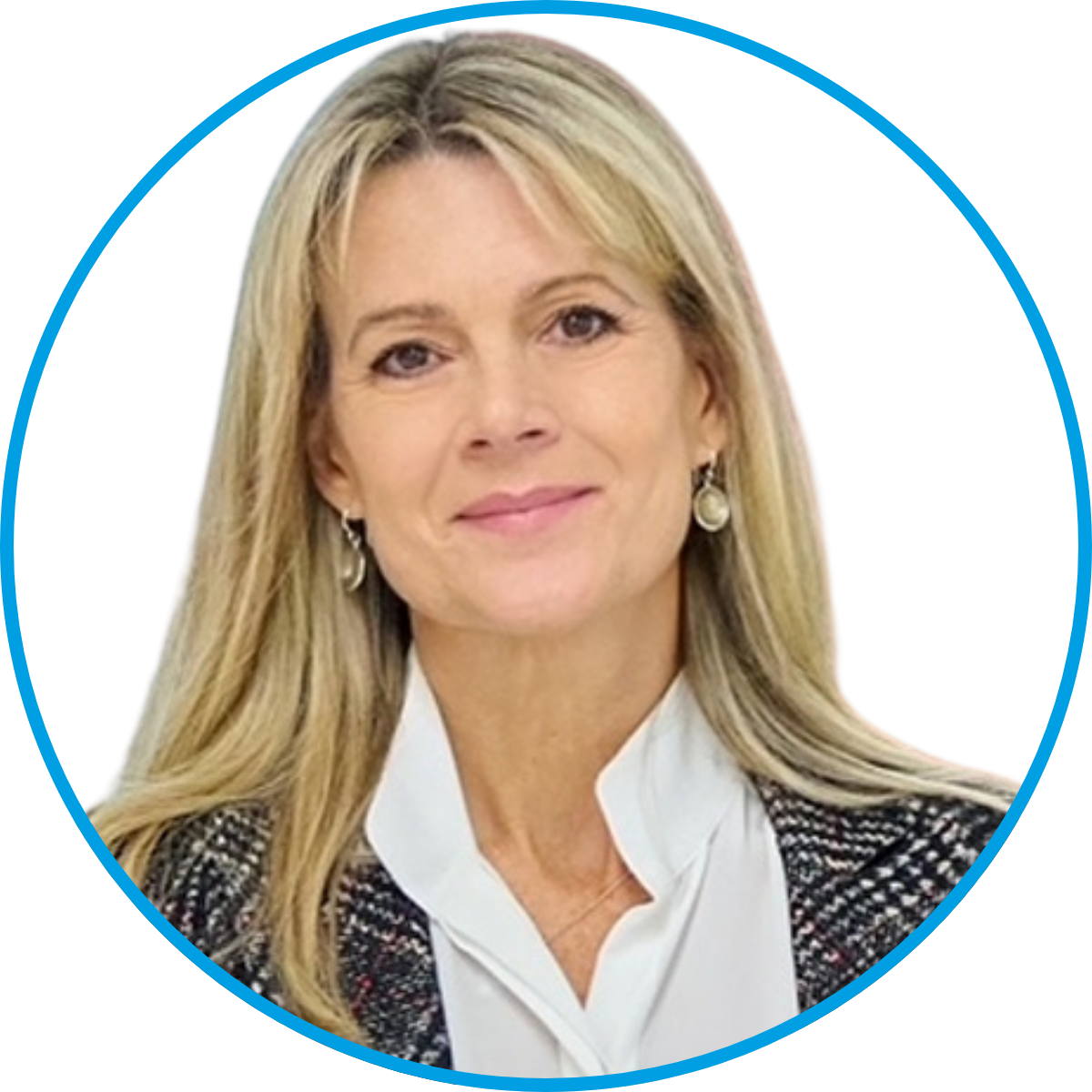
Dr. Patricia Conrod
Canadian Institute for Health Research (CIHR), Canada
Dr. Patricia Conrod, a Montréal psychologist and Professor of Psychiatry and Addiction, is a leading expert in youth substance use and mental health. She is internationally recognized for her ground-breaking research on neurocognitive and personality risk factors for substance use and mental disorders. Her work has influenced policies in Canada and internationally, particularly based on her contributions to the understanding of how social media and substance use affect young people’s brain development, and how targeted prevention strategies provide long-term protection against such harms.
At the Research Centre of CHU Sainte-Justine, Dr. Conrod leads major studies that use state-of-the-art brain imaging technology. She is the founder and co-director of the Centre IMAGINE, a paediatric brain imaging facility. Dr. Conrod is also director of SENSUM, the Université de Montréal’s Strategy for Neurosciences and Mental Health. Building on her research findings, Dr. Conrod founded the PreVenture program, which teaches cognitive and behavioural strategies to help teenagers manage individual differences linked to mental health challenges. Dr. Conrod and her team have shown that this brief intervention is highly effective in preventing substance use disorders in teens. As the Scientific Director of INMHA, Dr. Conrod guides CIHR’s health research priorities and investment strategies to improve the health of people in Canada and around the world.
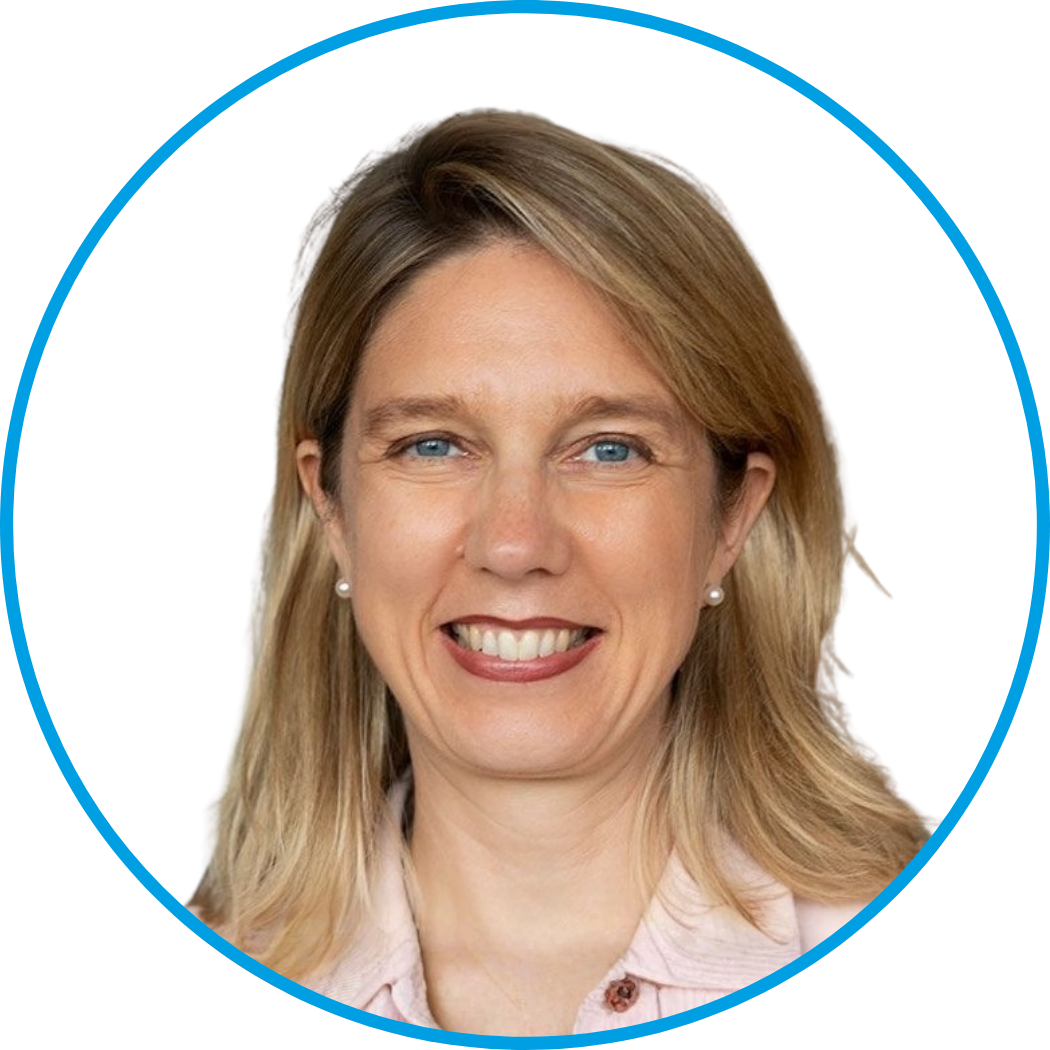
Prof. Stéphanie Debette
Chair, Committee on Brain Health of the S7; Director, Paris Brain Institute
Prof. Stéphanie Debette is a neurologist, epidemiologist, and Professor at Sorbonne University and the Paris Hospitals (AP-HP). Since January 2025, she serves as Director of the Paris Brain Institute (Institut du Cerveau), a large interdisciplinary neuroscience institute (1,000+ staff members) where she is spearheading the creation of a Data Science & AI center and expanding large-scale international collaboration to advance brain health globally. She also co-leads the GENOVASC team, “Cerebral Small Vessel Disease and Neurodegeneration » with Prof. Hugues Chabriat.
Author of over 330 publications, her research on the molecular epidemiology of vascular brain disorders has identified key genomic and molecular mechanisms underlying stroke and cerebral small vessel disease, revealing their impact on brain structure across the lifespan and across ancestries, and on cognitive decline and dementia. Her work has been supported by national and international grants such as an ERC Starting Grant, a European research program on neurodegenerative diseases (JPND), the France 2030 initiative (RHU SHIVA), and the Leducq foundation. She previously spent a decade (2014–2024) at the University of Bordeaux, where she has directed the Bordeaux Population Health Research Center and founded the Vascular Brain Health Institute (VBHI), selected in 2023 through the IHU3 call for projects under the France 2030 initiative of excellence, securing €40 million in funding. She chaired the International Stroke Genetics Consortium (ISGC) from 2017 to 2019 and is a member of the Research Steering Committee of the Cohorts for Heart and Aging Research in Genomic Epidemiology (CHARGE) Consortium. In 2026, she organised the inaugural World Brain Health Forum at UNESCO and was entrusted with coordinating the S7 (G7 Academies of Sciences) Declaration on Brain Health.
Her distinctions include the Bettencourt Prize for Young Researchers, the Scientific Excellence Award from the European Stroke Organisation, Knight of the French National Order of Merit, the Claude Pompidou and Marie-Paule Burrus Prizes for Alzheimer’s disease research (2016, 2023), the Grand Prix de l’Inserm, the NRJ – National Academy of Sciences Neuroscience Prize (2024). She was elected member of the French Academy of Sciences in 2024. She has been a Fulbright fellow at Boston University, a visiting Professor at Kyoto University and a Miller Fischer visiting professor at Harvard University Mass General Hospital.
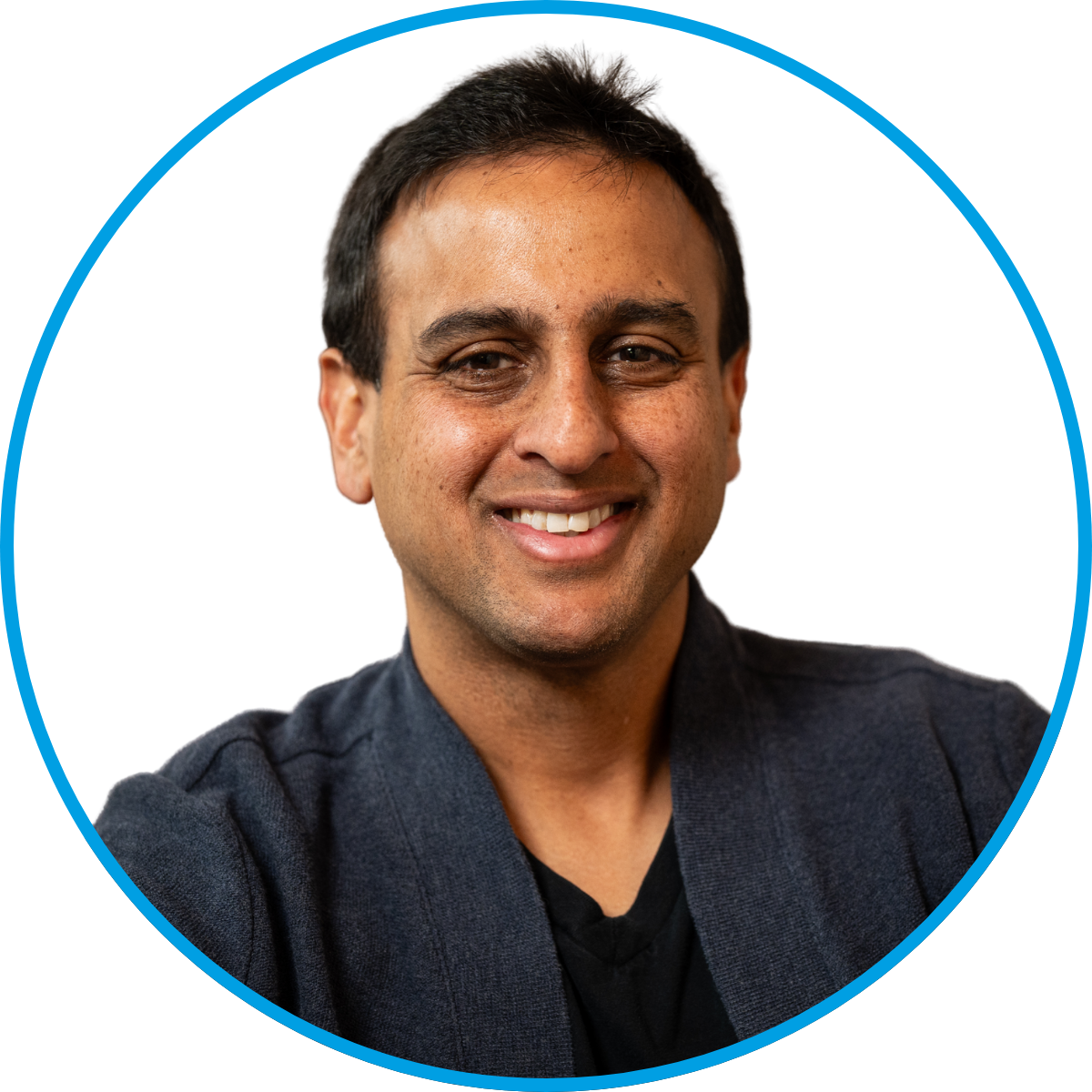
Amol Deshpande
CEO, Frontera Health

Frédéric Destrebecq
Executive Director, European Brain Council
Frédéric Destrebecq has been serving the European Brain Council (EBC) as Executive Director since 2014, providing strategic leadership and representing the brain community at European and international level. He works across research, healthcare, patient advocacy, industry and policymaking to foster collaboration and advance brain health, research and innovation.
With more than 20 years of experience in European and international affairs, Frédéric has developed particular expertise in building cross-sector partnerships and turning complex scientific and societal challenges into collective action. A central focus of his work today is to broaden the conversation around brain health, positioning it not only as a health priority but as a fundamental driver of human fulfillment, societal resilience and economic development.
He is actively engaged in the emerging global Brain Economy agenda, exploring the connections between brain health, human capital, productivity, innovation and sustainable economic development. His work focuses particularly on bringing traditionally separate communities together — from neuroscience and healthcare to business, policy and investment — around a shared understanding of the value and intersectoral nature of brain health.
Prior to joining EBC, Frédéric served as CEO and Director for European Affairs of the European Union of Medical Specialists (UEMS) as well as in other non-profit organisations. He holds degrees in Political Science and International Relations from UCLouvain (BE), with visiting studies at Sciences Po Paris (FR) and the University of Wales College (UK).
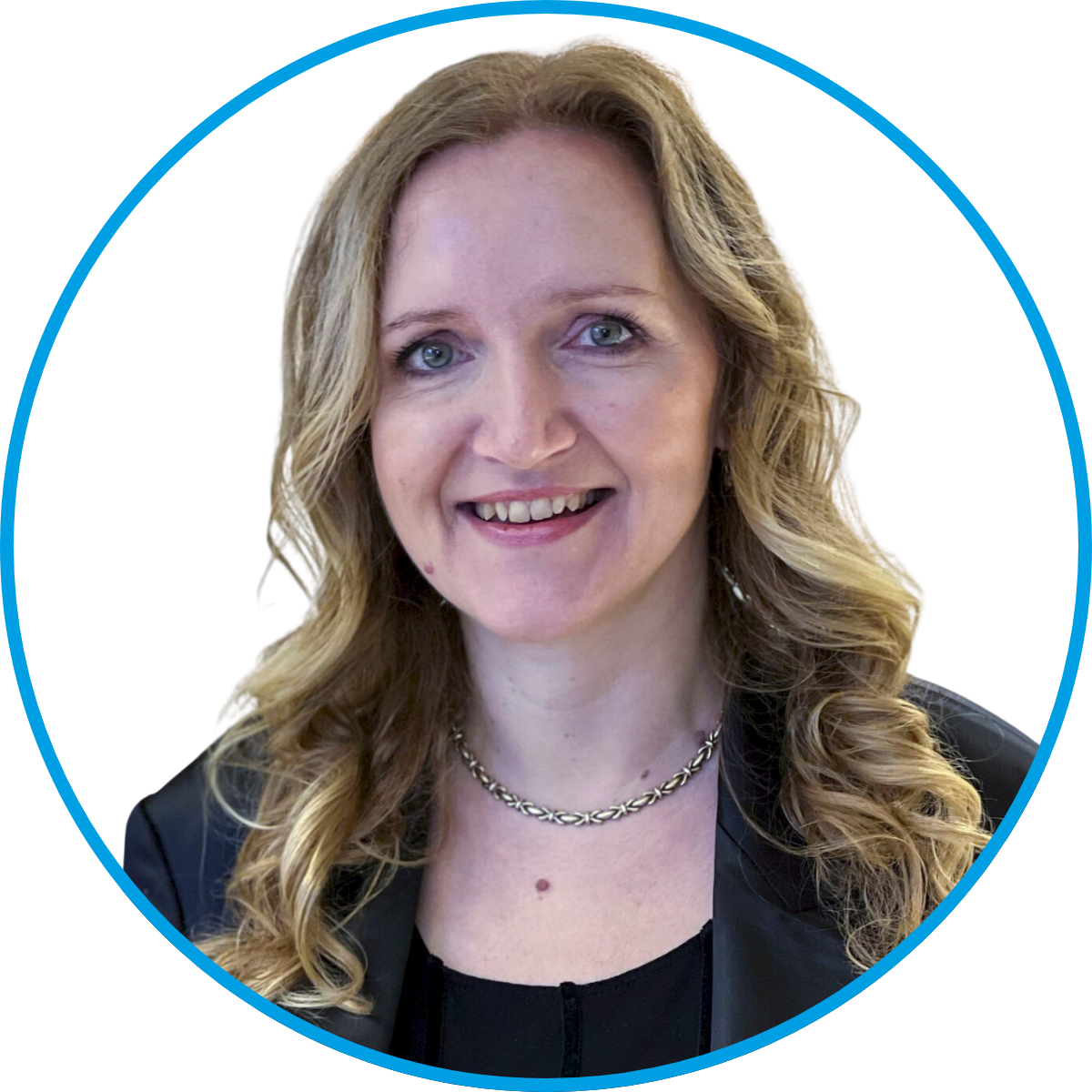
Prof. Suzanne L Dickson
President, European Brain Council
Prof. Suzanne L Dickson is a neurobiologist and Professor of Neuroendocrinology at the University of Gothenburg. She graduated with a Ph.D. in Neuroendocrinology from the University of Cambridge in 1993, where she later became Senior Lecturer in Physiology. She is a leading figure in neuroendocrinology and works within many European Union and international organisations and societies to promote research, facilitate grant funding and training of Early Career Scientists. Her research into the neurobiology of appetite aims to unravel neurobiological pathways that respond to orexigenic signals, such as the hormone, ghrelin, and that drive feeding behaviours, not only food intake but also food choice, food anticipation, food reward and food motivation. This work involves mostly preclinical studies and includes behavioural tasks, viral vector mapping, chemogenetics and RNAscope. She is Secretary and Executive Board member of the European College for Neuropsychopharmacology, and also chairs ECNP’s Workshop for Early Career Scientists in Europe. She also is founder and co-chair of ECNP’s nutrition network and EBRA’s BRAINFOOD cluster.
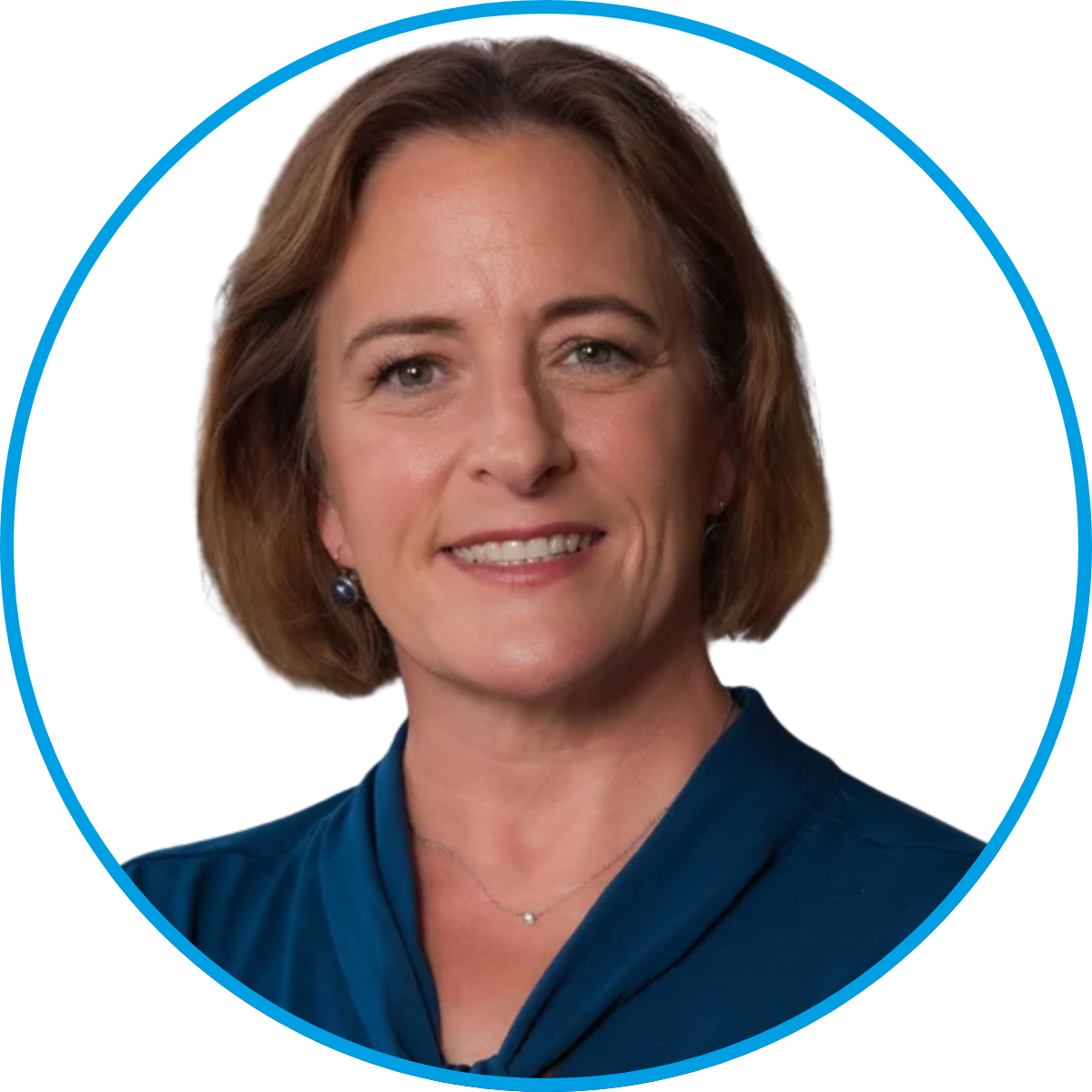
Amy K. Dittmar
Provost, Rice University
Amy Dittmar is a distinguished scholar with an extensive background in economics, finance and university administration. She is the provost, the executive vice president for Academic Affairs, a professor of economics in the School of Social Sciences and a professor of finance with Rice Business.
Dittmar has strengthened Rice’s partnerships with the Texas Medical Center, with a particular interest in cancer and brain health initiatives. She is a co-chair of the Steering Committee for Project Metis, a groundbreaking initiative led by Center for Houston’s Future to position the Houston-Galveston region as the global leader in brain health and the emerging brain economy. She oversees Rice Global, which has established and expanded partnerships in Europe, Asia and Latin America. She serves as president of Rice Global Paris, which oversees the Rice Global Paris Center and the Rice School of Architecture in Paris.
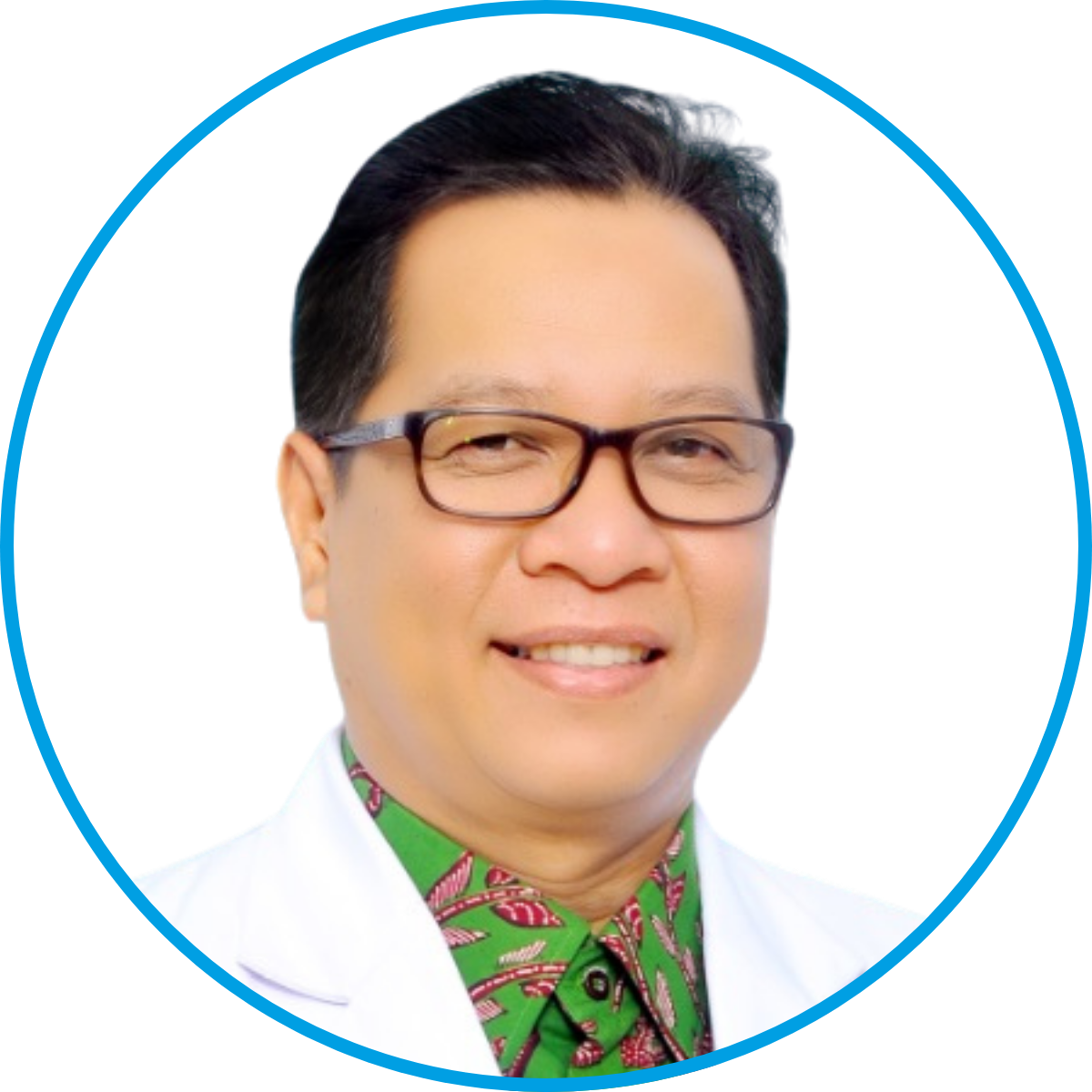
Dr. Dovy Djanas
President Director, RSUP Dr M. Djamil; representing the Ministry of Health of Indonesia
Dr. Dovy Djanas, Sp.OG, KFM, is an obstetrician and gynecologist. He earned his medical degrees from Andalas University, including his Bachelor of Medicine, Professional Degree, and specialty in Obstetrics and Gynecology. He is also a registered member of the Indonesian Medical Association (IDI) and the Indonesian Society of Obstetrics and Gynecology (POGI).
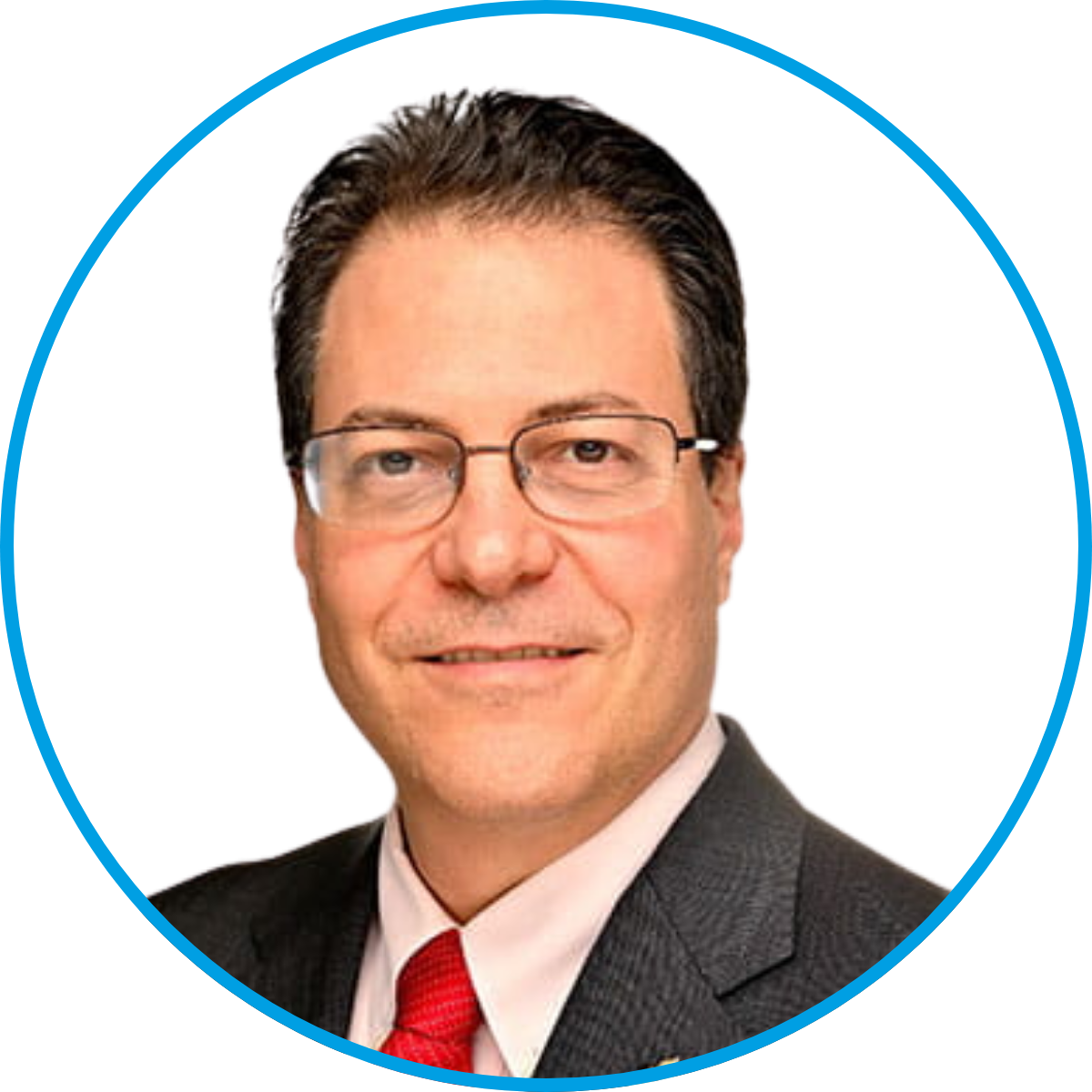
Dr. Mitchell Elkind
Chief Clinical Science Officer – Brain Health and Stroke, American Heart Association
Dr. Mitchell Elkind is the American Heart Association’s Chief Clinical Science Officer and serves as the senior staff science leader for all Association initiatives related to stroke, brain health and new integrated efforts including cardio-renal-metabolic health. Previously, he was president of the American Heart Association for 2020-21, a tenured Professor of Neurology and Epidemiology and Chief of the Division of Neurology Clinical Outcomes Research and Population Sciences in the Neurology Department at Columbia University. As Chief Clinical Science Officer, Dr. Elkind’s trusted voice, collaborative approach, and extensive clinical knowledge and experience are instrumental to ensuring the Association’s next generation research efforts are patient-centered, highly participatory and inclusive of all populations.
Dr Elkind’s research focuses on stroke prevention, inflammatory and infectious biomarkers in stroke risk prediction, atrial cardiopathy, immune therapy for acute stroke, and vascular causes of cognitive aging. He is a principal investigator of federally-funded studies examining atrial cardiopathy in cryptogenic stroke; stroke risk factors; short-term high-dose statin therapy in acute stroke; and inflammation in stroke treatment. Dr. Elkind has a longstanding commitment to medical education and research training. In addition to leading the Columbia Neurology residency and fellowship programs, he served as editor of the American Heart Association/ASA Stroke journal’s International Stroke Early Career and Training Section. He also runs National Institutes of Health-funded research training programs for residents and fellows.
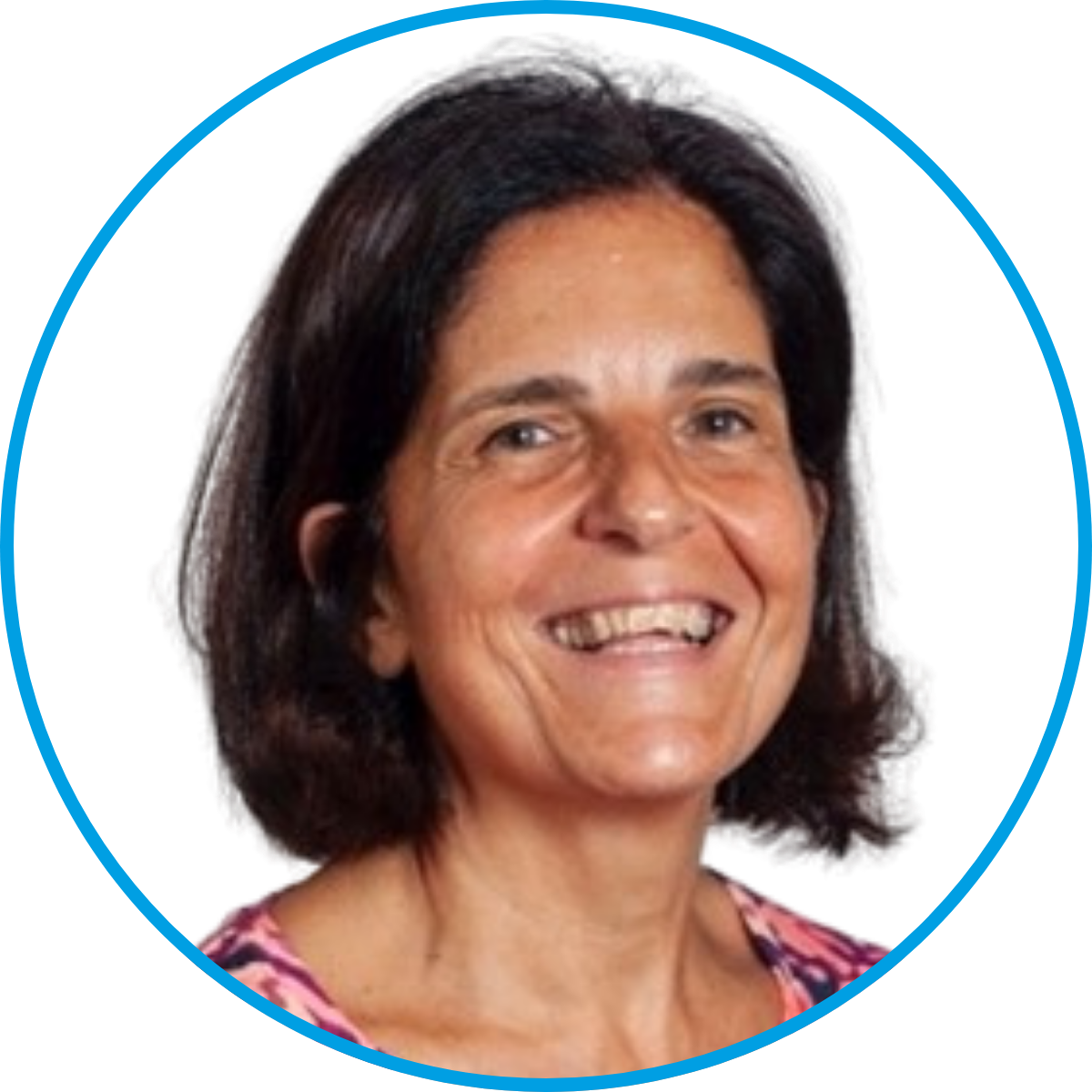
Zeina El-Chemali
Vice Chair of Education, Cambridge Health Alliance; Associate Professor, Psychiatry and Neurology, Harvard Medical School
Dr. Zeina Chemali is an expert clinician, double boarded in Neurology and Psychiatry who has dedicated her life’s work to the practice of clinical neuropsychiatry, and education, in the US and in support of programs in other countries.
In the US she previously served as Director of the Neuropsychiatry Clinics and Training in the Departments of Psychiatry and Neurology at MGH, providing patients and families in the US with the highest quality of care. Dr. Chemali has worked in the global sphere for more than 4 decades and within the Pierce Division at MGH for fifteen years. Within the Pierce Division Dr. Chemali directed the Global Neuropsychiatry Outreach program and in 2016 launched the Middle East Desk for Clinical and Public Affairs with Arabic as the primary language. In 2025 she was named Vice Chair of Education at Cambridge Health Alliance.
Today she continues as Director of Global Implementation of Programs in Neuropsychiatry and Behavioral Sciences within the Pierce Division at MGH. She is at heart an educator and mentor of medical students, interns, residents, fellows, and other care providers, supporting the development of cross-disciplinary scholars. Dr. Chemali has taught and mentored in PhD programs as well as neuroscientists, nurses, neuropsychologists, rehabilitation specialists. She has supported neuropsychiatry education in the US and around the world, including programs at the University of São Paulo in Brazil (today the first neuropsychiatry unit in South America), American University of Beirut (AUB) Medical Center, and in many countries in Africa. Her collaboration at AUB helped secure ACGME-I accreditation in Neurology and Psychiatry and she continues to work with the Department of Neurology educating residents on behavioral neurology, attending clinics for memory disorders, and staffing outpatient disparity specialty clinics where patients and refugees with very low income come to seek care. In addition to her work in Lebanon, Dr. Chemali continues to advise on curriculum development at the University of Global Health Equity (UGHE) in Rwanda, Mbarara University Science and Technology in Uganda, and at Sierra Leone Psychiatric Teaching Hospital, in addition to having developed a new dual residency program in Neurology and Psychiatry at the University of Hargeisa, Somaliland.
This is a model for programs across Africa. In Ethiopia, Dr. Chemali has led development of a master’s in Community Psychiatry that has graduated 100+ professionals, transforming national mental health services and strategy. She today continues to consult with governmental entities, Ministries of Health and Social Affairs, and international NGOs on national mental health strategies, Alzheimer’s capacity building, brain health and women’s empowerment.
She has been awarded multiple awards pertaining to her humanitarian work in Africa and the Middle East. In the US, as Vice Chair for Education at Cambridge Health Alliance, she collaborates with the department Chair on strategic planning for a multidisciplinary community of trainees and faculty, shaping the future of education, and aligning clinical, research, and training efforts while supporting to the department’s various initiatives.

Hala El Khorazaty
Senior Project Designer, Perkins&Will
Hala is a Senior Healthcare Project Designer and Senior Associate at Perkins&Will, bringing over 15 years of international experience with the firm across multiple countries and markets. She is a research-driven designer whose work focuses on the intersection of wellness, sustainability, and human-centered design within the built environment.
As one of Perkins&Will’s Living Design Champions and a leading researcher in brain capital and brain health, Hala advocates for design strategies that positively impact cognitive, emotional, and physical wellbeing.
An award-winning designer, Hala leads complex large-scale projects globally, recognized for integrating innovation, operational thinking, and experiential design. Over the past several years, she has also collaborated with the United Nations to help advance global awareness around the importance of brain health within the built environment.
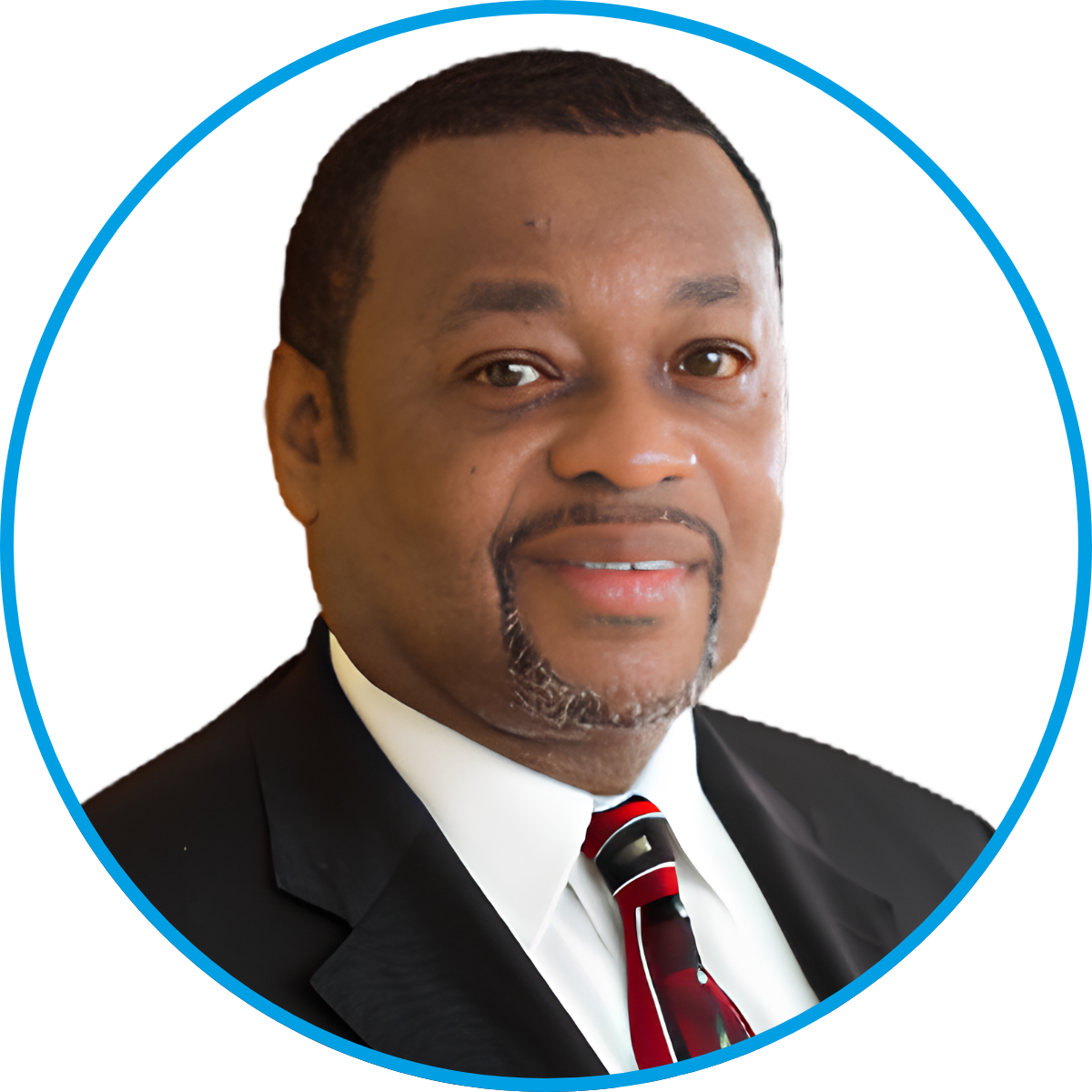
Arthur Evans
Chief Executive Officer and Executive Vice President, American Psychological Association
Clinical and community psychologist and health care innovator Arthur C. Evans Jr., PhD, is CEO of the American Psychological Association, the leading scientific and professional organization representing psychology in the United States. With more than 172,000 researchers, educators, clinicians, consultants, and students as members, APA promotes and disseminates psychological knowledge to benefit society and improve lives – a mission consistent with Evans’ life work.
An unconventional leader, he employed science, research, community activism, spirituality, traditional clinical care, policy, and cross-system collaborations to change the status quo. His approach gave voice to and empowered individuals and communities that have been historically marginalized. He ensured those with lived experiences were involved with every policy decision. He enlisted political and community leaders, grassroots organizations, academic institutions and advocates in a citywide commitment to think differently about behavioral health and intellectual disabilities.

Toby Ewing
The Kennedy Forum
Toby Ewing joins the Brain Days this year on behalf of The Kennedy Forum. He previously led Governor Newsom’s Mental Health Services Oversight and Accountability Commission in California, bringing extensive experience in mental health policy, prevention and accountability. He is now helping shape the broader Gambling Health framework through the Kennedy Forum.
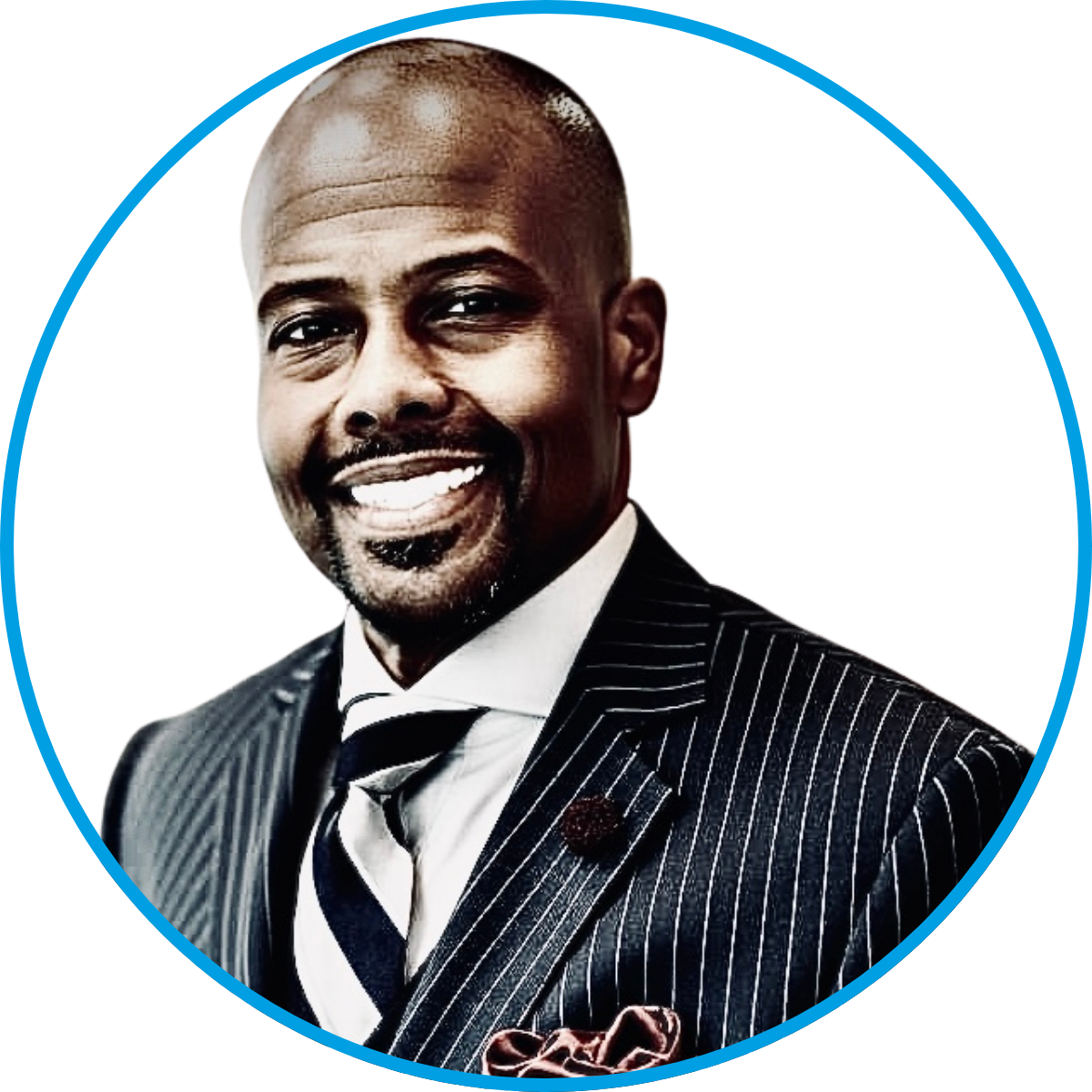
Tim Foxx
Director, Center for School Study Councils, The University of Pennsylvania
Tim Foxx is a visionary strategist, systems designer, and equity-centered leadership advisor whose interdisciplinary expertise draws from premier institutions including the University of Pennsylvania’s Graduate School of Education (PennGSE), the Wharton School, and Stanford University’s d.school. Grounded in certifications from Cornell (Systems Thinking), Harvard (Pedagogical Efficacy), and Yale (Fiscal Literacy), Tim equips leaders to navigate uncertainty, create aligned systems, and build resilient, human-centered organizations.
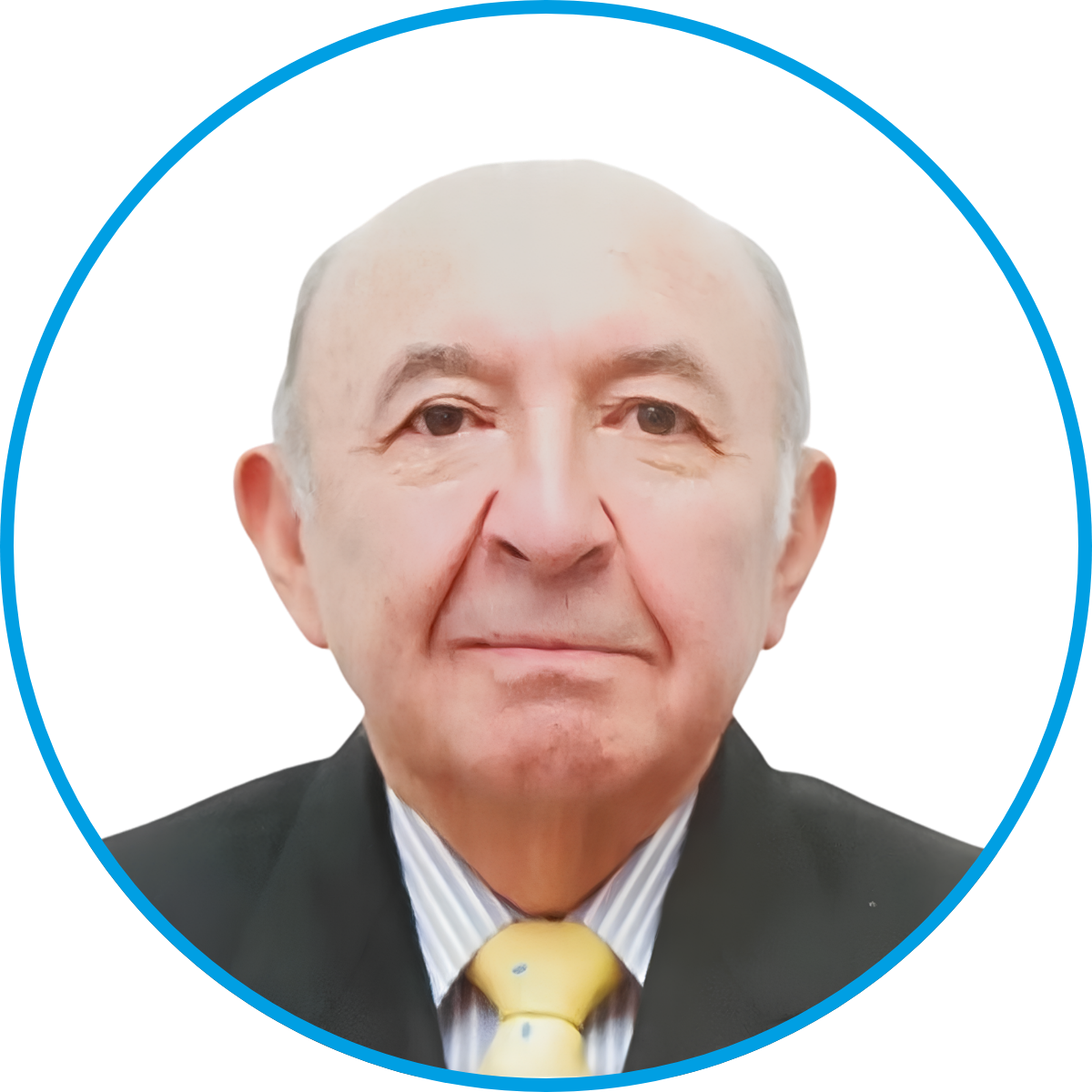
H.E. Ambassador Luís Gallegos
United Nations Institute for Training and Research (UNITAR); Former Minister of Foreign Affairs of Ecuador
Ambassador Luis Gallegos was born in Quito, Ecuador, on December 13, 1946. He obtained a Law Degree and a Juris Doctor Degree from the Central University of Ecuador in 1975. In 1983, as a Humphrey Fellow Scholar, he earned a Master of Arts Degree from the Fletcher School of Law and Diplomacy-Harvard University.
For his work in human rights, he has received numerous honors, including the Justice for All Disabilities Rights Award, the Burton Blatt Leadership Award, the Christian Blind Mission Award, the Access Living Award, the National Spinal Cord Injury Association Hall of Fame Award, and Special Recognition for Outstanding Service from The Washington Hispanic Chamber of Commerce.
He received the UNITAR Global Partnership Award (2012), the Harvard Law School Project on Disability’s Award for Creative Contributions to Human Betterment (2015), and the USICD International Advocate Award (2024). He was also a 2022 Fellow at the Harvard Advanced Leadership Initiative.
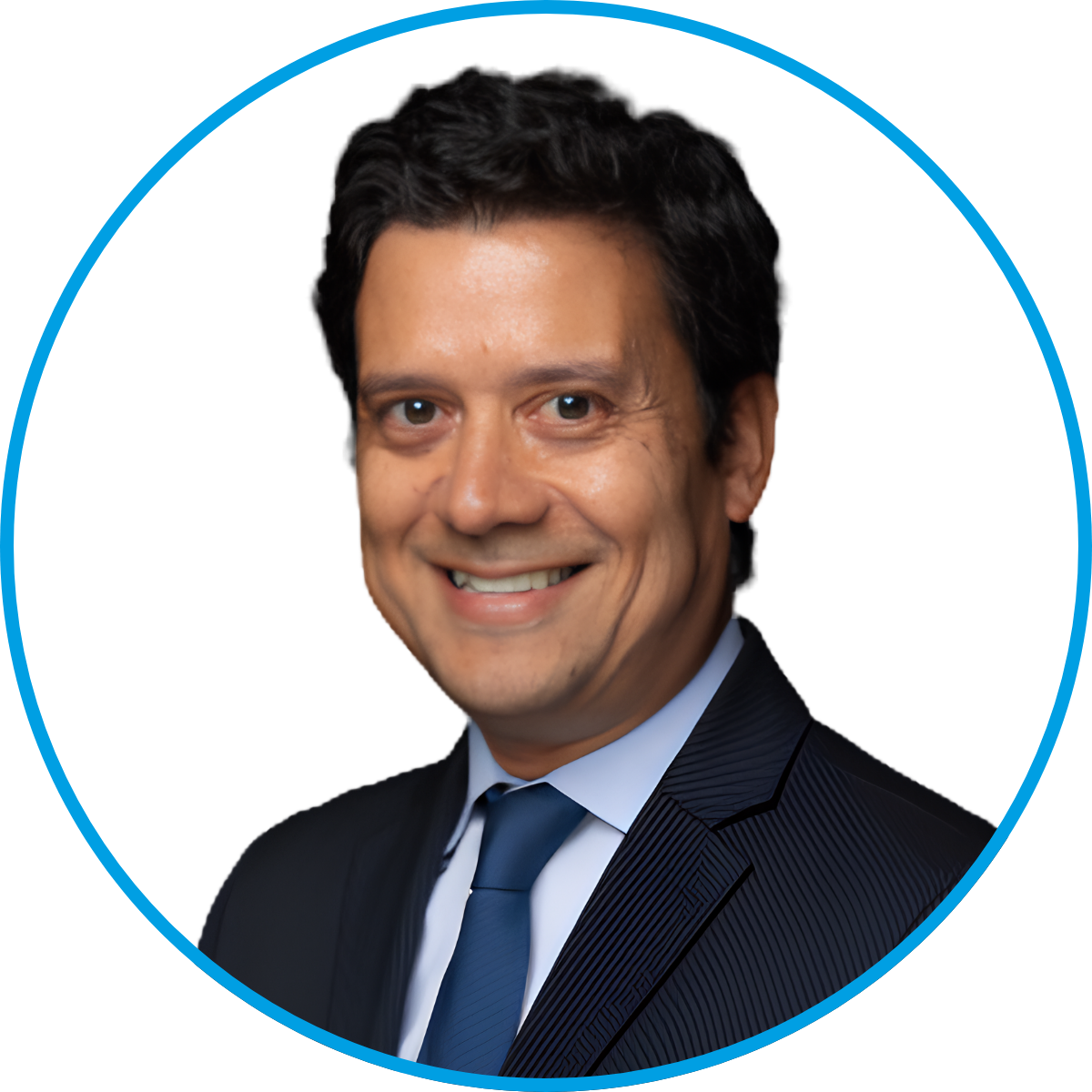
Javier Guzmán
Division Chief for Health, Nutrition and Population, Inter-American Development Bank
Javier Guzmán is Chief of the Health, Nutrition, and Population Division at the Inter-American Development Bank (IDB). He is a global health expert with extensive experience in health policy, pharmaceutical systems, regulatory affairs, health financing, global health security, and antimicrobial resistance. He previously held leadership roles at the Center for Global Development and Management Sciences for Health. Between 2013 and 2018, he served in senior positions in the Colombian government, including Director of Medicines and Health Technologies at the Ministry of Health and Director General of the Colombian Food and Drug Surveillance Institute. He has worked as a physician, researcher, analyst, and policymaker in the United States, United Kingdom, Australia, and Colombia. He holds an MSc in Health Policy, Planning, and Financing and an Executive MBA.

Richard Hatzfeld
Senior Partner, Finn Partners
Richard Hatzfeld leads all FINN Partners brain health and global public health initiatives on behalf of clients in the pharmaceutical, education, non-profit, philanthropy and technology sectors. He has worked around the world on major health advocacy, media and thought leadership campaigns. In the decade prior to joining FINN, Richard oversaw communications for the Merck Vaccines franchise, led global public health communications for Johnson & Johnson, and was the communications director for the Sabin Vaccine Institute. He began his work in public health pioneering the creation of the first national network of reproductive health centers in the Democratic Republic of the Congo.
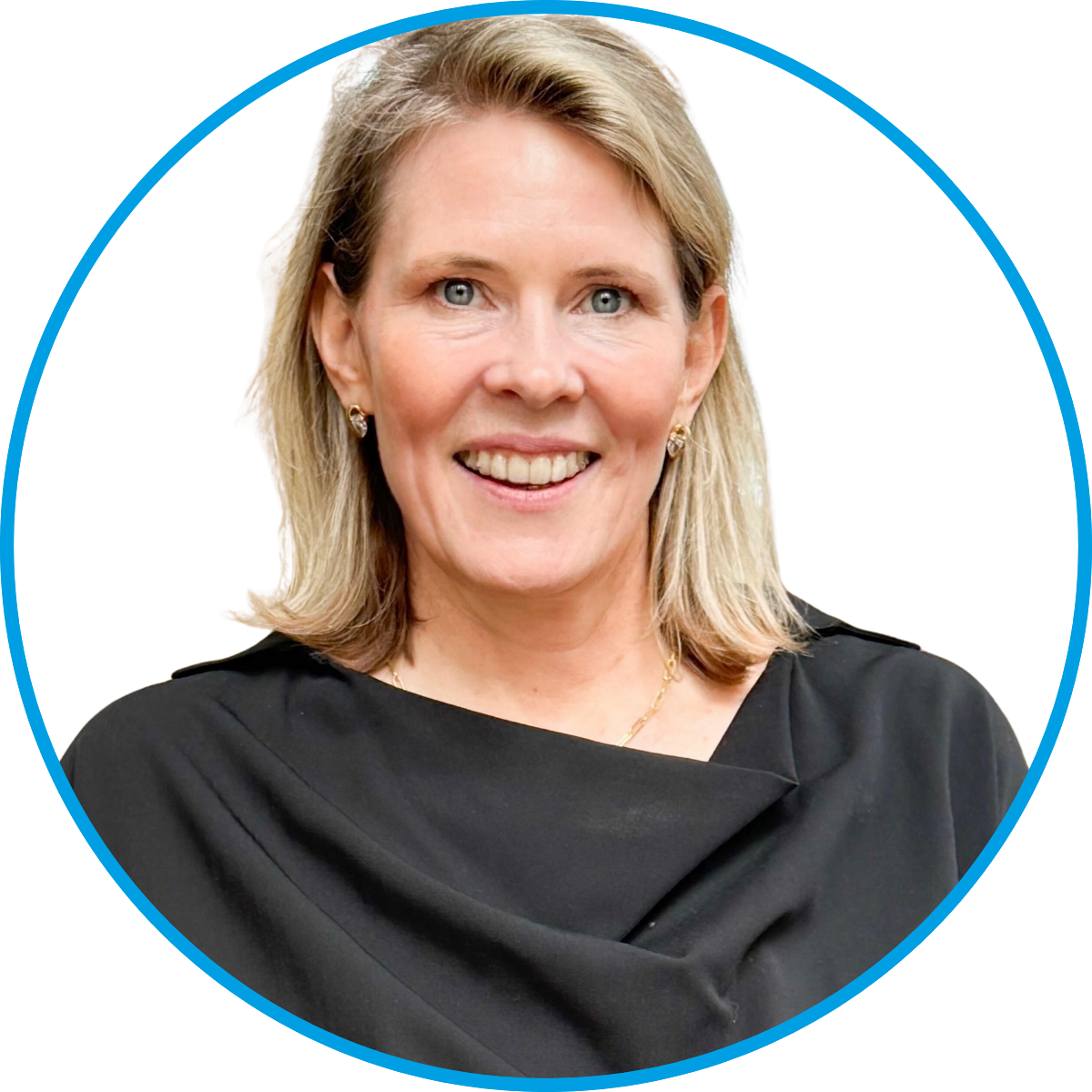
Kara Hourihan
Executive Director, The Pedersen Foundation
Kara Hourihan is Executive Director of the Pedersen Foundation, where she leads philanthropic efforts in national security, neuroaesthetics, women’s hormonal health, and the effects of food and exercise on the brain. Guided by the foundation’s values of patriotism, impact, compassion, innovation, and humility, she works to ensure the foundation’s giving is both strategic and catalytic—helping emerging fields gain the momentum they need to become established ones. Before entering philanthropy, Kara spent more than twenty years as a brand strategist, advising Fortune 100 companies—including Kellogg’s, AT&T, and Kohl’s—across a range of sectors. Her work centered on consumer research and innovation, building meaningful connections between companies and the people they serve.

Josh Hsu
General Counsel, Slingshot AI
Josh Hsu is General Counsel at Slingshot AI, the AI company behind Ash, its consumer app for emotional wellbeing and personal growth, where he leads all legal, regulatory, policy, and corporate matters. Before joining Slingshot, Josh was a partner at Jenner & Block, advising clients on public policy, crisis management, congressional investigations, and litigation. He previously served as Counsel to Vice President Kamala Harris, Executive Director of the Harris-Walz Transition, Senior Advisor to the Harris for President campaign, and National Policy Director on Kamala Harris’s presidential campaign. Josh also spent eight years in the US Senate, first as Chief Counsel for Nominations to then-Ranking Member Patrick J. Leahy and then as General Counsel and Deputy Chief of Staff to then-Senator Kamala Harris. He is a member of the American Law Institute and a recipient of the 2023 APABA-DC Pioneer Award.

Abdelfatah Ibrahim
Chair, OneNeurology Partnership
Abdelfatah Ibrahim is the Chair of OneNeurology Partnership, a global coalition bringing together organisations across neurological conditions, including stroke, epilepsy, and dementia. OneNeurology aims to strengthen collaboration, increase the visibility of neurological conditions, and advance shared policy priorities.
He has represented the neurological community at the World Health Organization (WHO)’s World Health Assembly, advocating for the inclusion of neurological conditions within global health strategies.
Abdelfatah is also the Head of Communications, Campaigns and Advocacy at the MS International Federation (MSIF), where he leads global awareness campaigns, advocacy and policy engagement on multiple sclerosis.
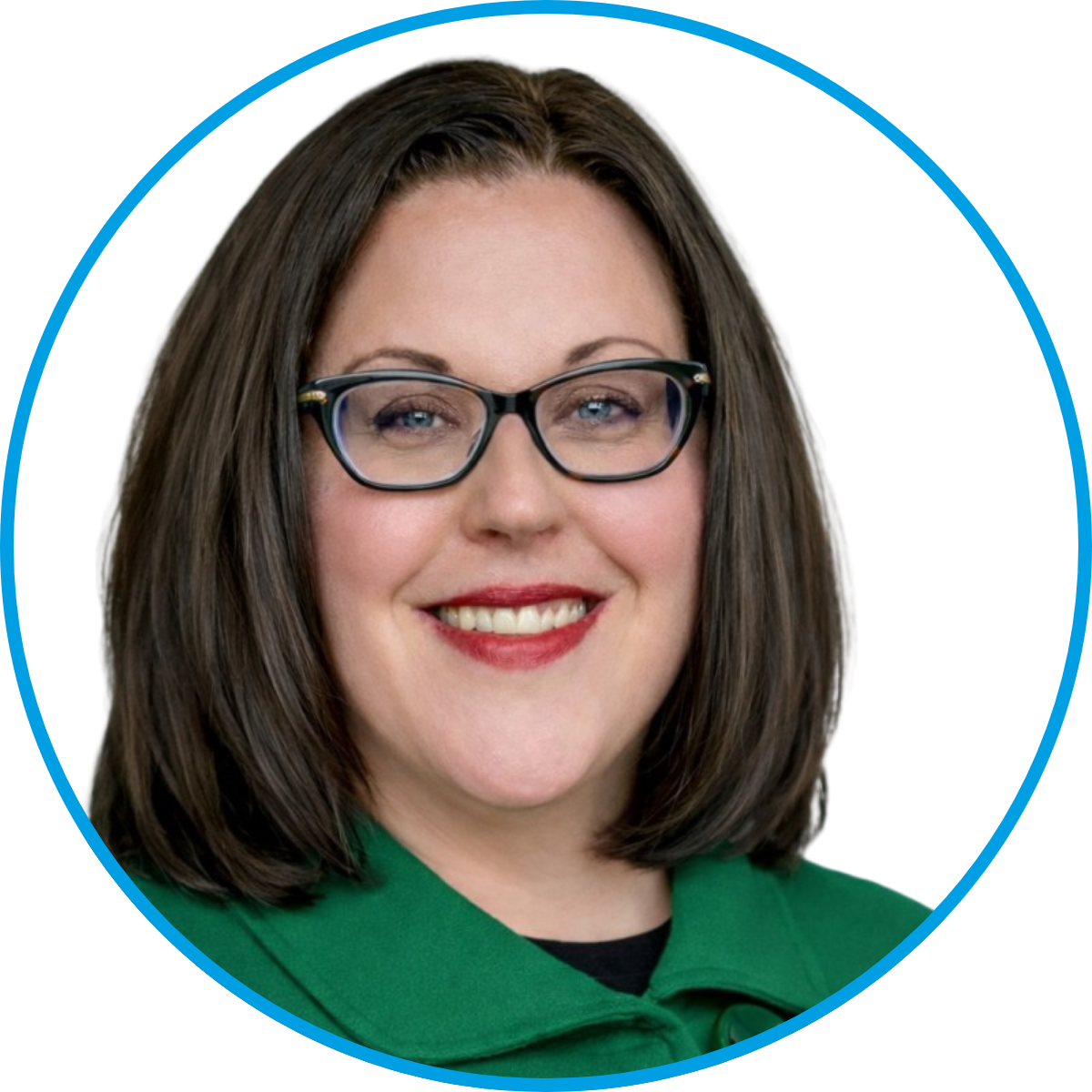
Erin Keating
Superintendent, Scranton School District
Dr. Erin Keating is a dynamic and innovative educational leader currently serving as Superintendent of the Scranton School District in Scranton, Pennsylvania, where she leads approximately 9,300 students across more than a dozen school campuses. With more than two decades of leadership experience spanning urban and suburban districts, Dr. Keating has built a reputation for collaboration, fiscal responsibility, and providing an environment that offers success for each of her students. Prior to her current role, she served as Superintendent of the Old Forge School District, her career includes service as Chief of Leadership Development and School Operations and Chief Academic Officer in Scranton, as well as principalship roles at the elementary and high school levels. Across every position, she has demonstrated a commitment to academic innovation, operational excellence, and strengthening school-community partnerships.
A respected voice in educational leadership, Dr. Keating has presented at national and state conferences including AASA and the Urban Superintendents Association of America Women in Leadership Conference. Deeply engaged in civic and philanthropic work, she serves as Secretary/Treasurer of the Urban Superintendents Association of America and holds board leadership roles with United Way locations, Skills in Scranton, and multiple youth and community initiatives. Dr. Keating holds a Doctorate in Educational Leadership from Wilkes University, where her dissertation examined the relationship between school-based health centers and academic achievement. She also serves as an adjunct professor at Delaware Valley University and King’s College, mentoring the next generation of educational leaders.

Andy Keller
President, Chief Executive Officer, and Linda Perryman Evans Presidential Chair, Meadows Mental Health Policy Institute
Andy Keller, PhD, is President and Chief Executive Officer of the Meadows Institute, an independent, nonpartisan policy and program research organization that helps local, state, and national leaders develop and accelerate solutions to address our nation’s mental health crisis.
Andy is a licensed clinical and community psychologist with more than 25 years of experience bringing health policy, financing, and best practices together to help people recover from mental illness and addiction. His work centers on helping health systems deliver the effective care that people, families, and communities need, and ensuring that local, federal and state policy-makers implement the regulatory and financial frameworks to help care providers innovate and thrive.
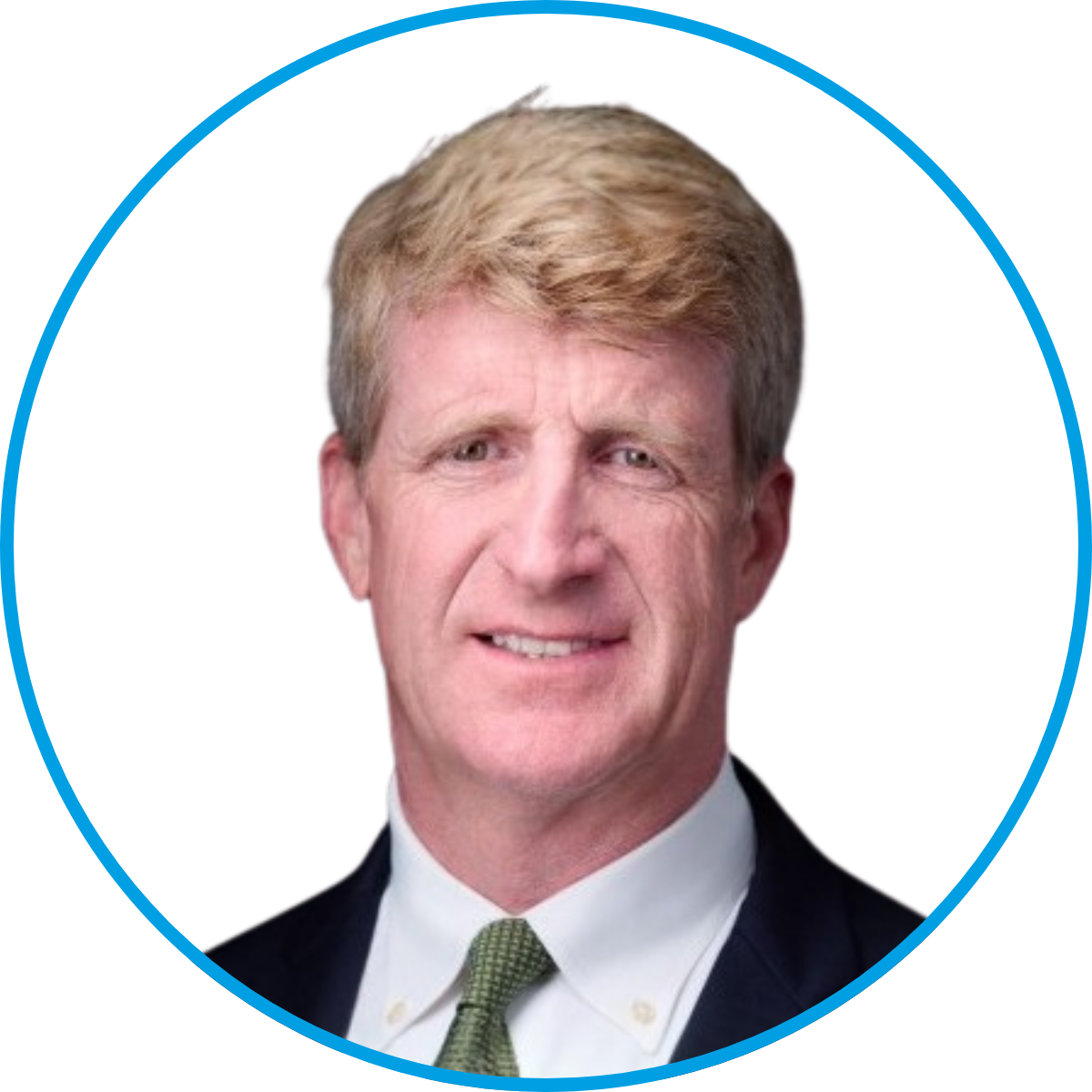
Patrick J. Kennedy
Former U.S. Representative (D-RI) and Co-Founder of The Kennedy Forum
Patrick J. Kennedy is a former U.S. congressman, mental health advocate, and author, widely recognized for his leadership in advancing mental health and addiction equity. During his 16-year tenure in the U.S. House of Representatives (1995–2011), he was a champion for mental health and addiction policy, serving as the lead sponsor of the Mental Health Parity and Addiction Equity Act (Federal Parity Law). This landmark legislation requires insurers to cover mental health and substance use disorder treatment on par with physical health conditions, such as diabetes and cancer. Since its passage, Kennedy has worked to ensure proper oversight and enforcement of the law to expand access to care for millions of Americans.
In 2013, Kennedy founded The Kennedy Forum, a nonprofit organization that brings together advocates, business leaders, and government agencies to promote evidence-based mental health and addiction policies and practices. In 2023, The Kennedy Forum launched the Alignment for Progress initiative, aiming to achieve 90/90/90 by 2033: ensuring that 90% of individuals are screened for mental health and substance use disorders, 90% of those screened receive evidence-based treatment, and 90% of those in treatment manage their symptoms in recovery.
In 2015, Kennedy co-authored the New York Times bestseller A Common Struggle: A Personal Journey Through the Past and Future of Mental Illness and Addiction, in which he details his personal experiences with mental illness and addiction and lays out a bold vision for the future of mental health care in America. His second co-authored book, Profiles in Mental Health Courage, will be released in April 2024 and highlights compelling stories of Americans facing mental health challenges, many of whom are sharing their experiences publicly for the first time.
Kennedy is also the founder of DontDenyMe.org, an educational campaign that empowers consumers and providers to understand their parity rights and access essential appeals guidance and resources. Additionally, he is the co-founder of One Mind, an organization advocating for greater global investment in brain research; Psych Hub, the world’s most comprehensive online learning platform for mental health, substance use, and suicide prevention; and the National Action Alliance for Suicide Prevention’s Mental Health & Suicide Prevention National Response to COVID-19 (National Response). He also serves as co-chair of the Bipartisan Policy Center’s Behavioral Health Integration Task Force, continuing his lifelong mission to advance mental health policy, research, and awareness nationwide.
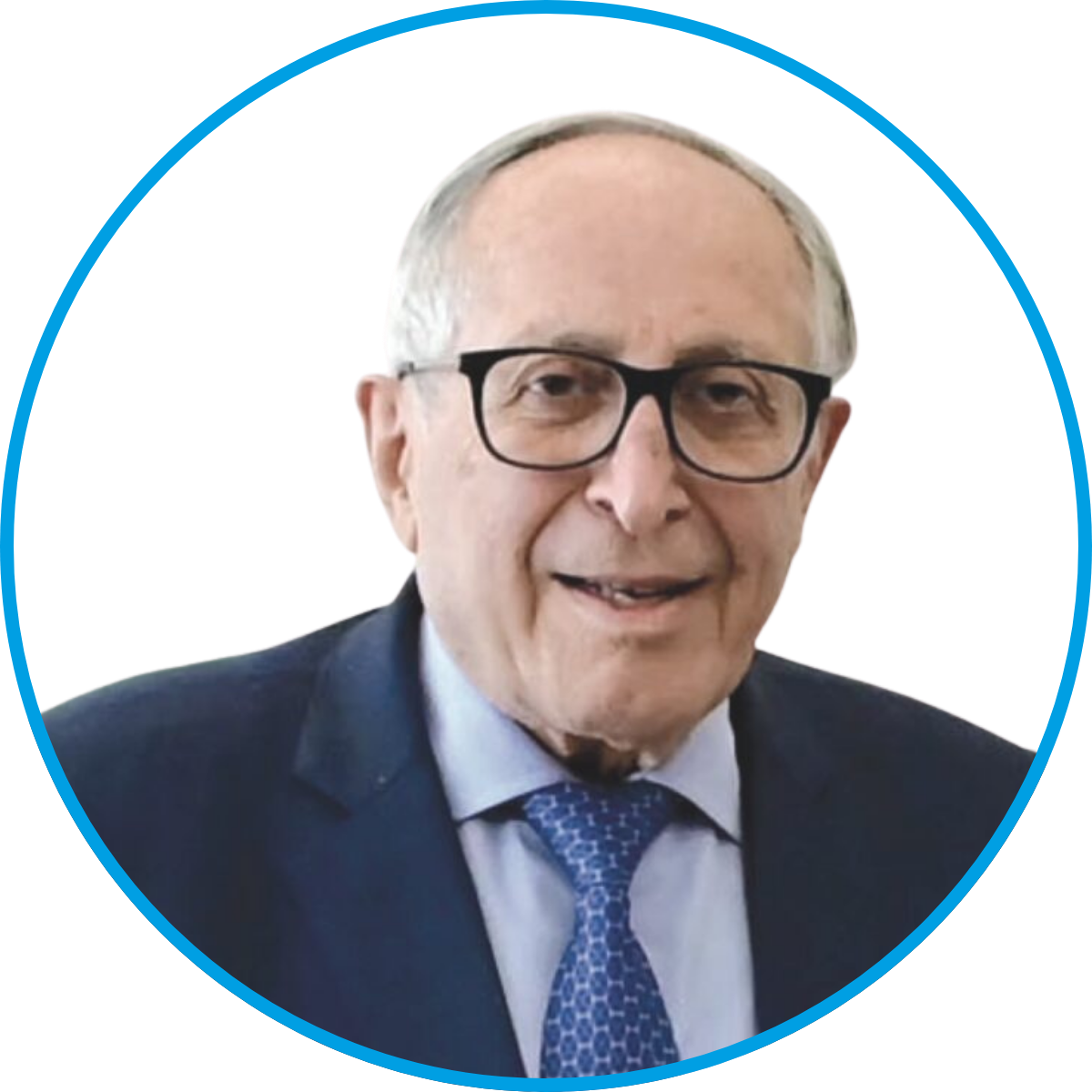
H.E. David Kershenobich
Secretary of Health, Mexico
David Kershenobich was appointed Secretary of Health by President Claudia Sheinbaum in October 2024.
He is a medical doctor who graduated from the National Autonomous University of Mexico (UNAM). He completed his residency in internal medicine and gastroenterology at the National Institute of Medical Sciences and Nutrition Salvador Zubirán (INCMNSZ).
Kershenobich further specialized in Hepatology at the Royal Free Hospital in London, under the mentorship of Professor Dame Sheila Sherlock, and earned a Doctorate in Medicine from the University of London.
He is a pioneer in clinical research on hepatitis C and liver fibrosis in Mexico, with a publication record that includes 249 original articles, 8 books, and 114 book chapters.
He holds the title of Level III Emeritus Researcher in the National System of Researchers. Served on the Governing Board of UNAM from 2005 to 2012 and was the President of the National Academy of Medicine of Mexico from 2010 to 2012.
Additionally, he was the Secretary of the General Health Council during 2011–2012. At the National Institute of Medical Sciences and Nutrition Salvador Zubirán, he was the head of the Department of Gastroenterology and served as the Director General from 2012 to 2022.
Throughout his career, he has received numerous awards, including the “Eduardo Liceaga” Medal from the General Health Council of the Government of Mexico, an honorary doctorate from UNAM, and the 2016 National Science Award in the field of Physical-Mathematical and Natural Sciences. He was also a member of the Advisory Council of the National Human Rights Commission from March 2016 to March 2021.

Devin Kleiner
Principal, Director of Regenerative Design
Devin Kleiner’s career can be defined by his three passions: design, teaching and the natural environment. Prior to architecture, Devin taught art and special education at the same elementary school he attended in Santa Fe, New Mexico. With a desire to expand his teaching lessons and a genuine curiosity about the built environment, he returned to school to study architecture. It was during an apprenticeship for a sustainable design-builder that he discovered his love for the creative design process and the positive impact it can have on the world we live in.
He has since dedicated his career to designing healthy places for all living beings. As a Senior Project Architect and Living Design Leader for the Seattle Studio, he is a sustainability resource for all projects in the office, connecting teams to the firmwide research labs and helping apply this expertise to advance their projects. Devin combines his ability to teach with his passion for protecting the environment in order to help clients reach their aspirational goals. His sustainable design efforts have been recognized by AIA Seattle Energy in Design, the Society for College and University Planning, and the Living Building Challenge—to name a few.

Joanna Lai
Health Specialist, UNICEF
Joanna Lai, DrPH, MPH, MS Ed. serves as the adolescent health and well-being lead within UNICEF’s Global Health Practice, providing technical leadership to strengthen adolescent, school, and mental health across more than 50 countries. Her work focuses on adolescent mental health promotion and prevention and the integration of mental health and psychosocial support into primary health care and school health systems. She supports governments to develop evidence-based policies, strengthen national systems, and scale integrated approaches that improve adolescent health and well-being. Joanna contributes to global guidance, implementation research, and capacity building, with a focus on adolescent-responsive health systems, meaningful youth engagement, and cross-sectoral collaboration. Prior to UNICEF, she supported national adolescent health and HIV programs, led implementation research on service quality in sub-Saharan Africa, and worked in school health and counseling services.
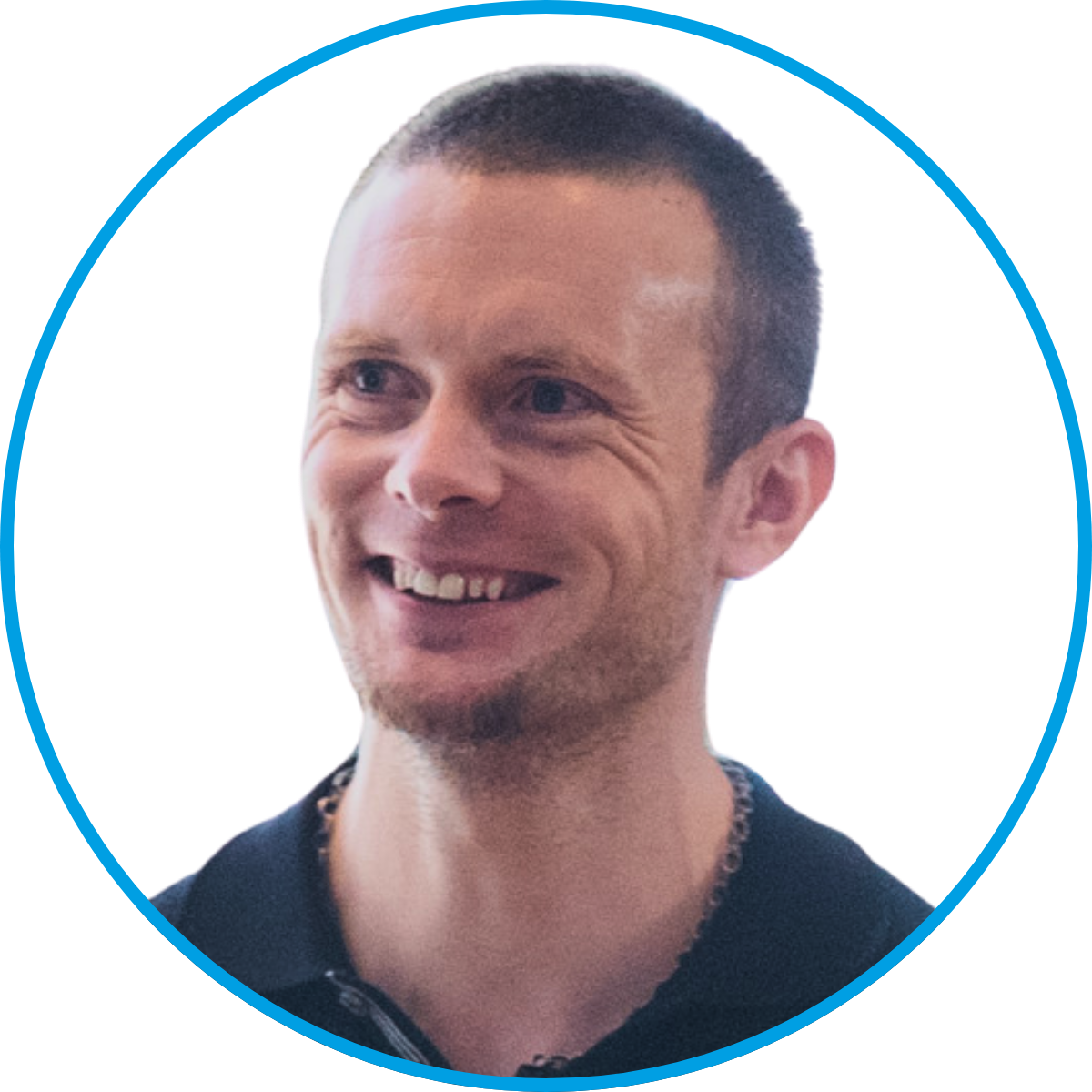
Russell Lehmann
Mental health and disability advocate
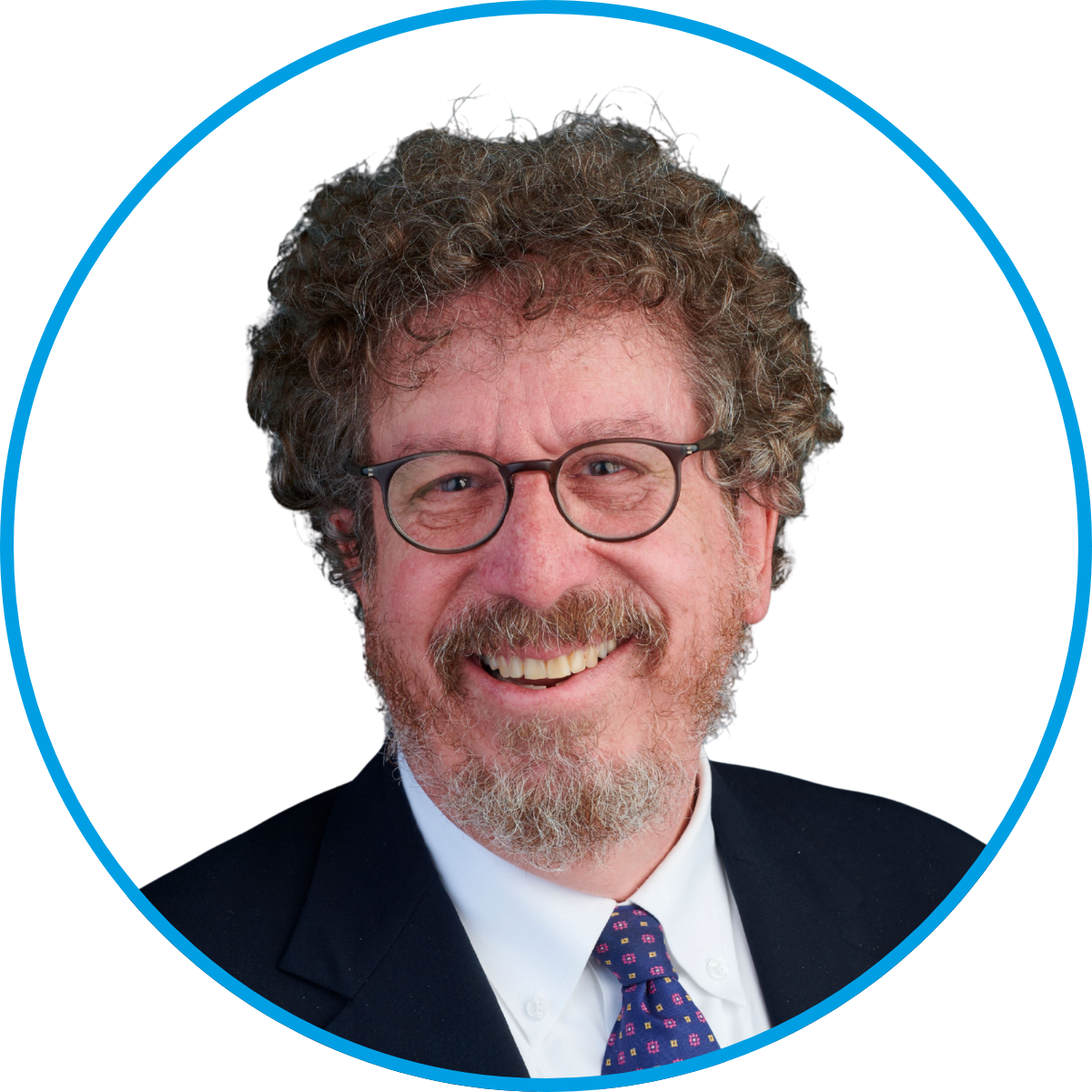
Steven Lewis
President, World Federation of Neurology (WFN)
Steven Lewis, MD, is the President of the World Federation of Neurology (WFN) and a WFN Trustee since 2014. Dr. Lewis is a graduate of Yale University, received his MD at Stanford University, and performed his neurology residency at the University of Chicago.
Dr. Lewis is Physician-in-Chief and Endowed Chair of Neurology at the Lehigh Valley Fleming Neuroscience Institute, Regional Chief for the Lehigh Valley for the Farber Neuroscience Institute at Jefferson Health, and Adjunct Professor of Neurology at Thomas Jefferson University.
Dr. Lewis is Past Chair of the American Board of Psychiatry and Neurology and past Editor-in-Chief of Continuum, the official CME journal of the American Academy of Neurology. He is the Editor of World Neurology and Editor-in-Chief of MedLink Neurology.
In 2019, Dr. Lewis received the A.B. Baker Award for Lifetime Achievement in Neurologic Education from the AAN, and in 2023, he received the ANA Award for Excellence in Education.

Ming Lim
Consultant and Professor of Paediatric Neurology
Ming Lim undertook his undergraduate medical training at the University Nottingham, UK. Following completing his paediatric neurology training in South London, he began his doctoral research fellowship studying the neuroimmune response in childhood neurodegenerative disorders.
He is now Consultant Paediatric Neurologist at the Evelina London Children’s Hospital and Professor of Paediatric Neurology at King’s College London. He is senior consultant in Children’s Neuroscience Department; Research Lead for Evelina London Hospital; and Associate Director of the NIHR GSTT Clinical Research Facility.
His ongoing research has contributed to the important characterization and understanding of childhood neuroinflammatory disorders. He leads and contributes to international efforts to improve the diagnosis and management of childhood neuroinflammatory disorders. Additionally, he works in efforts to improve multinational childhood clinical and research collaboration, including advocacy for childhood brain health, in his various roles in connect4children, European Paediatric Neurology Society and third sector organizations.

Liping Liu
Professor and Director, Beijing Tiantan Hospital, Capital Medical University
Professor Liping Liu is Professor and Director of the Department of Neurology at Beijing Tiantan Hospital, Capital Medical University, specializing in acute stroke treatment and neurocritical care. She is a Fellow of the American Heart Association/American Stroke Association (FAHA) and serves on the Boards of Directors of the World Stroke Organization (WSO) and European Stroke Organization (ESO).
Professor Liu is a leading stroke neurologist in China and has contributed extensively to national and international clinical guidelines, multicenter clinical trials, and evidence-based stroke care. She has authored more than 100 peer-reviewed publications and has received major research support from China’s Ministry of Science and Technology, National Health Commission, and National Natural Science Foundation.
Beyond stroke medicine, Professor Liu is actively advancing the field of brain health and international collaboration. She serves as Executive Editor of Brain Health, an international English-language journal focused on brain health research and innovation. She advocates for a life-course approach to brain health, integrating prevention, early intervention, healthy ageing, and technological innovation. She is also an editorial board member of leading journals including Stroke, JNNP, and International Journal of Stroke, and is a frequent speaker at major international conferences.
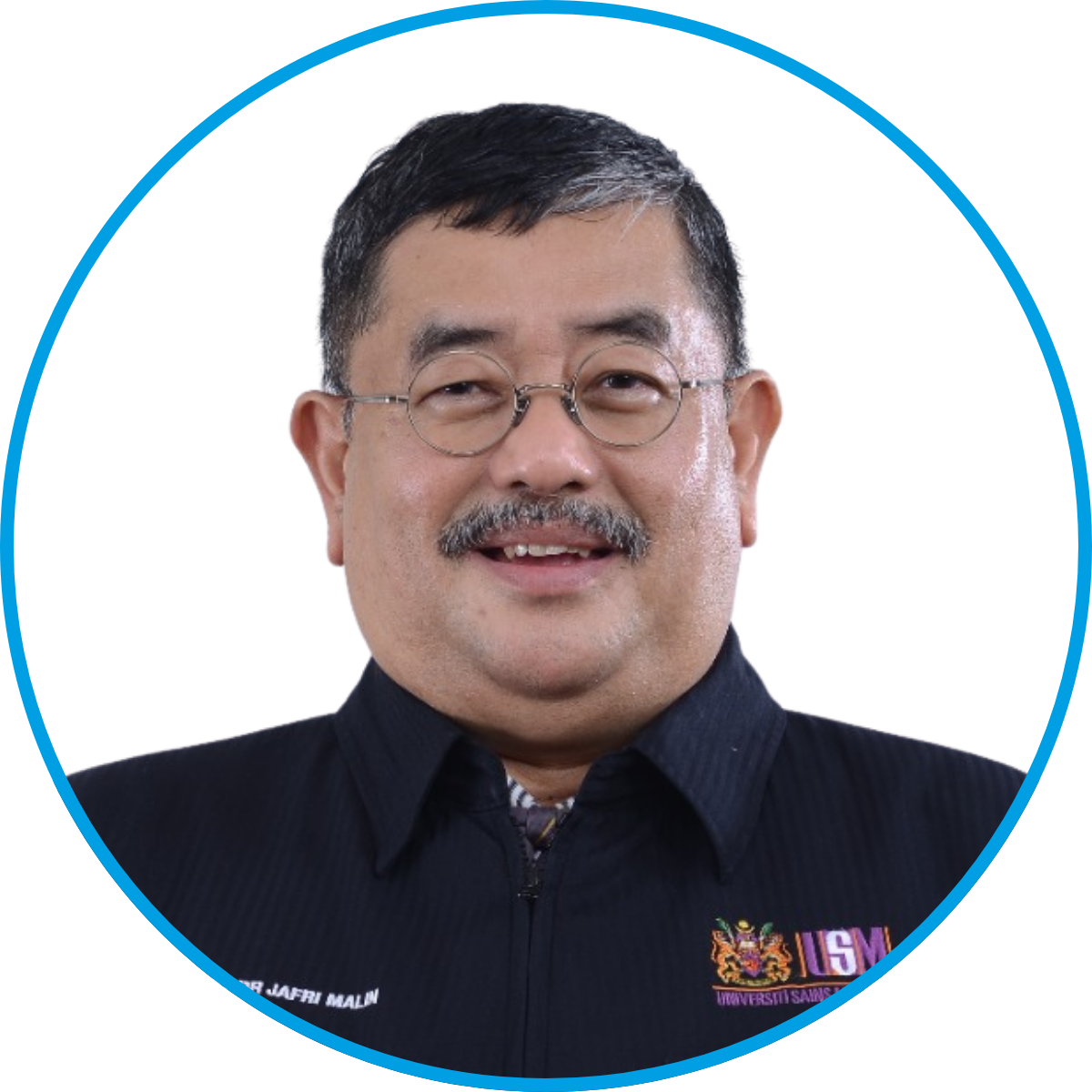
Jafri Malin Abdullah
Professor of Neurosciences, Academy of Sciences, Malaysia
Professor Dato’ Dr. Jafri Malin Abdullah FASc graduated with a Doctor of Medicine degree in 1986, followed by specialist training in Neurosurgery and a PhD (Magna Cum Laude) in Biomedical Science from Ghent University, Belgium, in 1995. He later completed postdoctoral training at the Karolinska University Hospital and Institute, Sweden, and advanced surgical neuroanatomy training under the late Prof. Albert L. Rhoton Jr. in the United States.
A pioneer in Malaysian neuroscience, Prof. Jafri established nine postgraduate programmes, including Cognitive Neurosciences, Neurology, Neurosurgery, and Clinical Neuropsychology, significantly advancing neuroscience education and specialist training nationwide. His international collaborations led to his appointment to the Global Brain Consortium (GBC) at McGill University, Canada, in 2018.
In 2023, he represented Malaysia at the 78th United Nations General Assembly during the Brain Health and Research Day Summit. He currently serves as South Asia Chapter Coordinator of the GBC and holds leadership roles in the Brain Capital Alliance, the Brain Economy Hub Steering Committee at Rice University, the International Neuroclimate Working Group at Stanford University, and the Nature Medicine Commission on Brain Health for Economic Resilience.
Prof. Jafri is Professor of Neurosciences and Chairman of the Brain & Behaviour Cluster at Hospital Pakar Universiti Sains Malaysia.
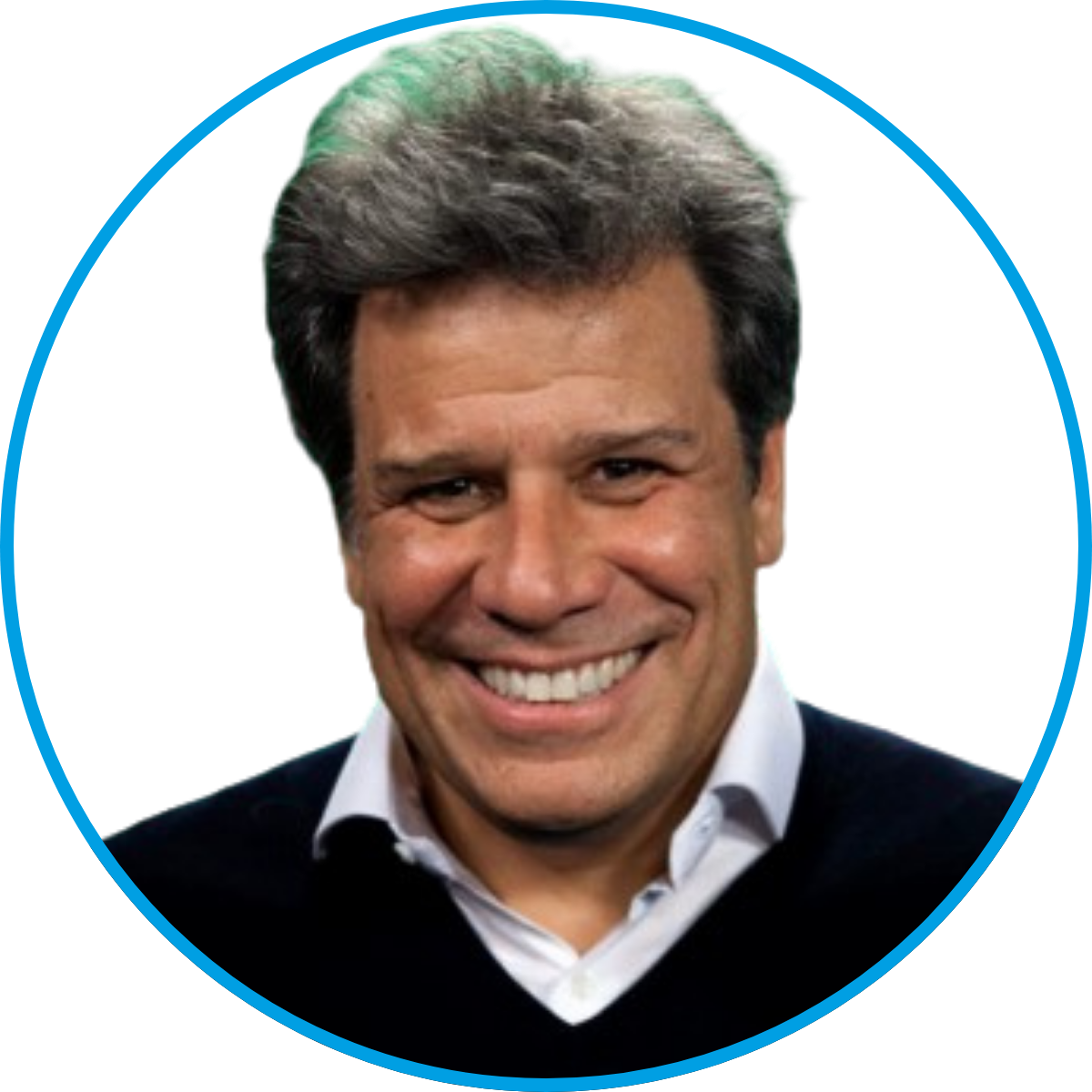
Facundo Manes
Neurologist and Neuroscientist, Institute of Cognitive Neurology (INECO); National Deputy, Argentina
Facundo Manes, born in 1969 in Argentina, has emerged as one of the most influential neuroscientists of the 21st century, not only within his native South America but also globally. His pioneering research, innovative approaches to understanding the human brain, and commitment to translating scientific discoveries into societal benefits have cemented his reputation as a leading figure in contemporary neuroscience. Throughout his career, Manes has contributed significantly to elucidating the neural mechanisms underlying cognition, emotion, and behavior, fostering a deeper understanding of mental health disorders, neurodegenerative diseases, and the plasticity of the human brain. His work has bridged the gap between basic science and applied clinical practice, inspiring new therapeutic strategies and public policies aimed at improving mental well-being in diverse populations.
Besides his contribution to medicine and science, Dr. Manes is deeply involved in disseminating the importance of knowledge in Latin America. Since December 2021, he is a national Congressman and the President of the Committee on Science, Innovation, and Technology of the Argentinian Parliament. His commitment is to work towards a long-term vision based on the idea that the wealth of a country is measured through the value of human capital, education, science and technology; and that in said factors lies the basis of social development. He also believes science has something to contribute to politics. The more solid the bridge between science and state decisions, the closer we will be to a democratic, modern and developed society.
Catherine Marquer
Agence Nationale de la Recherche, France
After formal training in chemistry (ENS Paris), Catherine Marquer received her PhD in molecular and cell biology in 2008 from University Pierre and Marie Curie (Paris, France) for her work on muscarinic receptors (Servent lab). From 2008 to 2012, she was a post-doctoral researcher in the Brain and Spine Institute (Potier lab, ICM, Paris, France) where she studied the role of cholesterol in Alzheimer’s disease. From 2012 to 2016, she was a post-doctoral fellow studying new regulators of intracellular trafficking and cholesterol homeostasis at Columbia University (Di Paolo lab). She got promoted to assistant professor in 2016 and opened her lab at Columbia University where she focused on endolysosomal dysregulations in neurodegeneration with a focus on Alzheimer’s disease and lysosomal storage disorders. She collaborated with a number of international scientists from different backgrounds (academia and industry) and various expertises, leading to numerous grants and publications in the cell biology and neurodegeneration fields. Now back in France, she is the coordinator for international initiatives in neurosciences at the Agence Nationale de la Recherche (ANR).
John McKeon
New Jersey State Senator
Mr. McKeon was elected to the Senate in November 2023. He previously served in the Assembly, representing the 27th District from 2002-2024. He was Parliamentarian from 2022-2024, Deputy Speaker from 2010-2011, Majority Whip from 2008-2009, Assistant Majority Leader from 2006-2007, and Assistant Majority Whip from 2004-2005.
The senator was raised in West Orange, where he served as its mayor from 1998-2010 and on the Municipal Council from 1992-1998.
Senator McKeon is a senior partner at Hardin, Kundia, McKeon, Poletto and Polifroni, a law firm located in Springfield Township. He previously worked as legislative counsel to Senator Richard Codey and counsel to the West Orange Board of Adjustment.
He earned a bachelor’s degree in history from Muhlenberg College and was later awarded a juris doctor from Seton Hall University School of Law.
Lisa Mosconi
Director, Women’s Brain Initiative and Alzheimer’s Prevention Program, Weill Cornell Medicine
Lisa Mosconi is an Italian American neuroscientist, educator, and author known for her books The Menopause Brain, The XX Brain and Brain Food. She is the director of the Alzheimer’s Prevention Program and the Women’s Brain Initiative, both at Weill Cornell Medicine / New York-Presbyterian where she is an Associate Professor of Neuroscience in Neurology and Radiology. Mosconi is currently serving as Program Director at Wellcome Leap, a global human health research organization.
Her research focuses on the early detection of Alzheimer’s disease in at-risk individuals, women in particular. This is the topic of her book The Menopause Brain where she explains that menopause is a neurological as well as hormonal process; she believes in reframing brain health as a vital, yet overlooked component of women’s health. Her research has shown that women at risk for Alzheimer’s disease developed amyloid plaques, linked to the disease, during perimenopause, a time earlier than previously thought. This research changes the treatment and intervention window for health care professionals trying to prevent Alzheimer’s and chronic diseases that affect people in older age.
Mosconi’s TED Talk on how menopause affects the brain has been viewed over four million times, and in 2024 she spoke at the inaugural Presidential Women’s Health Research Conference at the White House,[14] which highlighted the significant funding and research disparities in women’s health.
Christopher Moses
Alliance Theatre, Jennings Hertz Artistic Director
Christopher Moses is the Jennings Hertz Artistic Director for the Alliance Theatre. He has worked in professional theater for twenty years and was awarded the Governor’s Award for Arts and Humanities for his work in the field. After working at the Alliance for ten years, he became the Director of Education in 2011, overseeing the Alliance Theatre Institute (twice recognized as an Arts Model by the Federal Department of Education), Theatre for Youth and Families programming, and the Acting Program. Under his leadership, the Alliance launched its Kathy & Ken Bernhardt Theatre for the Very Young program, providing fully interactive professional theater experiences for children ages newborn through five; the Alliance Teen Ensemble, performing world premiere plays commissioned for and about teens; Palefsky Collision Project, where teens produce a new work after colliding with a classic text; and Alliance@work, a professional development program designed for the business sector. Moses also expanded the Alliance’s summer camp program to serve over 3,000 children in multiple locations across Atlanta. In 2014, Chris added the title Associate Artistic Director and has continued to expand the Alliance’s commissioned works for youth and family audiences.
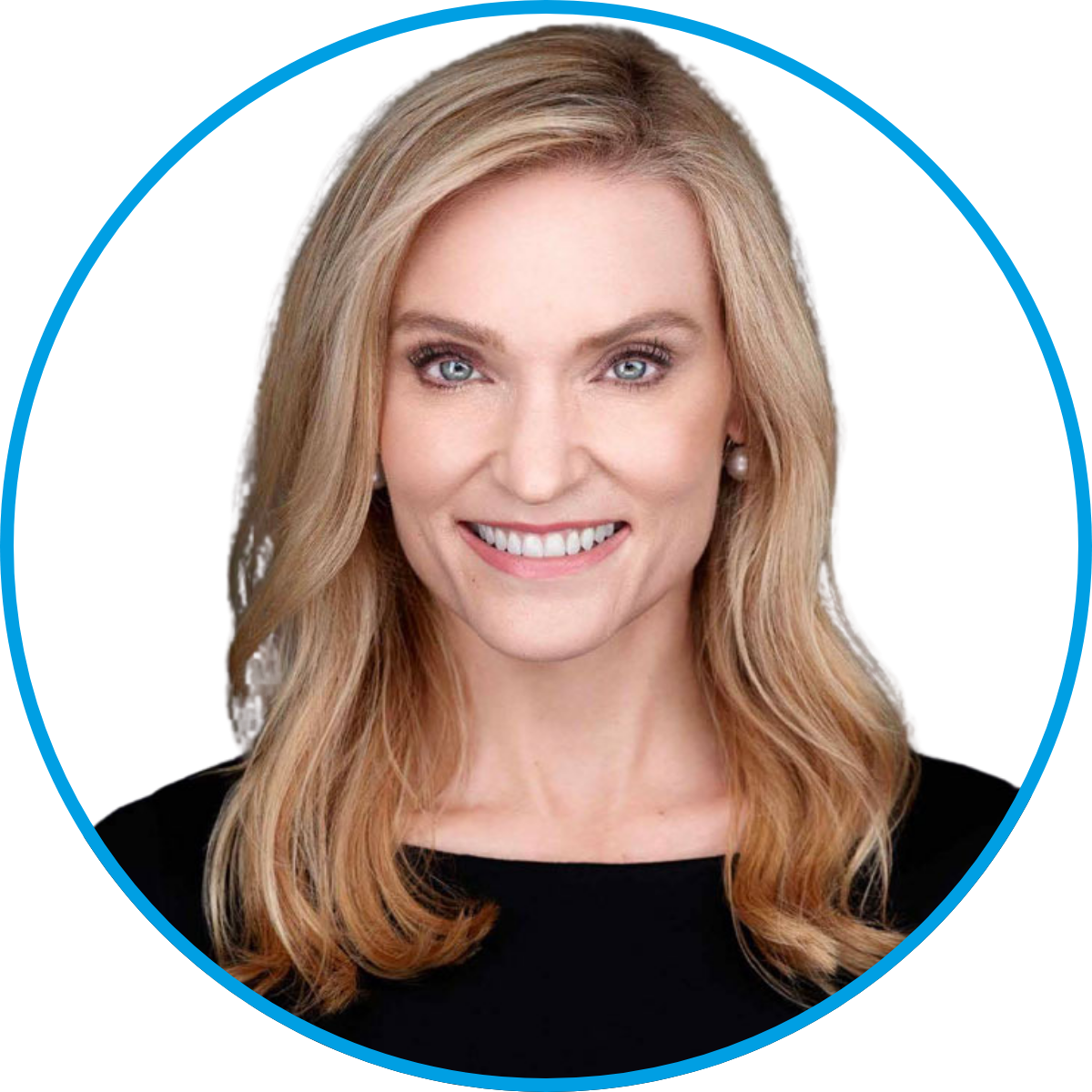
Laura Murray
Head of Global Mental Health, Google
Laura Murray believes that everyone, everywhere — regardless of geography, income, or system — deserves access to high-quality, evidence-based mental health care, and that AI and technology are among the most powerful tools available to make that a reality. She has spent her career at a challenging intersection: rigorous clinical science, the messy, underfunded reality of overstretched mental health systems, and the extraordinary potential of digital technology, and now AI, to bridge the gap between the two. Laura’s work is grounded in a simple observation: the crisis isn’t a lack of evidence — we know what works. The crisis is delivery. The gap between what science has proven and what actually reaches people in need is where the real harm happens, and closing that gap has become the throughline of her career. Her approach is threefold: build the science, build the technology, and build the systems that connect them at scale.
Laura Murray is Head of Global Mental Health at Google, Founder of CETA Global and CareConfidence, and Faculty at Johns Hopkins Bloomberg School of Public Health. Her research spans 8+ clinical trials, 100+ peer-reviewed publications, and implementations across 25+ countries — demonstrating that evidence-based, transdiagnostic care can treat clients effectively in up to 78% less time than traditional approaches. But proven science sitting in academic journals doesn’t help anyone — which is why Laura is equally focused on what AI and digital health make possible right now. The workforce shortage is real. The waitlists are real. The burnout is real. But so is the technology, and so is the science. She continues to work toward building a mental health ecosystem that actually works for everyone.

Upali Nanda
lobal Sector Director, Innovation; Executive Vice President, HKS
Upali Nanda is EVP and Global Sector Director for Innovation at HKS, where she leads innovation practices working within, through, and beyond the built environment for meaningful impact. Previously, she served as the firm’s Global Research Director and as Executive Director for the Center for Advanced Design Research and Education. She teaches as Professor of Practice at the Taubman School of Architecture and Urban Planning at the University of Michigan and serves on the board of the Academy for Neuroscience for Architecture. Her award-winning research spans health and wellbeing, neuroscience and architecture, sensthetics, and outcome-driven design — widely published and recognized with honors including the 2018 Women in Architecture Innovator Award.
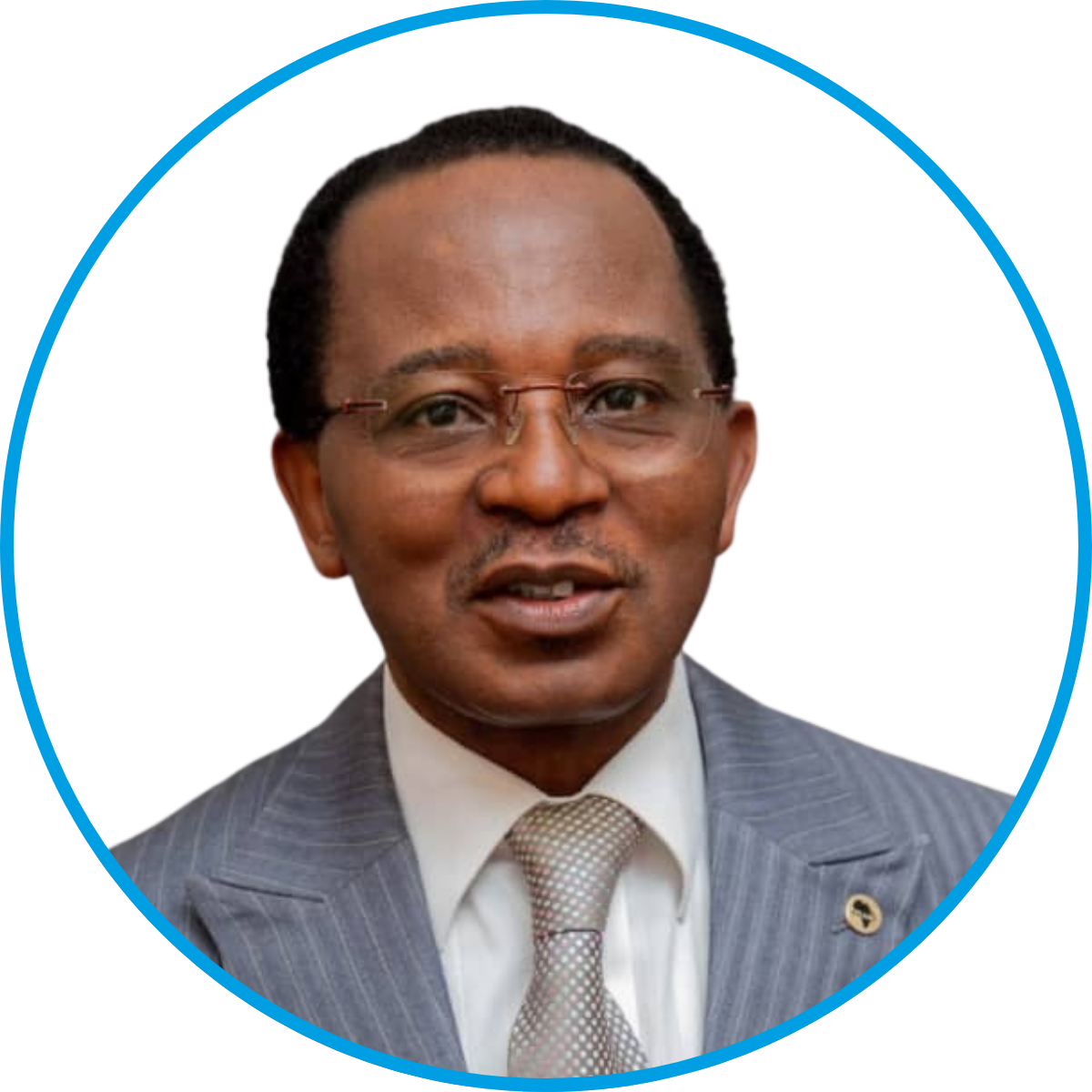
Alfred Kongnyu Njamnshi
Founder & Executive Director, Brain Research Africa Initiative (BRAIN)
Alfred Kongnyu Njamnshi, MD, MA, DMS, FMH, FCAS, FAAS, FRCP (UK), is professor of Neurology and Neuroscience at the Faculty of Medicine and Biomedical Sciences of The University of Yaoundé I (Cameroon), where he founded and heads the Neuroscience Laboratory, chairs the neurology and neuroscience residency programs and coordinates the school’s 30 residency programs. He is also Chief of Neurology at the Yaoundé Central Hospital, the base of his clinical practice and training of students/residents. He obtained his MD from the University of Yaoundé, Cameroon, and is Swiss-Board Certified (FMH) in Neurology and Clinical Neurophysiology; holder of an MA Education (medical education) from the UK, where he is also a Fellow of the Royal College of Physicians (FRCP). Prof. Njamnshi is a fellow of the Cameroon Academy of Sciences and also a fellow of the African Academy of Sciences. He has published over 240 peer-reviewed scientific articles in high-impact journals. His current research focus is brain health as well as basic, clinical, translational, and environmental neuroscience, targeting dementia, sleep medicine, epilepsy and stroke.
Professor Njamnshi organised the First High-Level African Science Summit that produced the Yaoundé Declaration on Brain Economy, Brain Health and Brain Capital. The Yaoundé Declaration was presented at UNGA79 Brain Days, the European Parliament-European Brain Council Brain Awareness Convening and other global and regional fora.

Bo Norrving
Co-Chair, Global Stroke Action Coalition; Previous President, World Stroke Organization
Bo Norrving is a world-renowned stroke expert and senior professor of neurology at Lund University, Sweden. With over 700 scientific publications, a citation count exceeding 230 000 his research has profoundly shaped the understanding of stroke epidemiology, syndromes, small vessel disease, and neuroimaging.
Currently Co-Chair of the Global Stroke Action Coalition, Prof. Norrving previously served as President of the World Stroke Organization (WSO). Under his leadership, the WSO expanded significantly, forging strong ties with the World Health Organization and the United Nations to raise the global profile of stroke as a public health priority. He participated in high-level international policy efforts, including the 2011 UN General Assembly meeting on non-communicable diseases, and has been instrumental in global stroke advocacy ever since. He chaired the ICD-11 Cerebrovascular Diseases Working Group, which successfully repositioned stroke within the WHO disease taxonomy—an achievement with lasting impact on global health strategies.

Prof. Babatunde Omilola
Head of Division, Human Development – Agriculture, Human and Social Development Complex, African Development Bank Group
Professor Babatunde Omilola is a global development leader. He has held senior level positions with several global institutions including the United Nations Development Program, the Food and Agriculture Organization of the United Nations, the International Food Policy Research Institute, and the African Development Bank Group. He managed the African Development Bank’s multi-billion-dollar response to the COVID-19 pandemic to stabilize African economies. He also led the United Nations Inter-Agency Task Team on the monitoring and reporting of the Sustainable Development Goals (SDGs) globally.
Babatunde was a Yale World Fellow at Yale Jackson School of Global Affairs, a Fellow on Democracy, Development, and the Rule of Law at Stanford University, a Ford Foundation International Fellow, a Fellow of the International Development Research Centre, Canada and a Fellow of the Comparative Research Program for preventing and eradicating poverty of the International Science Council. Since 2014, he has been an inaugural member of the Committee on Science for the Reduction of Poverty and Inequality of the Academy of Science of South Africa. Babatunde holds both MPhil and Ph.D. degrees in International Development and Development Economics from the Institute of Development Studies, University of Sussex, United Kingdom.
He has received Executive Education at the Harvard Business School, the Wharton Business School, University of Pennsylvania and the Lee Kuan Yew School of Public Policy, National University of Singapore as part of the United Nations Executive Leadership Program for Sustainable Development. Babatunde has visited and delivered development assistance in over 80 countries worldwide in Africa, Europe, the Middle East, Asia and the Pacific, Latin America, and the Caribbean.
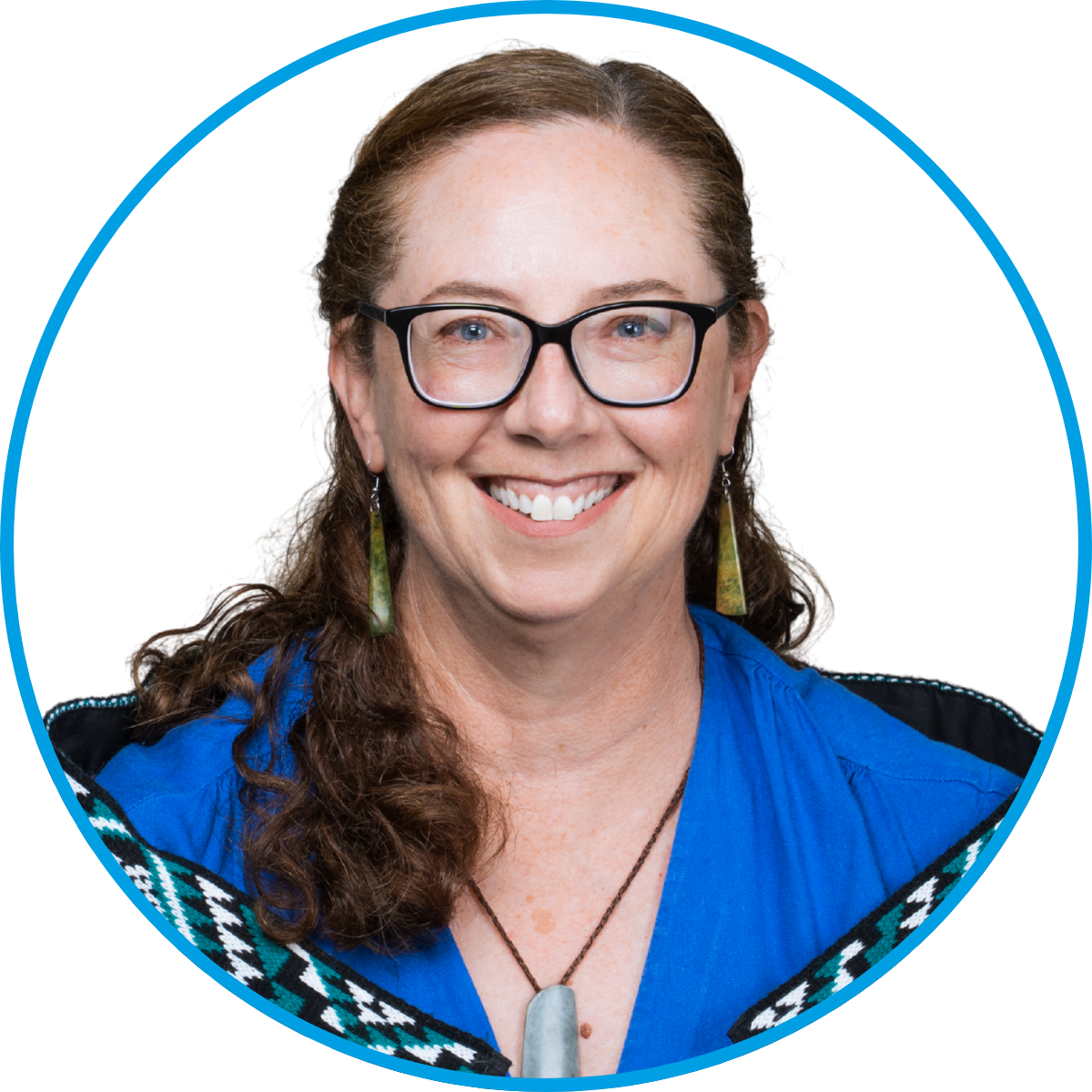
Prof. Louise Parr-Brownlie
Brain Health Partnership Co-Lead for New Zealand; University of Otago
Louise (Ngāti Maniapoto me Te Arawa) is a New Zealand (NZ) co-lead to the European Partnership in Brain Health. She has extensive experience in NZ’s research and innovation sector as a Science Advisor for the Ministry of Business, Innovation and Employment; Director of the Ageing Well National Science Challenge; member of the Health Research Council’s Biomedical Research Committee; and Board member for the Dodd-Walls Te Whai Ao (photonics and quantum) Centre of Research Excellence. Internationally, she is the Secretary of the International Basal Ganglia Society Council. At the University of Otago, Louise is the Māori Dean of Research and a Professor in the Department of Anatomy. Her biomedical research investigates how changes in brain activity underlie Parkinsonian symptoms, and she examines equitable lifestyle, cultural and clinical factors to slow symptom progression. Louise received a King’s Honour (Member of the NZ Order of Merit) for leadership and services to neuroscience.

Dan Pawson
Senior Director, Business Collaborative for Brain Health
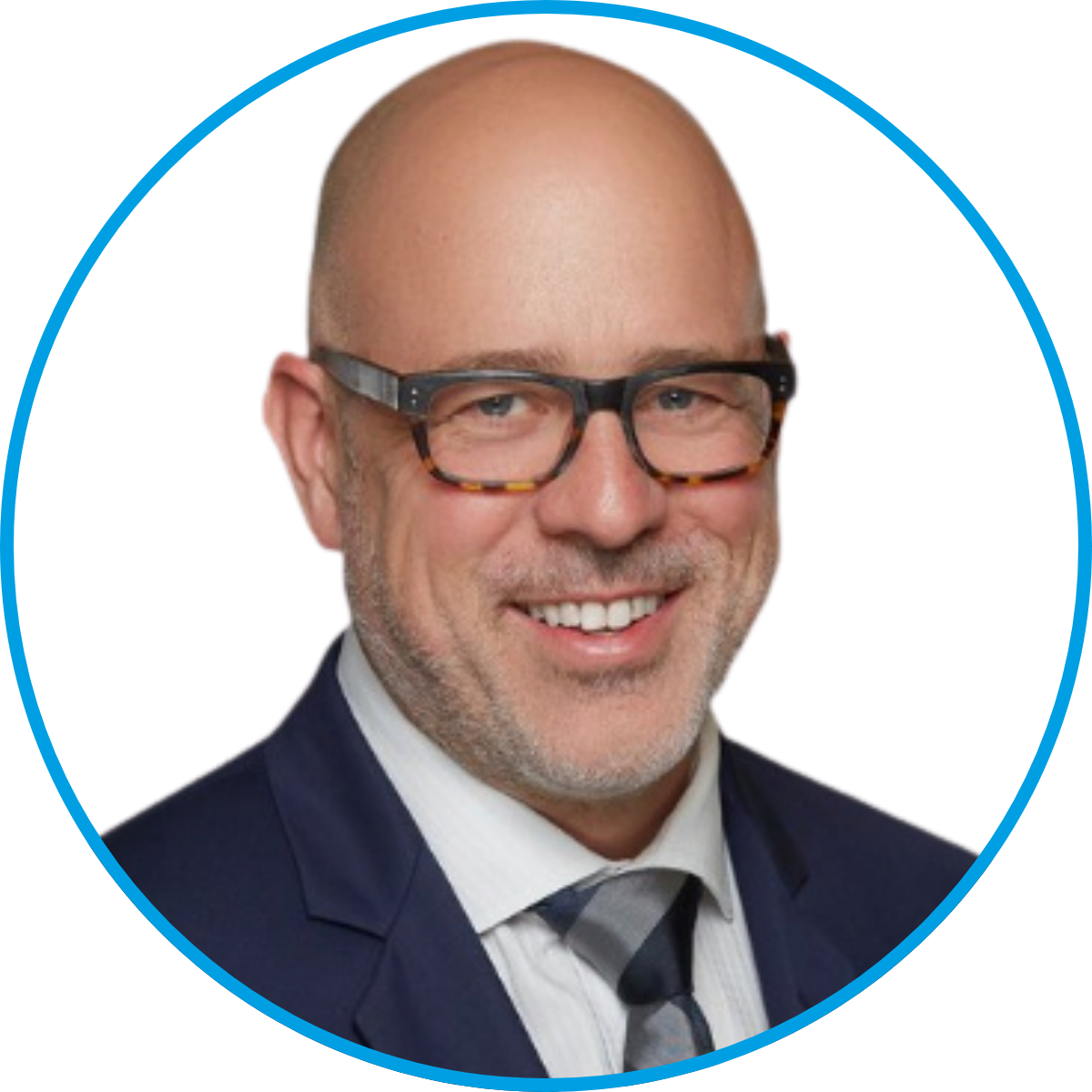
Paul Pellizzari
Vice President, Global Social Responsibility, Hard Rock International and Seminole Gaming
Paul Pellizzari is Vice President—Global Social Responsibility, Hard Rock International and Seminole Gaming. For over two decades he has led strategies and operational programs at large companies that include environmental sustainability, anti-human trafficking, purpose-driven marketing, responsible gambling, and community impact. Throughout his career, he has worked for multi-national corporations, consultancies, and one of Canada’s largest crown corporations. He has collaborated with different orders of government, the United Nations, and with local, national and international not-for-profit organizations. He is the author of two books and many articles, and has been adjunct faculty at Queen’s University, in Kingston Ontario. His programs have received numerous global and North American awards, including twice being recognized for the world’s best responsible gambling program by the World Lottery Association.
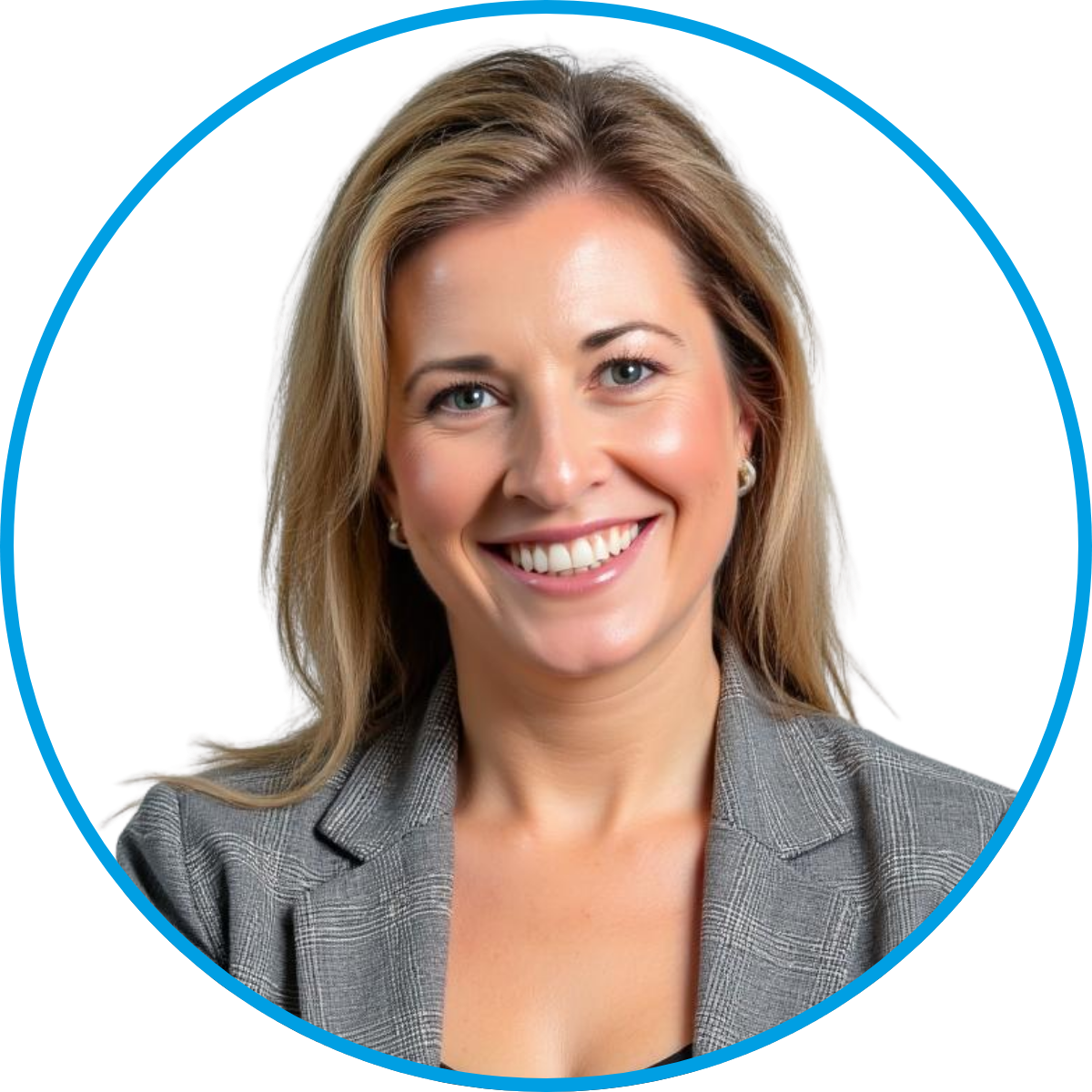
Susan Peters
Center for Work, Health, and Well-being, Harvard T.H. Chan School of Public Health
Dr. Susan Peters, PhD is senior research scientist and director of the Harvard Center for Work, Health, and Wellbeing, Harvard Chan School of Public Health where she leads the Harvard Thriving from Work Program. A trained occupational therapist with two decades clinical expertise in occupational health, she completed post-doctoral training at the University of Toronto and Harvard T.H. Chan School of Public Health. She researches one of the most modifiable determinants of brain health: work itself. She studies how job design, working conditions, and policy either protect or erode brain health across the life course. Her research spans across sectors translating evidence to systems-level change. She has led organizational interventions, developed measures for work wellbeing, and has published over 100 publications and contributed to several books. Dr. Peters has secured over $10 million in funding in the past five years on projects supported by the NIH, CDC, and international agencies.
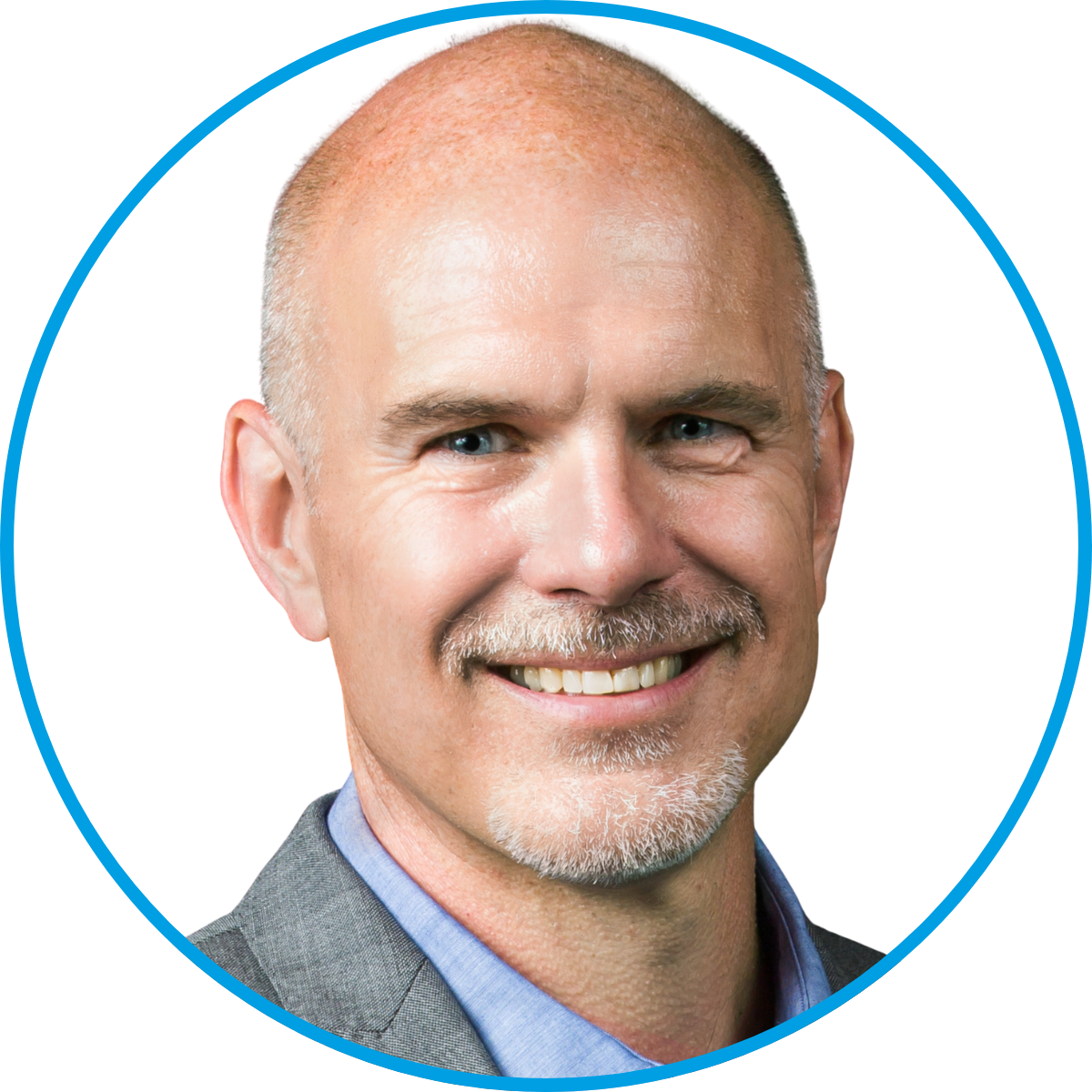
Michael Platt
Director, Wharton Neuroscience Initiative and Penn Integrates Knowledge; Professor of Marketing, Neuroscience, and Psychology, The University of Pennsylvania
Michael Platt, PhD, is Director of the Wharton Neuroscience Initiative and Penn Integrates Knowledge University Professor of Marketing, Neuroscience, and Psychology at the University of Pennsylvania. He is author of “The Leader’s Brain” and over 300 articles. Michael is former Director of the Duke Institute for Brain Sciences and Center for Cognitive Neuroscience, and founding Co-Director of the Duke Center for Neuroeconomic Studies. His work has been featured in the New York Times, Washington Post, Wall Street Journal, Newsweek, the Guardian, and National Geographic, as well as on ABC’s Good Morning America, NPR, CBC, BBC, MTV, and HBO Vice. He serves on the Advisory Boards of multiple companies and the Yang-Tan Autism Centers at MIT and Harvard, and served on the World Economic Forum Global Future Council on Brain Science, as President of the Society for Neuroeconomics, consulted on The Fountain by Darren Aronofsky, and co-founded neurotechnology company Cogwear.

Lynn Posluns
Founder and President, Women’s Brain Health Initiative
Lynn Posluns is President, CEO, and Board Chair of Women’s Brain Health Initiative (WBHI), a Canadian and U.S. charity dedicated to the brain health of women, caregivers, and families. Since founding WBHI in 2012, Lynn has worked to close the sex gap in brain aging research, funding studies and education that help protect cognitive vitality.
Her work spans the lifespan, from hormonal transitions to Alzheimer’s disease, which disproportionately affects women. Lynn has built WBHI’s focus on brain capital, linking brain health to the workforce.
Before founding WBHI, Lynn held executive roles in retail and fashion and raised millions for healthcare philanthropy.
Lynn’s honors include the Rotman School of Management’s Top Ten High Achieving Women Award, Rotary International’s Paul Harris Fellowship, an Honorary Doctorate from York University, and Canada’s Top 25 Women of Influence award. In 2021, she was appointed to the Order of Canada for her work on women’s cognitive health and aging.

Amb. Lavina Ramkissoon
Ambassador and Co-Chair, African Union Science Technology Commission
Lavina Ramkissoon serves as the co-chair of the African Union Science Technology Commission ASRIC/ASTR Council on 4IR. She is a visionary figure in the advancement of responsible AI, dedicated to harnessing technology for good and unlocking humanity’s potential. Recognised as a Top 10 Leader advancing AI globally. A true full-stack human Amb. Lavina combines her expertise in psychology, technology, and economics to bring a unique and insightful perspective to AI development.
Her dedication and achievements are evident in her numerous accolades including top 10 leaders shaping AI. A futurist who’s vision is to accelerate the world’s augmentation of data by creating a more intelligent tomorrow through the footprints of collective humane knowledge. She’s not just a leader; she’s an inspiration, earning the title #aiMOM for fostering responsible development for a better tomorrow.
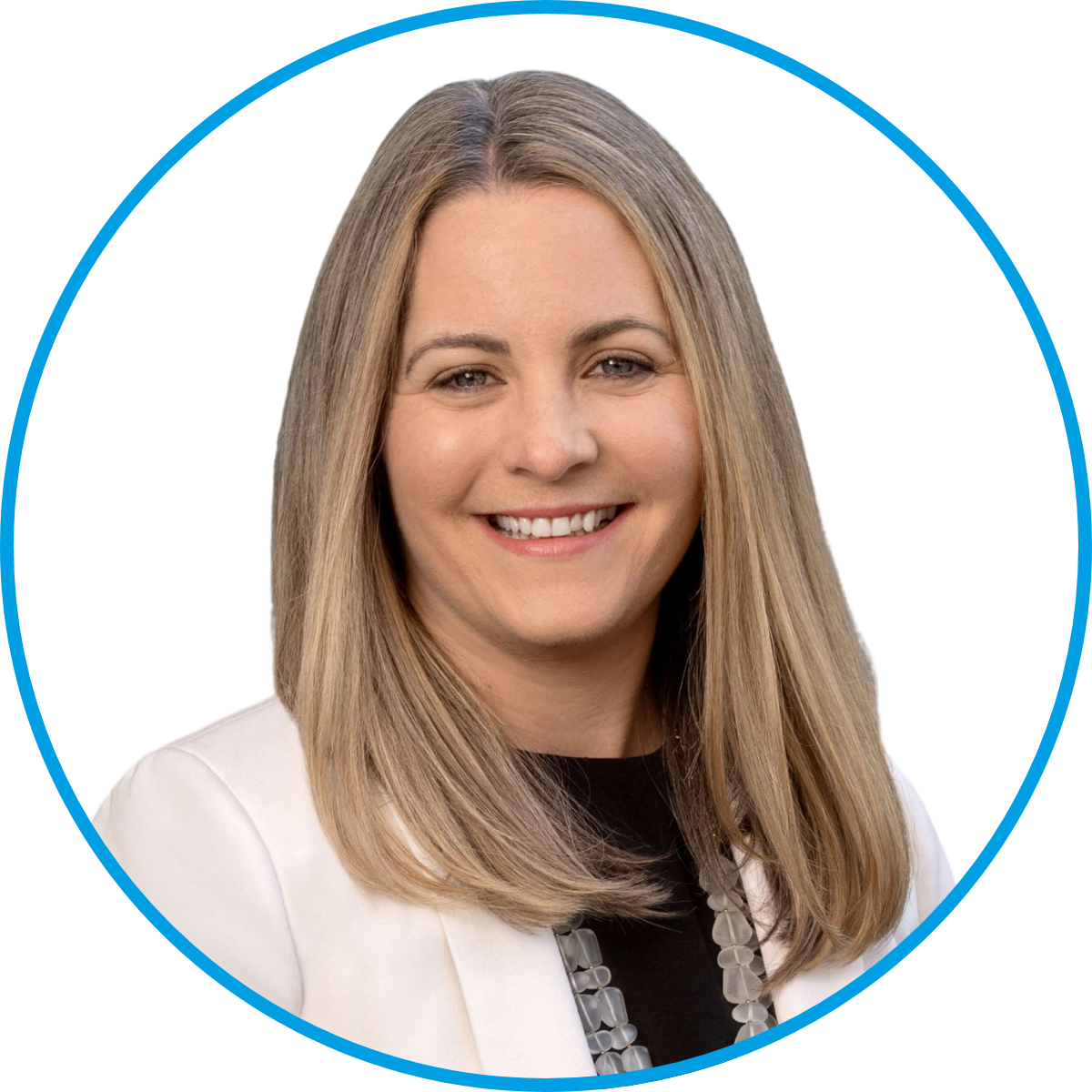
Sylvie Raver
Managing Director, Science Philanthropy Accelerator for Research and Collaboration (SPARC) team, Milken Institute Strategic Philanthropy
Sylvie Raver, PhD, is the managing director of the Science Philanthropy Accelerator for Research and Collaboration (SPARC) team at Milken Institute Strategic Philanthropy.
Raver leads SPARC’s efforts to advance biomedical research through improved philanthropic funding practices. The SPARC team guides philanthropic capital, designs and launches funding programs, and builds communities of funders and experts—all in support of advancing progress in science and health.
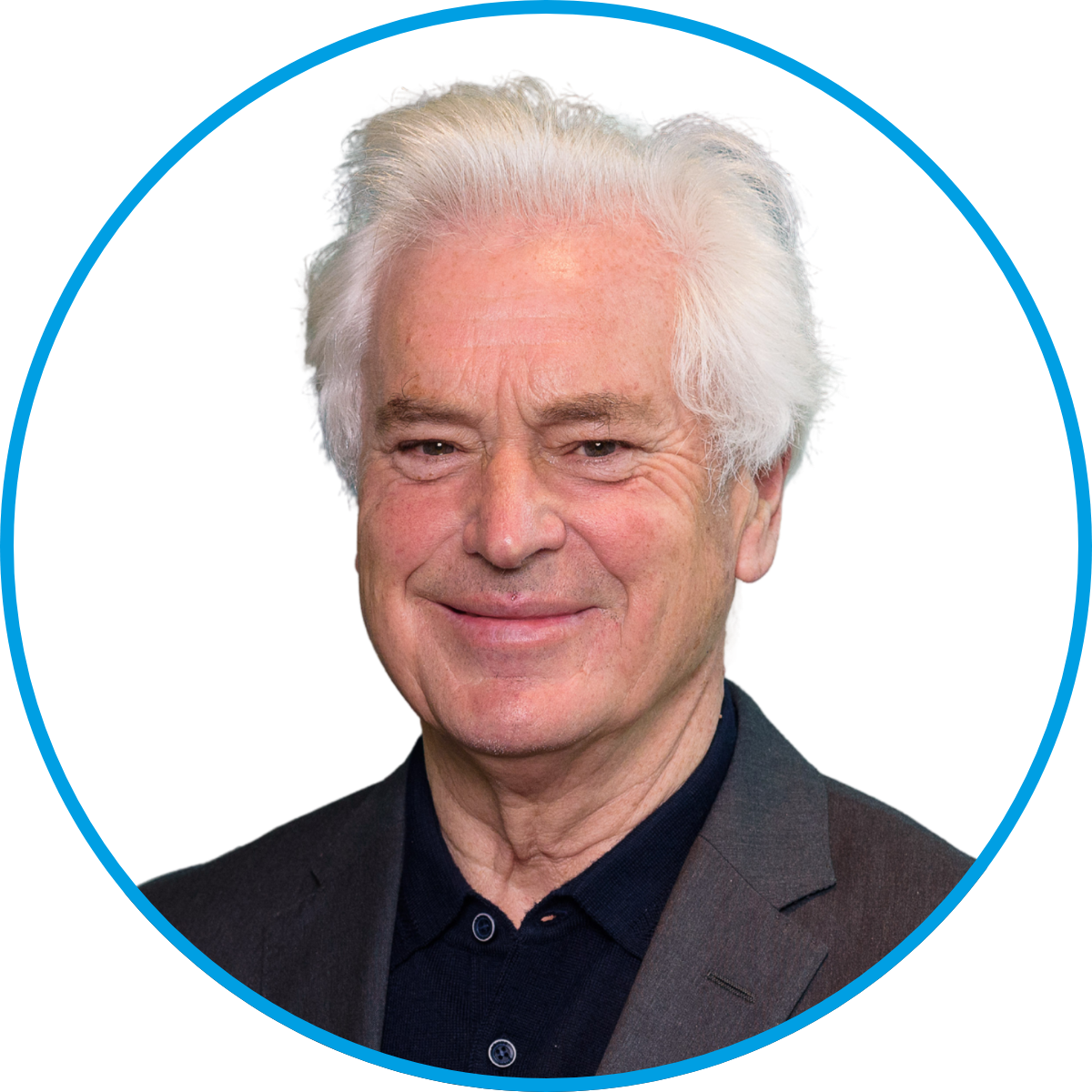
Ian Robertson
Professor Emeritus, Trinity College Dublin
Ian Robertson is Professor Emeritus and Fellow at Trinity College Dublin, and T. Boone Pickens Distinguished Chair at The University of Texas at Dallas. He was Founding Director of both the Institute of Neuroscience at Trinity College Dublin and the Global Brain Health Institute.
Dr. Robertson serves as Co-Leader of The BrainHealth® Project, a landmark longitudinal study designed to define, measure, and improve brain health and performance across the lifespan. An internationally recognized cognitive neuroscientist, he has authored more than 600 scientific papers, which have been cited more than 43,000 times. His most recent popular science book is How Confidence Works (Penguin), and his forthcoming book, Brainspan (Orion/Hachette), will be published in early 2027. He is a member of the Academia Europaea and the Royal Irish Academy. In 2024, he was awarded both an honorary Doctor of Science and an honorary MD by Trinity College Dublin.
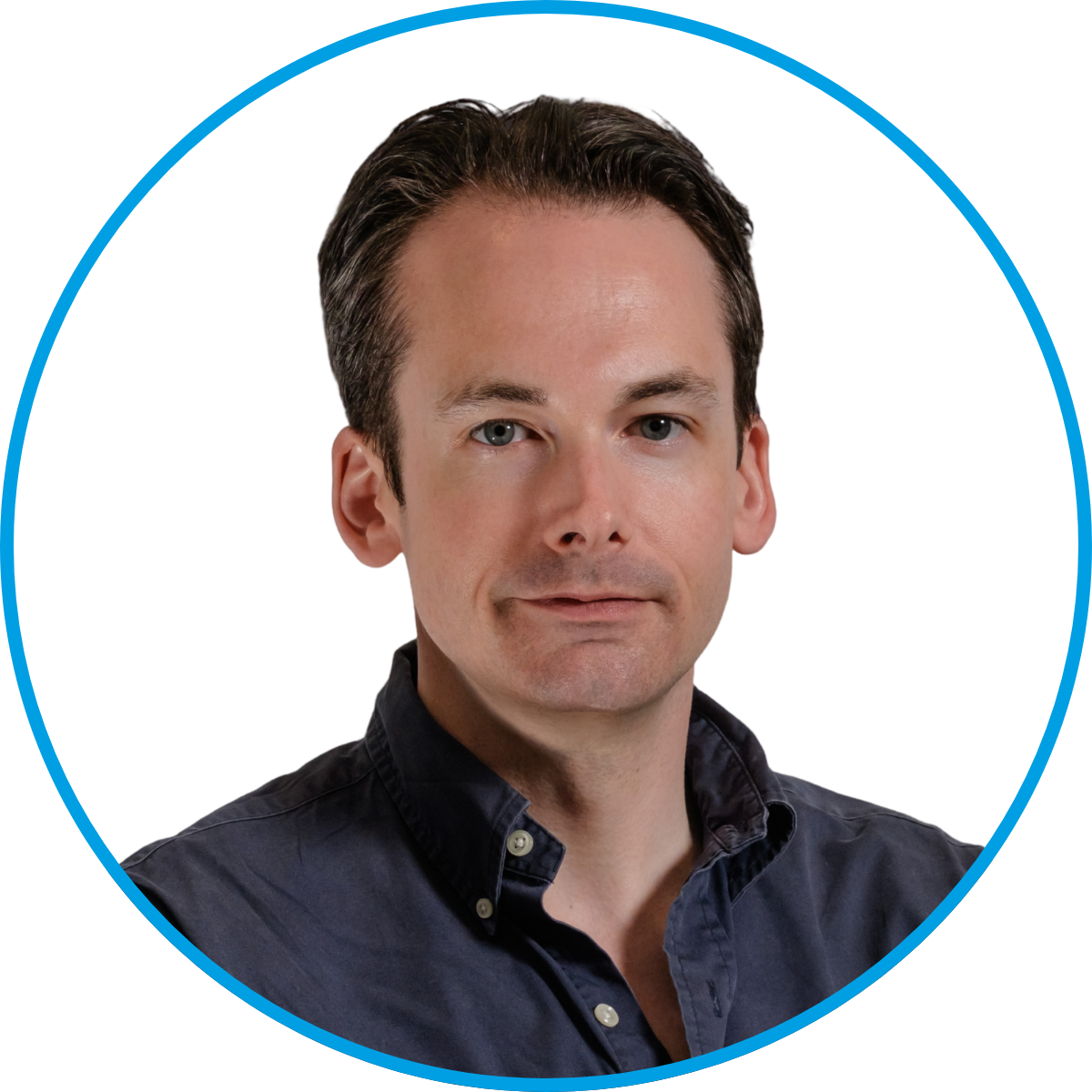
Tomás Ryan
Chair, Federation of European Neuroscience Societies (FENS) Advocacy Committee; Board Member, European Brain Council
Tomás Ryan is professor of neuroscience in the School of Biochemistry and Immunology and a principal investigator at the Trinity College Institute of Neuroscience at Trinity College Dublin in Ireland. He holds a joint faculty position at the Florey Institute of Neuroscience of Neuroscience and Mental Health at the University of Melbourne in Australia. His research group aims to understand how memory engrams change over development and how they interact with innate representations. His research has been supported by the European Research Council, Science Foundation Ireland, the Jacobs Foundation and the Lister Institute of Preventive Medicine, among other sources. He is a Fellow of the Canadian Institute for Advanced Research (CIFAR). He serves as a Board Member of the European Brain Council and as the Chair of the Federation of European Neuroscience Societies (FENS) Advocacy Committee.
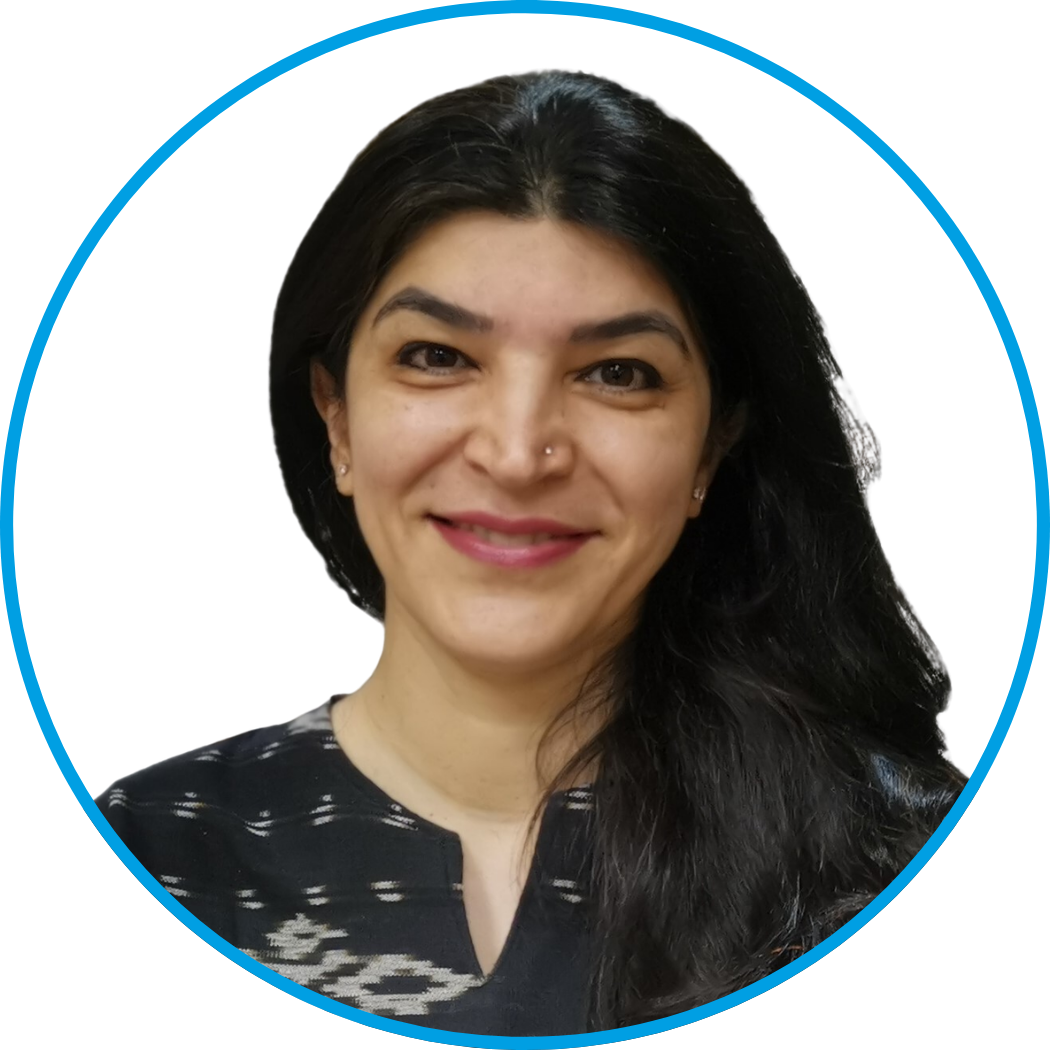
Nika Saeedi
Global Lead, Mental Health and Psychosocial Support, United Nations Development Programme
Nika Saeedi serves as the United Nations Development Programme’s Global Lead on Mental Health and Psychosocial Support (MHPSS) and focal point on Religion and Development. With over 25 years of experience across crisis recovery, peacebuilding, and governance—living and working in Afghanistan, Indonesia, and Uzbekistan, and supporting numerous other countries—she has positioned UNDP as a leader in integrating mental health into development and peace efforts. Nika has pioneered global thinking on the brain economy, linking brain health, resilience, and inclusive growth, and has mobilised international partnerships to address the mental health dimensions of crises. Her work bridges science, policy, and diplomacy to advance sustainable development and human wellbeing worldwide.
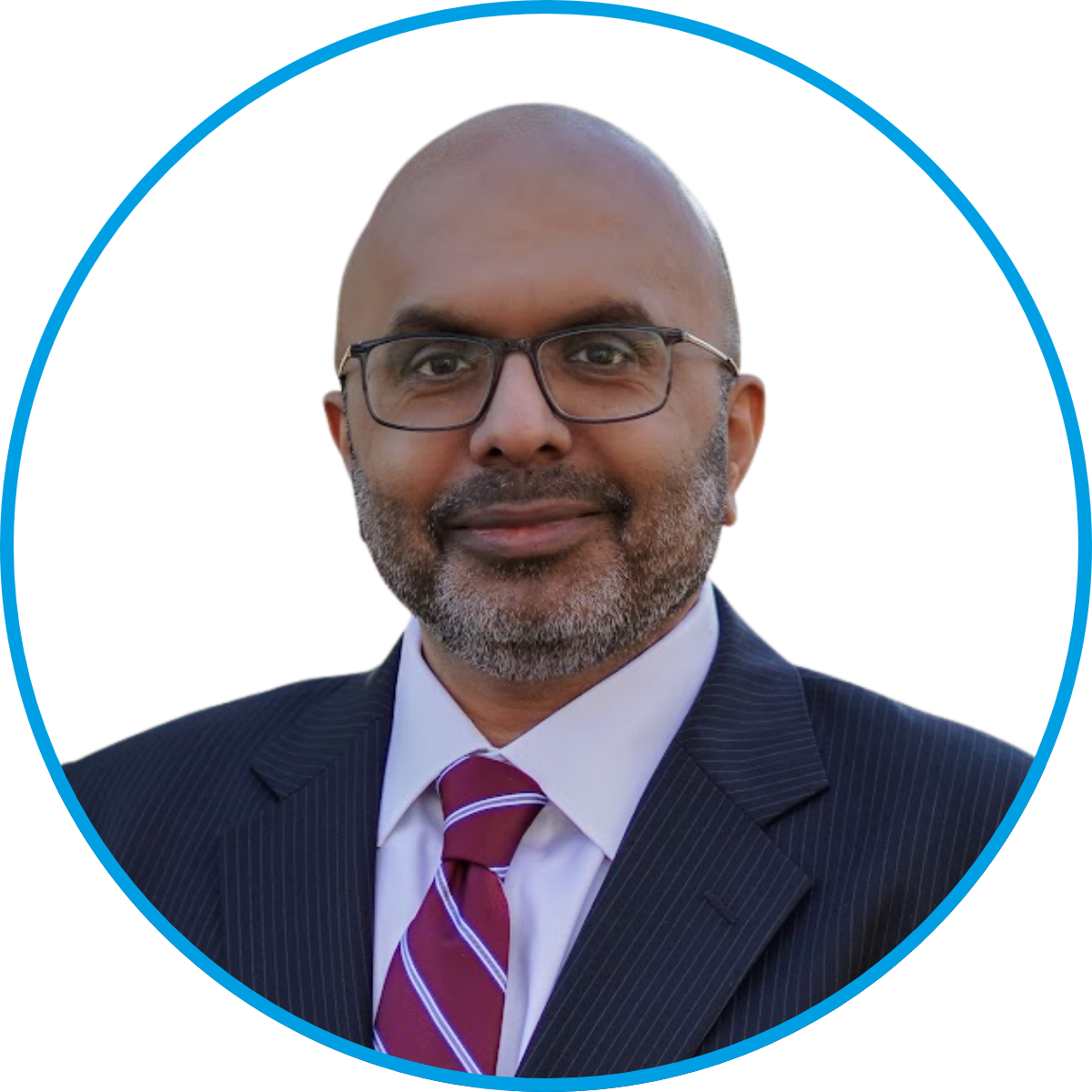
Devdutta Sangvai
Secretary for the North Carolina Department of Health and Human Services
Secretary Sangvai is a family medicine physician and a professor at Duke University. He is also a member of the North Carolina Medical Board. Prior to his role with NCDHHS, he served as President of Duke Regional Hospital and President of the North Carolina Medical Society. His work has focused improving access, developing the healthcare workforce, and making care more efficient. Dr. Sangvai is the first Indian American cabinet member to serve under a North Carolina governor.
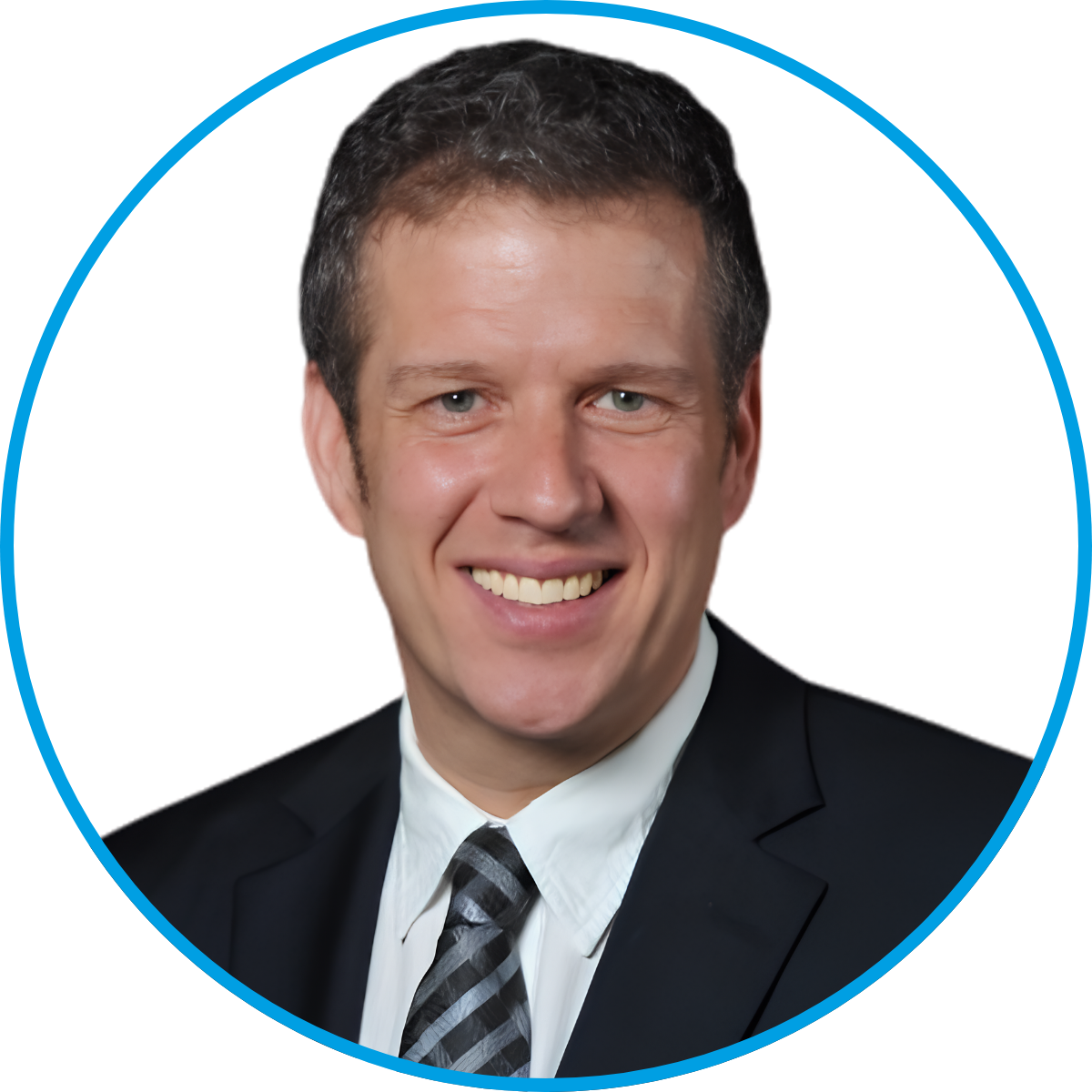
Mike Schleifer
Managing Director, Lincoln Center Theater
Mike Schleifer loves to help arts organizations not only solve their operational challenges, but rise above them to achieve a healthy financial future. With over 30 years of arts management experience, including his current role as the operational and management head of one of the leading non-profit theaters in the country, he has a proven track record of strategic expertise to guide organizations to success.

Dr. Allison Sekuler
President and Chief Scientist at the Centre for Aging + Brain Health Innovation (CABHI); President, Chief Scientist and the Sandra A. Rotman Chair in Cognitive Neuroscience at the Baycrest Academy for Research and Education
Dr. Allison Sekuler (FSEP, FPsyS, FAPS) is President and Chief Scientist of the Baycrest Academy for Research and Education (BARE) and the Centre for Aging + Brain Health Innovation (CABHI). She is also the Sandra A. Rotman Chair in Cognitive Neuroscience and a Professor at the University of Toronto. Her research uses behavioural and neuroimaging methods to study brain function across the lifespan, with a focus on aging, neuroplasticity, and neurotechnology. Dr. Sekuler’s work has advanced understanding of age-related brain change and informed interventions to support cognitive health. She also chairs the Natural Sciences and Engineering Research Council’s Public Impact Value Proposition Committee and serves on several national boards, advancing innovation, brain health, health systems, and AI through research and cross-sector collaboration.

Krystal Sexton
Founder and CEO, Cognitive Capital Group
Krystal Sexton, PhD, is a globally recognized leader helping organizations create cultures that support employee mental, brain, and social health. She brings more than two decades of experience across academia, healthcare and industry, with a career dedicated to advancing mental, physical and brain health at scale.
As Senior Advisor, Workplace Initiatives for Center for BrainHealth, she advises on equipping organizations with science-based tools that optimize workforce performance and resilience. She also serves as Founder and CEO of Cognitive Capital Group; her previous role as Global Health Analytics Manager at Shell plc positioned her at the forefront of integrating brain health into workforce performance strategies across multinational operations.
She has spoken at the UN General Assembly, G7, Davos World Economic Forum, and many international and US-based symposia. She is an author as well as an advisor and board member for scientific non-profit and government organizations.

Moushumi Sharmin
Professor, Western Washington University, Department of Computer Science
Moushumi Sharmin is a Professor in the Department of Computer Science at Western. She earned her bachelor’s degree in Computer Science and Engineering (CSE) from Bangladesh University of Engineering and Technology (BUET), an MS from Marquette University, and a Ph.D. from the University of Illinois at Urbana-Champaign (UIUC).
Moushumi’s research centers on designing computing technologies to address behavioral and mental health challenges, including autism, ADHD, and stress management. A strong advocate for accessibility, diversity, equity, and inclusion (ADEI), she actively engages non-traditional and underrepresented students in her work. Currently, her team is investigating the opportunities and challenges afforded by emerging generative AI technologies to improve the experiences of neurodivergent individuals in areas such as academics, employment, and everyday life experiences.
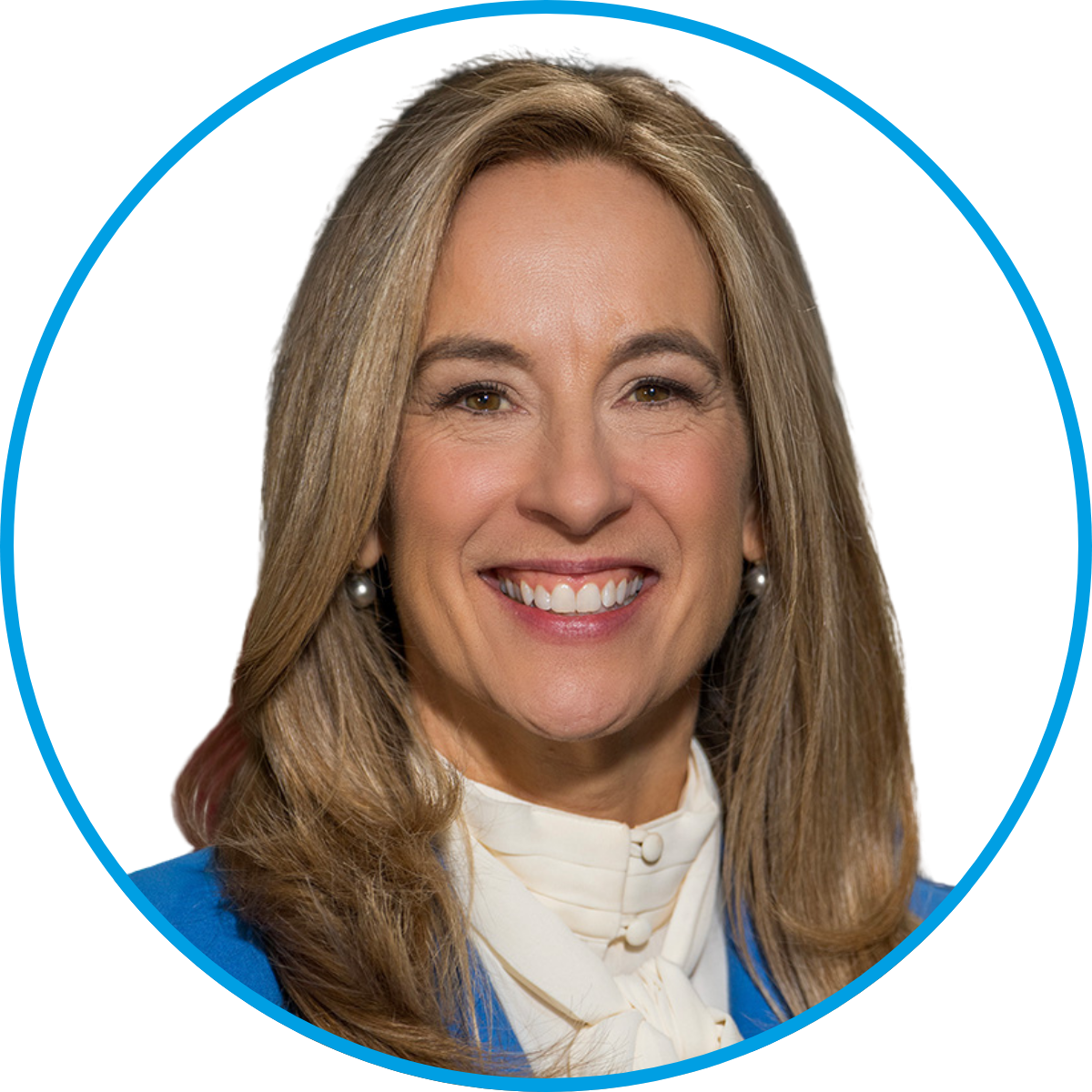
Mikie Sherril
57th Governor of New Jersey
Mikie Sherrill ran for governor to make life easier and more affordable for Garden State families. Her career has been defined by service to her country and New Jersey, and she previously served in Congress representing New Jersey’s 11th Congressional District.
Mikie was inspired to join the military by her grandfather, a World War II veteran. From a young age, she knew she wanted to fly and do big things. After graduating from the Naval Academy in 1994 – the first class of women eligible for combat roles on ships and aircraft – Mikie spent almost 10 years on active duty in the United States Navy. As a Sea King Helicopter pilot, she led missions throughout Europe and the Middle East. She worked on the Battle Watch Floor in the European Theater during the Iraq War, served as a Flag Aide to the Deputy Commander of the U.S. Atlantic Fleet, and was a Russian policy officer aiding in the implementation of our nuclear treaty obligations and oversaw the relationship between the U.S. Navy and Russian Federation Navy.
Following her service in the Navy, Mikie attended and graduated from law school. She worked in private practice and then joined the U.S. Attorney’s Office in New Jersey. As an Outreach and Reentry Coordinator, Mikie established programs to develop trust between law enforcement and the communities they serve and helped people leaving prison to gain employment, housing, and education to restart their lives. Then as an Assistant U.S. Attorney, she prosecuted federal cases to keep our communities safe and worked to take illegal guns off the streets of New Jersey.

Dr. Liron Sinvani
Director of Research & Innovation, Institute for Healthy Aging, Northwell Health
Dr. Liron Sinvani is a board-certified internist and geriatrician with deep expertise in clinical research, translational science, and aging-related health innovation. She has been at Northwell Health since 2008, when she began her Internal Medicine residency, and currently serves as the Director of Research & Innovation for the Institute for Healthy Aging and the founding Co-Director of the SinMak Lab. She is Professor of Medicine at the Donald and Barbara Zucker School of Medicine at Hofstra/Northwell. Dr. Sinvani is a nationally recognized “geriatrician-hospitalist,” reflecting her pioneering approach to integrating geriatric principles into acute care medicine. She has built an internationally recognized research program focused on improving care and outcomes for hospitalized older adults, with a particular emphasis on dementia, dysphagia, and delirium. She is the Co-Founder and Director of the Nancy and Neal S. Kaplan Dysphagia Program, which she conceived and developed to translate research discoveries into direct clinical care.
As a principal investigator on six NIH-funded grants and leader of a research portfolio exceeding $25.6 million, Dr. Sinvani is a proven architect of federally funded research programs. She has authored over 90 peer-reviewed publications and is a dedicated mentor, having guided numerous trainees and junior faculty to secure their own independent NIH funding. She was elected as the Program Chair for the American Geriatrics Society (AGS) 2025 Annual Scientific Meeting, a national leadership role shaping the future of geriatric research and education. A passionate advocate for older adults, Dr. Sinvani is a frequent expert voice in national media, with her work and insights featured in over 36 outlets including The New York Times, The Washington Post, and CNN.
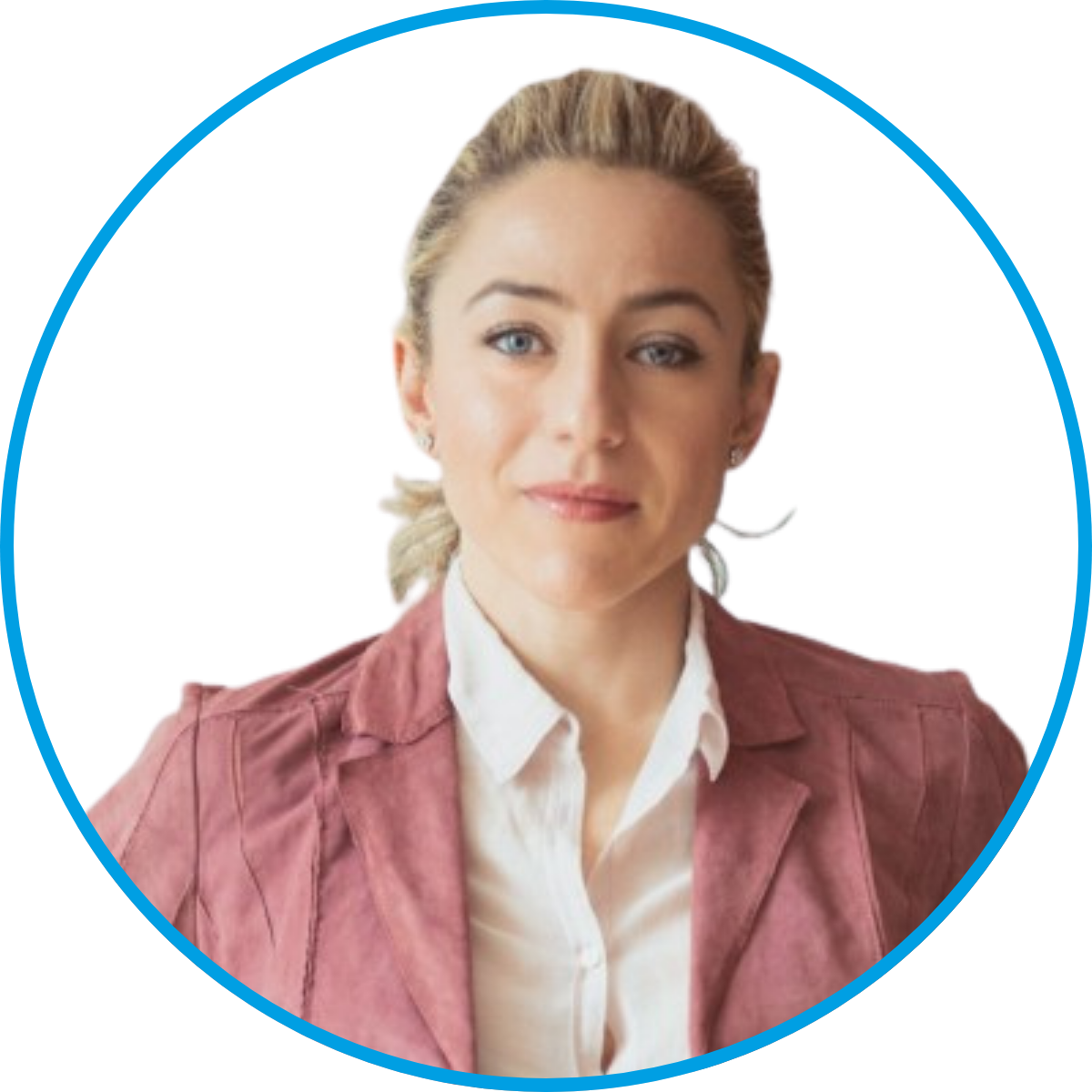
Francesca Sofia
President, International Bureau for Epilepsy
Francesca Sofia is a molecular biologist with specialisations in neuroscience, health economics, health management, and non-profit leadership. She is also the mother of a daughter with treatment-resistant epilepsy—an experience that became a turning point in her life and led her to become an internationally recognised advocate for epilepsy. She describes her daughter’s diagnosis as a wake-up call—one that gave her professional life new meaning and urgency.
From 2014 to 2018, Francesca served as scientific director of the Italian Epilepsy Federation (FIE) where she oversaw the funding of research in the field. In 2016, she founded Science Compass, a company that supports non-profit organisations in planning and managing biomedical research and health investments. She was appointed General Director of the CDP Foundation on 1 November 2022. She is currently serving her second term as President of the International Bureau for Epilepsy.

Anil Soni
CEO, WHO Foundation
Anil Soni is a proven innovator in global health who has worked for nearly 30 years in the public, private, and nonprofit sectors to expand healthcare access in low and middle-income countries. Before joining the WHO Foundation, he was Head of Global Infectious Diseases at Viatris, working across the pharmaceutical company to accelerate availability of new treatments. Anil was closely involved in the early years of the Global Fund to Fight AIDS, Tuberculosis and Malaria, serving as the Advisor to the Executive Director and then founding Executive Director of Friends of the Global Fight. He later served as CEO of the Clinton Health Access Initiative, where he drove down prices of health technologies and oversaw the rapid expansion of the organization. Anil has been a senior advisor to the Gates Foundation and Born Free Africa. He is an alumnus of McKinsey and Harvard College and serves on the boards of Cascade Climate and MedAccess.

Vy Tran
President of Asia Pacific and Japan, Siemens Healthineers
As the President of Asia Pacific and Japan, Vy is responsible for one of the fastest growing and dynamic regions in Siemens Healthineers. She leads a passionate team of more than 4,000 employees with a strong purpose of pioneering breakthroughs in healthcare, for everyone, everywhere.
Since becoming the commercial regional head in 2022, Vy has led several strategic and digital transformation initiatives with a laser focus to build a more patient and customer-centric organization that brings high value care through a broad portfolio of healthcare offerings that alleviates key disease burdens and increases access to care in the region.
In addition, Vy is also responsible for the strategy, P&L and market growth for Asia Pacific and Japan. She is also a member of the Siemens Healthineers Global Leadership Committee. Prior to this, Vy served in leadership roles at Varian including Chief Compliance Officer, where she led policy development and regulatory reform. She was also instrumental in sharpening Varian’s focus on becoming a leading cancer care company through strategic acquisitions, divestments and was involved in the combination of Varian and Siemens Healthineers in 2021.
Vy is passionate about bringing access and equity to patients and her personal mission of promoting diversity, equality and empowering people to reach their potential. Vy holds a bachelor’s degree of Science from Santa Clara University and a Juris Doctor from Lincoln Law School. In line with her interest in early childhood education, Vy is part of the Board of Directors for the Children’s Discovery Museum of San Jose and serves as the Board Secretary. Originally from Silicon Valley, Vy lives in Singapore, with her husband and two teenage daughters. She is passionate about science, technology, engineering, arts and mathematics education and is an avid reader on topics including healthcare, culture and leadership.

Venerable Burin Thitakusalo
Executive Director, The Middle Way Institute (MDWI)
Venerable Burin Thitakusalo or Monk Burin is the Executive Director of The Middle Way Institute (MDWI), a New York-based global non-profit educational organization that extracts ancient wisdom from Buddha’s Teachings to create modern solutions for humanity. As a Thai Theravada Buddhist monk, he has been working tirelessly since 2000 to deliver the profound wisdom of Buddha’s Teachings in the most engaging and practical way to people of all ages, races, religions, and no religion. He travels globally to impact hundreds of thousands of practitioners of 36 countries in 6 continents. He teaches business leaders who take executive education courses at Harvard Business School. Young kids in New York who come to learn Buddhism with him, call him “An Orange Man.”
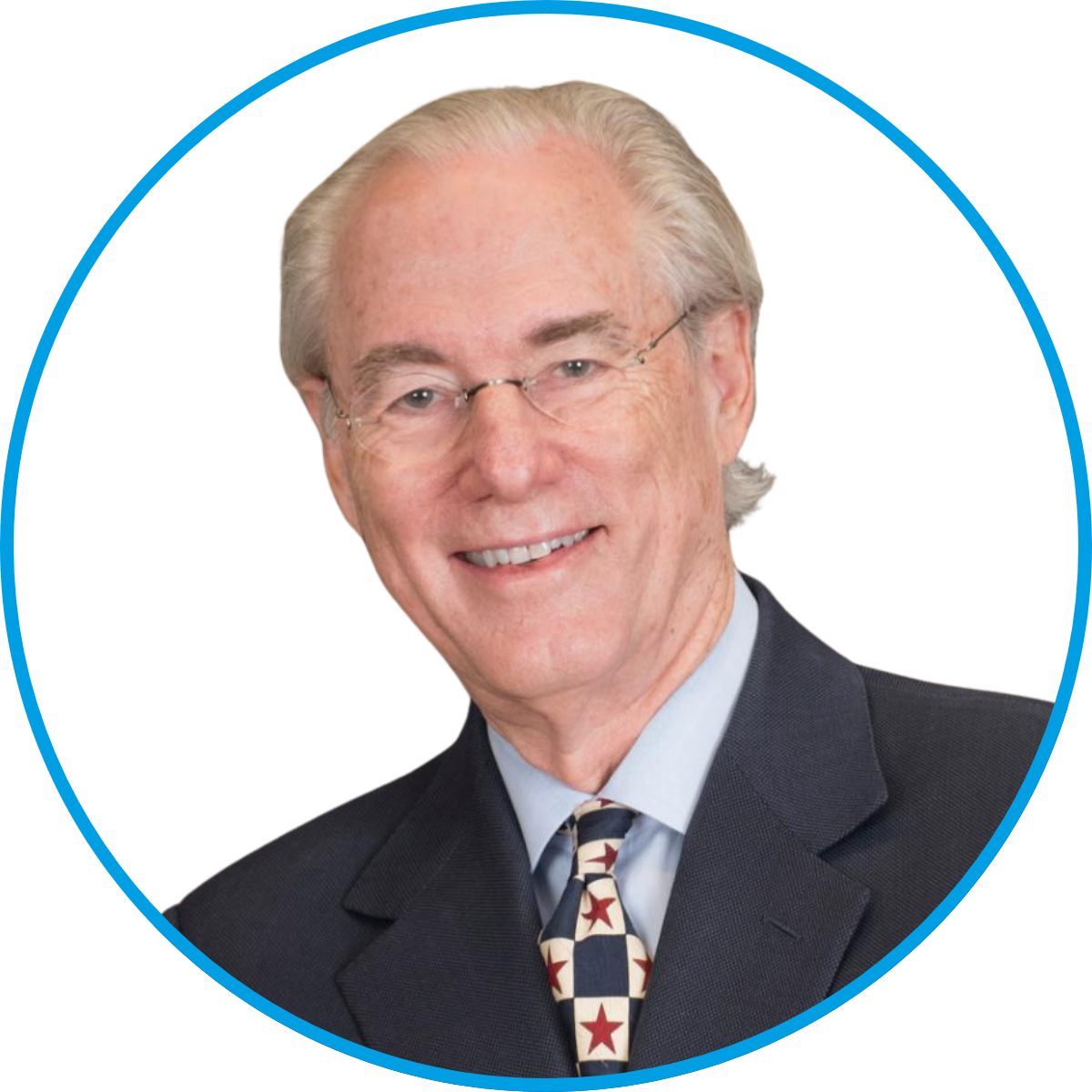
George Vradenburg
Co-Founder, Chairman and CEO, UsAgainstAlzheimer’s
George Vradenburg is Chairman of UsAgainstAlzheimer’s, which he co-founded with his late wife, Trish. He was named by U.S. HHS Secretary Kathleen Sebelius as a founding member of the Advisory Council on Research, Care, and Services established by the National Alzheimer’s Project Act and has testified before Congress about the global Alzheimer’s pandemic. Under his leadership, UsAgainstAlzheimer’s co-convenes the Leaders Engaged on Alzheimer’s Disease Coalition and the Global CEO Initiative on Alzheimer’s Disease. In 2021, UsAgainstAlzheimer’s launched the Davos Alzheimer’s Collaborative, a global initiative where he serves as Founding Chairman. He is also a founding member of the World Dementia Council. He is a dedicated member of Washington’s civic and philanthropic community, serving as Chairman of the Phillips Collection for 13 years. He is a member of the Council on Foreign Relations and the Economic Club of Washington, and held various positions at CBS, FOX, and AOL/Time Warner
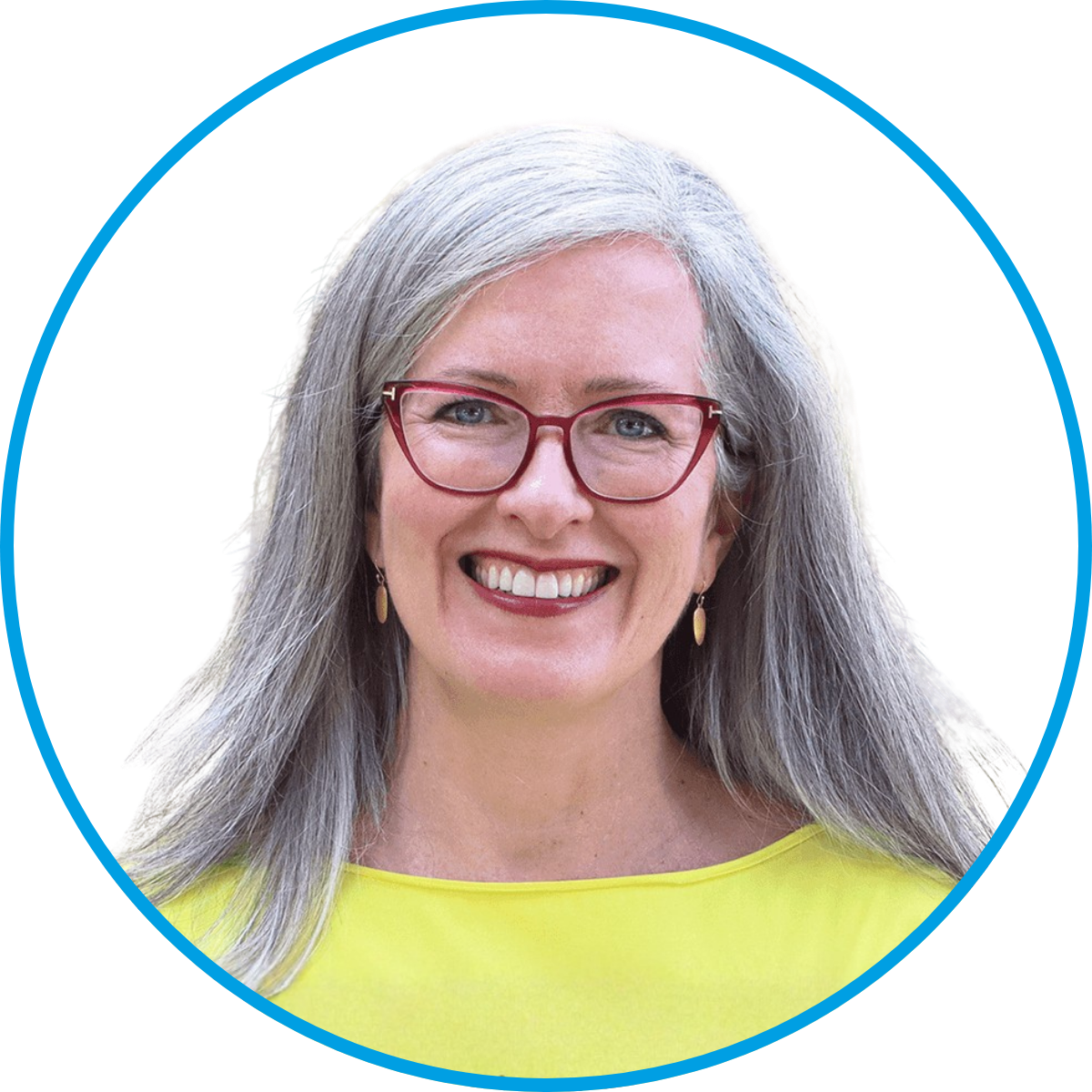
Victoria Walsh
Associate Principal, Cultural and Civic Practice Leader
Victoria Walsh thinks of herself as a tactician, whether she is overseeing operations of the Atlanta studio or managing a complex reuse project such as the Goizueta Stage for Youth and Families at the Woodruff Arts Center in Atlanta’s Arts District. Process is the foundation of good design as she practices it, prioritizing consensus, simplicity, and economy. “How we work together and with our clients is as important as what we make,” she insists. On any given day, she is laser-focused on working with project teams to create an exceptional experience for her clients and partners.
A child of Alabama’s Gulf Coast and a lover of fine art and public sculpture, Victoria’s design education and early career took her north to New York City. There she developed expertise in preservation projects that reinterpret and adapt existing environments to contemporary needs. As the head of her own architecture firm, she also honed her ability to see a clear path through complex problems and act on decisions quickly. When the South called her back, she brought her tactical know-how to the abundance of transformational projects happening all over Atlanta. She is drawn to complicated civic and cultural projects and relishes the opportunity to make a difference in Atlanta’s historic cityscape.
Hannah Wesolowski
Chief Advocacy Officer, National Alliance on Mental Illness
Hannah Wesolowski leads NAMI National’s Government Relations, Policy & Advocacy team, which develops NAMI’s policy positions, advances NAMI’s federal public policy priorities, and supports the policy work of NAMI’s Alliance at the state and local level. She has been a national leader on topics like building a mental health crisis continuum of care since the launch of the 988 Suicide & Crisis Lifeline in 2022 and improving access to mental health care. Hannah serves on NAMI’s Executive Team and is a NAMI spokesperson to the media on mental health policy topics, speaking frequently to outlets like NPR, The New York Times, The Washington Post, ABC News, and CNN. She serves on the Executive Committee of Friends of the National Institute of Mental Health (NIMH) and on the Board of Directors of the Public Affairs Council and the American Brain Coalition. Hannah has been with NAMI since 2017. She earned both a Bachelor of Arts and a Master of Public Administration from New York University.
Sameer Zuberi
President Elect, European Brain Council
Professor Sameer Zuberi is a Consultant Paediatric Neurologist at the Royal Hospital for Children, Glasgow and Honorary Professor within the School of Medicine and School of Health & Wellbeing at the University of Glasgow leading the Paediatric Neurosciences Research Group. His other national and international roles include Clinical Lead of the Scottish National Genetic Epilepsy Service, National and International roles include Member of the ILAE Terminology Commission, Member of the Executive Committee of the European Brain Council, Board Member of the European Paediatric Neurology Society and Member of the Women & Children’s Health Innovation Leadership Group and Steering Group Member of the UK National Epilepsy Research Collaborative.
Professor Zuberi was President of the European Paediatric Neurology Society from 2018 until early 2022, and Editor-in-Chief of the European Journal of Paediatric Neurology from November 2014 until early 2021. He chaired the International League Against Epilepsy Commission on Classification and Terminology from 2013-17. His term concluded with the publication of updated position papers on seizure types and epilepsy classification, the first since 1989.
Professor Zuberi’s primary research interests are in epilepsy, movement disorders, channelopathies and neurological sleep disorders. During his MD he studied the emerging field of the ion channelopathies and has built a research career and team identifying genetic aetiologies of neurological disorders, defining genotype phenotype relationships and undertaking RCTs of new medications through national and international collaborations.
Professor Zuberi has been leading on the development of a secure video transfer technology to aid diagnosis, classification & management in neurology patients. vCreate Neuro has been funded nationally in Scotland across all paediatric and adult neurology centres, as well as numerous additional centres across the United Kingdom and Internationally.