

By spotlighting Ireland’s leadership potential within a broader European effort, the event aims to catalyse concrete next steps toward more coordinated action on brain health, research and innovation. The message is clear: the tools, evidence and partnerships are already in place – and with timely support from policymakers, Europe can move decisively toward healthier brains, more resilient societies and sustainable health systems for the decades ahead.

Susan Armiger
President and CEO, Catalight
Susan Armiger is a global healthcare leader, scholar, advocate, and strategist recognized for pioneering value-based care in behavioral health. A New Zealand native with a decade in the U.K. and Europe and more than 20 years of U.S. executive leadership, she brings a global perspective on healthcare systems — from urban centers to remote rural communities — and a deep commitment to a more equitable world where people with developmental disabilities can truly choose their own path. As President and CEO of Catalight, America’s leading network for autism and developmental disability care, Susan leads a team overseeing more than 16,000 clinicians delivering over 4 million hours of personalized care to more than 25,000 people each year. Under her leadership, Catalight challenges the status quo — reimagining care and breaking down barriers and biases through individualized services, clinical research, advocacy, and intelligent technologies.
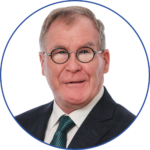
Colm Burke
Chair, Oireachtas Cross Party Group on Neurological Health
Colm Burke was elected as a TD for Cork North Central in 2020. He was previously a Senator (2011-2020) and was elected on the Industrial and Commercial Panel. Colm was a member of the European Parliament for the Ireland South constituency between 2007 and 2009. He was a member of Cork City Council from 1995-2007 and was Lord Mayor of Cork in 2003-2004. Colm is a native of Dripsey in Mid Cork, educated in De La Salle College Macroom and University College Cork, qualifying as a solicitor in 1982.
He has been involved in many community organisations, including Foroige and Macra na Feirme, served as Chairman of Blackpool Community Centre and Blackpool/Glen/Farranree Training Centre. He has also served as a Director of the Port of Cork, Cork Urban Enterprises Ltd, the National Sculpture Factory and Cork City Urban Ltd. He was a member of the National Executive of Young Fine Gael (1978-1982), serving as National Chairperson (1980-1981). He also served on the Fine Gael National Executive (1981-1982).
Colm was involved in the publishing of two private members bills; the Civil Law (Missing Persons) Bill 2013 and the Medical Practitioners (Amendment) Bill 2012. The Medical Practitioners (Amendment) Bill 2014 has since been published by the Minister for Health.

Lisa Burke
Master of Ceremony
Lisa Burke is an Irish broadcaster, presenter, and science communicator known for her decade as a television presenter on Sky News, her authorship of children’s science books, and her current role founding and hosting English-language media in Luxembourg.
Holding a first-class MSci in Natural Sciences from the University of Cambridge, where she specialized in chemistry, Burke began her broadcasting career in 2000 as a weather presenter on Sky News, later expanding to reporting on science, technology, and news over ten years with the network.
She has also presented programs for RTÉ Ireland, including travel and science shows, as well as for BBC, Channel 4, and Fox News, and contributed as a documentary presenter and journalist for outlets including The National in Abu Dhabi.1
Since relocating to Luxembourg, Burke created RTL Today, the region’s primary English-language news platform, in 2018 and launched her weekly long-form chat show and podcast, The Lisa Burke Show, in 2022, covering topics from news and science to culture and personal stories with international guests.1 She additionally serves as the main presenter for Asteroid Day, leads a presenting and debating society at the University of Luxembourg, and works as an event moderator, voice-over artist, and author of children’s science titles such as the Mini Scientist series and The Steam Team.
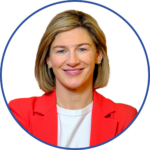
Nina Carberry
Member of the European Parliament
Nina Carberry is a Member of the European Parliament (MEP) representing the Midlands Northwest. As an active member of Fine Gael and the European People’s Party (EPP)—the largest political group in the European Union.
Furthermore, Nina Carberry is an accomplished jockey who has been a two-time champion amateur and a leading lady rider on 12 occasions. She achieved a notable victory in the Irish Grand National in 2011, and she has celebrated seven winners at the prestigious Cheltenham Festival.
In addition to her racing career, Nina Carberry is a horse breeder, has held a trainer’s license, and has consigned horses at top sales events. Moreover, Nina Carberry is a television personality, having won “Dancing with the Stars” and served as a coach on “Ireland’s Fittest Family.” As a children’s author, Nina has also written the successful “Rowan Tree Stables” series.

Gianpiero Cavalleri
Deputy Director, FutureNeuro Research Ireland Centre; Director, Human Genetic Variation Research Group
Gianpiero Cavalleri is Professor of Human Genetics at RCSI and Deputy Director of the Research Ireland FutureNeuro Research Centre. His team is applying genomic approaches to identify novel genetic causes of epileptic encephalopathies and improve the diagnostic yield of genetic sequencing in the epilepsy clinic. He is co-lead the Irish element to the European Genomic Data Infrastructure Project, which is seeking to enable safe storage and federated analysis of genomic data across Europe. He also co-leads the Genome of Ireland study, the Irish component to European initiative to assemble whole genome sequence data on over 100,000 people in Europe.

Norman Delanty
Consultant Neurologist, Beaumont Hospital
After graduating from University College Cork in 1988, Professor Delanty trained in general medicine in Cork and Dublin before completing a neurology residency at Cornell Medical Centre, New York. He then moved to Philadelphia to complete a fellowship at Penn Epilepsy Centre, Hospital of the University of Pennsylvania. In 2000, he returned to Dublin to take up a position as Consultant Neurologist at the Epilepsy Service and National Epilepsy Surgery Programme at Beaumont Hospital, Dublin in 2000.
Professor Delanty is also Clinical Professor at the School of Pharmacy and Biomolecular Sciences, and a funded investigator at the Science Foundation Ireland-funded FutureNeuro Research Centre at the Royal College of Surgeons in Ireland (RCSI).

Frédéric Destrebecq
Executive Director, European Brain Council
Frédéric Destrebecq has been serving the European Brain Council (EBC) as Executive Director since 2014, providing strategic leadership and representing the brain community at European and international level. He works across research, healthcare, patient advocacy, industry and policymaking to foster collaboration and advance brain health, research and innovation.
With more than 20 years of experience in European and international affairs, Frédéric has developed particular expertise in building cross-sector partnerships and turning complex scientific and societal challenges into collective action. A central focus of his work today is to broaden the conversation around brain health, positioning it not only as a health priority but as a fundamental driver of human fulfillment, societal resilience and economic development.

Orla Galvin
Executive Director, European Federation of Neurological Associations
Dr. Orla Galvin came to patient advocacy with a PhD in Medicine and background in drug discovery and design in both academic and industry environments. Transitioning to advocacy work at the umbrella patient organisation Retina International, Orla led high impact, multi-stakeholder socio-economic studies, patient preference studies, and accessibility studies across the globe assessing both rare and common conditions.
Orla is an internationally invited speaker to both research and clinical learned societies (for example EURORDIS, EU Retina, ERN-EYE), patient organisations, and industries.

Carmel Geoghegan
Chair, Dementia Ireland
Carmel Geoghegan is an advocate and supporter of campaigns that keep the spotlight on Dementia and End of Life Care as a national health priority. Her priority is the development of practice and policies that respect people living with a dementia diagnosis. Carmel’s advocacy work stems from becoming the primary carer for her late Mum Angela in January 2011 after Angela received a late diagnosis of vascular dementia.
Carmel founded Dementia Ireland Empowering Communities, a social enterprise, through this initiative Carmel facilitates workshops – bringing communities together to discuss how they can build a more inclusive society. Dementia Ireland collaborates with many sectors among them, Local Authorities, businesses, active retirement groups, residential care homes on ways to facilitate more inclusive communities.

Finnian Hanrahan
Scientific Programme Manager, Research Ireland
Finnian Hanrahan is a Scientific Programme Manager at Research Ireland, and is responsible for Research Ireland Centres in the domains of medical technologies, pharmaceuticals and health.
Prior to joining Research Ireland, Finnian worked for the European Commission in Brussels. Here Finnian was involved in designing, launching and managing Horizon research funding programmes for infectious diseases and public health, and clinical trial networks.
Finnian has a background in genetics and was awarded a PhD from Trinity College Dublin in 2013.
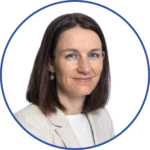
Irene Hartigan
Senior Lecturer, University of Cork
Irene Hartigan is a Registered General Nurse with expertise in older adult and stroke care. She has practiced in Ireland and Australia and holds a Masters from Trinity College Dublin, where she also qualified as a Registered Nurse Tutor. Irene completed her PhD in 2015. Irene’s research focuses on stroke research, dementia, and interprofessional learning. She leads the PAWS @ UCC programme (2023–2026), promoting wellbeing through canine-assisted activities on campus. An internationally recognized researcher, Irene has contributed to 18 funded projects (PI on 5), totaling over €10 million, and has published 70+ outputs, including 40 peer-reviewed papers. Her h-index is 15 with over 1,500 citations.

Karan Juttla
Head of the Centre for Applied and Inclusive Health Research and Dementia Lead, University of Wolverhampton
Dr Karan Jutlla is Reader in Dementia Care and Inclusion and Founder/Director of the Centre for Applied and Inclusive Health Research at the University of Wolverhampton. Karan is also a Fellow of the Higher Education Academy and the University’s Unit of Assessment 3 (Allied Health Professions, Dentistry, Nursing and Pharmacy) Lead for REF 2029. She is an applied health researcher, educator and knowledge-exchange professional with more than 20 years’ experience working across dementia care, inclusion and health inequalities. Her research focuses particularly on the experiences of people living with dementia and family carers from culturally diverse and minoritised communities, with a strong emphasis on co-production, community participation and culturally inclusive practice.

Lorna Kerin
Regional Lead for Patient & Service User Engagement, HSE Dublin and South East
Lorna Kerin was appointed to the inaugural position of Regional Lead for Patient and Service User Engagement for HSE Dublin and South East in September 2025. Specialising in participatory research methods, she focuses on co-designing health services alongside patients, service providers and communities to ensure lived experience and data-informed partnership drive systemic change.
Lorna manages the Public and Patient Involvement (PPI) Research Unit in the University of Limerick. She is also Programme Manager for the UL PPI Ignite Network grant 2021-2026. Lorna has over 25 years of working in community and academic participatory health research. She is a Social Scientist, specialised in participatory health research, co-production methodologies, arts based research, and outcomes based accountability. She is also a qualified Integrative Psychotherapist and Creative Arts Therapist.

John-Francis Leader
Vice-President, European Federation of Psychologists’ Associations
Dr John Francis Leader is a Psychologist who works across policy, research and practice on the topics of mental health and digitalisation.
Dr Leader serves as Vice-President of the European Federation of Psychologists’ Associations and as Adjunct Research Fellow at University College Dublin’s School of Psychology.
Working closely through ECOSOC accreditation with the UN system to support healthcare and AI governance initiatives, Dr Leader is an appointee to the European Commission’s Health Technology Assessment Stakeholder Network.
Dr Leader’s work focuses on the intersection of mental health, digitalisation and health system innovation, with an emphasis on ethical, evidence-based public policy that recognises the digital determinants of wellbeing.

Iracema Leroi
Professor in Geriatric Psychiatry and Site Director, Global Brain Health Institute (GBHI), Trinity College Dublin
Iracema Leroi is Professor in Geriatric Psychiatry and Site Director of GBHI at Trinity. She specializes in pragmatic interventions for cognitive and neuropsychiatric issues in neurodegenerative disorders, particularly Parkinson’s and Alzheimer’s diseases. Iracema leads the HRB-CTN Dementia Trials Ireland and was Chief Investigator for the EU-funded SENSE-Cog programme, exploring the links between hearing, vision, and cognition in older adults. She now heads the HRB-funded EMERALD Lewy research program, focused on advancing the diagnosis and care of Lewy body disease in Ireland. At St James’s Hospital, she established the ‘Mind and Memory’ clinic, supporting individuals with cognitive and behavioral issues related to Parkinson’s and Lewy body dementia.

Lynn McDonald
Member, FutureNeuro PPI on Parkinson’s Disease
With more than 14 years’ experience as a disability advocate and communications consultant across the health and equality sectors, I currently serve as Director of EOPD.ie, Chairperson of the SDCC Disability Advisory Board, a member of the EFNA Community Advisory Board and the ENA AI Taskforce.
I have worked collaboratively with the HSE, government departments and advocacy organisations to advance disability rights, improve healthcare accessibility and contribute to national improvements in paediatric palliative care.
My work is now predominantly focused on the neurological sector. As both a person living with Early Onset Parkinson’s and an experienced advocate, I combine first-hand lived experience with strategic insight to help shape more inclusive policy, research, healthcare and innovation for people living with neurological conditions.

Eamon McPartlin
Chair, Neurological Alliance of Ireland
Eamon McPartlin is the Chair of the Neurological Alliance of Ireland. Eamon lives with Functional Neurological Disorder (FND) and another neurological condition called Dystonia. Eamon is founder and chair of FND Ireland, the first Irish registered charity supporting those living with FND. He has a passion for patient advocacy, education and research.
Eamon is an active HSE patient partner and is a member of a number of HSE Steering and Working Groups, including the National Neuro-Rehabilitation Community and Data Workstream Groups. He is also a member of The Centre for Ireland of Clinical Evidence Reviews (CICER) PPI panel and the FND Society Patient Liaison Committee and an experienced PPI collaborator on research projects.

Ciaran Mullooly
Member of the European Parliament
Ciaran Mullooly is an Irish Independent Ireland politician who has served as a Member of the European Parliament (MEP) for the Midlands–North-West constituency since July 2024. A former journalist, he worked for RTÉ from 1993 to 2021, where he was the RTÉ News Midlands correspondent for 26 years.
Helen Rochford-Brennan
Board member, Alzheimer Society of Ireland
Helen Rochford-Brennan is a Global Dementia Ambassador who has significantly contributed to dementia advocacy and research. She has served in leadership roles in organizations like the Irish Dementia Working Group and the European Working Group of People with Dementia, and served as a Board member of Alzheimer Europe. Helen is involved in multiple initiatives, including the Alzheimer Europe Foundation, the WHO Global Dementia Observatory Knowledge Exchange, the International Advisory Board for Alzheimer’s Disease International, and European Brain Health. She also supports research projects and collaborates with organizations like the European Mental Health Commission, the Global Brain Health Institute, and the Global Coalition on Aging. Helen is known for her efforts to raise awareness of dementia and promote a rights-based approach. Before her dementia advocacy work, she had a successful business and community development career. Helen was diagnosed with Alzheimer’s disease in 2012 and has since shared her personal experience through writing. She continues championing the rights of people with dementia and actively contributes to research and educational programs. Helen has received numerous awards and has contributed to various publications. Her journey has been featured in documentaries and films, including the global documentary “Keys Bags Names Words.”

Magdalen Rogers
Executive Director, Neurological Alliance of Ireland
Magdalen Rogers holds undergraduate and postgraduate degrees in Psychology and has extensive experience in the not-for-profit and health sectors. She previously worked for Headway Ireland and for the Health Research Board before joining the NAI. She has been a leading advocate for improved services, policy reform, and greater public awareness of neurological conditions.
Since taking on the role of CEO, Magdalen has championed a collaborative approach, bringing together patient organisations, clinicians, researchers, and policymakers to strengthen Ireland’s response to neurological care. She has played a key role in advancing the implementation of national strategies, promoting equitable access to services, and highlighting the social and economic impact of neurological conditions.
Under her leadership, the NAI has expanded its research, policy influence, and stakeholder engagement, ensuring that the voices of people living with neurological conditions and their families are central to health planning and decision-making in Ireland.

Richard Stables
Information and Support Manager, Headway Brain Injury Services and Support
Richard Stables‘ goal is to provide Information and Support to everyone who is affected by brain injury, whether they are a survivor, family member, carer, friend or professional.
He also manages the production of information for people affected by brain injury, a lot of which is online at our website and manage our online presence in social media.
He represents Headway in various policy fora, and is involved with the Neurological Alliance of Ireland and the Disability Federation of Ireland. Richard is also a member of the Helplines Ireland Network of non-profit helplines.

Richard Walsh
Clinical Lead for the National Deep Brain Stimulation Service, Mater Hospital; Co-Lead, of the National Ataxia Clinic, Tallaght University Hospital
Dr. Richard Walsh began his training in neurology with a Research Fellowship in Movement Disorders and Dystonia with Prof. Michael Hutchinson in St. Vincent’s University Hospital. He went on to complete his specialty training in neurology in Dublin before moving to Toronto where he worked in Toronto Western Hospital for two years. While there he worked under Prof. Anthony Lang and Dr. Eleno Moro, completing Clinical Fellowships in Movement Disorders and Deep Brain Stimulation.
Since 2012, Dr. Walsh has run the Tallaght Movement Disorders Unit where he works with a Parkinson’s Disease Nurse Specialist and a Movement Disorders Fellow.
Dr. Walsh also co-directs the National Ataxia Clinic with his colleague Dr. Sinead Murphy.