

Event report
Breaking Down Silos: A Value‑Driven Future for Brain Health and Care

Associated event
Irish Presidency of the Council of the European Union
On 26 October 2026, the European Brain Council brought together people living with brain conditions, carers, researchers, clinicians and policymakers at the Irish National Stud in Kildare, in an Associated Presidency Event of Ireland’s Presidency of the Council of the EU. Together, participants examined how closer cooperation between research, health and social care, and policy could improve prevention, early intervention, care and outcomes for patients and their families across Europe.
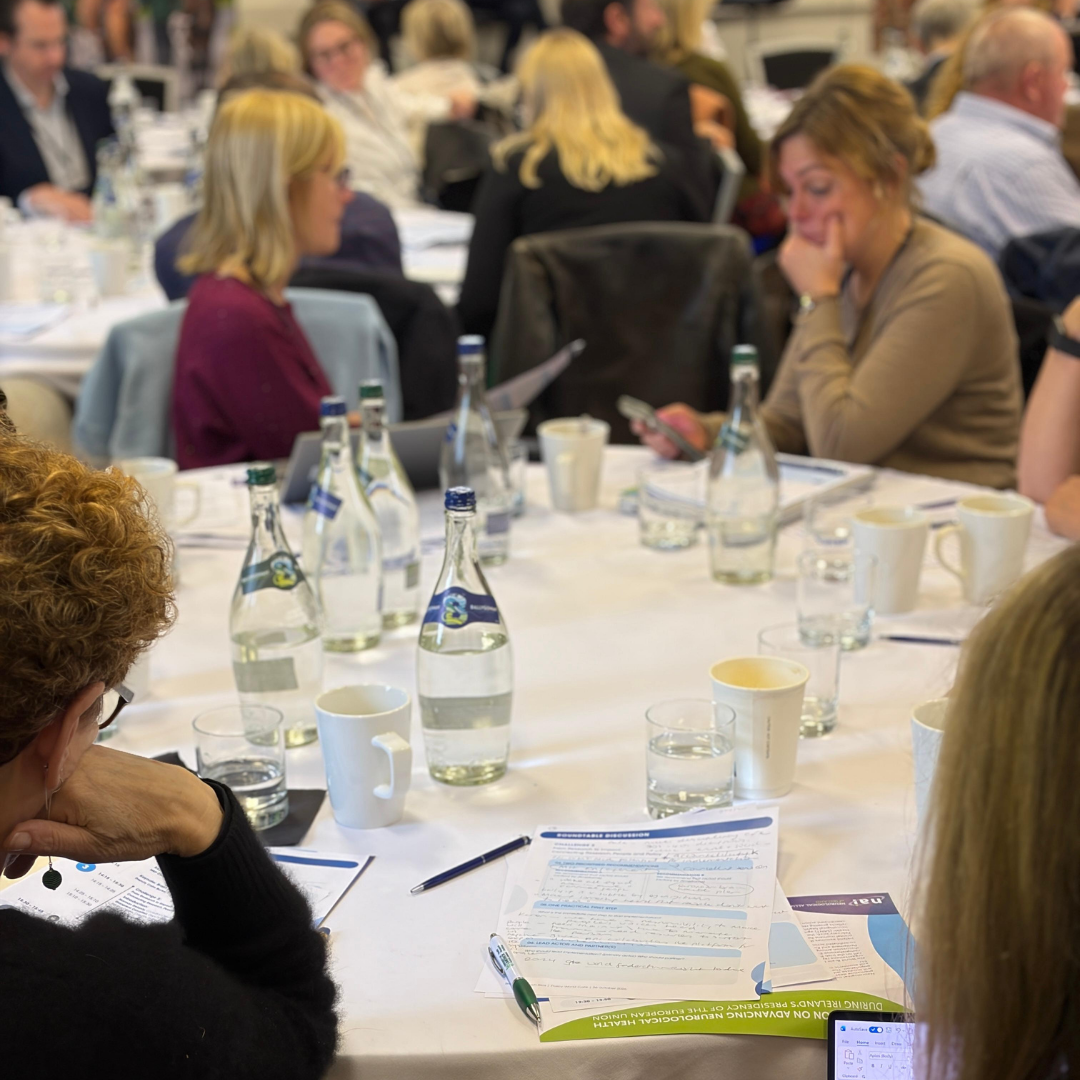
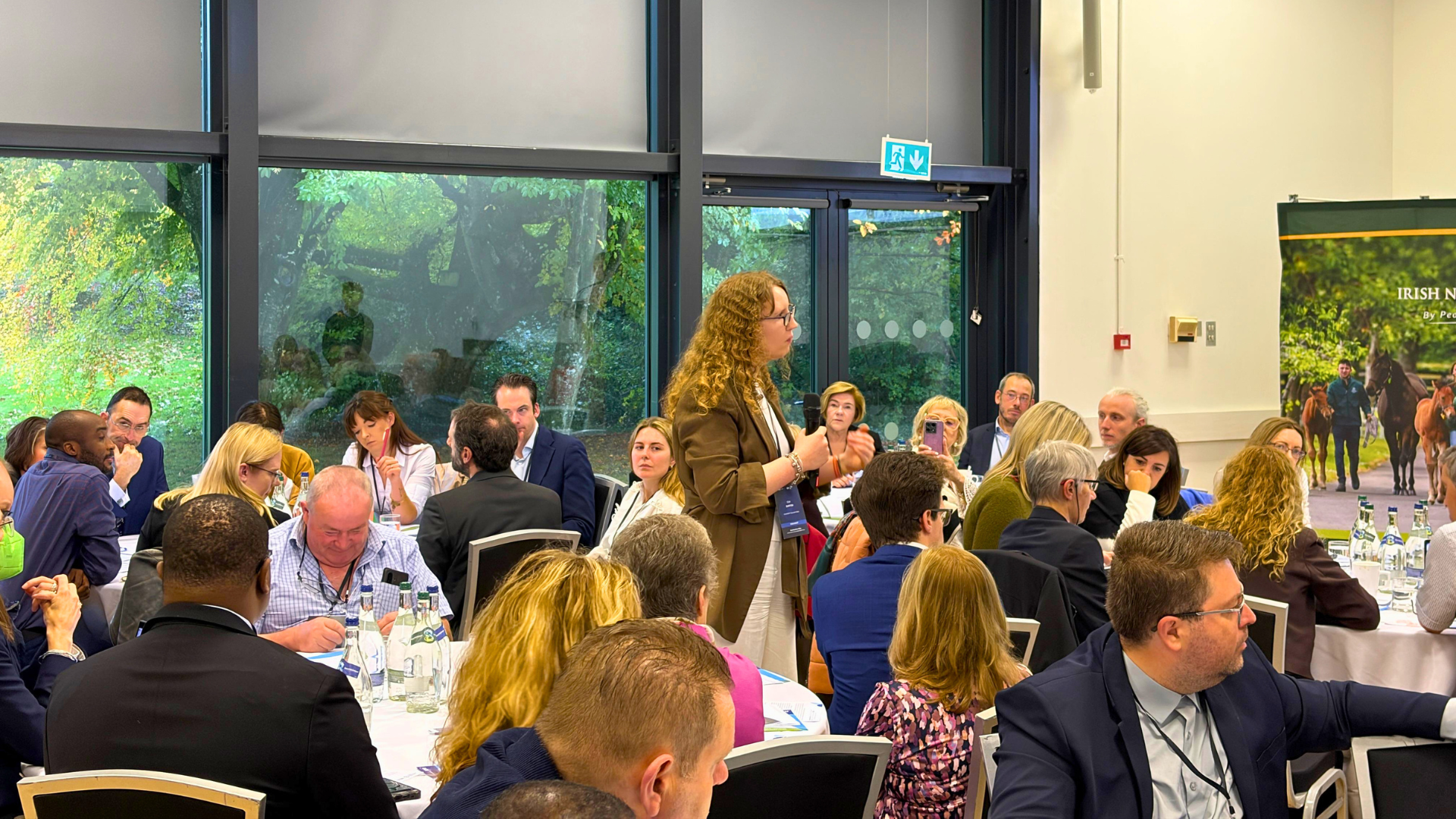
The event took the form of a Policy World Café, built around open conversation at mixed tables rather than a traditional conference format. Each of the four challenges opened with a short introduction, followed by group discussion and a panel reflecting on what the tables raised. The issues and priorities for action set out below come directly from those discussions, and will be carried forward to European and Irish decision‑makers to inform recent policy developments around brain health.
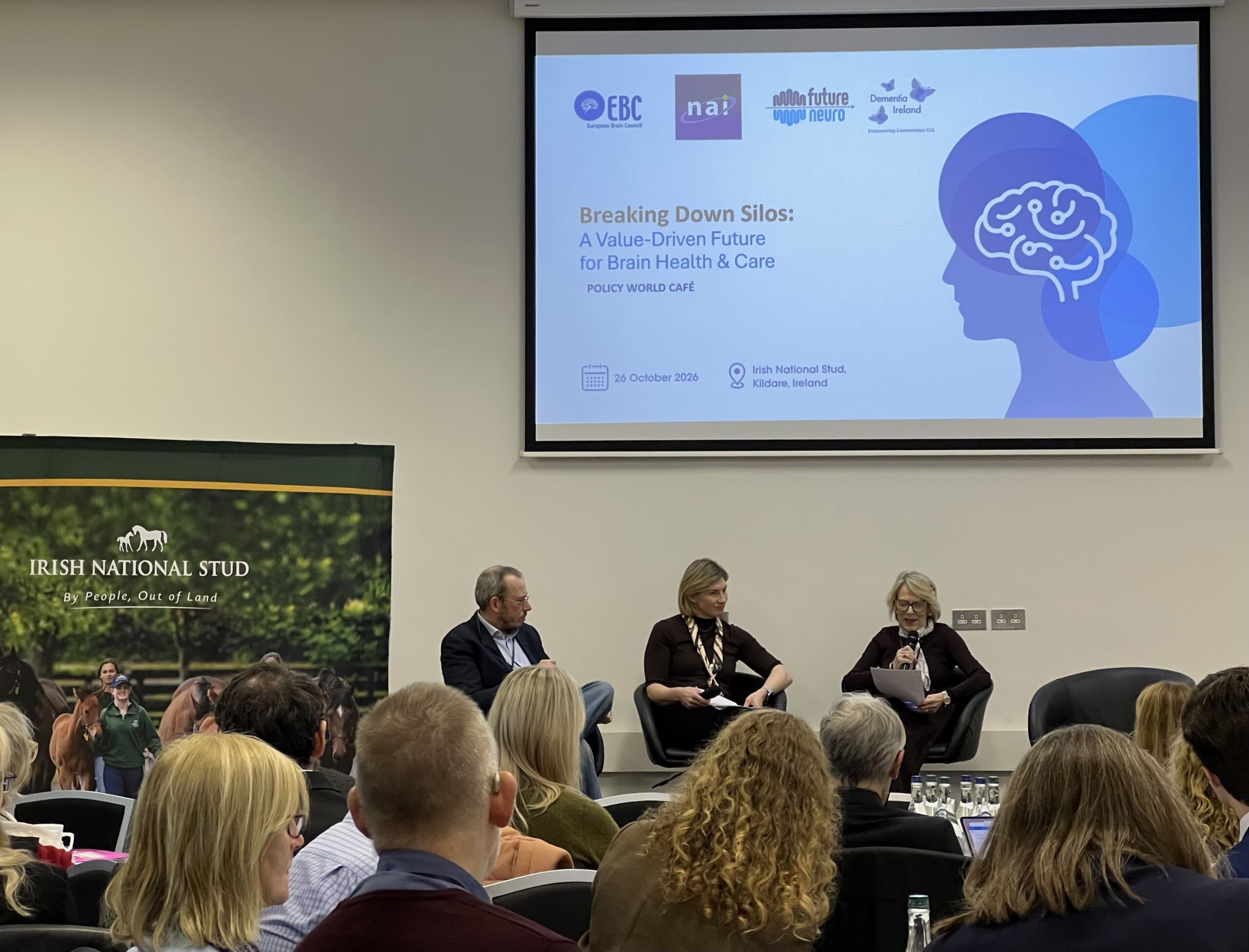
Opening · 1 of 5
Welcome and fireside chat
Nina Carberry MEP, Helen Rochford‑Brennan
Welcoming participants, Nina Carberry MEP, co-chair of the European Alzheimer’s Alliance, said Europe has a real opportunity to lead on brain health through better coordination and stronger investment in research, provided research, health, policy and people living with these conditions work together. In the fireside chat that followed, Helen Rochford‑Brennan drew on 13 years of living with Alzheimer’s to speak about stigma, access to new treatments and the need for people with lived experience to take part as equals. Nina Carberry called for a European Brain Health Action Plan, following the success of Europe’s Beating Cancer Plan.
“Policies have to be built around the patient, not the patient fitting into the policies.”
Nina Carberry MEP
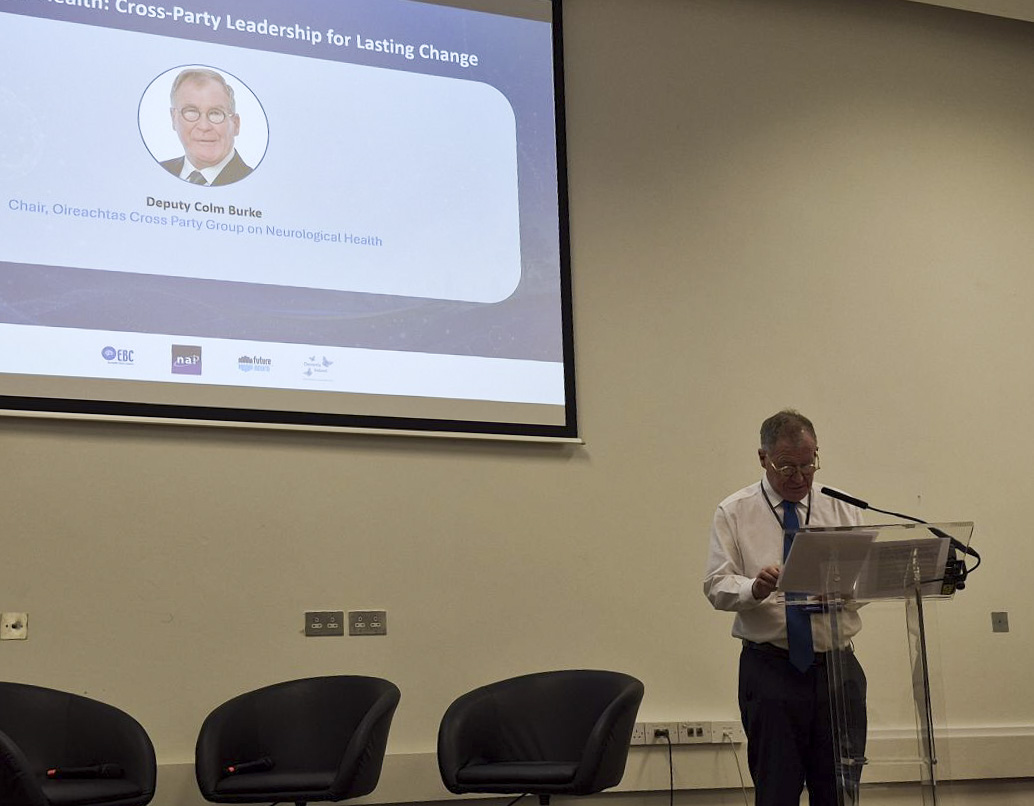
Keynote · 3 of 5
Cross-party leadership for lasting change
Deputy Colm Burke
Deputy Colm Burke, Chair of the Oireachtas Cross-Party Group on Neurological Health, argued that brain health cuts across parties and government departments, with broad common ground on earlier diagnosis, rehabilitation and support for carers. He set out what an EU neurological health strategy could deliver, and told how his own treatment abroad in 1988 later led him to champion cross-border healthcare as an MEP.
“Political support also has to last beyond a particular minister, a budget or programme for government.”
Deputy Colm Burke
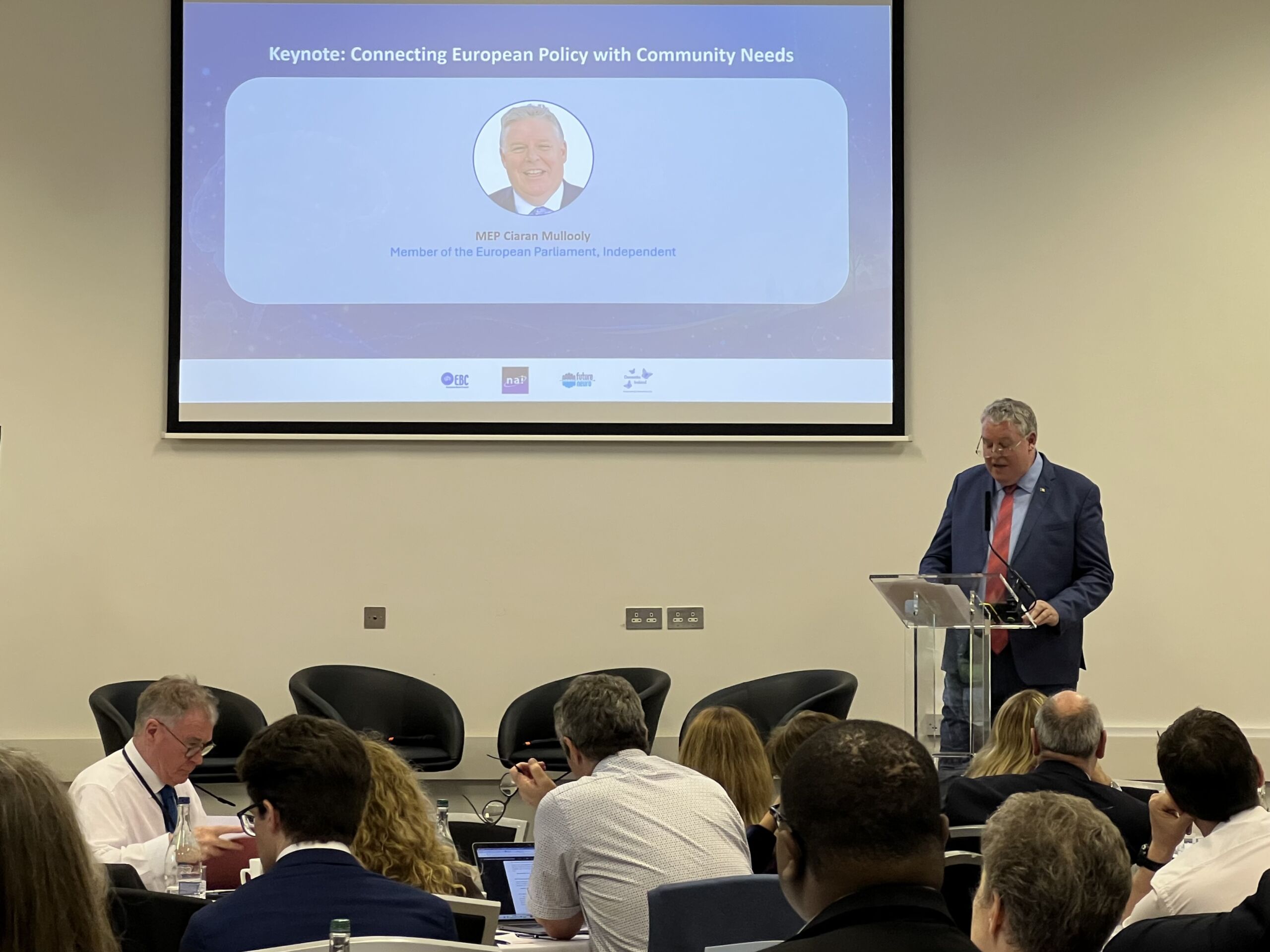
Keynote · 4 of 5
Connecting European policy with community needs
Ciarán Mullooly MEP
Ciarán Mullooly MEP drew on his mother’s experience of Alzheimer’s and his work running a dementia café to argue that health care, accessible housing, transport and community support together decide whether people can live independently. He called for every euro of EU funding to meet accessibility and inclusion criteria, and for policies to be co-designed on the principle of “nothing about me without me”. With proposals for the next EU budget channelling most funding through single national and regional plans, he urged organisations to make their case to regional and local authorities as those plans take shape.
“This was never about charity or goodwill, it was always about basic human dignity.”
Ciarán Mullooly MEP
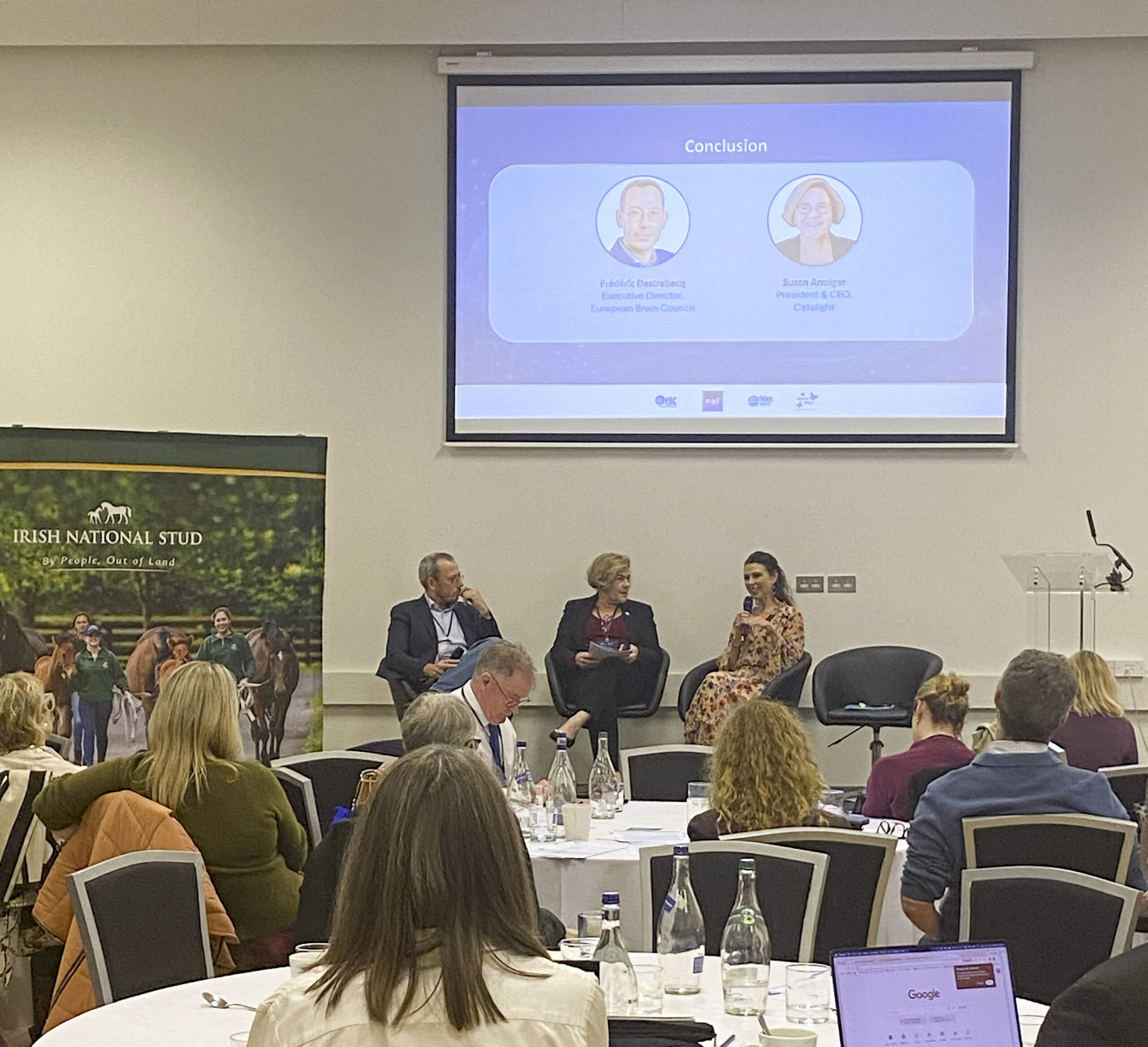
Close · 5 of 5
Reflections and next steps
Eamon McPartlin, Colm Burke, Susan Armiger, Fred Destrebecq
The day closed with two fireside chats. In the first, Fred Destrebecq spoke with Eamon McPartlin, who named equity of access as the greatest remaining challenge, and Colm Burke, who highlighted the gap between policy and delivery. In the second, Susan Armiger and Fred Destrebecq pointed to greater investment in neuroscience research, services redesigned around the person, and support for carers. The recommendations will be taken to an event in the European Parliament hosted by Nina Carberry MEP, and to a conference in Vilnius in March 2027 under the Lithuanian Presidency.
“The redesign of service delivery around the patient… is going to increase the value for everyone, every person in the story, and it’s going to lower the cost.”
Susan Armiger
I. A Focus on Lived Experience: Understanding Unmet Needs and Improving Outcomes
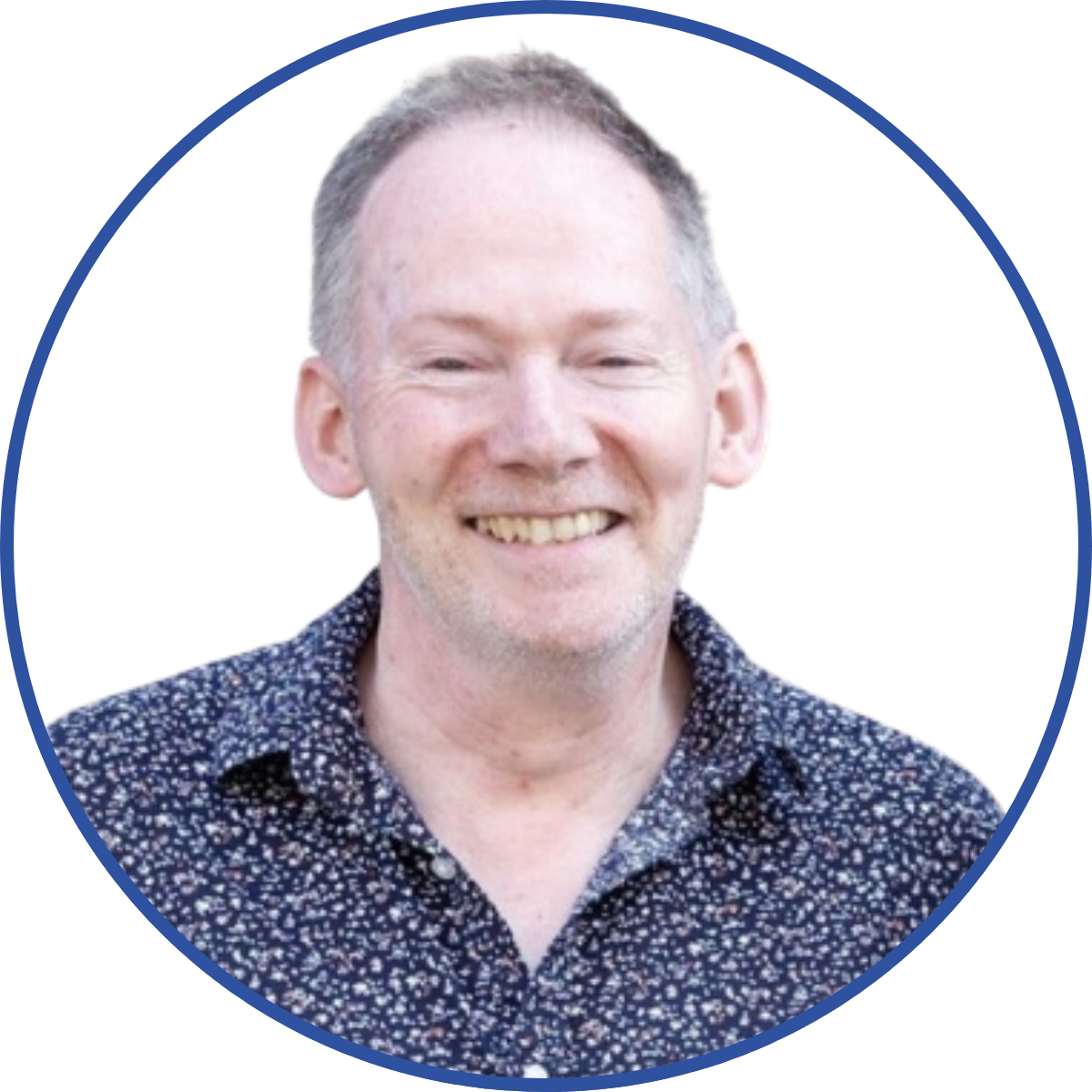 Introduced byEamon McPartlin
Chair, Neurological Alliance of Ireland
The day’s first challenge began with the realities of living with a brain condition. Eamon McPartlin, Chair of the Neurological Alliance of Ireland, shared his own experience of long waits for diagnosis and treatment, and of how lived-experience advocacy helped bring about Ireland’s first multidisciplinary clinic for functional neurological disorder. With that as a starting point, the tables set out the barriers that most affect quality of life, access to support and participation in society for people living with brain conditions and their carers, along with ways to overcome them.
“We must have equity of access and support at the forefront of everything we do. It should not be the case that we must pit one neurological condition against the other, or [that] those that shout the loudest or have the most resources succeed. My view is that a rising tide raises all boats.”
Eamon McPartlin, Chair, Neurological Alliance of Ireland
Barriers and priorities for action
Diagnosis takes too long
Getting a diagnosis can take years, and it heavily depends on where people live and which condition they have. Stigma and a focus on symptoms rather than underlying cause add to the delay.
Priority: More resources for earlier diagnosis and assessment, including in the community and for children, with equal access across regions and conditions.
Left alone after diagnosis
After diagnosis, people are often left to find their own way, with little support and care pathways that are hard to navigate.
Priority: A navigator or caseworker assigned at diagnosis to guide people and families through services, with counselling at diagnosis and as the condition evolves.
Support relies on carers and volunteers
Long-term support depends heavily on informal carers and voluntary organisations filling gaps in statutory services.
Priority: Statutory services should provide long-term support, carers and voluntary organisations should be properly funded for the work they do, and patient organisations should speak to policymakers with one voice.
Consulted too late
People with lived experience are often consulted after decisions are made rather than involved in making them.
Priority: People with lived experience should help design services and policies from the start and have a real say in decisions.
Communities not reached
Rural, minority ethnic, and migrant communities are poorly reached by services and research.
Priority: Services and researchers must reach these communities, with time and funding to build relationships first and methods that work in the absence of a common language.
Unclear responsibility for delivery
Promising policies are being developed, but responsibility for implementing them is often unclear and plans tend to be short-term.
Priority: Implementation needs clear responsibility, clear timelines and plans should outlast political mandates.
Panel discussion
- KJ
 Karan JutllaUniversity of Wolverhampton
- CG
 Carmel GeogheganDementia Ireland
- OG
 Orla GalvinEuropean Federation of Neurological Associations
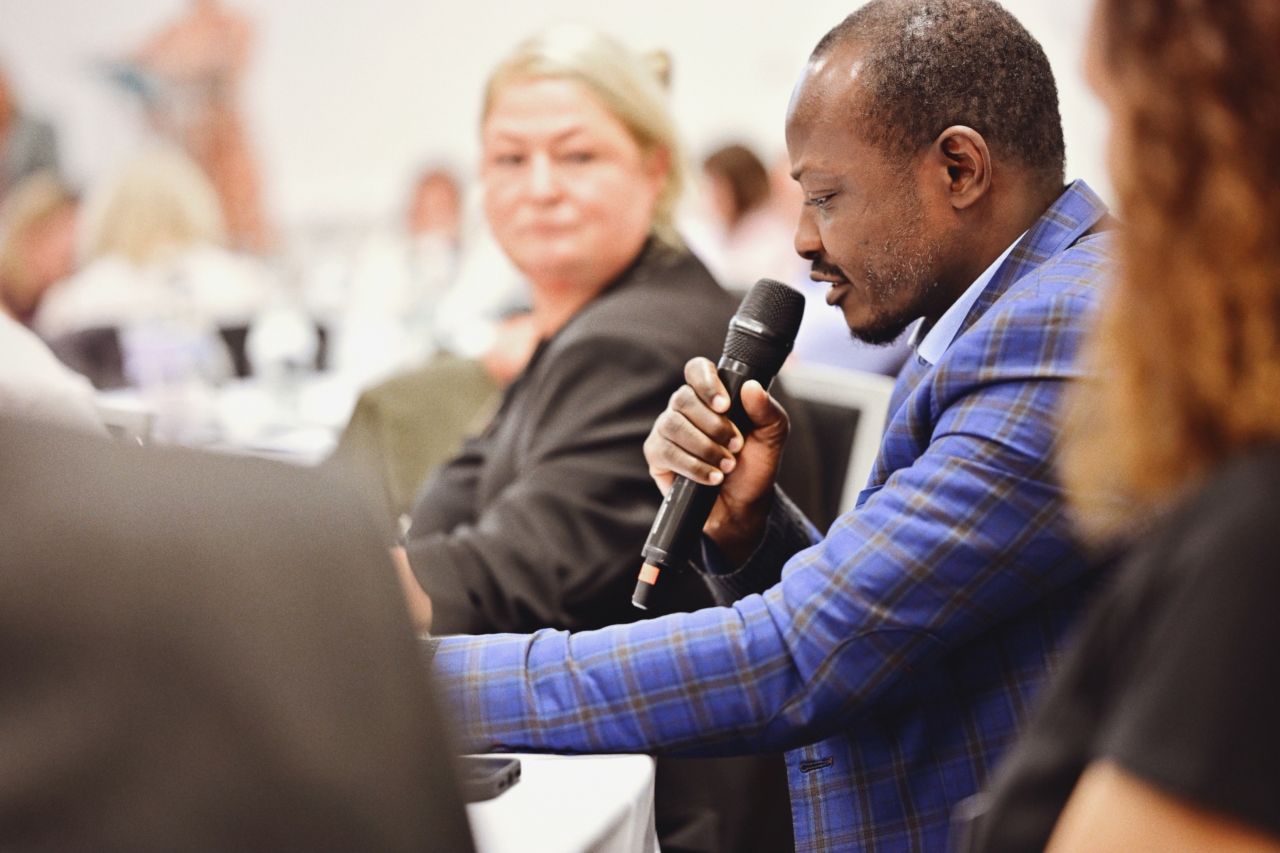
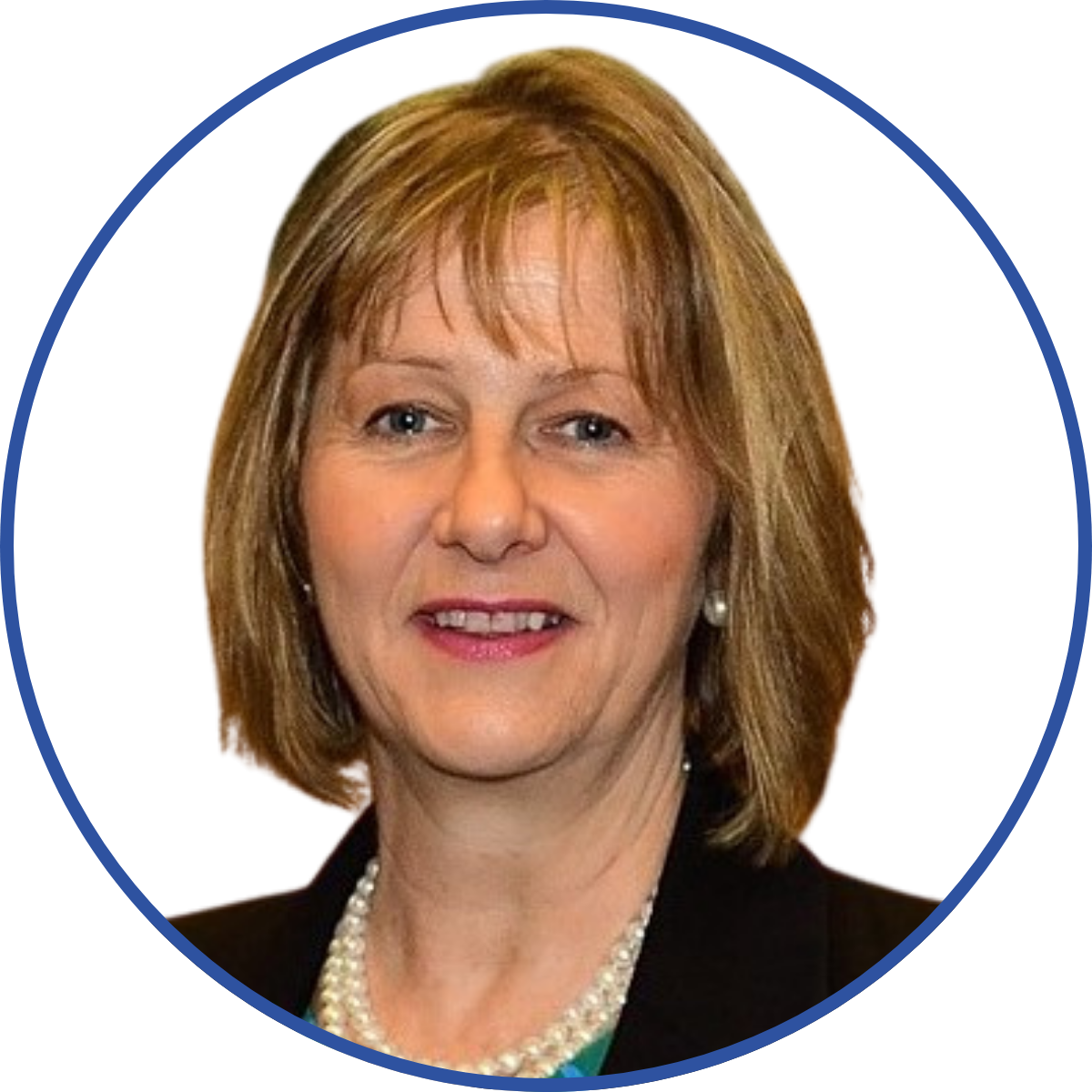
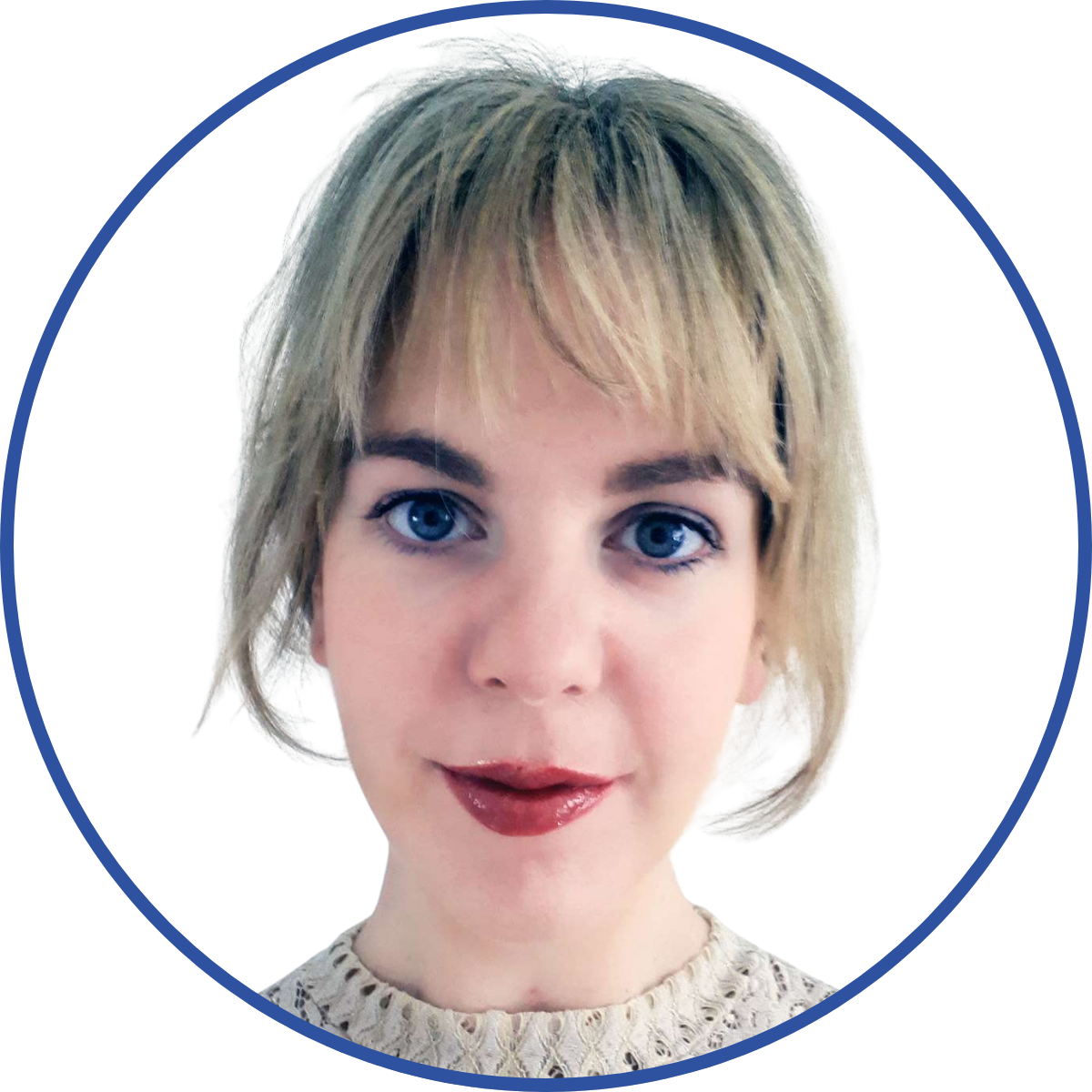
The panel considered what meaningful involvement of people with lived experience requires. Karan Jutlla (University of Wolverhampton) observed that much of what is described as co-design or co-production is, in practice, limited to consultation. Her team’s work with underserved communities, who drew and mapped the dementia support they needed rather than answering interview questions, showed that inclusive approaches work, but only with time, funding and trained teams behind them. Carmel Geoghegan (Dementia Ireland), drawing on her experience of caring for her mother, brought the conversation back to what happens after a diagnosis, when families are too often left to find their own way in complex care systems. She and Orla Galvin (European Federation of Neurological Associations) both returned to a word heard throughout the session: accountability. Encouraging policies are being developed, Orla Galvin noted, but without clear responsibility for putting them into practice, the progress made on patient involvement will not reach its full potential.
II. Prevention and Early Intervention across the Life Course
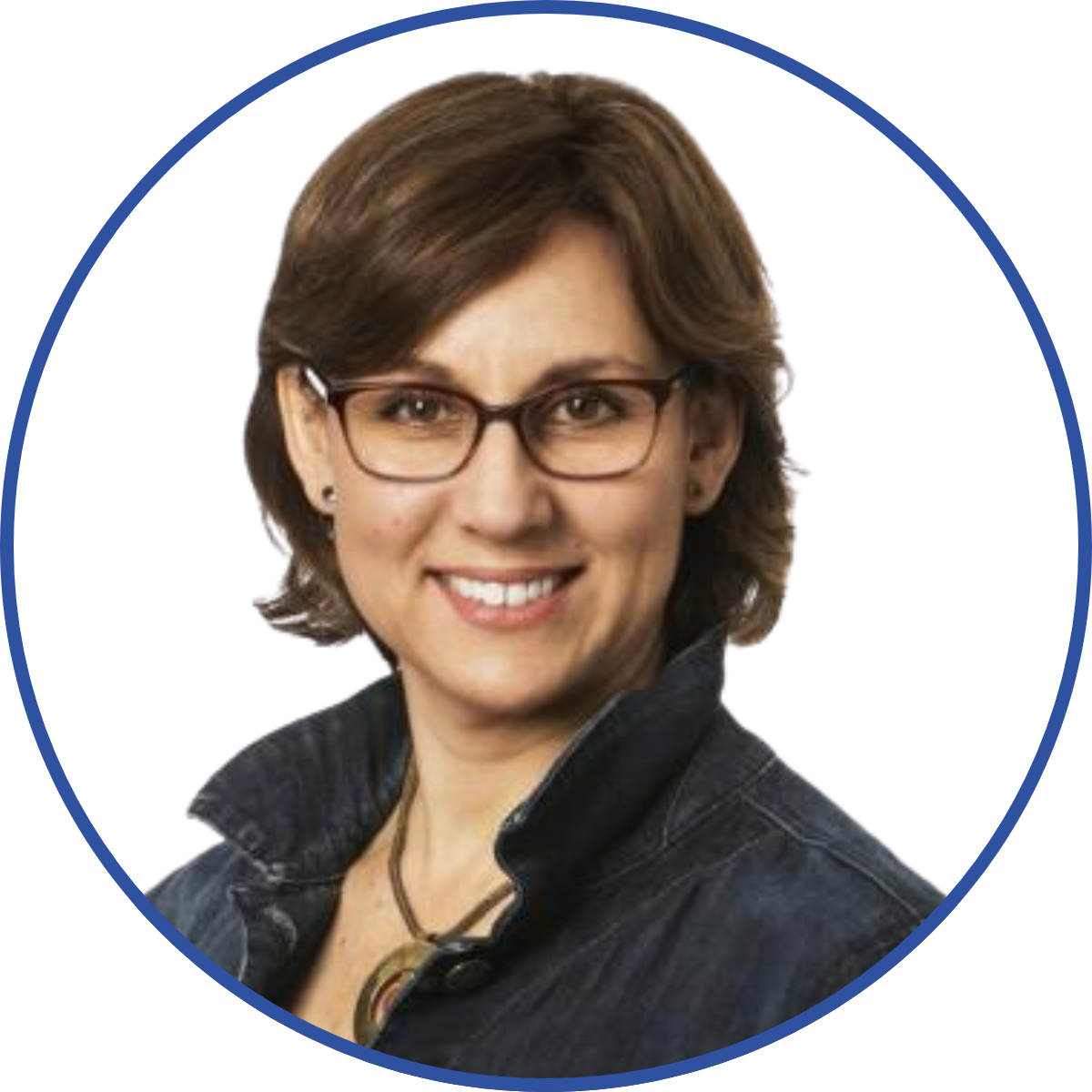 Introduced byIracema Leroi
Global Brain Health Institute, Trinity College Dublin
Iracema Leroi, Professor in Geriatric Psychiatry and Site Director of the Global Brain Health Institute at Trinity College Dublin, opened the second challenge by asking participants to think beyond dementia prevention. She described brain health as a lifelong foundation, influenced by ecological, biological, psychological and social factors, and pointed to a gap between knowing and doing: most people are aware of what protects the brain, but only around half act on it. Her question to the room was whether current efforts lean too heavily on clinical services. The tables looked at what would enable earlier action, stronger prevention and better public understanding of brain health.
“Brain health underpins every aspiration we have as individuals and as societies: our ability to think, connect, create, decide, and care. So it is the foundation of human potential across the life course.”
Iracema Leroi, Professor in Geriatric Psychiatry and Site Director, Global Brain Health Institute, Trinity College Dublin
Barriers and priorities for action
Low awareness of brain health
Public awareness of brain health and lifelong risk is low, and knowledge often doesn’t turn into action.
Priority: Brain health education should start early and link familiar health messages, such as exercise, nutrition and sleep, to the brain, backed by sustained public campaigns.
Prevention has no clear lead
No one owns prevention: health systems are built around acute care, and efforts are spread across organisations and government departments with no overall plan.
Priority: National and European brain health strategies with clear targets, mandated lived-experience involvement and a brain health schedule for each stage of life, driven by a national brain health commission and delivered through schools, workplaces, communities and routine healthcare.
Risks start early in life
Risks to brain health begin early in life, including pressures on family life, children’s exposure to digital technology, trauma, infection and injury.
Priority: Attention to brain health should start in pregnancy, schools should be able to spot difficulties early and keep young people in education, and children should be helped to use technology in healthy ways.
Social conditions shape brain health
Social conditions such as homelessness, conflict and unequal access to healthcare shape brain health, and inequalities, including gender-based, are hard to tackle within current approaches.
Priority: Prevention efforts could look more closely at social and environmental factors alongside individual behaviour, and find ways to reach groups outside established systems.
Panel discussion
- ND
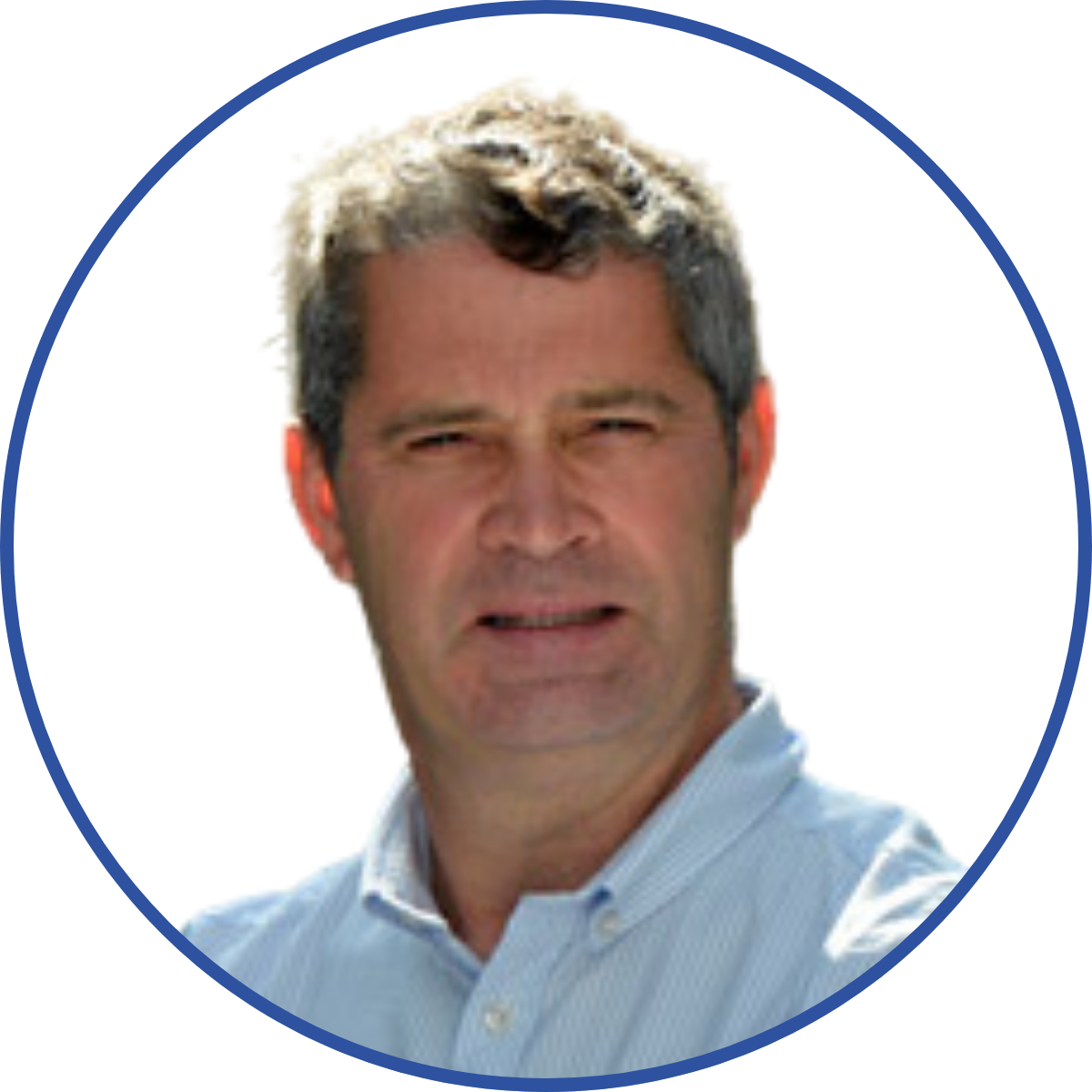 Norman DelantyBeaumont Hospital
- JL
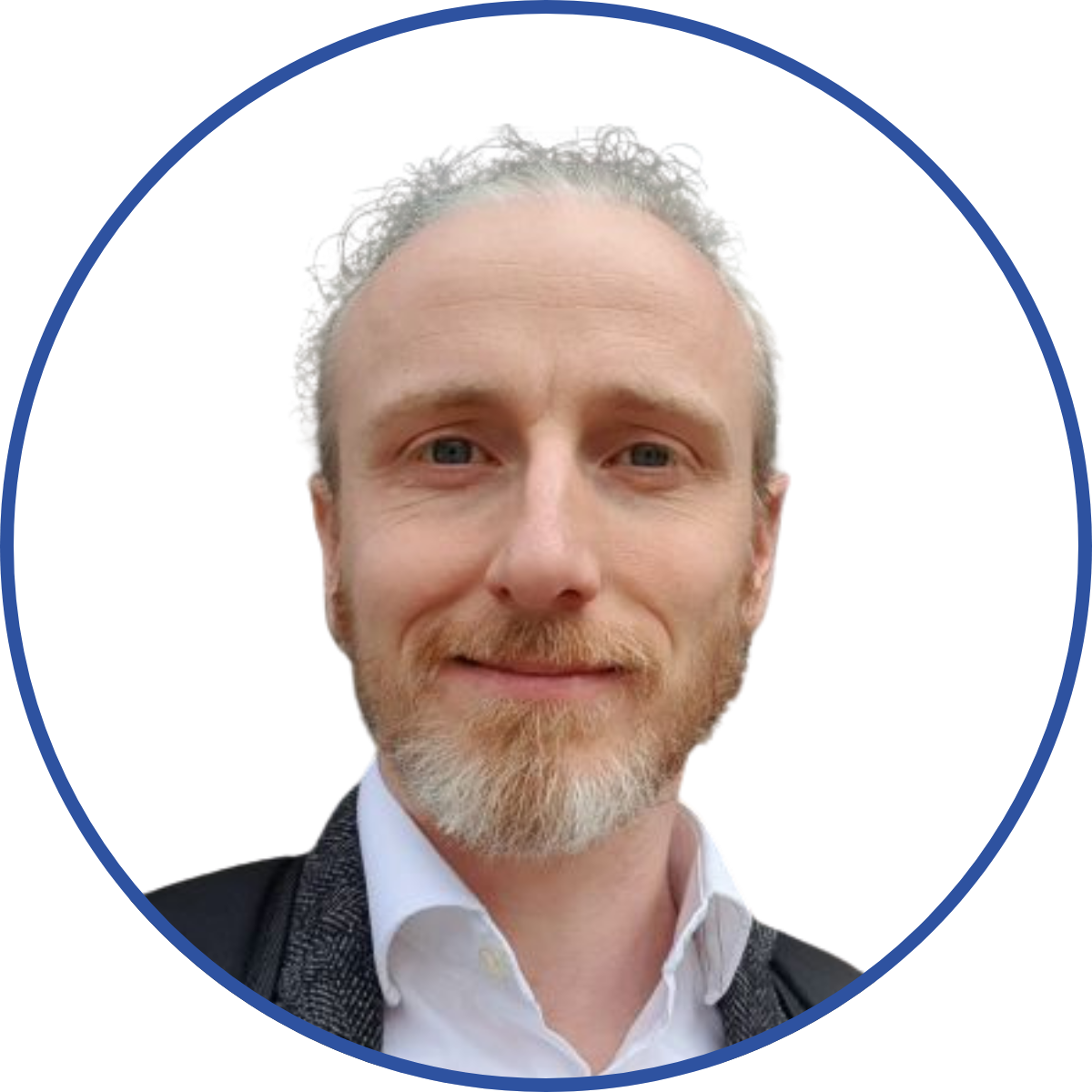 John Francis LeaderEuropean Federation of Psychologists' Associations
- ILIracema LeroiGlobal Brain Health Institute, Trinity College Dublin
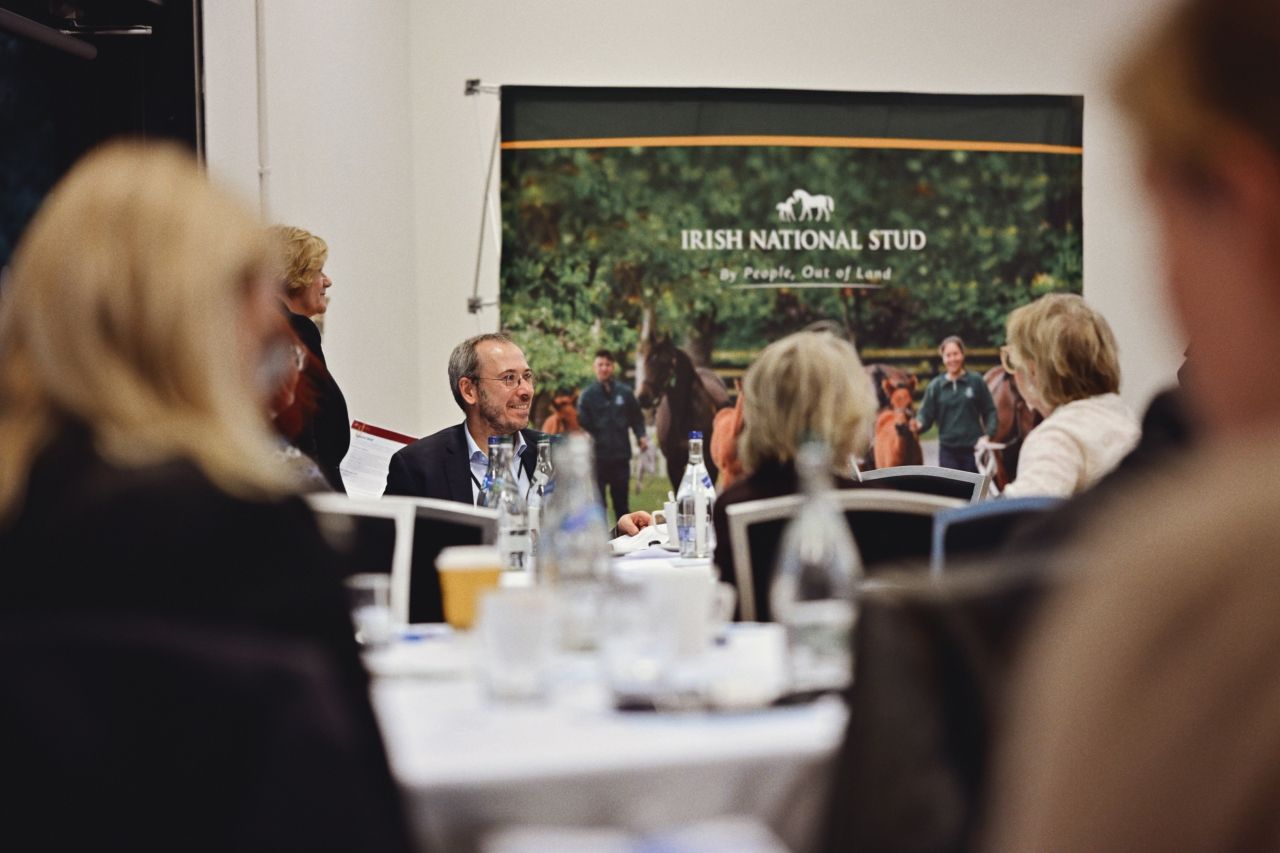
Much of the panel’s discussion centred on ownership. Norman Delanty (Beaumont Hospital) argued that prevention belongs with society, government and public health rather than acute hospitals, though clinicians can still play their part: the main modifiable risk factors can be covered in a couple of minutes during a routine appointment. He discussed the idea of a brain health strategy spanning ten to fifteen years, rather than funding decided budget by budget. John Francis Leader (European Federation of Psychologists’ Associations) argued that the task is less about creating new frameworks than bringing brain health into systems people already use, such as schools and workplaces, and suggested a simpler first step: making existing services easier to navigate. Iracema Leroi saw a clear appetite in the room for national and European brain health plans that connect existing neurological and mental health strategies, and closed on the principle that brain health belongs to every citizen in Europe. Questions from the floor widened the conversation to infection, air pollution and the role of technology in supporting independence.
III. From Research to Impact: Connecting Research, People and Policy
 Gianpiero Cavalleri
FutureNeuro Research Ireland CentreND
Norman DelantyBeaumont Hospital
The third challenge opened with a success story and the obstacles behind it. Gianpiero Cavalleri (FutureNeuro Research Ireland Centre) described a child who, after years without answers, received a genetic diagnosis through a European research programme. He wants to make that possible for many more people in Ireland, but barriers stand in the way: his team has spent more than a year waiting for a single data protection review before being able to apply for ethics approval. Ireland has real strengths, he noted, from a well-connected clinical network to a research-engaged patient community, yet hospitals tend to deprioritise research, and investment in it is relatively easily cut. Norman Delanty (Beaumont Hospital) added that clinicians rarely have protected time for research, and that more clinician-scientist posts are needed. The tables focused on what stands between research and real-world impact, and how to remove those obstacles.
“In terms of designing and enabling our research system in Ireland and across Europe, we have to be ambitious; otherwise, we will fall behind. That will have economic impacts, but also impacts for people who are currently living with neurological diseases and those that will develop them in the future.”
Gianpiero Cavalleri, Deputy Director, FutureNeuro Research Ireland Centre
Barriers and priorities for action
No protected time for research
Research is treated as optional within the health system, with little protected time for clinicians.
Priority: Research time should be protected in clinical contracts, with more clinician-scientist posts and training pathways for clinician-researchers.
Too few trial-ready sites
There are too few trial-ready sites and study start-up is slow, so clinical trials go elsewhere.
Priority: More trial-ready sites with trained teams are needed, and study start-up should be faster.
Low and unsteered investment
Research investment is lower than in comparable countries and easily cut, and no single body can steer a system spread across universities, hospitals, funders and government.
Priority: National research investment should be higher, and a forum of all stakeholders, patients included, should guide the system, with institutions agreeing shared governance and common contracts.
Data and biobanks underused
Valuable data and biobanks are often used only by the teams that built them.
Priority: Datasets and biobanks should be made visible and widely used through national systems.
Research not led by need
Research does not always start from people’s needs, patient involvement is under-resourced and unpaid, and contributors are often not told what their input changed.
Priority: Funding calls should be built around needs that communities and the health system identify and should require stakeholder involvement, which should be properly resourced, with contributors being told what their input changed.
Slow, inconsistent approvals
Data protection and ethics processes are inconsistent, cautious and slow, and multi-site studies need several separate approvals.
Priority: Data protection rules for research need a consistent, less rigid interpretation that still protects participants, reviews need better resourcing, and a single ethics decision should be valid across sites.
Panel discussion
- LM
 Lynn McDonaldFutureNeuro PPI group on Parkinson's disease
- FH
 Finnian HanrahanResearch Ireland
- GCGianpiero CavalleriFutureNeuro Research Ireland Centre
The panel put lived experience at the centre of the research debate. Lynn McDonald (FutureNeuro PPI group on Parkinson’s disease), drawing on her experience as a parent advocate and as a person living with early-onset Parkinson’s, described the many unpaid hours people with lived experience give to research. Finnian Hanrahan (Research Ireland) also stressed that involvement must be properly resourced, describing a shift, particularly in large collaborative funding, towards engaged research, in which researchers work with the people who will use their findings from the start; embedding that culture, he said, takes years of sustained support. On practical bottlenecks, Gianpiero Cavalleri identified data protection reviews and repeated ethics approvals as the longest delays, and Lynn McDonald pointed to the Dublin Brain Bank, where donated tissue went unused for years until advocacy helped restore its funding. Ireland’s size, Finnian Hanrahan suggested, could work in its favour: with common governance and contracts agreed between institutions, research systems could run more efficiently on a national scale.
IV. Redefining Value in Care for Brain Disorders
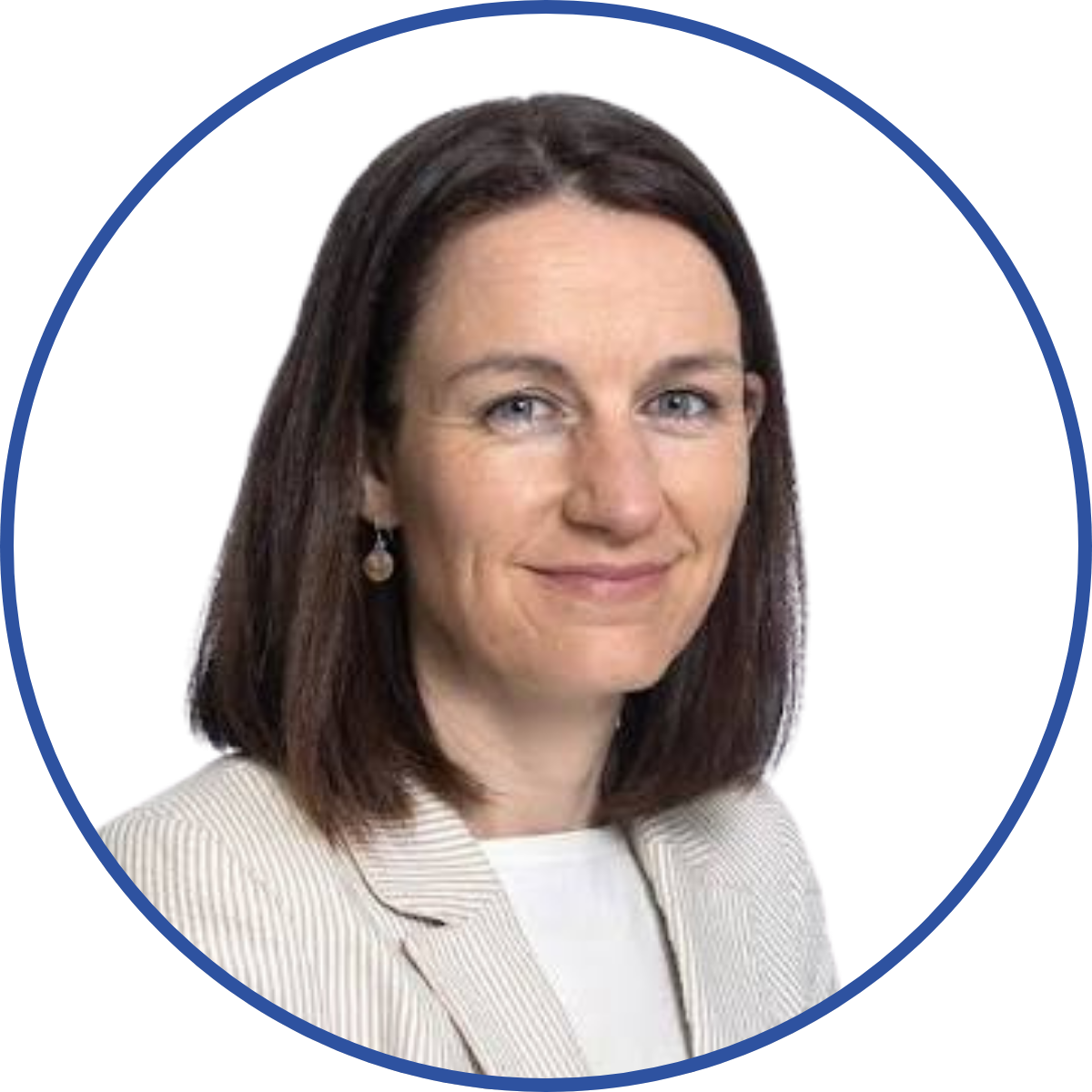 Introduced byIrene Hartigan
University College Cork
The final challenge asked what makes care valuable, and to whom. Irene Hartigan (University College Cork) invited participants to look beyond the usual measures of waiting times, activity and cost, and to ask whether care gives people living with brain conditions the freedom to live meaningful, connected lives. Drawing on the capability approach, she argued that value lies in relationships, participation, independence and support for carers, much of which depends on factors outside the health service. The tables explored how care pathways could become more coordinated, timely and responsive to what matters most to people and families.
“People do not experience life through outcome measures; they experience life through stories, relationships, aspirations, and everyday experiences. Health may be measured clinically, but life is lived socially, and that distinction matters.”
Irene Hartigan, University College Cork
Barriers and priorities for action
Measuring the wrong things
Success is measured by activity and cost rather than by what matters to people or by wider social and economic gains.
Priority: Outcome measures should capture quality of life and personal goals, including patient-reported measures, and be designed with people living with diverse conditions. Interventions should also be assessed by their wider gains, such as return to work.
Long waits, too few neurologists
Waits are long and there are too few neurologists, with even routine conditions managed in a few specialist centres.
Priority: Regional neurologists, community clinics and GPs with a special interest in neurology should handle common conditions, leaving specialist centres for complex cases and making better use of existing resources.
Gaps in rehabilitation
There are gaps in rehabilitation and multidisciplinary care, and families often feel abandoned after discharge.
Priority: People should have access to multidisciplinary teams and rehabilitation, with care plans built around what they value and reviewed regularly.
Underfunded care at home
Care centres on medical treatment, while support at home and in the community is underfunded.
Priority: Social care needs investment, people should have a statutory right to care at home with a say in how it is given, and people near the end of life should be cared for in the community rather than sent to emergency departments.
Carers left unsupported
Carers are poorly supported, and the language of “care” can make people passive recipients.
Priority: Carers need dedicated funding, and services should talk about support and partnership rather than care.
Panel discussion
- RS
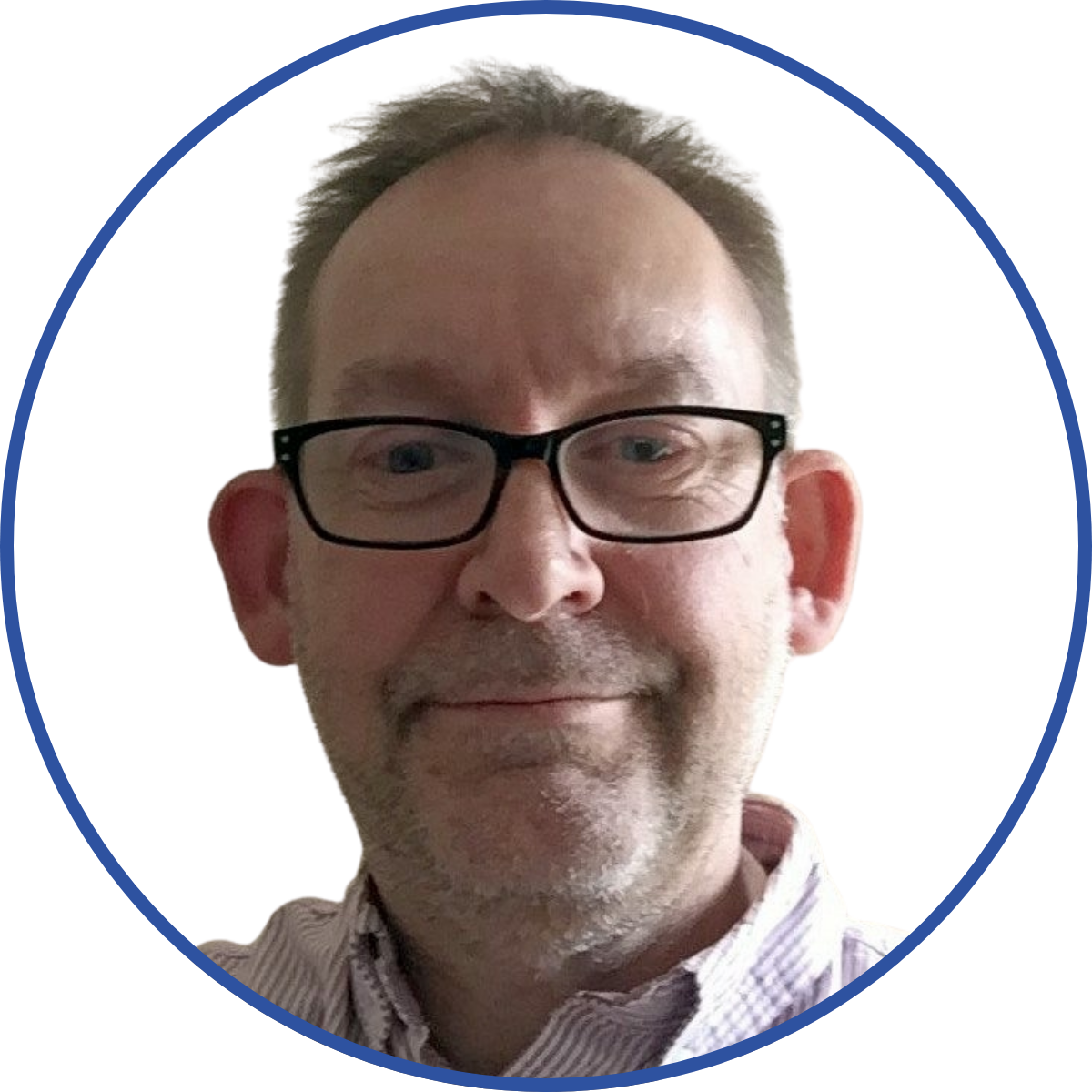 Richard StablesHeadway Ireland
- LK
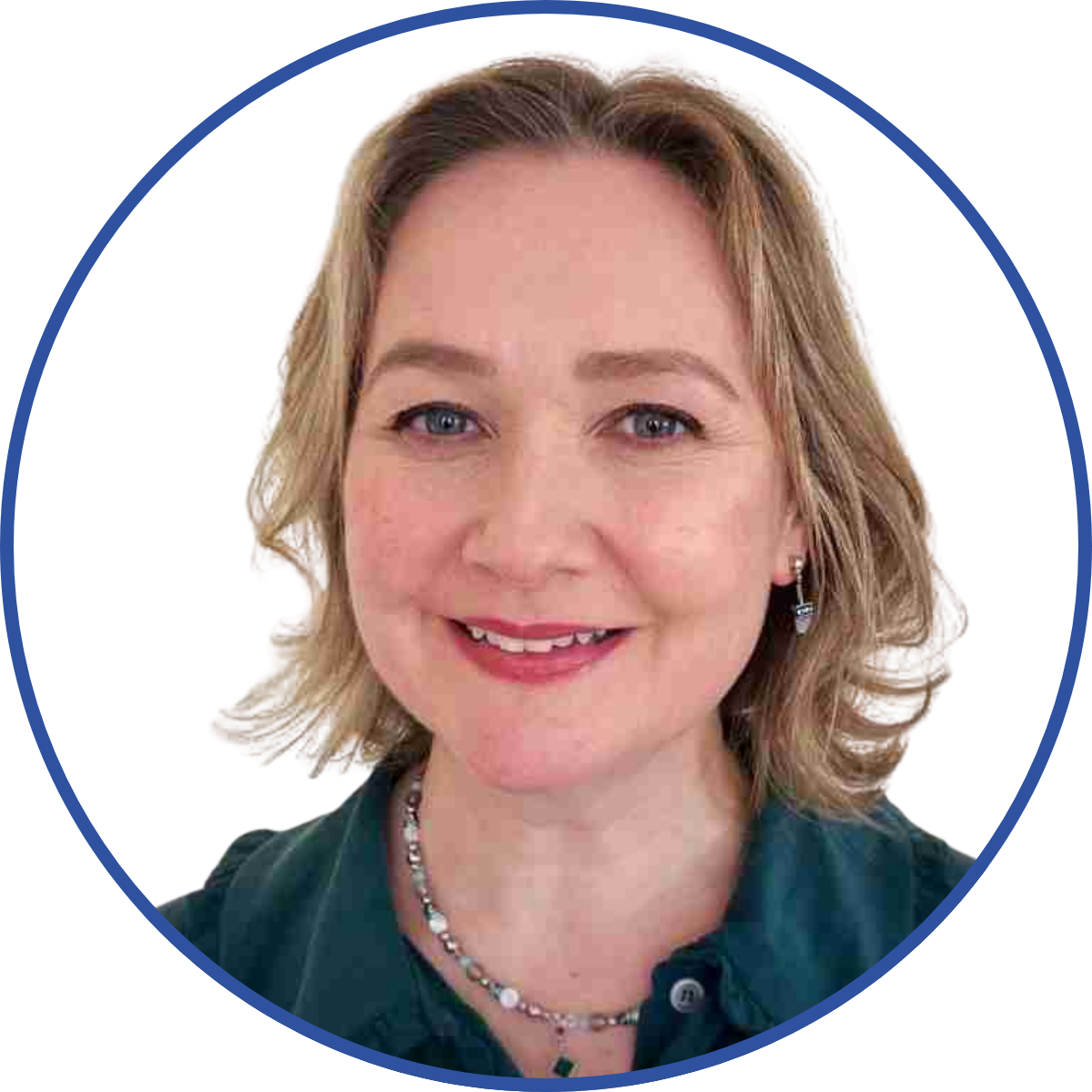 Lorna KerinHSE
- SA
 Susan ArmigerCatalight
- RW
 Richard WalshMater Hospital
The panel on redefining value in care for brain disorders asked who defines success, and kept finding that services and the people who use them answer differently. Richard Stables (Headway Ireland) said his organisation can count every hour of rehabilitation it delivers, but the outcomes that matter lie in people’s experiences, and for a disability service, success is when people no longer need it. Lorna Kerin (HSE) wanted those outcomes defined with patients, including those whose voices are hardest to hear, and called for a shift from care to partnership with patients, families and communities. For Susan Armiger (Catalight), value starts earlier, with timely access. In the US, her organisation gets people into diagnosis and treatment within days rather than months by building the capacity of local providers, and she argued the same money could be used differently rather than simply increased. Richard Walsh (Mater Hospital) brought this back to Ireland, where 28,000 people are waiting for a first neurology appointment, and argued for regional neurologists to manage common conditions so specialist centres can focus on complex cases. The final word came from the floor. A contributor, speaking from personal experience, challenged the room to consider why people who are newly diagnosed are offered care, which casts them as someone to be looked after, rather than support, which helps them carry on living their own lives. It brought the discussion back to Lorna Kerin’s opening point: the language services use shapes whether people are treated as partners or as passive recipients.
Organized in collaboration with
With the support of Catalight.